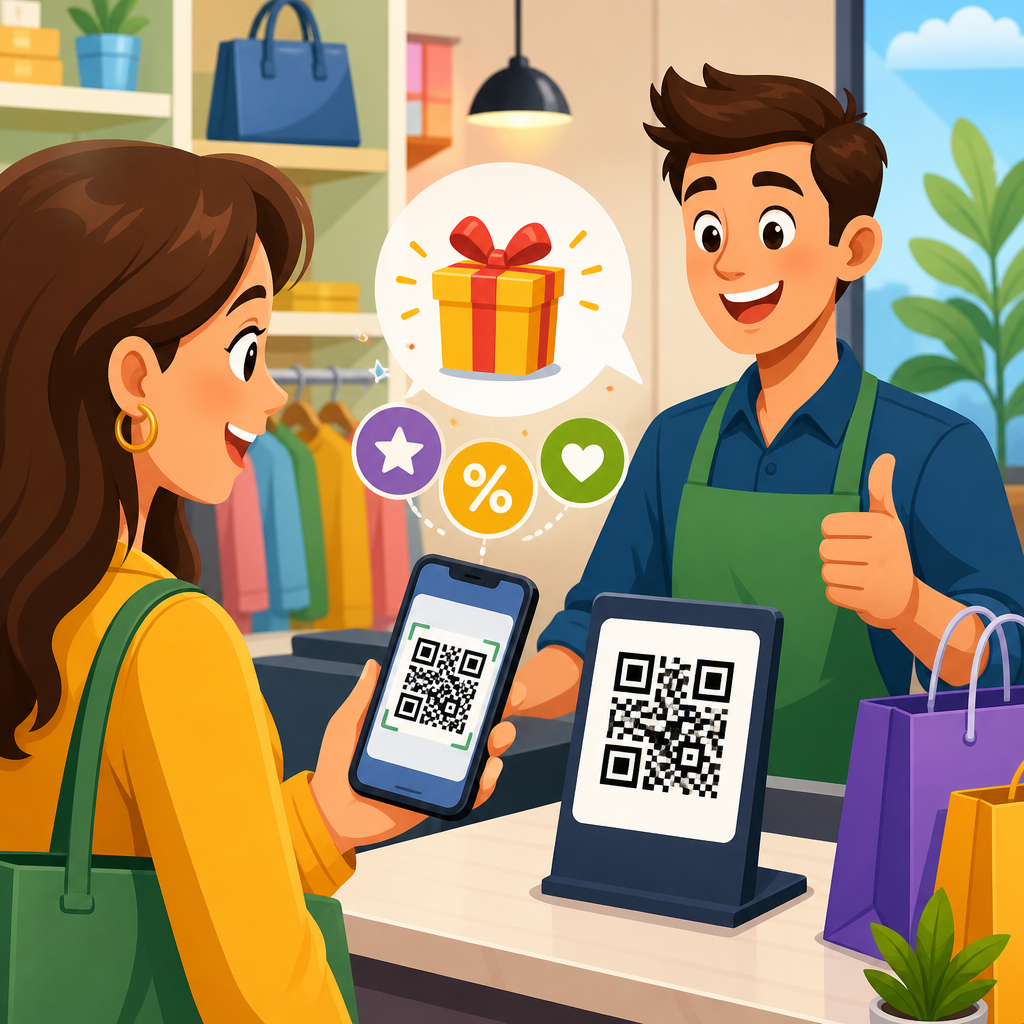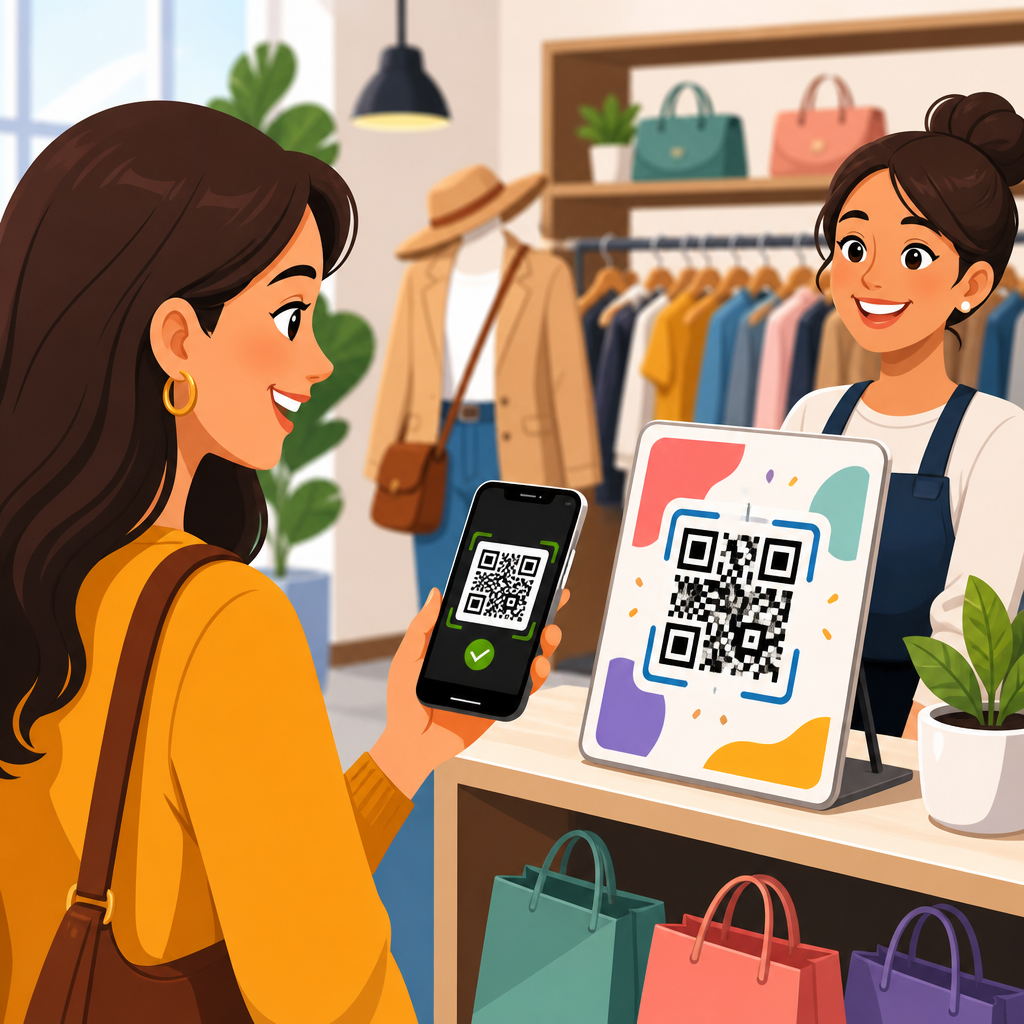
QR codes have become one of the most practical tools for customer engagement in retail because they bridge physical stores, packaging, print materials, and digital commerce with a single scan. In retail and e-commerce, customer engagement means every interaction that moves a shopper from awareness to consideration, purchase, loyalty, and advocacy. A QR code, short for Quick Response code, is a two-dimensional barcode that stores scannable data such as URLs, product identifiers, coupon links, app deep links, contact details, payment prompts, and event triggers. I have implemented QR campaigns for store launches, shelf-level promotions, loyalty enrollment, and post-purchase support, and the strongest results always came from using codes to remove friction at precise decision points.
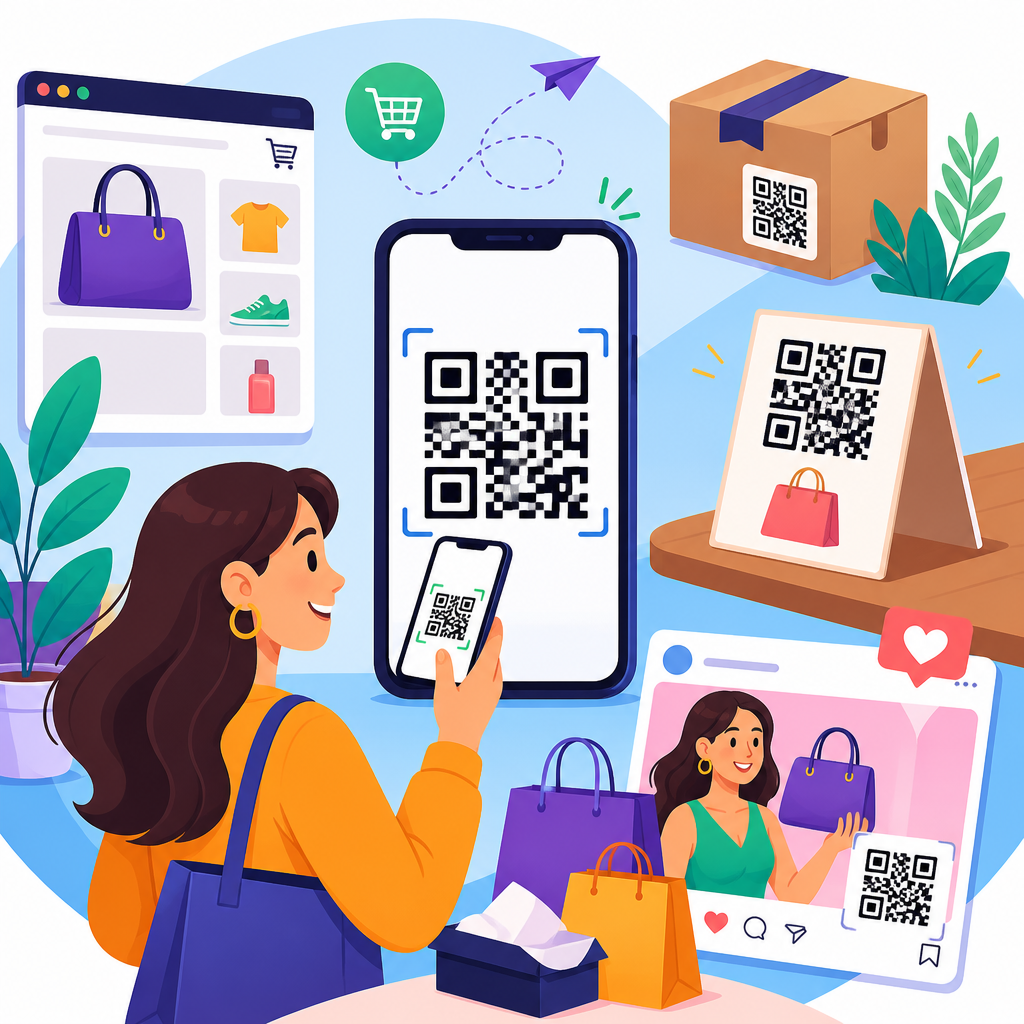
This matters because modern retail journeys are no longer linear. A shopper may discover a product on social media, compare reviews in a store aisle, buy online for pickup, and later reorder from packaging at home. Retailers need a reliable way to connect these moments without forcing customers to search, type long URLs, or install an app before value is clear. QR codes solve that access problem. They also create measurable touchpoints: scans can be tied to location, campaign, device type, time of day, and downstream actions such as add-to-cart, account creation, coupon redemption, or repeat purchase. For retail and e-commerce teams, that makes QR codes useful not only for marketing, but also for merchandising, operations, customer service, loyalty, and conversion rate optimization.
How QR codes improve the retail customer journey
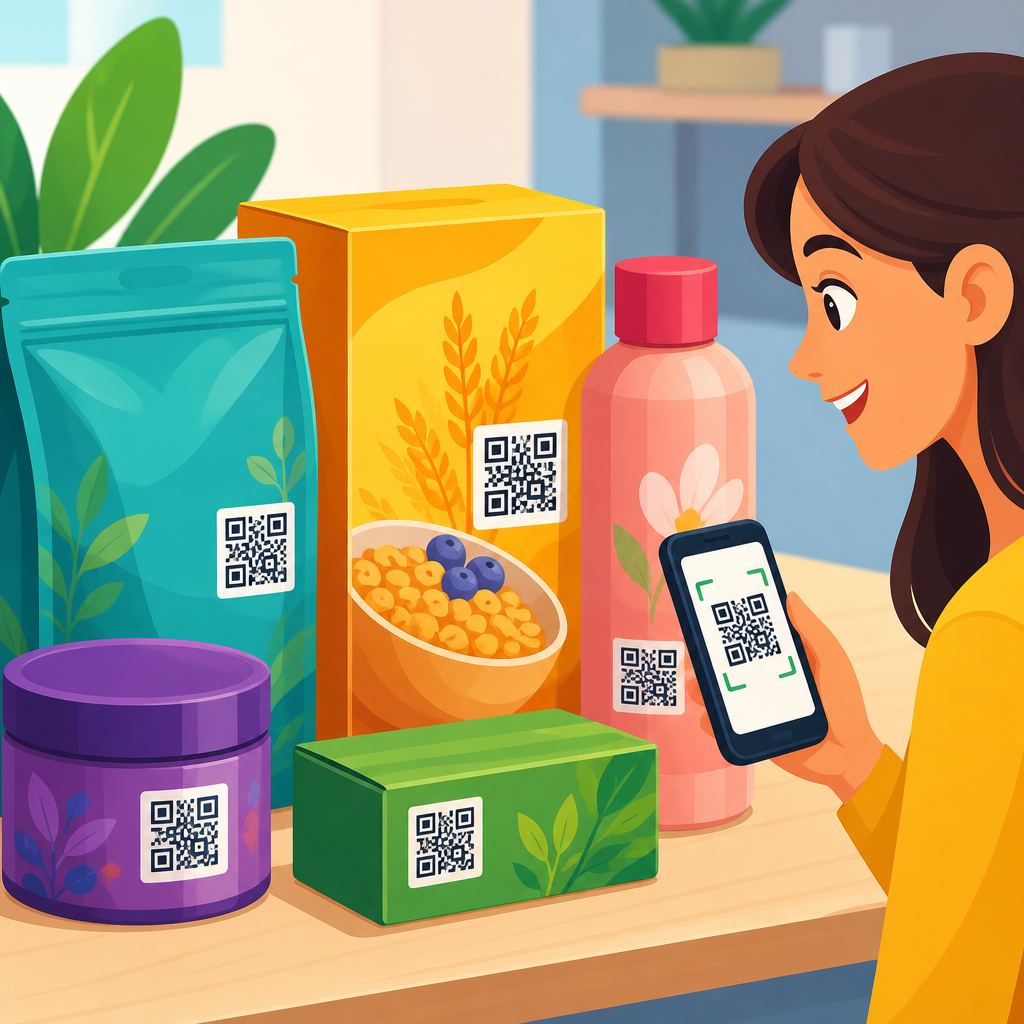
QR codes improve the retail customer journey by delivering the right digital action exactly where the customer needs it. In stores, that can mean linking shelf talkers to product specs, reviews, ingredient information, sizing guidance, how-to videos, or compatible accessories. Online, QR codes on packing slips, inserts, and shipping boxes can drive account registration, reorder flows, referral programs, warranty activation, and review collection. The key is context. A code placed on a window sign should not lead to a generic homepage when the shopper clearly wants store hours, directions, stock visibility, or a limited-time offer. A code on packaging should not force the customer through a broad navigation path when they need setup help or replenishment options.
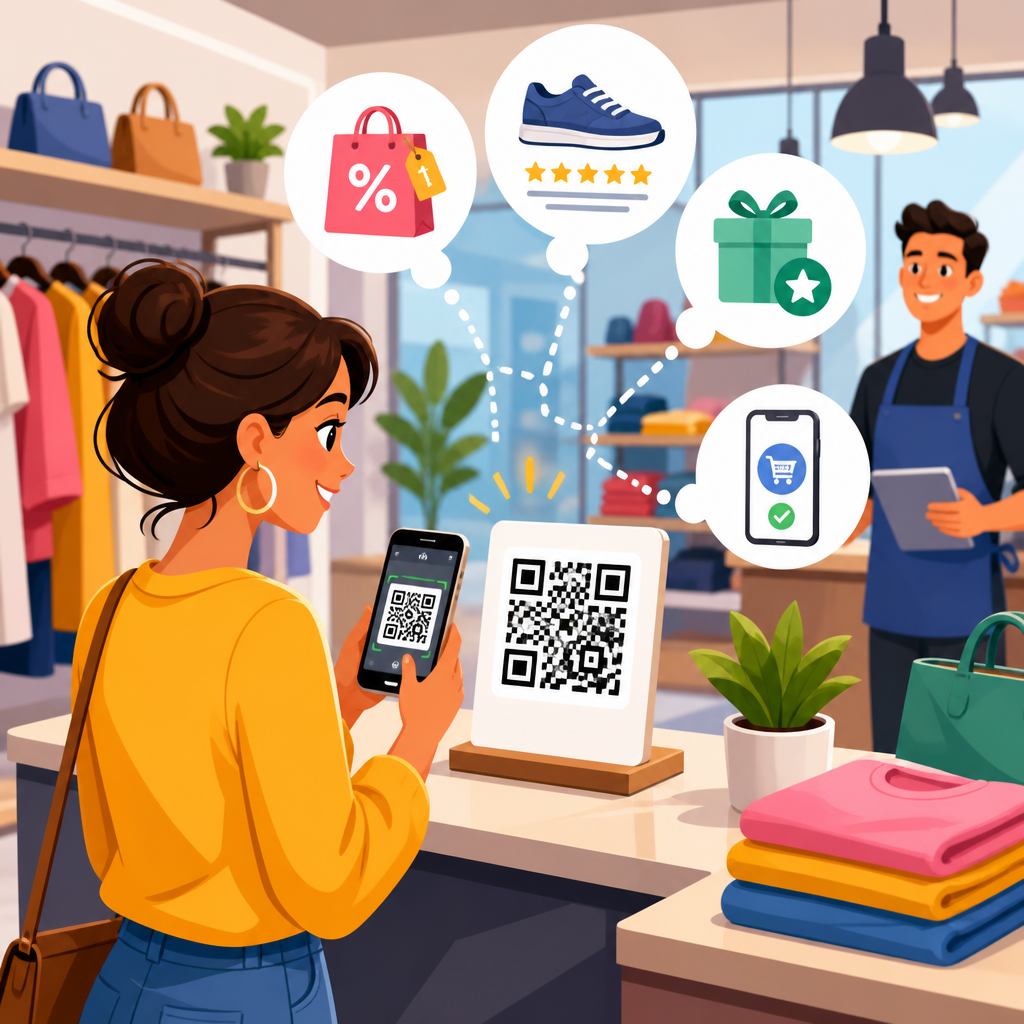
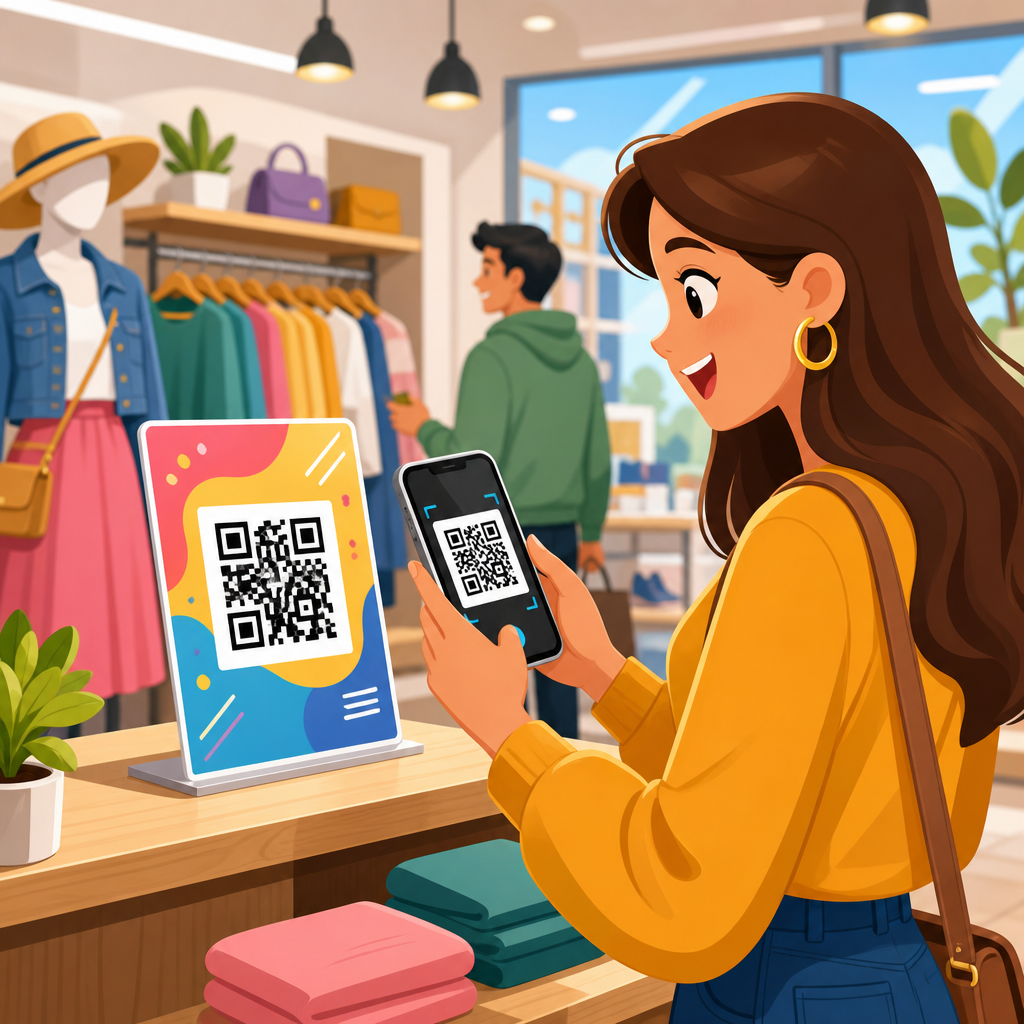
I have seen retailers get the best scan-to-conversion rates when every code is mapped to one customer question. For example, apparel brands use fitting-room QR codes to surface alternate sizes and colors available online, reducing walkaways when inventory is missing on the floor. Grocery retailers use codes on display signs to show recipes and basket-building suggestions, increasing average order value through complementary purchases. Beauty brands add QR codes to testers and endcaps so shoppers can watch shade-matching tutorials and read ingredient details before purchase. In home improvement, a code next to a power tool can open a comparison page showing battery compatibility, warranty coverage, and project suitability. In each case, the code is not the strategy by itself; it is the delivery mechanism for timely content.
Another advantage is continuity between offline and online channels. Retailers have long struggled to attribute store-driven demand that converts later on a phone or laptop. Dynamic QR codes help close that gap because each placement can be tagged with campaign parameters and routed to a dedicated landing experience. If a shopper scans a code in a catalog, on a receipt, or at a pop-up event, the retailer can distinguish that audience from paid search or email traffic and optimize accordingly. That is especially valuable for omnichannel programs such as buy online, pick up in store; endless aisle ordering; and post-purchase engagement after store visits.
High-impact retail and e-commerce use cases
Retail and e-commerce teams can use QR codes across the full funnel, but the highest-value use cases usually fall into a few repeatable categories: product discovery, conversion support, loyalty growth, service, payments, and retention. For product discovery, codes on storefronts, catalogs, signage, and print ads can launch seasonal collections, nearby store information, or localized promotions. In conversion support, QR codes on shelves and product tags can answer objections in real time by surfacing specifications, reviews, sustainability claims, care instructions, and live inventory availability. A furniture retailer, for instance, can place a code on a floor model that opens augmented room visualization, dimensions, fabric swatches, financing options, and delivery estimates.
Loyalty growth is another strong fit. Instead of asking shoppers to search the app store, create an account, and then find the rewards section, retailers can place a QR code at checkout, on receipts, or near POS screens to send customers directly into loyalty enrollment. Convenience stores have used this tactic to grow membership quickly because the value exchange is immediate: scan, enter basic details, and receive a first-purchase reward. For service, QR codes can reduce support volume by linking to assembly videos, troubleshooting guides, return instructions, and live chat. In e-commerce, packaging inserts often outperform email for these tasks because the customer encounters them at the exact moment of unboxing or setup.
Payments and retention also deserve attention. QR-based payment experiences are now common in many markets, especially where mobile wallets are widely adopted. Even when retailers do not use the code itself for payment, they use it to prefill carts, apply coupons, or launch express checkout. Post-purchase retention can be built through reorder codes on consumable packaging, especially in beauty, supplements, pet products, and household goods. A customer who scans detergent packaging to reorder has crossed a much smaller friction barrier than one who must search a marketplace, find the right SKU, and compare alternatives again.
| Use case | Where the QR code appears | Customer benefit | Retail outcome |
|---|---|---|---|
| Product information | Shelf tags, hangtags, packaging | Instant specs, reviews, tutorials | Higher confidence and conversion |
| Loyalty enrollment | Checkout, receipts, window signage | Fast sign-up and reward access | Member growth and repeat visits |
| Endless aisle | Store displays, fitting rooms | Order missing sizes or variants | Recovered sales from stock gaps |
| Post-purchase support | Packaging inserts, manuals | Easy setup, care, returns | Lower support costs and better satisfaction |
| Reordering | Consumable product packaging | One-scan replenishment | Higher repeat purchase rate |
Design, placement, and landing page best practices
A QR code campaign succeeds or fails on execution. The code must scan easily, the call to action must explain the value, and the landing page must complete the task quickly on mobile. Start with code quality. Use a sufficient quiet zone, strong contrast, and a tested print size relative to expected scanning distance. In store environments with varied lighting, glossy surfaces, or curved packaging, I prefer conservative sizing and matte finishes whenever possible. Dynamic codes are usually the better choice for retail because the destination can be updated without reprinting materials, and analytics remain available by placement. Branded codes can improve visual recognition, but heavy styling should never compromise readability.
Placement should follow shopper intent. At shelf level, place the code where customers naturally pause to compare products, not where it competes with mandatory pricing labels. In fitting rooms, codes should be visible without requiring shoppers to step out or search. On packaging, the code should be near the action it supports: setup on the opening flap, care instructions near the product details panel, reorder on the back or side most often handled after use. For window signage, assume many scans happen outside store hours. The landing page should therefore prioritize essentials such as hours, directions, online shopping, curbside pickup, and contact options. One common mistake is placing the same code across multiple contexts and sending every user to the homepage. That sacrifices intent matching and makes performance analysis weak.
The landing experience matters even more than the code. Pages should load quickly, respect mobile UX, and avoid forcing app installation unless the benefit is substantial and immediate. If the goal is product education, open with the exact product shown in the physical environment. If the goal is a coupon, reveal it prominently and explain redemption terms plainly. If the goal is reviews, prefill the product reference and shorten the submission path. Deep linking tools such as Branch, AppsFlyer, and Firebase Dynamic Links have often been used to route users intelligently, though teams should confirm current platform support and privacy implications. The broader principle is stable: one scan should lead to one optimized outcome.
Measurement, analytics, and operational considerations
Retailers should treat QR codes as measurable digital assets, not decorative add-ons. At minimum, every deployment needs unique naming conventions, destination logic, campaign parameters, and a reporting cadence. Scan count alone is not enough. The important metrics depend on the use case: product-page views, add-to-cart rate, coupon saves, redemptions, loyalty enrollments, average order value, repeat purchase rate, support deflection, or review completion. When codes are linked to specific stores, fixtures, inserts, or packaging runs, retailers can compare performance by location and context. I have used this approach to identify that endcap codes outperformed aisle blade signage for impulse categories, while receipt-based loyalty codes worked better than counter cards for quick-service retail formats.
Operational discipline matters because QR programs often cut across marketing, merchandising, e-commerce, IT, legal, store operations, and customer care. Someone must own governance. That includes creating URL standards, approval workflows, redirect rules, sunset dates, accessibility checks, and testing procedures. If a promotion ends, the code should not dead-end; it should redirect to the next-best relevant experience. If packaging remains in market for months, the destination must stay maintained. If regulated claims appear, especially in health, supplements, or cosmetics, the linked content should follow the same compliance review as any other consumer-facing asset. Security also matters. Customers are increasingly aware that random codes can be abused, so retailers should use recognizable branding, secure domains, and transparent calls to action.
Privacy and attribution deserve balanced treatment. QR analytics can reveal useful engagement patterns, but retailers should avoid collecting unnecessary personal data at the scan stage. Use consent-based flows where account creation or messaging enrollment is involved, and align data handling with applicable laws and platform rules. Attribution will also remain imperfect. A scan may influence a later store purchase that is not tied back cleanly unless loyalty IDs, POS integrations, or CRM matching are in place. That limitation does not reduce the value of QR codes; it simply means teams should combine scan data with broader conversion indicators and controlled testing.
Building a scalable hub strategy for retail and e-commerce
As a hub topic within retail and e-commerce, QR codes should be organized by shopper stage and operational function so supporting articles can go deeper into each use case. The core hub should connect product pages, in-store signage, smart packaging, loyalty, payments, reviews, returns, BOPIS, and post-purchase retention into one framework: use QR codes to remove friction where intent is strongest. From there, cluster pages can cover narrow applications such as QR codes for apparel fitting rooms, grocery recipes, cosmetic shade matching, furniture room planning, restaurant takeaway packaging, subscription reorders, or omnichannel customer support. This structure helps retailers understand both the strategic model and the practical execution paths.
Scalability also depends on standardization. Create reusable landing page templates, campaign taxonomies, and design rules for common placements across stores, print, and packaging. Align QR deployments with merchandising calendars, seasonal promotions, and lifecycle messaging so they are not isolated experiments. The retailers that see durable gains are the ones that operationalize QR codes as a channel, with clear owners, testing plans, and documented learnings. A single successful campaign can prove demand, but a structured program turns scans into measurable revenue, stronger retention, and better customer experiences across channels.
QR codes for customer engagement in retail work because they connect intent to action faster than almost any other tool available across physical and digital commerce. They help shoppers get information, claim offers, join loyalty programs, find inventory, complete purchases, solve problems, and reorder products without unnecessary steps. For retailers, they create measurable links between store traffic, packaging, print media, and e-commerce performance. The strongest programs are specific, well placed, mobile optimized, and carefully measured. They respect shopper context, maintain secure and trustworthy destinations, and evolve through testing rather than guesswork.
For retail and e-commerce teams building out this topic area, the main opportunity is not simply to place more QR codes. It is to place better ones at the moments that matter most. Start with one high-intent journey such as shelf-level product education, loyalty enrollment at checkout, or reorder prompts on consumable packaging. Give that journey a dedicated landing experience, track the right downstream metrics, and refine based on evidence. Then expand into adjacent use cases across stores, packaging, and post-purchase communication. Done well, QR codes become a practical engagement layer that increases convenience for customers and performance for the business. Audit your current touchpoints, identify the biggest friction point, and launch a focused QR test this quarter.
Frequently Asked Questions
1. How do QR codes improve customer engagement in retail?
QR codes improve customer engagement by making it easy for shoppers to move from a physical touchpoint to a digital experience in seconds. In retail, that matters because engagement is not limited to the moment someone walks into a store. It includes every step of the customer journey, from discovering a product to learning more about it, claiming an offer, completing a purchase, joining a loyalty program, and returning for future purchases. A QR code creates a low-friction bridge between those stages.
For example, a shopper can scan a QR code on a shelf tag to view product details, customer reviews, ingredient lists, sizing information, or demonstration videos. On packaging, the same approach can extend the relationship after purchase by linking to setup instructions, care guides, refill options, rewards registration, or personalized recommendations. In print materials such as posters, flyers, and in-store signage, QR codes can connect people to limited-time promotions, product launches, store events, or mobile checkout pages without requiring them to type a long web address.
What makes QR codes especially effective is convenience. Customers already carry smartphones, so the scan feels natural and immediate. That speed reduces drop-off and helps retailers capture attention while interest is high. When used strategically, QR codes can increase dwell time, improve product understanding, encourage app downloads, grow email or SMS lists, support omnichannel shopping, and generate repeat interaction long after the first purchase. In short, they turn passive browsing into active engagement.
2. Where should retailers place QR codes for the best customer response?
The best placement depends on the goal, but in general, QR codes perform best when they appear exactly where a customer is likely to want more information or take action. In a retail setting, that often means product packaging, shelf talkers, price tags, endcap displays, window signage, point-of-sale counters, receipts, shopping bags, and printed inserts. Each placement supports a different stage of engagement, so retailers should match the location to the intended outcome.
For product discovery and consideration, shelf displays and packaging are highly effective because customers are already evaluating an item. A QR code there can link to product comparisons, usage ideas, tutorials, certifications, or social proof. At the point of purchase, QR codes near checkout can promote loyalty signups, warranty registration, financing options, digital receipts, or post-purchase discounts. On receipts and bags, they can encourage customers to leave reviews, follow the brand on social media, refer friends, or browse complementary products online.
Retailers can also use QR codes outside the store. Window displays can capture interest when the store is closed by linking to online shopping or appointment booking. Direct mail, catalogs, posters, and event materials can drive traffic to product pages, seasonal campaigns, or exclusive offers. The key is visibility and relevance. The code should be easy to spot, large enough to scan, and supported by a clear call to action such as “Scan to see reviews,” “Scan for 10% off,” or “Scan to join rewards.” When customers immediately understand the benefit, response rates tend to improve significantly.
3. What types of content should a retail QR code link to?
A retail QR code should link to content that helps the customer make progress in their journey. That could mean learning, deciding, buying, saving, registering, or returning. The most effective destination depends on context. If the shopper is still considering a product, educational content usually performs best. If they are ready to buy, a coupon, checkout link, or stock availability page may be more useful. The destination should feel like a helpful next step, not a generic landing page.
Common high-performing QR code destinations include product pages, how-to videos, user manuals, size guides, ingredient or sourcing information, customer reviews, FAQs, mobile app downloads, loyalty program enrollment pages, digital coupons, limited-time promotions, product bundle suggestions, and replenishment or subscription options. In stores with complex or premium products, QR codes can link to comparison charts, virtual try-on tools, AR experiences, or concierge chat. In post-purchase scenarios, they can support onboarding, troubleshooting, care instructions, review requests, and referral programs.
The most important principle is relevance. A QR code on a skincare product might link to routine tips and ingredient education, while a QR code on electronics packaging could link to setup videos and support resources. A code on a fitting room sign might lead to alternate sizes, color options, or buy-online-ship-to-home pages. When the content clearly matches the customer’s immediate need, engagement becomes more meaningful and conversion is more likely. Retailers should also make sure the destination is mobile-friendly, fast-loading, and simple to navigate, because a poor landing experience can undermine the value of the scan.
4. How can retailers measure the success of QR code campaigns?
Retailers can measure QR code success by tracking both scan activity and the business outcomes that follow. A scan alone is a useful starting signal, but true performance comes from understanding what customers do after they scan. That means connecting QR code interactions to metrics such as page views, time on page, coupon redemptions, app installs, signups, purchases, repeat visits, average order value, or loyalty participation. The right measurement framework depends on the objective of the campaign.
For awareness-focused campaigns, retailers may look at total scans, unique scans, scan location, time of day, device type, and engagement with the landing page. For conversion-focused campaigns, stronger indicators include add-to-cart rate, checkout completion, offer redemption, and in-store or online sales attributed to the code. Dynamic QR codes are particularly valuable because they allow retailers to update destinations without reprinting the code and often provide better analytics, making it easier to test different messages, placements, and experiences.
Retailers should also use UTM parameters, campaign tagging, unique discount codes, or platform-based attribution tools to compare performance across stores, products, displays, and channels. For example, one QR code on packaging can be measured against another on shelf signage to see which drives more registrations or conversions. A/B testing different calls to action can also reveal what motivates customers most effectively. The real goal is not simply to count scans, but to learn which QR experiences drive measurable engagement, stronger customer relationships, and higher revenue over time.
5. What are the best practices for using QR codes in retail without frustrating customers?
The best retail QR code strategies are useful, simple, and trustworthy. Customers become frustrated when they scan a code and reach content that is slow, irrelevant, poorly designed for mobile, or not worth the effort. To avoid that, retailers should start by defining a clear purpose for every QR code. Each one should answer a question, solve a problem, or deliver a tangible benefit. If the value is not obvious, customers are less likely to scan or engage again in the future.
Design and usability matter a great deal. QR codes should be placed where lighting, distance, and physical positioning make scanning easy. They should be printed clearly, tested across different smartphones, and paired with a concise call to action that sets expectations. Instead of simply showing a code, retailers should tell shoppers why it matters, such as “Scan for ingredients,” “Scan to unlock today’s offer,” or “Scan for styling tips.” That small layer of guidance can dramatically improve participation.
Trust is equally important. Customers are more likely to scan when the code appears in a branded, professional context and leads to a secure, recognizable destination. Retailers should avoid sending users to cluttered pages or requiring too many steps after the scan. A strong experience is quick, mobile-first, and directly aligned with the touchpoint where the code appears. Finally, retailers should continue optimizing based on real performance data. By testing placement, messaging, content, and incentives, brands can make QR codes feel genuinely helpful rather than gimmicky. When implemented thoughtfully, QR codes enhance convenience, deepen engagement, and support a more connected retail experience.