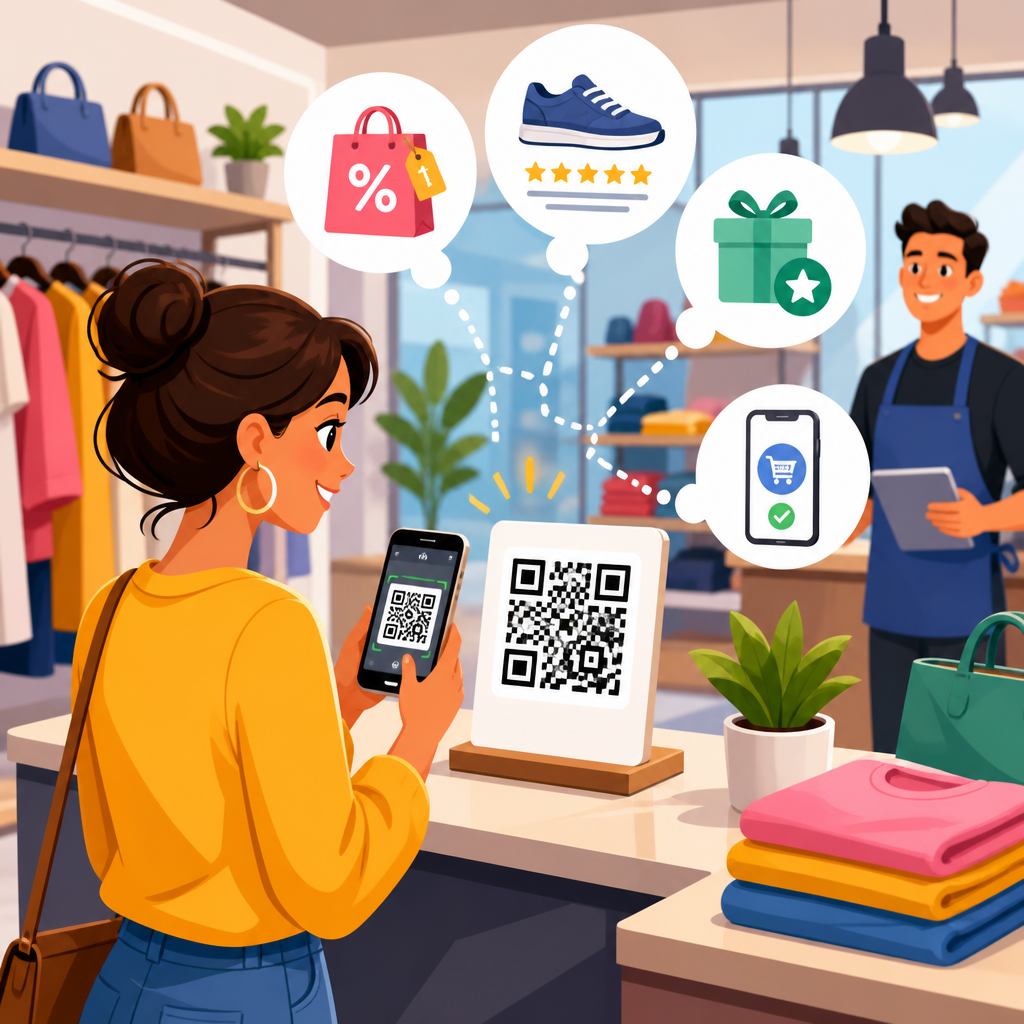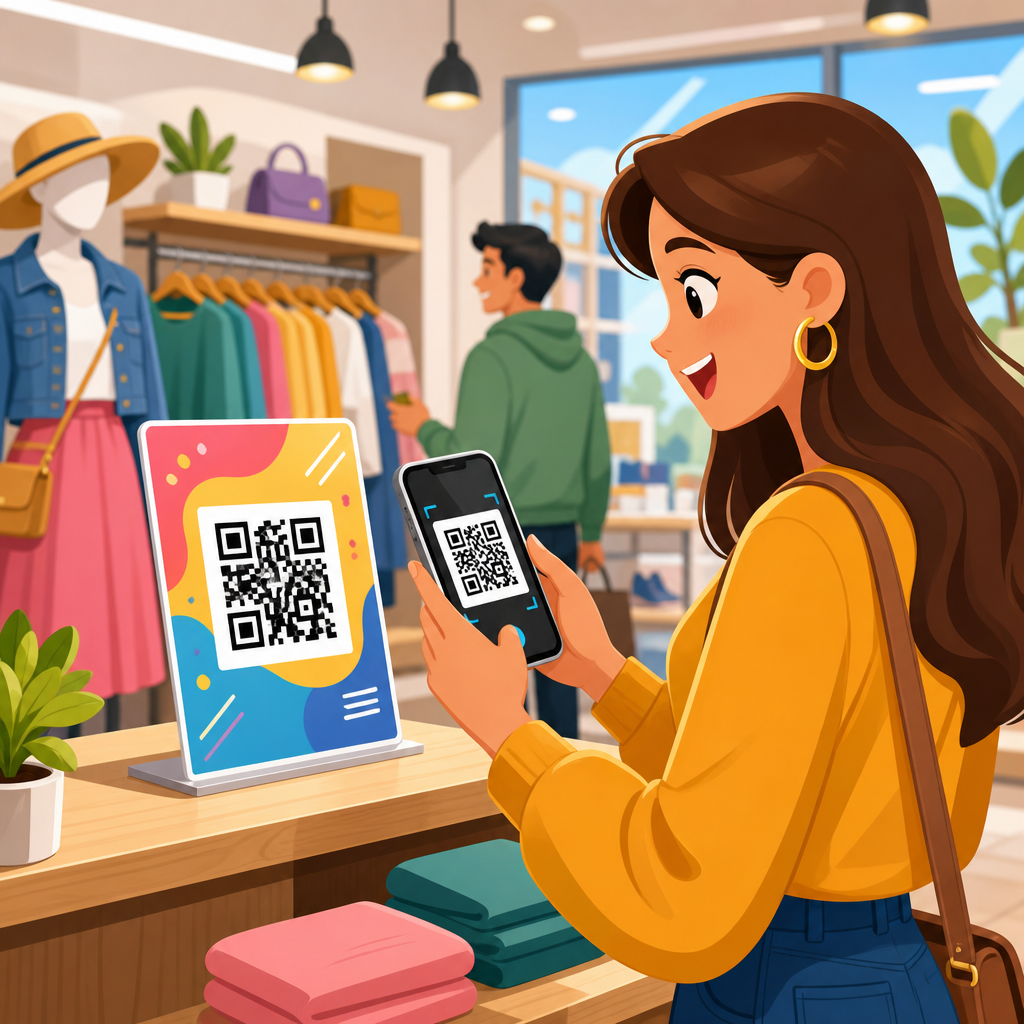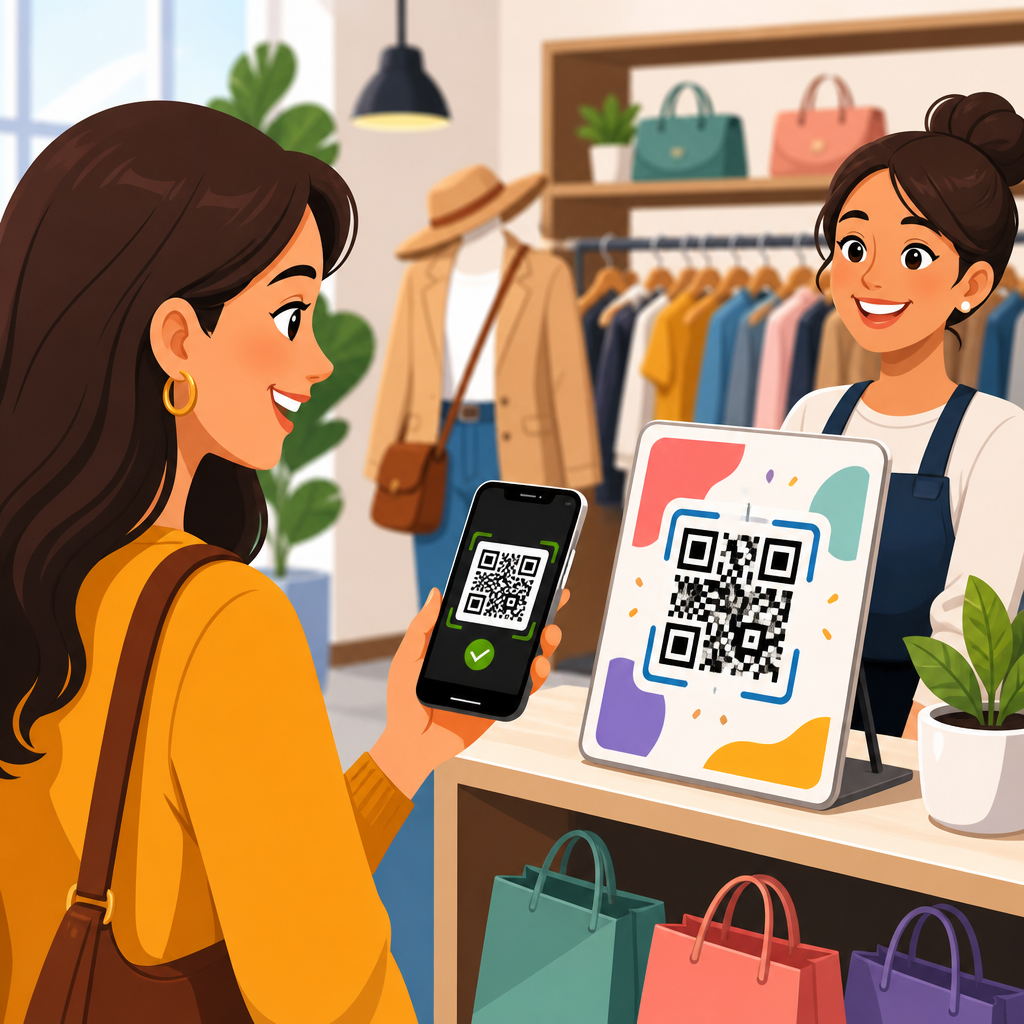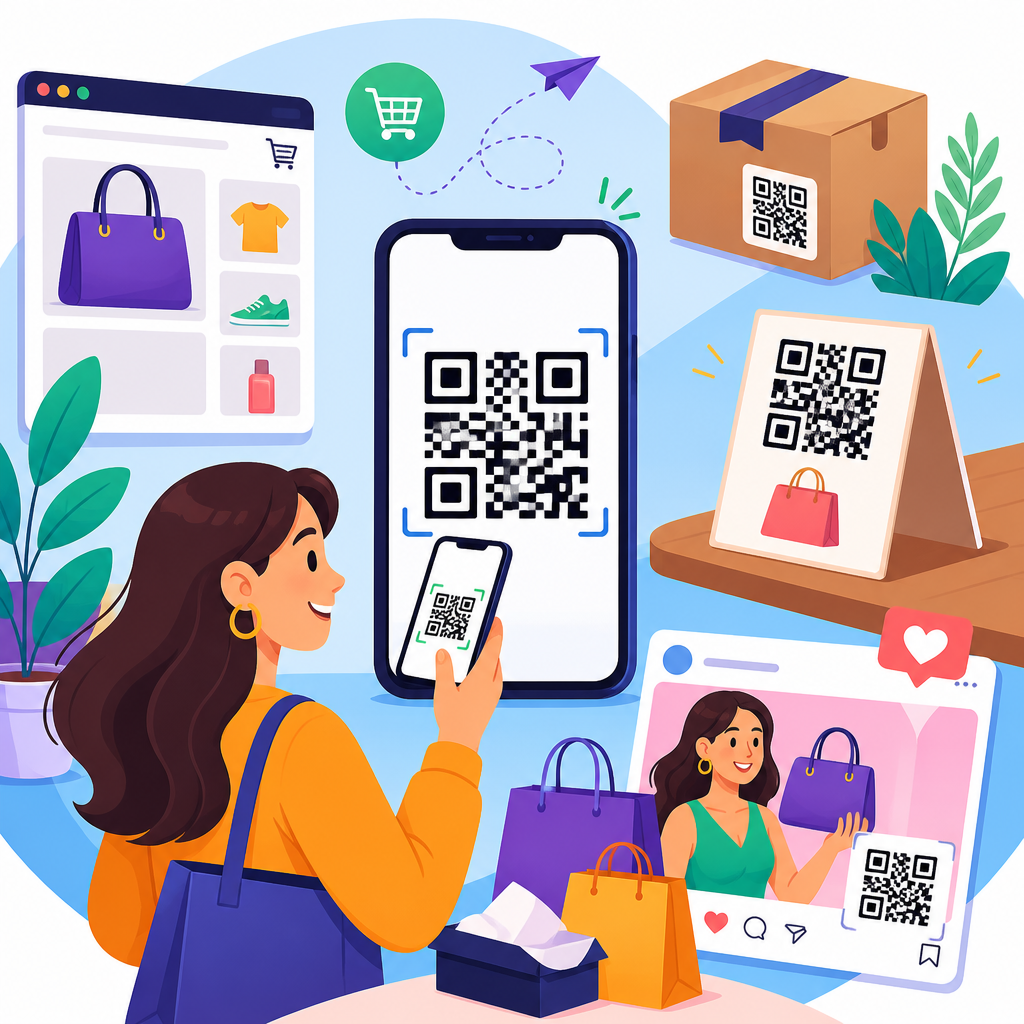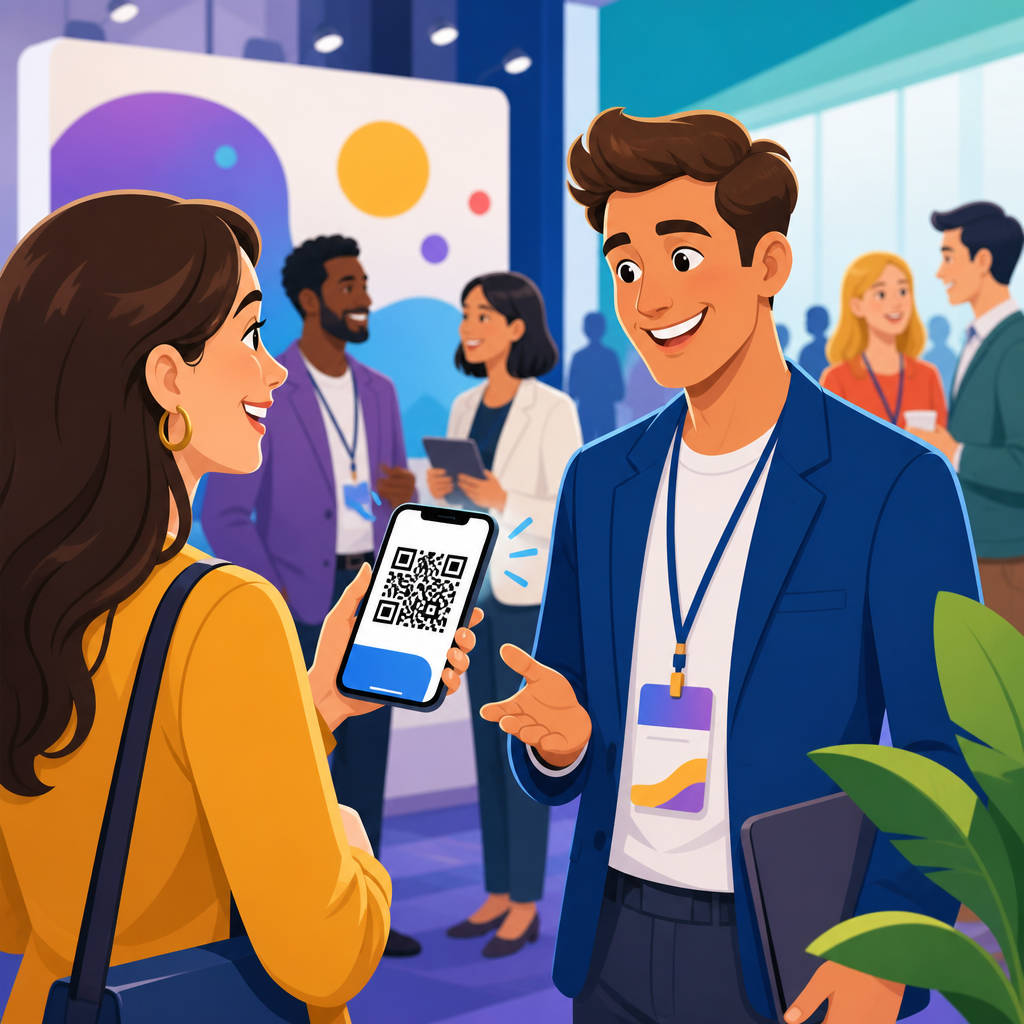
QR codes have become one of the most practical tools for networking and lead capture at events because they connect physical interactions to digital actions in seconds. In the events and ticketing world, that speed matters. A printed badge, booth sign, table tent, stage slide, or sponsorship banner can instantly open a landing page, save contact details, launch a registration form, deliver a digital brochure, or trigger a post-event follow-up sequence. For organizers, exhibitors, sponsors, and speakers, QR codes reduce friction at the exact moment when attendee attention is highest.
In event operations, a QR code is a scannable matrix barcode that stores or points to information such as a URL, vCard, check-in token, coupon, map, session page, or survey. Networking refers to the exchange of professional information and relationship building between attendees, exhibitors, partners, and sales teams. Lead capture means collecting contact and intent data from potential customers in a structured way that supports sales follow-up. At conferences, trade shows, expos, job fairs, festivals, and corporate events, these functions increasingly overlap. The same scan that helps an attendee connect with a speaker can also feed a CRM, tag the lead source, and measure campaign performance.
I have seen the difference firsthand at busy booths where staff relied on paper forms one year and QR-driven workflows the next. With paper, conversations stalled while people searched for pens, handwriting was unreadable, and follow-up lists took days to clean. With QR codes linked to mobile forms, contact records landed in HubSpot or Salesforce immediately, booth teams could qualify interest with dropdown fields, and attendees received assets before they even walked away. That operational improvement is why QR codes now sit at the center of modern event engagement.
This matters beyond convenience. Events are expensive acquisition channels. Booth space, sponsorship packages, travel, shipping, labor, and event tech can consume large budgets, so every interaction needs measurable value. A strong QR code strategy helps event teams answer core questions directly: How do we capture more leads without creating lines? How do we make networking easier for attendees? How do we connect scans to revenue and pipeline? How do we use the same infrastructure for registration, wayfinding, session access, and post-event nurturing? This hub page explains the complete role of QR codes across events and ticketing, with a particular focus on networking and lead capture.
How QR Codes Improve Networking at Events
QR codes improve networking by removing manual steps from the exchange of information. Instead of spelling email addresses over loud music or swapping business cards that later get lost, attendees can scan a code on a badge, phone screen, business card, lanyard insert, or presentation slide and instantly save a contact card, open a LinkedIn profile, or join a meeting queue. The best networking QR codes do one thing very clearly. A speaker code should open a profile and downloadable resources. An attendee badge code should connect to a consent-based contact page. A sponsor lounge code should route visitors to a short form and calendar link.
At multi-day conferences, this speed creates compounding value. A scan after a breakout session can save the speaker’s details, capture session interest, and offer a prompt to book a demo or continue the conversation at the booth. At job fairs, recruiters can post role-specific QR codes that direct candidates to openings, application forms, and recruiter contacts without forcing them to wait in line. At hosted buyer events, table signage can use codes to collect structured meeting requests, reducing scheduling chaos. In each case, the scan turns a casual encounter into a tracked, permission-based relationship.
The most effective networking use cases are often simple. A vCard QR code lets someone save a contact instantly to their phone. A dynamic URL QR code can point to a landing page with contact details, company overview, and next steps. A messaging QR code can open WhatsApp, SMS, or email with a prefilled subject line, useful for international events where attendees prefer familiar channels. The key is matching the destination to the context. Networking during a keynote is different from networking at a trade show booth or a VIP dinner, so the code destination should reflect attendee intent in that moment.
Lead Capture Workflows for Exhibitors, Sponsors, and Organizers
Lead capture at events works best when QR codes are integrated into a deliberate workflow rather than added as decoration. Exhibitors should define what qualifies as a lead, what information is necessary, and what action should happen after the scan. A common setup uses a dynamic QR code on booth signage linked to a mobile landing page with a short form: name, work email, company, role, product interest, buying timeline, and consent checkbox. Once submitted, the contact syncs to a CRM, receives an automated email with promised assets, and enters the correct follow-up sequence.
Booth staff can use several QR paths depending on traffic volume. During light traffic, a representative can guide attendees through a tailored form and ask qualifying questions. During heavy traffic, the code can route to a self-serve lead form with smart defaults, minimizing lines. Sponsors often pair scans with value exchange: enter to win a giveaway, download an industry report, access a product comparison guide, or reserve a private demo. Organizers can also use QR codes at registration desks, content theaters, lounges, and activations to collect first-party data such as session interests, sponsor engagement, and event satisfaction.
Real operational discipline matters here. Every event QR campaign should use UTM parameters, source naming conventions, and campaign tags so teams can distinguish booth scans from badge scans, stage slide scans, and sponsored signage scans. In practice, I recommend creating separate destination URLs for each placement, even if the page experience is similar, because placement-level attribution reveals what actually drove response. A tabletop QR code near a product sample may outperform a large wall graphic simply because attendees can scan it without stopping. Without granular tracking, that insight disappears.
| Event use case | Best QR destination | Primary metric | Common tool integration |
|---|---|---|---|
| Trade show booth lead capture | Mobile form with CRM sync | Qualified leads submitted | HubSpot, Salesforce, Zapier |
| Speaker networking | Profile page with vCard and resources | Contact saves and resource downloads | Canva, Beaconstac, Bitly |
| Session check-in | Attendance validation page or token | Verified scans per session | Cvent, Eventbrite, Bizzabo |
| Sponsor activation | Offer page or giveaway form | Conversions and opt-ins | Mailchimp, Klaviyo, Typeform |
| Job fair recruiting | Role-specific application page | Completed applications | Greenhouse, Lever, Workday |
QR Codes Across the Events and Ticketing Journey
As the hub for events and ticketing, this topic extends well beyond booth scans. QR codes can support the full attendee journey from promotion to post-event follow-up. Before the event, marketers place codes on direct mail, posters, partner ads, and social graphics to drive registration. During ticket purchase, a QR-enabled path can take users directly to event pages, discount codes, or VIP upgrade offers. Once tickets are issued, each attendee may receive a unique QR code for entry, reducing check-in time and improving fraud control when tied to identity verification or wallet passes.
Onsite, QR codes can power wayfinding, agenda access, exhibitor directories, scavenger hunts, menu access, sponsor offers, photo galleries, and real-time surveys. For ticketed entertainment, venues often use rotating or encrypted QR formats to reduce screenshot abuse and resale fraud. For business events, organizers may issue badge QR codes that can be scanned by exhibitors using lead retrieval systems. That is different from a marketing QR code on signage. One identifies the attendee within the event platform; the other pushes the attendee toward a chosen digital action. Strong event programs use both intentionally.
After the event, QR-linked behavior becomes a rich source of segmentation. A person who scanned a product demo code, attended a technical session, and downloaded pricing information should not receive the same follow-up as someone who scanned only the event map. This is where events and ticketing teams gain long-term value. Scan history can shape nurture tracks, prioritize sales outreach, support sponsor reporting, and inform future event design. If several sponsors generate high scan volume but low qualified conversion, the issue may be offer quality or audience fit rather than booth traffic.
Implementation Best Practices That Prevent Failed Scans and Weak Data
Successful event QR codes depend on execution details that are easy to overlook. Use dynamic codes whenever possible so destinations can be updated without reprinting signage. Maintain high contrast, usually dark code on light background, and avoid placing logos so large that they compromise error correction. Test scan distance in real venue conditions, including glare, low light, and crowded angles. A code printed on a retractable banner may be technically valid but function poorly if the quiet zone is too narrow or the code sits below knee height where people cannot comfortably scan it.
Landing pages must be mobile first, fast, and minimal. At an event, every extra field reduces completion rates. Ask only for information necessary for the next step, and collect deeper qualification later if needed. If internet service is weak, consider progressive web pages, cached assets, or backup short URLs displayed below the code. For staffed activations, always give booth personnel a fallback method such as a tablet form or badge scanner. QR codes should reduce friction, not create a single point of failure.
Privacy and consent also matter. If the scan leads to a form, explain what the attendee will receive and how their data will be used. This is especially important for events involving attendees from jurisdictions covered by GDPR or similar privacy rules. Store source data, timestamp, and consent status in the CRM. Clean duplicates quickly, normalize company names where possible, and map custom fields before the event begins. I have seen teams collect hundreds of scans only to discover later that the CRM integration dropped campaign attribution because a required field was missing. Pre-event testing avoids that mistake.
Measuring ROI and Building a Smarter Event Program
To measure return on investment, start with the full funnel rather than scan volume alone. Scans show interest, but qualified leads, meetings booked, opportunities created, pipeline influenced, and revenue closed show business impact. For organizers, additional metrics include registration conversions, check-in speed, sponsor engagement, session attendance, app adoption, and post-event survey completion. Set benchmarks by event type. A local chamber mixer, a 30,000-person trade show, and a ticketed music festival have different scanning behavior, dwell times, and data expectations.
Compare placements, messages, and offers. A booth QR code that says “Scan for brochure” will usually underperform one that says “Scan for the 2026 pricing and live demo booking.” A speaker slide offering “download the framework” may outperform a generic contact prompt because it delivers immediate value. Over time, these tests help teams build a playbook for events and ticketing. The strongest programs standardize naming, creative specs, landing page templates, CRM mapping, and follow-up cadences, then adapt them by audience and event format. That consistency turns QR codes from a tactic into reliable event infrastructure.
QR codes for networking and lead capture at events work because they meet people where decisions happen: in the aisle, after the session, at registration, and during live conversations. When implemented well, they make networking easier, speed up lead collection, improve attribution, and connect event activity to measurable pipeline. They also support the broader events and ticketing ecosystem, from registration and entry to wayfinding, sponsor activations, and post-event nurture.
The main benefit is simple: less friction, better data, and faster follow-up. Instead of losing momentum after a promising conversation, teams can convert interest into an immediate digital action and keep the relationship moving. For exhibitors, that means more qualified leads. For organizers, it means stronger attendee experiences and clearer sponsor reporting. For attendees, it means faster access to the people, sessions, and resources that matter most.
If you manage conferences, trade shows, expos, festivals, or any ticketed experience, audit every attendee touchpoint and identify where a QR code can remove a step. Start with one high-value workflow such as booth lead capture, speaker networking, or session check-in, measure the results carefully, and expand from there. A well-planned QR code system can become one of the most effective assets in your entire event marketing and operations stack.
Frequently Asked Questions
How are QR codes used for networking and lead capture at events?
QR codes make it much easier to turn in-person event interactions into immediate digital actions. Instead of relying on business cards, manual data entry, or verbal follow-up that may never happen, attendees can scan a code and instantly open a contact form, booking page, lead magnet, digital brochure, product demo, meeting scheduler, or registration page. That speed matters at events because people are moving quickly, conversations are short, and attention is limited.
In practical terms, QR codes can be placed on badges, booth displays, tabletop signage, presentation slides, sponsor banners, printed handouts, and even staff apparel. An exhibitor might use one code to collect prospect information, another to share product specifications, and another to let attendees schedule a post-event call. Organizers may use QR codes to connect attendees to session details, networking directories, surveys, and sponsor activations. Sponsors often use them to drive traffic to a landing page, giveaway entry form, or special offer tied to the event audience.
What makes QR codes especially effective for lead capture is that they reduce friction. A person does not need to type a long URL, search for a company online, or remember to follow up later. They simply scan and act in the moment. That creates a cleaner handoff from physical presence to measurable digital engagement, which helps teams capture more leads, attribute interest to specific campaigns, and follow up while the interaction is still fresh.
Why are QR codes more effective than traditional business cards or paper forms at events?
Traditional networking tools still have value, but QR codes solve many of their biggest weaknesses. Paper forms are slow, easy to lose, and often require staff to manually enter data later, which increases errors and delays. Business cards can be useful for contact exchange, but they depend on attendees taking the next step after the event. In many cases, that follow-up never happens, especially when someone returns home with a stack of cards and little memory of each conversation.
QR codes create an immediate path to action. Instead of collecting information to process later, teams can capture it in real time through a mobile-friendly form or landing page. Instead of handing someone a brochure they may throw away, a scan can deliver a digital version along with a clear call to action. Instead of asking attendees to email for more details, a QR code can open a pre-filled contact form, demo request, or meeting scheduler on the spot.
They are also easier to measure. With digital scans, marketers can track how many people engaged, when they scanned, which placement performed best, and what actions users took after landing on the destination page. That level of insight is difficult to get from printed collateral alone. In short, QR codes do not just replace traditional tools; they improve speed, convenience, accuracy, and attribution across the entire event lead capture process.
What should a QR code link to in order to generate better event leads?
The best QR code destination depends on the context of the interaction and the audience’s intent. A general mistake is linking every code to a homepage. While that may seem simple, it usually creates too much work for the visitor. At events, a QR code should lead to a focused, mobile-optimized experience with one clear next step. The easier it is for attendees to understand what to do after scanning, the higher the conversion rate will be.
For exhibitors and sponsors, effective destinations often include lead capture forms, meeting booking pages, product-specific landing pages, downloadable brochures, case studies, coupon or giveaway entries, trial signups, and demo requests. For organizers, good use cases include event schedules, speaker pages, venue maps, feedback surveys, attendee directories, sponsor showcases, and session-specific resources. If the goal is networking, a QR code can also link to a digital contact card, LinkedIn connection prompt, or profile page where attendees can exchange details quickly.
It is also smart to tailor the destination to placement. A QR code on a booth wall might lead to a product overview, while a QR code on a staff badge might open a personal booking calendar or contact card. A code shown during a presentation could link to slides, a follow-up offer, or a waitlist. The most successful event QR codes are intentional, relevant to the moment, and designed to move the attendee into a measurable next action without unnecessary steps.
What are the best practices for designing QR codes for event signage, badges, and booths?
For QR codes to work well at events, they need to be easy to scan under real-world conditions. That means prioritizing visibility, contrast, placement, and context. The code should be large enough to scan from the expected distance, printed clearly, and placed on a high-contrast background. Overly stylized designs, poor lighting, reflective surfaces, and crowded visual layouts can all reduce scan success, especially in busy event environments where people may only glance at the sign for a few seconds.
It is equally important to add a strong call to action near the code. People are more likely to scan when they know exactly what they will get. Phrases like “Scan to book a demo,” “Scan to download the brochure,” “Scan to enter the giveaway,” or “Scan to connect after the session” perform better than a standalone code with no explanation. Attendees should understand the benefit immediately. If possible, include a short backup URL for accessibility and a mobile-friendly page that loads quickly on any device.
From an operational standpoint, teams should test every code before the event and again after installation. Scan from different angles, distances, and lighting conditions. Confirm the destination page is responsive, fast, and easy to complete with one hand on a phone. If you are using multiple QR codes across badges, booths, slides, and printed materials, consider assigning unique tracking links so you can measure which placements produce the most engagement and highest-quality leads. Good QR code design is not just about appearance; it is about usability and performance in a live event setting.
How can event organizers, exhibitors, and sponsors measure the success of QR code lead capture?
Measuring success starts with defining the purpose of each QR code before the event begins. Not every scan has the same value. One code may be intended to drive booth traffic, another to collect qualified leads, and another to prompt post-session engagement. Once the objective is clear, teams can track the metrics that matter most, including total scans, unique scans, landing page conversions, form completions, meeting bookings, brochure downloads, coupon redemptions, and follow-up response rates.
Using unique QR codes for different placements is one of the most effective strategies. For example, a sponsor might use separate codes on a booth backdrop, presentation slide, table handout, and attendee badge insert. This makes it possible to see which touchpoints generate the most scans and which ones lead to meaningful actions. Combining QR code analytics with CRM data, marketing automation, and event platform reporting gives a fuller picture of lead quality, not just lead volume.
Longer-term success should also be measured beyond the event itself. Strong QR code campaigns support faster follow-up, cleaner attribution, and better segmentation for post-event nurturing. If leads captured through QR codes move through the sales pipeline more efficiently, book more meetings, or convert at a higher rate than leads collected manually, that is a strong sign the strategy is working. The real value of QR codes at events is not simply that people scan them. It is that they help organizations capture intent in the moment and turn that intent into trackable, revenue-driving outcomes.