QR codes have become one of the most practical tools for hospitality loyalty programs because they connect physical guest experiences to digital rewards with almost no friction. In restaurants, hotels, cafes, bars, resorts, and quick-service chains, a guest can scan once to join a program, earn points, redeem an offer, leave feedback, or return for a repeat visit. That convenience matters in an industry where staff are busy, customer attention is limited, and every extra step reduces participation.
A hospitality loyalty program is a structured system that rewards repeat behavior such as bookings, food purchases, referrals, upgrades, or direct orders. QR codes are scannable two-dimensional barcodes that open a webpage, app deep link, payment flow, digital menu, or customer record when scanned with a smartphone camera. When these two systems work together, operators can reduce paper punch cards, shorten sign-up time, and capture cleaner first-party data at the point of service.
I have seen this work best when the QR code is treated as part of the guest journey rather than a decorative add-on. A table tent that opens a loyalty sign-up page performs differently from a receipt QR code tied to post-purchase rewards, and both perform differently from an in-room hotel QR code that promotes upgrades or spa credits. Placement, offer structure, landing page speed, staff training, and redemption rules all influence results. Hospitality businesses that understand those details can turn a simple scan into measurable revenue.
This topic matters because restaurants and hospitality brands operate on narrow margins and depend heavily on repeat customers. Acquiring a new diner or guest usually costs more than retaining an existing one, especially when commissions from third-party delivery apps or online travel agencies erode profitability. QR-enabled loyalty programs encourage direct engagement, steer customers toward owned channels, and create opportunities to personalize offers based on visit frequency, average check size, daypart, location, or room type.
How QR codes support restaurant and hospitality loyalty programs
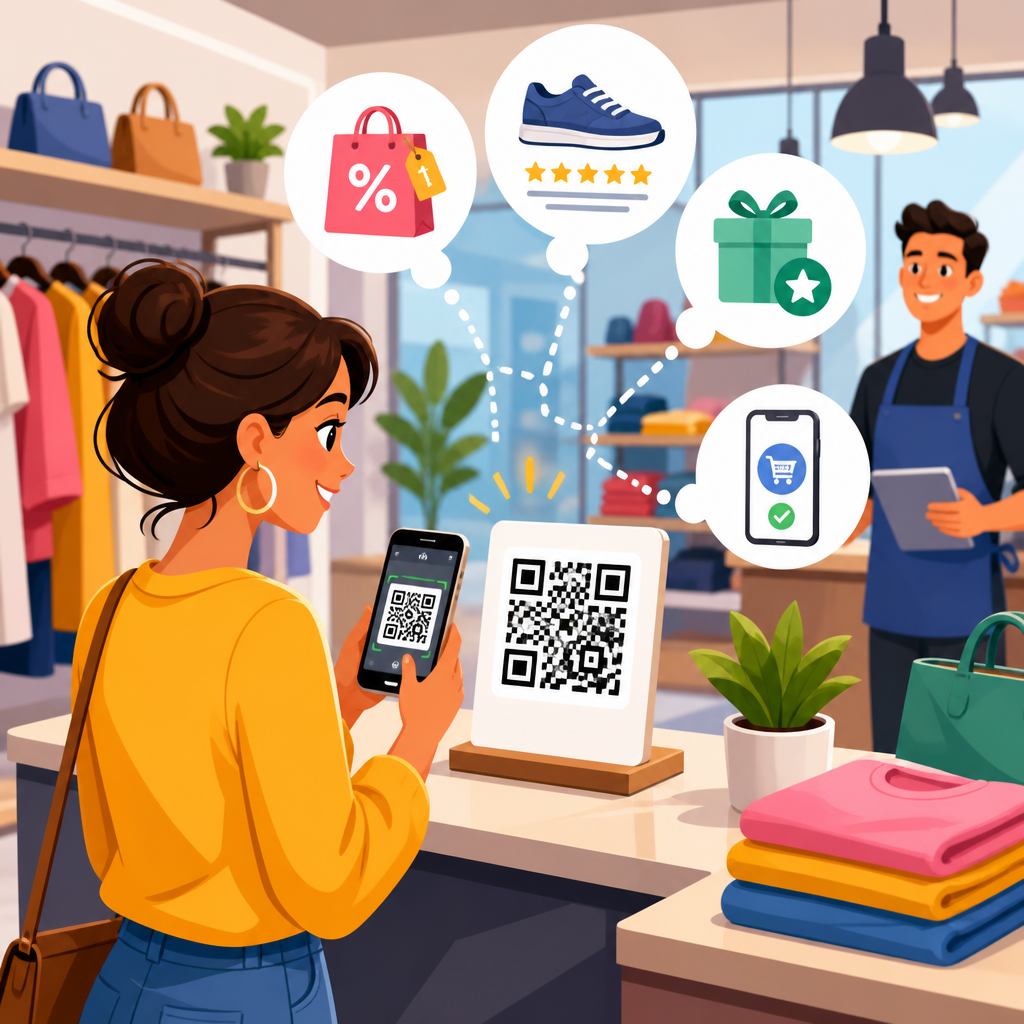
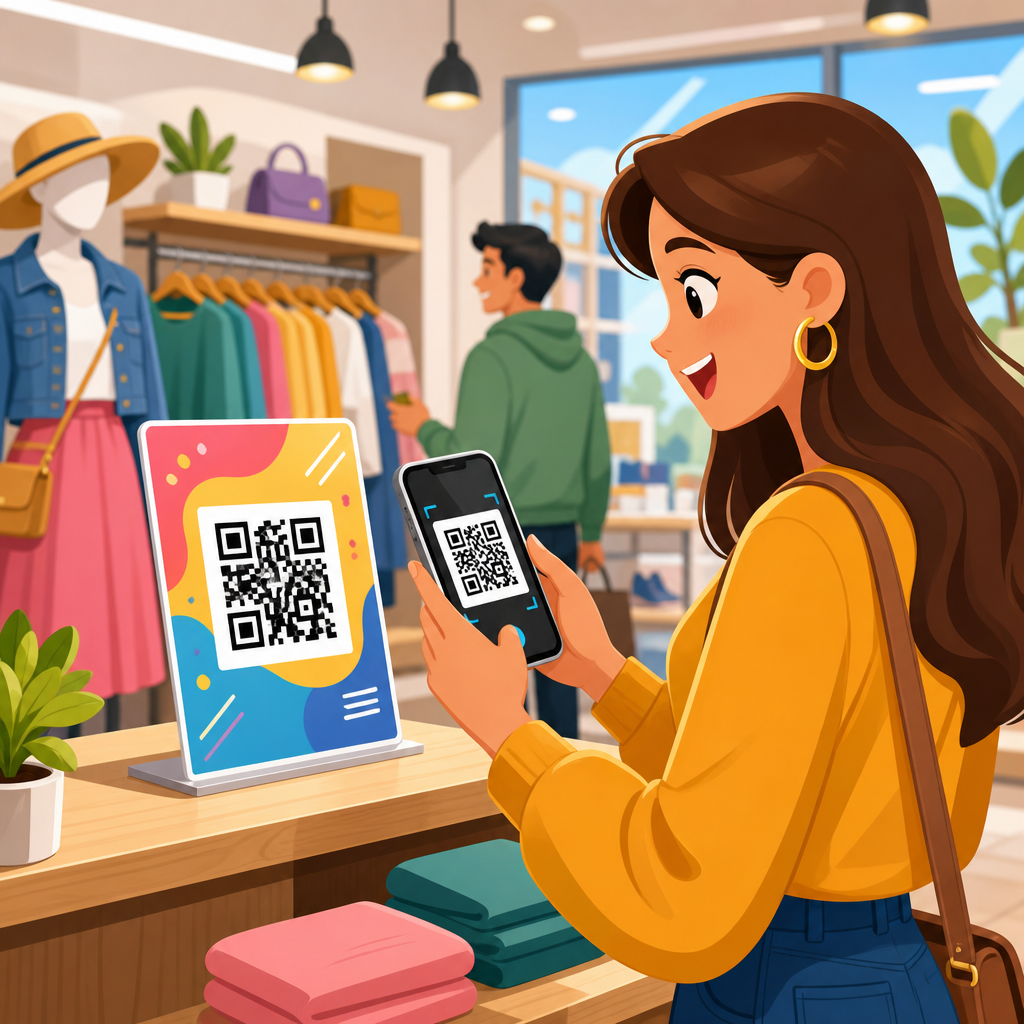
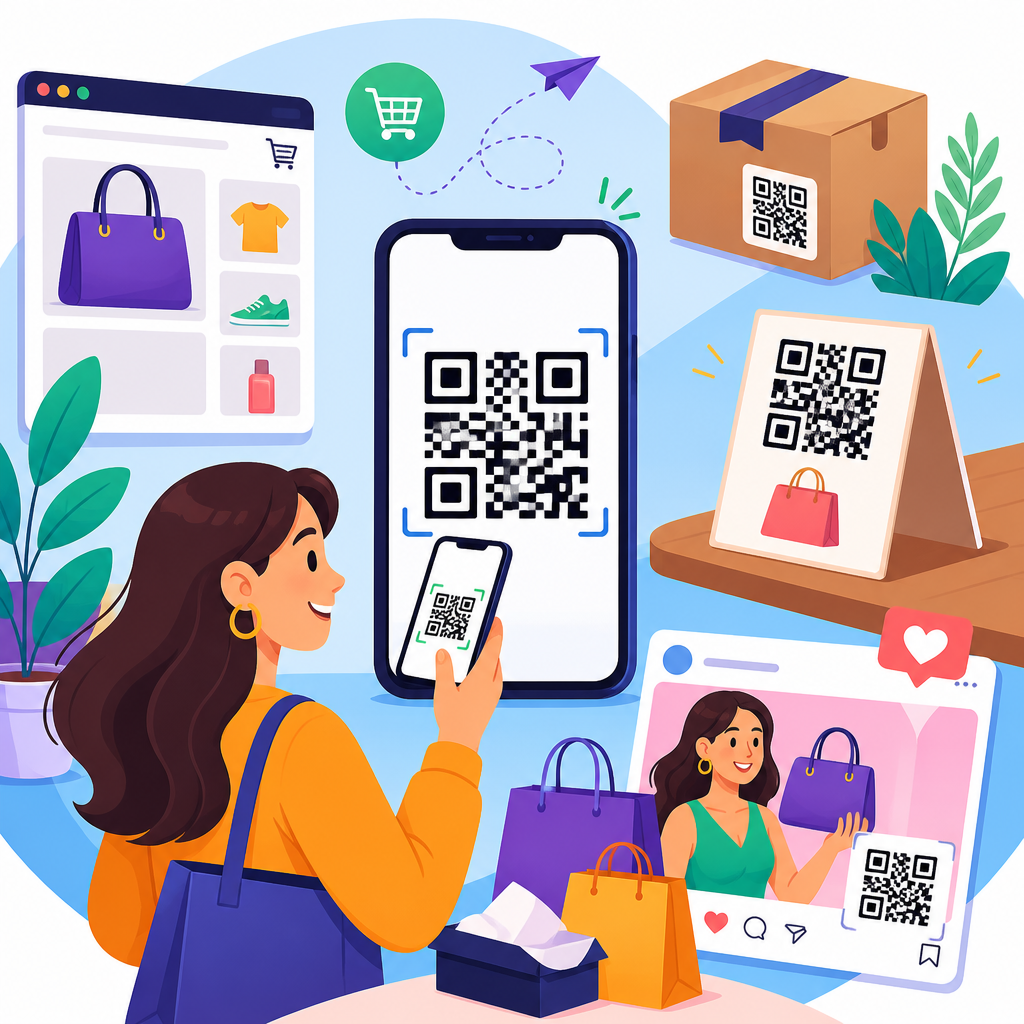
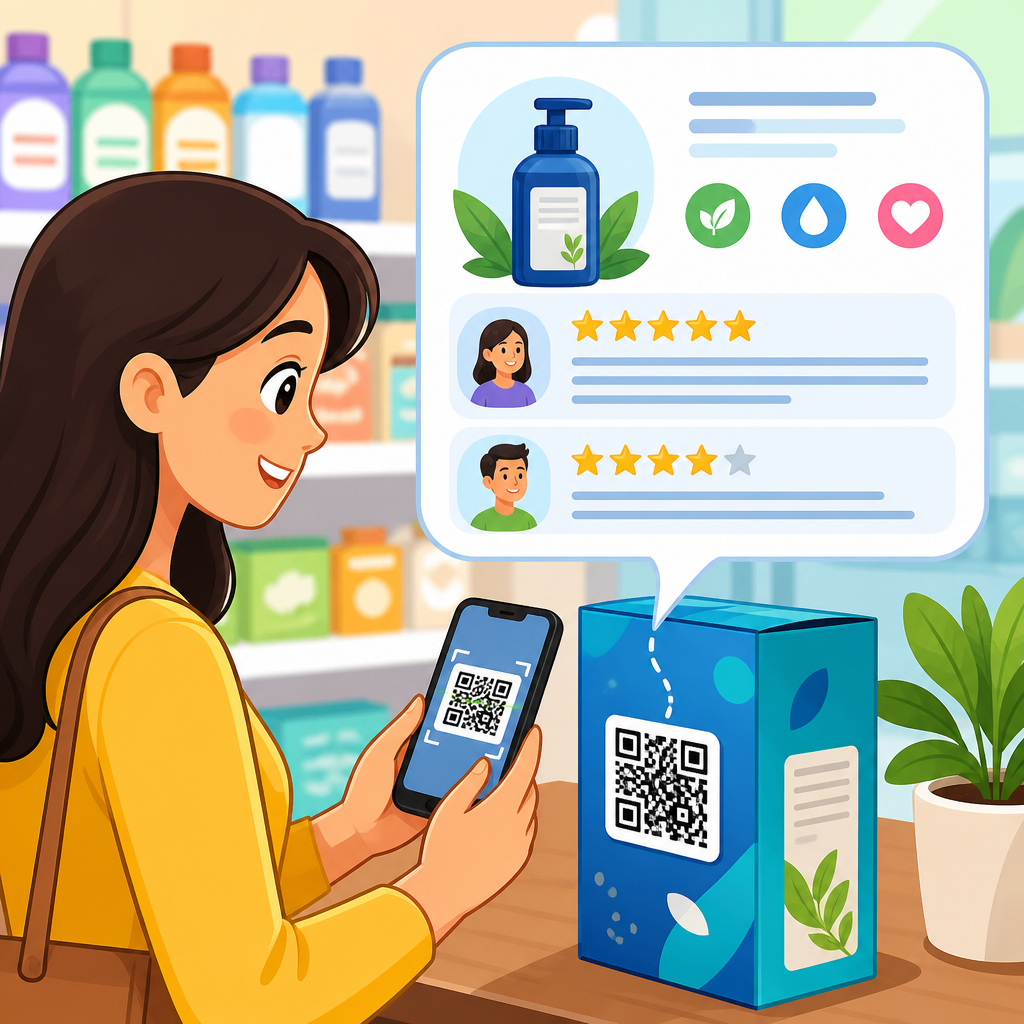
QR codes support loyalty programs by making enrollment, earning, and redemption easier at every touchpoint. In a restaurant, a code can sit on the menu, tabletop display, takeaway bag, window decal, or receipt. In a hotel, it can appear at check-in, in elevators, in-room compendiums, poolside signage, key card sleeves, or event spaces. Each placement answers a different customer question: How do I join, what do I get, how do I use my points, and why should I come back?
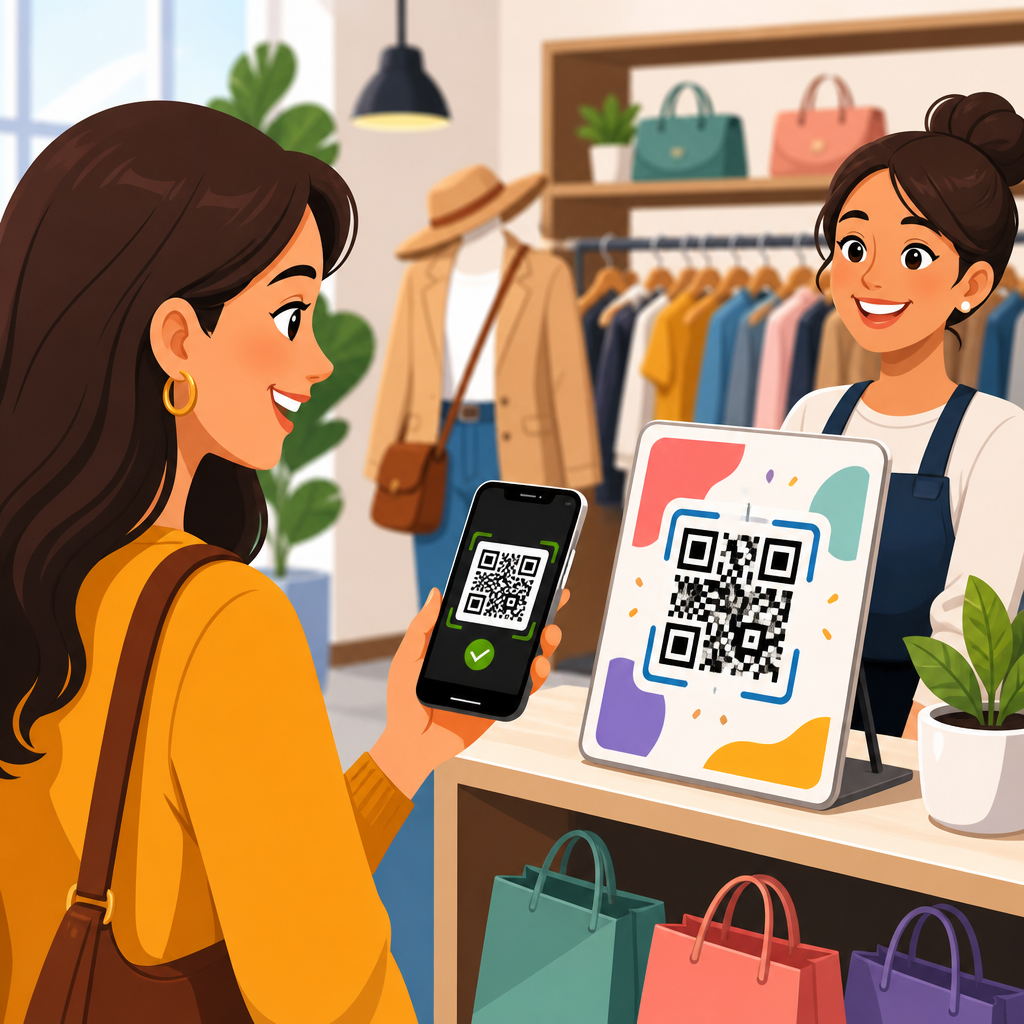
The strongest use case is instant enrollment. Instead of asking guests to download an app, fill out a long form, or hand over a paper card, a QR code opens a mobile landing page with a short sign-up flow. A guest enters a phone number or email, consents to marketing, and receives a welcome reward in seconds. In operations I have reviewed, reducing the form from eight fields to three consistently improves completion rates. Hospitality guests do not want administrative friction while they are ordering dinner or checking into a room.
QR codes also simplify point accrual. A full-service restaurant can assign a unique code to each table check that links the purchase to a member profile. A coffee chain can place a cashier-side code on the POS screen so customers scan before payment. Hotels can use QR-linked stay folios, restaurant bills, or spa receipts to post rewards across departments. This matters because hospitality purchases are often fragmented across outlets, and loyalty value increases when food, beverage, lodging, and ancillary spend are connected under one account.
Redemption becomes smoother as well. Instead of printing coupons or relying on verbal promotions, a member scans a QR code in a message, wallet pass, or on-property sign to claim an eligible offer. The code can apply a discount, unlock a free item after a threshold, or reveal a members-only package. Because the experience is digital, operators can control expiry dates, usage limits, and location rules in real time. That is safer than static printed offers that can be copied, shared, or redeemed outside intended conditions.
Use cases across restaurants, hotels, bars, and venues
Restaurants use QR loyalty most visibly, but the model extends across the entire hospitality sector. Quick-service restaurants often focus on speed and frequency. A code on packaging can invite customers to join after purchase and earn points toward a free item. Casual dining brands can use tabletop codes to promote dessert rewards, birthday clubs, and bounce-back offers for weekday traffic. Fine dining venues typically use more restrained placements, such as receipt inserts or reservation follow-up emails, because presentation and brand tone matter.
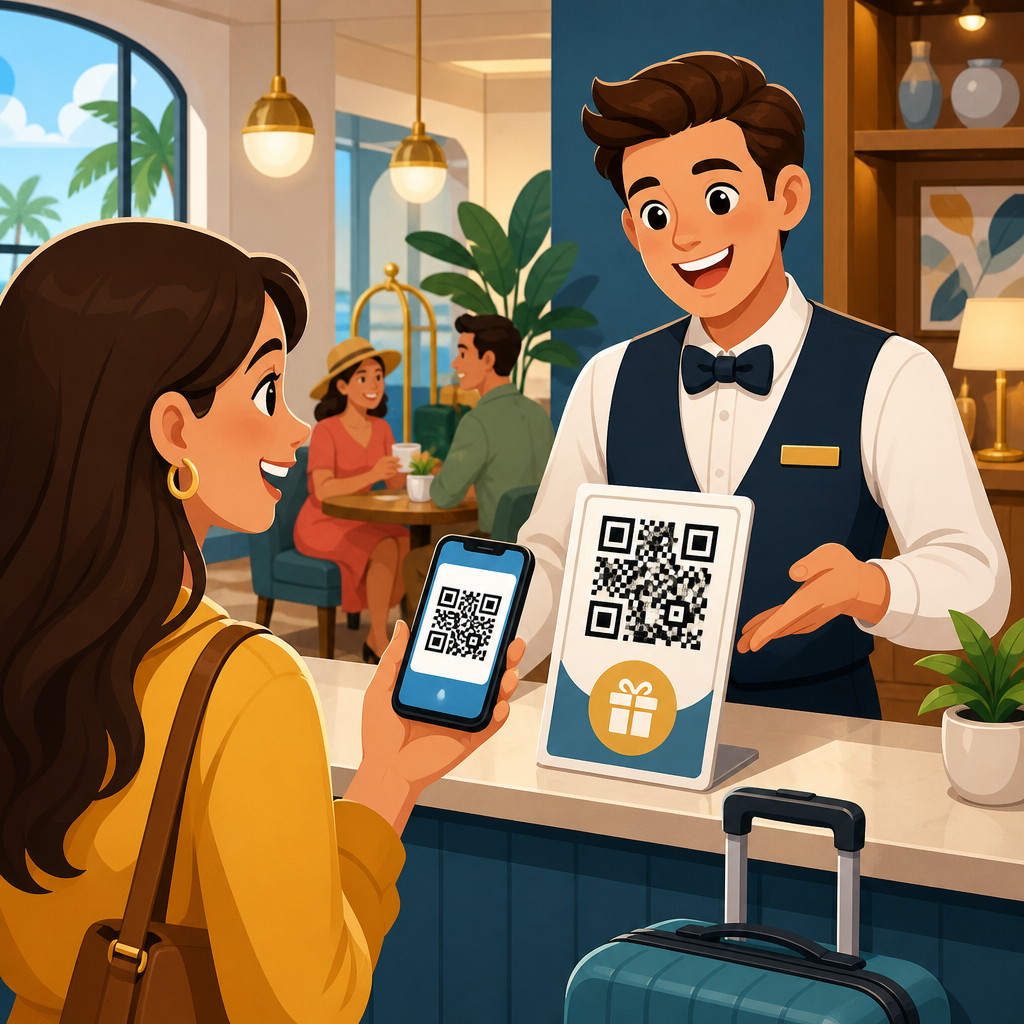
Hotels use QR codes differently because the guest journey spans pre-arrival, on-property, and post-stay stages. A booking confirmation can include a code to join the loyalty program for direct booking perks. At check-in, a front desk display can prompt guests to scan for late checkout eligibility or food-and-beverage credits. In rooms, codes can support outlet discovery by linking guests to restaurant reservations, room service ordering, spa bookings, and member-exclusive packages. This creates cross-sell opportunities without adding pressure to staff interactions.
Bars, clubs, and event venues benefit from QR loyalty when they need fast participation in loud, high-traffic environments. A screen near the bar can direct guests to scan for digital stamp cards, happy-hour alerts, or VIP access. For stadium hospitality suites or conference catering, a QR code can gather consented guest data that would otherwise be lost in anonymous group transactions. Resorts can combine several behaviors into one loyalty framework, rewarding dining, activities, retail purchases, and repeat stays under a unified points balance.
One practical advantage of QR-based loyalty is that it works for both branded chains and independent operators. A single-location cafe can use a low-cost platform such as Toast, Square, Clover, or Lightspeed integrated with a simple mobile landing page. A regional hotel group might connect codes to Salesforce, Oracle OPERA, Mews, HubSpot, or a customer data platform for more advanced segmentation. The principle is the same: make joining easy, record behavior accurately, and present a reason to return.
How to design a high-performing QR loyalty journey
Effective QR loyalty programs are built around guest intent, not technology novelty. Start by choosing the primary action each code should trigger. One code should not try to do everything at once. If a tabletop code asks guests to view a menu, join a loyalty program, review the restaurant, and enter a giveaway on the same screen, conversion suffers. In practice, the best-performing pages focus on one dominant action with one secondary option at most.
The offer must match the context. During a first visit, an instant reward such as a free coffee, appetizer, or Wi-Fi upgrade encourages enrollment. After a paid stay or meal, a bounce-back incentive such as double points on the next visit can drive return behavior. If average order value is the goal, structure rewards around thresholds: spend fifty dollars this month and unlock a premium dessert or cocktail. If direct booking matters most, reserve the strongest perks for guests who scan from owned channels instead of online travel agencies.
Landing pages should load fast, display clearly on mobile, and ask only for necessary information. Name, email, phone number, and birthday are common, but many brands collect too much too soon. Every extra field creates drop-off and may raise privacy concerns. I recommend progressive profiling: capture minimal information at sign-up, then request preferences later through email, SMS, or post-stay surveys. This improves completion while still supporting segmentation over time.
Operational clarity matters just as much as creative execution. Staff need a simple explanation of how the program works, where guests scan, what rewards apply, and how redemption is validated. If employees cannot explain the benefit in ten seconds, sign-up rates fall. Managers should also test scan paths weekly using both iPhone and Android devices, checking for broken links, poor cellular performance, and dead-end pages.
| Hospitality setting | Best QR placement | Primary loyalty goal | Example reward |
|---|---|---|---|
| Quick-service restaurant | Packaging, counter display, receipt | Increase repeat visits | Free item after five purchases |
| Casual dining | Table tent, bill presenter | Grow member enrollment | Join today for a complimentary appetizer |
| Hotel | Check-in desk, key sleeve, in-room card | Drive direct engagement across outlets | Members receive late checkout or dining credit |
| Bar or nightclub | Menu board, digital screen, coaster | Capture guest data quickly | Scan for VIP alerts and priority entry offers |
| Resort | Pool signage, activity desk, spa receipt | Increase cross-property spend | Earn points on dining, spa, and excursions |
Technology, tracking, and compliance considerations
A QR code itself is only the entry point. The real performance depends on the systems behind it. Dynamic QR codes are preferable for loyalty programs because the destination can be updated without reprinting physical materials. That allows operators to rotate offers, pause a campaign, A/B test landing pages, or send guests to location-specific pages. Static codes are useful for permanent information, but loyalty marketing usually needs more flexibility.
Attribution should be planned before launch. Each QR placement needs campaign parameters so marketers can distinguish scans from menus, receipts, rooms, packaging, or event signage. Use UTM tags, POS identifiers, property codes, and source labels inside the CRM or analytics stack. With that structure in place, teams can measure enrollment rate, scan-to-sign-up conversion, redemption rate, repeat purchase lift, average ticket change, and time to second visit. Without clean tracking, hospitality operators often know scans happened but cannot prove revenue impact.
Integration with POS, PMS, CRM, and messaging tools is where mature programs pull ahead. Restaurants commonly connect loyalty activity to Toast, Square, Revel, NCR Aloha, or Lightspeed. Hotels may rely on property management systems such as OPERA, Mews, or Cloudbeds, then sync member data to a CRM for email and SMS automation. The goal is not complicated architecture for its own sake; it is a single customer view that allows rewards to follow the guest across channels and properties.
Privacy and compliance cannot be treated casually. Loyalty programs collect personal data, and hospitality businesses often operate across regions with different rules. Consent language for email and SMS must be explicit. Data retention policies should be documented. If the program serves guests in Europe, GDPR obligations apply. In the United States, state privacy laws may require disclosure, access, or deletion workflows. Security also matters at the print level: public QR codes should point to trusted branded domains so guests are less vulnerable to malicious sticker replacement or phishing attempts.
Common mistakes and how to improve results over time
The most common mistake is offering a QR code without a compelling value exchange. Guests will not scan simply because a code is present. They scan when the benefit is obvious: earn a welcome reward, skip a line, unlock member pricing, or collect points automatically. Vague prompts such as scan to learn more rarely perform well. The message beside the code should tell the guest exactly what happens next.
Another frequent issue is weak on-site execution. Codes placed in poor lighting, behind reflective plastic, too far from seating, or below eye level reduce scans. Tabletop materials that are sticky, damaged, or cluttered hurt trust. In hotels, in-room codes buried inside dense collateral are often ignored. Better results come from clean design, concise copy, and placing the code where the decision naturally occurs, such as the moment payment is made or the guest is waiting for service.
Some brands also make redemption confusing. If a customer joins for a free item but must ask for a manager, show multiple screens, or wait for manual approval, the promise feels broken. Redemption should be integrated into POS workflows or clearly documented with a fast fallback process. Test edge cases too: poor connectivity, duplicate scans, family sharing, split bills, outlet transfers, and guests without app downloads.
Improvement should be continuous. Run controlled tests on offer types, sign-up fields, code placement, and message framing. Compare instant rewards versus delayed rewards, points versus perks, and property-wide benefits versus outlet-specific ones. Review cohort behavior by source. Guests who join through a hotel room code may spend differently from those who join through a restaurant receipt. Those insights help refine the hospitality loyalty program into a durable retention engine rather than a one-time promotion.
Conclusion
QR codes for hospitality loyalty programs work because they remove friction at the exact moments when guests are ready to act. They help restaurants, hotels, bars, cafes, resorts, and venues turn everyday touchpoints into enrollment, retention, and revenue opportunities. When the code leads to a focused mobile experience, the offer fits the setting, and the back-end systems record behavior accurately, loyalty stops being a side project and becomes part of daily operations.
The biggest advantage is control over direct customer relationships. Instead of depending solely on third-party marketplaces, delivery apps, or travel intermediaries, hospitality brands can build first-party audiences they can reach through email, SMS, wallet passes, and personalized offers. That lowers acquisition pressure, improves repeat visitation, and creates measurable insight into what guests actually value across meals, stays, and ancillary purchases.
For this Restaurants and Hospitality hub, the core lesson is simple: treat QR codes as a strategic bridge between service moments and long-term loyalty. Start with one clear use case, connect it to your POS or PMS, train staff well, and measure every scan path. Then expand into cross-sell, feedback, direct booking, and multi-outlet rewards. If you are building or refining a hospitality loyalty program, audit your guest journey today and identify the first scan point that can bring customers back tomorrow.
Frequently Asked Questions
How do QR codes improve hospitality loyalty programs?
QR codes improve hospitality loyalty programs by removing friction at the exact moments when guests are most likely to engage. Instead of asking someone to download an app, remember a web address, fill out a long form, or wait for a staff member to explain the process, a business can place a code on a table tent, receipt, menu, room key packet, check presenter, front desk sign, or takeaway bag and let the guest scan immediately. That single action can open a sign-up page, add points to an account, unlock a welcome offer, trigger a post-visit survey, or guide the guest back for another purchase.
In practical terms, this matters because hospitality environments are busy and time-sensitive. A restaurant guest may only have a few seconds of attention between ordering and dining. A hotel guest may want a fast check-in experience with minimal paperwork. A cafe customer may be in line and unwilling to pause for anything complicated. QR codes work well in all of these situations because they connect a real-world touchpoint to a digital action with almost no delay. The easier the process is, the more likely guests are to participate.
They also help businesses create a more measurable loyalty system. Each scan can be tied to a campaign, location, offer, or customer action, which makes it easier to understand what is driving enrollment and repeat visits. For hospitality brands trying to increase visit frequency, strengthen retention, and collect first-party customer data, QR codes are a practical tool because they make loyalty participation faster for guests and easier to track for operators.
Where should hospitality businesses place QR codes for the best loyalty program results?
The best placement depends on the type of hospitality business and the guest journey, but the strongest results usually come from placing QR codes at points where attention, intent, and convenience naturally overlap. In restaurants and bars, common high-performing placements include menus, table tents, check presenters, receipts, counter signs, and takeaway packaging. In hotels and resorts, effective spots include front desk displays, in-room signage, key card holders, welcome packets, elevators, lobby screens, poolside service areas, and post-stay emails that include a scannable or clickable equivalent. In cafes and quick-service environments, point-of-sale counters, pickup shelves, cups, sleeves, and digital menu boards can all work well.
The key is to match placement with purpose. If the goal is enrollment, the QR code should appear early in the experience, such as at the host stand, on a menu, or during check-in. If the goal is point redemption or upselling, it may perform better at payment or during the stay. If the goal is collecting feedback and encouraging a return visit, placing the code on receipts, room folios, or post-visit materials makes more sense. A single business can also use multiple QR codes across the journey, each connected to a different action and campaign.
Clear messaging is just as important as placement. Guests should know exactly what happens when they scan. A line like “Join our rewards program and get 10% off your next visit” is much stronger than simply showing a code with no explanation. Strong visibility, a compelling call to action, and mobile-friendly landing pages all contribute to better performance. In hospitality, success usually comes from making the scan feel timely, useful, and worth the guest’s attention.
Can QR codes be used for more than just loyalty program sign-ups?
Yes, and that is one of their biggest advantages. While QR codes are excellent for loyalty program enrollment, they can also support nearly every stage of the guest relationship after sign-up. Once a customer is in the program, a code can be used to let them check point balances, claim limited-time offers, redeem rewards, enter promotions, access member-only menus, leave reviews, complete satisfaction surveys, or receive personalized return-visit incentives. This flexibility makes QR codes especially valuable in hospitality, where guest engagement often happens in short, high-intent moments.
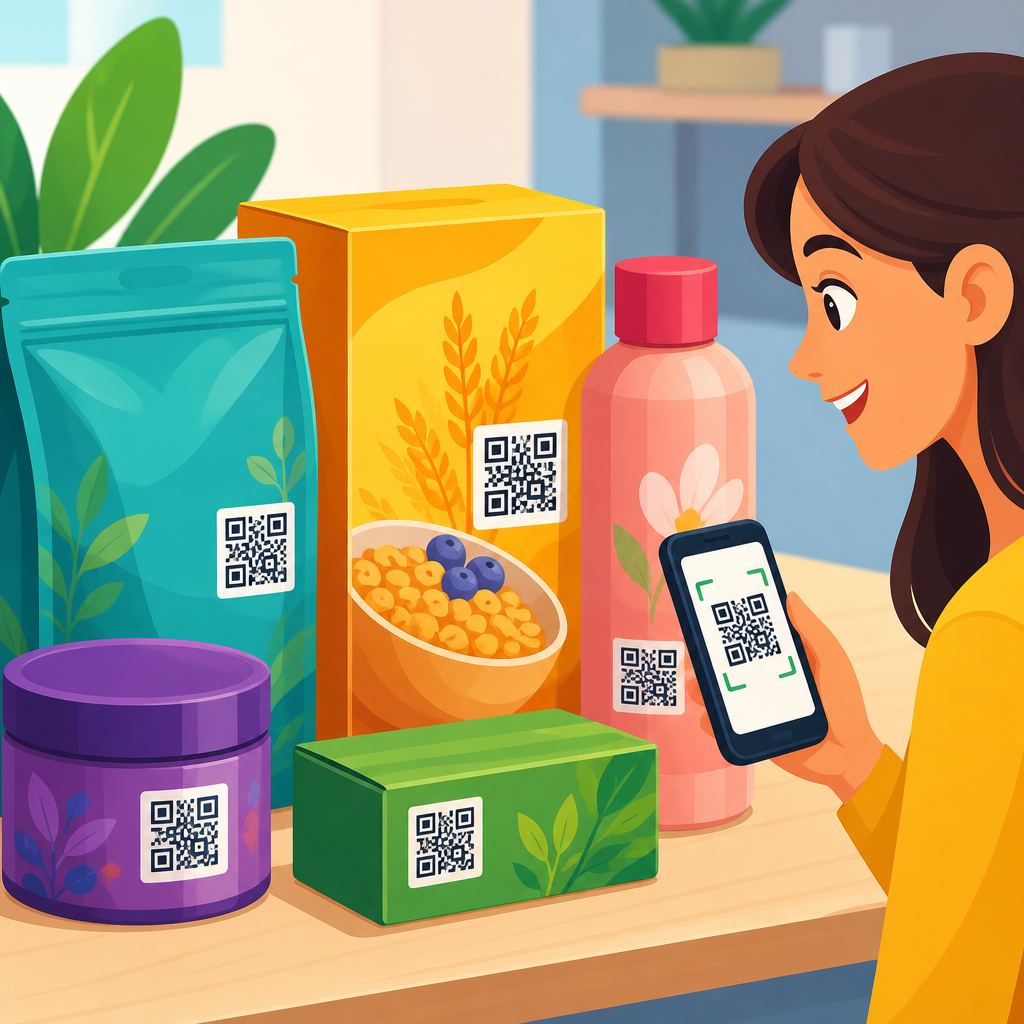
For example, a restaurant might use one QR code on the menu to drive sign-ups and another on the receipt to encourage feedback in exchange for bonus points. A hotel could use codes in guest rooms to promote spa discounts for loyalty members, offer late checkout upgrades, or invite guests to book their next stay directly. A coffee chain might place codes on cups that lead returning customers to seasonal offers tied to their purchase history. In each case, the QR code acts as a bridge between the physical experience and a digital loyalty action.
This broader use matters because successful loyalty programs are not built only on enrollment numbers. They are built on ongoing participation, repeat purchases, and guest recognition. QR codes make it easier to maintain that relationship over time by turning everyday brand materials into engagement points. When used strategically, they help businesses move beyond simple sign-up mechanics and create a loyalty ecosystem that is more interactive, more personalized, and more effective at driving repeat business.
Are QR code loyalty programs easy for guests and staff to use?
In most cases, yes. One of the main reasons QR codes work so well in hospitality is that they are familiar to customers and require very little explanation. Most smartphone users already know how to scan a QR code with their camera, and because the process is immediate, there is less hesitation than there would be with a more complicated loyalty setup. Guests do not need to manually type in URLs, search for apps, or wait through a lengthy registration flow if the system has been designed properly.
For staff, QR codes can reduce operational pressure rather than add to it. Instead of requiring employees to walk every guest through enrollment, staff can simply point to a code and give a quick prompt such as, “You can scan here to join our rewards program.” That is especially useful in high-volume environments like quick-service restaurants, bars, cafes, and busy hotel front desks, where teams need to keep lines moving. A smoother enrollment process also creates more consistency because the guest receives the same program information every time, regardless of who is working.
That said, ease of use depends on execution. Landing pages should be mobile-optimized, quick to load, and simple to complete. The sign-up process should ask only for necessary information. The reward value should be clear. Staff should receive light training so they can answer basic questions and mention the program naturally. When those pieces are in place, QR code loyalty programs feel intuitive for guests and manageable for employees, which is exactly what hospitality businesses need when trying to increase participation without disrupting service.
What should businesses measure to know if QR codes are working in a hospitality loyalty program?
To understand whether QR codes are working, businesses should measure more than just total scans. Scan volume is useful, but it is only the starting point. The more important metrics are what happens after the scan: sign-up conversion rate, offer redemption rate, repeat visit rate, average order value, frequency of visits, feedback completion, and long-term customer retention. These numbers show whether the QR code is simply attracting attention or actually contributing to loyalty program growth and revenue performance.
It is also valuable to compare results by location, placement, campaign, and guest touchpoint. A QR code on a receipt may generate fewer scans than one on a menu, but it could drive more repeat visits if the offer is stronger or the timing is better. A hotel lobby code may create more enrollments, while an in-room code may lead to more on-property upgrades. Segmenting performance in this way helps operators refine where codes appear, what each one offers, and how the loyalty journey should be structured.
Businesses should also look at operational and customer experience indicators. If a QR-based loyalty process reduces staff time spent explaining the program, increases direct engagement, or improves feedback collection, those outcomes have real value even beyond immediate sign-ups. The most effective hospitality brands treat QR codes as measurable conversion tools tied to specific goals, not just as visual add-ons. When properly tracked and optimized, they can reveal which guest interactions are most valuable and how to turn those moments into stronger loyalty and higher lifetime customer value.