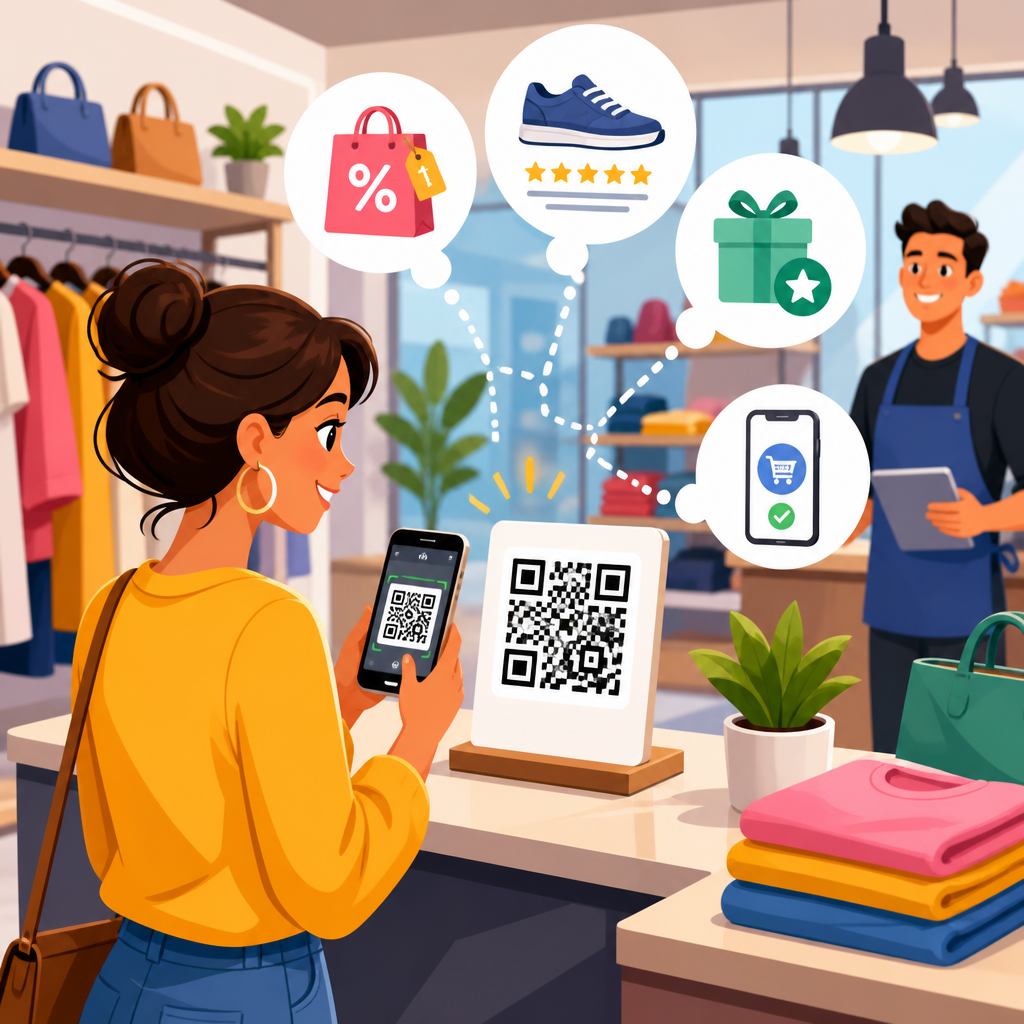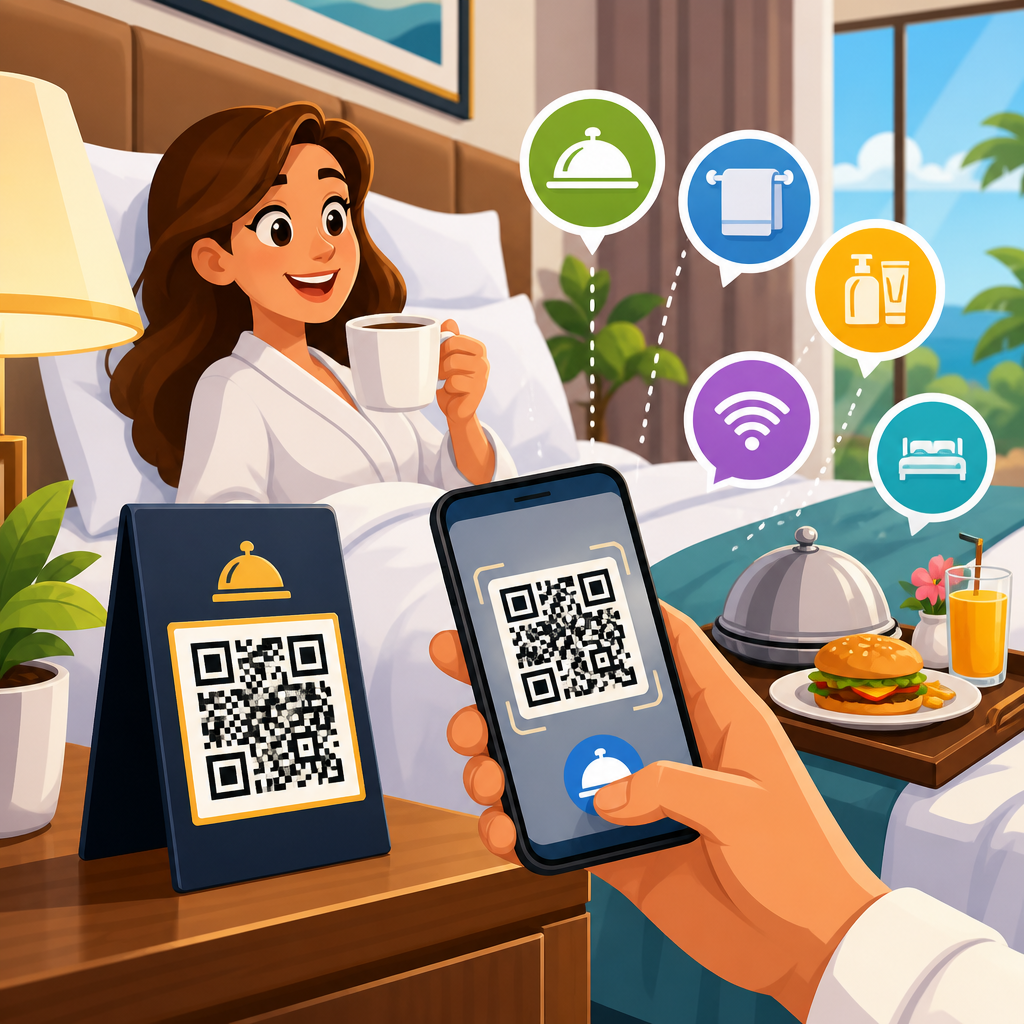
QR codes for room service and amenities have moved from a novelty to a core hospitality tool because they solve a simple problem: guests want fast access to information and ordering, while hotels need efficient service with fewer points of friction. In practical terms, a QR code is a scannable image that opens a digital destination such as a menu, ordering page, spa booking form, Wi-Fi instructions, or multilingual guest guide. In hotels, resorts, serviced apartments, cruise cabins, and boutique properties, that destination becomes the front door to daily guest interactions. When the code is placed well and linked to the right content, it shortens response times, reduces printing costs, improves upselling, and makes the guest journey feel more modern.
In my work with hospitality teams, the best results come when QR deployment is treated as an operations project, not just a design exercise. A tent card on a nightstand is not enough if the menu loads slowly, the payment flow breaks on mobile, or housekeeping requests disappear into an unmanaged inbox. The value of QR codes in restaurants and hospitality comes from connecting guest intent to a reliable outcome. That is why this topic matters across the entire sector. Hotels need ways to offer room service without tying up phone lines, restaurants inside properties need digital menus that update instantly, spas need easy appointment booking, and management needs data on what guests actually use. A strong room service QR program also supports broader amenity access, from poolside ordering to late checkout requests.
For this sub-pillar topic, room service and amenities sit at the center of hospitality QR strategy because they touch the most frequent guest questions: What can I order, when is it available, how do I request towels, where is the gym, how do I book the shuttle, what is the Wi-Fi password, and what time is checkout? A single code can answer one of those questions, but a better approach is a structured hub that connects all essential services in one mobile-first experience. This article covers that structure comprehensively for restaurants and hospitality businesses, including hotels, resorts, bars, cafés, event venues, and mixed-use properties. It explains where QR codes work best, what content they should open, how to measure performance, and which operational decisions determine success or failure.
Done properly, QR codes for room service and amenities improve both service quality and margin. They reduce misheard phone orders, allow menu updates without reprints, surface high-margin add-ons such as desserts or wine, and route requests directly to the right team. They also support accessibility through larger digital text, screen-reader compatible pages, and multilingual content that print collateral rarely handles well. At the same time, they are not a magic fix. Some guests still prefer a phone call, older properties may have weak in-room connectivity, and staff adoption can lag if responsibilities are unclear. The opportunity is substantial, but execution matters. Hospitality leaders who understand that balance can build a system that serves guests better and gives restaurant and hotel teams a scalable operating model.
How QR Codes Support the Full Hospitality Journey
The strongest hospitality implementations do not isolate QR codes to a single use case. They map them to moments across the stay: pre-arrival, check-in, in-room dining, property navigation, amenity booking, issue reporting, and post-stay feedback. In-room dining is usually the quickest win because the demand already exists and the phone-based process is often inefficient. A guest scans, browses a menu with live availability, customizes an order, confirms room number, and pays or charges to the room. The kitchen receives a legible ticket instead of a verbal order. That single workflow can cut order errors significantly, especially for modifications like allergies, no onions, or dressing on the side.
The same logic extends to amenities. Instead of calling the front desk to ask for extra pillows, a crib, or a toothbrush kit, the guest uses a service hub. Instead of waiting on hold to ask when the spa opens, they scan a code in the elevator and book directly. In resorts, pool and beach ordering through QR codes can increase average check size because visual menus encourage browsing. In conference hotels, QR codes outside meeting rooms can open catering menus, AV support requests, and event schedules. For restaurants attached to hotels, they can connect guests and walk-ins to breakfast reservations, waitlists, wine lists, and promotional offers. The common thread is direct access to a useful task without forcing the guest to switch channels.
Properties that perform well with this model usually organize content by need, not department. Guests do not think in terms of siloed teams; they think, “I need food now,” “I need more towels,” or “I want to book the sauna.” A clean landing page with large buttons outperforms a corporate microsite packed with irrelevant brand copy. I have seen luxury hotels improve digital service adoption simply by reducing the first screen to six actions: order food, request housekeeping, book spa, explore amenities, contact concierge, and view check-out options. That structure respects mobile behavior, where speed and clarity matter more than extensive navigation.
High-Value Use Cases for Restaurants and Hospitality
Room service is the anchor use case, but it is only one piece of the hospitality QR ecosystem. Restaurants and hospitality operators should think in clusters. The first cluster is dining: in-room dining menus, minibar reordering, breakfast ordering, restaurant reservations, bar menus, poolside service, banquet catering requests, and digital tipping. The second cluster is guest services: housekeeping requests, laundry pickup, maintenance reporting, airport shuttle booking, valet retrieval, wake-up requests, and concierge messaging. The third cluster is property information: Wi-Fi access, hotel directory, operating hours, maps, emergency procedures, and local recommendations. The fourth cluster is revenue-driving amenities: spa appointments, golf tee times, cabana reservations, kids club enrollment, retail offers, and late checkout upsells.
Each use case has different operational requirements. A digital room service menu needs real-time item management and kitchen routing. A maintenance request form needs issue categorization and escalation rules. A spa booking page needs time-slot logic and inventory management. This is why many hospitality teams start with a no-code QR platform and quickly realize they also need integrations with POS, PMS, CRM, or ticketing systems. Common tools in the stack include Toast, Square, Oracle MICROS Simphony, Lightspeed, and Clover on the restaurant side; Opera Cloud and other property management systems on the lodging side; and service platforms such as Zendesk, HotSOS, or internal task tools. The QR code itself is simple. The service architecture behind it is what determines guest satisfaction.
| Use Case | Primary Guest Benefit | Operational Requirement | Business Impact |
|---|---|---|---|
| Room service ordering | Fast, accurate ordering without calling | Mobile menu, kitchen routing, payment or room charge | Higher order volume, fewer errors, easier upsells |
| Housekeeping requests | Quick access to towels, pillows, amenities | Task queue, room identification, service SLAs | Lower front desk load, faster fulfillment |
| Spa or amenity booking | Self-service reservations anytime | Scheduling tool, inventory control, confirmations | More bookings, fewer missed opportunities |
| Property information hub | Instant answers on Wi-Fi, hours, maps, policies | Mobile landing page, multilingual content | Fewer repetitive questions, better guest confidence |
| Poolside or restaurant service | Browse and order from anywhere on property | Location logic, menu sync, staff alerting | Increased F&B revenue and convenience |
Real-world examples show why these clusters matter. A limited-service hotel may gain the most from QR-enabled local dining partnerships and front-desk-light guest information rather than full in-room dining. A luxury resort, by contrast, can justify a sophisticated service hub that connects dining, spa, transport, and concierge into one branded interface. An urban hotel with heavy business travel may focus on breakfast pre-ordering, express laundry, and late checkout conversion. The right strategy depends on service model, staffing, and guest profile, but the principle is consistent: QR codes work best when they remove a repetitive point of friction and connect directly to fulfillment.
Designing the Guest Experience: Placement, Content, and Conversion
Placement determines scan rate. In guest rooms, high-performing locations include the bedside table, desk, TV screen saver, mini-fridge area, bathroom mirror cling for amenities, and welcome compendium. In public areas, effective placements include elevator banks, pool loungers, restaurant tables, lobby seating, conference foyers, and spa reception. The code should always be paired with explicit benefit-led language. “Scan for room service menu” will outperform “Scan me.” “Order towels in under a minute” beats a generic icon. Guests need immediate clarity on what happens next.
The destination page must be optimized for one-handed mobile use. That means large tap targets, readable type, compressed images, and a short path to the primary task. If the page takes more than a few seconds to load on hotel Wi-Fi or cellular data, abandonment rises quickly. Menus should show availability, preparation time where possible, dietary markers, and modifiers. Service pages should ask only for the minimum data needed to fulfill the request. For known guests, prefilled room numbers or secure room verification can reduce friction. For public restaurant environments, a table number or location selector may be more appropriate.
Conversion improves when hospitality teams apply retail discipline to service menus. Visuals help, but only when they are accurate and compressed for speed. High-margin items should be featured near the top. Bundles such as “late-night combo,” “family breakfast,” or “spa day package” increase average order value because they simplify choice. Scarcity and timing can also guide action when used honestly: “Kitchen closes at 10:30 PM” or “Last shuttle booking for the airport departs at 9 PM.” I have also seen multilingual landing pages materially improve usage in international properties, especially when the first screen lets guests choose language before entering a menu or service flow.
Operations, Integrations, and Measurement
Behind every successful QR code for room service and amenities is a disciplined operating process. Start with ownership. Someone must own menu updates, someone must monitor request queues, and someone must track failures such as broken links, expired offers, or requests that arrive after service hours. Without clear accountability, digital convenience turns into digital disappointment. Service-level agreements matter here. If a guest requests extra towels via QR and waits forty minutes with no acknowledgment, the technology has created frustration rather than solving it. Automated confirmations, estimated timing, and escalation rules are essential.
Integration depth should match the use case. At minimum, static information pages can live on mobile landing pages managed by marketing or operations. More advanced use cases benefit from direct system connections. Restaurant orders should pass into the POS or kitchen display system whenever possible. Amenity bookings should sync to the scheduling platform to avoid overbooking. Guest requests should generate trackable tickets. Analytics should capture scans, unique users, top pages, conversion rate, order value, and completion time. QR platforms with dynamic codes are especially useful because they let teams update destinations without replacing printed materials and segment performance by location.
Measurement should answer operational questions, not just marketing ones. Which rooms generate the most room service scans? Which amenities are requested most often? What time does breakfast ordering peak? Do poolside QR orders create staffing pressure at specific hours? Are guests abandoning the menu at payment or at item customization? These insights inform staffing, menu engineering, and service design. In one hospitality rollout I worked on, the data showed that guests frequently scanned a spa code after 9 PM, well after reception closed. Adding an after-hours booking form and automated next-morning follow-up recovered demand that had previously been lost.
There are also compliance and trust considerations. Payment flows should use established processors and HTTPS-secured pages. Publicly visible QR codes should be inspected so tampered stickers do not redirect guests to fraudulent destinations. Branded URLs increase confidence because guests can see the hotel or restaurant name before tapping. Accessibility should not be treated as optional; WCAG-aligned contrast, alt text where relevant, and screen-reader-friendly forms improve usability for everyone. Finally, always maintain a non-digital fallback. A phone line, printed essentials, or staffed service desk remains important for inclusivity and business continuity.
Building a Scalable Hospitality QR Hub
As a sub-pillar under QR code use cases by industry, this hospitality hub should guide readers toward a scalable framework. Start with a master service map of guest needs, then group those needs into dining, guest services, property information, and revenue-generating amenities. Assign each use case an owner, a platform, a response workflow, and a measurement plan. Use dynamic QR codes so destinations can change by season, outlet hours, or campaign. Standardize naming conventions, URL structures, and design patterns across the property so guests recognize the experience instantly whether they are ordering dinner, booking a massage, or requesting extra hangers.
The main benefit of QR codes for room service and amenities is not the code itself; it is the ability to deliver faster service, clearer information, and better revenue capture through a mobile-first guest journey. Restaurants and hospitality businesses that treat QR as part of operations, not just promotion, consistently get better results. Begin with one high-friction use case, such as room service or housekeeping requests, connect it to a dependable fulfillment process, then expand into reservations, amenity booking, and on-property ordering. Audit every touchpoint from the guest’s perspective, fix slow pages and broken workflows, and keep a human fallback available. If you are building out restaurants and hospitality coverage, use this hub as the foundation and map each supporting article to a specific service journey your guests already want to complete.
Frequently Asked Questions
What are QR codes for room service and amenities, and how do they work in hospitality settings?
QR codes for room service and amenities are scannable codes placed in guest rooms, cabins, suites, lobbies, pool areas, spas, and other service touchpoints that instantly direct guests to digital resources on their phones or tablets. In a hospitality setting, that digital destination might be a room service menu, minibar list, housekeeping request form, spa booking page, activity schedule, late checkout request page, Wi-Fi instructions, or a multilingual guest information guide. Instead of calling the front desk, flipping through printed binders, or waiting for staff assistance, guests simply scan the code with their device camera and access what they need in seconds.
From an operational perspective, these QR codes reduce friction across the guest journey. Hotels can update menu items, service hours, pricing, policies, and amenity details in real time without reprinting materials. That matters because hospitality information changes often, whether due to seasonal dining menus, occupancy levels, staffing changes, or promotional offers. The result is a more responsive service model: guests get faster answers and ordering options, while hotel teams reduce repetitive inquiries and streamline request handling. In modern hospitality environments such as hotels, resorts, serviced apartments, cruise cabins, and boutique properties, QR codes have become a practical digital bridge between physical spaces and on-demand guest service.
How do QR codes improve room service ordering and guest convenience?
QR codes make room service dramatically easier by shortening the path between guest intent and completed order. A guest who wants breakfast, a late-night snack, extra towels, or a bottle of wine does not need to search for a paper menu, pick up the in-room phone, or wait to speak with someone. They scan the code, browse a digital menu or request form, review options with descriptions and pricing, and submit the order directly. This faster process aligns with what today’s guests expect: self-service convenience, clear information, and minimal delay.
They also improve the quality of the ordering experience. Digital menus can include photos, allergy notes, dietary filters, upsell suggestions, service hours, and estimated delivery times. That gives guests more confidence in their choices and often increases order value because the experience is easier to navigate. For international travelers, QR-linked pages can also support multiple languages, reducing confusion and helping guests understand amenities and services without needing staff translation for every request.
For the hotel, convenience translates into efficiency. Orders submitted through a digital page are often clearer than verbal requests, which can reduce mistakes, missed items, and call congestion during busy service windows. QR code systems can also route requests to the right department, such as food and beverage, housekeeping, concierge, or spa reception. That means fewer handoffs, quicker response times, and a smoother overall guest experience. In short, QR codes improve room service not by replacing hospitality, but by removing unnecessary barriers between the guest and the service they want.
What types of hotel amenities can be accessed through QR codes?
QR codes can support a wide range of amenities well beyond food ordering. One of their biggest strengths is flexibility. A single code can link to a digital room directory, while separate codes can be assigned to specific services such as housekeeping requests, laundry pickup, valet details, gym hours, pool rules, spa reservations, restaurant bookings, airport transfer scheduling, entertainment guides, or local attraction recommendations. In-room QR codes are commonly used for TV channel guides, smart room instructions, minibar details, emergency contacts, and checkout information.
They are also highly useful in shared spaces. At the spa, a QR code can open a treatment menu and booking form. At the pool, it can link to food and beverage ordering or towel policies. In conference areas, it can provide event schedules, room maps, and catering contacts. In serviced apartments and extended-stay properties, QR codes can be especially valuable for practical information such as appliance instructions, maintenance requests, parking guidance, waste disposal rules, and neighborhood services. On cruise ships and in resort environments, codes can direct guests to excursion sign-ups, daily activities, and venue availability.
Because QR destinations are digital, they can also be personalized and updated instantly. Hotels can use them for promotional offers, loyalty program sign-ups, premium amenity upgrades, or guest education content. For example, a property may offer a code that links to a wellness package, romantic room setup, or in-room dining bundle. This makes QR codes useful not only as an information tool, but also as a revenue and engagement channel that keeps guests connected to the property’s full range of services.
Are QR codes better than printed room directories and paper menus?
In many cases, yes. QR codes are often more practical, accurate, and cost-effective than printed room directories and paper menus because hospitality information changes frequently. A printed menu can become outdated as soon as pricing changes, an item is removed, or service hours are adjusted. A printed room directory may also become inaccurate when amenities shift, policies are updated, or temporary renovations affect guest access. With QR codes, the hotel can update the linked content immediately, ensuring guests always see the latest version without the delay and expense of reprinting materials.
They also support a cleaner and more modern guest experience. Many travelers are already comfortable scanning codes to access menus, instructions, and booking pages. Digital content is easier to search, easier to translate, and often easier to read than a thick printed binder. It can also include rich content such as images, videos, maps, and direct action buttons for ordering or booking. That level of interactivity is difficult to match with paper collateral alone.
That said, the best approach for some properties is a balanced one. Not every guest prefers a fully digital experience, and some luxury or accessibility-focused environments may want to retain select printed materials as a backup. The real advantage of QR codes is not that they eliminate every physical touchpoint, but that they give hotels a flexible, low-friction way to deliver accurate information and service access at scale. For most hospitality operators, that makes them a strong improvement over relying exclusively on print.
What should hotels consider when implementing QR codes for room service and amenities?
Successful implementation starts with guest usability. QR codes should be placed where they are easy to notice and scan, such as bedside tables, desks, welcome cards, tent cards, elevators, amenity areas, and in-room signage. The call to action must be clear. Instead of simply displaying a code, hotels should label it with direct language such as “Scan for Room Service,” “Scan for Wi-Fi Instructions,” or “Scan to Request Housekeeping.” Guests should immediately understand what they will get when they scan.
The digital experience behind the code is just as important as the code itself. Pages should load quickly, work well on mobile devices, and require as few steps as possible. Menus, booking forms, and guest guides should be well organized, easy to read, and available in relevant languages. If the QR code leads to ordering or service requests, the workflow must connect smoothly to hotel operations so requests reach the correct department without delay. A beautiful landing page will not help if the internal fulfillment process is disorganized.
Hotels should also focus on maintenance, analytics, and brand consistency. Dynamic QR codes are especially useful because they allow destination links to be changed without replacing the printed code. This makes it easier to update services over time and track engagement data such as scans, popular amenities, and peak usage periods. Branding matters too: the digital destination should feel like an extension of the property, with consistent visual identity, tone, and service standards. Finally, accessibility and backup options should not be overlooked. Guests should have an alternative path, such as front desk assistance or a phone extension, in case they do not want to scan or encounter technical limitations. When implemented thoughtfully, QR codes become more than a convenience feature; they become a reliable part of the hotel’s overall service infrastructure.