QR codes for digital collectibles and NFTs have moved from marketing novelty to practical infrastructure, giving creators, brands, and collectors a simple bridge between physical objects and blockchain-based ownership. In this context, a digital collectible is a unique or limited digital asset tied to a brand, community, event, artwork, or experience, while an NFT is the token standard used on a blockchain to represent that asset, its provenance, or its access rights. The distinction matters because not every digital collectible needs to be fully on-chain, and not every NFT succeeds as a collectible; the strongest projects align the token model, the audience, and the utility. I have worked on QR-led campaign flows where one scan triggered wallet connection, metadata viewing, and post-mint onboarding, and the lesson was consistent: adoption rises when the path from curiosity to ownership feels as easy as opening a link. That is why this topic matters inside QR Code Trends and Innovations. QR codes reduce friction at the exact point where many NFT initiatives fail, whether at a retail shelf, event entrance, museum label, product package, trading card, or certificate of authenticity. They can direct users to a mint page, verify an item, reveal token-gated perks, or connect a physical collectible to updated content over time. For organizations building emerging use cases, QR codes are not decoration. They are a scannable identity layer that makes digital ownership visible, accessible, and measurable.
Why QR codes fit the next wave of digital collectibles
The core advantage of QR codes in digital collectibles and NFTs is accessibility. A wallet address, contract address, or token URI is not human-friendly, but a scan is. In live deployments, I have seen participation rates improve because people could start with a familiar camera action instead of being asked to copy strings, search marketplaces, or install multiple apps before understanding the offer. For mainstream audiences, the QR code becomes the handshake between physical context and digital ownership.
This usability benefit also supports trust. A branded QR code printed on packaging, event signage, or a certificate can route to an official landing page where the user sees the collection description, blockchain network, creator information, royalty terms if applicable, and support instructions. That is far safer than expecting people to search manually, where impersonation pages and counterfeit listings are common. Dynamic QR codes strengthen this further by allowing destination updates if a mint link changes, a marketplace migrates, or a security issue appears.
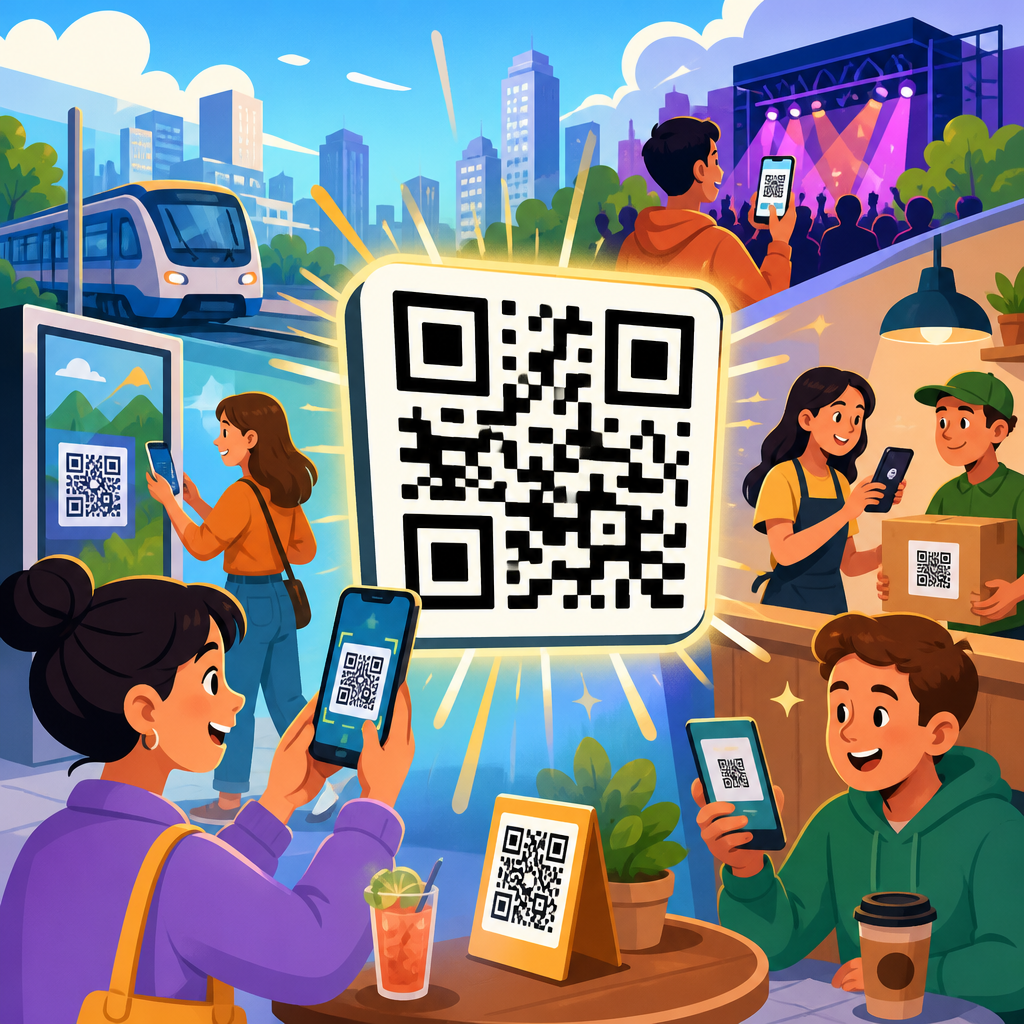
QR codes also solve a discovery problem. Many collectible campaigns happen away from a desktop marketplace: in stores, galleries, pop-ups, sports venues, conventions, and product unboxings. A code can connect the moment of attention to immediate action. If someone scans a code on a sneaker hangtag, a toy box, or a concert poster, the experience can open a mint page, display a proof-of-authenticity record, or add the user to a claim queue tied to that exact item or location.
For this subtopic hub, the strategic point is clear: emerging use cases succeed when the scan does more than link to a homepage. It should resolve intent fast. Is the user trying to verify authenticity, claim ownership, unlock utility, join a community, or resell with provenance? The QR journey should answer that directly, with minimal steps and clear explanations.
Key emerging use cases across industries
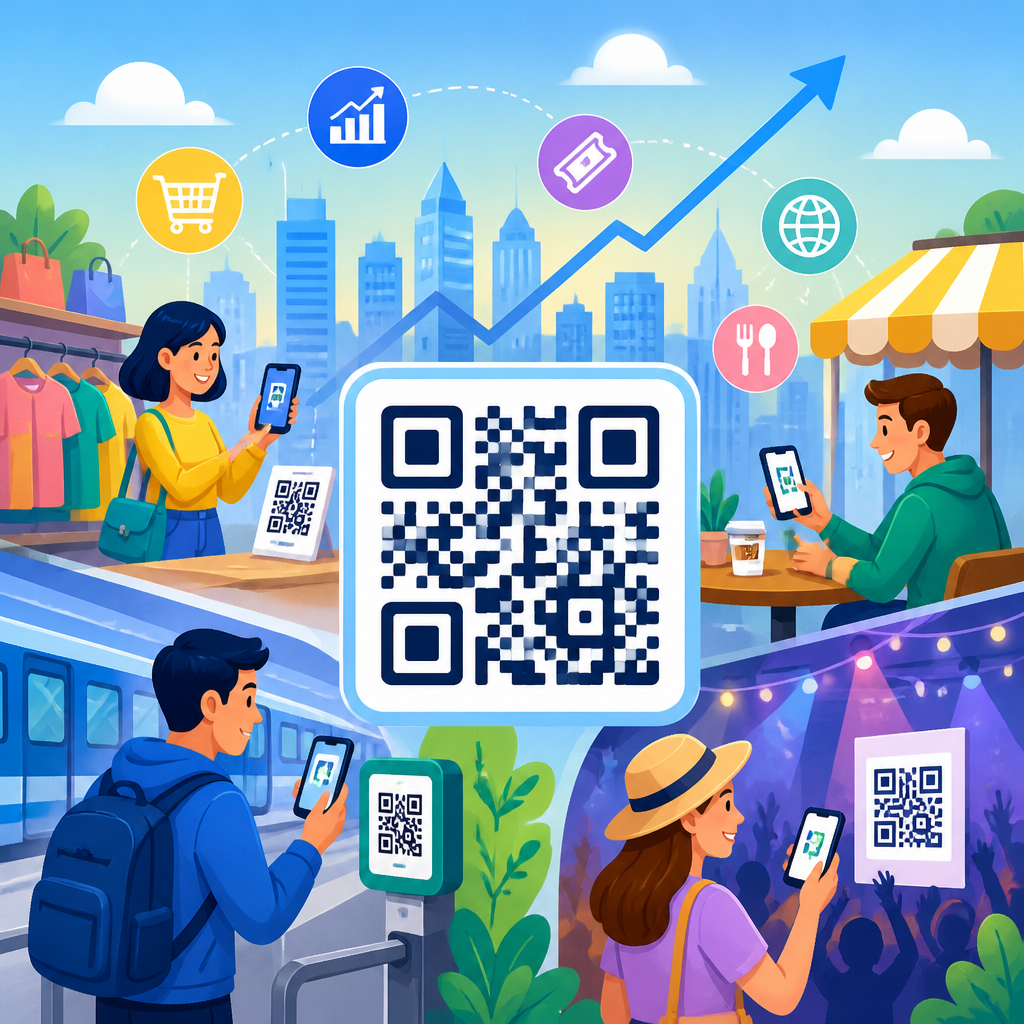
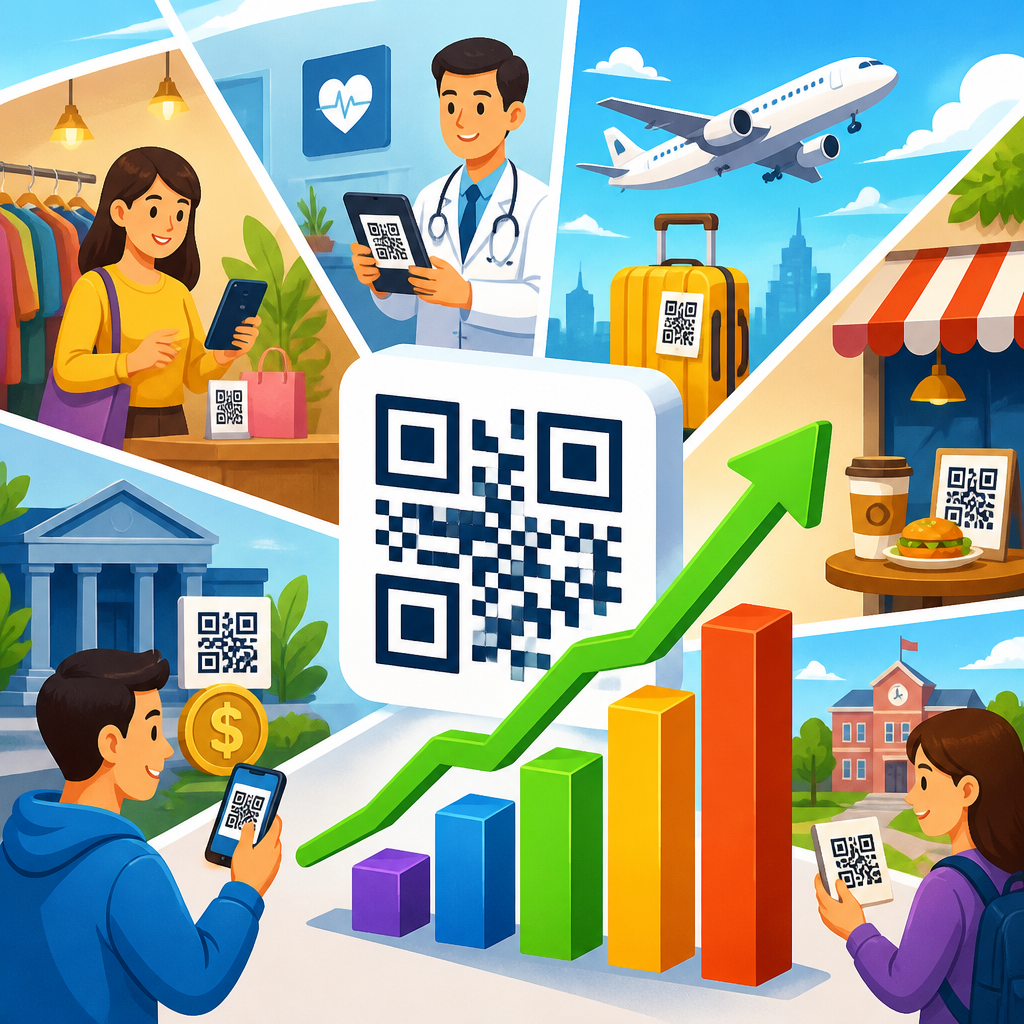
QR codes for digital collectibles and NFTs are spreading because they adapt well to different environments. In retail, brands use them on packaging to issue limited edition collectibles tied to purchases, seasonal drops, or loyalty programs. A beverage company can place unique codes under caps so each scan mints a branded collectible and enters the buyer into a reward tier. In fashion, a QR code on a garment tag can connect a buyer to an NFT certificate that records edition number, resale provenance, and access to future releases.
In events and entertainment, QR-enabled collectibles turn attendance into ownership. Festivals can mint commemorative tokens that double as photo access passes or post-event content keys. Sports organizations can attach collectible moments to ticket scans, so attending a milestone game yields a digital memento linked to seat section, date, and opponent. Museums and galleries can use QR labels beside works to deliver authenticated digital companions, educational overlays, or timed edition releases during exhibitions.
Gaming and fan communities represent another strong category. Physical trading cards, tabletop games, and toys can include QR codes that connect each item to a digital twin, unlocking stats, lore, cosmetics, or tournament eligibility. This works especially well when the collectible has ongoing utility rather than one-time novelty. A code on a figurine package might mint a companion asset usable in a mobile game, while a code in a comic issue unlocks character art variants and community voting rights.
Luxury goods, collectibles grading, and memorabilia are also natural fits. A watch certificate, signed jersey, or rare print can include a secure QR code that points to a blockchain-backed provenance record. That does not eliminate fraud on its own, but it creates a visible verification path that buyers, insurers, and secondary market platforms can check quickly. When combined with tamper-evident labels, serialized metadata, and chain-of-custody records, QR codes make authenticated resale significantly easier.
| Use case | How the QR code is used | Main value |
|---|---|---|
| Retail packaging | Scan to claim purchase-linked collectible | Loyalty, repeat engagement, first-party data |
| Event ticketing | Scan at venue to mint attendance NFT | Memories, fan retention, sponsorship activation |
| Luxury authentication | Scan certificate or tag for provenance record | Anti-counterfeit support, resale confidence |
| Toys and trading cards | Scan item to unlock digital twin or perks | Cross-platform play, collectible depth |
| Museums and art | Scan exhibit label for verified digital companion | Education, monetization, global access |
How the user journey should work
The best QR code NFT experiences remove confusion at every step. First, the scan should open a fast mobile landing page, not a generic marketplace profile. That page needs to explain what the user is getting, whether a wallet is required, which blockchain network is used, and what happens after claiming. If a wallet is optional, say so immediately. In several campaigns I have reviewed, conversion improved when users could start with email or social login and create a custodial wallet in the background, then graduate to self-custody later.
Second, the page should separate three actions clearly: verify, claim, and learn more. Verification serves buyers who want authenticity. Claiming serves those ready to mint or redeem. Learning more serves cautious users who need context. Mixing all three into a single cluttered screen causes abandonment. Strong implementations present a single primary button based on intent and keep secondary actions available but unobtrusive.
Third, metadata and utility must be explicit. Tell users whether the token is soulbound or transferable, whether fees apply, whether there is a claim window, and what benefits continue after minting. If the collectible unlocks token-gated access, explain where and how. If ownership depends on retaining the NFT in a wallet, state that in plain language. Ambiguity around rights, transferability, and future benefits is a major cause of disappointment.
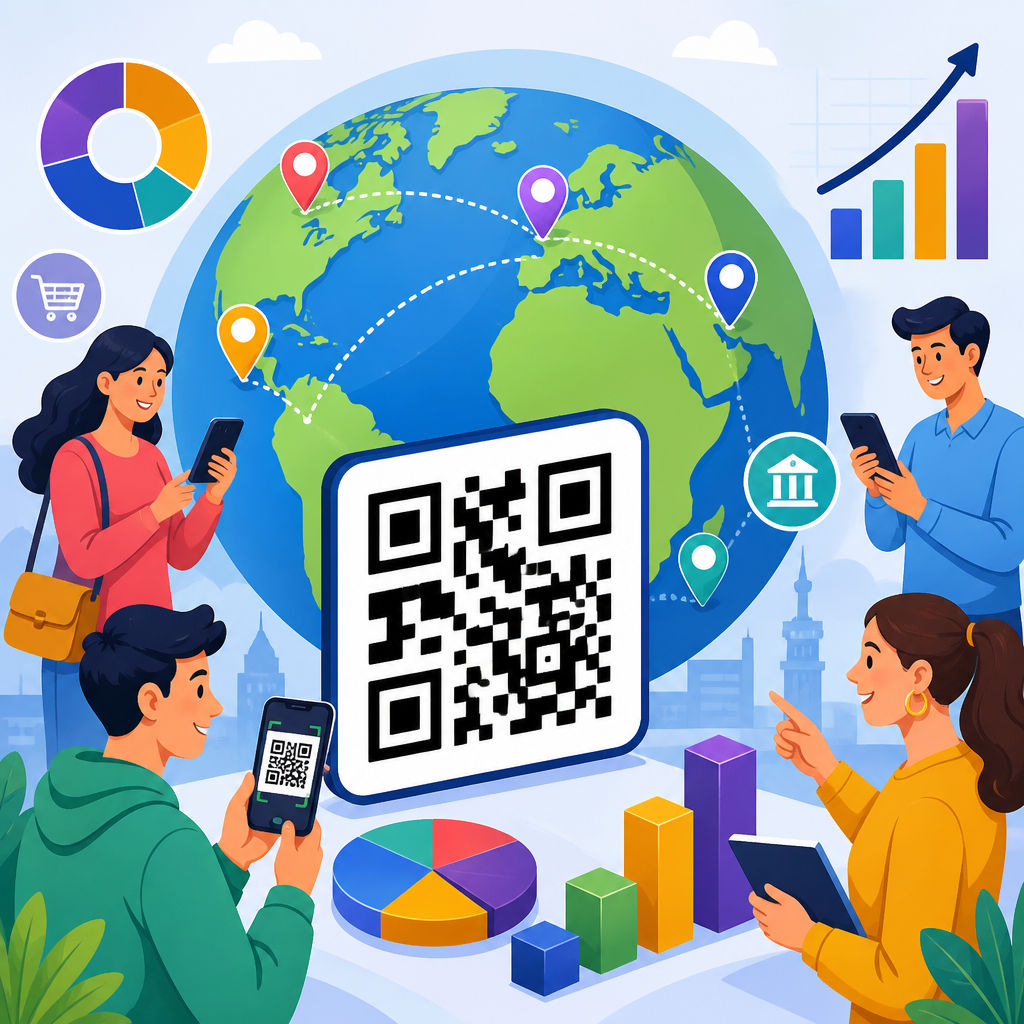
Finally, post-scan analytics matter. Dynamic QR platforms can measure scans by location, device, time, and campaign source, while on-chain analytics tools can track mints, transfers, holder retention, and secondary activity. When these are connected responsibly, teams can see which physical placements lead to quality collectors rather than just raw scans. That turns the QR code from a static link into an optimization channel.
Technical and operational considerations
Choosing the right technical stack is where many projects separate lasting value from gimmick. Start with the blockchain decision. Ethereum offers strong ecosystem recognition, but gas fees can be a barrier during peak activity. Polygon is often chosen for consumer campaigns because transaction costs are lower and tooling is mature. Solana can support high-throughput experiences, while other networks may fit specific community preferences. The right choice depends on audience familiarity, wallet support, marketplace compatibility, and long-term maintenance.
Token standards matter too. ERC-721 remains the common format for unique NFTs, while ERC-1155 is more efficient for semi-fungible editions and game assets. Metadata hosting is another practical issue. If images or attributes live only on a centralized server, the collectible may remain functional but loses resilience. Teams commonly use IPFS, Arweave, or managed pinning services to improve persistence. Smart contract audits, royalty logic, and upgradeability policies should be documented before launch, especially for brand-backed programs.
On the QR side, use dynamic codes when destinations may change, and generate unique codes when the claim must be tied to a specific product, seat, or item serial number. Add rate limiting, bot protection, one-time claim validation, and signed parameters to reduce abuse. For physical goods, pair the code with tamper-evident packaging, NFC, holograms, or hidden placement if authenticity is a core value proposition. A visible QR code alone can be copied and redistributed.
Compliance and data governance cannot be an afterthought. If a campaign collects email addresses, geolocation, or purchase records before minting, privacy disclosures must be clear. If the collectible has financialized features, legal review becomes essential because securities, consumer protection, and promotional rules vary by jurisdiction. The safest consumer campaigns focus on utility, membership, authenticity, and commemorative value rather than speculative messaging.
Risks, limitations, and what smart teams do differently
QR codes do not fix a weak collectible strategy. If the asset has no story, no utility, and no meaningful tie to the physical object or experience, the scan may drive curiosity but not retention. I have seen campaigns generate impressive first-day scans and then near-zero repeat engagement because the digital asset was effectively a badge with no role in the community. The collectible must reward ownership over time, whether through access, status, gameplay, education, rewards, or provenance.
Security is another limitation. Users have learned to be wary of random QR codes, and that caution is justified. Smart teams use clear branding, official domains, short explanatory copy near the code, and verification screens that make legitimacy easy to assess. They also prepare support documentation for common problems such as wallet creation, failed claims, or network switching. A smooth rescue path preserves trust when edge cases occur.
There is also a durability challenge. Marketplaces rise and fall, wallet providers change policies, and token standards evolve. A campaign built only around launch-day hype can become orphaned quickly. Better programs define ownership records, metadata persistence, support timelines, and migration options from the outset. They also maintain a stable web destination so the QR code remains useful even if the mint phase ends. In practice, the best QR-linked collectible systems are designed like products, not promotions.
For brands and creators evaluating this space, the takeaway is practical. Start with a real use case, build a clear mobile-first claim flow, secure the physical-to-digital link, and publish transparent rules around utility and ownership. QR codes for digital collectibles and NFTs work best when they remove friction, increase trust, and extend the value of an object or experience beyond the first scan. As this emerging use case category expands across retail, entertainment, art, gaming, and authentication, the winners will be the teams that treat the QR code as an experience gateway rather than a gimmick. If you are building within QR Code Trends and Innovations, map your next collectible journey from scan to long-term value, then test it with real users before you scale.
Frequently Asked Questions
What is the difference between a digital collectible and an NFT, and why does it matter when using QR codes?
A digital collectible is the item or experience itself, such as a limited-edition artwork, a branded membership pass, a concert souvenir, a game asset, or access to exclusive content. An NFT, by contrast, is the blockchain-based token standard used to represent ownership, authenticity, provenance, or access rights connected to that collectible. In simple terms, the digital collectible is what people value and interact with, while the NFT is often the technical wrapper that proves scarcity or enables transfer and verification on-chain.
This distinction matters because QR codes usually serve as the bridge between the real-world touchpoint and the digital asset experience. A QR code on packaging, event merchandise, certificates, posters, trading cards, or physical art can direct a user to claim a collectible, verify authenticity, unlock token-gated benefits, or view blockchain provenance. Not every QR-driven collectible experience needs to involve an NFT immediately, and not every NFT is necessarily presented to the user as a “collectible.” For brands and creators, understanding the difference helps shape the customer journey: whether the QR code should launch a simple claim page, a wallet connection flow, a proof-of-authenticity screen, or a richer ownership experience tied to community perks and future utility.
It also matters for messaging, compliance, and user trust. Many audiences are interested in exclusive digital ownership but may be unfamiliar with blockchain terminology. Framing the experience around the collectible first and the token infrastructure second often creates a more accessible entry point. At the same time, when permanence, resale, provenance, or interoperability are important, the NFT layer becomes central. QR codes are effective because they hide much of the technical complexity while still connecting users to a verifiable digital asset ecosystem.
How do QR codes work with NFTs and digital collectibles in practice?
In practice, a QR code acts as a fast access point that sends a user to a destination tied to a collectible workflow. That destination might be a minting page, a claim portal, a blockchain explorer record, a product authentication page, a token-gated experience, or a branded landing page that explains the collectible and its benefits. Instead of asking users to type long URLs, contract addresses, or wallet information manually, the QR code simplifies the process into a quick scan from a phone camera.
For example, a creator might place a QR code on physical merchandise so the buyer can claim a corresponding limited-edition digital collectible. A luxury brand might attach a QR code to an item’s certificate of authenticity, allowing the owner to verify provenance and see ownership history stored on-chain. An event organizer could print QR codes on badges or tickets that unlock commemorative NFTs, VIP content, or membership benefits. A museum or gallery might place a QR code next to a piece of art so visitors can learn about the edition, the artist, and the tokenized ownership structure.
The flow can be either static or dynamic. A static QR code points to one permanent destination. A dynamic QR code points to a redirectable link, allowing the underlying destination to be updated later for campaign optimization, phased releases, fraud mitigation, or localization. In collectible ecosystems, dynamic codes are especially useful because creators may want to change claim windows, route users based on geography, track engagement analytics, or update the post-scan experience after an initial drop.
The most effective implementations are designed around ease of use. That usually means mobile-friendly pages, clear instructions, minimal wallet friction, visible trust signals, and fallback options for users who are new to Web3. The QR code itself is not the collectible and does not store the NFT; it simply connects the user to the platform, smart contract interaction, or verification layer that powers the collectible experience.
What are the main benefits of using QR codes for digital collectibles and NFT campaigns?
The biggest advantage is accessibility. QR codes make blockchain-linked experiences easier for mainstream users by removing unnecessary steps. People can scan a code from a product label, event pass, display card, or poster and immediately reach the relevant collectible page. That convenience is critical because many digital collectible campaigns fail not because the concept is weak, but because the onboarding flow is too technical or fragmented.
QR codes also create a strong bridge between physical and digital value. They allow brands, artists, sports organizations, entertainment properties, and communities to connect real-world moments with verifiable digital ownership. A limited product run can include matching digital editions. A live event can issue proof-of-attendance collectibles. A premium purchase can unlock future experiences, gated content, or loyalty rewards tied to the NFT. This physical-to-digital connection is one of the most practical use cases in the space.
Another major benefit is authenticity and traceability. When properly implemented, a QR code can direct users to official claim pages or verification records, helping reduce confusion and counterfeiting. In sectors where provenance matters, such as art, luxury goods, collectibles, memorabilia, and special editions, a QR-enabled verification flow can strengthen trust by linking an object or experience to tamper-resistant blockchain records.
QR codes are also useful from a campaign management perspective. Marketers and creators can measure scans, claim rates, geographic engagement, device behavior, and conversion funnels. That data helps optimize launches, improve education, and identify where users are dropping off. If dynamic QR codes are used, teams can adapt messaging and destinations without reprinting every physical asset. In short, QR codes combine usability, attribution, and real-world interoperability in a way that makes digital collectibles and NFTs more practical at scale.
Are QR codes for NFTs secure, and what risks should creators and collectors watch out for?
QR codes can be secure, but they are only as trustworthy as the destination they point to and the processes around them. The code itself is just a visual link. If it leads to an official domain, secure claim flow, and legitimate smart contract interaction, it can be a safe and efficient way to access a collectible. If it leads to a spoofed site, malicious wallet prompt, or fake mint page, it can become a phishing vector. That means both creators and collectors need to treat QR-linked NFT experiences with the same caution they would apply to any blockchain transaction.
For creators, best practices include using branded domains, HTTPS-secured pages, visible verification signals, and clear instructions about what the user should expect after scanning. It is wise to avoid sending users directly into opaque wallet-signing actions without context. Instead, explain whether they are claiming a collectible, minting a token, verifying ownership, or connecting a wallet for access. Smart contracts should be audited where appropriate, claim mechanics should be tested thoroughly, and dynamic QR redirects should be protected against unauthorized changes. If physical codes are placed on products or public materials, anti-tamper design can also help reduce the risk of sticker replacement or code hijacking.
For collectors, the core safety habits are straightforward: scan only from trusted sources, confirm the destination URL before connecting a wallet, be cautious with permissions and signing requests, and avoid rushing through transactions just because the page looks polished. If a QR code claims to offer a free NFT but asks for excessive approvals or unexpected payments, that is a red flag. It is also smart to verify project details through official social channels, marketplaces, or blockchain explorers before taking action.
Security matters even more when QR codes are tied to high-value collectibles, redeemable benefits, or physical product authentication. In those cases, the QR experience should be designed not only for conversion, but for resilience against fraud, duplication, and impersonation. When done well, QR codes can improve safety by guiding users to the correct official pathway. When done carelessly, they can introduce avoidable trust issues.
What should brands, artists, and developers consider before launching a QR code-based digital collectible or NFT experience?
Start with the user journey, not the technology stack. The strongest campaigns answer a simple question: what should happen when someone scans the code? The scan might lead to a collectible claim, authenticity check, membership unlock, post-purchase reward, or event-based souvenir. Defining that outcome first helps determine whether the experience should be custodial or non-custodial, instant or wallet-based, educational or transaction-driven, and whether blockchain visibility should be foregrounded or mostly abstracted from the user.
Next, consider audience readiness. A crypto-native audience may be comfortable connecting wallets, paying gas, and checking contract addresses. A mainstream audience usually needs a lower-friction path, such as email-based onboarding, embedded wallets, social login, delayed minting, or a claim-now-connect-later model. The QR code should not just be easy to scan; the entire downstream experience should feel intuitive on mobile devices and understandable within seconds.
Utility is another critical consideration. A digital collectible is more compelling when it does something beyond existing as a token. That could mean proving event attendance, granting access to gated communities, delivering ongoing perks, tying into loyalty programs, authenticating ownership of a physical item, or unlocking future editions and experiences. QR codes are especially powerful when they initiate an interaction that continues after the first scan.
Teams should also plan for infrastructure, analytics, and lifecycle management. That includes choosing the right blockchain or token standard, deciding between static and dynamic QR codes, preparing customer support, setting claim rules, managing metadata, and defining what happens if links need updating over time.