QR codes have become one of the most practical tools for connecting offline attention to online action, especially when brands want to promote discounts, limited-time offers, loyalty rewards, and event-based campaigns without adding friction. In simple terms, a QR code is a scannable two-dimensional barcode that opens a destination such as a landing page, coupon, app download, menu, signup form, or payment link when someone points a smartphone camera at it. For marketers, that means a printed poster, product label, package insert, direct mail piece, storefront sign, or social graphic can instantly move a customer from awareness to response. I have used QR codes in retail promotions, restaurant campaigns, trade show lead capture, and local service offers, and the pattern is consistent: when the destination is relevant and the offer is clear, scan rates rise and conversion quality improves.
Using QR codes for promotions and offers matters because consumer behavior now expects speed. People do not want to type long URLs, search for a coupon, or wait for a staff member to explain redemption steps. A well-built QR code campaign removes those barriers. It also gives marketers better measurement than many traditional print tactics because dynamic codes can track scans by date, time, device, and location. That data helps answer practical questions: Which flyer drove the most redemptions? Did in-store signage outperform direct mail? Did weekend traffic respond better to a percentage discount or a free gift offer? As a hub for QR code marketing strategies, this article explains not just how to generate a code, but how to align offer structure, placement, landing page design, analytics, compliance, and optimization so promotions produce measurable business results.
What makes a QR code promotion effective
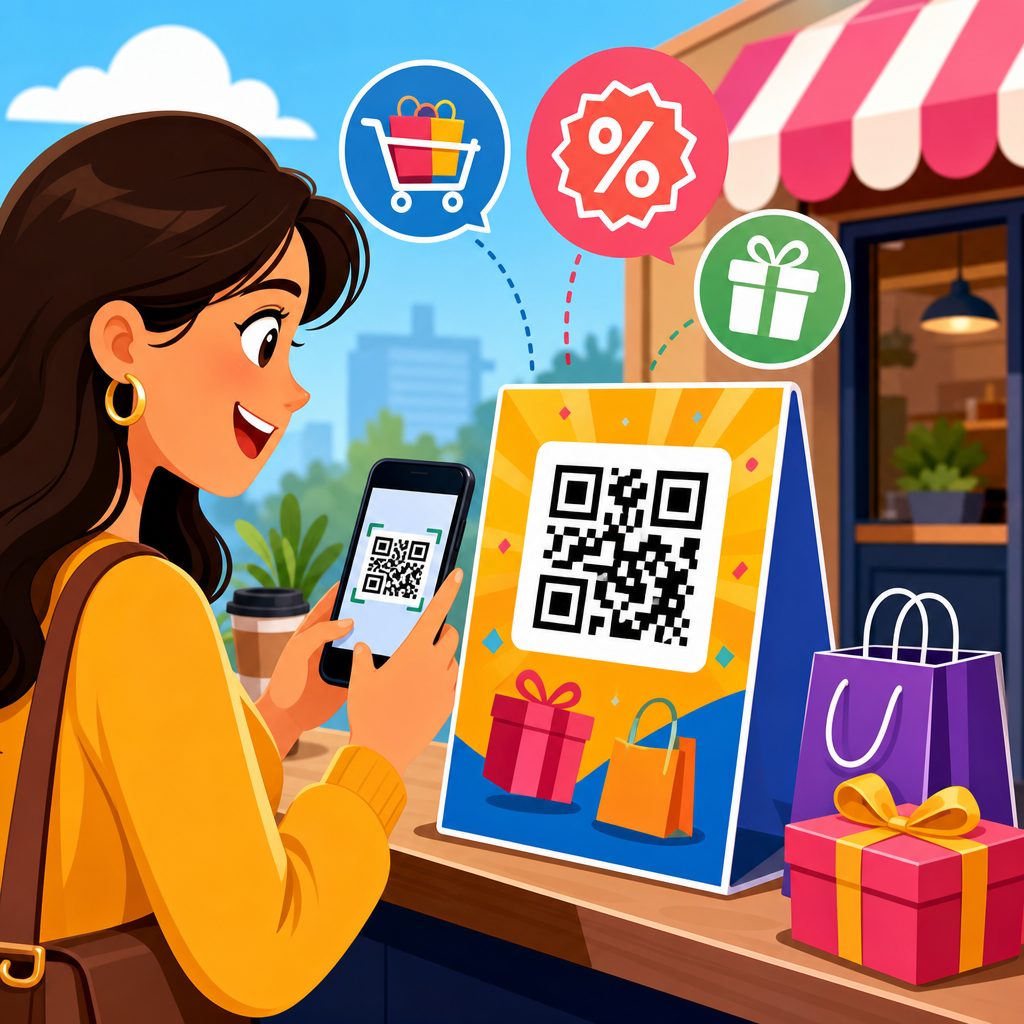
An effective QR code promotion combines four elements: a strong incentive, a low-friction destination, visible instructions, and a clear redemption path. The incentive is the reason to scan. Common examples include 15 percent off a first order, buy-one-get-one deals, free shipping, loyalty points, early access, event check-in bonuses, and downloadable guides. The destination is where the scan leads. In most campaigns, that should be a mobile-optimized landing page rather than a homepage, because homepages force users to navigate and often lose intent. Visible instructions matter more than many teams assume. Adding a short call to action such as “Scan for today’s coupon” or “Scan to unlock your member offer” consistently outperforms unlabeled codes because users understand the benefit before acting.
The redemption path must also be simple. If a customer scans a code on packaging and lands on a page that asks for a long form before revealing the offer, abandonment increases. In my experience, the best-performing promotions ask for as little as possible up front. For a retail coupon, show the code immediately and collect email after the benefit is visible. For a restaurant, open a menu item bundle offer with one-tap claim instructions. For a service business, route users to a prefilled booking page tied to the campaign source. Dynamic QR codes are usually the right choice for promotions because they let you change the destination later, pause expired offers, and track performance without reprinting the code. Static codes still work for evergreen uses, but promotions change too often for static deployment to be efficient.
Best QR code marketing strategies for promotions and offers
The best QR code marketing strategies start with campaign intent, not code design. If the goal is customer acquisition, place codes where new audiences encounter the brand: window signage, packaging from retail partners, local event materials, and direct mail. If the goal is repeat purchase, focus on receipts, inserts, loyalty cards, table tents, and post-purchase email graphics. If the goal is higher average order value, use codes to promote bundles, upgrades, and time-sensitive add-ons at the point of decision. Good strategy also matches the offer to context. A shopper in a store aisle responds differently than an attendee at a conference or a diner waiting for an order. Context should determine message, destination, and urgency.
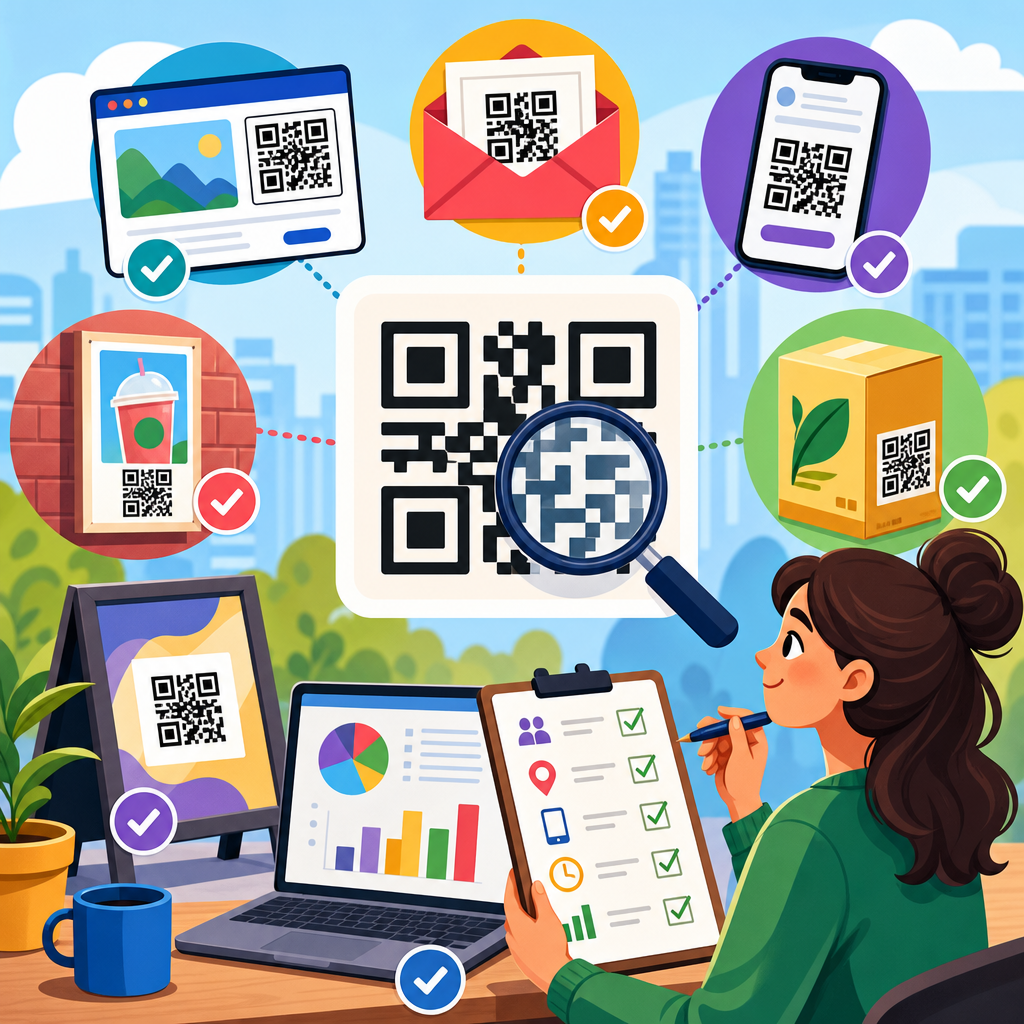
Several proven approaches work across industries. First, use QR codes to gate exclusive offers that feel immediate, such as “scan for today’s in-store special.” Second, tie codes to micro-landing pages built around a single conversion goal, with concise copy, social proof, and a visible redemption step. Third, segment campaigns by placement. Create separate dynamic codes for posters, packaging, receipts, and direct mail so attribution remains clean. Fourth, use campaign parameters in destination URLs and connect them to analytics platforms such as Google Analytics 4, HubSpot, or Adobe Analytics. Fifth, support the campaign operationally. Store staff should know what the offer is, how long it runs, and how to redeem it at checkout. A promotion fails quickly when the customer understands the offer better than the employee.
| Use case | Best offer type | Recommended destination | Primary metric |
|---|---|---|---|
| Storefront poster | Limited-time discount | Mobile landing page with barcode or coupon code | Scan-to-redemption rate |
| Product packaging | Cross-sell bundle or loyalty signup bonus | Product-specific offer page | Repeat purchase rate |
| Restaurant table tent | Free add-on or dessert with order | Menu item offer page or ordering flow | Average order value |
| Direct mail postcard | First-purchase incentive | Personalized landing page | Cost per acquisition |
| Trade show booth | Demo bonus or giveaway entry | Lead capture page with calendar booking | Qualified leads |
Where to place QR codes for higher scan rates
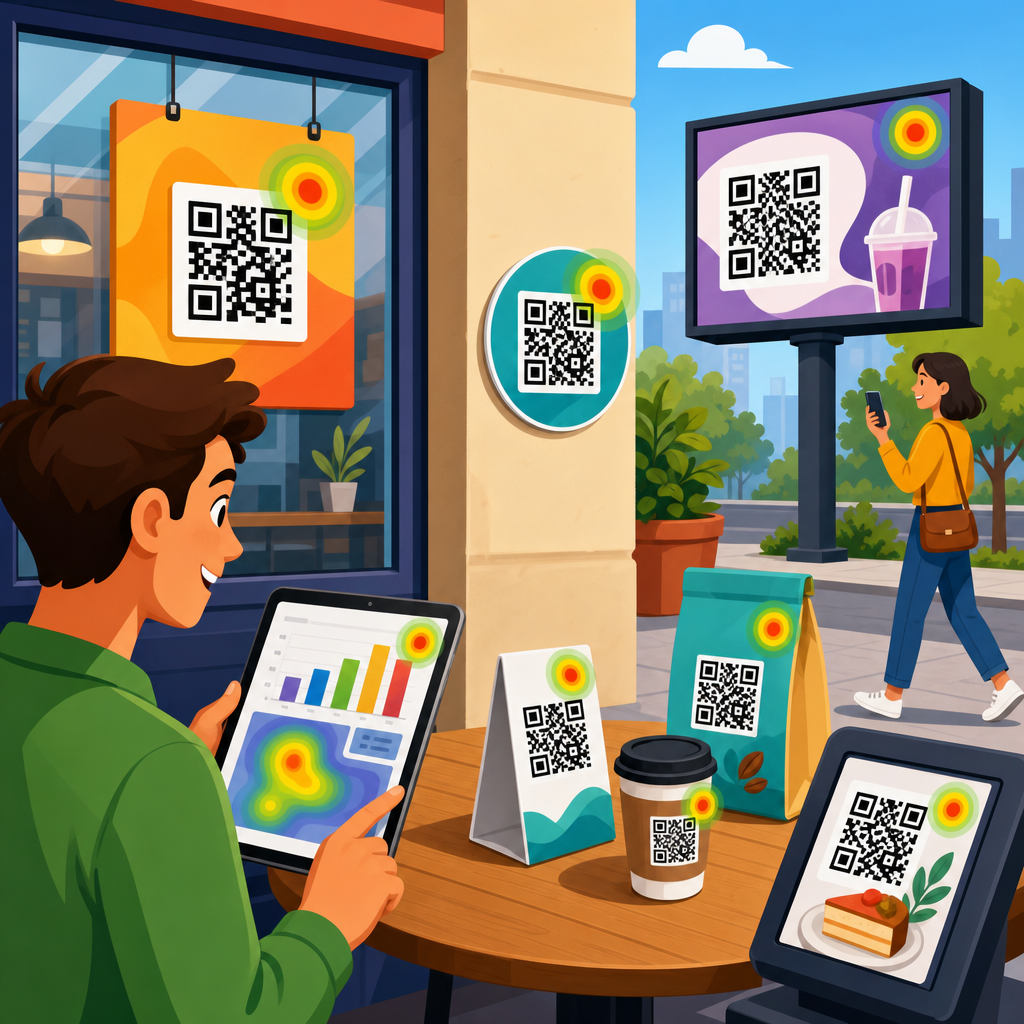
Placement has a direct effect on performance because scanning depends on visibility, timing, and convenience. In-store, the strongest locations are usually entry points, checkout areas, shelf talkers beside promoted products, and fitting rooms where shoppers have time to engage. In restaurants, codes perform well on table tents, takeout bags, tray liners, and receipts, especially when the offer enhances the current visit or encourages the next one. For service businesses, door signage, waiting rooms, invoices, business cards, vehicle wraps, and leave-behind materials can all work when the message is specific. At events, place codes at booth counters, badges, handouts, and presentation slides, but avoid putting them only on distant banners where scanning becomes physically awkward.
Physical conditions matter too. Maintain adequate quiet space around the code, ensure strong color contrast, and print at a size people can scan comfortably from the intended distance. A code on a subway ad needs a different size than one on a product tag. Test under real lighting conditions because glare on laminated surfaces and curved packaging often reduces readability. I have seen campaigns improve simply by moving the code from a glossy lower corner to a matte central panel with a clearer prompt. Placement should also account for decision timing. If the offer is meant to influence purchase, the code must appear before checkout. If it is intended to drive repeat business, post-purchase assets such as receipts and inserts become better real estate.
How to design the landing page and redemption flow
The landing page is where promotional intent becomes measurable action, so its design should be tighter than a general campaign page. Lead with the offer headline, reinforce urgency if applicable, and show the redemption method immediately. If users need an online coupon code, display it high on the page with a one-tap copy button. If the offer is redeemed in person, present a scannable barcode, short numeric code, or cashier instructions. If the campaign supports mobile ordering, deep-link directly into the cart with the discount applied. Every extra click lowers performance. Mobile page speed is non-negotiable. Compress images, limit scripts, and use responsive layouts because many scans happen on cellular connections, not perfect Wi-Fi.
Trust signals also improve conversion. Include store terms, expiration details, location limitations, and any minimum purchase thresholds in plain language. Ambiguity causes frustration at redemption and weakens future campaigns. For lead-generation offers, ask only for fields necessary to fulfill the promise. A home services company offering a seasonal inspection discount may only need name, email, ZIP code, and preferred appointment window. A trade show giveaway tied to a product demo might need business email and company name. Confirmation screens should explain what happens next, whether that means showing the coupon to staff, checking inbox for a unique code, or scheduling a follow-up call. Good redemption flow design reduces customer support load and protects the promotion from in-store confusion.
Tracking, testing, and optimizing QR code campaigns
QR code marketing strategies succeed when teams treat them as measurable campaigns rather than decorative add-ons. Start with unique dynamic codes for each channel and placement, then tag each destination with consistent campaign parameters. In analytics, monitor scans, unique visitors, bounce rate, conversion rate, redemption rate, revenue per scan, and time-to-conversion. For physical campaigns, redemption rate often matters more than scans alone because curiosity scans can overstate impact. If a poster generates many visits but few claims, the offer or landing page may be misaligned with user intent. If a receipt campaign yields fewer scans but high repeat-purchase revenue, it may deserve more budget.
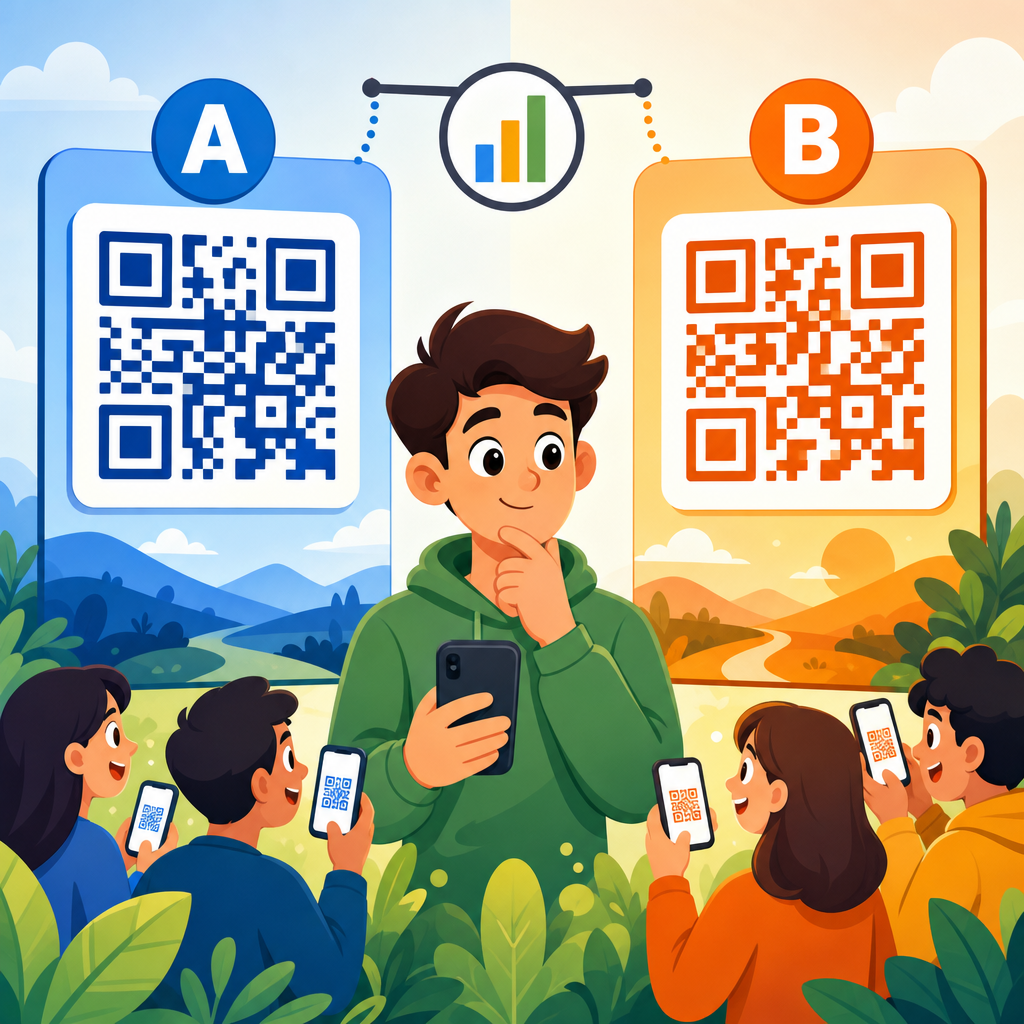
Testing should be systematic. Change one variable at a time: call-to-action wording, offer type, destination page, print location, or expiration window. For example, compare “Scan for 20% off today” against “Scan for a free gift with purchase” in the same store cluster. Restaurants can test a dessert incentive versus a beverage add-on. Local service businesses can compare immediate discounts with value-added offers such as priority booking. Use enough volume to avoid false conclusions. Operational data should be reviewed too. Ask staff whether customers had trouble redeeming, whether scanners at point of sale recognized the code, and whether any locations interpreted terms differently. Optimization is rarely only digital; it often depends on execution in the real environment.
Common mistakes, compliance issues, and long-term strategy
The most common mistake in QR code promotions is sending scans to a generic homepage. That wastes intent and makes attribution messy. Other frequent errors include using static codes for time-sensitive offers, printing codes too small, failing to add a call to action, launching without mobile testing, and neglecting staff training. Security matters as well. Customers have become more aware of malicious QR code swaps, so branded design, recognizable domains, and visible offer context help build confidence. If the destination collects personal data, privacy disclosures and consent mechanisms should match applicable requirements such as GDPR or CCPA. Promotions involving SMS or email enrollment must follow channel-specific consent rules and document opt-in properly.
Long-term strategy means building a reusable system rather than one-off executions. Create naming conventions for codes, archive artwork with campaign metadata, and maintain a central dashboard for performance by location and offer type. Integrate scans with CRM records when possible so you can connect offline touchpoints to customer lifetime value. Over time, patterns become clear. Some businesses learn that QR codes on packaging drive repeat purchase better than social ads. Others find direct mail plus QR landing pages outperforms print pieces that rely on vanity URLs. The core benefit remains the same: QR codes turn real-world attention into trackable, low-friction action. To make promotions and offers work, pair a compelling incentive with clear placement, fast mobile experience, accurate measurement, and disciplined iteration. Start with one high-intent use case, track it carefully, and expand from the channels that prove revenue.
Frequently Asked Questions
How can businesses use QR codes effectively for promotions and special offers?
Businesses can use QR codes as a direct bridge between physical marketing and digital conversions. Instead of asking customers to type in a web address, search for a promotion, or download an app on their own, a QR code lets them access an offer instantly with a quick scan. That makes it especially effective for discounts, flash sales, buy-one-get-one deals, event promotions, loyalty rewards, referral campaigns, and limited-time coupon pages. A code placed on packaging, posters, table tents, flyers, receipts, in-store signage, product tags, or direct mail can send users to a targeted landing page built specifically for the campaign.
The most effective promotional QR code campaigns are clear, relevant, and action-oriented. For example, a clothing retailer might place a QR code in a storefront window with a message such as “Scan for 20% off today only,” while a restaurant might use one on a table card to deliver a lunchtime special or loyalty signup. The key is to match the location, audience, and timing of the promotion with a compelling destination. A generic homepage is usually less effective than a focused page with one offer, one clear message, and one simple next step. When used this way, QR codes reduce friction, improve response rates, and make promotions easier to track and optimize.
What should a QR code link to when promoting a discount or limited-time offer?
A QR code used for promotions should link to a dedicated destination that supports the exact goal of the campaign. In most cases, that means a mobile-friendly landing page tailored to the specific discount, product, event, or reward being advertised. If the code promotes a coupon, the landing page should display the coupon immediately and explain how to redeem it. If the goal is app installs, the destination should take users directly to the correct download page. If the campaign is tied to a product launch or seasonal offer, the landing page should highlight the featured items and include a strong call to action such as “Claim Offer,” “Shop Now,” “Join Free,” or “Redeem Reward.”
Relevance and simplicity matter. People scanning a QR code are usually acting in the moment, so the experience should be fast and obvious. Sending them to a cluttered homepage, a slow-loading site, or a page that requires too many extra steps can hurt performance. It is also smart to include campaign-specific details such as expiration dates, redemption instructions, store locations, terms, and any eligibility requirements. For more advanced marketing strategies, businesses can use dynamic QR codes that allow the destination URL to be updated without changing the printed code. That flexibility is valuable for rotating offers, A/B testing, or extending a campaign after launch.
Where should QR codes be placed to get the best results for promotional campaigns?
QR code placement has a major impact on scan rates and campaign performance. The best locations are places where customers already have attention, context, and enough time to act. In retail environments, high-performing placements often include storefront windows, shelf talkers, end caps, product packaging, fitting rooms, checkout counters, and receipts. For restaurants and hospitality brands, QR codes can work well on menus, table displays, takeout packaging, hotel welcome materials, and event signage. For service-based businesses, direct mail, brochures, business cards, posters, trade show booths, and waiting areas can all be effective touchpoints.
Good placement also depends on usability. The code should be easy to see, large enough to scan comfortably, and positioned where lighting and distance will not create problems. It should never appear without context. A short prompt like “Scan to unlock today’s offer” or “Scan for your free trial” tells users exactly why they should engage. It is also important to think about the user’s environment. A QR code on a highway billboard may be difficult or unsafe to scan, while a code on a poster in a transit station may perform much better. In short, the most successful QR code placements combine visibility, convenience, and a clear value proposition.
How can marketers track the performance of QR code promotions?
One of the biggest advantages of QR code marketing is that it can be measured much more precisely than many traditional offline tactics. Marketers can track scans, time of day, device type, location data, click-through behavior, conversions, and redemptions, depending on the QR platform and analytics tools being used. Dynamic QR codes are especially useful because they often include built-in reporting dashboards and allow campaign managers to update destinations without reprinting materials. By pairing the QR code with UTM parameters, dedicated landing pages, coupon codes, or conversion events in analytics platforms, businesses can see which placements and promotions are generating real results.
To evaluate performance properly, marketers should define success before the campaign launches. For one promotion, the goal may be total scans. For another, it may be coupon redemptions, signups, purchases, or app downloads. It also helps to compare performance across channels. For example, a brand can test whether a QR code on product packaging drives more conversions than the same offer on a printed flyer. These insights make it easier to optimize creative, placement, messaging, and offer structure over time. Rather than treating QR codes as a simple access tool, smart marketers use them as a measurable campaign asset that can reveal clear return on investment.
What are the most important best practices for creating QR codes for offers and promotions?
The most important best practices are clarity, mobile usability, strong messaging, and reliable testing. First, the QR code itself should be high quality and easy to scan. That means using sufficient contrast, preserving the quiet zone around the code, avoiding distortion, and choosing a size appropriate for the viewing distance. Second, the destination must be mobile optimized, since most users will scan with a smartphone. A promotional QR code loses effectiveness quickly if it leads to a slow page, confusing layout, or broken form. Every step after the scan should feel simple and immediate.
Just as important, the offer needs to be compelling and clearly communicated. People are far more likely to scan when they understand exactly what they will get, whether that is a percentage discount, exclusive access, a free item, bonus loyalty points, or early registration. Include a direct call to action near the code and consider adding urgency with language such as “today only,” “limited spots,” or “ends this weekend,” when accurate. Finally, test everything before launch: scan the code on multiple devices, confirm that the landing page loads correctly, verify analytics tracking, and check the full redemption process. When these fundamentals are handled well, QR codes become a low-friction, high-impact tool for promotional marketing.