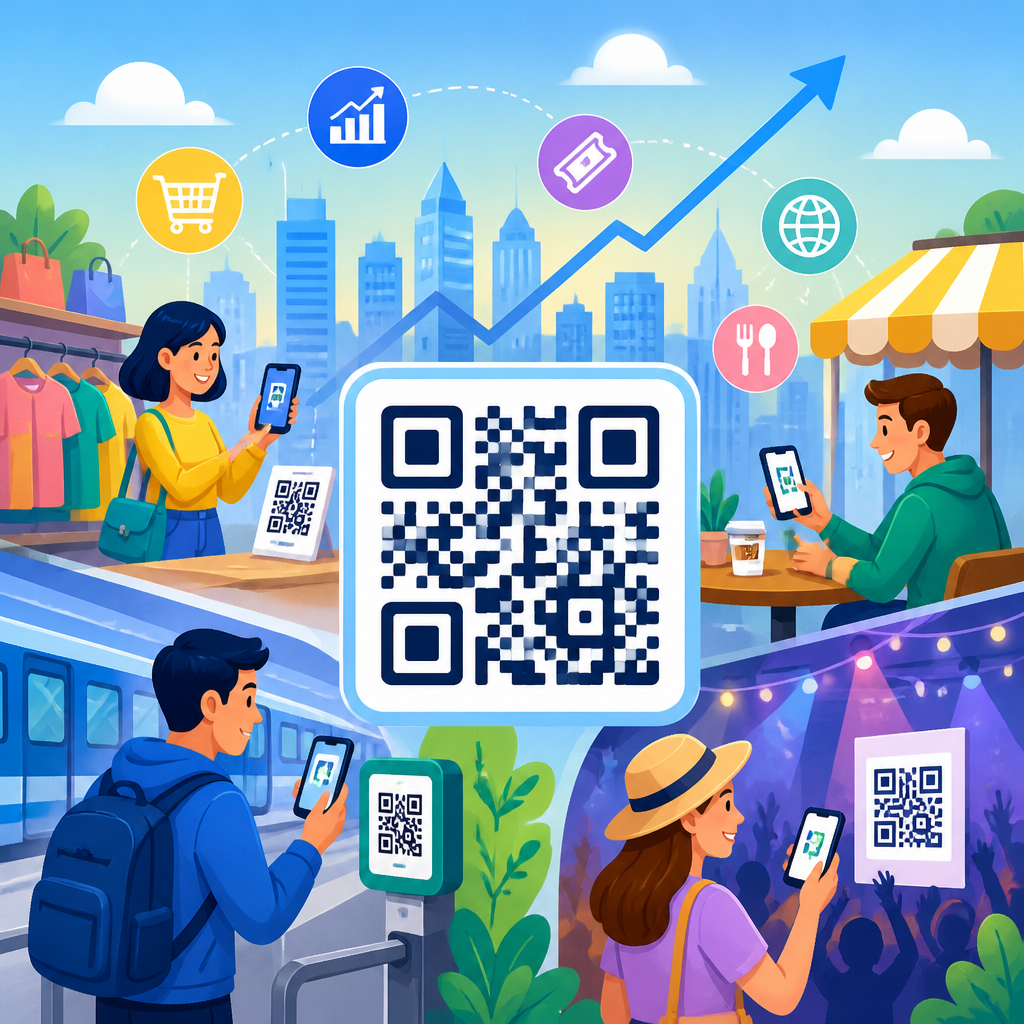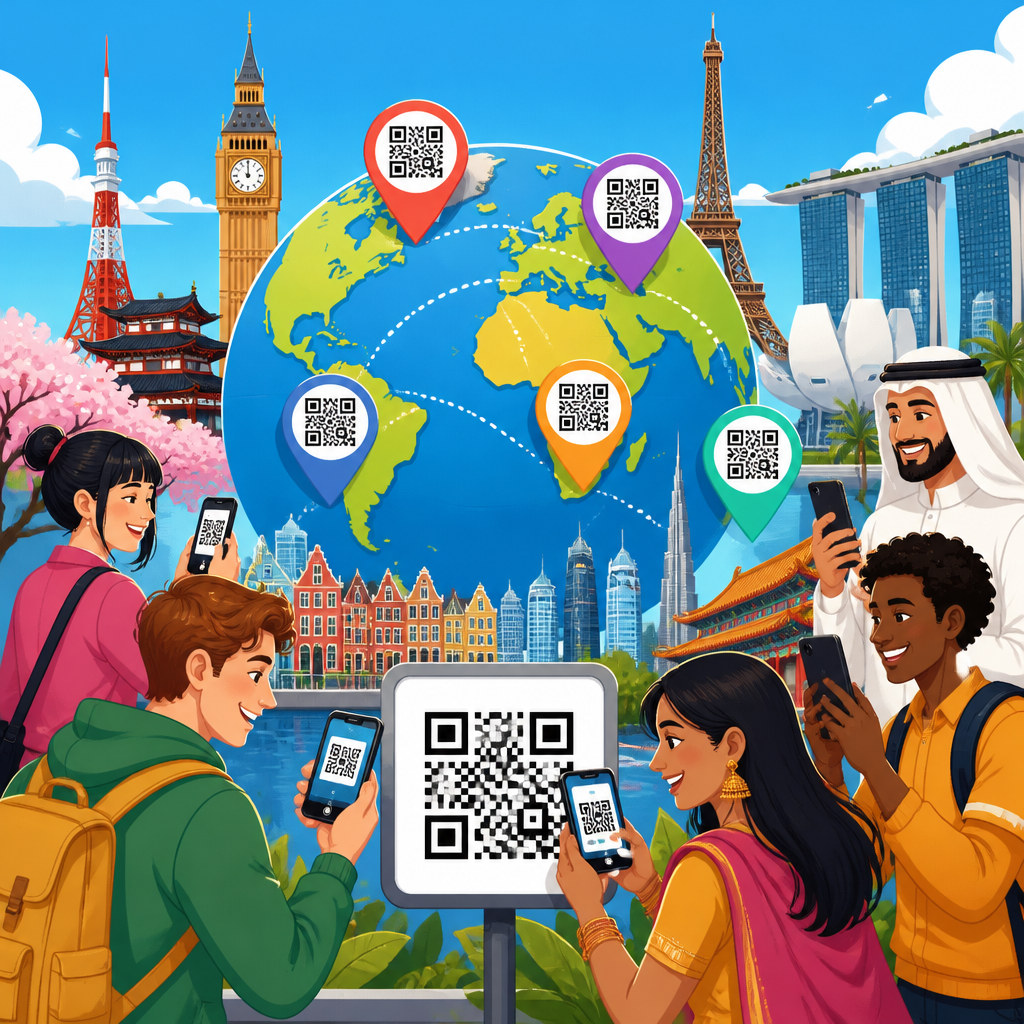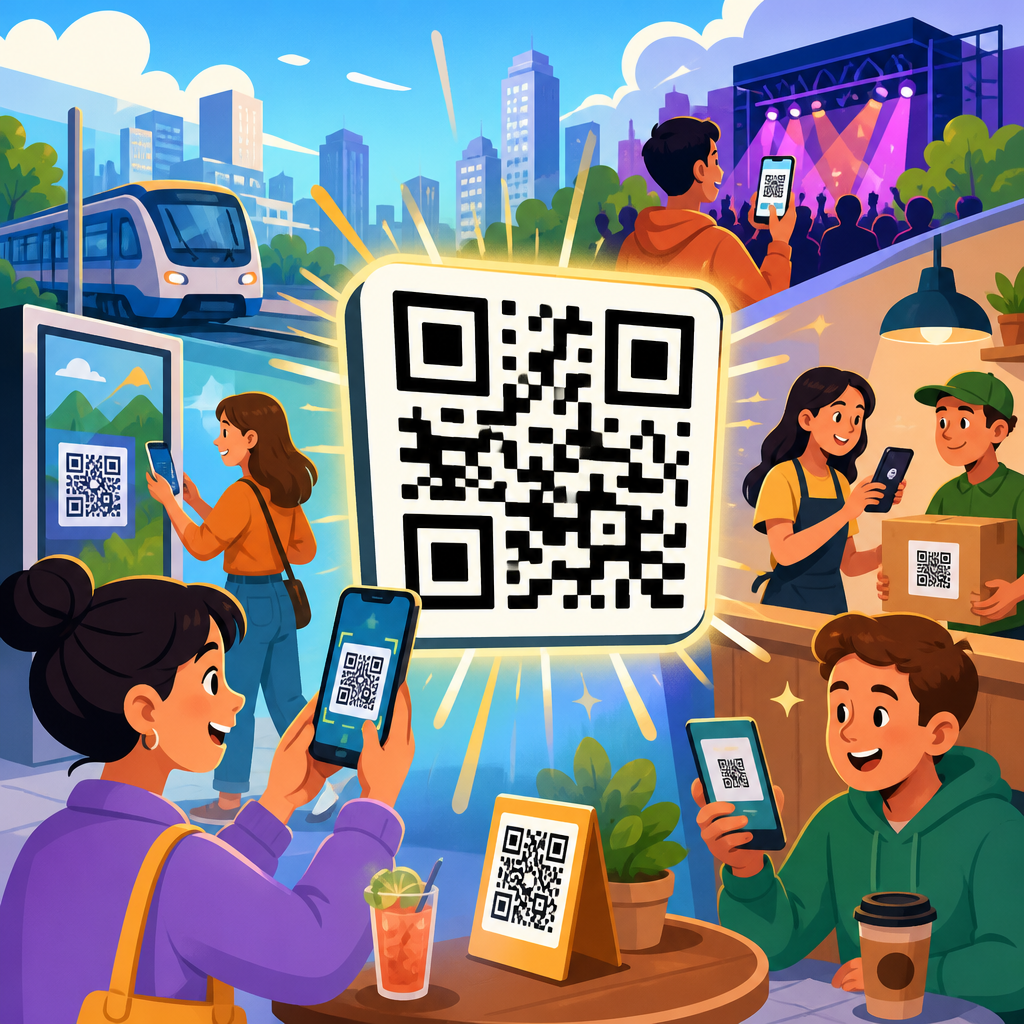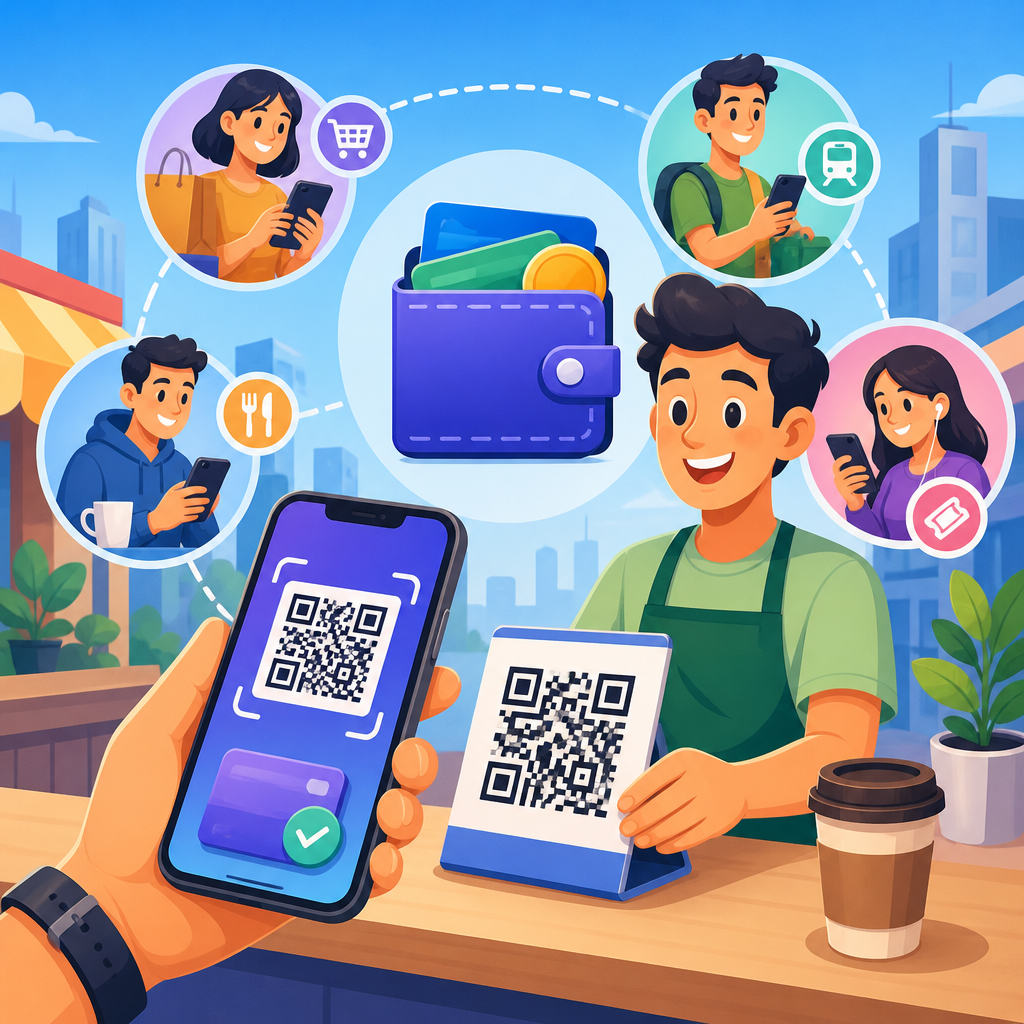
QR codes sit at the center of modern digital wallet ecosystems because they bridge physical checkout, mobile banking, loyalty programs, and peer-to-peer transfers with one simple scan. In payments, a QR code is a two-dimensional matrix barcode that stores structured data such as a merchant identifier, transaction amount, payment network token, or deep link into a wallet app. A digital wallet ecosystem includes the consumer app, merchant acceptance software, payment gateway, acquiring bank, issuing bank, and the rules that make those participants interoperable. When these pieces work together, QR code payments reduce friction at the point of sale and expand access far beyond traditional card terminals.
I have worked with merchants deploying wallet-based checkout in retail, events, and quick-service environments, and the same pattern appears every time: if scanning is fast, instructions are clear, and the code resolves reliably, adoption rises quickly. If the code is poorly printed, the amount is entered manually too often, or settlement reporting is weak, the system stalls. That practical reality matters because QR payments are no longer a niche feature. They are part of mainstream commerce across Asia, Latin America, Africa, Europe, and North America, with use cases spanning in-store purchases, bill pay, transit, donations, and self-service kiosks.
This matters for businesses and consumers for three reasons. First, QR codes lower acceptance costs by reducing dependence on specialized hardware. A printed static code can enable entry-level acceptance for a micro-merchant, while a dynamic code displayed on a screen can support richer data and stronger controls for larger enterprises. Second, QR codes support account-to-account payment models, card-linked wallets, and closed-loop stored value, giving operators flexibility in how funds move. Third, QR codes fit naturally into omnichannel customer journeys: a shopper can scan from packaging, a receipt, a table tent, a utility bill, or a phone screen and complete the same wallet-driven action.
As a hub topic under QR code trends and innovations, QR codes in payments must be understood broadly, not just as a substitute for tapping a card. The payment experience depends on standards, tokenization, merchant-presented versus consumer-presented flows, fraud controls, refund handling, accessibility, and reconciliation. The strongest implementations answer practical questions upfront: which wallets are supported, how much data belongs inside the code, what happens if connectivity drops, and how disputes are managed. Businesses that treat QR payments as an ecosystem decision rather than a graphic on a counter are the ones that see durable results.
How QR code payments work inside digital wallet ecosystems
A QR payment starts with encoded payment data and ends with authorization, confirmation, and settlement. In a merchant-presented model, the business displays a code at checkout and the customer scans it using a wallet such as Alipay, WeChat Pay, PayPal, a banking app, or a domestic real-time payment wallet. In a consumer-presented model, the customer opens the wallet, generates a code or token, and the merchant scans it using a POS scanner or camera. Both models can work well, but they solve different operational problems. Merchant-presented QR is easier to deploy at low cost, while consumer-presented QR can better control payer identity and wallet context.
The QR itself may be static or dynamic. A static QR code usually contains a merchant account alias or identifier. The customer scans the code, enters the amount if needed, reviews merchant details, and approves the transfer. Static codes are simple and inexpensive, but they rely more heavily on customer input and merchant-side reconciliation. A dynamic QR code is generated per transaction and typically includes the exact amount, currency, order reference, expiration time, and sometimes line-item context. Dynamic QR payments improve accuracy, reduce amount-entry errors, and simplify automated posting into accounting or ERP systems.
Under the surface, several technical layers interact. The wallet app parses the payload format, validates the merchant or recipient, and determines which rail to use, such as card credentials on file, stored value, instant bank transfer, or direct debit. The processor or gateway checks risk signals, transaction rules, and message integrity. The acquirer and issuer, or the sending and receiving financial institutions in an account-to-account model, then authorize and later settle the payment. Standards matter here. EMVCo QR specifications, national payment standards such as UPI in India, and domestic schemes in markets like Singapore and Brazil enable broad acceptance by defining the data structure and network behavior that participants must follow.
For users, the ideal outcome is simple: scan, confirm, pay, receive a digital receipt. For operators, success depends on the details around that moment. The wallet has to open quickly, the camera must detect the code under varying lighting conditions, the merchant name should display clearly to reduce misdirected payments, and the confirmation must be immediate enough for frontline staff to release goods confidently. In high-volume settings like transit or stadium concessions, even a one- or two-second delay affects queue performance. That is why payment QR design is both a user experience challenge and a payments infrastructure challenge.
Core payment models, standards, and ecosystem roles
There are three dominant QR payment models in digital wallet ecosystems. The first is closed-loop wallet acceptance, where both customer and merchant operate within the same wallet network. Starbucks-style stored value and many super-app ecosystems use this model because it enables tight control over fees, loyalty, and data. The second is open-loop wallet acceptance, where a QR initiates a payment tied to major card networks or bank rails and the merchant can accept many issuers through one integration. The third is account-to-account real-time payment acceptance, where the QR triggers a transfer over domestic instant payment infrastructure. Each model has different economics, settlement timing, and refund workflows.
Standards determine whether a QR code payment can scale across providers. EMVCo specifications for merchant-presented and consumer-presented QR codes have been influential because they define interoperable payload elements such as merchant category code, transaction amount, country code, and merchant account information. National overlays then adapt those rules to local conditions. India’s Unified Payments Interface turned QR payments into a mass-market behavior by combining easy addressing, low-cost acceptance, and direct bank connectivity. Brazil’s Pix did something similar by making instant payments widely available with QR as a primary initiation method. Singapore’s SGQR simplified acceptance by aggregating multiple payment schemes under one label and data model.
Every participant in the ecosystem has a distinct role. Wallet providers own the customer experience and often the identity layer. Merchants control placement, signage, receipts, and staff training. Payment service providers connect checkout software to acquiring or bank infrastructure. Acquirers handle merchant onboarding, compliance, settlement, and dispute support. Issuers or sending banks authenticate and fund the payer side. Regulators and scheme operators set consumer protection rules, data requirements, and technical standards. When one party underperforms, the QR code itself gets blamed, even though the root cause may be onboarding friction, weak merchant descriptors, or a confirmation latency issue in the network.
Interoperability is especially important for this hub topic because businesses often ask whether one QR code can support many wallets. In many markets, yes, but only when the ecosystem is designed for it. A single acceptance mark on the counter is not enough. The merchant must understand what payload is being encoded, which wallets recognize it, whether fees differ by funding source, and how refunds map back to the original payment instrument. Those questions shape deployment decisions as much as scan speed or artwork.
Business benefits, tradeoffs, and deployment choices
QR codes in payments create clear commercial benefits. The first is lower hardware dependence. A food stall, charity booth, taxi driver, or market seller can accept digital payments using a printed code and a smartphone for confirmation instead of investing in full card-terminal infrastructure. The second is flexibility across channels. The same payment method can appear on a countertop display, invoice, vending machine, website, email, or in-app checkout. The third is richer engagement. Wallet ecosystems often connect QR payments with loyalty enrollment, digital coupons, stored receipts, and post-purchase messaging in ways traditional card-present flows do not.
However, QR code payments are not automatically cheaper or better in every context. Static codes can cause reconciliation headaches when customers type the wrong amount or fail to show proof of payment. Dynamic codes require integration work and stable connectivity. Some users remain more comfortable tapping a contactless card than opening a wallet app, especially in markets where NFC acceptance is already mature. Fraud patterns also differ. Push-payment scams, fake overlay stickers, and social engineering attacks are common risks. The correct decision is not QR versus everything else; it is where QR adds operational and customer value within a broader acceptance mix.
When I evaluate deployment options with merchants, I usually compare them across five factors: startup cost, transaction speed, reconciliation quality, customer familiarity, and resilience in low-infrastructure settings. Small informal merchants often prioritize low setup cost and broad smartphone compatibility. Enterprise retailers care more about POS integration, tax receipt matching, and centralized reporting. Event venues may prioritize throughput and temporary activation. These differences explain why the same QR technology appears in such different forms, from laminated signs to fully integrated self-checkout screens.
| Deployment type | Best fit | Main advantage | Main limitation |
|---|---|---|---|
| Static merchant-presented QR | Micro-merchants, taxis, donations | Lowest setup cost | Manual amount entry and weaker reconciliation |
| Dynamic merchant-presented QR | Retail, restaurants, bill pay | Exact amount and automated order matching | Needs software integration and live generation |
| Consumer-presented QR | Loyalty-heavy stores, transit, gated access | Strong wallet context and user identity | Merchant needs scanning hardware or camera workflow |
| Remote QR on invoices or screens | E-commerce support, utilities, B2B collections | Works across channels with one payment path | Completion depends on user switching devices or apps |
The table highlights a practical truth: there is no single best QR payment model. The right choice depends on merchant size, channel mix, and the maturity of the local wallet ecosystem. Businesses that match the model to the job usually see better adoption and fewer support issues.
Security, compliance, and trust in QR wallet payments
Security in QR code payments starts with understanding what the code does and does not do. A QR code is only a carrier of data or a trigger into a payment flow; it is not security by itself. The security comes from wallet authentication, network controls, transport encryption, transaction signing, tokenization, device integrity checks, and fraud monitoring. Strong wallets use biometrics, passcodes, or step-up verification before releasing funds. Strong merchant systems validate transaction references server-side instead of relying on screenshots. Strong networks monitor anomalies such as repeated low-value payments, impossible geographies, or sudden changes in beneficiary patterns.
Common risks fall into four categories. First, code replacement: a fraudster places a sticker over a legitimate merchant QR so funds are diverted. Second, phishing or malicious deep links: a user scans a code that opens a fake payment page or requests wallet login credentials. Third, payment confirmation spoofing: a customer shows a fabricated success screen while no transaction actually settled. Fourth, authorized push payment fraud: the user willingly sends funds but was deceived about the recipient or purpose. These risks are manageable, but they require layered controls rather than reliance on user caution alone.
Effective controls are well established. Merchants should use tamper-evident displays or dynamic on-screen QR where possible, train staff to verify transactions in the merchant app or POS, and display the expected merchant name clearly in the customer wallet. Wallet providers should implement domain verification, signed payload handling, transaction risk scoring, and beneficiary warnings for unusual transfers. Operators handling card data or sensitive account information must also align with established security expectations such as PCI DSS where applicable, as well as local data protection laws and know-your-customer obligations. Compliance is not glamorous, but it is what keeps a fast scan from turning into a costly chargeback, complaint, or regulatory issue.
Trust also depends on transparency. Customers need to know whether a scan will charge a card, draw from wallet balance, or initiate a bank transfer. Merchants need clear settlement reports and refund tools. If a payment method hides fees, delays reversals, or produces vague descriptors on bank statements, trust erodes quickly. In my experience, the most successful QR payment rollouts invest as much in clear customer-facing language and support processes as they do in the code generation engine.
Implementation best practices and future trends
Successful implementation begins with payment flow design, not graphic design. Start by selecting the core use case: in-person retail, bill pay, unattended kiosk, peer-to-peer collection, or omnichannel invoice settlement. Then choose static or dynamic QR based on amount certainty and reconciliation needs. Merchant descriptors must be human-readable and consistent across wallet screens, receipts, and settlement files. Test scans in poor lighting, on glossy surfaces, at different print sizes, and on older phone cameras. Build fallback procedures for network loss, duplicate scans, and partial checkouts. Finally, make confirmation explicit for both user and staff, because operational ambiguity is the enemy of fast acceptance.
Integration should also support reporting and customer service from day one. Tie transaction identifiers to order numbers, tax receipts, and refund references. If the merchant operates multiple locations, include store-level metadata so settlement files can be segmented correctly. Many teams underestimate how often finance, not engineering, determines whether a new payment method is considered successful. When finance can reconcile quickly and support can trace a payment in seconds, QR adoption becomes sustainable.
Looking ahead, the strongest trends combine QR codes with real-time payments, digital identity, and value-added wallet features. Cross-border QR initiatives are expanding in Southeast Asia, allowing tourists to pay with familiar apps across participating countries. Tokenized credentials and wallet passes are merging access control, ticketing, and payment into one scan-driven journey. More merchants are using QR to connect purchase, loyalty accrual, warranty registration, and returns. Generative customer support inside wallet apps will likely make payment troubleshooting faster, but the underlying determinants of success will remain unchanged: interoperable standards, transparent user experience, secure transaction handling, and reliable settlement.
QR codes in digital wallet ecosystems matter because they turn almost any surface into a payment touchpoint while widening access for merchants and consumers alike. The essential lesson is simple: QR codes in payments are not just images to scan; they are entry points into a complete operational, technical, and financial system. Businesses should choose the right model, align with proven standards, secure every step, and measure adoption with the same rigor they apply to any other payment rail. If you are building out your QR code trends and innovations strategy, use this hub as the starting point, then map each payment use case to the wallet, standard, and control framework that fits it best.
Frequently Asked Questions
What role do QR codes play in digital wallet ecosystems?
QR codes function as a universal connection point across the digital wallet ecosystem. In practical terms, they let a consumer, merchant, bank, and payment network exchange payment instructions quickly through a simple scan. Instead of requiring a card swipe, NFC tap, or manual bank transfer entry, the QR code carries structured information such as a merchant ID, order reference, transaction amount, payment token, or a deep link that opens a specific wallet flow. That makes QR codes especially valuable in environments where low-cost deployment, cross-platform compatibility, and mobile-first experiences matter.
Within a broader ecosystem, QR codes do more than initiate payments. They can also trigger loyalty enrollment, coupon redemption, bill payment, peer-to-peer transfers, and account verification. For merchants, this means one familiar user action can support multiple customer journeys at checkout and beyond. For consumers, it creates a consistent experience whether they are paying in a retail store, transferring money to a friend, scanning a restaurant table code, or using a banking app to pay an invoice. Because nearly every smartphone camera can read QR codes, they lower technical barriers and help digital wallets scale across markets with different device capabilities and infrastructure levels.
How does a QR code payment work from scan to settlement?
A QR code payment usually begins when the merchant displays a code or the customer presents one from a wallet app. In a merchant-presented model, the code may be static, containing only merchant account details, or dynamic, containing a transaction-specific amount, invoice number, or session token. The customer scans the code with a digital wallet or banking app, reviews the payment details, authenticates with a PIN, fingerprint, or face recognition, and confirms the transaction. The wallet then sends the payment request through the relevant payment rails, gateway, or banking network for authorization.
Behind the scenes, several parties may be involved: the wallet provider, merchant acceptance software, payment gateway, acquiring bank, issuing bank, and sometimes a QR payment network or scheme operator. Once the payment is approved, a confirmation flows back to the merchant, often in real time or near real time. Settlement, however, can occur on a different timeline depending on the system. Some wallet ecosystems support instant account-to-account transfers, while others settle in batches through traditional banking processes. The key point is that the QR code itself is only the entry point; the actual movement of funds depends on the architecture of the wallet ecosystem and the payment rails underneath it.
What is the difference between static and dynamic QR codes in wallet-based payments?
Static and dynamic QR codes serve similar purposes, but they differ significantly in flexibility, security, and operational control. A static QR code is fixed and usually linked to a merchant or user account. It does not change from one transaction to the next, which makes it easy and inexpensive to print and display anywhere. This is common for small merchants, informal sellers, donation use cases, and peer-to-peer transfers. The downside is that the customer may need to enter the amount manually, and merchants may have fewer built-in safeguards or reconciliation tools.
A dynamic QR code is generated for a specific transaction and can include precise payment data such as amount, currency, merchant location, order ID, expiration time, and backend session information. This supports a smoother checkout because the customer sees the exact amount due and the merchant can automatically match the payment to a sale. Dynamic codes also tend to improve fraud controls and reduce input errors, since there is less reliance on manual entry. In digital wallet ecosystems, dynamic QR codes are often preferred for formal retail, e-commerce pickup, transportation, and bill payment because they integrate better with point-of-sale systems, loyalty platforms, and accounting workflows. Static codes remain important for accessibility and cost efficiency, but dynamic codes usually deliver a more robust and scalable payment experience.
Are QR code payments in digital wallets secure?
QR code payments can be very secure, but their safety depends on how the entire ecosystem is designed and managed. The QR code itself is simply a data container, so security comes from the wallet app, the payment network, the authentication method, tokenization practices, merchant verification, and fraud monitoring systems. Well-designed wallet ecosystems protect users by encrypting sensitive data, using payment tokens instead of exposing raw account details, requiring biometric or passcode authentication, and validating merchant credentials before a transaction is completed. Many systems also include transaction signing, device binding, and risk scoring to detect unusual activity.
That said, risks still exist. Fraudsters may replace legitimate printed QR codes with malicious ones, redirecting funds or leading users to phishing pages. Consumers can also be tricked into scanning fake codes sent by message or displayed on compromised surfaces. The strongest defenses combine technology and user awareness: merchants should use tamper-resistant displays or dynamic codes tied to live systems, wallet providers should show clear payee details before confirmation, and users should verify who they are paying before approving a transaction. In short, QR code payments are not inherently insecure; they are secure when supported by strong app design, trusted network controls, and sensible user safeguards.
Why are QR codes so important for the future of digital wallets, banking, and omnichannel commerce?
QR codes matter because they create interoperability between digital experiences and physical environments at very low cost. They allow a printed sign, a checkout screen, a paper bill, a packaging insert, or even another phone display to become an interactive payment and engagement surface. That flexibility is crucial for digital wallet ecosystems, which increasingly span banking, retail, transportation, hospitality, loyalty, and peer-to-peer finance. A QR code can direct a user into the exact wallet experience needed in the moment, whether that is paying a merchant, collecting rewards, verifying identity, funding a transit pass, or splitting a bill with friends.
They are also strategically important because they help accelerate wallet adoption without requiring specialized hardware everywhere. In many markets, especially those with mixed merchant sophistication or limited terminal infrastructure, QR acceptance can be rolled out faster and more affordably than other in-store technologies. For banks and fintech platforms, QR codes support mobile banking growth by making account-to-account payments, merchant acceptance, and biller integrations easier to deploy. For omnichannel commerce, they bridge online and offline behavior by linking store visits, app sessions, promotions, and payment records into one measurable customer journey. As digital wallets continue to expand beyond payments into broader financial and commerce ecosystems, QR codes are likely to remain a foundational interface because they are simple, scalable, and adaptable to many use cases.