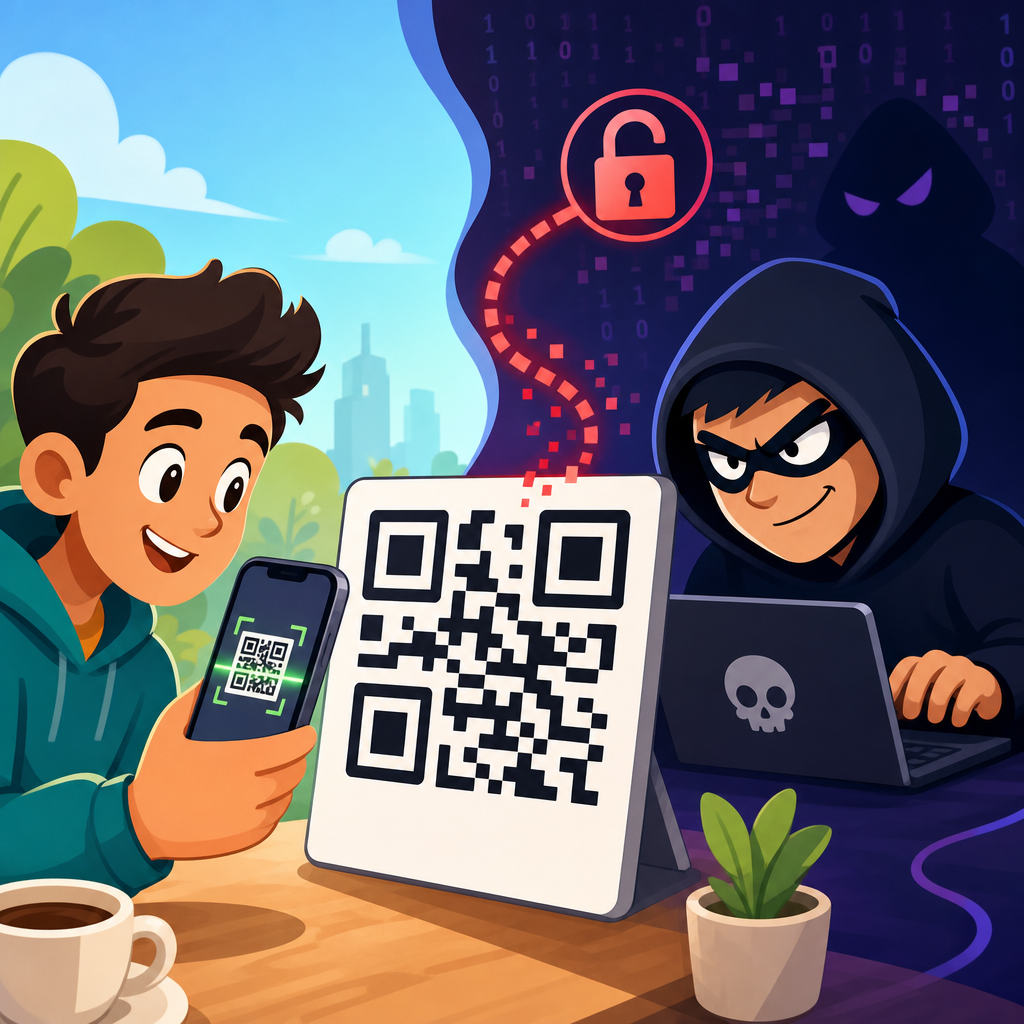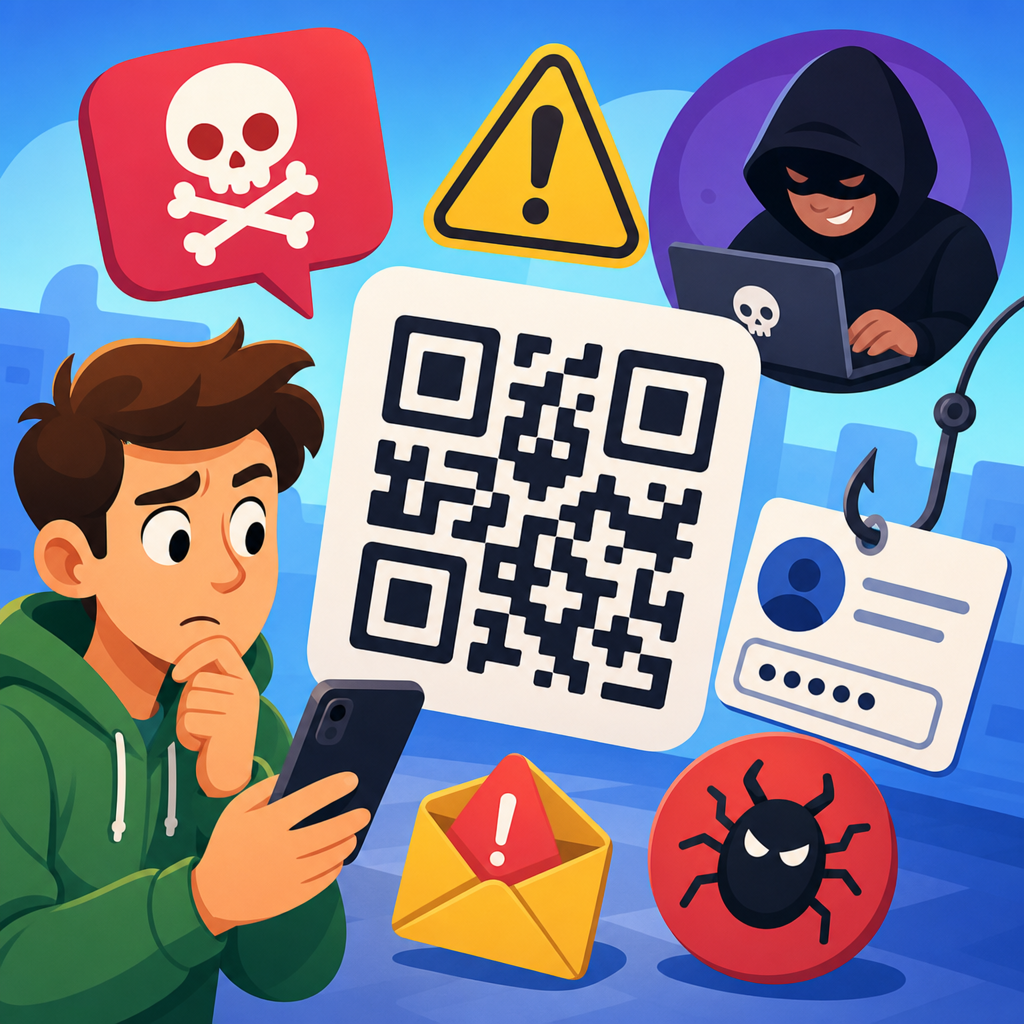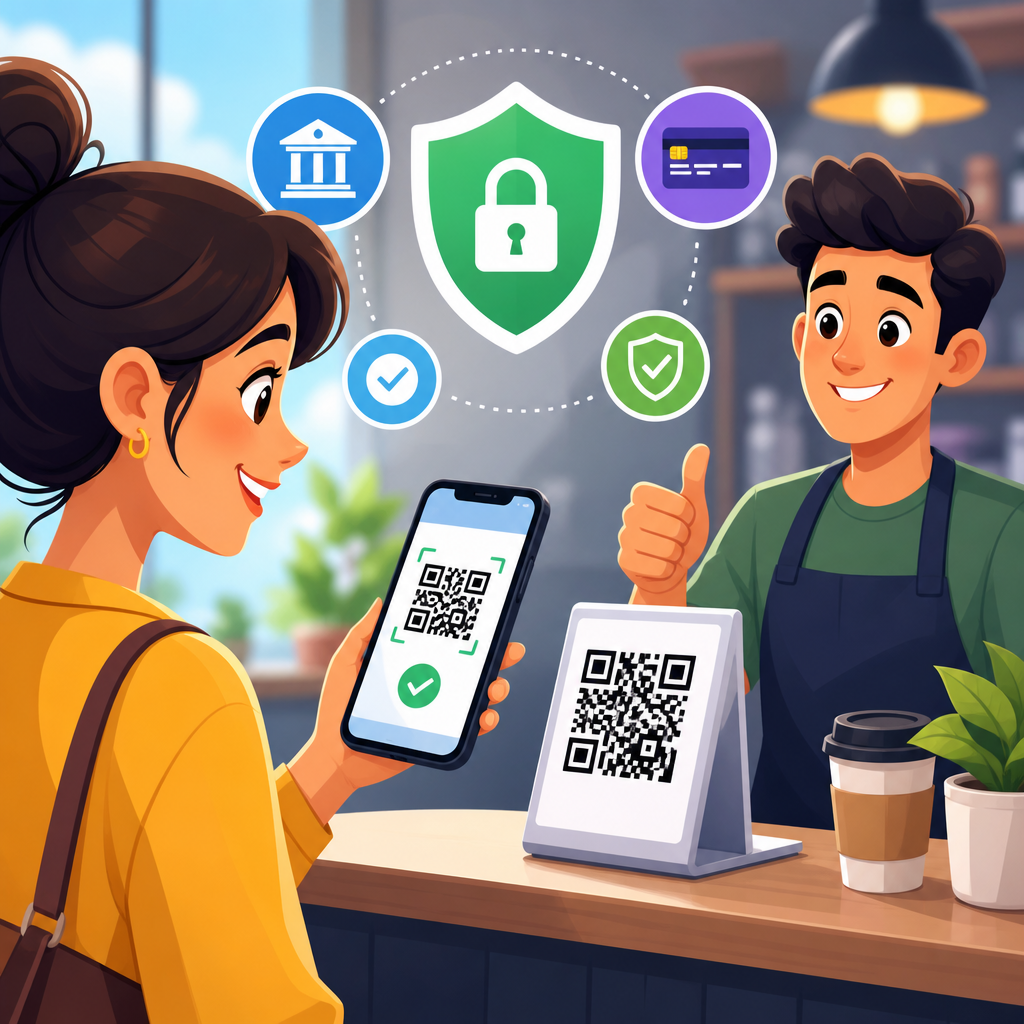
Secure QR code practices for enterprises are no longer optional because the same convenience that makes QR codes useful for payments, authentication, asset tracking, marketing, and support also makes them an efficient delivery mechanism for fraud, phishing, data leakage, and operational disruption. A QR code is simply a machine-readable symbol that encodes data, most often a URL, but also contact records, Wi-Fi credentials, payment instructions, inventory IDs, or deep links into mobile apps. In enterprise settings, secure QR code practices means governing how codes are created, where they point, how they are distributed, how they are scanned, what data they trigger, and how misuse is monitored and contained. I have helped organizations deploy QR systems across manufacturing plants, retail stores, and internal facilities, and the pattern is consistent: teams focus first on speed and user experience, then discover that unmanaged codes quickly become an attack surface. This matters because QR codes bypass familiar visual trust cues. Users cannot inspect a long destination URL at a glance, printed codes can be replaced in seconds, and mobile devices often open links directly into apps or browsers where security controls vary. Enterprises that treat QR codes as governed digital assets reduce phishing exposure, preserve customer trust, improve compliance, and make every scan more predictable and measurable.
Build governance before you print or publish a single code
The first secure QR code practice is governance. Every enterprise QR program needs a documented owner, an approval workflow, and an inventory of active codes. Without those basics, no one can answer simple questions during an incident: who created this code, what system generated it, where is it displayed, what data does it encode, when does it expire, and who can deactivate it. In practice, the strongest programs maintain a central registry tied to campaign, facility, or asset records in a CMDB, DAM, or marketing operations platform. Each entry includes the encoded payload, destination domain, use case, business owner, publication date, revision history, and retirement status.
Governance also means classifying QR codes by risk. A static code pointing to a public product manual has different controls than a dynamic code that launches a payment flow or starts a single sign-on sequence. High-risk categories should require security review, approved domain lists, UTM conventions, redirect validation, and defined rollback procedures. When I implement these controls, I also require unique identifiers inside each code, even for print assets, so scans can be traced to a specific poster, label, kiosk, package insert, or employee badge. That single decision makes fraud analysis and performance analytics dramatically easier. Enterprises already govern email templates, SMS short links, and web forms; QR codes deserve the same treatment because they initiate digital actions and collect user attention at scale.
Control destinations, redirects, and domain trust
Most enterprise QR incidents start with destination risk, not the image itself. The safest pattern is to encode only approved HTTPS URLs on company-controlled domains, then manage routing server-side. This allows security teams to update destinations without reprinting materials, enforce HSTS, apply web application firewall policies, monitor clickstream anomalies, and revoke compromised paths immediately. Dynamic QR platforms are useful, but they should not become ungoverned redirect farms. Require allowlists for final destinations, deny consumer-grade URL shorteners for production use, and block redirect chains that obscure the end page.
Domain strategy matters because users often decide whether to trust a scan based on the preview they see. A branded subdomain such as scan.company.com is easier to recognize than an unfamiliar vanity domain purchased for a campaign. If third-party platforms are involved, use custom domains with enterprise certificate management and DNS control instead of default shared domains. Mobile deep links should be validated as carefully as web links, especially where a code opens a payment app, field service tool, or internal mobile application. Enterprises should also test behavior across iOS and Android because scanner previews, browser handoff, and in-app rendering differ. In one retail rollout I reviewed, the same code opened a customer feedback form safely on iPhones but triggered a less transparent in-app browser path on Android devices, increasing the chance that users would miss a misleading destination. Cross-platform testing fixed the issue before broad deployment.
Design QR codes as managed assets with lifecycle controls
A secure QR code is not just a graphic; it is a managed asset with a lifecycle. Creation standards should define minimum size, error correction level, contrast ratio, logo usage, and print tolerances so scanners read the symbol reliably without forcing repeated scans that frustrate users or push them toward unsafe workarounds. Security standards should define expiration dates for temporary codes, retirement rules for campaigns, and archival procedures for legal or compliance needs. For internal operations, codes printed on equipment, visitor badges, or warehouse locations should map to nonpublic identifiers rather than exposing sensitive asset names or direct system endpoints.
Dynamic QR codes are especially valuable for lifecycle management because they support destination changes, time-based activation, geofencing, and scan analytics. However, they also concentrate risk in the management platform. Choose providers that support SSO, MFA, role-based access control, audit logs, API security, encryption in transit, and regional data controls. Review their incident response process and log retention policies. If the provider cannot show administrative event histories, you will struggle to investigate tampering. Static QR codes remain appropriate for low-risk, durable content, but they should still be generated from approved templates and recorded in the enterprise inventory. The principle is simple: if a code can influence user behavior, access data, or move money, it needs ownership and retirement criteria from day one.
Protect users at the moment of scan
The second major control layer is user-facing protection. Because QR codes hide destination details, enterprises should reduce ambiguity at the scan point. Every public code should include nearby human-readable text stating the exact purpose of the scan, the expected domain, and what happens next, such as “Scan to verify warranty at verify.company.com” or “Scan to pay your invoice only at pay.company.com.” That plain-language cue gives users a fast trust check and improves accessibility for people using assistive technologies or devices that do not support QR scanning well.
Placement and physical security are equally important. Codes on parking meters, lobby signs, fuel pumps, or event booths are susceptible to sticker replacement. Tamper-evident labels, routine inspection schedules, and photo-based proofs of placement reduce this risk. In healthcare, hospitality, and retail, I recommend including a short alphanumeric verification string below the code so staff can confirm authenticity during audits. Mobile device management policies can add another defense for employees by routing scans through secure browsers, link isolation services, or DNS filtering. For customer-facing environments, risk messaging should be concise: never ask a scanner to enter corporate credentials, sideload an app, or disable device protections after scanning a code. If a workflow truly requires authentication, drive users to a known login page on a trusted domain rather than embedding secrets or opaque tokens directly in the QR payload.
Match controls to enterprise use cases
Secure QR code practices vary by use case, so controls should match business impact. Payments require stronger measures than menu links. Visitor management codes should expire quickly, while equipment maintenance codes may persist for years but reveal almost nothing on their own. The table below summarizes practical controls by common enterprise scenario.
| Use case | Main risk | Recommended controls | Example |
|---|---|---|---|
| Payments and invoices | Redirection to fraudulent payee or fake checkout | Approved payment domain, transaction signing, short expiration, anomaly monitoring, finance review | Utility provider QR bills linking only to pay.company.com |
| Employee login or MFA enrollment | Credential phishing, token theft | One-time codes, device binding, identity provider validation, secure browser launch | New-hire setup tied to Microsoft Entra ID or Okta workflow |
| Asset tracking and maintenance | Exposure of internal identifiers or system endpoints | Opaque IDs, authenticated app access, role-based permissions, offline-safe fallback | Factory machine tag opening a service record in ServiceNow |
| Marketing and product packaging | Code replacement, brand impersonation, privacy overcollection | Branded domain, campaign analytics, consent notice, periodic field inspections | Consumer package QR linking to product registration and manuals |
| Visitor, event, and facility access | Unauthorized entry, replay attacks | Time limits, cryptographic signatures, revocation list, gate-device validation | Conference badge code valid only for scheduled sessions |
These differences matter because overengineering low-risk codes wastes time, while undersecuring high-risk codes creates direct financial exposure. The right model is proportional control based on data sensitivity, transaction value, and attack likelihood.
Use privacy-by-design and minimize data exposure
Enterprises often underestimate the privacy dimension of QR deployments. A code itself may be harmless, but the landing page, scan logs, app identifiers, geolocation, referral data, and downstream form submissions can create a detailed behavioral record. Good practice starts with data minimization: encode as little sensitive data as possible, avoid embedding personal information directly, and prefer server-side lookup keys over exposed record details. A patient wristband, for example, should not encode a diagnosis or full identity. It should reference a controlled record retrieved only after authenticated access.
Privacy notices should match the interaction. If a code launches a warranty form or event registration, users should understand what information is collected, why it is needed, how long it is retained, and whether analytics tools or third parties are involved. Regional legal requirements may apply, including GDPR, CCPA, or sector-specific obligations such as HIPAA, depending on context. Scan analytics are useful, but they should be configured carefully. IP truncation, retention limits, consent mechanisms where required, and segregation of campaign analytics from customer identity records all reduce exposure. In my experience, privacy reviews catch design flaws early, especially when marketing teams want granular attribution but operations teams only need coarse performance reporting.
Monitor, test, and respond to QR code abuse
No QR control set is complete without monitoring and incident response. Enterprises should log scan events, redirect decisions, administrative changes, and destination errors, then feed relevant signals into SIEM tooling such as Microsoft Sentinel, Splunk, or Google Security Operations. Useful detections include spikes in scans from unexpected geographies, sudden increases in failed redirects, after-hours edits to high-risk codes, and unusual traffic to payment or authentication destinations. External attack surface monitoring can also watch for lookalike domains designed to imitate official QR destinations.
Testing should cover both security and usability. Run prelaunch checks for destination integrity, TLS certificate validity, mobile rendering, scanner compatibility, analytics tagging, and rate limiting. Then perform field audits after deployment to verify that physical codes have not been replaced or degraded. Red-team exercises are valuable here because QR attacks often blend social engineering with weak process controls. One common simulation uses counterfeit posters in staff areas to measure whether employees scan unverified codes and enter credentials. Results usually show that awareness training works best when paired with visible design standards and secure default browser handling.
Incident response needs clear playbooks. If a code is suspected of tampering, teams should know how to disable the redirect, identify affected placements, notify impacted users, preserve logs, and replace materials quickly. For dynamic systems, an emergency pause function is essential. For printed assets distributed at scale, maintain print files, vendor records, and placement maps so replacements can be issued without confusion. Secure QR code practices succeed when organizations treat each code as part of a measurable, governable channel rather than a disposable image.
Enterprises that use QR codes safely do three things consistently: they govern creation, they control destinations, and they protect users at the moment of scan. From there, they extend security into lifecycle management, privacy safeguards, monitoring, and incident response. The result is not just lower fraud risk. It is a better operational system where every code has an owner, a purpose, a trusted domain, and an audit trail. That structure supports internal linking between related policies, helps teams standardize payment, access, marketing, and asset workflows, and gives security leaders evidence when they assess exposure. QR codes are powerful because they bridge physical and digital experiences instantly, but that bridge must be engineered carefully. Start by inventorying existing codes, classifying them by risk, and moving new deployments onto approved domains and managed platforms. Then add scan-point messaging, physical inspection routines, and analytics tied to your incident response process. When enterprises adopt secure QR code practices this way, they preserve convenience without accepting hidden risk, and every scan becomes a controlled business interaction rather than a blind leap of trust.
Frequently Asked Questions
Why do enterprises need specific security practices for QR codes?
Enterprises need dedicated QR code security practices because QR codes compress a lot of trust into a very small visual object. Employees, customers, contractors, and partners often scan them quickly without inspecting where they lead or what action they trigger. That creates an ideal path for phishing, credential theft, payment redirection, malware delivery, rogue app deep links, and unauthorized access attempts. In business environments, the risk is amplified because QR codes are frequently used in high-value workflows such as payments, login flows, visitor management, warehouse operations, equipment labeling, field service, customer support, and marketing campaigns.
Unlike a traditional hyperlink shown in plain text, a QR code hides the destination until it is scanned. That makes it easier for attackers to replace legitimate codes with malicious ones on posters, kiosks, product packaging, invoices, shared documents, and email attachments. A single compromised code can affect not just one user but an entire operational process. For example, a tampered payment QR code can reroute funds, while a fake authentication QR code can capture employee credentials or session tokens. In regulated industries, this can also lead to compliance failures, privacy incidents, and reputational damage.
Specific security practices help enterprises treat QR codes as controlled digital assets rather than harmless convenience tools. That means governing who can create them, what data they can encode, how they are deployed, how they are monitored, and how users are taught to interact with them safely. When QR codes are brought under the same governance model used for links, endpoints, identities, and customer communications, organizations can preserve the convenience while sharply reducing the chances of fraud, data leakage, and operational disruption.
What are the biggest QR code threats enterprises should plan for?
The most common enterprise QR code threats center on deception and redirection. Attackers use malicious QR codes to send users to phishing sites that impersonate login portals, payment pages, HR systems, customer support forms, or cloud applications. Because the user reaches the destination through a mobile device and often under time pressure, they may be less likely to inspect the URL carefully. This makes QR-based phishing, often called quishing, especially effective in environments where employees regularly scan codes as part of daily work.
Another major threat is physical code replacement or overlay attacks. A legitimate code displayed on a point-of-sale terminal, lobby sign, parking meter, shipment label, product insert, conference badge, or service manual can be covered with a fraudulent sticker. In digital contexts, attackers may embed altered QR codes into PDFs, slide decks, invoices, emails, or social posts. Enterprises should also account for malicious deep links that attempt to open apps with unsafe parameters, trigger unauthorized actions, or direct users to install fake mobile applications.
Data leakage is also a serious concern. Some QR codes contain more than a URL, including contact details, Wi-Fi credentials, internal asset identifiers, support case references, or encoded business workflow data. If those codes are generated without proper access controls or exposed in public channels, they may reveal sensitive operational information. In addition, organizations must consider QR codes used in authentication workflows. If a sign-in code is spoofed or intercepted in an insecure process, attackers may be able to steal credentials, hijack sessions, or trick users into approving fraudulent access requests.
Finally, enterprises should plan for downstream business impacts. A malicious QR code can lead to financial loss, service interruption, account compromise, brand damage, and legal exposure. The most effective security posture starts by recognizing QR codes as a practical attack surface that spans both physical and digital environments.
What secure QR code practices should enterprises implement first?
The best starting point is governance. Enterprises should establish a clear policy defining who is authorized to create QR codes, which approved tools they must use, what types of data may be encoded, and where codes may be published or displayed. Centralizing generation through trusted platforms reduces the chance of employees creating ad hoc codes with unvetted services, broken links, insecure destinations, or embedded sensitive data. It also gives the organization a reliable inventory of active QR assets.
Next, organizations should standardize safe destination practices. Whenever possible, QR codes should point only to enterprise-controlled domains or trusted, verified third-party services. Short links should be used carefully and managed through approved systems so they remain auditable. Landing pages should use HTTPS, support certificate validation, and align with the organization’s normal branding so users can recognize authentic destinations. For high-risk actions such as payments, account access, or document downloads, additional controls like transaction verification, multifactor authentication, device posture checks, or signed requests may be appropriate.
Physical security matters as much as digital security. Enterprises should routinely inspect printed QR codes in public or semi-public locations for tampering, overlays, or unauthorized replacements. High-risk use cases such as payment stations, visitor check-in kiosks, asset tags, and event materials should be covered by formal review procedures. Where feasible, codes can be incorporated into tamper-evident designs, embedded behind protective materials, or paired with visible human-readable URLs so users can compare what they expect before scanning.
User education is another early priority. Employees should be trained not to scan random codes, not to enter credentials after scanning a code unless the site is clearly legitimate, and not to approve login or payment actions they did not initiate. Security awareness programs should include QR-specific examples because many people understand email phishing but do not yet apply the same skepticism to QR interactions. On managed devices, enterprises should also consider mobile threat defense, URL filtering, application allowlisting, and browser protections that inspect links after a QR scan but before the user completes a risky action.
How can enterprises safely use QR codes for payments, authentication, and internal operations?
Safe enterprise use starts with matching the security controls to the business process. For payments, QR codes should never be treated as static trust objects without oversight. The destination account, merchant details, and transaction context should be validated by the application or payment platform, not just by the visual presence of a code. If a payment QR code is displayed in a public environment, it should be monitored for tampering and tied to back-end reconciliation processes that can quickly detect anomalies such as funds flowing to an unexpected recipient or unusual transaction patterns.
For authentication, QR codes are commonly used in device pairing, passwordless login, single sign-on prompts, or mobile approval flows. These can be highly secure when implemented properly, but they must be resistant to spoofing and replay. Enterprises should ensure that authentication QR codes are short-lived, bound to a specific session, generated over secure channels, and backed by strong identity controls such as multifactor authentication, cryptographic proof, and user confirmation. A user should be able to verify what they are approving, on which device, and for which application. If that context is missing, the process is more vulnerable to social engineering and session hijacking.
In internal operations such as asset tracking, maintenance, field service, and inventory management, QR codes should encode as little sensitive information as possible. In many cases, the code should contain only a non-sensitive reference ID that maps to data in a secure back-end system. That approach limits exposure if a label is photographed, copied, or shared outside the organization. Access to the linked system should still require authentication, authorization, and logging. Enterprises should also define lifecycle controls for operational QR codes, including issuance, replacement, deactivation, and audit trails.
Across all use cases, testing is essential. Security teams should review mobile workflows, destination handling, redirection logic, and failure modes. A secure QR code deployment is not just about the code itself; it is about the trust chain from generation to scan to action.
How should enterprises monitor, audit, and respond to QR code security incidents?
Enterprises should begin by maintaining a current inventory of official QR codes, including their purpose, owner, destination, publication channel, creation date, and retirement status. Without that inventory, it becomes difficult to distinguish legitimate codes from unauthorized ones or to assess the blast radius of a compromised code. Approved QR management processes should support version control, destination updates, and revocation so that the organization can act quickly if a threat is discovered.
Monitoring should cover both technical and physical signals. On the technical side, enterprises can analyze scan activity, traffic sources, redirection patterns, device indicators, and conversion anomalies. Unexpected spikes, unusual geographies, high bounce rates, or traffic to unrecognized destinations may indicate abuse. Security logs from web gateways, mobile threat defense tools, endpoint protection, and identity systems can help correlate a QR scan with phishing attempts, suspicious authentication prompts, or policy violations. On the physical side, organizations should include QR inspection in site audits, retail walkthroughs, facility checks, and field operations reviews, especially wherever codes are exposed to the public.
Incident response plans should specifically address QR-related scenarios. If a malicious or altered QR code is found, the enterprise should remove or disable it immediately, redirect or deactivate the associated destination if possible, identify affected users, and assess whether credentials, payments, or sensitive data were exposed. Communications may need to go to employees, customers, partners, or regulators depending on the severity of the event. Security teams should preserve forensic evidence, review how the code was created or modified, and determine whether broader control weaknesses are present, such as poor signage security, weak domain governance, or inadequate user education.