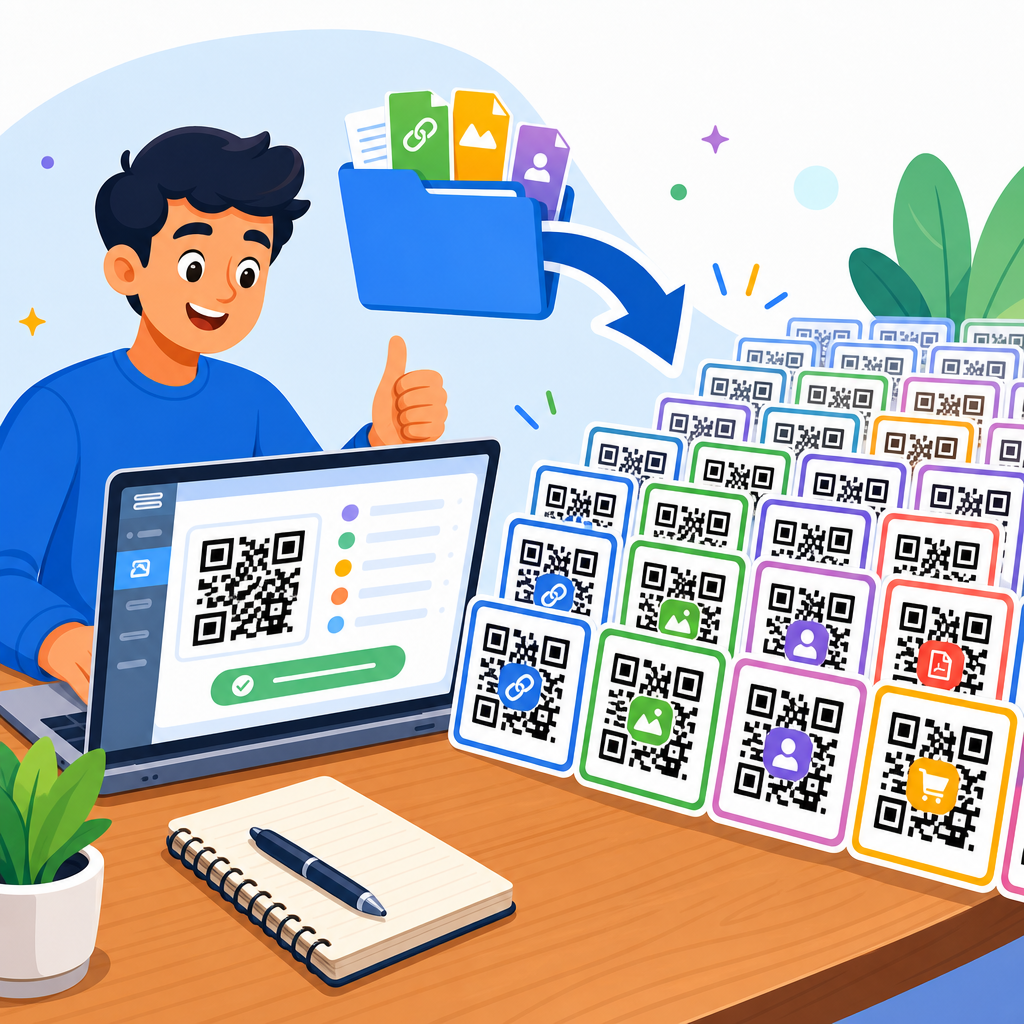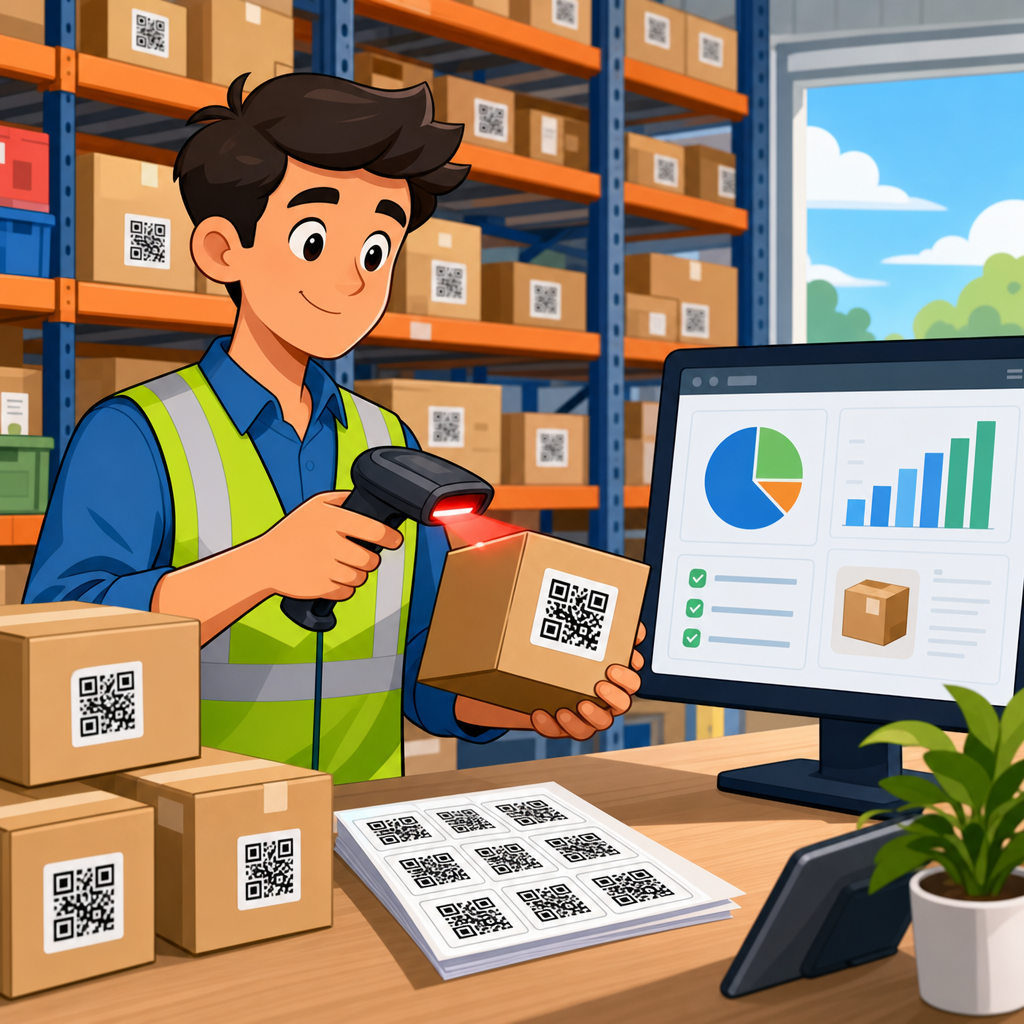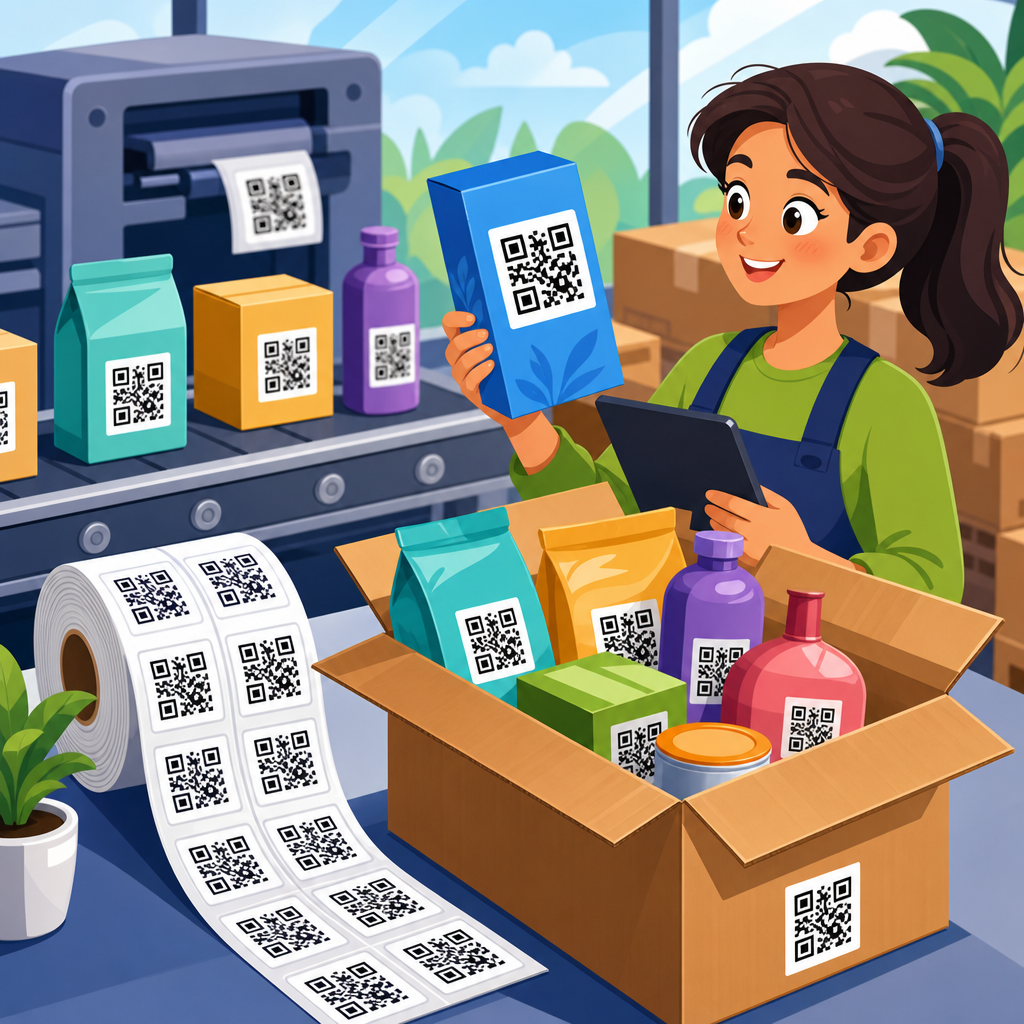
Choosing the right QR code generator can save hours of rework, improve scan rates, and protect your brand from broken links or unreliable campaigns. A QR code generator is the software that creates scannable codes linking users to websites, PDFs, app downloads, menus, forms, Wi-Fi credentials, payment flows, and other digital actions. In practice, not all generators are equal. Some only produce static codes that cannot be edited after printing, while others support dynamic QR codes, analytics, team permissions, branded design controls, API access, bulk creation, and compliance features that matter to growing organizations.
This topic matters because QR codes now sit at the intersection of offline and digital marketing, operations, customer support, events, retail, packaging, and field service. Since smartphone cameras made scanning effortless, businesses have moved from occasional use to systematic deployment across posters, business cards, restaurant tables, product labels, direct mail, and in-store displays. I have worked on campaigns where a single overlooked setting in the generator caused thousands of printed codes to point to expired landing pages. I have also seen well-configured platforms turn QR codes into measurable assets by enabling redirect updates, A/B tests, device-aware routing, and first-party data collection. If you are comparing QR code generators, the core question is not simply which tool makes a code fastest. The better question is which platform supports your use case reliably over time, at scale, and without locking you into avoidable risks.
As a hub article for QR code generators reviews and comparisons, this guide explains the top QR code generator features to look for, why each one matters, and how to evaluate tradeoffs before committing. It covers the essentials for small businesses, marketers, agencies, operations teams, and enterprise buyers. It also clarifies common terms. Static QR codes contain fixed destination data and usually cannot be changed after creation. Dynamic QR codes use a short redirect URL managed by the provider, allowing the destination to be edited later while the printed code stays the same. Scan analytics track when, where, and how often codes are scanned, although location accuracy varies and depends on user consent, IP resolution, and device behavior. Error correction refers to the amount of damage or obstruction a code can tolerate while remaining readable. These details sound technical, but they determine whether your QR campaign stays useful after launch.
Dynamic editing and destination flexibility
The first feature to prioritize is dynamic QR code support. If you print codes on packaging, signs, brochures, badges, or menus, you need the ability to change the destination later without reprinting the code. This is the difference between a disposable asset and a manageable one. A dynamic QR code generator routes scans through a short URL controlled inside the platform. From there, you can update the final landing page, swap a PDF, replace a discontinued product page, or redirect by region, language, device type, or campaign schedule. In my experience, this one capability prevents the most expensive mistakes. Marketing teams frequently discover after launch that a UTM parameter is wrong, a form needs replacing, or a page slug has changed. With static codes, those errors become print waste. With dynamic codes, they become a quick dashboard edit.
Good destination flexibility also means support for many content types. Strong generators handle website URLs, vCards, social profile hubs, file downloads, image galleries, Google Maps links, app store redirects, coupon pages, video links, payment pages, and Wi-Fi login details. The best tools go further with conditional routing. For example, a retail brand may send iPhone users to the App Store and Android users to Google Play from the same code. An event organizer may direct attendees to a current agenda page before the event and to a recorded session archive afterward. A restaurant may keep the same table QR codes but switch from menu to feedback form once service ends. These are practical workflow benefits, not extras.
Analytics, attribution, and reporting depth
The second must-have feature is analytics that go beyond a raw scan count. At minimum, a QR code generator should report total scans, unique scans, time-based trends, approximate geography, device or operating system, and source code performance. Better platforms integrate with Google Analytics 4 through tagged URLs, support custom parameters, and let you export data for BI tools or CRM analysis. If you manage several campaigns, reporting filters matter. You should be able to sort by folder, team, location, date range, destination type, and scan status. Without that structure, data becomes noise.
Attribution quality matters because many QR programs live in mixed-channel campaigns. A code on a product box is not the same as a code in a window display or on direct mail. You need to know which physical touchpoint drove the action. Good generators let you create unique codes per placement and label them consistently. For example, a franchise business might issue separate codes for front door posters, table tents, and receipts across each store. That makes it possible to compare performance by placement, geography, and conversion path. Analytics are not perfect; VPNs, private relay services, and browser restrictions reduce precision. Still, structured QR reporting is vastly better than launching offline assets blindly.
Customization, branding, and scan reliability
Design customization is valuable, but only when it preserves readability. The best QR code generators let you add brand colors, frame text, logos, custom eyes, and shape variations while keeping enough contrast and quiet zone spacing for dependable scanning. In testing, I treat scan reliability as non-negotiable. A beautifully branded code that fails under glare, on low-quality print stock, or at a distance is a failed asset. Look for tools that validate contrast, preview print sizes, and offer download formats suited to real-world production, especially SVG, EPS, and high-resolution PNG. Vector output is essential for signage, packaging, and large-format printing because it scales without becoming blurry.
Branding should support user confidence as well as appearance. Frame text such as “Scan to view menu” or “Scan for setup guide” improves response because people know what they will get before scanning. Logo insertion can raise trust, but the generator should automatically compensate with appropriate error correction and safe logo sizing. This is where some low-quality tools cut corners. They allow aggressive styling that looks modern in the editor but degrades real-world performance. A professional platform balances creative freedom with engineering guardrails.
| Feature | Why it matters | What to verify in a generator |
|---|---|---|
| Dynamic QR codes | Lets you update destinations after printing | Edit redirects, schedule changes, device or region rules |
| Analytics | Measures scans and campaign performance | Unique scans, geography, exports, tagged URLs, filters |
| Design controls | Supports branding without hurting usability | Contrast checks, quiet zone protection, SVG or EPS output |
| Bulk and API tools | Scales creation for many assets or systems | CSV upload, templates, REST API, automation options |
| Security and governance | Protects links, users, and team workflows | Custom domains, access roles, audit logs, uptime commitments |
Bulk creation, templates, and API capabilities
If you only make one code a month, almost any generator will seem fine. If you manage hundreds or thousands, scale features become decisive. Bulk creation lets teams upload a CSV and generate large batches tied to products, inventory records, event badges, support articles, or serialized assets. This is common in packaging, warehousing, real estate, education, and hospitality. A hotel group may need property-specific QR codes for room directories and service requests. A manufacturer may assign unique codes to installation guides by SKU. Doing this manually is error-prone and expensive.
Templates improve consistency. A strong QR code generator should allow saved design presets, reusable destination types, naming conventions, and team folders so codes are created in a standardized way. API access matters when QR generation needs to happen inside another system. For example, an ecommerce platform can trigger code creation for inserts, a ticketing platform can issue event access codes, or a CRM can create sales collateral codes at scale. Look for documented REST APIs, authentication controls, rate limits, and webhooks where relevant. A mature product will also provide automation through Zapier, Make, or native integrations, reducing manual work.
Security, ownership, and platform governance
Security is often ignored until a campaign is already live. Yet QR codes can become attack surfaces if the platform is weak or if organizational controls are sloppy. The generator should support HTTPS by default, custom domains for branded redirects, password protection where needed, and account-level features like single sign-on, two-factor authentication, user roles, approval workflows, and audit logs. Agencies and enterprises should insist on role-based permissions so designers can create codes without changing account billing or deleting live assets. Audit trails matter when a destination changes unexpectedly and you need to identify who made the edit.
Ownership is another critical point in QR code generator comparisons. Ask what happens if you cancel the service. Do your dynamic QR codes stop working? Can you export metadata, redirect mappings, and assets? Are there scan limits, overage charges, or forced branding on lower plans? Reputable vendors are clear about these terms. If a code sits on permanent packaging or signage, long-term link continuity should influence your vendor choice more than a small monthly price difference. Uptime commitments, support responsiveness, and documented infrastructure standards are not glamorous features, but they protect revenue and reputation.
Usability, testing, and choosing the right fit
The final feature set is usability. The best QR code generator is one your team can operate correctly under real deadlines. The interface should make it obvious whether a code is static or dynamic, whether the destination is live, what naming convention is applied, and where the analytics live. Search, filtering, folders, tags, and asset previews matter once your library grows. Good platforms also include scan testing guidance, print recommendations, and mobile previews. Before choosing, run a short pilot. Create codes for several real use cases, export them in required formats, test them on iPhone and Android, print them at target sizes, and verify redirect editing and analytics reporting.
Fit depends on context. A solo business may prioritize affordability, basic dynamic edits, and simple analytics. An agency may need white-label reporting, folders per client, and design presets. An enterprise may need SSO, governance controls, API throughput, and legal review. There is no single best QR code generator for everyone, which is why reviews and comparisons should be grounded in actual workflows rather than feature checklists alone. Focus on the features that affect durability, measurability, and scale. If a platform handles dynamic updates, reporting, branding safely, bulk operations, and governance, it will cover most serious use cases well.
The main takeaway is simple: the top QR code generator features to look for are the ones that keep a code useful after it has been printed, shared, and deployed across channels. Dynamic editing prevents reprint waste. Strong analytics turn scans into actionable insight. Reliable customization helps codes match your brand without sacrificing performance. Bulk tools and APIs make growth manageable. Security and governance protect both your users and your organization. When those features are present, QR codes stop being one-off graphics and become durable operational assets.
As you explore QR code generators reviews and comparisons within this subtopic, use this page as your evaluation framework. Shortlist tools based on your real deployment needs, not just price or visual polish. Test them in the environments where your audience will scan, from packaging and storefronts to documents and event signage. The right choice will reduce friction for your team, improve user trust, and create better measurable outcomes from every printed code. Start with a pilot, compare the essentials carefully, and choose a QR code generator built for the way you actually work.
Frequently Asked Questions
What are the most important features to look for in a QR code generator?
The best QR code generators do much more than create a simple black-and-white code. At a minimum, you should look for support for both static and dynamic QR codes, easy content editing, reliable scan performance, and a clean download process in high-resolution formats such as PNG, SVG, EPS, or PDF. Dynamic QR codes are especially valuable because they let you change the destination URL or linked content after the code has already been printed, shared, or installed. That flexibility can prevent expensive reprints and reduce campaign downtime.
Beyond that, strong customization controls are worth prioritizing. A good platform should let you add brand colors, logos, frames, and calls to action without hurting scannability. Built-in error correction, scan testing tools, and mobile-friendly previews also matter because they help ensure the QR code works in real-world conditions. If you plan to use QR codes in marketing, packaging, menus, events, retail, or product support, analytics features are another major advantage. Those can include total scans, unique scans, time and location data, device information, and campaign-level tracking. Taken together, these features help you choose a tool that is not just convenient today, but reliable and scalable over time.
Why are dynamic QR codes better than static QR codes for most businesses?
Dynamic QR codes are usually the smarter choice because they give you control after the code has been created. With a static QR code, the destination is permanently embedded in the pattern itself. If the linked page changes, the URL breaks, or the campaign needs to be updated, you often have no option except to generate a new code and replace every printed or published version. That can be costly for product packaging, restaurant menus, posters, flyers, signage, business cards, or in-store displays.
Dynamic QR codes solve that problem by pointing to a short redirect URL managed through the generator platform. This means you can edit the final destination without changing the printed code. For example, you can update a landing page, swap a PDF for a newer version, reroute traffic during a promotion, or fix a broken link without reprinting anything. They also usually unlock advanced analytics, A/B testing opportunities, and campaign controls such as expiration dates, password protection, geo-based behavior, or device-based redirects. For businesses focused on flexibility, long-term usability, and measurable results, dynamic QR codes are one of the most valuable features to look for.
How important are analytics and tracking in a QR code generator?
Analytics are extremely important if you want your QR codes to support real business decisions instead of acting as unmeasured links. A QR code generator with solid tracking can show how many people scanned the code, when they scanned it, where scans happened geographically, what devices were used, and whether engagement changed over time. This information helps you understand which campaigns, placements, products, or channels are actually performing. Without analytics, it becomes much harder to judge return on investment or improve future campaigns.
For marketers and business owners, this data can be highly practical. You might discover that one poster location gets far more scans than another, or that a product insert drives more engagement than shelf signage. You may also learn that scans peak at certain times of day, suggesting better timing for promotions. Some advanced QR code generators integrate with tools like Google Analytics or support UTM parameters, making it easier to connect QR traffic with conversions, purchases, sign-ups, or app downloads. When comparing platforms, look for reporting that is easy to access, clear to interpret, and detailed enough to guide action. Reliable analytics turn QR codes from a convenience feature into a measurable performance channel.
Can I customize a QR code with my brand colors and logo without affecting scan quality?
Yes, but only if the QR code generator has strong customization tools and built-in safeguards. Branding is one of the biggest reasons businesses upgrade from basic free generators to more advanced platforms. A well-designed QR code with a logo, custom frame, and on-brand colors can increase trust, improve visual consistency, and encourage more scans because users immediately recognize it as part of your business. This is especially useful in packaging, retail displays, menus, direct mail, event signage, and social media promotions.
That said, customization should never come at the expense of scan reliability. Poor contrast, oversized logos, distorted shapes, and cluttered designs can make a code difficult or impossible to scan. The best QR code generators balance design freedom with technical protection. They typically include scan-safe templates, contrast checks, error correction settings, and live previews that show whether the code remains readable. As a rule, dark codes on light backgrounds scan best, and any embedded logo should leave enough of the code structure visible for scanners to interpret it accurately. A quality platform will help you create a branded QR code that looks polished while still performing consistently across different phones, lighting conditions, and print sizes.
What file formats, security options, and reliability features should a good QR code generator include?
A dependable QR code generator should offer several download formats so the code can be used across both print and digital environments. PNG is useful for web and quick design tasks, while SVG, EPS, and PDF are better for professional printing because they scale cleanly without losing sharpness. This matters when QR codes are printed on everything from small labels to large posters or banners. If a platform only offers low-resolution downloads, you may run into blurry output, poor scan performance, or costly production issues. Size controls, print-ready exports, and transparent backgrounds are also useful features for teams working with designers or commercial printers.
Security and reliability are just as important. Look for features such as HTTPS support, password protection where appropriate, account access controls, and dependable hosting for dynamic QR redirects. Some platforms also provide link monitoring, expiration settings, scan limits, or fraud protection features that help keep campaigns secure and functional. Reliability includes more than uptime; it also means the provider has a stable system for managing redirects, preserving analytics, and preventing broken experiences for users. If a QR code points to a landing page, payment flow, or digital menu, even a short outage can hurt trust and conversions. Choosing a generator with strong file support, secure infrastructure, and proven campaign stability helps protect both user experience and brand reputation.