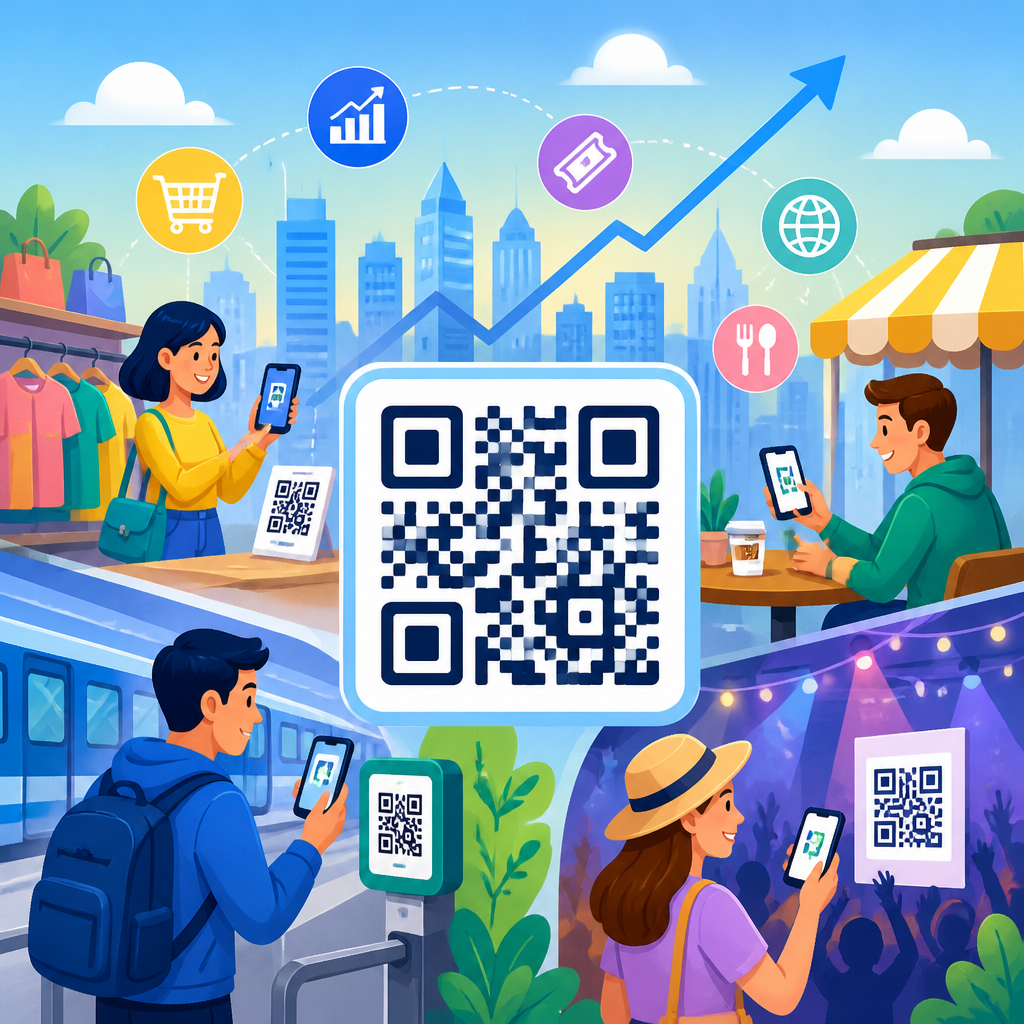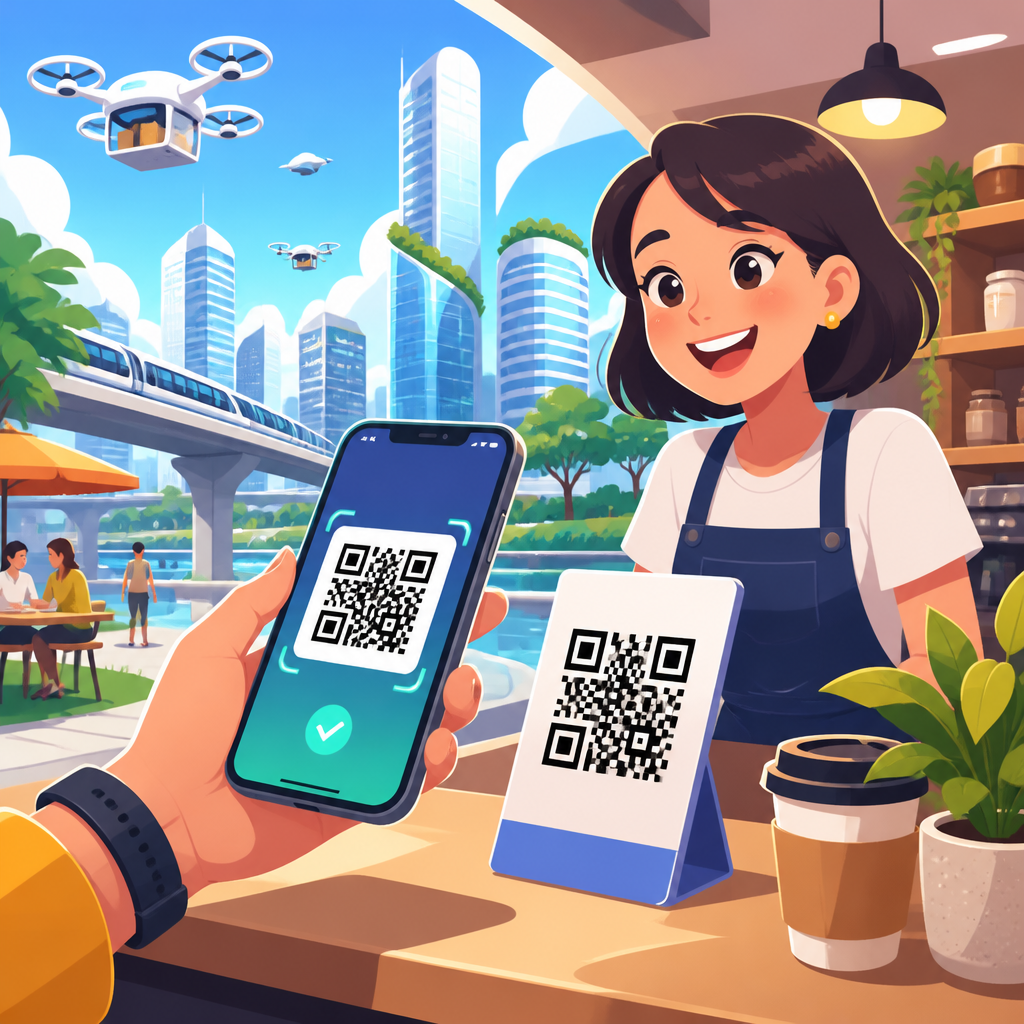
QR code payments are moving from a convenient alternative to a core payment rail, reshaping how merchants accept money, how banks authenticate transactions, and how consumers expect to pay in stores, apps, and peer-to-peer settings. A QR code payment is a transaction initiated by scanning a two-dimensional barcode that contains payment details, such as a merchant identifier, invoice amount, tokenized account reference, or a link to a secure checkout session. In practice, the scan can happen in two directions: customer-presented codes, where a wallet app displays a code that a merchant scans, or merchant-presented codes, where the customer scans a static or dynamic code at checkout. I have worked with payment teams that deployed both models, and the difference in hardware cost, fraud controls, and checkout speed is significant.
The reason this topic matters now is simple: QR code payments solve problems that cards, cash, and even contactless NFC do not solve equally well. They reduce terminal costs for small businesses, support remote and in-person transactions with the same interface, and work across smartphones without requiring specialized chips or expensive point-of-sale upgrades. During the pandemic, many businesses adopted QR checkout for hygiene reasons, but the stronger driver since then has been economics. A printed code can replace or augment a card terminal for micro-merchants, delivery drivers, restaurants, parking operators, and billers. At the same time, national real-time payment systems and digital wallets have made QR acceptance more useful because settlement can happen quickly and account-to-account flows can bypass some card fees.
Understanding the future of QR code payments requires clear definitions. Static QR codes contain fixed information, often a merchant identifier or account alias, and the customer enters the amount before authorizing payment. Dynamic QR codes are generated per transaction and can embed the exact amount, order reference, tax details, loyalty data, and expiration controls. Closed-loop systems operate within one provider ecosystem, such as a retailer app or a single wallet network, while interoperable systems let multiple banks and wallets read the same standard. Standards matter here. EMVCo QR specifications, national frameworks such as India’s UPI QR, and domestic instant payment overlays in markets like Brazil, Singapore, and Thailand have created the conditions for scale by giving issuers, acquirers, and wallets a common language.
For businesses building a strategy under QR Code Trends & Innovations, this subtopic is a hub because payments connect to every adjacent use case: digital receipts, loyalty, self-service ordering, cross-border commerce, identity verification, and omnichannel checkout. If a merchant understands where QR code payments are going, that merchant can make better decisions about payment orchestration, fraud prevention, customer experience, and hardware investment. The future is not a world where QR replaces every other method. It is a world where QR becomes one of the most flexible interfaces in the payment stack, especially wherever software can improve a transaction faster than hardware can.
How QR Code Payments Work and Why Adoption Keeps Expanding
At the transaction level, QR code payments are straightforward. The code carries a payload, the wallet or banking app interprets it, the customer reviews the payee and amount, and the backend routes the transaction over a payment network. What determines success is everything behind that scan: tokenization, merchant onboarding, settlement timing, dispute handling, and consumer trust signals. In markets where QR adoption has taken off, the winning systems reduced friction at each layer. India is the clearest example. Unified Payments Interface made bank-to-bank transfers simple, and Bharat QR and UPI QR helped merchants accept payments with low setup costs. Street vendors, taxis, pharmacies, and enterprise chains all benefited because the same smartphone could support both acceptance and reconciliation.
China demonstrated another adoption path, where super apps normalized scanning for daily commerce long before many card markets considered QR mainstream. Consumers became accustomed to opening Alipay or WeChat Pay, scanning a merchant-presented code, and receiving immediate confirmation. The lesson was not just that QR works at scale. It was that habit formation matters. Once payment is embedded in messaging, food delivery, transport, and retail, scan-to-pay becomes less of a standalone action and more of a default behavior. Brazil’s Pix then showed how a central-bank-backed instant payment system could accelerate a similar shift, combining QR initiation with fast settlement and broad bank support. For merchants, that often means better cash flow than waiting on traditional card funding windows.
From my experience with merchant rollouts, adoption grows fastest when QR fits an existing customer action. Table ordering in restaurants is a good example. A diner already looks at a menu, reviews items, and expects a bill. Replacing the paper menu, order pad, and card handoff with a QR-driven flow removes steps rather than adding them. Fuel stations, parking, vending, and utility billing follow the same pattern. Where QR fails, it usually fails because the flow is awkward: poor signage, app download requirements, weak connectivity, or too many redirects. The technology itself is mature. The execution determines conversion.
Static vs Dynamic QR Codes in Payments
Static and dynamic QR codes are often discussed as a simple cost choice, but the difference is strategic. Static codes are cheaper and easier to deploy. A merchant can print one and begin accepting payments almost immediately. That makes static QR ideal for donations, market stalls, independent contractors, and low-volume retailers. The tradeoff is control. Because the amount may be entered by the customer, there is more room for error, and because the code is persistent, fraudsters may try code replacement scams by covering a legitimate code with their own. Static QR can still be safe when paired with payee verification and clear merchant naming, but it depends more on customer vigilance.
Dynamic QR codes support a more robust checkout experience. The code can include the amount due, currency, invoice ID, location, line-item references, and expiration timestamp. That enables automatic reconciliation, lower input error rates, and cleaner refunds and dispute workflows. In enterprise environments, dynamic QR is usually the better option because finance teams need transaction matching in the ERP, tax systems need accurate records, and operations teams need less manual exception handling. It also opens the door to richer scenarios such as split tender, installments, discounts, and loyalty redemption at the point of scan.
| Feature | Static QR | Dynamic QR |
|---|---|---|
| Setup cost | Very low; printable and simple | Higher; requires software generation |
| Amount handling | Often entered by customer | Embedded automatically |
| Reconciliation | Manual or semi-manual | Automated with order references |
| Fraud exposure | Higher risk of code tampering | Lower with expiry and validation rules |
| Best use cases | Micro-merchants, donations, informal retail | Restaurants, e-commerce, utilities, enterprise POS |
The future favors dynamic QR, but static QR will remain important because it lowers the barrier to entry. In emerging markets and among small businesses, that matters more than elegance. A practical roadmap is to start static for coverage, then migrate high-volume or higher-risk environments to dynamic flows once the acceptance base is established.
Security, Fraud Risks, and Consumer Trust
The biggest question many businesses ask is whether QR code payments are secure. The correct answer is yes, when the system is designed with layered controls, and no, when QR is treated as just a barcode without payment-grade safeguards. The QR image itself is not the security mechanism. Security comes from the authenticated app, encrypted network communication, tokenized or alias-based account references, transaction signing, and risk monitoring on the backend. A bank app that scans a QR code and then requires biometric approval is using very different controls from a generic camera app that simply opens a web link.
The most common QR payment threats are code substitution, phishing through malicious redirects, fake payment confirmation screens, account takeover in wallet apps, and social engineering targeted at merchants who do not verify settlement. I have seen merchants trust a customer’s screenshot instead of their own acquiring dashboard, and that is exactly how avoidable losses occur. Good process matters as much as good technology. Staff should confirm payment status in the POS or merchant app, not on the customer’s device. Dynamic QR with short expiry windows reduces the usefulness of copied codes. Merchant name display, amount binding, and payer confirmation screens help customers catch anomalies before authorizing a transfer.
Industry standards and regulation are improving trust. EMVCo QR specifications define interoperable data objects. PCI DSS still matters wherever card credentials enter the environment. Strong customer authentication requirements in some jurisdictions raise the baseline for remote payment approval. Device binding, behavioral analytics, and transaction risk scoring are now common in leading wallet stacks. The future of QR payments will include more cryptographic verification, more real-time fraud consortium data, and more bank-grade confirmation of payee checks. Trust will not come from asking consumers to be more careful. It will come from making suspicious transactions technically harder to complete.
The Role of Real-Time Payments, Wallets, and Interoperability
QR code payments become far more powerful when paired with instant payment infrastructure. Without fast settlement, QR is just another front end. With real-time rails, it becomes an efficient account-to-account payment interface that can support retail purchases, bill payments, transfers, and disbursements on one foundation. That is why the strongest QR growth stories are closely tied to domestic instant payment systems. India’s UPI, Brazil’s Pix, Singapore’s PayNow, Thailand’s PromptPay, and Malaysia’s DuitNow all show the same pattern: once banks and wallets can move funds in seconds, QR becomes an easy way to trigger those transfers in physical and digital commerce.
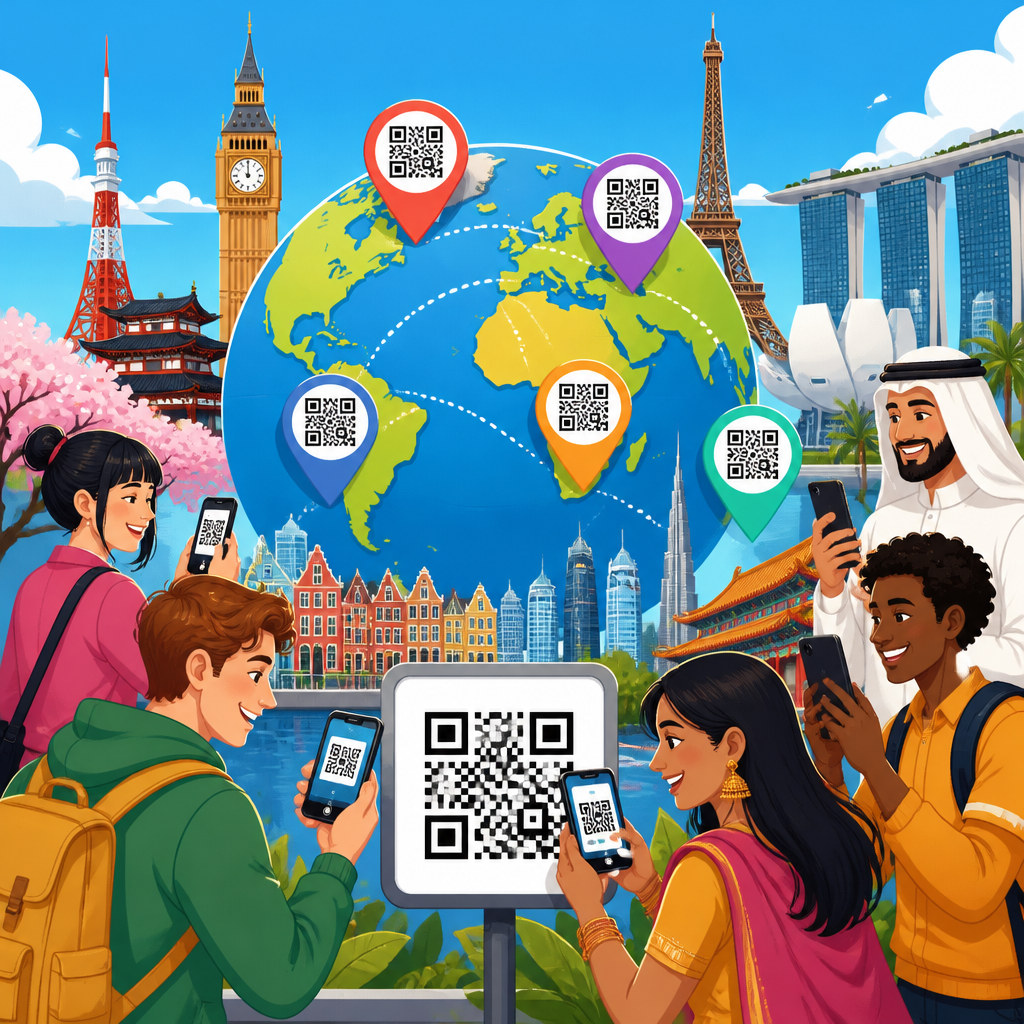
Interoperability is the next major battleground. Early QR ecosystems often fragmented into separate wallet silos, forcing merchants to display multiple acceptance stickers and customers to maintain provider-specific habits. Interoperable standards fix that inefficiency. A merchant should not need five QR codes for five wallets, and a traveler should not be blocked because the merchant and customer use different issuers. Cross-wallet and cross-border interoperability reduce clutter and increase acceptance confidence. Southeast Asia has been especially active here, with bilateral and regional QR linkages that let consumers pay abroad using home-country banking apps, while merchants receive local currency settlement.
Digital wallets will still matter because they control user experience, authentication, stored value, loyalty integration, and in-app commerce. However, the future is less about one wallet winning and more about networks ensuring that many wallets can read the same payment request. For merchants, that means QR strategy should be tied to payment orchestration. The smart question is not, “Which QR provider do we choose forever?” It is, “How do we connect QR acceptance to the rails, wallets, and acquirers our customers already use?”
Merchant Use Cases, Industry Verticals, and Operational Impact
QR code payments are not one use case; they are a flexible acceptance method that behaves differently by industry. In restaurants, QR commonly supports order-at-table, tip selection, and faster table turns. In transit, it can connect ticketing and payment in one customer action. In utilities and billing, a QR on an invoice reduces payment posting errors because the reference data is embedded. In e-commerce, a checkout page can generate a QR that the shopper scans with a banking app on another device, a model that is especially useful where consumers trust bank apps more than entering card details online. In healthcare, pharmacies and clinics use QR to connect appointment, invoice, and payment flows while reducing front-desk congestion.
Operationally, the benefits are measurable. Lower terminal dependence means lower maintenance and replacement costs. Better reconciliation means fewer back-office hours spent matching bank credits to orders. Contactless completion means shorter queues in some formats. Merchants also gain resilience. If a card reader fails, a QR acceptance fallback can keep sales flowing. I have seen small retailers use laminated static QR as a business continuity tool during terminal outages, then move to dynamic QR once they recognized the additional reporting value.
Still, QR is not universally superior. High-throughput grocery lanes may prefer tap cards and mobile wallets because they are extremely fast and familiar. Older customer segments may need more education. Low-connectivity environments require offline-tolerant design or alternative rails. The best deployment model is mixed acceptance: use QR where it improves cost, flexibility, or customer control, and keep other methods where they outperform.
What the Future Looks Like for QR Code Payments
The future of QR code payments will be defined by five shifts. First, QR will become more invisible as a technology. Users will think in terms of paying a bill, settling a table, or authorizing a bank transfer, not scanning a code. Second, dynamic QR will grow because merchants need data-rich transactions that automate accounting, refunds, and customer support. Third, cross-border QR acceptance will expand as domestic instant payment systems create bilateral connections and tourism boards, banks, and acquirers push lower-cost traveler payments. Fourth, identity and loyalty will merge more closely with payment, enabling verified age checks, couponing, membership recognition, and digital receipts in a single scan flow. Fifth, fraud controls will mature through confirmation-of-payee checks, signed payloads, device intelligence, and better merchant-side verification.
Artificial intelligence will also shape this category, though mostly behind the scenes. Risk engines will score anomalous behavior faster, customer support bots will resolve failed or misdirected payment issues, and payment orchestration platforms will choose optimal routing based on cost, speed, and acceptance probability. Meanwhile, central banks and regulators will keep influencing market structure. Where regulators push interoperability and real-time access, QR will grow faster. Where ecosystems remain fragmented, adoption will be slower and more uneven.
For merchants and product teams, the practical takeaway is clear: treat QR code payments as a strategic capability, not a novelty. Map where static QR, dynamic QR, account-to-account rails, and wallet partnerships fit your customer journeys. Review reconciliation, fraud controls, and refund flows before launch, not after complaints appear. If you are building a broader QR Code Trends & Innovations content plan, this hub should lead into deeper pages on restaurant QR payments, cross-border QR standards, security best practices, POS integration, and wallet interoperability.
QR code payments are becoming a permanent part of the payment mix because they combine low acceptance cost, broad smartphone reach, and compatibility with instant digital money movement. Their future is strongest where standards are interoperable, customer authentication is trusted, and merchant workflows are integrated from checkout through settlement. Businesses that understand the difference between static and dynamic QR, between front-end convenience and back-end control, and between isolated pilots and scalable payment design will be best positioned to benefit. Audit your current payment stack, identify the journeys where QR removes friction or cost, and build from there.
Frequently Asked Questions
1. What are QR code payments, and why are they becoming so important?
QR code payments are transactions that begin when a customer or merchant scans a two-dimensional barcode containing payment information. That data can include a merchant ID, a specific invoice amount, a tokenized account reference, or a secure link that opens a checkout session inside a banking app, wallet, or payment application. What makes this model so powerful is its flexibility: the QR code can be displayed on a printed sign, a point-of-sale screen, an e-commerce checkout page, a delivery receipt, or even within a peer-to-peer payment request.
They are becoming increasingly important because they reduce dependence on expensive or specialized hardware while making digital payments accessible across many environments. A merchant does not always need a traditional card terminal to accept payment, and a consumer does not always need to present a physical card. In markets where smartphone usage is high, QR payments create a practical bridge between bank accounts, wallets, real-time payment systems, and retail acceptance. That is why they are shifting from a convenience feature to a core payment rail.
Another reason for their rise is that QR codes fit naturally into how people already use their phones. Consumers are comfortable scanning codes for menus, tickets, offers, and product information, so extending that habit to payments feels intuitive. For businesses, QR payments can support in-store checkout, unattended kiosks, restaurant tables, bill pay, subscriptions, donations, and person-to-person transfers. As payment ecosystems become more digital and more software-driven, QR codes offer a low-friction way to connect a customer directly to a secure payment flow.
2. How will QR code payments change the future of in-store, online, and peer-to-peer transactions?
In physical stores, QR code payments are likely to make checkout more flexible and less dependent on traditional card-present infrastructure. A merchant can present a static or dynamic QR code at the counter, on a table, or on a self-service terminal, and the customer can authorize the payment from their own device. This can streamline line-busting, reduce hardware costs, and support alternative acceptance models such as mobile-first shops, pop-up retail, transit, parking, and small merchants who want digital payments without complex installations.
Online and in-app commerce will also benefit because QR codes can simplify cross-device checkout. For example, a customer shopping on a laptop can scan a code with their phone to authenticate and pay through a trusted banking app or wallet, avoiding manual card entry and reducing friction. That matters because one of the biggest challenges in e-commerce is balancing speed with security. QR-based flows can improve conversion by moving the customer into a familiar mobile environment where identity verification, biometric login, and payment approval are already built in.
In peer-to-peer settings, QR codes can make transfers faster, clearer, and more accurate. Instead of typing phone numbers, usernames, or bank details, one person can simply display or share a code and the sender can initiate the payment immediately. This reduces input errors and makes it easier to attach context such as a bill split, rent payment, or reimbursement amount. Over time, the broader impact is that QR payments may unify how people move money across contexts: in-store, online, at events, in social commerce, and between individuals. That consistency is a major reason they are expected to play a central role in the future of payments.
3. Are QR code payments secure, and what risks should consumers and merchants understand?
QR code payments can be very secure, especially when they are tied to tokenization, encrypted app sessions, multi-factor authentication, and bank-grade authorization flows. In many modern implementations, the QR code itself does not expose sensitive account details in a usable form. Instead, it may reference a token, merchant profile, or secure session that is resolved by the payment provider or bank. The actual approval typically happens inside a protected app environment, often using biometrics, device binding, passcodes, or real-time fraud controls.
That said, security depends heavily on implementation and user awareness. One of the most discussed risks is QR code tampering or replacement, where a fraudster places a malicious code over a legitimate one to redirect the payer to a fake destination. There are also phishing-style risks if a QR code leads to a deceptive website that imitates a bank or wallet login. Consumers should verify merchant details before approving a payment, use trusted banking or wallet apps, avoid scanning unknown codes from suspicious messages, and pay attention to confirmation screens showing the recipient and amount.
For merchants, strong operational controls matter just as much as technology. Businesses should use reputable payment providers, monitor their QR displays, prefer dynamic codes when appropriate, and ensure their checkout experience clearly confirms payment status. Banks and payment providers are increasingly adding fraud analytics, transaction monitoring, merchant verification, and step-up authentication to help protect the ecosystem. As QR payments become a mainstream rail, the future of security will center on layered protection: secure code generation, authenticated app flows, tokenization, real-time risk scoring, and clear user education.
4. What role will banks, fintechs, and payment networks play in the future of QR code payments?
Banks, fintechs, and payment networks will all play critical but distinct roles in expanding QR code payments. Banks are especially important because they sit at the center of account-based payments, authentication, compliance, and trust. As more QR transactions connect directly to bank accounts or real-time payment systems, banks will increasingly control the authorization experience through their mobile apps, fraud tools, and identity verification processes. This positions them not just as back-end institutions, but as active participants in the customer payment journey.
Fintechs will continue to drive innovation in usability, merchant onboarding, software integrations, and specialized use cases. They are often faster at building lightweight acceptance tools for small businesses, embedded payment experiences for platforms, and cross-border or vertical-specific QR solutions. In many markets, fintechs have already shown how QR payments can scale quickly when the user experience is simple and the setup process is frictionless. Their influence will remain strong in areas like invoicing, restaurant ordering, social commerce, creator payments, and mobile-first checkout flows.
Payment networks and industry bodies will be essential for standardization and interoperability. One of the biggest long-term questions is whether QR systems remain fragmented or become more universal across banks, wallets, merchants, and borders. Network rules, messaging standards, and common acceptance frameworks can help ensure that a consumer using one app can pay a merchant using another provider. The future likely points toward a more connected ecosystem where banks supply trust and account access, fintechs deliver innovation and reach, and networks help create scalable rules that make QR payments work seamlessly at national and international levels.
5. What should merchants do now to prepare for the future of QR code payments?
Merchants should start by evaluating where QR payments can solve real business problems rather than treating them as a novelty. For some businesses, the biggest opportunity is reducing checkout friction. For others, it may be lowering acceptance costs, enabling mobile or table-side payment, improving order-ahead experiences, or accepting digital payments in environments where traditional hardware is impractical. The strongest strategy is to map QR payments to actual customer behavior: how people browse, order, authenticate, and complete transactions across physical and digital touchpoints.
It is also important to decide which type of QR model fits the business. Static QR codes can be simple and inexpensive, but dynamic QR codes often provide better control because they can embed exact amounts, order references, and time-limited session data. Merchants should work with providers that offer strong reporting, secure settlement flows, clear payment confirmations, and compatibility with major banking apps or wallets used by their customers. Integration with accounting, loyalty, CRM, and order management systems can make QR acceptance much more valuable than a basic stand-alone payment method.
Finally, merchants should think beyond payment acceptance and view QR as part of a broader digital commerce strategy. The same code-based flow can support promotions, digital receipts, customer identification, loyalty enrollment, recurring billing links, and post-purchase engagement. As consumer expectations continue shifting toward fast, app-connected, low-friction payments, merchants that invest early in trustworthy and well-designed QR experiences will be better positioned to compete. The future of QR code payments is not just about scanning to pay; it is about creating a smarter, more flexible connection between customer intent and payment completion.