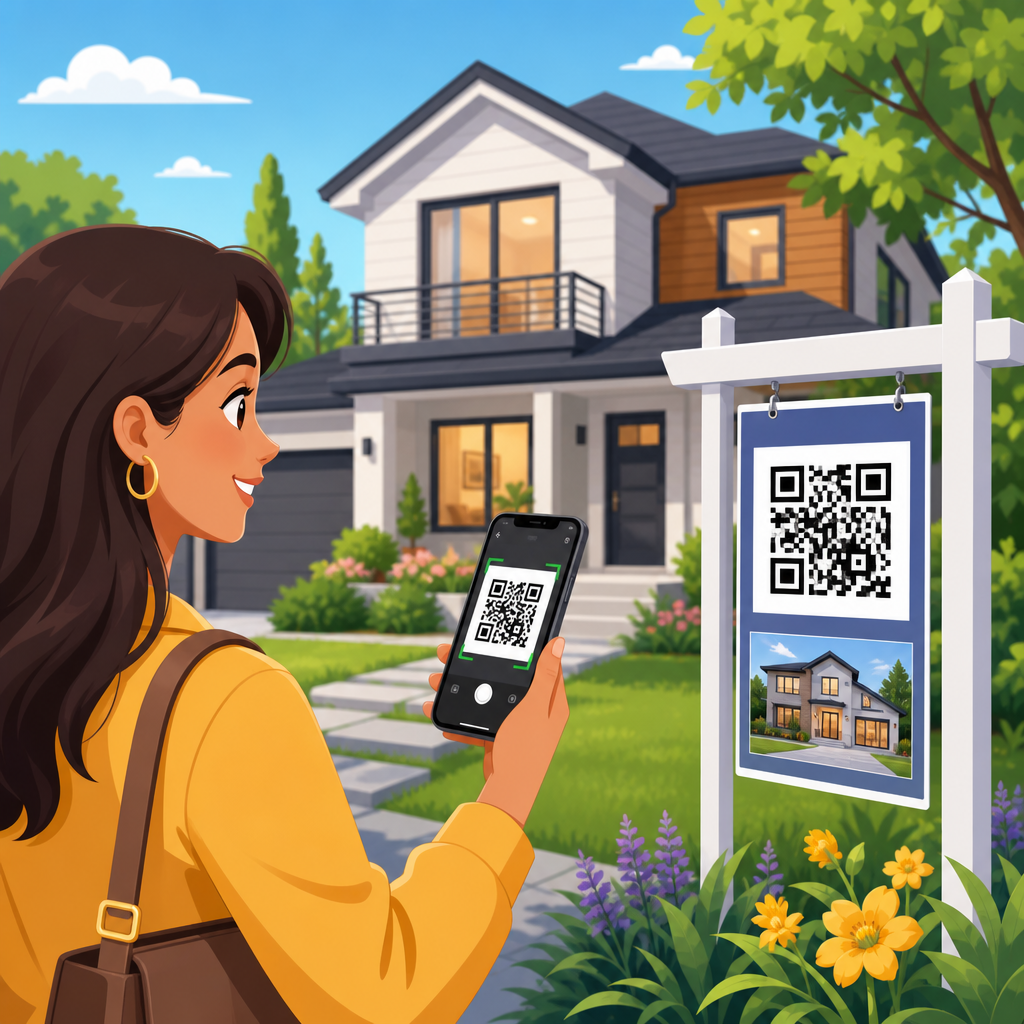
QR codes for property listings have moved from a novelty on yard signs to a practical sales tool that helps real estate professionals connect print marketing, mobile search, and lead capture in one scan. In real estate, a QR code is a machine-readable square barcode that opens digital content instantly, usually a listing page, virtual tour, brochure, contact form, or map. Property listings are the marketing assets used to present homes, apartments, land, and commercial spaces for sale or lease across signs, flyers, portals, direct mail, and agent websites. When those two elements are combined well, buyers get faster access to details, agents capture stronger intent signals, and brokerages make offline marketing measurable.
I have used QR codes on listing signs, open house sheets, window displays, brochures, and postcard campaigns, and the difference between a generic code and a well-structured one is substantial. A code that sends users to a mobile-optimized page with clear photos, price, neighborhood highlights, and a scheduling form can shorten the path from curiosity to inquiry. A code that leads to a slow desktop page, a generic homepage, or a broken link wastes the moment entirely. That is why this topic matters. Real estate is still deeply local and physical. People see signs while driving, walking, or visiting neighborhoods. QR codes turn that physical attention into digital engagement without asking prospects to type a long URL.
This guide covers real estate QR code use cases comprehensively because this page functions as a central reference for the subtopic. It explains what to link, where to place codes, how to track results, what compliance issues to watch, and how to improve conversion rates. It also addresses a basic question many agents ask: do buyers actually scan QR codes on property listings? Yes, when the value exchange is obvious. Consumers became comfortable scanning restaurant menus, payment links, event tickets, and product labels. In housing, they will scan when the code promises immediate access to something useful such as price changes, interior photos, video walkthroughs, HOA details, rental applications, or showing availability. The best real estate QR code strategy is not about adding a code everywhere. It is about matching each property touchpoint with the right destination and measuring performance over time.
What QR Codes Do for Real Estate Marketing
QR codes for real estate solve a specific operational problem: offline attention is hard to capture and harder to attribute. A yard sign may generate awareness, but without a trackable response path, the agent cannot tell whether the sign, flyer, print ad, or postcard influenced the lead. A QR code creates that path. In practical terms, it lets an agent assign a unique code to each listing asset and connect scans to sessions, form fills, call clicks, saved listings, and booked showings.
The strongest benefit is convenience. A passerby can scan a sign rider and immediately view the property page rather than memorizing an address or texting for details. For renters, a lobby poster can open a unit availability page with floor plans and an application link. For commercial real estate, a code on a site board can launch a brochure PDF, zoning summary, traffic counts, and broker contact details. The action feels small to the user, but operationally it joins physical marketing with a digital funnel.
QR codes also support segmentation. An agent can use one code on the yard sign, another on printed flyers, and another in direct mail to nearby homeowners. By using distinct UTM parameters and destination pages, the brokerage can compare performance by source. This matters when evaluating budget allocation. If postcard scans convert to listing consultations at a higher rate than sign scans convert to buyer inquiries, the team gains evidence for future campaigns.
There is also a branding advantage. Modern buyers expect speed and transparency. A listing with a visible code that opens rich content signals that the agent has organized the information and respects the buyer’s time. That impression is stronger when the landing page includes high-quality photography, property disclosures, school information, financing calculators, and a clear next step.
Best Use Cases for QR Codes on Property Listings
Not every scan should lead to the same destination. The best use case depends on location, audience intent, and property type. For residential listings, the most common destination is a mobile property page with photos, price, square footage, bedroom and bathroom count, taxes, map, and showing request form. For luxury homes, a code can open a cinematic video tour or a branded microsite with lifestyle content about architecture, amenities, and neighborhood dining.
Open houses are another strong use case. Instead of relying on paper sign-in sheets, agents can place a QR code at the entrance that opens a digital registration form connected to the CRM. That improves data quality and supports follow-up automations. I have seen attendance conversion improve simply because prospects can complete the form on their own phones while walking in, rather than waiting for an agent to hand them a clipboard.
Printed brochures and feature sheets work well with codes when space is limited. A brochure can summarize key selling points and use the code to deliver extended media such as inspection summaries, renovation timelines, appliance specs, and downloadable floor plans. Multifamily leasing teams often use codes in window displays after hours, sending prospects to current inventory, pricing, and self-scheduled tours. Developers use them on hoarding and site signage to collect early interest for pre-construction projects.
| Placement | Best Destination | Primary Goal |
|---|---|---|
| Yard sign | Mobile listing page | Buyer inquiry |
| Open house entry | Registration form | Lead capture |
| Flyer or brochure | Photo gallery or brochure PDF | Detail consumption |
| Direct mail postcard | Neighborhood landing page | Seller leads |
| Apartment window display | Live availability page | Rental applications |
| Commercial site board | Offering memorandum | Broker contact |
One overlooked use case is seller marketing. A QR code on “Just Listed” or “Just Sold” mailers can direct nearby homeowners to a home valuation page, market report, or case study showing how the property was marketed. This turns listing promotion into listing acquisition. Another effective application is property packets for new developments. Builders can attach codes to model home signage so prospects can compare floor plans, reserve units, or review finish packages without waiting for a sales associate.
How to Create High-Performing Real Estate QR Codes
High-performing QR codes begin with the destination, not the graphic. Start by deciding the exact action you want after the scan. Do you want a showing request, an application, a call, or a brochure download? Build the landing page around that single purpose. The page should load quickly, display correctly on mobile devices, and present the key facts above the fold. In real estate, those facts usually include price, status, location, headline photos, core specifications, and agent contact options.
Use dynamic QR codes rather than static ones for most listing campaigns. A dynamic code allows the destination URL to be updated without reprinting the code, which matters when listings move from active to pending, prices change, or marketing shifts from buyer lead generation to backup offers or similar homes. It also enables scan analytics through platforms such as Bitly, Beaconstac, QR Code Generator Pro, Flowcode, or Uniqode. If a property sells, the same code can redirect to a “sold” page with a call to view comparable listings.
Design matters more than many teams assume. The code needs strong contrast, adequate quiet space, and enough size to scan from the expected distance. On a yard sign viewed from a sidewalk, tiny codes fail. On glossy flyers, low contrast and crowded layouts reduce readability. Always test codes on both iPhone and Android devices under daylight and low-light conditions. Include a short call to action next to the code, such as “Scan for price, photos, and tour times.” Response rates rise when users know exactly what they will get.
Tracking should be configured from the start. Add UTM parameters by asset and campaign. Connect scans to Google Analytics 4, your CRM, and, when relevant, ad platform audiences for remarketing. If the destination includes forms, use hidden fields to store source attribution. In my experience, teams that skip this setup end up knowing scan volume but not business impact. Teams that configure attribution correctly can see whether scans become conversations, showings, applications, or signed contracts.
Placement, Design, and Mobile Experience Best Practices
Placement determines whether a QR code gets noticed before design determines whether it gets scanned. For yard signs, put the code where a pedestrian or parked driver can access it safely without blocking visibility of the main message. Riders often work better than squeezing a code into the agent branding area. For brochures, place the code near the strongest visual or a concise value statement. For storefront windows, position it at comfortable eye level and ensure it remains scannable through reflections and tinted glass.
Size recommendations vary by context, but the practical rule is simple: the farther the expected scanning distance, the larger the code must be. A flyer held in the hand can use a small code. A sign viewed from several feet away needs a much larger one. Resolution also matters. Export the code as SVG or high-resolution PNG for print so edges remain sharp. Distorted or over-stylized codes may look attractive in brand mockups but often underperform in the field.
The mobile experience after the scan is where conversion is won or lost. The landing page should avoid pop-ups that obscure the content immediately. It should place the most important information first, keep forms short, and offer click-to-call, click-to-text, and schedule buttons. Listing media should be compressed properly so pages load fast on cellular data. According to Google research on mobile behavior, delays of just a few seconds increase abandonment significantly. Real estate shoppers are especially impatient because they often compare multiple homes in quick succession.
Accessibility and clarity matter too. Use plain labels, readable font sizes, and descriptive buttons. If a code opens a PDF, make sure the file is mobile friendly and not a heavy desktop document that takes too long to load. If it opens a virtual tour, confirm that the experience works on common devices without requiring obscure plugins. A scan should feel like a shortcut, not the start of a technical problem.
Compliance, Privacy, and MLS Considerations
Real estate marketing operates within rules that vary by brokerage, MLS, franchise, state regulator, and fair housing requirements. QR codes do not remove those obligations. If the destination page is effectively advertising a listing, required disclosures still apply. That may include brokerage identification, license information, equal housing language, or regional disclaimers. Agents should review local rules before deploying codes broadly, especially on signs and digital brochures.
MLS policies deserve special attention. Some multiple listing services restrict where leads can be diverted or how listing data is displayed. If a code links to a landing page with listing details pulled from IDX, confirm the display complies with your IDX agreement and attribution standards. If the page includes valuation tools or capture forms, verify that the user experience does not create misleading impressions about representation or listing status.
Privacy is equally important because QR code campaigns often collect names, email addresses, phone numbers, and behavioral data such as scan time and location. Forms should disclose what the user is opting into, especially for SMS follow-up, which may trigger consent requirements under laws and carrier rules. If you use analytics and remarketing tags, ensure your privacy policy reflects that usage. For teams working in jurisdictions covered by GDPR, CCPA, or similar regulations, cookie consent and data handling procedures cannot be an afterthought.
Security is another trust factor. Use HTTPS destinations, maintain your domains, and monitor redirects. Consumers have become more cautious about scanning unknown codes because bad actors also use them. Branded materials, recognizable domains, and clear labeling reduce hesitation. In real estate, trust directly affects response rate, so the technical and legal details support marketing performance as much as compliance.
Measuring Results and Building a Real Estate QR Code Strategy
A real estate QR code program should be evaluated by business outcomes, not just scans. High scan volume can be misleading if the landing page fails to convert or if the audience has low intent. Start with a basic measurement framework: scans, unique visitors, engaged sessions, form submissions, call clicks, showing requests, applications, and closed transactions. Then compare performance by asset type, property type, neighborhood, and campaign objective.
For example, a brokerage might discover that yard sign scans produce many visits but few qualified leads, while open house registration codes create fewer scans but far more conversations. A leasing team may find that window display codes perform best in evenings and weekends, indicating a need for strong self-service content outside office hours. A developer may learn that codes on site fencing generate early-stage interest, but nurtured email sequences are what convert reservations later. These insights help teams refine destination pages, follow-up timing, and media budgets.
Strategy also means building repeatable templates. Create standard QR workflows for residential resales, rentals, luxury listings, commercial properties, and seller lead campaigns. Define naming conventions, UTM structures, CRM routing rules, and redirect policies for sold or leased inventory. Train agents to test every code before print approval and to review scan analytics weekly during active campaigns. This discipline prevents the common failure mode of launching codes once and never learning from the results.
As the hub page for real estate within QR code use cases by industry, the key lesson is straightforward: QR codes work when they deliver immediate value, route users to the right mobile experience, and tie offline touchpoints to measurable outcomes. They are not a gimmick and they are not a replacement for strong listing marketing fundamentals. They are a practical layer that improves access, attribution, and responsiveness across the property journey. If you manage listings, leasing, or brokerage marketing, audit every print touchpoint and add a QR code strategy where it can remove friction and capture intent today.
Frequently Asked Questions
What are QR codes for property listings, and how do they work in real estate marketing?
QR codes for property listings are scannable, square barcodes that instantly connect a printed real estate ad or sign to digital content on a smartphone. In practice, they act as a bridge between offline marketing and online engagement. When a buyer scans the code with a phone camera, it can open a listing page, photo gallery, virtual tour, downloadable brochure, map, showing request form, or agent contact page. That makes it much easier for prospects to move from seeing a sign or flyer to taking action right away, without typing a URL or searching for the property manually.
In real estate marketing, this matters because buyer interest is often immediate and time-sensitive. A person driving through a neighborhood, visiting an open house, or browsing a printed brochure may be curious in the moment. A QR code reduces friction and helps capture that interest before it fades. Instead of relying on memory, handwritten notes, or delayed follow-up, the scan creates an instant pathway to deeper information and often to lead capture as well.
QR codes are commonly placed on yard signs, window displays, postcards, direct mail pieces, open house materials, listing presentations, print ads, and property brochures. The most effective use is to send the scanner to a mobile-friendly destination tailored to the property and the stage of the buyer journey. For example, a yard sign might link to the main listing page, while an in-brochure code could open financing details, floor plans, or a 3D walk-through. In that sense, QR codes are not just technical tools; they are conversion tools that support convenience, speed, and measurable engagement.
What should a property listing QR code link to for the best results?
The best destination depends on the marketing goal, but in most cases a property listing QR code should lead to a fast-loading, mobile-optimized page that helps the buyer understand the property and take the next step. For a standard listing campaign, the ideal landing page usually includes professional photos, the asking price, core property details, neighborhood highlights, property description, and clear contact options. If the page is difficult to read on a phone, cluttered, or slow to load, the QR code loses much of its value.
Beyond the main listing page, there are several strong destination options depending on context. A code on a yard sign often works best when it opens a concise mobile listing experience with a call button, directions, and a tour request form. A code in a luxury print piece may be better suited to a branded video tour or an immersive virtual walk-through. For multifamily, rental, land, or commercial listings, the code might open brochures, zoning details, floor plans, lease availability, or investment summaries. The destination should match what a serious prospect is most likely to want in that exact moment.
It is also smart to think strategically about lead capture. Rather than sending every scan directly to a generic homepage, create a dedicated landing page for the listing with trackable calls to action such as “Schedule a Showing,” “Download the Brochure,” “Get Price Updates,” or “Request Availability.” That approach gives buyers useful information while helping agents and brokers measure performance. The most successful QR code experiences are simple, relevant, and action-oriented, with the content clearly aligned to the specific property and audience.
Where should real estate professionals place QR codes on property listings and marketing materials?
Placement has a major impact on scan rates. In real estate, QR codes should be positioned where they are easy to notice, easy to access, and easy to scan under real-world conditions. Yard signs are one of the most common placements, but visibility matters. A code that is too small, too high, blocked by glare, or placed on a fast-moving roadside sign may not perform well. If a sign is intended to be scanned from a sidewalk or parked car, the code should be large enough and printed with strong contrast so it can be captured quickly by a phone camera.
Flyers, brochures, open house sheets, direct mail postcards, window cards, newspaper or magazine ads, and property information packets are also excellent placements because the viewer has more time and proximity to scan. In these formats, the code can be paired with a clear instruction such as “Scan for photos and pricing,” “Scan for the 3D tour,” or “Scan to schedule a private showing.” That call to action is important because people are more likely to scan when they know exactly what they will get in return.
For best results, real estate professionals should also consider the context of the buyer journey. Someone at an open house may want disclosures, floor plans, or financing information, while someone seeing a postcard may want a quick property summary and a way to contact the listing agent. QR codes can even be used inside office signage, listing presentations, and agent leave-behind materials to extend engagement beyond the property itself. The key is to place the code where attention already exists and to make the scan feel like a natural next step rather than an extra task.
How can agents and brokers track the performance of QR codes on property listings?
One of the biggest advantages of using QR codes in real estate is that they can be measured. By using dynamic QR codes or trackable URLs, agents and brokers can monitor how many times a code was scanned, when scans happened, and in some cases what devices or general locations were involved. This turns traditional print marketing into something far more accountable. Instead of guessing whether a yard sign, brochure, or postcard is generating interest, teams can evaluate real engagement data and compare results across campaigns.
To track performance effectively, each listing asset should ideally have its own dedicated code or destination URL. For example, the yard sign, open house flyer, mailer, and magazine ad for the same property can each use separate tracking links. That makes it possible to identify which placement drives the most scans and which channels are producing actual inquiries or appointments. When connected to analytics platforms, CRM tools, or lead forms, QR code traffic can also be tied to conversion actions such as calls, form fills, brochure downloads, or showing requests.
The most useful metrics go beyond scan count alone. Real estate professionals should look at what happens after the scan: how long users stay on the page, whether they view photos, whether they click to contact the agent, and whether they return later. These insights can shape future marketing decisions, including sign design, landing page layout, property messaging, and CTA wording. In short, QR codes give brokers and agents a practical way to test, learn, and improve listing marketing with real data rather than assumptions.
What are the best practices for creating effective QR codes for property listings?
Effective property listing QR codes combine technical reliability with smart marketing design. First, the destination page must be mobile-friendly, secure, and fast. Since most scans happen on smartphones, a poor mobile experience can cause immediate drop-off. Second, the QR code itself should be clear, high contrast, and large enough for the placement. A code on a business card can be relatively small, but a code on a yard sign or storefront display generally needs more size and visual breathing room to scan easily from a distance.
Third, always include a clear call to action. Many underperforming QR codes fail simply because they do not explain their value. A short prompt such as “Scan for the full listing,” “Scan to view the virtual tour,” or “Scan for price, photos, and showing details” can significantly improve engagement. It is also wise to test the code across multiple devices before printing large quantities. Check scan speed, page load time, readability in sunlight, and whether the link opens the exact content promised.
From a branding and conversion standpoint, customization can also help. Branded landing pages, concise forms, professional visuals, and consistent messaging make the experience feel more trustworthy. Dynamic QR codes are often preferable because they allow the destination to be updated without reprinting materials, which is especially useful if a listing status changes or marketing assets need to be refreshed. Finally, avoid linking to generic pages, cluttered portals, or content that requires too many extra clicks. The strongest real estate QR code campaigns are simple, relevant, trackable, and built around a single goal: helping interested buyers get the information they want and making it easy for them to become qualified leads.