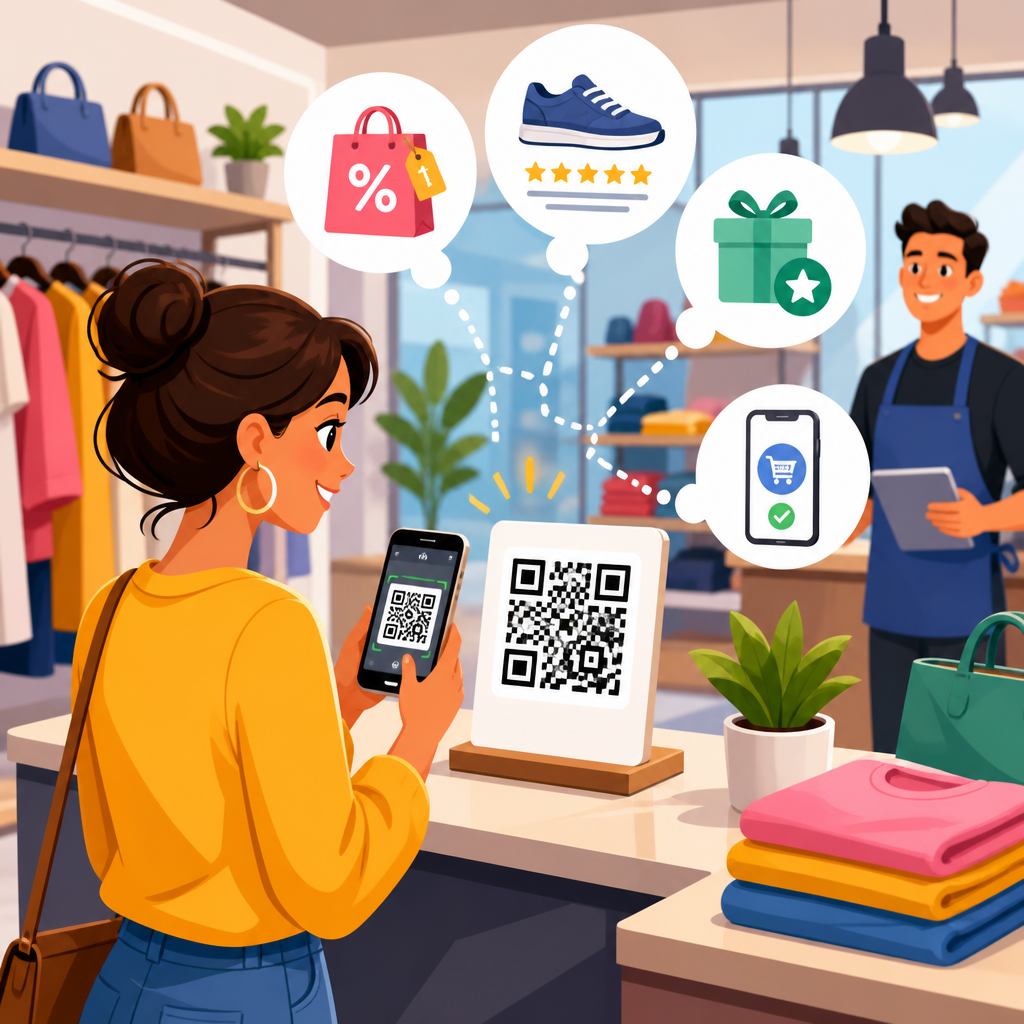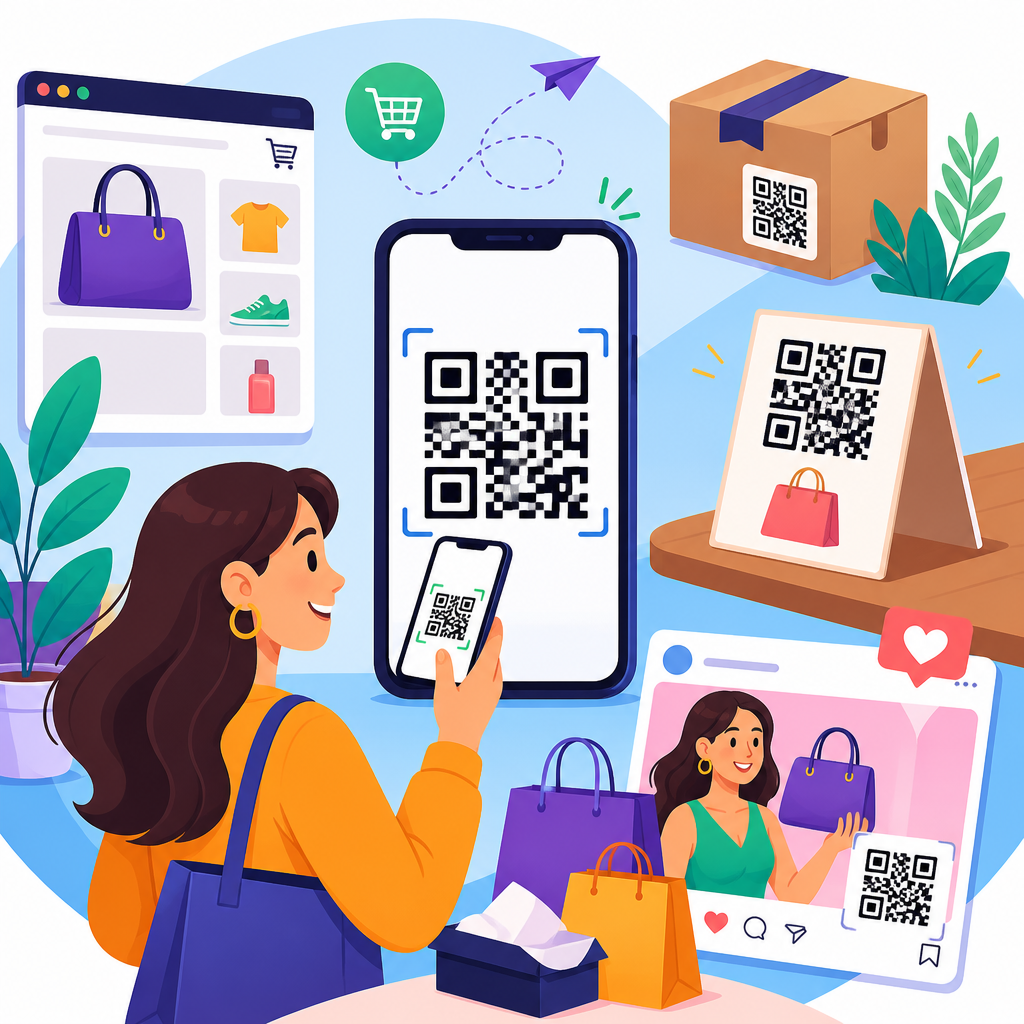
QR codes have become one of the most practical tools in omnichannel retail strategies because they connect physical stores, packaging, print media, and digital commerce with a single scan. In retail and e-commerce, an omnichannel strategy means giving shoppers one connected experience across in-store browsing, brand websites, mobile apps, marketplaces, email, social commerce, customer service, and post-purchase support. A QR code is a machine-readable matrix barcode that opens a digital destination such as a product page, coupon, app screen, payment flow, review form, loyalty account, or return portal. When retailers use QR codes well, they reduce friction, collect better first-party data, and move customers smoothly from discovery to purchase to retention.
I have worked with store teams, e-commerce managers, and packaging suppliers on QR deployments, and the same lesson repeats: the code itself is not the strategy. The strategy is the customer journey behind it. A shelf talker that opens real-time inventory is useful. A receipt code that launches a confusing generic homepage is not. That distinction matters because retail margins are tight, acquisition costs are high, and shoppers expect speed. According to multiple industry studies, smartphone adoption and camera-based scanning behavior have made QR interaction mainstream, especially after contactless commerce accelerated globally. Today, retailers use QR codes to bridge online and offline behavior, support buy online pick up in store programs, activate loyalty, simplify payments, power endless aisle experiences, and improve product transparency.
This hub explains how QR codes fit retail and e-commerce operations from merchandising to fulfillment. It also clarifies key terms that decision-makers often mix together. Static QR codes point to a fixed destination and cannot usually be changed after printing. Dynamic QR codes redirect through a managed short URL, letting teams update destinations, track scans, set expiration rules, and create market-specific experiences without reprinting materials. First-party data is information a retailer collects directly from customers through owned channels, such as account signups, loyalty interactions, and website behavior. Customer lifetime value is the projected revenue a shopper generates over time. These concepts matter because the best QR code programs are measurable, adaptable, and tied to retail outcomes such as conversion rate, basket size, repeat purchase rate, and return reduction.
For a retail and e-commerce organization, QR codes matter most when they solve a concrete customer problem. Shoppers want product details in aisle, easy access to reviews, fast checkout, convenient pickup instructions, and simple returns. Store associates want fewer dead-end questions and better visibility into products not stocked on site. E-commerce teams want attribution signals that connect catalogs, inserts, stores, and campaigns. Operations teams want fewer printed variations and better control of updates. A well-planned QR code system supports all of those goals at once, which is why it belongs at the center of omnichannel retail planning rather than at the edge as a novelty.
How QR codes connect in-store and digital retail journeys
The clearest retail use case for QR codes is turning every physical touchpoint into a digital entry point. In stores, codes can live on shelf labels, endcaps, fitting room signage, window displays, hangtags, product packaging, receipts, kiosks, and associate tablets. Online, the same campaigns can appear in email, social ads, direct mail, and order inserts. The destination should match shopper intent at that exact moment. On a shelf label, intent is product evaluation, so the code should open specifications, availability, reviews, size guides, or compatible accessories. On a receipt, intent is post-purchase support, so the code should lead to care instructions, setup videos, warranty registration, replenishment, or loyalty enrollment.
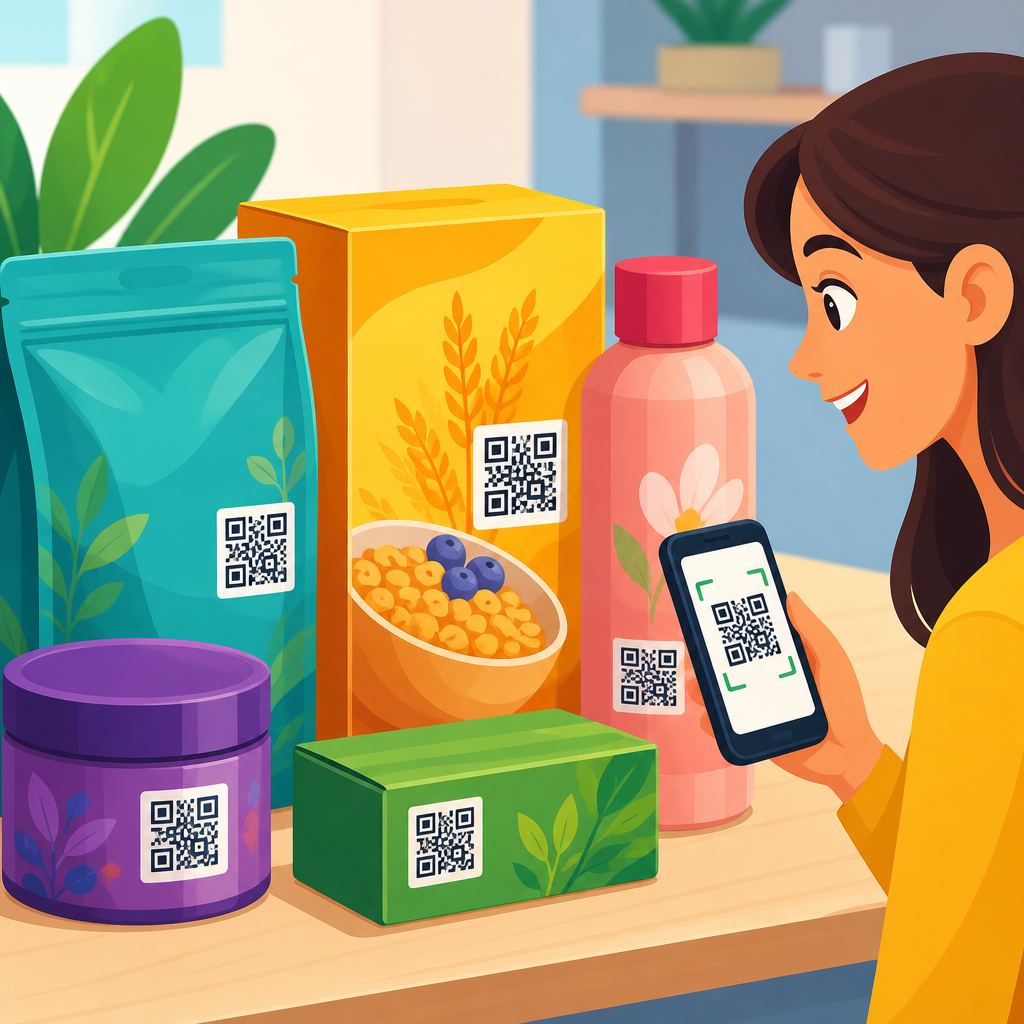
Retailers often describe this as closing the gap between browse and buy. A home improvement chain can place QR codes beside tools that open short installation videos and compatible part lists. A cosmetics brand can put codes on display testers that launch shade-matching tools and user-generated before-and-after galleries. A grocery retailer can add codes to private-label packaging linking to nutrition details, recipes, sourcing information, and replenishment subscriptions. In each case, the code removes a search step. That matters because every extra tap, search query, or page load lowers conversion. The strongest omnichannel programs map each scan location to a specific customer question, then answer it immediately.
Another important connection is inventory visibility. Endless aisle experiences depend on helping customers buy what the local store does not have. QR codes can link directly to a mobile product detail page showing nearby stock, shipping options, alternative colors, and pickup availability. If a medium jacket is out of stock in one location, the shopper can still buy it for home delivery or reserve it at another store. This preserves revenue that would otherwise be lost. It also supports store associates, who can use QR-enabled signage as a self-service extension rather than manually checking systems for every customer.
Core retail and e-commerce use cases that produce measurable value
QR codes create value when they support major retail workflows, not isolated experiments. The table below summarizes common use cases, where they appear, and the business outcome they usually influence most directly.
| Use case | Typical placement | Primary customer benefit | Main retail KPI affected |
|---|---|---|---|
| Product information | Shelf tags, packaging, hangtags | Instant specs, ingredients, care details, reviews | Conversion rate |
| Endless aisle | Store signage, associate devices | Order unavailable variants for delivery or pickup | Lost-sales recovery |
| Loyalty enrollment | Checkout, receipts, displays | Fast signup without typing a long URL | Member acquisition |
| Mobile payment | POS, self-checkout, pop-up retail | Faster contactless checkout | Checkout completion |
| Returns and exchanges | Packing slips, order emails, receipts | Self-service return initiation and status visibility | Return handling cost |
| Post-purchase support | Packaging, manuals, inserts | Setup help, FAQs, warranty, replenishment | Repeat purchase rate |
Product information is often the quickest win. Apparel retailers use QR codes to extend limited tag space with fabric composition, fit notes, sustainability claims, and model measurements. Beauty and health retailers use them to show ingredient disclosures, usage instructions, allergy guidance, and how-to videos. Consumer electronics brands use them for compatibility charts, setup walkthroughs, and firmware support. This reduces shopper uncertainty, one of the biggest drivers of abandonment both online and in store.
Loyalty and retention are equally important. A receipt or fitting-room QR code can open a prefilled loyalty signup flow tied to the transaction context, then enroll the shopper into points, digital receipts, reorder reminders, and personalized offers. Retailers that already have strong apps can deep link directly into membership wallets, saved carts, or referral programs. Post-purchase QR codes also help brands move from one-time sale to repeat relationship. A coffee subscription insert can trigger replenishment before the original purchase runs out. A footwear brand can link to care tips and accessory recommendations. Good omnichannel retail strategies treat the scan after purchase as seriously as the scan before purchase.
Designing QR code destinations that convert across channels
A QR code succeeds or fails based on the destination experience. In practice, many retail teams focus heavily on code placement and too little on what the shopper sees after scanning. The landing page must be mobile-first, fast, and tightly aligned to context. If the code sits next to a sofa in a store, the ideal destination is that sofa’s mobile product page with dimensions, delivery estimates, room photos, financing options, and reviews, not a generic furniture category page. Context matching is the highest leverage design choice in QR campaigns.
Dynamic QR codes are the preferred option for retail because campaigns change constantly. Prices change, products go out of stock, seasonal creative rotates, and legal text may need revision. Dynamic management lets teams update the target URL without pulling signs or reprinting packaging. It also enables routing logic. A retailer can direct scans by geography to the nearest storefront, by device to the app or mobile web, or by campaign to distinct promotional content. When I have audited underperforming programs, static codes linked to expired promotions are a common cause of failure. Retail environments are too fluid for rigid links on most customer-facing assets.
Landing pages should answer common buying questions above the fold: What is this item, how much does it cost, is it available, when can I get it, and why should I trust it. Include clear calls to action such as add to cart, check store stock, save to wishlist, compare options, or contact an associate. Use concise copy, compressed images, and structured product data where possible. Deep linking into retail apps can improve conversion for logged-in customers, but only if there is a graceful fallback to mobile web for non-app users. Accessibility also matters. The print should include a brief instruction and a human-readable fallback URL when appropriate.
Measurement, attribution, and operational governance
Retailers should measure QR codes as part of a channel system, not as isolated scan counts. Scans are only the starting signal. The real metrics are session quality, add-to-cart rate, store-to-web conversion, pickup selection, loyalty enrollment, repeat purchase, and assisted revenue. Use campaign parameters, event tracking, and product-level tagging so analytics platforms can distinguish shelf signage from packaging, direct mail, or receipts. In omnichannel environments, align QR tracking with commerce analytics, customer data platforms, and point-of-sale reporting. That is how you learn whether a store display generated e-commerce orders or whether an order insert increased second-purchase rate.
Operational governance is what keeps scale from becoming chaos. Establish naming conventions, ownership, approval workflows, destination standards, and retirement rules. Each code should have a documented purpose, location, destination, and KPI. Retail brands with hundreds of stores and thousands of SKUs need centralized control with local flexibility. For example, core packaging codes might be globally managed, while store event codes can be locally activated with approved templates. Use recognized QR management platforms that provide scan analytics, redirect controls, and access permissions. Teams also need print specifications covering minimum size, quiet zone, contrast, material finish, and placement angle because poor readability can destroy adoption even when strategy is sound.
Security and trust deserve equal attention. Customers are more willing to scan when the destination is clearly branded and the context is obvious. Avoid unlabeled codes. State what the scan will do, such as “View ingredients,” “Check store stock,” or “Start your return.” Use HTTPS destinations, monitor redirects, and limit access to editing controls. For regulated categories such as health products, food, alcohol, and children’s items, involve legal and compliance teams early so claims, disclosures, and age gates are handled correctly. A trustworthy retail experience increases scan rates and protects the brand.
Common mistakes and how leading retailers avoid them
The most common mistake is using QR codes where a simpler solution would work better. If a shopper only needs a price on a shelf edge, forcing a scan adds friction. QR codes should enhance, not replace, essential information. Another mistake is sending all scans to the homepage. That wastes intent and usually depresses conversion. A third mistake is poor physical execution: tiny codes, glossy surfaces, low contrast, curved packaging, or placement where shoppers cannot comfortably scan. Retail is a physical medium, so print production details matter as much as digital design.
Leading retailers avoid these issues by piloting with clear hypotheses. They test one use case at a time, such as fitting-room conversion, BOPIS instructions, or packaging-led replenishment. They compare scan-through rate, downstream conversion, and store feedback before scaling. They also train associates. When store staff understand the purpose of a code, they can guide hesitant customers and capture qualitative feedback that analytics miss. Over time, the best programs become part of the retail operating model: integrated with merchandising calendars, app strategy, customer service scripts, and packaging development.
For retail and e-commerce brands building a broader industry content hub, QR codes are a unifying mechanism across product discovery, transaction, fulfillment, and loyalty. They help stores behave more like digital channels and digital channels behave more like stores by carrying context wherever the customer moves. The benefit is not novelty; it is continuity. Start with journeys where customers already pause, question, or drop off, then design QR destinations that remove that friction. Measured and governed well, QR codes turn omnichannel retail strategies into practical customer experiences that drive conversion, retention, and operational efficiency. Audit your current touchpoints, identify the top three scan opportunities, and launch a pilot tied to revenue, service, or loyalty outcomes.
Frequently Asked Questions
1. Why are QR codes so effective in omnichannel retail strategies?
QR codes are highly effective in omnichannel retail because they create a direct bridge between offline touchpoints and digital experiences. A shopper can move from a store shelf, product package, catalog, window display, direct mail piece, or event sign to a mobile landing page, product detail page, app experience, loyalty program, or customer support flow in seconds. That simple transition removes friction and helps retailers connect channels that often feel separate to the customer.
In practice, this means QR codes can unify the retail journey. A customer might discover a product in-store, scan to read reviews, check real-time inventory, save the item to a wishlist, and complete the purchase later through a website or app. Another shopper may scan packaging after delivery to access setup instructions, reordering options, warranty registration, or personalized recommendations. Because the same code-driven framework can be used across stores, print, packaging, email, and social campaigns, QR codes help brands deliver a more consistent and measurable customer experience.
They are also effective because they support convenience, speed, and data-driven optimization. Retailers can track scan activity, compare engagement across locations or campaigns, and refine landing pages based on customer behavior. When implemented well, QR codes do more than link to a webpage. They act as flexible conversion tools that support discovery, purchase, retention, and post-purchase engagement across the entire omnichannel ecosystem.
2. How can retailers use QR codes across physical and digital channels?
Retailers can use QR codes in almost every stage of the omnichannel customer journey. In physical stores, codes can be placed on shelf talkers, signage, product tags, fitting room displays, receipts, and point-of-sale materials. These codes can direct shoppers to detailed product information, customer reviews, color or size availability, care instructions, comparison guides, or mobile checkout pages. This is especially useful when shelf space is limited or when shoppers want more information before making a decision.
On packaging, QR codes can extend the relationship after purchase. A code on a box or label can open assembly videos, tutorials, ingredient sourcing details, style inspiration, refill options, subscription offers, user manuals, or support resources. In printed marketing materials such as catalogs, flyers, postcards, and magazine ads, QR codes can connect readers to featured collections, limited-time offers, store locators, or campaign-specific landing pages. This helps print become interactive rather than static.
Digitally, QR codes can also support channel transitions rather than just physical-to-digital use cases. For example, a website can display a QR code that lets desktop users continue browsing in the brand’s mobile app. Email campaigns can include codes that link to loyalty enrollment or in-store redemption pages. Social content and livestream commerce campaigns can feature scannable paths to product bundles or exclusive offers. Customer service teams can send QR codes for returns, troubleshooting, authentication, or reorder flows. The key is to match the code’s destination to the customer’s context so every scan feels useful, timely, and connected to the broader retail experience.
3. What are the best use cases for QR codes in retail and e-commerce?
Some of the strongest use cases for QR codes in retail and e-commerce are product discovery, enhanced merchandising, mobile conversion, loyalty engagement, and post-purchase support. In-store product discovery is one of the most common examples. A shopper sees an item on the shelf, scans the code, and instantly accesses videos, specifications, social proof, FAQs, and availability across nearby stores or online channels. This helps retailers sell beyond the limitations of shelf space and can prevent lost sales when an item variant is not available in that location.
Another major use case is frictionless commerce. QR codes can take shoppers directly to a preloaded cart, a product page, a coupon redemption experience, or a mobile payment flow. This is useful for window shopping after store hours, buying from endcap displays, or reordering consumable products from home. Loyalty and retention are also important applications. Retailers can use QR codes to drive app downloads, rewards enrollment, member-exclusive content, digital receipts, referral programs, and personalized promotions tied to customer accounts.
Post-purchase experiences are often overlooked, but they are one of the most valuable places to use QR codes. A code on packaging or inside an order insert can connect customers to setup help, returns and exchanges, product registration, complementary items, care instructions, or review requests. This improves satisfaction and creates additional touchpoints after the sale. For brands focused on trust and transparency, QR codes can also support authentication, traceability, ingredient sourcing, and sustainability storytelling. The best use cases are the ones that clearly solve a customer need while supporting measurable retail outcomes such as conversion, average order value, repeat purchase rate, and service efficiency.
4. How should businesses implement QR codes to create a seamless customer experience?
Successful implementation starts with strategy, not just code generation. Businesses should first define the customer journey they want to improve. That could be helping in-store shoppers access richer product content, making it easier to reorder from packaging, connecting print campaigns to digital storefronts, or simplifying support after purchase. Once the objective is clear, each QR code should lead to a destination that is fast, mobile-optimized, relevant, and easy to act on. If a shopper scans a code and lands on a generic homepage, the experience feels disconnected. If the code opens a page designed specifically for that product, location, campaign, or lifecycle stage, the experience feels intentional and seamless.
It is also important to consider design, placement, and messaging. The code should be easy to scan, visually clear, and placed where customers naturally pause or look for information. Pairing the code with a short call to action such as “See sizes available online,” “Watch how it works,” or “Join rewards for 10% off” gives shoppers a reason to engage. Retailers should also ensure the destination page loads quickly, works well on all devices, and includes a clear next step such as buying, saving, signing up, or contacting support.
From an operational perspective, dynamic QR codes are often the best choice because they allow brands to update destinations without reprinting materials. They also support better analytics and campaign management. Businesses should track scan rates, conversion behavior, bounce rates, and downstream actions across channels. Integrating QR code campaigns with analytics platforms, CRM systems, loyalty tools, and inventory data can make the omnichannel experience more personalized and measurable. In short, the most effective QR code implementations are customer-centered, technically reliable, and tied to larger retail workflows rather than treated as isolated marketing add-ons.
5. What should retailers measure to know if QR codes are improving omnichannel performance?
Retailers should measure both engagement metrics and business outcomes. At the top of the funnel, scan volume, unique scans, scan location, device type, and time-of-day patterns can show where customers are interacting and which placements are getting attention. These metrics help identify whether a code on packaging performs better than one on shelf signage, or whether a catalog campaign drives more mobile engagement than an in-store display. However, scan data alone is not enough. The real value comes from understanding what happens after the scan.
That means tracking click-through behavior, time on landing page, add-to-cart actions, app downloads, account signups, coupon redemptions, loyalty enrollments, completed purchases, support deflection, and repeat orders. For in-store applications, retailers may also want to compare scans with assisted sales, foot traffic, and inventory outcomes. For post-purchase programs, useful metrics might include registration rates, tutorial completion, review submissions, reduced return volume, or increased reorder frequency. These downstream measurements reveal whether QR codes are actually enhancing the customer experience and contributing to revenue or operational efficiency.
Retailers should also evaluate QR codes in the context of broader omnichannel goals. For example, are shoppers moving more smoothly between store visits and online purchases? Are customer service inquiries dropping because packaging codes answer common questions? Are loyalty members engaging more often after scanning in-store prompts? The strongest measurement approach combines campaign-level analytics with customer journey insights. When retailers connect QR code performance to conversion, retention, and service metrics, they can see which experiences are worth scaling and where the omnichannel strategy can be improved.