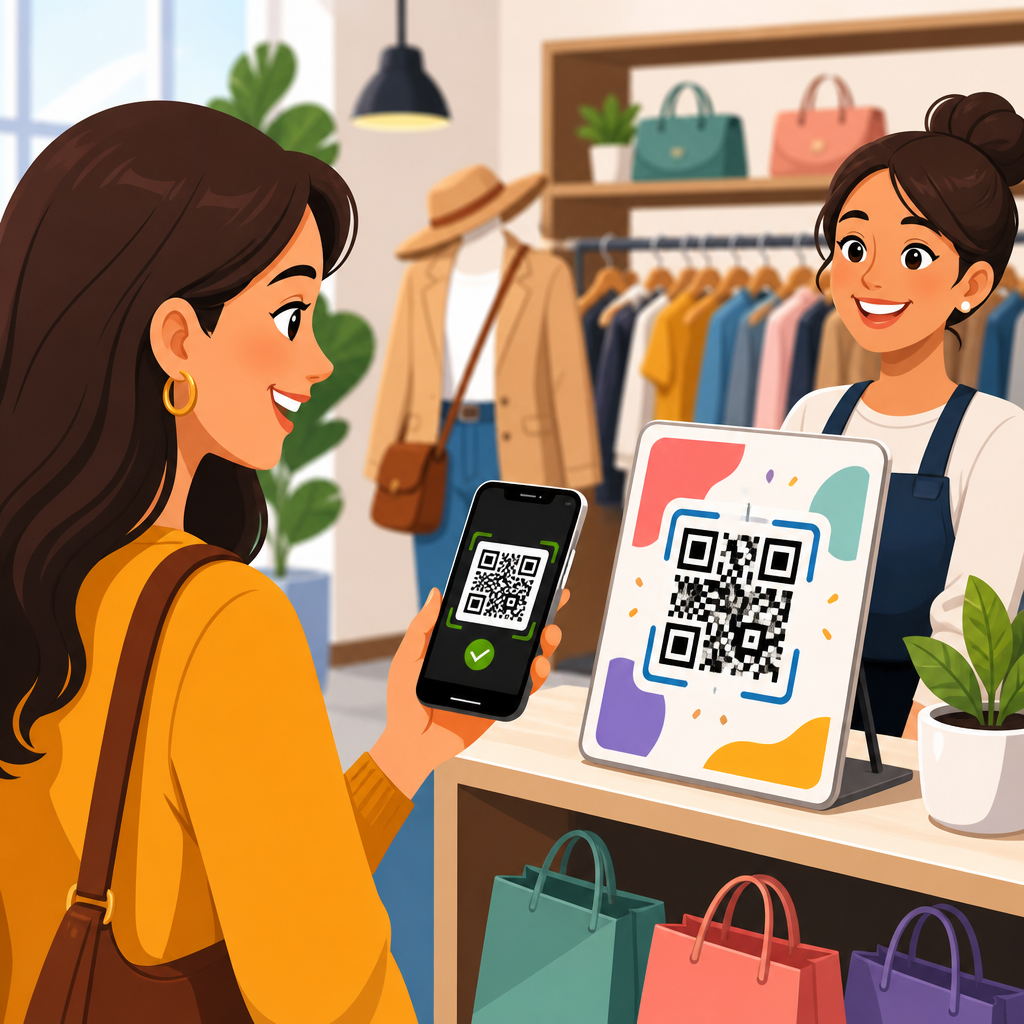
QR codes for event access control have moved from a convenient add-on to a core operating system for modern events, because organizers need faster entry, stronger fraud prevention, cleaner attendance data, and a better guest experience at every venue size. In practical terms, event access control means the process of verifying that a person has the right ticket, credential, or authorization level to enter a venue, zone, or session. A QR code is the machine-readable token that carries or references that authorization. When scanned at a gate, it can confirm validity in seconds, trigger check-in, update capacity counts, and create a digital audit trail.
I have implemented QR entry workflows for conferences, trade shows, fundraisers, training programs, and private corporate events, and the pattern is consistent: when access control is planned correctly, lines shorten, staffing pressure falls, and post-event reporting becomes far more useful. When it is planned poorly, the same technology creates bottlenecks, duplicate scans, and frustrated attendees. That is why this topic matters. Event teams are not simply choosing a code format; they are designing a system that touches ticketing, registration, security, venue operations, customer support, and analytics.
For the broader Events and Ticketing category, this hub article explains how QR codes support general admission, reserved seating, VIP credentials, multi-day badges, exhibitor passes, volunteer access, and session-level entry. It also sets the foundation for related topics such as QR code ticket design, mobile check-in, anti-counterfeiting controls, badge printing, lead retrieval, sponsor activations, and attendance tracking. If you need one page that explains how QR codes fit into event operations from planning through reporting, this is that page.
The key principle is simple: the QR code itself is only one component. Reliable event access control depends on the full workflow behind it, including data structure, scanner hardware, offline rules, staff training, reissue procedures, and privacy safeguards. Organizers that understand those moving parts can scale from a 100-person workshop to a 50,000-attendee festival without changing the core logic.
How QR codes work in event access control
At an event, a QR code usually represents a ticket ID, registration record, badge number, or encrypted token linked to a cloud database. The attendee receives that code by email, wallet pass, app, PDF ticket, or printed badge. At entry, staff use a handheld scanner, fixed turnstile reader, tablet camera, or smartphone app to read the code. The system then checks whether the credential is valid, unused, assigned to the right event date, and authorized for that gate or access tier.
There are two common validation models. In the first, the code contains a unique identifier that points to a live record in a ticketing or registration platform such as Eventbrite, Cvent, Bizzabo, Ticketmaster, Universe, or a custom event management system. In the second, the code contains signed data that can be validated locally, which is useful when internet connectivity is weak or intermittent. In both models, the best implementations prevent duplicate entry by marking the credential as redeemed after the first successful scan.
Static QR codes are rarely appropriate for secure ticketing because they do not change and are easy to copy. Dynamic or tokenized QR codes are stronger because the destination or validation payload can be managed centrally. Some platforms rotate tokens, limit scan windows, or bind the credential to a user account or device. For high-value events, I recommend layered controls: unique code issuance, real-time redemption status, ID checks for certain ticket classes, and exception workflows for transfers or lost phones.
Speed matters. A well-configured QR scan can complete in under a second, but throughput depends on screen brightness, ticket formatting, scanner quality, gate layout, and staff confidence. Poorly cropped PDFs, cracked phone screens, and low battery devices are common real-world obstacles. Experienced organizers prepare for these issues with charging stations, alphabetized will-call support, badge lookup by name, and manual override rules supervised by a lead check-in manager.
Why events and ticketing teams rely on QR-based entry
The most immediate benefit is faster admission. Compared with visual ticket inspection or printed guest lists, QR scans reduce manual decision-making and create a consistent validation process. At busy conferences, that consistency is the difference between a ten-minute queue and a forty-minute queue before the opening keynote. At stadiums and festivals, it helps distribute crowds safely and keeps gate operations predictable.
Fraud reduction is the second major driver. Screenshots, copied PDFs, and unauthorized badge sharing are persistent risks in events. A QR system that marks first use and rejects duplicates is far harder to abuse than a paper ticket checked by eye. That does not make fraud impossible, but it raises the control standard considerably. Pairing the scan with ticket transfer rules, purchaser identity data, and anomaly monitoring closes more gaps.
Operational visibility is equally valuable. Once every scan creates a timestamped record, organizers can track arrival curves, no-show rates, session popularity, re-entry volumes, and staffing needs by gate. Those records improve planning for future events and support sponsor reporting, fire code compliance, and attendee engagement analysis. For paid events, redemption data also helps reconcile revenue with attendance and detect leakage from comp misuse or unauthorized access.
QR-based access control also improves the attendee experience after entry. The same credential can be used for breakout sessions, meal eligibility, VIP lounges, expo hall access, or merchandise pickup. Instead of juggling separate paper vouchers, guests carry one scannable identity across the event. That continuity is especially useful in multi-day events where organizers want clean data on who attended which sessions and which benefits were actually used.
Core event access control use cases across the attendee journey
QR codes support far more than front-gate admission. In a standard event lifecycle, they begin at registration confirmation, continue through badge pickup or mobile ticket delivery, and stay active for every controlled touchpoint on site. General admission entry is the obvious use case, but event teams also use QR codes for staff credentials, backstage access, exhibitor hall entry, workshop check-in, transportation boarding, cashless entitlement verification, and post-event certificate issuance.
For conferences, the most common pattern is one master attendee credential linked to multiple rules. A full-conference pass may grant venue entry, keynote seating, breakout sessions, lunches, and networking receptions, while an expo-only pass may allow access only to the exhibit floor during set hours. The same scanner app can enforce those distinctions if the entitlement structure is configured correctly in advance. This is where event access control becomes a data design exercise, not just a scanning exercise.
Entertainment venues often apply QR codes differently. Concerts, sports events, and festivals prioritize high-speed gate throughput and anti-scalping protections. Reserved-seat tickets need section, row, and seat integrity. Multi-day festivals may issue one code per day, one rotating mobile code, or a wristband linked to a QR-enabled account. Corporate events, by contrast, often care more about identity assurance and zone-based permissions, especially when sensitive meetings, executive areas, or invite-only dinners are involved.
| Use case | How the QR code is used | Main operational benefit |
|---|---|---|
| General entry | Scanned at main gate against ticket record | Fast validation and duplicate prevention |
| Badge pickup | Scanned at registration desk to print badge | Shorter check-in lines and fewer lookup errors |
| Session attendance | Scanned at room entrance by staff or kiosks | Accurate capacity and CE tracking |
| VIP or backstage access | Scanned at restricted checkpoints | Controlled zone permissions |
| Exhibitor and staff credentials | Scanned for timed or role-based access | Better security and audit trails |
| Meal or perk redemption | Scanned to confirm entitlement status | Reduced misuse of benefits |
Because this page is the hub for Events and Ticketing, it should anchor deeper content on each of these workflows. A detailed article on QR codes for conference badge printing can expand on on-demand printers and kiosk design. Another on mobile ticketing can compare wallet passes, apps, and PDF attachments. A page on fraud prevention can address token rotation, screenshot resistance, and transfer governance. Together, those articles connect back to this central framework.
Implementation decisions that determine success on event day
The most important technical decision is whether your event can tolerate online-only validation. If cellular service is unreliable or venue Wi-Fi is congested, a scan app must support offline or cached redemption logic. Otherwise, a network outage turns your access control into a line-management crisis. In practice, I advise teams to test the venue under expected crowd conditions, not during a quiet site visit. A full lobby of attendees changes latency dramatically.
Scanner hardware is the next decision. Laser scanners, 2D imagers, tablet cameras, and phone cameras all read QR codes, but they do not perform equally in low light, glare, or high-volume environments. Dedicated 2D imagers generally outperform consumer phones at busy gates because they capture codes faster and from awkward angles. However, smartphone-based scanning works well for smaller events, roaming staff, and session rooms where portability matters more than maximum throughput.
Credential design also affects performance. Large, high-contrast codes scan faster than tiny codes buried in dense confirmation emails. Mobile tickets should display the code prominently, without requiring pinch-to-zoom or app navigation. Printed badges should avoid glossy finishes that create glare under lobby lighting. If attendees use digital tickets, instructions should tell them to increase screen brightness before reaching the gate. Those details sound minor, but at scale they materially change line speed.
Data hygiene is another overlooked factor. Duplicate attendee records, unclear transfer histories, and inconsistent ticket class naming lead directly to gate confusion. Before launch, export and audit the registration database. Confirm that every ticket type maps to the correct entitlement, every scanner profile has the right permissions, and every exception path is documented. The best-run events use a written access matrix that lists who can enter which area, on which days, under which conditions.
Staff training must be operational, not theoretical. Gate staff need to know what a valid scan looks like, what an invalid or already-used scan means, when to escalate, and how to handle edge cases calmly. Create scripts for common situations: dead phone, misspelled name, transferred ticket, duplicate credential, and VIP without visible code. Train one supervisor per zone to make fast decisions, because unresolved exceptions create line backups faster than scanner failures.
Security, privacy, and analytics considerations
Good QR code event access control balances convenience with security. At minimum, tickets should use unique identifiers, one-time redemption status, and secure transport over HTTPS. For premium events, add signed payloads, short token lifetimes, account authentication, or server-side risk checks. If counterfeit pressure is high, avoid embedding sensitive details directly in the code. A random token linked to secure backend data is safer than exposing attendee information in plain text.
Privacy matters because access systems can collect personal data, movement timestamps, and session attendance histories. Organizers should minimize unnecessary data in the QR code itself, publish clear privacy notices, and restrict staff access to only the information needed for entry decisions. If the event serves regulated sectors such as healthcare, finance, or education, legal review may be necessary to align credential workflows with contractual or regional privacy requirements.
Analytics are where the operational payoff becomes strategic. Scan logs can show peak arrival windows by minute, compare projected attendance with actual check-in, measure room utilization, and reveal which access benefits were underused. A conference organizer can use session scan data to decide whether a popular workshop needs a larger room next year. A festival operator can compare gate entry rates by lane to optimize staffing and signage. A sponsor team can quantify lounge visits tied to premium packages.
The limitation is that scan data is only as trustworthy as execution. If one session room stops scanning because staff consider it optional, the dataset becomes biased. If manual overrides are frequent and undocumented, attendance totals lose precision. Reliable analytics require disciplined scanning policies and clear definitions for what counts as entry, redemption, or attendance. When those standards are set before the event, QR access data becomes one of the most valuable assets in post-event reporting.
QR codes for event access control work best when organizers treat them as part of a complete event operations system rather than a simple ticket graphic. The strongest programs define credential types clearly, choose scanning tools that match venue conditions, prepare offline contingencies, and train staff around real edge cases. That approach improves speed at the gate, reduces fraud, supports privacy, and generates dependable attendance data for future planning.
As the hub for Events and Ticketing within QR code use cases by industry, this page establishes the core model: one scannable credential can power admission, permissions, redemptions, and reporting across nearly every event format. From conferences and trade shows to concerts, sports, festivals, and corporate gatherings, the principles remain consistent even as the operational details change. The more precisely the workflow is designed, the more value the code delivers beyond entry alone.
If you are building or upgrading an event access strategy, start by mapping your attendee journey, access tiers, scanner environment, and exception rules. Then connect this hub to deeper guides on badge printing, mobile ticketing, fraud prevention, session tracking, and sponsor activations so every part of the Events and Ticketing workflow uses QR codes with purpose.
Frequently Asked Questions
What are QR codes for event access control, and how do they work at check-in?
QR codes for event access control are scannable digital or printed codes used to verify whether a guest has the right ticket, credential, or permission to enter a venue, restricted area, or specific session. In practice, the QR code acts as the machine-readable token tied to a registration record, ticket ID, attendee profile, or access rule inside the event platform. When a guest arrives, staff use a scanner, tablet, phone, kiosk, or gate reader to scan the code. The system then checks the code against the event database to confirm whether it is valid, active, unused, and authorized for that location and time.
This process is much faster and more reliable than manually checking names on printed lists or visually inspecting badges. A properly configured QR access control system can instantly tell staff whether the ticket is genuine, whether the attendee has already checked in, whether they are entering the correct area, and whether their pass includes add-ons such as VIP lounges, workshops, backstage access, or multi-day admission. It can also trigger workflows such as printing badges, logging attendance, updating capacity counts, or alerting staff to exceptions.
For organizers, the biggest advantage is that QR codes turn entry management into a structured, trackable system instead of a loosely managed front-gate task. That means shorter lines, fewer human errors, better fraud prevention, and cleaner event data. For attendees, it creates a smoother experience because entry feels simple: present the code, get scanned, and move through the gate quickly. Whether the code is delivered by email, mobile wallet, event app, or printed confirmation, the goal is the same: fast and accurate verification with minimal friction.
Why are QR codes considered better than traditional event entry methods?
QR codes are often considered better than traditional entry methods because they improve speed, accuracy, security, and reporting all at once. Older methods such as paper guest lists, manually checked tickets, generic wristbands, or visually inspected badges can work for small gatherings, but they become inefficient and error-prone as attendance grows. Staff may miss duplicate names, overlook fake credentials, or create bottlenecks while searching records by hand. QR-based systems reduce those issues by automating verification in real time.
From an operations standpoint, one of the biggest benefits is faster throughput. A scanner can validate a QR code in seconds, allowing more people to enter with fewer delays. That matters not only at the main entrance, but also at breakout sessions, sponsor activations, VIP areas, and staff-only zones. Organizers can also assign specific access permissions to each code, making it much easier to enforce who can go where without relying on staff memory or inconsistent visual checks.
QR codes also offer stronger control over fraud and misuse. If each attendee receives a unique code, the system can detect duplicates, flag already-used entries, and block unauthorized sharing. That is much harder to manage with static paper tickets or non-serialized credentials. Beyond entry itself, QR systems generate valuable attendance data. Organizers can see when guests arrived, which entrances were busiest, how many people entered a session, and whether certain access tiers were fully utilized. That insight supports better staffing, tighter security planning, and smarter post-event analysis. In short, QR codes are not just a convenience feature; they provide a more scalable operating model for modern events.
How do QR codes help prevent ticket fraud, duplication, and unauthorized access?
QR codes help prevent ticket fraud by giving each ticket or credential a unique, trackable identity that can be validated against a live system. Instead of trusting that a printed document looks legitimate, staff can rely on a scan result that confirms whether the code matches an approved registration record. If someone attempts to use a copied screenshot, a duplicated printout, an altered pass, or a ticket that has already been redeemed, the system can flag it immediately. This creates a much stronger line of defense than visual inspection alone.
The real security value comes from how the QR code is connected to backend rules. A code can be limited to one-time use, assigned to a specific person, restricted to certain dates or sessions, and invalidated instantly if necessary. For example, if an attendee transfers a ticket through an approved workflow, the original code can be deactivated and replaced. If a pass is refunded, canceled, or reported compromised, the associated code can be blocked before arrival. Organizers can also configure role-based permissions so that a vendor, speaker, volunteer, media representative, and VIP each receive different access rights even if all are using the same scanning infrastructure.
That said, QR codes are most effective when used as part of a broader access control strategy. Best practices include secure ticket issuance, encrypted or randomized code generation, scan logging, real-time database syncing, trained entry staff, and clear exception handling procedures. Some events also pair QR validation with identity checks, badge photos, or on-site reprint controls for higher-security environments. The result is a system that does more than speed up entry; it actively reduces fraud opportunities, improves auditability, and helps ensure that only authorized people reach the spaces they are meant to access.
Can QR code event access control work for different venue sizes and multiple access levels?
Yes, QR code event access control is highly adaptable and works well for everything from small local gatherings to large conferences, festivals, trade shows, sports events, and multi-venue experiences. The reason is simple: the QR code itself is only the front-end credential, while the real intelligence lives in the event management system behind it. That system can be configured to support basic general admission, timed entry windows, seat-specific validation, multi-day passes, exhibitor credentials, crew access, press permissions, VIP upgrades, and session-level attendance tracking.
For small events, QR codes can streamline a simple one-door check-in process and eliminate the need for printed spreadsheets or manual guest lookups. For mid-size and large events, they become even more valuable because they help distribute attendees across multiple entrances, reduce congestion, and standardize verification across teams and locations. If a venue has separate entrances for sponsors, general admission, performers, and staff, the same technology can apply different rules to each group without creating confusion. Organizers can also use QR scans inside the event to control access to premium zones, meal functions, networking events, workshops, or invite-only activations.
This flexibility is especially important when managing layered permissions. A single attendee might have access to the main event on all days, plus a paid workshop, a VIP lounge, and one evening reception. Rather than issuing multiple paper documents, one QR-based credential can carry all those permissions. When scanned at each point, the system decides whether entry should be allowed based on the attendee’s profile and the location being accessed. That reduces administrative complexity, improves the guest experience, and gives organizers more precise control over space usage and capacity. In other words, QR codes scale well not just because they are easy to scan, but because they support sophisticated access logic behind the scenes.
What should event organizers look for when choosing a QR code access control system?
When choosing a QR code access control system, organizers should start with reliability and operational fit. The platform must be able to generate unique codes, validate them quickly, and support the event’s actual check-in environment, whether that means handheld scanners, mobile devices, self-service kiosks, badge printers, or fixed entry gates. Speed matters, especially during peak arrival windows, but so does resilience. Organizers should ask how the system performs under high scan volume, whether it supports offline or low-connectivity scenarios, and how quickly data syncs across entry points.
Security and rule flexibility should be next on the checklist. A strong system should support one-time validation, duplicate scan detection, credential revocation, zone-based permissions, session access control, and detailed user logs. If the event includes multiple ticket types or restricted areas, the software should make it easy to assign and enforce those rules without requiring staff to improvise at the gate. Integration capabilities are also important. The best results usually come when QR access control is connected to registration, ticketing, CRM, payment, badge printing, and reporting systems so that attendee information remains accurate and current from purchase through on-site entry.
Organizers should also evaluate the reporting and guest experience side. A good system should provide real-time visibility into attendance counts, entry times, no-shows, zone traffic, and scan exceptions. That data is valuable not only for live operations but also for post-event planning and sponsor reporting. On the attendee side, delivery options matter: guests should be able to receive and present their QR code easily through email, mobile wallet, event app, or print. Finally, support and usability are critical. Even the most feature-rich platform can fail operationally if staff cannot learn it quickly or if on-site troubleshooting is weak. The right QR code access control system is the one that combines secure validation, flexible permissions, strong reporting, and a smooth check-in experience for both organizers and attendees.