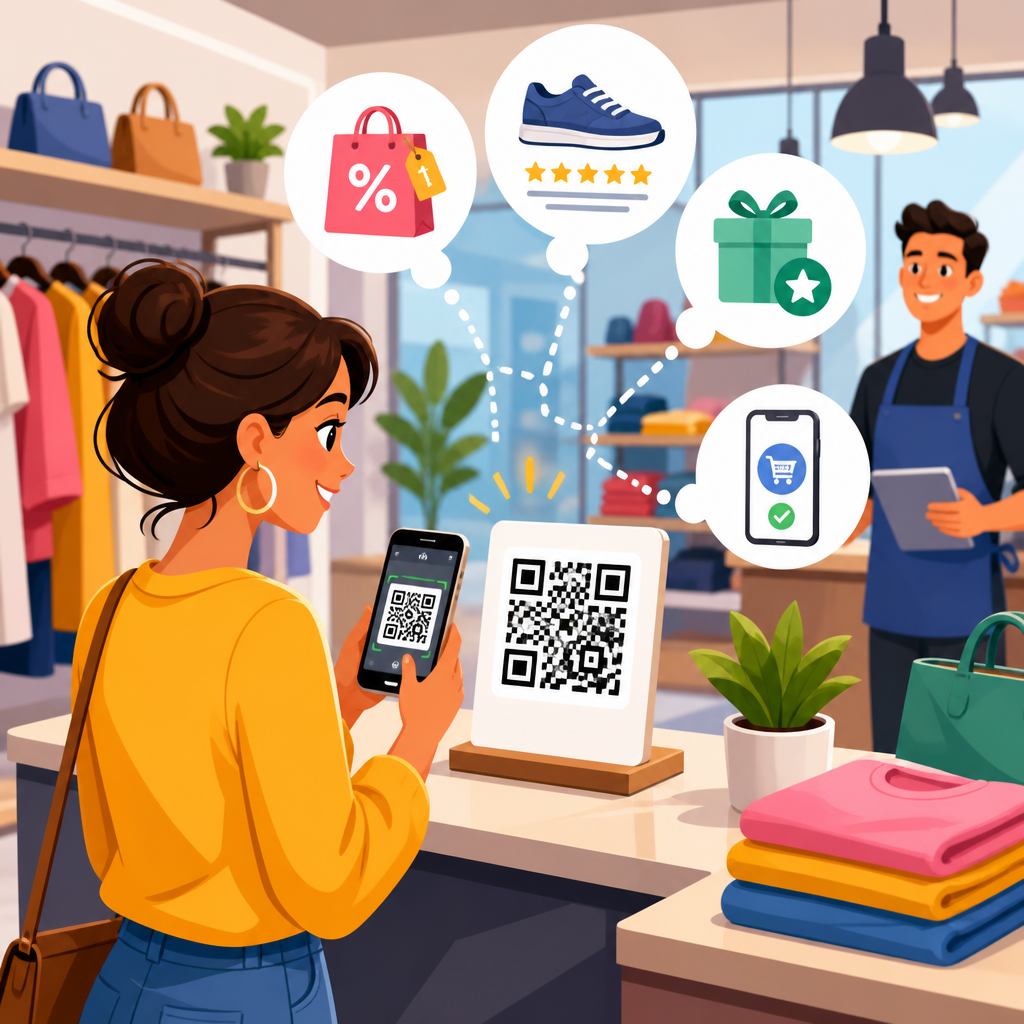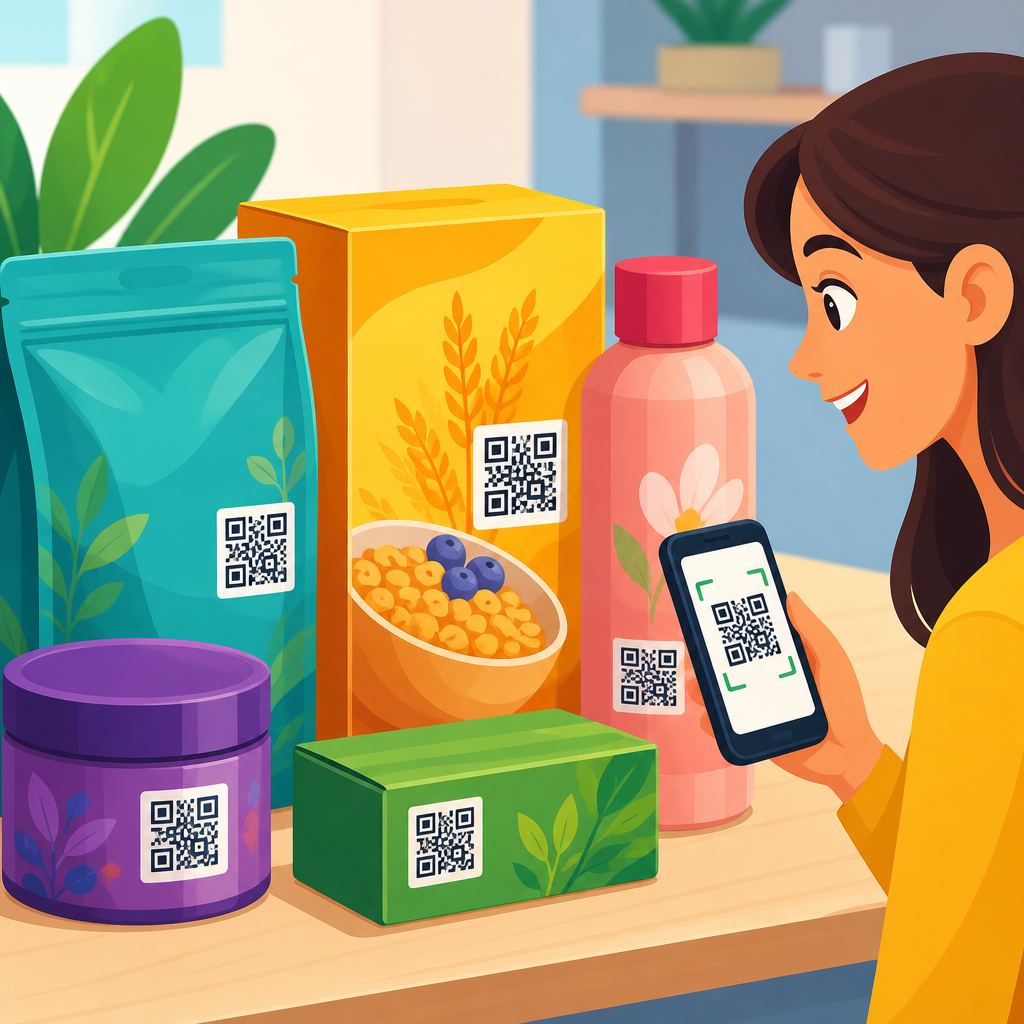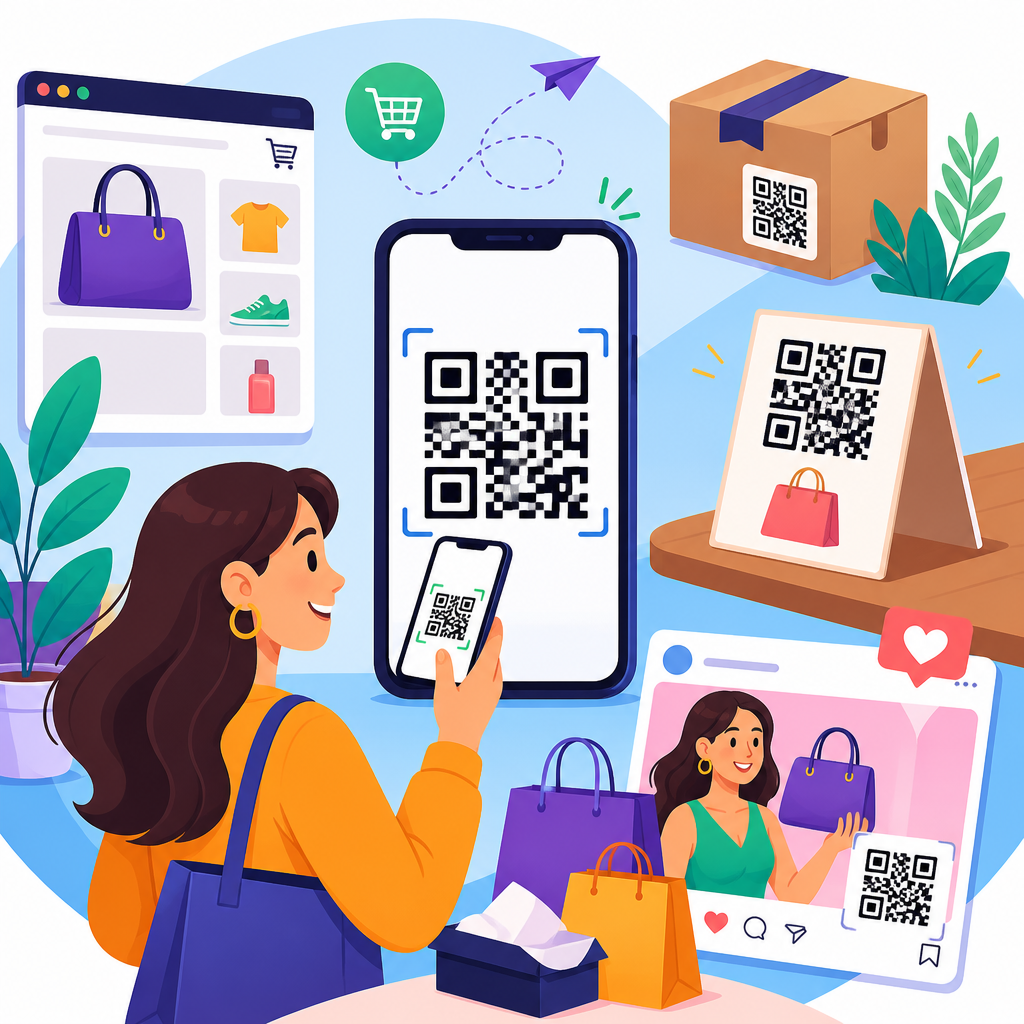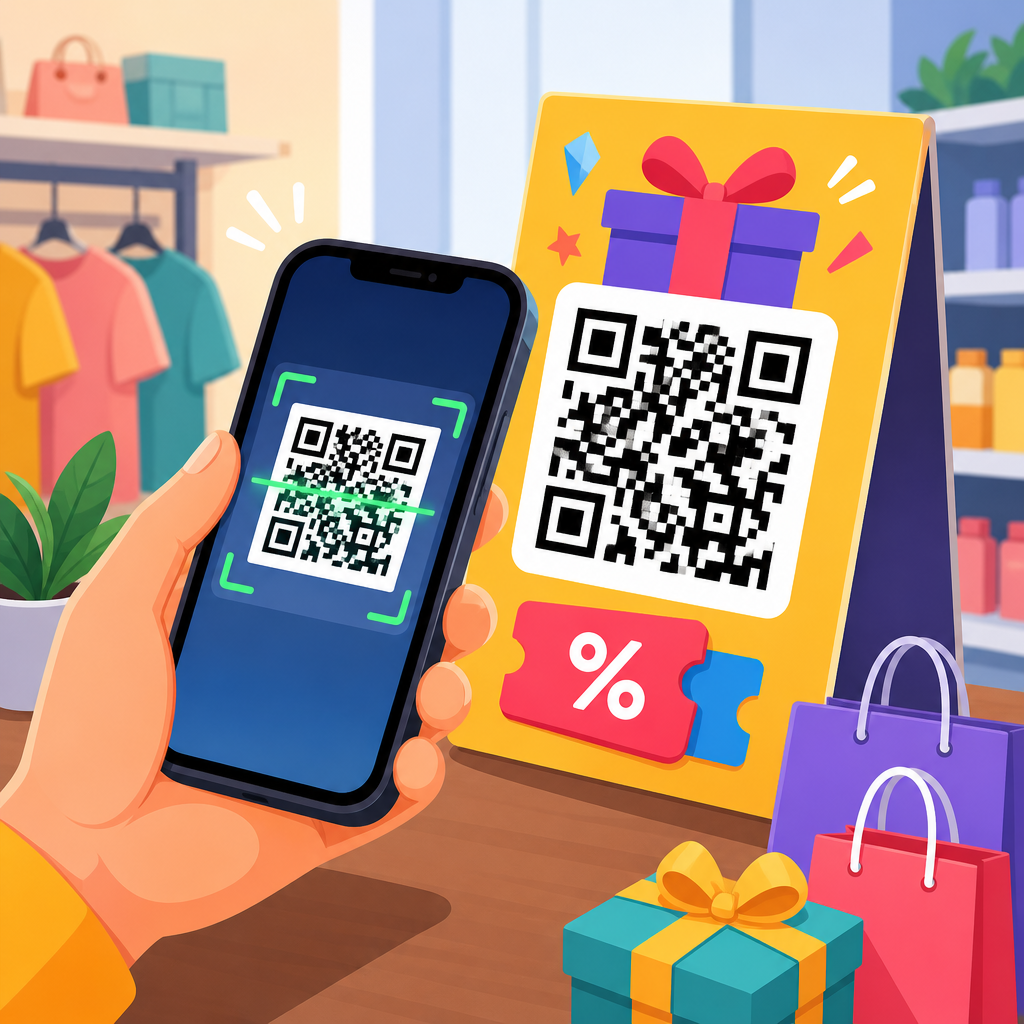
QR codes for discounts and coupons have become one of the most practical tools in retail and e-commerce because they connect a shopper’s interest to a measurable action in seconds. A QR code is a scannable two-dimensional barcode that opens a landing page, applies a coupon, reveals a one-time offer, or triggers an app-based promotion. In retail, that means a shelf tag can deliver a limited-time discount without printing new signage. In e-commerce, it means packaging inserts, abandoned-cart mailers, or social ads can send customers directly to a preloaded offer. I have implemented these campaigns for store launches, seasonal promotions, and loyalty programs, and the pattern is consistent: when the code leads to a relevant, low-friction offer, redemption rises and attribution improves.
Discount and coupon QR codes matter because modern shoppers move between physical and digital channels constantly. They browse in store, compare prices on mobile, and complete purchases online later. Traditional coupon distribution often breaks in that journey. Paper coupons are lost, promo codes are mistyped, and generic landing pages create drop-off. QR codes reduce those problems by carrying the user straight to a targeted destination. They also provide campaign data that retailers need, including scans by location, device, time of day, and conversion path when analytics are configured correctly. For brands managing omnichannel marketing, that visibility is not a nice extra; it is a requirement for improving return on ad spend and protecting margin.
As a hub topic within retail and e-commerce, QR codes for discounts and coupons cover more than simple price cuts. They support new-customer acquisition, loyalty enrollment, in-store product education, win-back campaigns, affiliate distribution, coupon validation, and post-purchase upselling. Key terms are worth defining clearly. A static QR code points to a fixed destination and cannot be edited after printing. A dynamic QR code uses a short redirect URL, allowing teams to change the destination, track scans, and pause campaigns without replacing creative. A single-use coupon typically expires after one redemption, while a multi-use code can be shared broadly for reach. The best strategy depends on margin, fraud risk, and whether the goal is scale, segmentation, or retention.
The reason this topic deserves a dedicated retail and e-commerce hub is simple: QR coupon execution affects operations, customer experience, merchandising, analytics, and compliance at the same time. A discount that seems clever in a creative review can fail at the register, create channel conflict, or train customers to wait for deals. Done well, though, QR promotions can lift conversion while preserving brand control. The rest of this guide explains where QR discount campaigns work best, how to structure them, what technologies matter, and which measurement practices separate a novelty from a profitable promotion.
Where QR Codes Fit in Retail and E-commerce Promotions
QR codes work best when they remove steps from redemption. In stores, common placements include shelf talkers, endcaps, window decals, fitting rooms, receipts, packaging, and point-of-sale displays. A beauty retailer, for example, can place a QR code beside a new skincare line that opens a mobile page with ingredient details and a same-day 15 percent offer if the shopper joins the loyalty program. That pairing matters. The code is not asking for an abstract action; it resolves uncertainty and gives a reason to buy now. Grocery chains use similar tactics for private-label launches, often linking codes on aisle signage to digital coupons clipped into the customer account.
In e-commerce, QR discounts extend beyond the website itself. Brands place codes on direct mail, product inserts, event signage, influencer cards, catalogs, and even delivery packaging. A home goods store can include a QR code in every shipped box that unlocks 10 percent off complementary items within fourteen days. Because the shopper has already purchased, the offer functions as a timed cross-sell rather than a broad discount. Fashion brands also use QR codes in return parcels to offer exchanges with an incentive, reducing refund rates. In practice, these campaigns outperform generic email blasts because the message reaches the customer at a moment of high intent.
The omnichannel value is especially strong for retailers with both stores and a web shop. A code scanned in store can open a save-to-wallet coupon redeemable online later, preserving the sale when inventory is missing locally. Conversely, an email or postcard can drive shoppers into stores with a location-aware offer. Major chains have trained customers to expect this fluid movement. Target, Walmart, Sephora, and Best Buy all rely on tightly connected app, web, and store journeys, even when the QR code itself is only one touchpoint in a larger flow.
How to Structure High-Performing QR Coupon Campaigns
The highest-performing QR code discount campaigns start with a narrow objective. Retailers usually choose among four primary goals: acquire a new customer, increase average order value, accelerate first purchase, or re-engage a lapsed buyer. Each goal requires a different offer design. New customer acquisition often uses a percentage discount with a minimum order threshold. Average order value campaigns do better with tiered incentives such as spend $75, save $10 or spend $150, save $25. Re-engagement promotions frequently work better with a category-specific incentive tied to prior purchase behavior than with a blanket code.
Offer clarity determines redemption. Shoppers should know exactly what they get, when it expires, and where it works before scanning. Ambiguity destroys trust and increases abandonment. The landing page should repeat the headline offer, show eligible products, and apply the discount automatically whenever possible. On mobile checkout, every extra field reduces completion rate, so auto-applied promotions consistently beat manual code entry. If account creation is required, explain the value plainly, such as points, free shipping eligibility, or access to member pricing. Hidden conditions create customer service costs that often wipe out campaign gains.
Segmentation is where QR codes become substantially more valuable than print coupons alone. A dynamic code can route different audiences to different destinations based on source, geography, or campaign creative. A mall storefront code may lead to a local inventory page, while the same seasonal creative in a magazine sends users to a national collection page. Retailers using customer data platforms and marketing automation tools such as Klaviyo, Salesforce Marketing Cloud, HubSpot, or Braze can also align QR offers with lifecycle stages. Someone who abandoned a cart can receive a stronger incentive than an active loyalty member who already buys at full price.
| Campaign goal | Best QR offer format | Typical placement | Main KPI |
|---|---|---|---|
| New customer acquisition | 10% to 20% off first purchase with threshold | Window signage, direct mail, paid social | First-order conversion rate |
| Average order value growth | Tiered discount or bundle coupon | Product pages, package inserts, checkout displays | Average order value |
| Loyalty enrollment | Instant reward after signup | Receipts, shelf tags, in-store displays | Member signup rate |
| Win-back | Category-specific comeback offer | Email postcards, shipped orders, SMS-linked print | Reactivation rate |
Testing should be continuous. In my experience, retailers often focus too heavily on the QR code design and not enough on the economics of the offer itself. The better tests compare threshold levels, expiry windows, landing page formats, and redemption channels. For instance, a sporting goods retailer may learn that a 15 percent discount valid for seventy-two hours beats a 20 percent discount valid for thirty days because urgency reduces delayed comparison shopping. The code is the delivery mechanism; the profit comes from disciplined merchandising and measurement.
Technical Setup, Tracking, and Redemption Control
Dynamic QR codes are the standard choice for serious retail and e-commerce coupon campaigns because they support editing, scan analytics, and governance. Platforms such as Bitly, Beaconstac, QR Code Generator Pro, Flowcode, and Uniqode allow marketers to create branded short links, monitor scans, and swap destinations without reprinting assets. For stores running regional campaigns, dynamic routing is essential. If a promotion ends early because inventory sold through, the destination can be updated to a waitlist or alternate product page immediately.
Analytics must be configured before launch. At minimum, every QR destination URL should include consistent UTM parameters so traffic appears correctly in Google Analytics 4, Adobe Analytics, or the retailer’s attribution platform. Teams should distinguish scan volume from qualified sessions, coupon reveals, add-to-cart events, and completed purchases. Point-of-sale integration matters just as much for in-store redemption. If the register cannot validate the offer quickly, lines grow and associates begin overriding rules manually. Strong execution uses barcode-compatible coupon IDs, promotion engines in Shopify, Adobe Commerce, Salesforce Commerce Cloud, or custom POS middleware, and clear cashier prompts.
Fraud prevention deserves attention because coupon leakage spreads fast. Screenshots, affiliate abuse, unauthorized coupon sites, and repeated use of public offers can erode margin. Retailers control this by using single-use codes, account-bound offers, short expiration windows, geofenced redirects for store campaigns, and server-side validation at checkout. Another useful safeguard is channel-specific serialization, where each print batch or partner placement gets a distinct redemption pattern. When misuse appears, teams can identify the source quickly. The tradeoff is complexity, but for high-volume promotions or premium brands, the control is worth it.
Mobile experience is nonnegotiable. Most QR scans happen on smartphones, so the landing page must load fast, respect Core Web Vitals, and minimize form friction. Coupon pages should support Apple Wallet or Google Wallet when relevant, especially for store redemption. Accessibility also matters. Good campaigns pair the QR image with a short URL and plain-language instruction so users are not excluded if scanning fails. That small step improves usability and reduces wasted impressions on printed materials.
Retail and E-commerce Use Cases That Deliver Measurable Results
Several use cases consistently justify investment. First is in-store assisted selling. A furniture retailer can place QR codes on floor displays that unlock a limited-time financing incentive or room-bundle discount while also opening product dimensions, delivery estimates, and reviews. This supports higher-consideration purchases where shoppers need confidence as much as savings. Second is packaging-based repeat purchase. Consumables brands, from coffee to supplements, use package QR codes to offer subscription discounts on the next order, turning one-time buyers into recurring customers.
Third is event and pop-up commerce. Temporary stores and trade show booths often lack the full infrastructure of permanent retail, but they still need measurable promotions. A QR code tied to a show-specific coupon lets the brand attribute later online sales to the event. Fourth is clearance and end-of-season sell-through. Rather than relabeling every item, retailers can deploy zone signage with QR-triggered markdown pages segmented by category or store cluster. This approach is especially helpful when inventory changes daily.
Fifth is post-purchase service recovery. If a shipment is delayed or an item arrives damaged, a support email or insert with a QR code can lead to a curated make-good offer. That is more strategic than issuing a flat refund because it preserves future revenue. I have seen this work particularly well in apparel and home goods, where replacement or complementary product offers feel relevant rather than transactional. The common thread across these use cases is convenience paired with clear value.
Common Mistakes and Best Practices for Sustainable Performance
The most common mistake is treating QR codes as the strategy rather than the channel. A code cannot rescue a weak offer, a confusing checkout, or poor inventory planning. Another frequent error is sending every scan to the homepage. Shoppers scan for immediacy. They expect a product page, a prefilled cart, or a coupon screen, not a navigation challenge. Brands also underestimate staff training. If associates do not understand the promotion terms or how redemption works, in-store campaigns break at the moment that matters most.
Best practice is to align merchandising, operations, and marketing before launch. Set redemption rules in plain language, verify POS behavior, test on multiple devices, and create fallback instructions. Use visual hierarchy in signage so the benefit is larger than the code itself. Keep expiration dates visible. Audit every campaign for margin impact, not just scan volume. Most importantly, build a learning loop. Review scan-to-purchase rates, by placement and audience, then refine the next round. Retailers that do this consistently turn QR codes for discounts and coupons from a tactical gimmick into a dependable acquisition and retention asset.
QR codes for discounts and coupons work because they match how people actually shop: across channels, on mobile, and with little patience for friction. In retail stores they shorten the path from discovery to redemption. In e-commerce they connect packaging, print, events, and post-purchase moments to measurable sales. When the setup is done correctly, dynamic QR codes improve attribution, support segmentation, and give teams the flexibility to change offers without reprinting materials. That combination of convenience and control is why they now sit at the center of many modern retail promotion strategies.
The strongest programs share a few traits. They use clear offers tied to a specific business goal. They send scanners to dedicated landing pages instead of generic destinations. They integrate with analytics, checkout, and point-of-sale systems so scans can be connected to revenue. They also account for fraud, mobile usability, and staff readiness. These operational details are not secondary. They determine whether a coupon campaign protects margin or quietly gives it away. Retailers that approach QR promotions with disciplined testing usually find improvements not only in redemption rate, but also in average order value, loyalty enrollment, and repeat purchase behavior.
As the hub for retail and e-commerce use cases, this topic points to a larger lesson: QR discount campaigns perform best when they are built as part of an omnichannel system, not as isolated creative. Start with one high-intent use case, such as package insert cross-sells or in-store loyalty signup offers, instrument it properly, and measure profit alongside conversion. Then expand into other placements and customer segments with confidence. If you want stronger coupon performance with better tracking and less friction, now is the time to audit your current promotions and build a smarter QR code program.
Frequently Asked Questions
How do QR codes make discounts and coupons easier to use for shoppers?
QR codes remove friction from the redemption process by letting shoppers move from interest to action in a single scan. Instead of asking someone to type in a long promo code, search for a coupon page, or remember an offer for later, a QR code can instantly open a landing page, apply a discount at checkout, reveal a limited-time coupon, or launch an app-based promotion. That convenience matters because the easier it is to redeem an offer, the more likely customers are to follow through. In a retail environment, a QR code on a shelf tag, endcap display, receipt, or in-store poster can deliver a real-time promotion without requiring new printed materials every time pricing changes. In e-commerce, QR codes on packaging inserts, abandoned-cart mailers, catalogs, and direct mail pieces can reconnect customers to a specific product or offer with almost no effort. The result is a smoother customer experience, faster redemption, and better campaign performance.
Where can businesses use QR codes for discounts and coupons most effectively?
Businesses can use QR codes across nearly every customer touchpoint, but they tend to perform best where purchase intent is already high. In physical retail, effective placements include shelf tags, product displays, checkout counters, window signage, menus, table tents, receipts, and loyalty program materials. These locations work well because they reach shoppers while they are actively considering a purchase. In e-commerce and omnichannel marketing, QR codes are especially useful on product packaging, shipping inserts, flyers, postcards, catalogs, email graphics, and re-engagement campaigns such as abandoned-cart mailers. For example, a brand can place a QR code inside a shipped order that unlocks a discount on a repeat purchase, encouraging retention after the first sale. Restaurants can use table QR codes for time-sensitive offers, while service businesses can use them on invoices or appointment reminders for referral or comeback discounts. The most effective use cases align the offer with the moment: a first-purchase discount for new shoppers, a bounce-back offer after checkout, or a limited-time incentive tied to a seasonal promotion.
What are the biggest benefits of using QR codes instead of traditional printed coupons?
QR codes offer businesses a level of speed, flexibility, and measurement that traditional printed coupons usually cannot match. One major advantage is that a QR code can connect directly to a digital experience, such as a coupon page, personalized landing page, mobile wallet offer, or app screen, which reduces the steps required to redeem the promotion. Another important benefit is agility. If a business uses dynamic QR codes, it can update the destination, change the offer, pause a campaign, or redirect traffic without reprinting every piece of signage or packaging. This makes QR-based promotions much more practical for flash sales, inventory-specific offers, and location-based campaigns. QR codes also improve tracking. Businesses can measure scans, time of engagement, device type, location trends, and downstream actions such as purchases or sign-ups, giving them clearer insight into what is working. Traditional coupons may tell you how many were redeemed, but QR codes can show how many people engaged and where they dropped off. In addition, QR codes can support one-time offers, unique redemptions, and segmented campaigns, helping brands reduce coupon misuse while delivering more relevant promotions.
How can businesses track the performance of QR code coupon campaigns?
Tracking starts with connecting each QR code to a specific campaign goal and destination. Businesses commonly use unique QR codes for different placements, audiences, products, or channels so they can see which touchpoints drive the most scans and conversions. For example, one code might be used on shelf signage, another on packaging inserts, and another in direct mail, even if all three promote a similar discount. When those codes direct users to tracked landing pages with analytics and campaign parameters, businesses can measure scan volume, click-through behavior, coupon activations, purchases, average order value, and repeat usage. Redemption data becomes even more valuable when it is tied to point-of-sale systems, e-commerce checkout flows, or CRM records. This helps answer practical questions such as which offer generated the highest conversion rate, which store location had the most engagement, or whether a time-limited promotion increased basket size. A strong campaign also looks beyond scans alone. High scan volume with low redemption may suggest the offer is attractive but the landing page or checkout experience is too complicated. In other words, QR code tracking gives businesses a clearer view of both customer interest and actual revenue impact.
What are the best practices for creating QR code discounts and coupons that actually convert?
The highest-converting QR code offers are simple, visible, and immediately valuable. First, the offer itself needs to be clear. Shoppers should know exactly what they get before they scan, whether that is 15% off, free shipping, a buy-one-get-one deal, loyalty points, or a limited-time bonus. Vague messaging lowers response rates. Second, the QR code should be placed where it is easy to notice and scan, with enough size, contrast, and surrounding space to work reliably across devices. Third, the destination should match the promise of the promotion. If the code advertises a discount, the landing page should present that offer right away rather than forcing the shopper to search for it. The redemption path should be short, mobile-friendly, and as automatic as possible. It also helps to include urgency, such as an expiration date or inventory limit, when appropriate. From a strategy standpoint, brands should test different offers, placements, and calls to action to learn what drives the strongest response. Finally, businesses should make sure the customer experience feels trustworthy and professional. Clear branding, secure pages, and transparent terms all increase confidence, which is essential when asking customers to scan and act quickly.