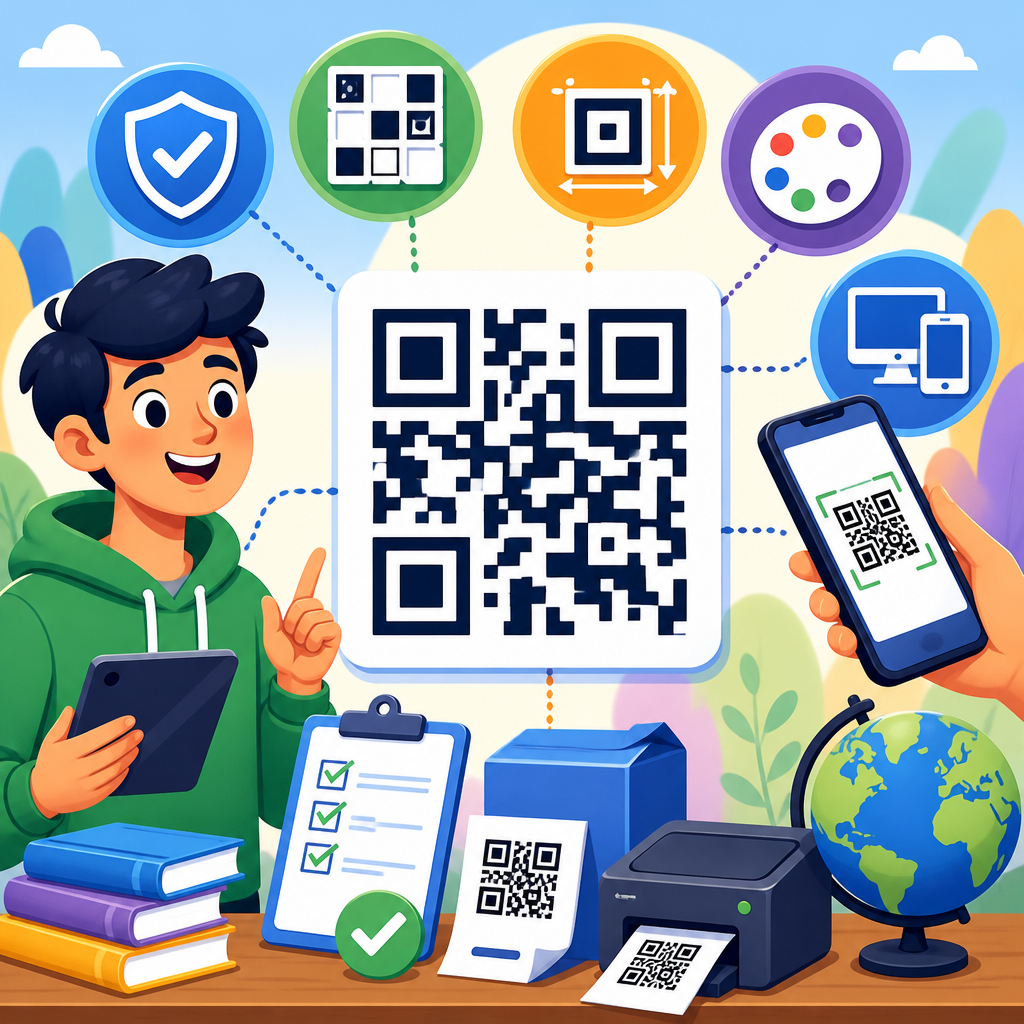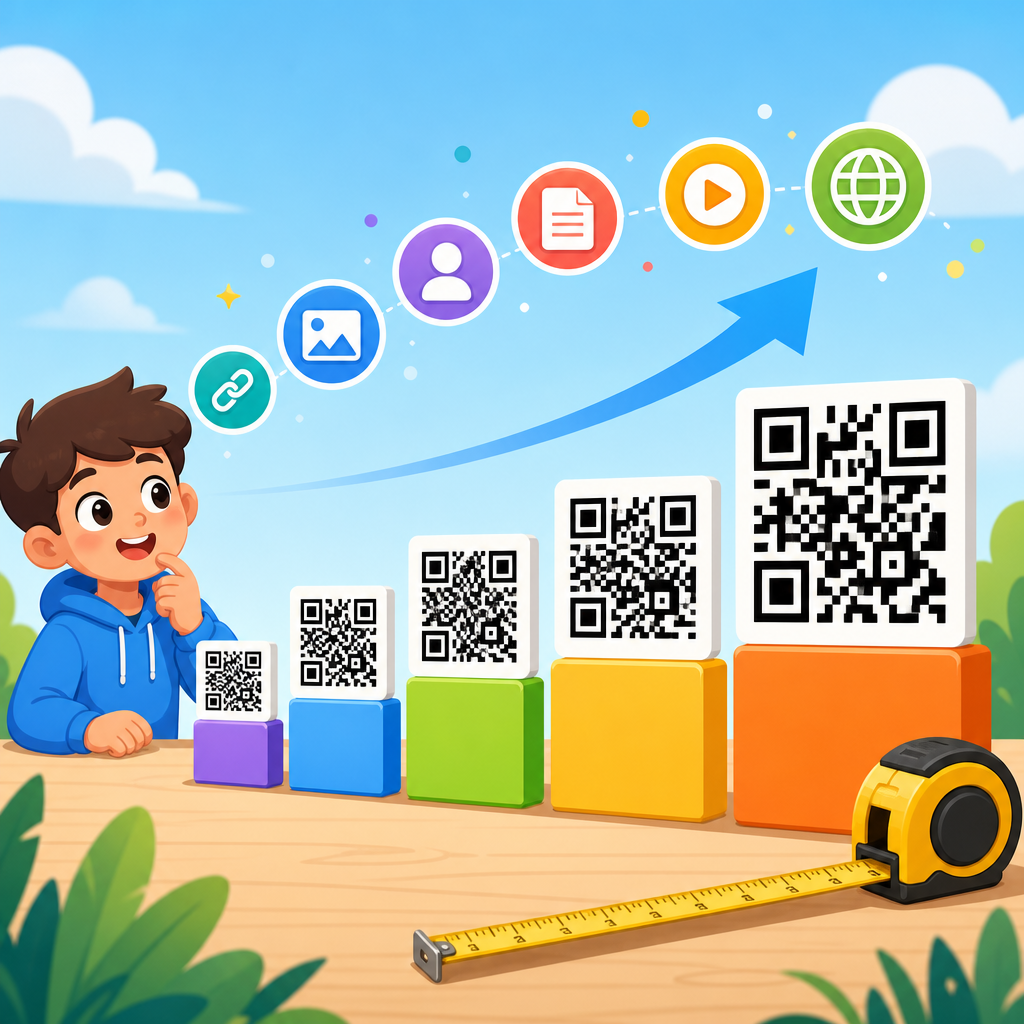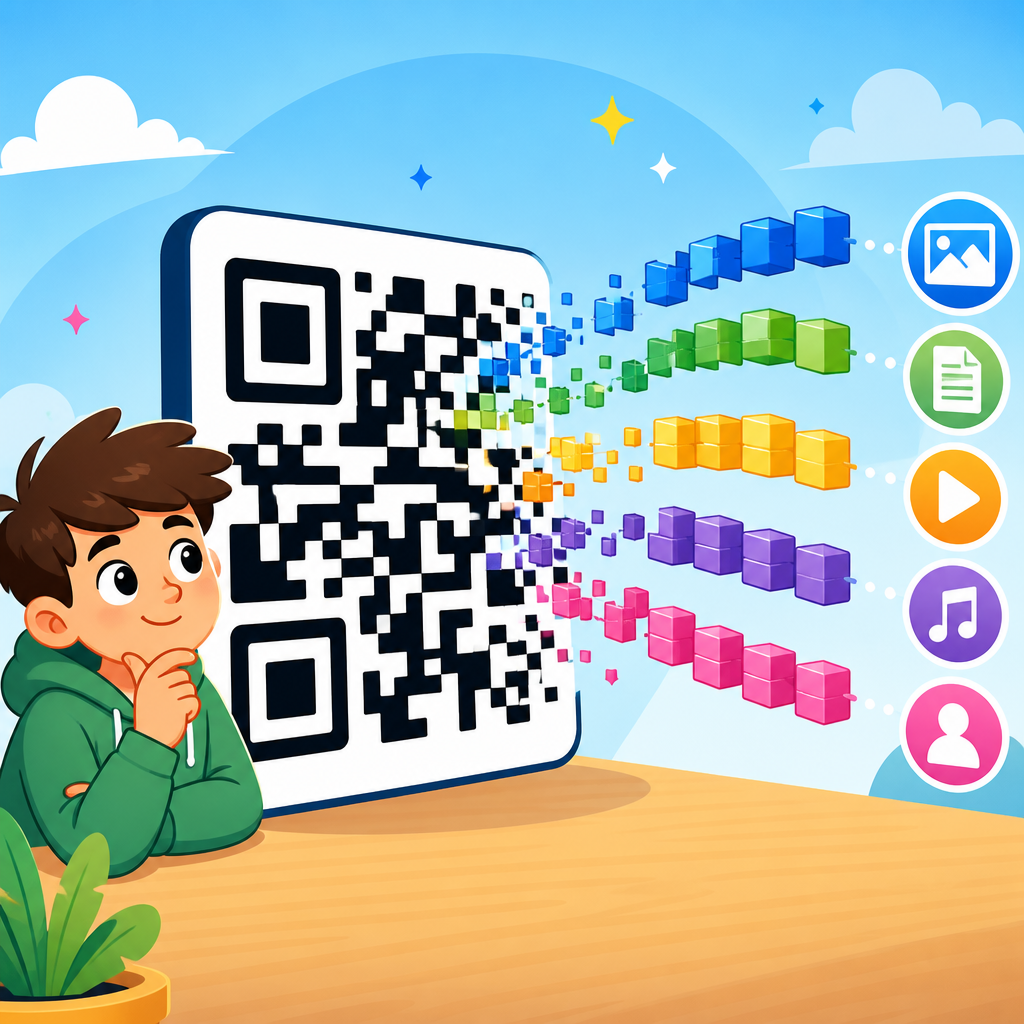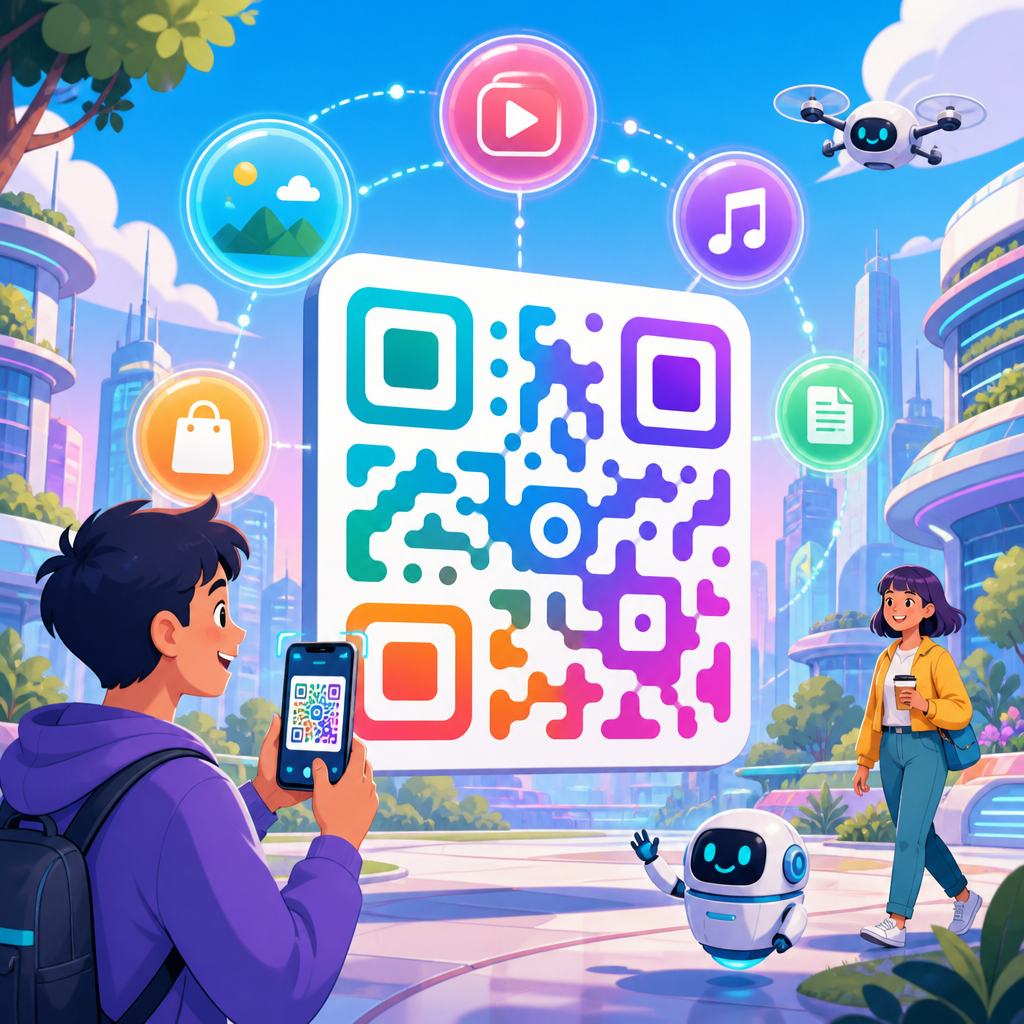
Next-generation QR codes are moving far beyond simple black-and-white squares that open a website, becoming programmable gateways for payments, identity, product intelligence, and real-time customer engagement. In this article, “next-generation QR codes” refers to the emerging class of QR experiences built on dynamic links, stronger security controls, richer design options, first-party analytics, and tighter integration with mobile wallets, retail systems, and connected products. The future of QR code technology matters because QR has become a universal interface layer: nearly every smartphone can scan it, businesses can deploy it cheaply, and users understand it without training. I have seen this shift firsthand in retail rollouts, event check-in systems, and packaging campaigns where a printed code became the bridge between physical touchpoints and digital workflows. What used to be a convenience feature is now infrastructure. As mobile commerce expands and privacy rules reshape digital marketing, QR codes offer an unusually resilient channel that works across print, screens, kiosks, and products without requiring a dedicated app.
The core reason this topic deserves attention is that the underlying expectations around QR are changing. Users now expect instant, secure, personalized outcomes after a scan. Brands want editability, attribution, and compliance. Operations teams want traceability across locations, batches, and assets. Regulators and payment networks want authentication and auditable records. That combination is pushing the market toward dynamic QR architectures, tokenized transactions, signed payloads, and context-aware destinations. It is also changing design practices: error correction, contrast, quiet zones, module styling, and scan-distance testing are no longer minor production details; they directly affect conversion and trust. For companies building under the broader QR Code Technology & Development umbrella, this hub topic connects product design, mobile UX, cybersecurity, packaging, point-of-sale modernization, and omnichannel measurement. Understanding where QR is heading helps teams make better choices now, whether they are selecting a generator platform, planning smart packaging, deploying contactless payments, or preparing for identity and authentication use cases that are rapidly moving into the mainstream.
From static codes to intelligent infrastructure
The first major change to expect is the continued shift from static QR codes to dynamic, managed QR infrastructure. A static code stores a fixed destination or payload and cannot be changed after printing. A dynamic code usually points to a short redirect URL or resolution service, allowing the destination, business logic, language, campaign rules, and analytics to be updated without replacing the printed asset. In practice, that single difference changes everything. A restaurant can update menus by time of day. A manufacturer can route users to product instructions by region. An event organizer can swap a registration page for a livestream after doors close. In my own project work, dynamic QR systems consistently outperform static deployments because they reduce reprint costs and preserve continuity when business requirements change mid-campaign.
Next-generation QR code platforms are also becoming more like content delivery systems than simple code generators. They support role-based access, expiration controls, geofencing, device detection, A/B testing, UTM tagging, and integrations with CRM, CDP, and marketing automation tools. This is why the future of QR code technology is not just about the symbol itself; it is about the management layer behind it. If a code can be created once and then governed over time, it becomes a long-lived asset. That matters on packaging, outdoor signage, field equipment, and product manuals where replacement cycles are slow and expensive. It also creates an internal linking advantage for broader digital ecosystems because one printed code can route to updated knowledge base pages, support portals, or account areas as content evolves.
Security, trust, and anti-fraud features will define adoption
Security is the issue that will most strongly shape how next-generation QR codes develop. QR phishing, malicious redirects, and code tampering are real risks because users often cannot inspect a destination before scanning. The response is not abandoning QR; it is adding verification layers. Expect broader use of branded scan landing pages, signed URLs, short-link domain governance, and cryptographic validation for high-trust environments. In payments and identity, tokenization and one-time-use payloads are especially important because they limit replay attacks and reduce the value of intercepted data. In regulated settings, audit logs and access controls are becoming standard requirements, not premium features.
Physical security matters too. On posters, parking meters, restaurant tables, and vending machines, fraudsters sometimes place a malicious sticker over a legitimate code. The best countermeasure is a combination of tamper-evident materials, visual brand cues, routine inspection, and destination confirmation on the landing page. For product authentication, brands are going further by linking each code to a serialized record in a product cloud or inventory system. When a consumer scans, the system can verify whether that individual item exists, whether the code has been scanned unusually often, and whether scan geography matches expected distribution. That approach is already common in pharma traceability, luxury goods, and premium alcohol, where anti-counterfeit protection directly affects revenue and safety.
Payments, identity, and wallets are expanding core use cases
One reason QR remains central to mobile interaction is that it solves expensive hardware problems with software. Merchant-presented QR payments can lower onboarding friction for small businesses, while customer-presented wallet codes can speed redemption, ticketing, and loyalty flows. The future of QR code technology in payments will likely involve more interoperable standards, stronger support for tokenized credentials, and smoother handoff between banking apps, merchant apps, and native wallets. EMVCo specifications have already provided a framework for QR-based payments, and markets in Asia and Latin America have shown how quickly standardized consumer behavior can scale when acceptance points are widespread.
Identity is the next major growth frontier. QR codes are already used for boarding passes, event tickets, visitor management, and two-factor login. The next generation adds signed credentials, revocation checks, and shorter-lived authorization windows. A practical example is workplace access: instead of printing reusable visitor badges with static barcodes, a company can issue a time-bound QR credential that updates in a mobile wallet and expires automatically after a scheduled visit. Healthcare also benefits, especially in patient intake, prescription pickup, and device instructions, where a secure QR can connect a person to the correct record or educational content without forcing manual search. The strength of QR here is not novelty; it is its compatibility with ordinary smartphone cameras and familiar user behavior.
Analytics, personalization, and first-party data will become standard
The future of QR code technology is deeply tied to measurement. Because privacy changes have reduced the reliability of third-party tracking, companies are investing more in first-party engagement channels they can control directly. QR codes are ideal for this when they are tied to consent-aware landing pages and clear value exchange. A packaged food brand can offer recipes, sourcing details, and loyalty enrollment after a scan. A B2B manufacturer can attach installation guides, warranty registration, and spare-parts ordering to machine labels. Each interaction produces operational and marketing insight without requiring invasive tracking methods.
Good QR analytics go beyond scan counts. Teams should evaluate unique users, repeat scans, location patterns, device types, conversion paths, bounce rate on the destination page, and downstream events such as sign-ups, purchases, or support deflection. Scan-to-session matching becomes especially useful when comparing in-store signage, direct mail, product packaging, and trade-show placements. In campaigns I have reviewed, the most valuable insight often came from identifying where users scanned but failed to convert, then fixing destination load speed, page hierarchy, or form length rather than altering the code itself.
| Capability | Traditional QR Use | Next-Generation QR Use | Business Impact |
|---|---|---|---|
| Destination control | Fixed URL or text | Dynamic routing by context, language, campaign, or inventory status | Lower reprint costs and higher relevance |
| Security | Minimal verification | Signed links, tokenization, expiration, tamper checks | Reduced fraud and stronger trust |
| Analytics | Basic scan totals | Event-level attribution, cohort analysis, conversion tracking | Clearer ROI and optimization |
| Design | Generic black-and-white symbol | Branded visuals tested for readability and accessibility | Better scan rates and brand recognition |
| Integration | Standalone campaign asset | Connected to CRM, POS, ERP, support, and wallet systems | Operational efficiency and personalization |
Design, accessibility, and scan performance will get more sophisticated
As QR usage matures, design quality is becoming a strategic performance variable. Many teams still assume that if a code looks visually acceptable, it will scan reliably. In production, that assumption fails often. Print substrate, glare, viewing angle, module density, quiet zone width, color contrast, and expected scan distance all affect performance. Advanced teams test codes under realistic conditions: on curved packaging, behind glass, on low-brightness digital displays, outdoors in sunlight, and at different camera qualities. Error correction can compensate for some logo insertion or stylized module shapes, but there is a tradeoff. The more decorative the code, the narrower the margin for poor lighting or damaged print.
Accessibility will also become more prominent. A QR code should not be the only path to essential information, especially for users with visual impairments, older devices, or limited connectivity. Clear call-to-action text, a short human-readable URL, high contrast, and sufficient placement size are baseline practices. On packaging and signage, explanatory text such as “Scan for ingredients and allergen details” or “Scan to verify this product” materially improves user confidence and intent. The future belongs to QR experiences that are obvious, inclusive, and fast. A code that technically scans but leaves users guessing why they should use it is underperforming.
Smart packaging, product lifecycle data, and connected experiences
Perhaps the most commercially significant development is the rise of QR-powered smart packaging. Brands increasingly want every package to function as a digital touchpoint across the full product lifecycle: discovery, education, purchase, onboarding, reordering, recycling, and support. A next-generation QR code can connect consumers to origin data, sustainability claims, lot-specific recalls, refill instructions, and personalized offers based on the exact item in hand. This is particularly important in food, cosmetics, electronics, and healthcare, where consumers want trusted information after the purchase, not just before it.
Industry initiatives are accelerating this shift. GS1 Digital Link has become especially important because it allows a barcode or QR identifier to resolve to web-based information in a standardized way. That means one product identity can support retailer systems, consumer experiences, and supply chain workflows simultaneously. For example, a skincare brand can use a standards-aligned QR to direct shoppers to usage instructions, authenticity verification, ingredient disclosures, and localized regulatory details without creating separate symbols for each function. Longer term, this creates a cleaner bridge between packaging, inventory systems, after-sales service, and circular economy programs such as refill, repair, resale, and recycling.
What businesses should do now to prepare
Organizations do not need to wait for a dramatic technological breakthrough to benefit from next-generation QR codes. The practical path starts with governance. Choose whether a code is static or dynamic based on expected lifespan, update frequency, and risk. Use a branded short domain you control. Document naming conventions, redirect ownership, and retirement policies. Test every code across devices and environments before launch. Connect scan events to analytics and business outcomes, not vanity metrics alone. If the use case involves payments, identity, health information, or product authentication, bring security and legal teams in early rather than treating QR as a simple marketing asset.
It also helps to map QR opportunities by journey stage. On-pack codes support education and retention. In-store signage supports conversion. Receipts support loyalty and reviews. Equipment labels support maintenance and service. Event badges support access control and networking. When teams evaluate QR this way, they stop asking whether QR is useful in general and start identifying where it reduces friction measurably. That is the clearest lesson from the market so far: the future of QR code technology will favor deployments that solve a precise operational or customer problem, then connect that solution to a managed digital system. Businesses that build on standards, security, and measurable user value now will be best positioned as QR becomes an even more important layer of everyday digital interaction. Review your current QR estate, identify one high-impact upgrade, and modernize it with dynamic control, testing, and analytics.
Frequently Asked Questions
1. What makes next-generation QR codes different from traditional QR codes?
Traditional QR codes are typically static: they encode one fixed destination, such as a website URL, and once they are printed, the destination cannot easily be changed. Next-generation QR codes are far more flexible because they are often powered by dynamic links and connected to cloud-based platforms. That means the same printed code can be updated behind the scenes to point to a new landing page, trigger a payment flow, launch a loyalty offer, verify a product, or deliver different experiences based on time, location, device type, or campaign rules.
Another major difference is intelligence. Instead of acting like a simple shortcut, next-generation QR codes can serve as programmable gateways into broader digital ecosystems. They can connect with mobile wallets, customer relationship management tools, retail systems, authentication services, and connected product platforms. This allows businesses to use a single scan to support use cases such as secure logins, personalized product content, event access, post-purchase support, and real-time engagement.
Design and branding are also evolving. Modern QR experiences increasingly include custom shapes, color treatments, embedded logos, and stronger visual integration with packaging, signage, and advertising. At the same time, businesses are paying closer attention to scan performance, accessibility, and trust signals so that a code is both attractive and easy to use. In short, the next generation of QR codes is defined by adaptability, security, analytics, and business system integration, not just by the code image itself.
2. How will next-generation QR codes improve security and trust?
Security is one of the biggest areas of innovation. Basic QR codes can be risky when users do not know where a scan will lead, which has created opportunities for phishing, malicious redirects, and code tampering. Next-generation QR systems are increasingly designed to reduce those risks through tighter destination control, domain verification, encrypted parameters, tokenized interactions, and account-level permissions that govern who can create or edit a code’s behavior.
Many advanced implementations also support secure authentication and verification use cases. For example, a QR code may generate a one-time session token for login, confirm a ticket’s authenticity, validate a product’s origin, or connect to a digital identity workflow without exposing unnecessary personal information. In payments, tokenization and wallet integration can help protect sensitive data while making transactions faster and more user-friendly.
Trust is not only technical; it is also about the user experience. Clear branded destinations, recognizable domains, short preview pages, and contextual prompts can reassure users that a scan is legitimate. Some organizations are also exploring anti-counterfeiting methods, such as item-level unique QR codes for serialized products, making it easier to verify authenticity and detect fraud. Over time, consumers will likely come to expect QR interactions that are transparent, branded, and secure by design rather than anonymous links with unknown destinations.
3. What kinds of experiences will next-generation QR codes enable for consumers and businesses?
The range of experiences is expanding quickly. For consumers, next-generation QR codes can unlock seamless journeys that start in the physical world and continue digitally with very little friction. A scan might open a product passport with sourcing information, care instructions, warranty registration, and reordering options. In retail, it could launch a personalized offer, add an item to a mobile wallet, connect to a buy-now-pay-later option, or pull up localized product details in the shopper’s preferred language. In events and travel, the same technology can support ticketing, access control, wayfinding, and real-time schedule updates.
For businesses, the value comes from making offline touchpoints measurable and interactive. Packaging, direct mail, in-store displays, restaurant tables, invoices, receipts, manuals, and even connected devices can become digital engagement channels. Brands can update campaigns without reprinting materials, run A/B tests on destinations, measure scan rates by geography or channel, and move users from first scan to purchase, support, registration, or loyalty enrollment within a single flow.
There is also a strong post-purchase opportunity. Instead of treating the sale as the end of the interaction, companies can use QR codes to continue the relationship with setup guides, tutorials, service reminders, refill programs, recycling instructions, and customer communities. This is one reason next-generation QR codes are attracting attention across commerce, healthcare, logistics, manufacturing, hospitality, and consumer goods: they transform static physical surfaces into persistent, updatable customer touchpoints.
4. Why are dynamic links and first-party analytics so important in the future of QR codes?
Dynamic links are foundational because they make QR codes manageable after they are deployed. With a static code, a mistake in the destination or a change in campaign strategy can create costly reprints and wasted distribution. With a dynamic setup, businesses can edit the destination, route users to different experiences, pause campaigns, or apply business rules without changing the printed code itself. That flexibility is especially valuable for long-lived assets such as product packaging, storefront materials, equipment labels, and printed marketing collateral.
First-party analytics are just as important because they help organizations understand how physical-world interactions drive digital outcomes. A modern QR platform can track when, where, and how often scans occur, what devices are used, which versions of a campaign perform best, and what actions users take after scanning. This data can support better decision-making across marketing, product management, support, and operations. It allows teams to optimize creative, improve placement, personalize experiences, and connect scan activity to broader business goals such as conversions, retention, or service efficiency.
Just as importantly, first-party data strategies are becoming more valuable in a privacy-conscious environment where businesses want stronger direct relationships with customers. QR codes can act as a permission-based bridge into those relationships when paired with transparent consent practices and useful experiences. In other words, dynamic links provide operational agility, while first-party analytics provide the feedback loop needed to make QR-driven experiences smarter, more relevant, and more accountable over time.
5. Should companies start preparing now for next-generation QR code adoption?
Yes, because the shift is already underway. Consumers are now highly familiar with scanning codes through native smartphone cameras, and many industries have moved beyond seeing QR as a temporary convenience tool. As mobile payments, digital identity, connected packaging, and omnichannel retail continue to grow, businesses that prepare early will be in a better position to create trusted, useful, and measurable scan experiences rather than rushing into fragmented deployments later.
Preparation should begin with strategy, not just design. Companies should identify where QR codes can remove friction or add value across the customer journey, from discovery and purchase to support and retention. They should also decide which use cases require dynamic management, what systems need to be integrated, how security and governance will be handled, and which metrics will define success. For some organizations, the first step may be upgrading from static codes to a centralized QR management platform. For others, it may be testing high-value applications such as wallet passes, product authentication, or interactive packaging.
It is also wise to establish best practices early. That includes clear branding, readable code design, mobile-optimized landing experiences, destination transparency, accessibility considerations, and internal controls for who can publish or modify code behavior. Companies that treat QR codes as strategic infrastructure rather than disposable graphics will be better equipped to adapt as the technology evolves. The next generation of QR codes is not simply about scanning faster; it is about building richer, safer, and more connected interactions between physical assets and digital experiences.