QR codes have moved from a novelty on posters and product boxes to a practical brand awareness tool that connects offline attention to digital engagement in seconds. A QR code, short for Quick Response code, is a two-dimensional barcode that a smartphone camera can scan to open a web page, video, app listing, form, coupon, menu, or other digital destination. For marketers, that simple action matters because it removes friction at the exact moment curiosity is highest. Instead of asking someone to remember a URL, search for a brand later, or type a long campaign code, the brand gives them an immediate next step.
Brand awareness is the process of making a target audience recognize, recall, and understand a brand. Strong awareness is not only about logo familiarity. It includes memory of your value proposition, visual identity, product category, tone, and trust signals. In my work on retail, event, and packaging campaigns, QR codes consistently perform best when they support this broader goal instead of acting as a gimmick. A code on a shelf talker, direct mail piece, or out-of-home ad should extend the brand story, not merely link to a homepage.
That distinction is why QR code marketing strategies deserve a dedicated plan. When used well, QR codes turn physical touchpoints into measurable media placements. They let marketers test creative, track regional interest, personalize landing pages, measure assisted conversions, and learn which real-world surfaces generate attention. They also create a bridge between upper-funnel channels such as print, packaging, storefront signage, trade shows, and television and lower-funnel destinations such as email signup pages, product explainers, or store locators. The result is a more complete view of how awareness campaigns influence behavior.
Effective QR code marketing starts with a few definitions. A static QR code points to fixed content and cannot be changed after printing. A dynamic QR code redirects through a managed link, so the destination can be updated later and scan analytics can be collected. Scan rate measures how often people scan relative to impressions or distribution volume. Landing page conversion rate measures what share of scanners complete the next desired action, such as watching a video, downloading a guide, or joining a loyalty program. These terms matter because awareness campaigns fail when teams judge success only by scan volume without asking what happened after the scan.
Another reason this topic matters now is consumer behavior. Smartphone scanning is mainstream, mobile browsing is dominant, and first-party data has become more valuable as privacy standards evolve. Brands need ways to earn attention directly and ethically. QR codes support that shift when they send people to relevant, mobile-first experiences and clearly explain what will happen after the scan. They are inexpensive to deploy, easy to test, and flexible across channels. For a brand building visibility in a crowded market, that combination makes QR codes one of the most practical tools in the modern awareness mix.
Build a QR code strategy around brand goals, not just scans
The first question is not where to place a QR code. It is what awareness outcome you want to create. In practice, I usually group goals into four buckets: recognition, recall, education, and community growth. Recognition campaigns put the brand in front of new audiences. Recall campaigns reinforce memory after an ad exposure or purchase. Education campaigns explain a product, category, or differentiator. Community growth campaigns turn casual interest into an owned audience through email, SMS, app installs, or social follows. Each goal changes the ideal landing page, call to action, and success metric.
A restaurant opening a second location might use window signage with a QR code linking to a short founder video and grand opening updates. That is an education and recall play. A skincare brand on retail packaging might link to ingredient explainers, dermatologist guidance, and before-and-after tutorials, which supports recognition and trust. A software company at a trade show might send scanners to a product comparison page and a webinar registration form, combining education with lead capture. The code itself is only the access point. The strategy is the sequence that follows.
Dynamic QR codes are usually the right choice for brand awareness because campaigns change. Creative may evolve, products may sell out, and regional pages may need localization. Using a dynamic platform lets you update destinations without reprinting assets and gives you reporting by scan time, device, and sometimes geography. Well-known tools include Bitly, QR Code Generator Pro, Beaconstac, Flowcode, and Uniqode. The tool matters less than the operational discipline behind it: consistent naming conventions, campaign tagging, destination QA, and a reporting cadence tied to business questions.
Choose placements that match real scanning behavior
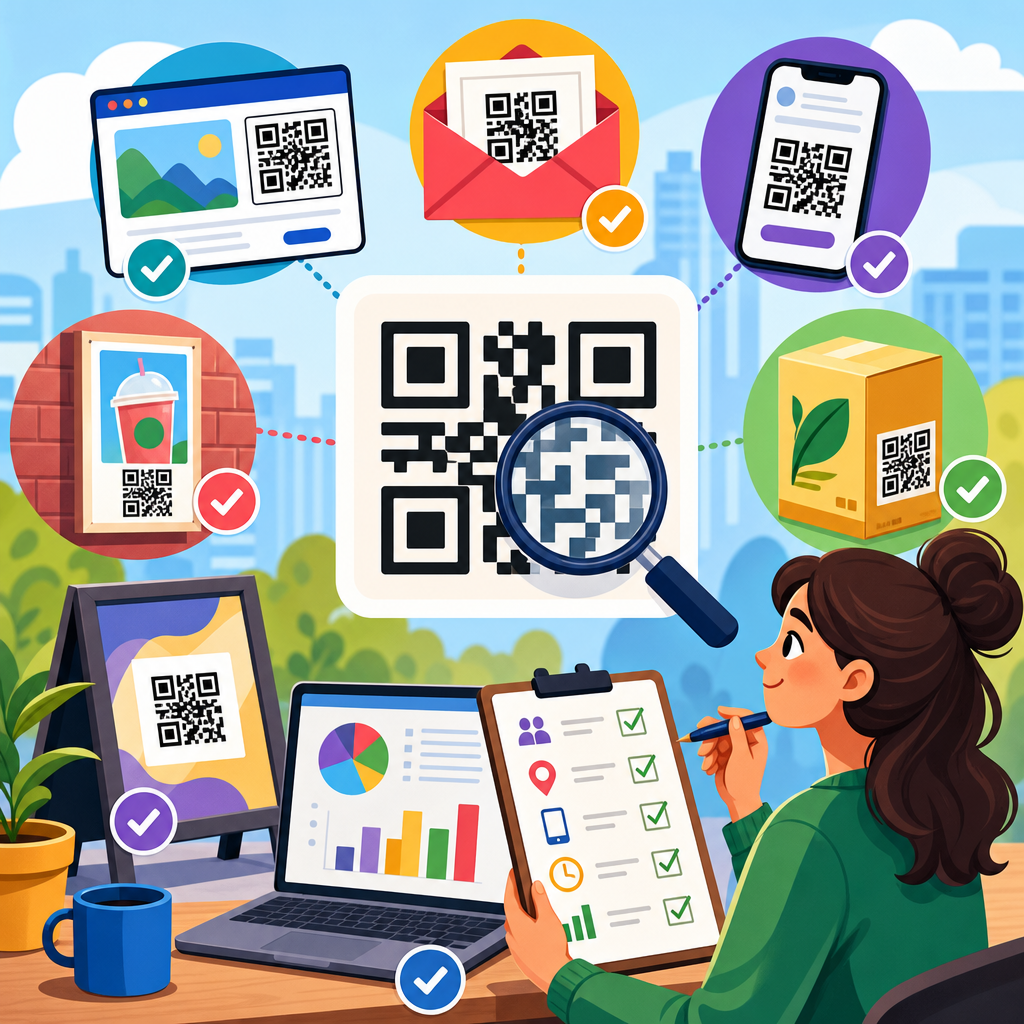
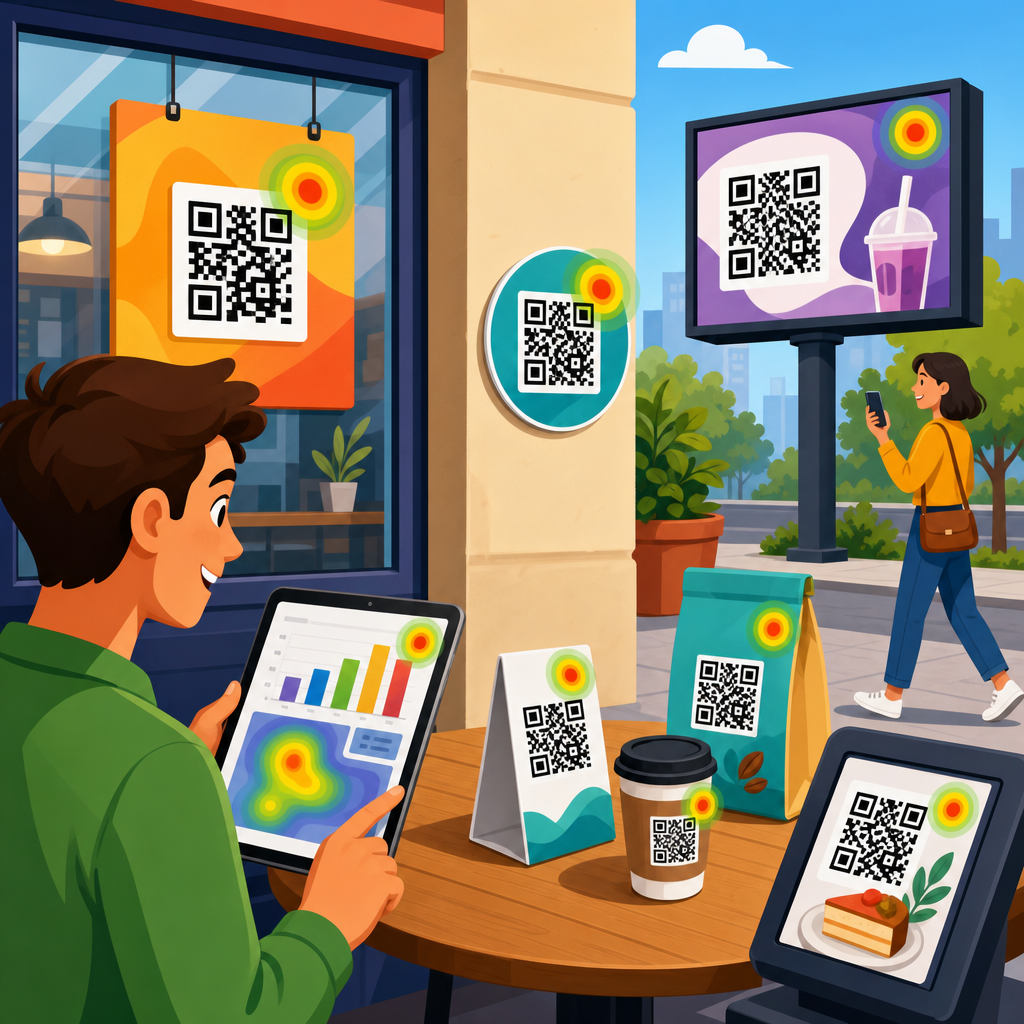
Where a QR code appears strongly influences whether people scan it. High-performing placements share three traits: enough dwell time to notice the code, a clear reason to scan, and adequate phone access. Product packaging works well because customers can scan at home when they have time. Event badges, booth graphics, and presentation slides work because attendees are already gathering information. Direct mail can perform surprisingly well when the value exchange is obvious, such as access to a buyer guide, welcome discount, or localized store information. Transit ads can work, but only if the viewer has enough time and the code is large enough to scan from a practical distance.
Placement also changes the message you should use. A code on a shipping insert can say “See how to get the best results” because the buyer already owns the product. A code on a bus shelter needs a faster promise, such as “Watch the 20-second demo” or “Find the nearest store.” In retail, shelf wobblers and endcaps often benefit from QR codes that answer immediate questions: ingredients, compatibility, warranty details, or customer reviews. The shorter the decision window, the more direct the destination should be.
Size, contrast, and context are not design details; they determine usability. Keep strong contrast between code and background, preserve the quiet zone around the code, and test from the actual viewing distance. Avoid placing codes on curved surfaces where distortion makes scanning unreliable. If a code appears on television or digital signage, hold it on screen long enough for someone to unlock a phone and scan, usually several seconds longer than creative teams expect. Every physical environment creates friction. Good placement planning removes it before launch.
Create landing pages that reinforce the brand story
The landing page is where brand awareness is either strengthened or lost. A generic homepage rarely performs as well as a campaign-specific page because it asks the visitor to figure out where to go next. The best QR destinations continue the exact promise made near the code. If the poster says “Meet the maker,” the page should open with the founder story, not a full site navigation and unrelated promotions. Message match improves trust and keeps the brand narrative intact.
For awareness campaigns, landing pages should load fast, be mobile first, and present one primary action with a few supporting paths. Use brand colors, typography, photography, and tone consistently so the scan feels like a seamless continuation of the physical asset. If the goal is education, lead with a concise explanation, then add deeper content such as FAQs, ingredient lists, case studies, or tutorial clips. If the goal is community growth, make signup simple and explain the benefit clearly. Brands often lose interested visitors by asking for too much information too early.
Video is especially effective for brand awareness because it compresses identity, product value, and proof into a short experience. A beverage brand can link a bottle neck tag to a 30-second sourcing story. A furniture brand can connect showroom tags to room styling walkthroughs. A nonprofit can place QR codes on event signage that open a campaign video with volunteer stories and a simple way to stay involved. In each case, the brand is not just collecting a scan. It is shaping memory with a controlled, high-context experience.
Use campaign architecture, creative testing, and measurement
Good QR code marketing strategies are measurable by design. At minimum, use UTM parameters on destination URLs so analytics platforms can attribute traffic correctly. In Google Analytics 4, define events for key actions such as video starts, scroll depth, signup submissions, store locator clicks, or coupon saves. If the campaign spans multiple physical surfaces, create separate dynamic codes for each placement rather than reusing one code everywhere. That allows comparison by context: packaging versus in-store signage, event booth versus printed handout, or magazine ad versus direct mail.
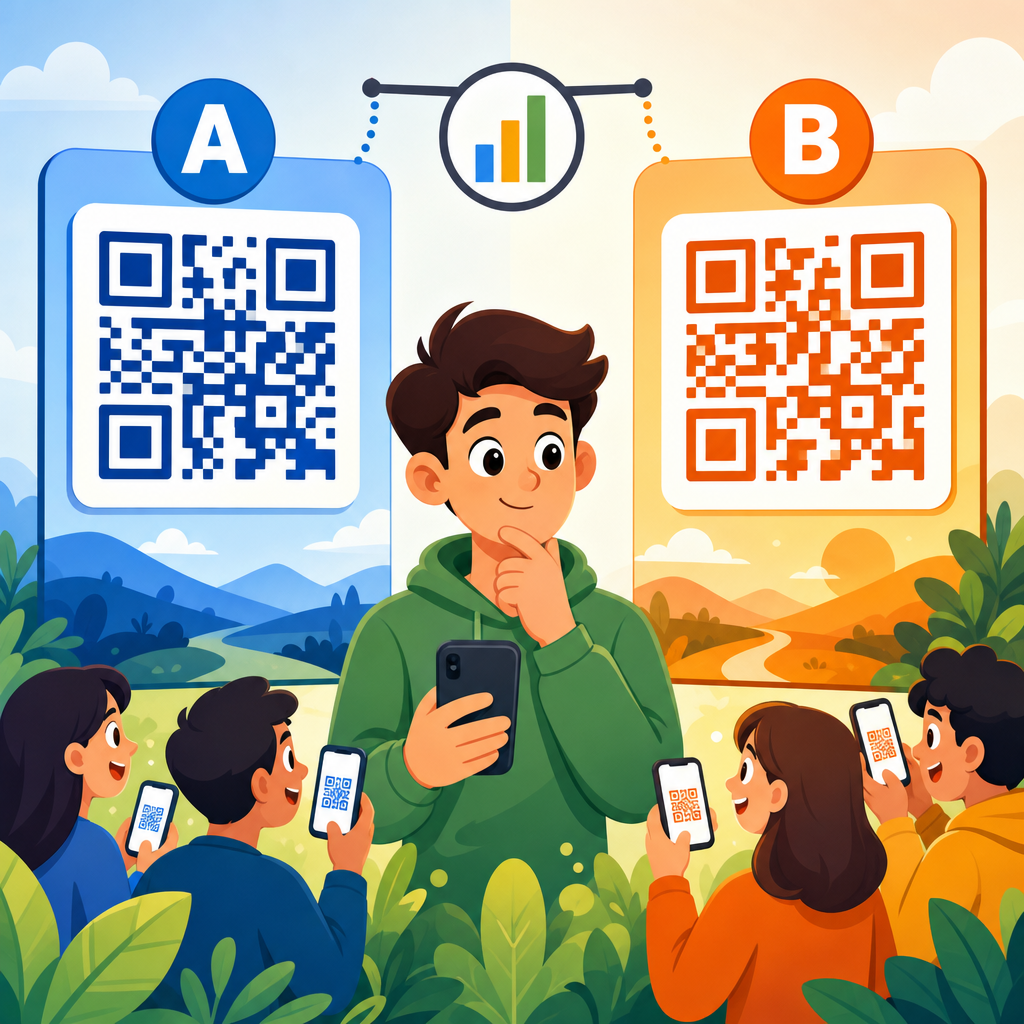
Creative testing matters just as much as technical tracking. Small wording changes around the code can alter scan behavior significantly. “Scan to learn more” is weaker than “Scan to compare models” because the second phrase states a specific benefit. Color framing, incentive strength, logo inclusion, and placement height all affect response. In field campaigns, I have seen lift simply by adding a one-line expectation setter such as “Opens a 45-second demo” because it reduces uncertainty. People scan more when they know the time commitment and reward.
| Campaign element | Best practice | Why it improves brand awareness |
|---|---|---|
| Code type | Use dynamic QR codes | Lets you update destinations and compare scan data over time |
| Call to action | State a clear benefit | Raises scan intent and sets expectations for the experience |
| Landing page | Match the message on the asset | Reinforces memory and reduces bounce after scanning |
| Tracking | Add UTM parameters and conversion events | Connects offline exposure to digital engagement and next actions |
| Creative testing | Test copy, placement, and incentives | Improves scan rate without changing media spend |
Measurement should reflect the campaign’s place in the funnel. For awareness, useful indicators include unique scans, engaged sessions, video completion rate, branded search lift, direct traffic lift in exposed regions, email opt-ins, and store locator usage. If you can match scans to regional sales trends or retail sell-through, even better, but do not force a last-click standard onto an upper-funnel tactic. The right question is whether the QR touchpoint increased qualified attention and moved more people into owned or measurable channels.
Apply QR codes across channels with channel-specific tactics
Different channels require different QR code marketing strategies. On packaging, the smartest use is usually post-purchase education: setup instructions, care guides, recipes, warranty registration, or loyalty enrollment. That deepens familiarity and increases the chance of repeat purchase and word of mouth. On out-of-home media, success depends on simplicity. One promise, one destination, one mobile-friendly action. At events, QR codes should reduce queue friction and information overload by linking to schedules, speaker bios, downloadable resources, or product demos.
Retail signage can support both shopper marketing and long-term brand building. A premium coffee brand might place QR codes near bags and endcaps linking to farm stories, brewing tutorials, and flavor notes. That helps justify price while creating a richer brand identity. In healthcare or regulated categories, QR codes can surface compliance-friendly educational content that would never fit on packaging. In B2B, brochures with QR codes often outperform business card exchanges because they move prospects directly into a trackable content journey.
Teams should also think in terms of internal linking across campaign assets. A packaging scan can invite users to a recipe hub. An event scan can connect to a post-event recap and newsletter signup. A direct mail scan can route to a localized landing page and then to a store appointment tool. This hub-and-spoke structure keeps users within a coherent brand ecosystem rather than dropping them into isolated pages. It also creates cleaner reporting and stronger content reuse across the broader QR Code Marketing & Strategy program.
Avoid common mistakes and protect trust
The most common failure is sending every scan to the homepage. That wastes intent. Another is printing codes without adequate testing on different phones, lighting conditions, and distances. I also see brands overcomplicate the user journey by asking scanners to pinch-zoom PDFs, complete long forms, or navigate desktop pages on mobile devices. A QR code shortens access to content, but it cannot rescue weak UX. The destination still has to earn attention.
Trust also matters. Tell users what the scan does before they scan. If data collection is involved, disclose it plainly and follow applicable privacy rules. Secure destinations with HTTPS and keep redirects clean. Broken links on printed materials are especially damaging because they signal carelessness at a visible customer touchpoint. In regulated sectors, review content governance, expiration dates, and approval workflows before launch. Dynamic codes help, but they do not replace operational controls.
Finally, remember that brand awareness compounds through consistency. Repeating a distinctive visual style, promise, and destination pattern across packaging, signage, mail, and events teaches people what to expect from your brand’s QR experiences. Over time, scans become easier to earn because the audience recognizes the value exchange. Start with one or two high-intent placements, measure what people actually do, then expand the program with better creative, tighter targeting, and stronger destination pages. If you want QR codes to build brand awareness, treat them as strategic gateways, not decorative squares, and audit your current touchpoints to find the first scan worth creating.
Frequently Asked Questions
1. How do QR codes help improve brand awareness?
QR codes improve brand awareness by turning passive exposure into immediate interaction. When someone sees your brand on packaging, signage, direct mail, event materials, or in-store displays, a QR code gives them a fast path to learn more without typing a URL or searching for your business later. That matters because brand awareness is not just about being seen; it is about being remembered and associated with a useful, relevant experience. A well-placed QR code connects that first moment of attention to a digital destination where you can tell your story more clearly, showcase your products, collect interest, encourage social follows, or deliver a memorable piece of content.
They are especially effective because they bridge offline and online marketing. A customer might discover your brand on a product shelf, a trade show banner, a restaurant table tent, or a printed flyer, then instantly scan to watch a demo, claim an offer, read reviews, join your email list, or explore your website. This smooth transition reduces friction and keeps the momentum of curiosity going. In practical terms, QR codes help brands create more touchpoints, extend the life of physical marketing materials, and make campaigns easier to measure. If your goal is to increase familiarity, engagement, and recall, QR codes can play a powerful role in making your brand more accessible and more interactive.
2. Where should businesses place QR codes for the best brand awareness results?
The best placement depends on where your audience already notices your brand and when they are most likely to want more information. High-performing locations usually include product packaging, storefront windows, posters, event booths, brochures, business cards, menus, receipts, mailers, vehicle wraps, and point-of-sale displays. These are moments when people are already encountering your brand in the real world, so adding a QR code gives them a simple next step. The key is context: the code should appear where interest naturally happens and where a person has enough time and motivation to scan.
For example, packaging works well because customers can scan while evaluating or using a product. Event signage is effective because attendees often want schedules, demos, sign-ups, or additional information immediately. In retail, a QR code near a featured item can link to testimonials, product videos, or styling ideas. In restaurants, it can reinforce the brand by linking to loyalty programs, chef stories, or promotions. In direct mail, it can connect print campaigns to landing pages with stronger storytelling and better tracking.
Placement should also be practical. Make sure the code is large enough to scan easily, placed at a comfortable height, and not distorted by curved surfaces or poor printing. Include a short call to action such as “Scan to see how it works” or “Scan for an exclusive offer” so people know what they will get. Good visibility and a compelling reason to scan often make the difference between a code that gets ignored and one that drives meaningful awareness and engagement.
3. What should a QR code link to if the goal is brand awareness?
If your goal is brand awareness, the QR code should link to a destination that introduces your brand clearly and gives people an experience worth remembering. In many cases, the best choice is a dedicated landing page built specifically for the campaign. That page can explain who you are, what makes your brand different, and what action a visitor should take next. It may include a short brand video, product highlights, customer testimonials, social media links, a signup form, or a limited-time promotion. The point is to make the first interaction feel intentional and aligned with the message that attracted the scan.
Different audiences and placements may call for different destinations. A QR code on packaging might link to tutorials, usage tips, or a welcome page that reinforces brand values. A code on an event banner might lead to a company overview, demo booking form, or downloadable resource. A code in a café or retail environment might drive users to your Instagram, loyalty program, or a behind-the-scenes brand story. Video can be especially effective for awareness because it quickly communicates tone, personality, and value in a way that static text often cannot.
What matters most is relevance and simplicity. Avoid sending people to a generic homepage if it does not immediately answer their likely question or continue the message from the physical item they scanned. The landing experience should be mobile-friendly, fast-loading, and easy to understand within seconds. A strong match between the real-world context and the digital destination helps your brand feel more polished, more helpful, and more memorable.
4. How can you measure whether QR codes are actually increasing brand awareness?
Measuring brand awareness from QR codes starts with tracking scans, but it should not stop there. Scan volume tells you how often people are engaging, which is useful for understanding reach and interest across locations, materials, and campaigns. However, awareness is also reflected in what happens after the scan. To get a clearer picture, track metrics such as landing page visits, time on page, video views, click-throughs to other brand content, email sign-ups, social follows, coupon claims, app downloads, and repeat visits. These actions show whether people are not only noticing your brand but also choosing to explore it further.
Using dynamic QR codes is especially valuable because they allow you to update the destination URL and monitor analytics without reprinting the code. You can compare performance by channel, geography, campaign, product line, or creative variation. For example, you might discover that QR codes on packaging generate more repeat engagement, while codes used at events drive more immediate conversions. Adding UTM parameters to URLs can also help you connect scans to website analytics platforms so you can see user behavior more precisely.
For a fuller brand awareness strategy, combine QR code data with broader signals such as increases in branded search traffic, direct website visits, social mentions, and audience growth over time. Surveys can also help, especially if you ask new customers where they first discovered your brand. Brand awareness is not always measured by one single metric, but QR codes give marketers something physical campaigns often lack: a concrete, trackable way to understand how offline attention leads to digital interest.
5. What are the most common mistakes brands make when using QR codes for awareness campaigns?
One of the most common mistakes is treating the QR code itself as the strategy instead of the tool. A code without a clear purpose, useful destination, or compelling call to action usually underperforms. People need to know why they should scan and what value they will receive. Another frequent issue is linking to a generic or poorly optimized page. If the page loads slowly, looks bad on mobile, or fails to continue the message from the physical ad or product, the experience feels disconnected and the opportunity to build brand interest is lost.
Design and placement problems also hurt results. QR codes that are too small, low contrast, partially obscured, printed on reflective materials, or placed in awkward locations can be difficult to scan. Some brands also make the mistake of crowding the code into cluttered layouts where it does not stand out. Others forget to test the code before launching, which can lead to broken links or frustrating user experiences. Even small technical errors can reduce trust in the brand.
Another mistake is failing to tailor the experience to the audience and setting. Someone scanning a code on a billboard may need a fast, simple destination, while someone scanning product packaging at home may be open to more detailed content. Brands also miss opportunities when they do not track results or use static codes for campaigns that may need updates later. The best awareness campaigns use QR codes thoughtfully: they are easy to scan, visually integrated into the brand, supported by a strong reason to engage, and connected to a mobile experience that makes the brand more useful, memorable, and credible.