QR codes have become a standard bridge between physical and digital experiences, appearing on restaurant menus, product packaging, event tickets, business cards, posters, and payment screens. For businesses and creators choosing a QR code generator, the main question is simple: should you use a free QR code generator or pay for a premium platform? The right answer depends on how you plan to create QR codes, where you will place them, what data you need to track, and how much risk you can tolerate if a campaign scales.
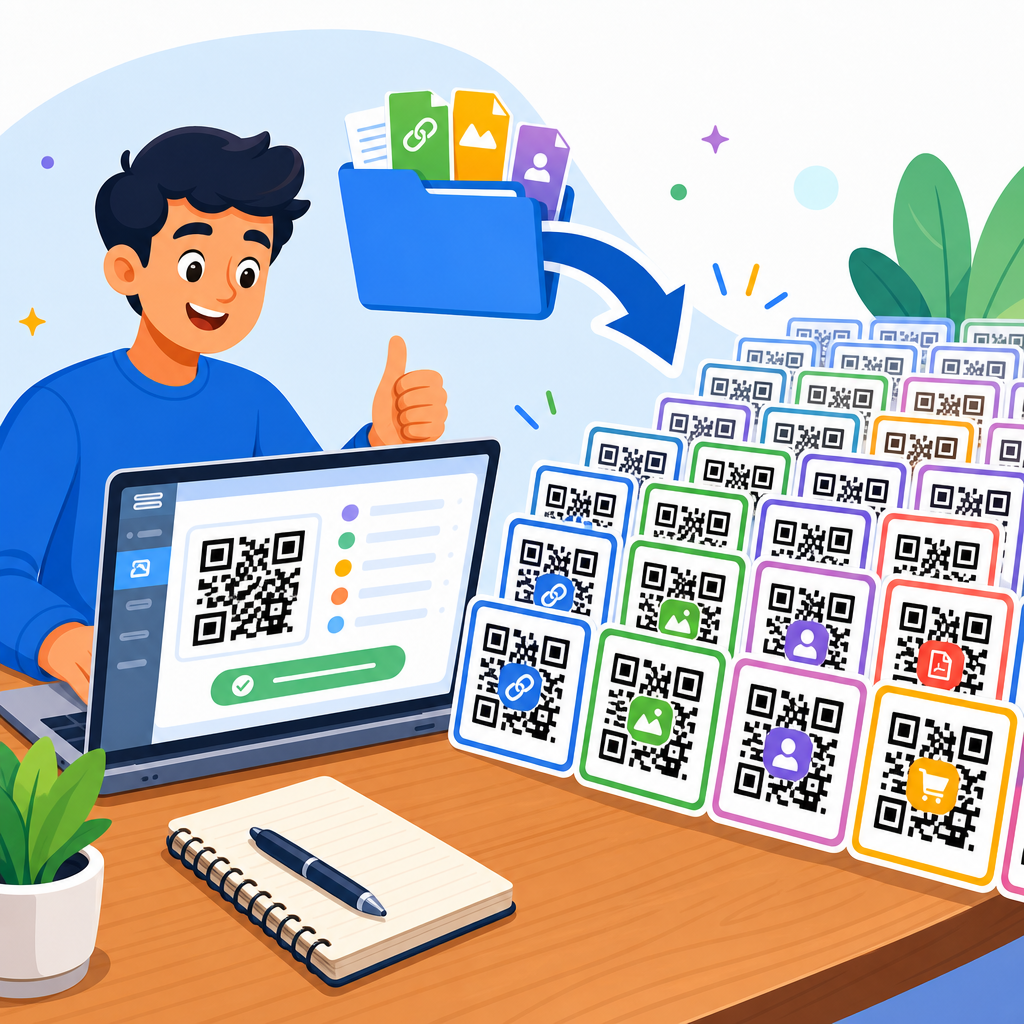
A QR code, short for Quick Response code, is a two-dimensional barcode that stores information such as a URL, contact card, Wi-Fi credentials, coupon code, PDF link, or payment details. A QR code generator is the tool that converts that information into a scannable image, usually in PNG, SVG, EPS, or PDF format. Some generators create static QR codes, where the destination is fixed forever. Others create dynamic QR codes, where the short link behind the code can be changed later without reprinting the code itself.
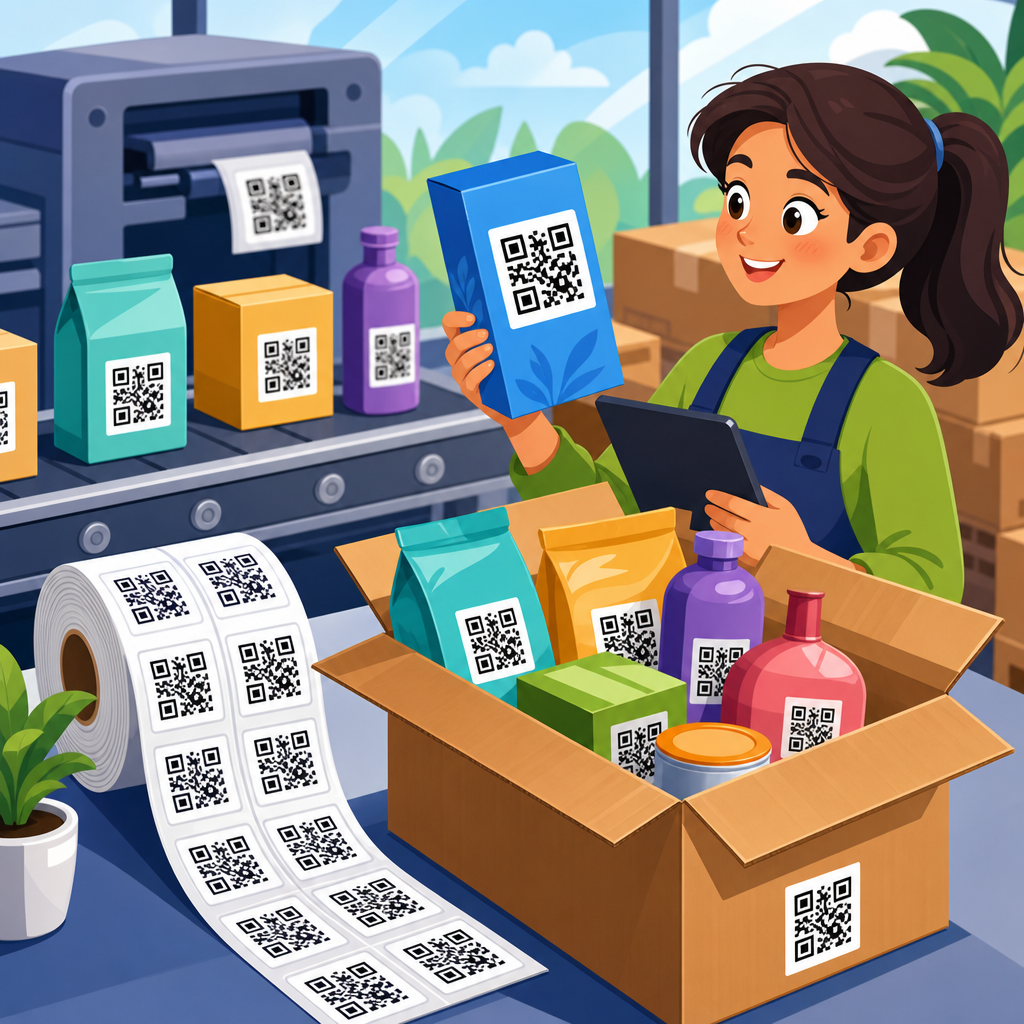
I have created QR codes for product labels, trade show handouts, storefront signage, and direct mail pieces, and the free-versus-paid decision always comes down to reliability, control, analytics, and brand requirements. A free tool can be entirely sufficient for a simple personal project or a permanent link to a homepage. A paid QR code generator becomes worthwhile when you need editable destinations, scan tracking, bulk generation, team access, custom domains, password protection, file hosting, or stronger support for print production. Understanding these differences is what helps you avoid wasted ad spend, broken scans, and reprint costs.
This article is the central guide to how to create QR codes and how to evaluate the tools behind them. It covers the practical steps, the feature differences between free and paid platforms, the quality factors that affect scan performance, and the situations where each option makes sense. If you are building a broader QR code workflow, this page gives the decision framework that connects every related topic under QR code creation and tools.
How to Create QR Codes Correctly
Creating a QR code is technically easy, but creating one that scans reliably across devices and survives real-world use takes more care. The first step is choosing the content type. Most people generate a URL QR code, but strong tools also support vCard, SMS, email, app store links, geolocation, Wi-Fi, PDFs, image galleries, and payment payloads. Start by identifying the exact user action you want after the scan. If the goal is lead generation, send users to a short mobile landing page, not a desktop homepage. If the goal is a restaurant menu, host a lightweight PDF or responsive page with fast loading.
Next, choose between static and dynamic QR codes. Static codes directly encode the final content. They are useful when the destination will never change and when you want a one-time code with no dependency on a provider dashboard. Dynamic codes place an intermediary short URL inside the QR code. That adds flexibility because you can change the destination, pause campaigns, segment links, and collect analytics such as total scans, device type, time, and approximate location. In my experience, static codes are best for evergreen uses like contact details, while dynamic codes are better for marketing campaigns, packaging, and time-sensitive promotions.
Then generate the code with proper error correction and export settings. QR codes use four error correction levels: L, M, Q, and H. Higher correction improves readability if the code is partially damaged or includes a logo, but it also makes the pattern denser. For most branded uses, level Q or H works well, provided the size is adequate. Export vector formats such as SVG, EPS, or PDF for professional printing because they scale without losing sharpness. PNG can work for digital use, but low-resolution raster files often cause print quality problems.
Before publishing, test the QR code under actual conditions. Scan it with both iPhone and Android devices, using native camera apps and at least one third-party scanner. Test from different distances, in dim light, and after printing at final size. A code that scans on a laptop screen may fail on matte packaging, curved bottles, or outdoor signage with glare. This is where many low-effort QR projects fail: the code was generated, but not validated in context.
Free QR Code Generators: Best Uses and Common Limits
A free QR code generator is often the fastest way to create a basic code. Well-known free tools include QRCode Monkey, the free tier of Bitly QR Codes, Canva’s built-in QR option, and several browser-based generators bundled into design or link-shortening platforms. For a personal website, a classroom handout, a wedding RSVP page, or a one-off flyer, free tools can be perfectly adequate. If you need a static URL, no analytics, and no campaign management, paying for extra features may add no real value.
The biggest strength of free QR code generators is simplicity. You paste in a URL or text string, choose colors, maybe add a logo, and download the file. That speed is useful for small teams and solo operators. In a local event setup I managed, a free static code on registration signage worked well because the destination page was permanent, traffic volume was low, and there was no need to edit links later. In this kind of use case, free is not a compromise. It is an efficient choice.
However, free tools come with important limits that users often discover too late. Many free generators restrict dynamic QR codes, analytics, file downloads, high-resolution exports, or commercial usage terms. Some platforms let you create a dynamic code during a trial and then disable destination control when the trial ends. Others place branding overlays, limit scan statistics, or require an account upgrade for SVG files. The most serious risk is provider dependence: if a “free” dynamic QR code points through the vendor’s redirect service and that service changes policy, your printed code may effectively become unusable for active campaigns.
Privacy and governance are also concerns. If the QR code routes through a third-party shortener, you should know where click data is stored, how long it is retained, whether UTM parameters are preserved, and whether the provider has a track record of uptime. For organizations in regulated sectors such as healthcare, finance, or education, these questions matter. Free tools are usually not built around procurement, security review, or structured access control. That does not make them bad, but it does make them a poor fit for every environment.
Paid QR Code Generators: What You Get for the Subscription
A paid QR code generator earns its cost when QR codes are tied to revenue, operations, or ongoing campaigns. Established platforms such as QR Code Generator Pro, Beaconstac, Flowcode, Scanova, and Uniqode typically include dynamic codes, analytics dashboards, editable destinations, custom landing pages, batch creation, multi-user permissions, API access, and enterprise support. These are not cosmetic upgrades. They directly affect how much control you have once codes are already printed and distributed.
Dynamic editing is the clearest advantage. Imagine a retail package printed with 50,000 QR codes that link to a seasonal offer. If the campaign changes, a static code forces a reprint or leaves traffic going to an outdated page. A dynamic code lets you switch the destination in minutes. That flexibility alone can justify a subscription. I have seen paid platforms save campaigns after landing pages were moved, domains were changed, or regional redirects needed to be introduced after launch.
Analytics are another major benefit. Paid dashboards usually report total scans, unique scans, scan time, operating system, city-level location, and traffic source tagging. Some integrate with Google Analytics through UTM parameters, while others offer webhooks, Zapier connections, or direct exports to BI tools. For marketing teams, this makes QR codes measurable instead of decorative. You can compare response rates between in-store signage and direct mail, identify peak scan times, and test different placements. Without measurement, optimization is guesswork.
Brand control also improves on paid plans. Better platforms support custom colors with scan-safe contrast checks, logo insertion with error correction tuning, custom short domains, and white-label redirects. A custom domain matters because people increasingly recognize branded links and distrust unknown short URLs. If your QR code resolves through your own domain, trust increases and governance improves. Paid tools also tend to offer stronger print assets, including EPS and SVG exports, quiet zone guidance, and support for large-format production.
| Feature | Free Generator | Paid Generator |
|---|---|---|
| Static QR codes | Usually included | Included |
| Dynamic QR codes | Limited or trial-based | Core feature |
| Edit destination after printing | Rare | Standard |
| Analytics and scan tracking | Minimal or unavailable | Detailed dashboards |
| Vector exports for print | Sometimes restricted | Common |
| Bulk generation and API | Usually absent | Often available |
| Team roles and governance | Rare | Common on business plans |
What Actually Determines QR Code Quality
The best QR code generator is not just the one with the longest feature list. Scan performance depends on design and deployment choices. Size is the first factor. A common rule is to keep the scanning distance-to-code ratio near 10:1. A code intended to be scanned from 20 inches away should be at least about 2 inches wide. On packaging, I usually avoid going below 0.8 inches unless the print is extremely sharp and the target audience is scanning at close range.
Contrast is equally important. Black on white remains the most reliable option because smartphone cameras detect it easily under varied lighting. Colored QR codes can work, but low contrast combinations such as light gray on pastel backgrounds reduce readability. Inverted codes, with light modules on a dark background, are risky unless tested thoroughly. The quiet zone, the blank margin around the code, should generally be at least four modules wide. When designers crop too tightly or place text and graphics into that space, scans fail.
Logo use requires restraint. I often see brands overestimate how much of the code can be covered. Error correction helps, but it is not a license to place a large badge in the middle and hope for the best. A small centered logo with high correction and proper testing is usually safe. Decorative frames can also interfere if they obscure finder patterns, the three square markers that help scanners orient the code. Good paid tools often warn about these issues, but even free tools can produce excellent results if the user understands the underlying rules.
Landing page quality matters too. A perfectly generated QR code still fails as a marketing asset if the destination loads slowly, is not mobile friendly, or asks users to pinch and zoom. Since most scans happen on phones, pages should be responsive, concise, and fast. Compress images, minimize scripts, and make the next step obvious. For practical QR code creation, the code and the page are one system.
How to Choose Between Free and Paid for Real Use Cases
The simplest way to decide is to match tool type to business risk. Choose a free QR code generator when the content is permanent, the code is static, analytics are unnecessary, and the consequence of failure is low. Good examples include a teacher linking to a syllabus, a freelancer adding a portfolio link to a business card, or a café posting a stable Instagram profile URL. In these cases, save the file, document the destination, and keep a local archive of the final asset.
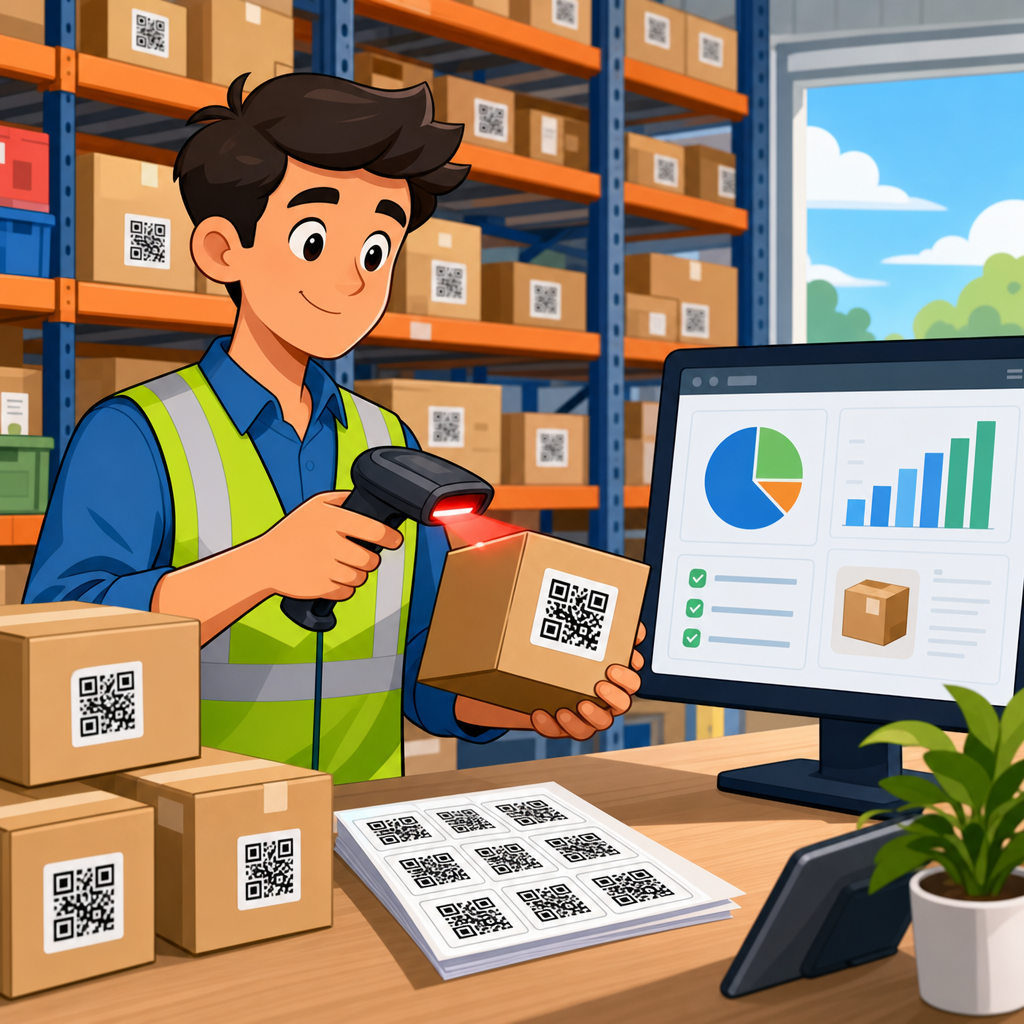
Choose a paid QR code generator when the code is part of a campaign, product, workflow, or customer journey that may change over time. Use paid tools for packaging, menus that update regularly, real estate brochures, event ticketing, product authentication, app downloads, lead capture, and omnichannel marketing. If you need to know how many people scanned, where they scanned, or whether one placement outperformed another, free tools stop being enough. If reprinting thousands of labels would cost more than a subscription, the subscription is the cheaper option.
Also consider operational maturity. Teams with multiple stakeholders usually need naming conventions, folders, role permissions, and auditability. Agencies need client separation. Larger brands may want custom domains, SSO, and API-driven generation for serialized or personalized QR codes. These are standard requirements in paid systems. The choice is not about whether free or paid is universally better. It is about whether the QR code is a disposable asset or an actively managed channel.
Best Practices for Building a Reliable QR Code Workflow
Start with a clear inventory. Name each QR code by campaign, location, owner, destination, and launch date. Store source files and export formats together. Use UTM parameters consistently so analytics platforms can attribute scans correctly. Maintain a redirect map for dynamic codes, especially if multiple teams update destinations. This discipline prevents orphaned codes and broken links months after launch.
Run a production checklist before anything goes live: confirm destination URL, verify HTTPS, test on iOS and Android, print at final size, check contrast, preserve the quiet zone, and review loading speed with PageSpeed Insights or Lighthouse. For print runs, ask for a physical proof. For large deployments, pilot in one location first. These habits matter more than whether your generator is free or paid.
The bottom line is straightforward. Free QR code generators are best for simple, static, low-risk uses. Paid QR code generators are better for dynamic campaigns, measurement, brand control, and operational reliability. If you are learning how to create QR codes, begin with the content goal, choose static or dynamic intentionally, test the code in real conditions, and only then decide how much platform capability you need. Start small, document your workflow, and upgrade when flexibility or analytics become business requirements.
Frequently Asked Questions
1. What is the main difference between a free QR code generator and a paid QR code generator?
The biggest difference is not just price, but the level of control, reliability, and business functionality you get. Free QR code generators are often ideal for basic use cases, especially when you need a simple static QR code that points to a website, PDF, phone number, Wi-Fi login, or contact card. If your needs are straightforward and you do not expect to change the destination later, a free tool can be perfectly sufficient.
Paid QR code generators usually go far beyond code creation. They commonly include dynamic QR codes, which let you change the destination URL or content after the code has already been printed or shared. That is a major advantage for businesses using QR codes on packaging, flyers, signs, menus, or event materials where reprinting would be expensive. Premium platforms also tend to include analytics dashboards, scan tracking, user management, security controls, branding customization, and better support.
Another important difference is trust and long-term stability. Some free platforms are excellent, but others may place limits on scans, display ads, reduce image quality, or depend on redirect systems that could become unreliable over time. Paid services are generally designed to support marketing campaigns and operational workflows, so they are more likely to provide uptime guarantees, data reporting, and account-level management. In short, free tools are best for simple, low-risk QR code creation, while paid tools are better for campaigns, branded experiences, and situations where edits, tracking, and dependability matter.
2. Are free QR code generators good enough for businesses?
They can be, but only in the right circumstances. If a business needs a few static QR codes for internal use, a basic link on a business card, or a one-time poster with information that will never change, a free generator may be entirely adequate. Many small businesses start this way because it is fast, accessible, and cost-effective. For example, a local shop might use a free static QR code to link customers to store hours or a simple landing page.
However, businesses should think beyond the initial setup. Once a QR code appears on printed materials, product labels, signage, or customer-facing assets, the stakes become much higher. If the linked page changes, if the business wants to track scan activity, or if multiple team members need access, a free tool can quickly become limiting. Businesses also need to consider branding. A generic black-and-white code may work technically, but a premium platform often allows logo insertion, color control, frame customization, and higher-resolution exports that make the code feel more aligned with the brand.
There is also the issue of risk tolerance. A business should be careful about relying on a free platform without understanding how the code works. If the generator uses a managed redirect for dynamic functionality and the provider later changes its terms, adds restrictions, or stops operating, the QR code may be affected. For that reason, free QR code generators are often good enough for low-risk, static, noncritical use cases, but for customer-facing campaigns, packaging, menus, payments, or trackable promotions, a paid platform is usually the safer and more scalable choice.
3. When is it worth paying for a QR code generator?
It is worth paying when the QR code is tied to revenue, customer experience, compliance, or ongoing marketing performance. If you are printing QR codes on product packaging, restaurant menus, event signage, direct mail, point-of-sale displays, or any material that is costly to replace, dynamic editing alone can justify the investment. Being able to update the destination without reprinting can save money, reduce errors, and keep campaigns active even when URLs, promotions, or content change.
Paid QR code generators are also worth it when analytics matter. Businesses often want to know how many scans occurred, when they happened, where they came from, which campaign performed best, and what device people used. That data helps with optimization and reporting. If QR codes are part of a broader marketing funnel, a premium platform can turn them from simple utility tools into measurable conversion assets.
Another reason to pay is operational consistency. Teams may need folders, permission settings, audit trails, bulk creation, API access, custom domains, password protection, lead capture, expiration dates, and integration with CRM or marketing tools. These are not usually features found in basic free generators. Paying also makes sense if you need stronger support, especially for time-sensitive campaigns or large-scale distribution. In general, if a broken, outdated, or untracked QR code would create real business consequences, paying for a professional platform is usually the smarter decision.
4. Do paid QR code generators offer better tracking and analytics than free tools?
Yes, in most cases they do. Free QR code generators often provide little to no analytics, especially if they only create static codes. A static QR code can send users to a destination, but it does not inherently collect performance data unless tracking is handled separately through tagged URLs and external analytics platforms. Even then, the insight may be limited because you are often measuring page visits rather than the full scan context.
Paid QR code platforms typically offer built-in analytics designed specifically for QR performance. This may include total scans, unique scans, scan time, approximate location, operating system, device type, and campaign-level comparisons. Some platforms also let you segment performance by channel, customize destination rules, or connect scan data with marketing tools. That level of visibility is especially useful for businesses running print campaigns, in-store activations, packaging rollouts, or event promotions where QR code engagement is a key performance signal.
That said, not all analytics are equal. Businesses should examine how data is collected, how accurate location reporting is, whether bot filtering is applied, and whether the platform complies with privacy requirements. It is also important to know whether the service supports first-party tracking strategies, custom domains, or analytics integrations such as Google Analytics. The real advantage of paid tools is that they usually combine data collection, QR code management, and destination editing in one place, making them significantly more useful for ongoing optimization than most free options.
5. How should you decide whether to choose a free or paid QR code generator?
The best way to decide is to match the tool to the importance of the QR code in your workflow or campaign. Start by asking a few practical questions. Will the destination ever need to change? Do you need scan analytics? Is the QR code going on something expensive or difficult to reprint? Does branding matter? Will multiple people manage the codes? Is the QR code tied to sales, customer service, payments, or compliance? The more often you answer yes, the more likely a paid platform is the better fit.
If your use case is simple, temporary, and low risk, a free generator may be all you need. For example, if you are creating a personal portfolio link, a basic classroom resource, or a one-time informational flyer, paying for enterprise features may not make sense. In these situations, a reputable free static QR code generator can provide fast results without unnecessary cost.
On the other hand, if the QR code will represent your brand in public, remain in circulation for a long time, or support measurable business goals, investing in a paid generator is often the more strategic choice. The cost is usually small compared with the potential downside of broken links, missing data, weak branding, or limited flexibility. A good rule of thumb is simple: use free tools for convenience and low-stakes tasks, and use paid platforms when performance, durability, analytics, and professional control actually matter.