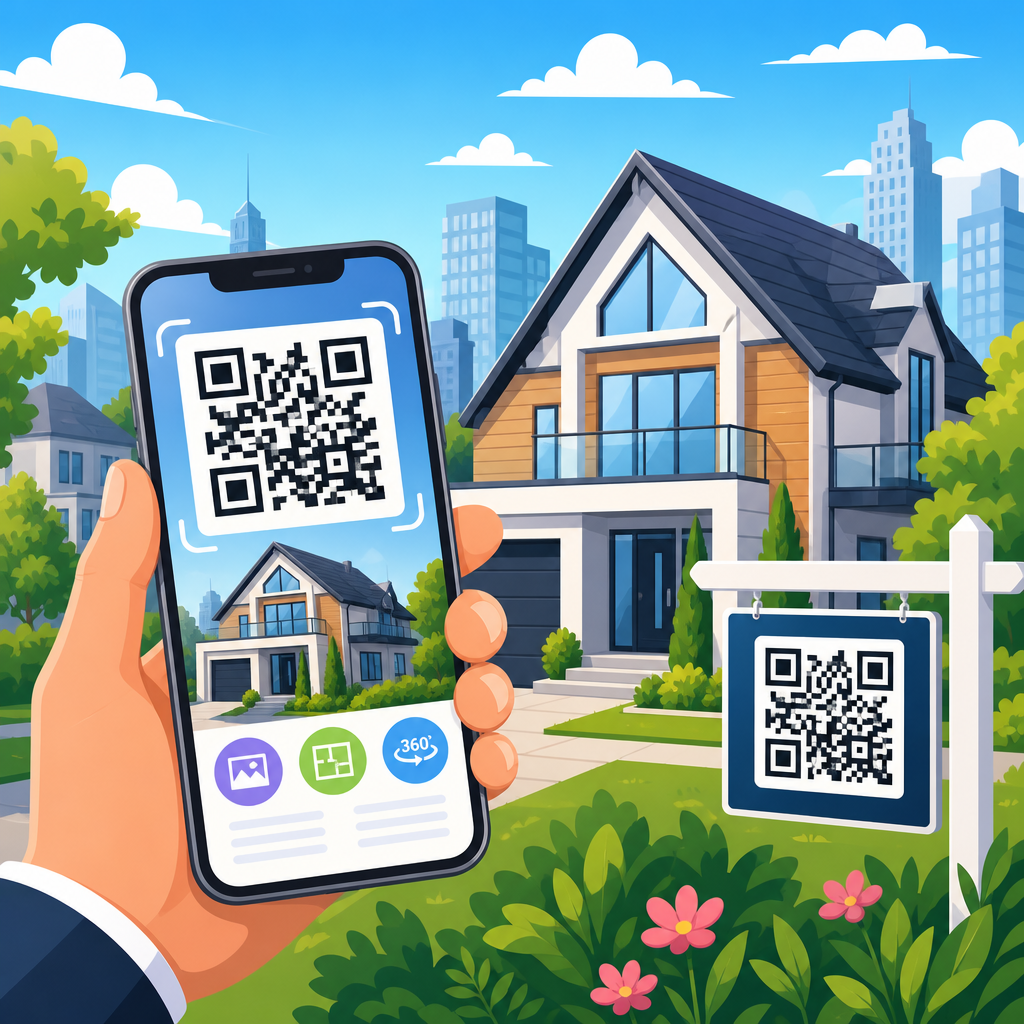
Best QR code generators for real estate are the platforms that let agents, brokers, teams, and property marketers create scannable codes linking buyers to listings, video tours, disclosures, contact forms, calendars, and saved search pages. In real estate, a QR code is not just a shortcut to a website. It is a bridge between an offline touchpoint, such as a yard sign, brochure box, window display, open house flyer, direct mail postcard, or business card, and a measurable online action. I have used QR campaigns for single-property sites, multifamily leasing, and brokerage recruiting, and the difference between a basic generator and a real estate-ready platform is significant. The best tools support dynamic editing, scan analytics, strong mobile landing pages, print-safe customization, and reliable redirects. Those features matter because real estate marketing moves fast. Listings change status, price reductions happen overnight, and campaigns often need to be updated without reprinting hundreds of signs or flyers. A strong generator reduces wasted print spend, improves lead capture, and gives agents hard data on which placements produce scans. This hub article explains what to look for, which generators stand out, how they compare, and how to choose the right platform for your business model.
What real estate professionals should look for in a QR code generator
The best QR code generator for real estate must solve practical field problems, not just produce a pretty square image. Start with dynamic QR codes. A dynamic code uses a short redirect URL so you can change the destination after printing. That is essential for property marketing because a code on a sign rider may first point to an active listing, then to a backup lead form, and later to a neighborhood valuation page after the home sells. Static codes lock the destination permanently, which is risky when inventory turns quickly.
Analytics are the second core requirement. At minimum, you need total scans, unique scans, timestamps, device type, and approximate location by city or region. Better platforms also show scan trends over time and integrate with Google Analytics through UTM parameters. In practice, this lets a brokerage compare scans from open house flyers versus yard signs, or evaluate whether luxury brochures generate more engagement than digital ads. Without measurement, QR codes become decorative rather than strategic.
Design controls also matter, but only within scannability limits. Real estate brands often want custom colors, logos, and frame text such as “Scan for Price” or “See 3D Tour.” That can improve response when used correctly. However, low contrast, oversized logos, and dense pattern styling reduce scan reliability, especially outdoors in glare or at distance. I recommend platforms that include error correction options, print-quality exports in SVG, PDF, or EPS, and scan testing previews before download.
Finally, consider destination type support. Real estate teams commonly need QR codes for listing pages, PDF brochures, video walkthroughs, vCard contact cards, SMS lead capture, Wi-Fi for model homes, app download links, and calendar booking. A versatile platform saves time because you can manage all campaign types in one dashboard instead of patching together multiple free tools.
Top QR code generators for real estate teams and agents
Several QR code generators consistently stand out for property marketing. QR Code Generator Pro is a strong all-around choice for agents who need dynamic codes, analytics, folders, and easy campaign management without a steep learning curve. It supports branded frames, editable destinations, and solid download options, making it useful for listing flyers, sign riders, and direct mail.
Beaconstac is especially strong for brokerages and larger teams because it combines advanced QR management with security, bulk generation, API options, and analytics that are easier to scale across offices. If a franchise marketing department wants standardized templates for dozens of agents while preserving tracking, Beaconstac is often a better fit than entry-level tools.
Uniqode, formerly known as Beaconstac’s close competitor in many evaluations, is widely used for dynamic QR campaigns and has business-friendly controls for editing, retargeting, and team collaboration. It works well when a real estate operation wants QR codes to support both marketing and operations, such as tenant onboarding, leasing packets, and event check-ins.
Bitly is not a QR-first platform, but it deserves attention because real estate marketers already use branded short links for campaigns. Bitly’s QR creation tied to link management can be efficient when the main need is trackable redirects rather than highly customized QR experiences. It is practical for social bios, postcards, and lightweight property promotion.
Canva also has a place in this market. Its QR feature is basic compared with dedicated generators, yet many solo agents use Canva to build flyers and listing sheets. For simple static codes embedded directly into design workflows, it is convenient. The limitation is that serious real estate campaigns usually outgrow Canva’s QR functionality because editing, analytics, and enterprise controls are limited.
| Platform | Best for | Key strengths | Main limitation |
|---|---|---|---|
| QR Code Generator Pro | Individual agents and small teams | Dynamic codes, analytics, branding, easy dashboard | Less robust for large multi-office governance |
| Beaconstac | Brokerages and franchises | Bulk creation, API, team controls, advanced analytics | Higher cost for small users |
| Uniqode | Growing teams with mixed use cases | Dynamic editing, collaboration, campaign flexibility | Can be more platform than a solo agent needs |
| Bitly | Link tracking focused campaigns | Branded links, redirect management, familiar interface | Less specialized QR design and destination options |
| Canva | Simple flyer-based use | Fast design workflow, convenient for static codes | Limited analytics and post-print flexibility |
How dynamic QR codes improve listing marketing and lead capture
Dynamic QR codes are the single most important feature for real estate because they protect printed collateral from becoming obsolete. Imagine a listing brochure printed for a Saturday open house. By Monday, the property may be under contract. With a static code, every brochure now points to a stale page or a sold listing. With a dynamic code, you can redirect scans to a “similar homes in this area” page, a mortgage calculator, or a registration form for future listings. That preserves lead flow after the original property is no longer marketable.
Dynamic codes also support campaign testing. I have used one yard sign code linked to a mobile listing page for two weeks, then redirected the same code to a lead form with fewer distractions to compare conversion rates. Because the printed sign stayed in place, the only variable was destination experience. That kind of A/B testing is difficult with static codes and expensive if reprints are required.
For teams using customer relationship management systems such as Follow Up Boss, HubSpot, kvCORE, or LionDesk, dynamic QR codes make attribution cleaner. A property flyer can direct to a landing page with embedded forms, tracking tags, and CRM routing rules. If the listing changes, the destination changes with it while attribution remains intact. This is especially useful for ISA teams and brokers who want to know which physical materials generate inquiries, not merely how much website traffic exists in aggregate.
Features that matter most on signs, flyers, brochures, and open house materials
Not every QR use case in real estate has the same technical requirements. Yard signs need high contrast, quiet zones, and larger print dimensions because people scan from cars or sidewalks under inconsistent lighting. A code that looks elegant on screen may fail on corrugated plastic if the pattern is too intricate or the logo occupies too much space. For signs, export quality and scan resilience matter more than decorative options.
Flyers and brochures have different priorities. Here, agents benefit from short call-to-action frames, branded design, and destination flexibility. A code can lead to a single-property website, Matterport tour, financing calculator, or a PDF feature sheet. Because brochures are often handed out in person, it helps when the linked page loads quickly and offers a clear next step, such as schedule a showing or request disclosures.
Open house materials need speed and form compatibility. A QR code on the entry table should open a mobile sign-in form instantly, ideally one optimized for autofill and large touch targets. If the process takes too long, guests abandon it and agents lose lead data. Tools that support direct links to Typeform, Jotform, Google Forms, or brokerage landing pages are useful here. In higher-volume events, scan analytics can even reveal peak arrival windows, helping staff plan coverage more effectively.
For window displays and multifamily leasing boards, durability is key. Codes may remain up for months, so dynamic editing and dependable redirects become more important than campaign-specific styling. If occupancy shifts or a leasing special changes, the destination should update without replacing the display.
Best options by business type: solo agent, team, brokerage, and property manager
Solo agents usually need affordability, simplicity, and enough analytics to measure response. A platform like QR Code Generator Pro is often ideal because setup is quick, dynamic editing is available, and branding options are sufficient for listing packages. The main objective at this stage is consistent use: one code on every flyer, rider, postcard, and business card tied to a clear mobile destination.
Small and mid-sized teams often need stronger organization. Folder structures, shared access, naming conventions, and reusable templates become important when multiple agents market listings at once. Uniqode works well in this context because it balances ease of use with team controls. A transaction coordinator or marketing assistant can manage assets centrally while agents still access campaign-specific reports.
Brokerages and franchises face governance challenges. They need brand consistency, permission controls, and scalable reporting across many offices. Beaconstac is particularly strong here because bulk creation and administrative oversight reduce chaos. A brokerage can prebuild branded QR templates for listing signs, recruiting materials, and office events, then allow local customization within approved limits.
Property managers and multifamily operators should prioritize operational versatility. They often need codes for leasing, maintenance requests, package room instructions, resident onboarding, Wi-Fi access, and event registration. In those environments, the best generator is often the one with dependable dynamic management, API or bulk capabilities, and strong redirect stability. Marketing features still matter, but operational reliability becomes equally important.
Common mistakes when choosing a QR code generator for real estate
The biggest mistake is choosing a free static generator for materials that will outlive the listing. It looks cost-effective until signs, brochures, or postcards become useless after a status change. Another common error is ignoring scan testing. Agents sometimes approve a custom-colored code that matches brand guidelines but scans poorly on matte paper, tinted windows, or sunlit signs. Every code should be tested on both iPhone and Android devices before print.
A third mistake is linking directly to desktop-heavy listing pages. Many MLS-powered pages load slowly, clutter the screen, or bury the contact action below property details. In my campaigns, mobile-first landing pages with one clear outcome consistently outperform generic website destinations. If the goal is showings, the page should emphasize scheduling. If the goal is lead capture, the form should appear immediately.
Another issue is weak campaign naming and tracking discipline. Real estate teams print many similar assets. Without naming standards such as property address, asset type, and date, analytics become hard to interpret. Finally, many users ignore subscription terms. Some platforms let a dynamic code stop redirecting if a plan lapses. That is a serious risk for signs and evergreen marketing materials.
How to choose the best QR code generator for your real estate strategy
The right platform depends on how you market, how fast listings change, and who needs access. If you are a solo agent producing listing flyers in Canva and occasional postcards, a simple dynamic generator with analytics may be enough. If you run a team, choose a platform with shared folders, editable campaigns, and CRM-friendly destinations. If you manage a brokerage, prioritize bulk controls, permissions, and standardized templates.
Before subscribing, test three things. First, print sample codes at actual size for a yard sign, flyer, and business card. Second, scan them under realistic conditions, including bright sunlight and weak cellular service. Third, change the destination after printing to confirm the redirect is immediate and stable. Then review analytics reporting, file export quality, and pricing for the number of active dynamic codes you truly need.
The best QR code generators for real estate help agents turn every physical touchpoint into a trackable digital path. They reduce reprint costs, keep campaigns current, and improve lead capture from signs, brochures, open houses, and direct mail. Start with dynamic codes, reliable analytics, and mobile-first destinations, then choose the platform that matches your business size and workflow. If you are building out your QR Code Creation & Tools stack, compare your top two platforms using a live listing campaign and let scan data decide.
Frequently Asked Questions
What should real estate professionals look for in the best QR code generator?
The best QR code generators for real estate should do much more than create a basic black-and-white code. Agents, brokers, teams, and property marketers need a platform that supports dynamic QR codes, which let you change the destination link without reprinting signs, flyers, postcards, or brochure inserts. That is especially important when a listing status changes, a price drops, an open house is added, or a property page is replaced. Instead of creating a new code every time marketing details change, you can update the destination behind the same printed asset.
It is also important to look for strong scan analytics. In real estate, every printed touchpoint should help measure buyer interest. A good QR code platform should show how many scans occurred, when they happened, what devices were used, and sometimes the approximate location of the scan. These insights can help identify which yard signs, direct mail campaigns, open house materials, or office window displays are generating the most engagement. For agents trying to connect offline marketing to online lead activity, that visibility is a major advantage.
Ease of use matters too. Real estate marketing moves quickly, so the platform should make it simple to generate codes for listing pages, virtual tours, disclosure packets, calendar booking links, mortgage calculators, saved searches, and contact forms. Customization is another key feature. The best generators allow branded colors, logo placement, and design adjustments while still keeping the code highly scannable. A QR code should look professional and on-brand, but it also needs to work reliably from a distance and in varying lighting conditions.
Finally, real estate professionals should pay attention to file formats, bulk creation options, team access, and landing page flexibility. If an agent manages multiple listings at once, it helps to have downloadable print-quality files like SVG, EPS, or PDF for sign vendors and marketing teams. For brokerages and larger teams, centralized management and collaboration features can save time and improve consistency across campaigns. In short, the best QR code generator for real estate is one that combines flexibility, analytics, branding, and dependable scan performance.
Why are dynamic QR codes especially useful for real estate marketing?
Dynamic QR codes are especially valuable in real estate because listings and campaigns change constantly. A home may go from coming soon to active, from active to under contract, and then to sold. Open house schedules shift, photo galleries get updated, video tours are replaced, and disclosures may need revision. With a dynamic QR code, the printed code itself stays the same while the destination link can be updated at any time. That means an agent can keep the same code on a yard sign, brochure box, property flyer, or postcard and simply change where it sends buyers.
This flexibility saves both time and money. Without dynamic functionality, every listing update could require a new static QR code and potentially a reprint of marketing materials. For real estate professionals who rely on sign riders, direct mail, print brochures, and open house collateral, avoiding unnecessary reprints can make campaigns more efficient and cost-effective. It also reduces the risk of outdated materials circulating with dead links or incorrect listing information.
Dynamic QR codes also support better lead routing and campaign testing. For example, an agent can initially send scanners to a single-property landing page, then later redirect that same code to a lead capture form, a video walkthrough, or a page promoting similar homes after the listing sells. This makes the QR code a long-term marketing asset rather than a one-time tool. In competitive markets, that adaptability can help agents capture more opportunities from every printed impression.
Another major benefit is tracking. Dynamic QR code platforms typically include analytics, allowing agents to monitor scan volume and engagement over time. That data can reveal whether a sign is generating interest after a price reduction, whether postcard recipients are scanning at higher rates in one neighborhood versus another, or whether open house flyers are driving follow-up traffic. For real estate, where measurable marketing performance matters, dynamic QR codes offer a practical and strategic advantage over static ones.
Where should QR codes be used in real estate to generate the best results?
QR codes can be effective across nearly every offline real estate touchpoint, but the best results usually come from placing them where buyer curiosity is already high. Yard signs are one of the most powerful examples because they capture immediate interest from people driving or walking by a property. A well-placed QR code on a sign rider can send prospects directly to the listing page, photo gallery, video tour, property details, or showing request form. This turns passive drive-by traffic into measurable online engagement.
Open house marketing is another strong use case. QR codes on entry signs, flyers, feature sheets, and sign-in materials can guide visitors to disclosures, floor plans, financing resources, neighborhood guides, or digital registration forms. This can streamline the open house experience while helping agents collect leads more efficiently. Business cards and agent brochures also benefit from QR codes, especially when they point to a contact page, calendar booking tool, current listings, or saved search portal.
Direct mail is often overlooked, but it can be highly effective when paired with QR codes. Postcards announcing a just-listed property, just-sold campaign, neighborhood market update, or home valuation offer can include a code that directs recipients to a dedicated landing page. This helps bridge traditional mail and digital conversion tracking. Window displays in brokerage offices, property brochures in flyer boxes, and print ads in local publications can also perform well when the QR code is clearly visible and tied to a compelling call to action.
The best results usually come from matching the QR code destination to the audience and context. Someone scanning from a yard sign may want fast property details and photos, while someone scanning from a business card may want agent contact information or a home search tool. In every case, the experience should be mobile-friendly, fast-loading, and relevant to the reason the person scanned. Real estate QR codes work best when they are thoughtfully placed and connected to a clear next step.
How can real estate agents use QR code analytics to improve marketing performance?
QR code analytics give real estate professionals a clearer picture of how offline marketing contributes to online engagement. Instead of guessing whether a yard sign, flyer, brochure, or postcard is working, agents can track scan activity and evaluate actual response. This is valuable because many traditional real estate materials generate interest that is difficult to measure without a digital bridge. A QR code helps reveal which pieces are prompting buyers to take action.
For example, an agent can compare scan activity across different properties, neighborhoods, or campaign types. If one listing sign generates significantly more scans than another, that may reflect stronger pricing, better sign placement, more appealing marketing, or higher neighborhood demand. If a direct mail campaign in one ZIP code produces more scans than another, that can help refine future targeting. Analytics can also show when scans happen, which may reveal whether buyers are engaging mostly on weekends, after work hours, or immediately following an open house.
These insights can improve both strategy and follow-up. If a property receives many scans but few inquiries, the issue may be with the landing page, photo quality, lead form, or call to action rather than the print material itself. If scans increase after a price change or staging update, that can indicate buyer interest is becoming more serious. Real estate teams can use this information to adjust messaging, optimize landing pages, test different destinations, and prioritize outreach around high-interest listings.
Over time, QR code analytics can also help justify marketing investments. Agents and brokers can identify which print assets consistently drive traffic and which do not. This makes it easier to allocate budget toward materials and placements with stronger performance. In a business where every lead source matters, analytics transform QR codes from a convenience feature into a practical decision-making tool.
What are the biggest mistakes to avoid when using QR codes for real estate listings?
One of the most common mistakes is linking a QR code to a poor mobile experience. Most buyers scan QR codes from their phones, often while standing outside a property, walking through an open house, or quickly reviewing a flyer. If the linked page loads slowly, is not mobile-optimized, or makes key information hard to find, the opportunity can be lost immediately. A real estate QR code should send users to a fast, clean page with clear property details, photos, pricing, and a simple next step such as scheduling a showing or contacting the agent.
Another major mistake is using static QR codes when the campaign really requires flexibility. Real estate information changes fast, and a static code can become outdated as soon as the listing URL changes, the property status updates, or the marketing focus shifts. This can leave old printed materials pointing to the wrong destination or a dead page. In many cases, dynamic QR codes are the smarter choice because they allow updates without redesigning and reprinting assets.
Design issues also create problems. A QR code that is too small, has poor contrast, is placed on a busy background, or is printed in a low-quality format may not scan reliably. In real estate, this matters even more because people may be scanning from a car, from the sidewalk, or in bright sunlight. The code should be easy to locate, large enough to scan comfortably, and paired with a direct call to action such as “Scan for photos and price,” “Scan for virtual tour,” or “Scan to book a showing.” Without