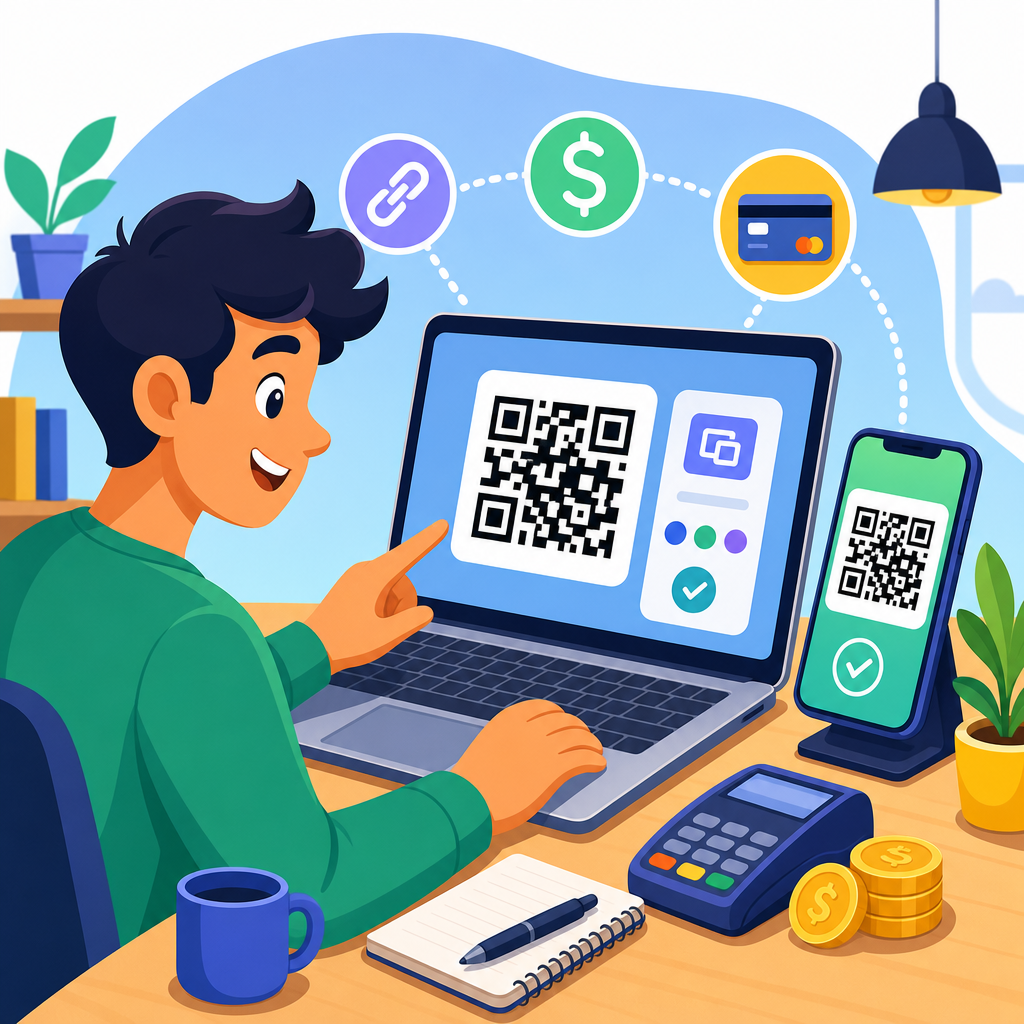
Creating a QR code for payments is one of the fastest ways to let customers pay with a phone, reduce checkout friction, and connect offline transactions to digital systems. A payment QR code is a scannable image that contains payment data such as a payee identifier, account, amount, or checkout link, allowing a banking app, wallet, or payment app to open the correct payment screen instantly. When businesses ask how to create QR codes for payments, they usually mean one of two things: a static code that always points to the same destination, or a dynamic code that can be edited, tracked, or tied to a specific order. That distinction matters because the right setup affects reconciliation, fraud risk, customer experience, and reporting.
I have implemented payment QR flows for retailers, service firms, event booths, and invoice collection, and the practical lesson is always the same: the image itself is simple, but the payment architecture behind it determines whether the system is reliable. A restaurant table tent, a market stall placard, and a digital invoice may all use QR codes, yet each needs different rules for amount handling, expiration, refunds, and proof of payment. For that reason, this guide covers how to create QR codes in a way that works for real operations, not just one-off scans. It also serves as a hub for the broader QR Code Creation & Tools topic by explaining the main methods, tools, and decisions that support every related workflow.
At a basic level, a QR code stores encoded information in a square matrix that phone cameras can read. For payments, that information may be a URL to a hosted checkout page, a payment request string, a merchant account alias, or data formatted according to a wallet or banking scheme. Common examples include PayPal payment links, Stripe Payment Links, UPI payment strings in India, bank transfer QR standards, and wallet-specific requests such as Alipay or WeChat Pay in supported markets. The best option depends on geography, payment processor support, compliance requirements, and whether you need one code for many transactions or one code per transaction.
Why does this matter? Because small implementation choices change conversion and back-office accuracy. A dynamic QR code tied to an invoice can reduce manual matching and late-payment chasing. A static QR code on packaging can support repeat purchases and donations at very low cost. A branded QR on printed signage can turn foot traffic into paid orders even when staff are busy. The challenge is to create the right code, test it across devices, and deploy it with enough clarity that customers trust it. The sections below explain exactly how to do that, including platform choices, setup steps, design rules, security practices, and the tradeoffs between common payment QR code methods.
Choose the Right Payment QR Code Method
The first step in learning how to create a QR code for payments is choosing the payment rail behind it. There are three common methods. First, you can create a QR code that opens a hosted payment link. This is the most widely compatible option because the QR simply directs users to a secure checkout page created by a processor such as Stripe, PayPal, Square, Razorpay, or Shopify. It works well for invoices, donations, event tickets, deposits, and general checkout. Second, you can encode a direct payment request supported by a regional standard or wallet ecosystem, such as UPI, EMVCo merchant-presented QR, Pix in Brazil, or local bank transfer schemes. Third, you can use a processor’s native in-person QR flow, where the provider generates codes for point-of-sale collection and often manages reconciliation automatically.
Hosted payment links are usually the best starting point for small businesses because setup is quick and security is handled by the processor. For example, Stripe Payment Links lets you create a product or fixed-price payment page without custom development. PayPal allows payment buttons and pay links that can be converted into QR codes for invoices, tips, or donations. Square offers online checkout links that merchants can print on signs or receipts. In each case, you generate the payment page first, then convert the URL into a QR code using the platform’s built-in tool or a trusted generator. If the checkout page changes, a dynamic QR service can keep the printed code active while updating the destination in the background.
Direct payment request codes are more efficient in markets where consumers expect bank app scanning. In India, for example, a UPI QR can include a payee virtual payment address, merchant name, transaction note, and optional amount. Customers scan with Google Pay, PhonePe, Paytm, or a bank app and confirm payment natively. In Brazil, Pix QR codes provide a similar frictionless flow through banking apps. These standards can be excellent for local conversion rates, but they are less portable internationally. If your audience includes tourists or cross-border buyers, a generic hosted checkout may outperform a region-specific payment code.
Static versus dynamic is the next decision. A static payment QR code is permanent. It usually points to one account or one payment page, and the customer may enter the amount manually. Static codes are cheap and useful for tip jars, donation stands, and evergreen checkout pages. Dynamic payment QR codes are generated for a specific order, amount, or invoice and can expire after use. They are better for accounting accuracy, fraud prevention, and automated reconciliation because each scan corresponds to a defined transaction. In my projects, businesses that process recurring low-value walk-up payments often start static, then move to dynamic once volume makes reconciliation too time-consuming.
How to Create a Payment QR Code Step by Step
To create a payment QR code, start by setting up the payment destination. If you are using Stripe, create a Payment Link for a product, service, subscription, or custom amount. In PayPal, create a payment button, invoice, or payment request. In Square, create an online checkout link. In Shopify, use a product page or draft order checkout when appropriate. For direct bank or wallet standards, use your bank, payment service provider, or merchant app to generate the request. The output you need is either a secure payment URL or a standardized payment payload that your target apps can read.
Next, decide whether the QR code should be static or dynamic. If the destination will never change, a static QR is acceptable. If you may update the destination, pause campaigns, rotate payment pages, or track scan-level performance, use a dynamic QR platform. Good QR management tools typically let you edit the target after printing, add UTM parameters for analytics, and review scan data by time, device, or location. That flexibility matters when codes appear on packaging, menus, posters, invoices, and window signage where reprinting creates avoidable cost.
Then generate the QR code itself. Many payment platforms provide native QR creation inside the dashboard, which is preferable because it reduces formatting mistakes. If you use a separate QR generator, choose one that supports high-resolution export in PNG and SVG, custom error correction, and dynamic redirect management if needed. Encode only the final destination you want customers to open. Avoid link shorteners that add unnecessary redirects unless your analytics stack requires them. Every extra hop introduces latency and can lower trust if the visible domain does not match the payment brand users expect.
| Method | Best Use Case | Pros | Limits |
|---|---|---|---|
| Hosted payment link QR | Invoices, donations, simple checkout | Easy setup, broad compatibility, secure hosted checkout | Requires internet and browser handoff |
| Static wallet or bank QR | Counters, signage, repeat collections | Low cost, reusable, fast customer scan | Manual amount entry and harder reconciliation |
| Dynamic order-specific QR | POS, invoices, order matching | Exact amounts, expiry control, better reporting | Needs platform support and workflow integration |
After generation, customize carefully. Add your logo only if the code remains highly scannable. Maintain strong contrast, ideally dark modules on a light background. Do not invert colors unless you test thoroughly. Keep quiet space around the code, and export at a size suited to placement. For print, I usually recommend at least 2 x 2 centimeters for close-range scanning and larger for posters or counter displays. If the code appears in a storefront window or on a trade show banner, test the scan distance before finalizing artwork. The best design rule is functional clarity: put a short instruction under the code such as “Scan to pay by card, wallet, or bank app.”
Finally, test the full flow on multiple devices. Use iPhone and Android cameras, not just one merchant app. Confirm that the QR opens the intended destination, the amount is correct, taxes and shipping behave properly, and the payment confirmation page is clear. Test poor lighting, glossy print, and different screen brightness levels if the QR will appear digitally. Also run a live payment and refund. Teams often stop after the first successful scan, but the real implementation test is whether the payment lands in the right ledger, the customer receives confirmation, and staff can verify the transaction without improvisation.
Best Tools, Design Rules, and Security Practices
The best tools for creating payment QR codes depend on the level of control you need. For no-code setups, Stripe Payment Links, PayPal, Square, Shopify, and regional banking apps are the strongest options because they combine payment acceptance with checkout hosting and reporting. For broader QR management, tools like QR Code Generator Pro, Beaconstac, Bitly QR Codes, and Flowcode are useful when you need editable destinations, campaign tagging, and centralized asset management across many codes. Larger organizations may generate QR codes through their CRM, billing system, or POS software so transaction identifiers map directly to internal records.
Design affects conversion more than most teams expect. A payment QR code must look legitimate at a glance. Use your business name next to the code, display accepted payment types, and place a fallback URL underneath for users who cannot scan. On receipts or invoices, include the invoice number near the code so customers understand what they are paying. On physical signage, pair the code with a plain-language benefit such as “Pay in under 30 seconds.” If customers hesitate because they are unsure where the scan leads, completion rates drop. Trust signals matter especially in public spaces where QR phishing has become more common.
Security requires both technical controls and simple operational habits. Use HTTPS destinations only. Prefer processor-hosted pages over custom forms unless your payment stack is fully compliant and maintained. If you print static codes in public locations, inspect them regularly for sticker replacement fraud, where a criminal covers your code with another destination. For dynamic codes on invoices, set expiration times when possible and avoid exposing internal identifiers that could be manipulated. Merchant staff should know how to confirm payment in the dashboard rather than relying on customer screenshots, which can be falsified. If you process high volumes, integrate webhook notifications into your order or accounting system so confirmation is system-based, not manual.
Measurement closes the loop. Add analytics parameters to hosted payment links so you can compare scans from menus, direct mail, packaging, email signatures, and event signage. Track scan-to-payment conversion, average order value, refund rate, and settlement timing by QR placement. In one retail rollout I worked on, a counter QR produced many scans but few payments because customers used it mostly to browse products, while a receipt QR drove repeat purchases with stronger conversion because intent was higher. Those findings changed signage strategy and reduced wasted print spend. Creating QR codes is not just a design task; it is a measurable acquisition and payment channel.
Common Mistakes and When to Use Each Format
The most common mistake is choosing static codes when dynamic codes are needed. If every customer owes a different amount, a single permanent code forces manual amount entry and manual reconciliation, creating errors. Another mistake is sending users to a homepage instead of a payment-ready destination. A payment QR code should open exactly where the customer can complete the transaction with minimal taps. Poor print quality, low contrast, tiny sizing, and excessive logo customization also hurt scan reliability. So does failing to test with older phones or weak mobile data. If a code is part of a payment journey, reliability matters more than visual novelty.
Use static payment QR codes for donations, fixed-price products, tips, market stalls, simple service businesses, and evergreen checkout links where customer flexibility matters more than transaction matching. Use dynamic payment QR codes for invoices, utilities, hospitality, event admissions, medical billing, order pickup, and any workflow where exact amount and order identity must be preserved. Use direct bank or wallet QR standards when your customer base already uses them heavily and your processor supports settlement and reporting cleanly. Use hosted checkout QR codes when you need broad compatibility, branded payment pages, tax handling, coupons, subscriptions, or card acceptance beyond a local wallet ecosystem.
As the hub page for QR Code Creation & Tools, this guide should anchor your next steps. From here, the most useful follow-up topics are static versus dynamic QR codes, QR code design best practices, editable QR code platforms, payment link tools, QR code testing checklists, invoice QR workflows, and tracking QR campaign performance. The key takeaway is simple: create the payment destination first, choose the right code type for the transaction, keep the scan experience clear and secure, and test the entire payment and reporting flow before rollout. Do that well, and payment QR codes become more than a convenience feature; they become a dependable revenue channel. Review your payment process, pick one real use case, and create your first production-ready QR code today.
Frequently Asked Questions
What is a payment QR code, and how does it work?
A payment QR code is a scannable code that sends a customer directly to the correct payment flow on their phone. Instead of manually typing in account details, a payment amount, or a checkout URL, the customer opens a banking app, digital wallet, or payment app and scans the code. The app then reads the embedded payment data and populates the payment screen automatically. Depending on how the code is set up, that data may include a merchant identifier, account information, a payment link, an invoice reference, or even a prefilled transaction amount.
In practice, this helps businesses reduce friction at checkout because the customer can move from seeing the code to approving the payment in just a few taps. It also lowers the chance of entry errors that happen when people type account numbers or URLs manually. For in-person sales, payment QR codes are commonly printed on signs, receipts, table tents, product packaging, or point-of-sale displays. For remote or hybrid sales, they can also be placed on invoices, emails, websites, and digital screens. The key benefit is speed: the QR code acts as a shortcut that connects an offline or visual touchpoint to a digital payment experience instantly.
What is the difference between a static and a dynamic QR code for payments?
When businesses ask how to create a QR code for payments, they are usually deciding between a static QR code and a dynamic QR code. A static payment QR code contains fixed information that does not change after the code is created. For example, it might always point to the same payment address, wallet, or merchant account. This is useful for simple setups such as tips, donations, market stalls, pop-up shops, or businesses that want one reusable code customers can scan anytime. Static codes are often easy and inexpensive to generate, but they are limited because you usually cannot edit the destination or payment details once the code has been printed and distributed.
A dynamic payment QR code is more flexible. Instead of permanently storing all final payment information in the code itself, it points to a managed payment destination that can be updated behind the scenes. This makes it possible to change the amount, attach an order or invoice number, track scans, route customers to different checkout experiences, or update the payment provider without replacing the printed QR code. Dynamic codes are generally better for businesses that want reporting, campaign attribution, location-based tracking, or variable pricing. If your payment process needs to support changing amounts, multiple products, recurring use across channels, or measurable performance, dynamic QR codes are usually the smarter long-term choice.
How do I create a QR code for payments for my business?
The first step is deciding what payment method the QR code should open. Some businesses use a direct bank transfer format, while others use a digital wallet, payment processor, ecommerce checkout link, invoicing platform, or hosted payment page. Once you know the destination, gather the payment data you want to include, such as your business account identifier, merchant handle, payment URL, amount, currency, item description, or order reference. Then choose whether you need a static code for general reuse or a dynamic code for editable, trackable payment experiences.
Next, use a trusted QR code generator or your payment provider’s built-in QR payment tool. Enter the payment details carefully, generate the code, and test it on multiple devices before publishing it. The test process matters: scan the code with different banking apps and mobile phones to confirm that it opens the correct payment screen, shows accurate details, and feels easy for a customer to complete. After testing, place the code where customers naturally make payment decisions, such as checkout counters, invoices, menus, signage, packaging, booking confirmations, or event displays. To improve results, include a clear call to action near the code, such as “Scan to pay,” and mention accepted payment apps if relevant. If you need analytics, easier updates, or campaign tracking, use a dynamic setup so the QR code remains useful as your business evolves.
Can I set a fixed amount in a payment QR code, or let customers enter their own amount?
Yes, and the right option depends on your use case. A payment QR code can be configured either with a fixed amount or without one, allowing the customer to enter the amount manually. A fixed-amount QR code is ideal when the payment total should be exact, such as for a specific product, event ticket, invoice, service fee, or promotional offer. This can speed up checkout and reduce confusion because the customer sees the amount prefilled in the payment app. It also minimizes underpayment or typing mistakes, which is especially useful in busy retail or hospitality environments.
A variable-amount payment QR code is better when the total changes from transaction to transaction. This is common for tips, donations, open balances, custom orders, or businesses with frequently changing prices. In these cases, the QR code can identify the merchant or payment destination while leaving the amount to be entered at checkout. Some businesses take a hybrid approach by using dynamic QR codes that generate a unique code per order, with the exact amount and transaction reference embedded automatically. That approach combines convenience with better reconciliation, because each payment can be tied back to a specific purchase or invoice. If accurate recordkeeping matters, especially at scale, using unique or dynamic payment QR codes with transaction-specific data is usually more reliable than relying on customers to type amounts manually.
Are payment QR codes secure, and what best practices should businesses follow?
Payment QR codes can be secure, but their safety depends on how they are created, managed, and displayed. The QR code itself is simply a data container, so the real security comes from the payment platform, banking app, wallet, checkout page, and your operational controls. Businesses should always generate payment QR codes through trusted providers, secure payment systems, or reputable QR code platforms. If the code links to a payment page, that page should use HTTPS, display clear business branding, and ideally come from a recognized payment processor or your verified domain. Customers are more likely to trust and complete a payment when the destination looks legitimate and consistent.
Operational best practices are just as important. Keep printed QR codes in controlled locations so they cannot be replaced or tampered with by fraudsters. Inspect physical signage regularly, especially in public-facing environments like counters, tables, kiosks, or event venues. If you use dynamic codes, protect your account with strong passwords, role-based access, and two-factor authentication. It is also wise to monitor payment activity and scan analytics for unusual patterns. From the customer side, encourage people to verify the payee name and payment amount before confirming the transaction. A well-managed payment QR code strategy should balance convenience with oversight: use trusted tools, test thoroughly, secure your payment endpoints, monitor usage, and make sure customers know they are paying the correct business.