QR codes have moved from a niche convenience to core infrastructure in subscription and membership models, and that shift reflects a much larger story about global QR code adoption trends. A QR code, or quick response code, is a two-dimensional barcode that stores data such as a URL, payment token, account identifier, event credential, or app deep link. In subscription businesses, that simple square can start a free trial, authenticate a gym member, connect a customer to self-service billing, or unlock a streaming app on a television. I have worked with retailers, software platforms, and venue operators that once treated QR codes as campaign accessories. Today, they rely on them as repeat-use customer touchpoints that reduce friction, support retention, and create measurable first-party interactions across physical and digital channels.
The topic matters because subscription and membership revenue depends on continuity. Every extra login step, missed payment reminder, or confusing onboarding screen adds churn risk. QR codes solve a practical problem at scale: they bridge offline moments and digital account actions in one scan. Their usefulness expanded globally after smartphone camera improvements, mobile wallet growth, and contactless behavior changes accelerated consumer familiarity. Markets in Asia normalized scan-based payments and super apps earlier, while North America and Europe saw rapid adoption through restaurant menus, ticketing, curbside pickup, and app activation. Across regions, the pattern is the same. Once customers trust scanning for one task, businesses can extend that habit into account management, loyalty access, subscription renewal, and member verification.
For this hub on global QR code adoption trends, subscription and membership models provide an ideal lens because they reveal both breadth and depth. Breadth appears in the number of sectors using QR codes: fitness clubs, SaaS, media, museums, transit passes, coworking spaces, meal kits, education platforms, and wholesale buyer programs. Depth appears in how the codes are deployed over the customer lifecycle, from acquisition and onboarding to recurring engagement, support, and reactivation. Understanding those use cases helps explain why QR codes are no longer just marketing devices. They are operational assets tied to customer identity, mobile payments, analytics, and secure access. Businesses that understand this evolution can design smoother journeys, collect cleaner attribution data, and make their recurring-revenue experiences easier to join and harder to abandon.
Why global QR code adoption accelerated
Global QR code adoption accelerated because three systems matured at the same time: smartphone hardware, mobile software, and consumer behavior. Native camera scanning removed the need for separate reader apps. Apple integrated code recognition into the Camera app years ago, and Android device makers and Google Lens made scanning equally routine across much of the market. At the same time, payment gateways, app stores, and customer engagement platforms standardized deep linking and mobile web flows. That meant a scan could open the exact destination needed for sign-up, payment authentication, account recovery, or member check-in without forcing users through multiple screens. In my own implementation work, conversion rates improved most when businesses eliminated app-download requirements and used dynamic QR codes that routed by device, geography, and campaign source.
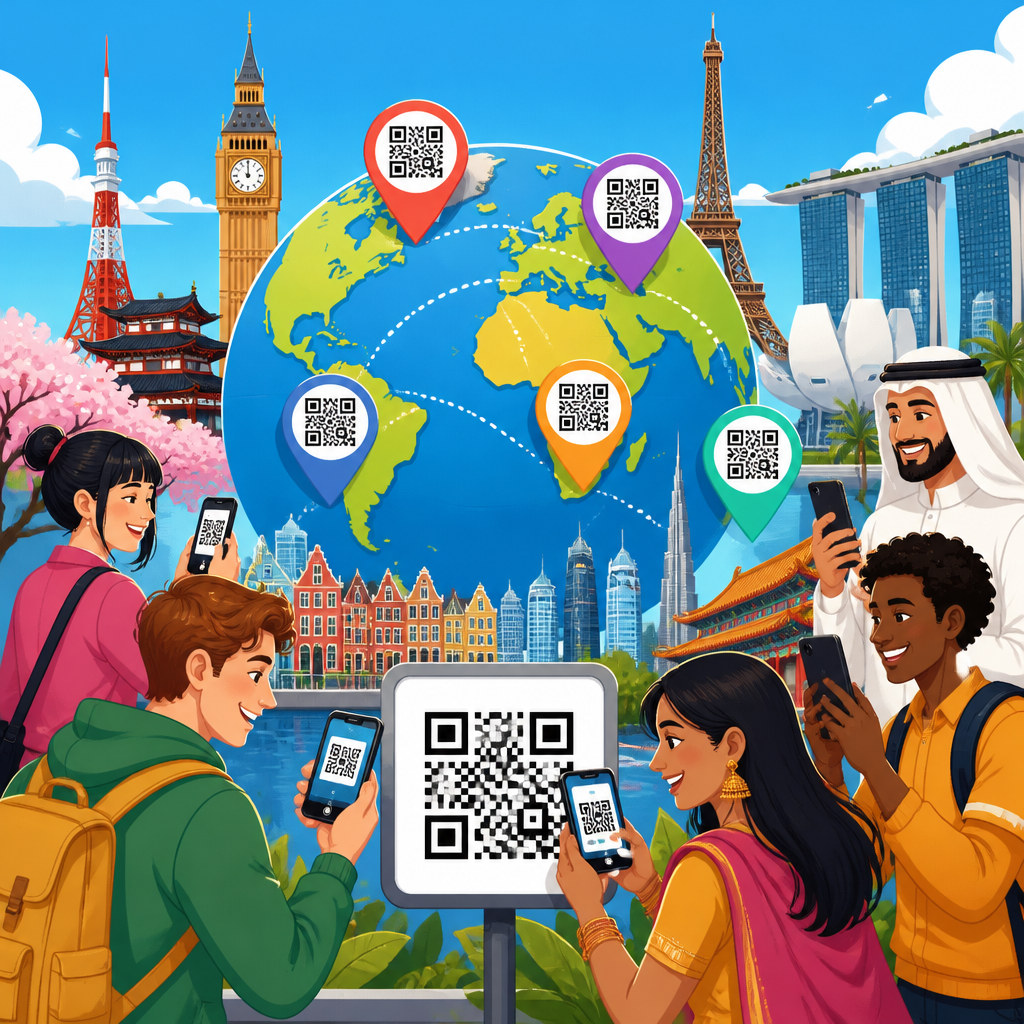
Regional adoption also followed local infrastructure. China demonstrated what happens when QR payments and platform ecosystems align; services such as WeChat and Alipay trained millions of consumers to scan for everything from street food to utility bills. India’s digital payment growth, helped by UPI and app-led commerce, broadened public comfort with scan-based transactions. In Europe, transport systems, museums, and event operators expanded QR-based ticketing, while subscription commerce used codes on packaging and direct mail to drive app activation and self-service upgrades. In North America, the surge in contactless interactions during the pandemic changed consumer expectations permanently. Restaurants introduced QR menus, health systems used them for intake, and subscription brands learned that codes on boxes, inserts, and storefront signage could move customers directly into loyalty enrollment or account setup.
For membership businesses, this matters because consumer familiarity lowers education costs. A member who already uses QR codes to pay, travel, or view menus does not need to be convinced to scan for account login or benefits access. That creates a compound effect. More scans generate more usage data, which supports better segmentation and lifecycle messaging. More utility drives more trust, which encourages broader deployment. The result is a reinforcing cycle in which QR codes become part of the expected customer experience rather than a novelty.
How subscription and membership models use QR codes
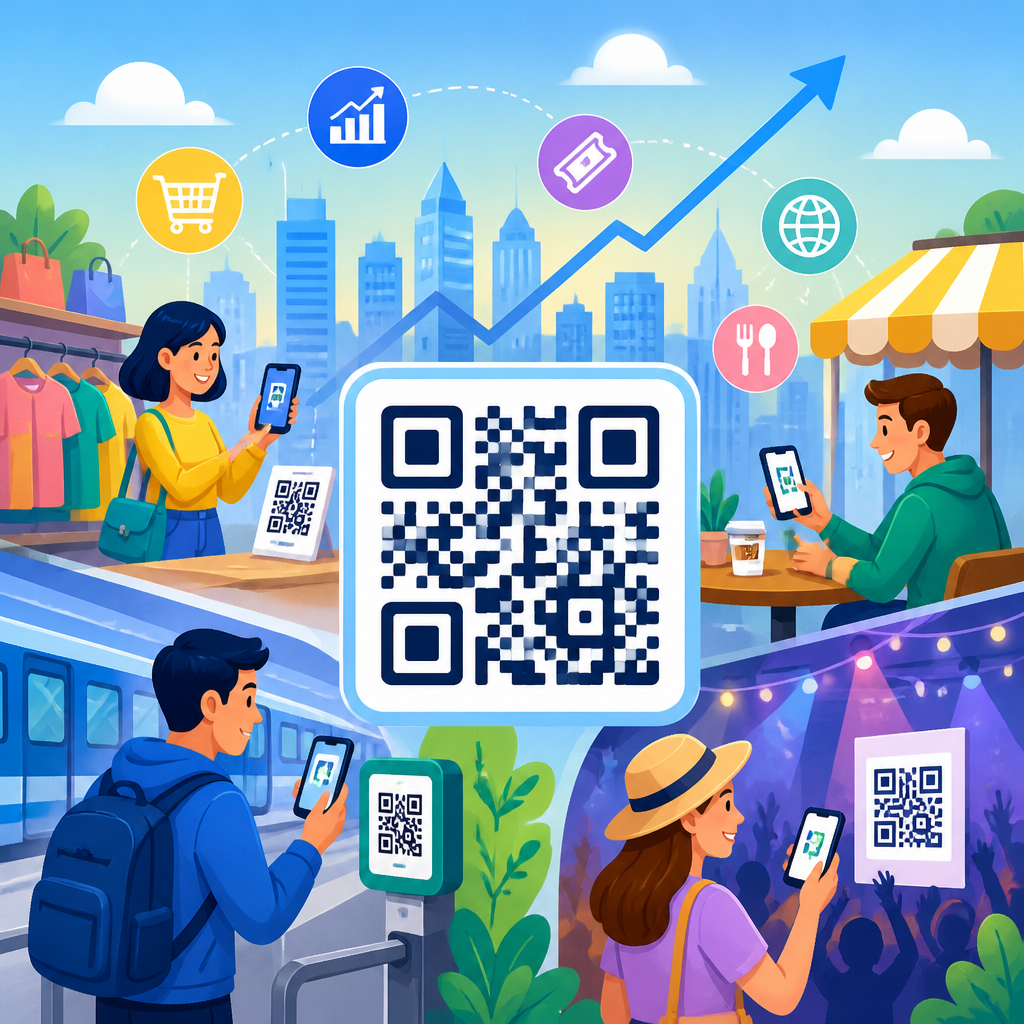
Subscription and membership businesses use QR codes at every stage of the customer journey because the format is flexible, inexpensive to deploy, and easy for customers to understand. Acquisition is often the first use case. A code on out-of-home advertising, packaging, event signage, or direct mail can take prospects to a landing page prefilled with offer details, referral identifiers, or location-specific pricing. Publishers use this to convert print readers into digital subscribers. Streaming services place QR codes on television screens so users can log in on a phone instead of typing passwords with a remote. Gyms place codes in windows and lobbies so passersby can join instantly, schedule a tour, or claim a trial.
Onboarding is where QR codes often deliver the highest operational value. Software subscriptions commonly display a QR code during desktop sign-up so users can install the mobile app and authenticate the same account in seconds. Hardware subscription brands include setup cards that link to activation, troubleshooting, and how-to content tied to the exact product. Membership organizations use personalized QR codes in welcome emails or plastic cards to streamline first entry and profile completion. In each case, the scan reduces abandonment by connecting the customer to the next required action without manual searching.
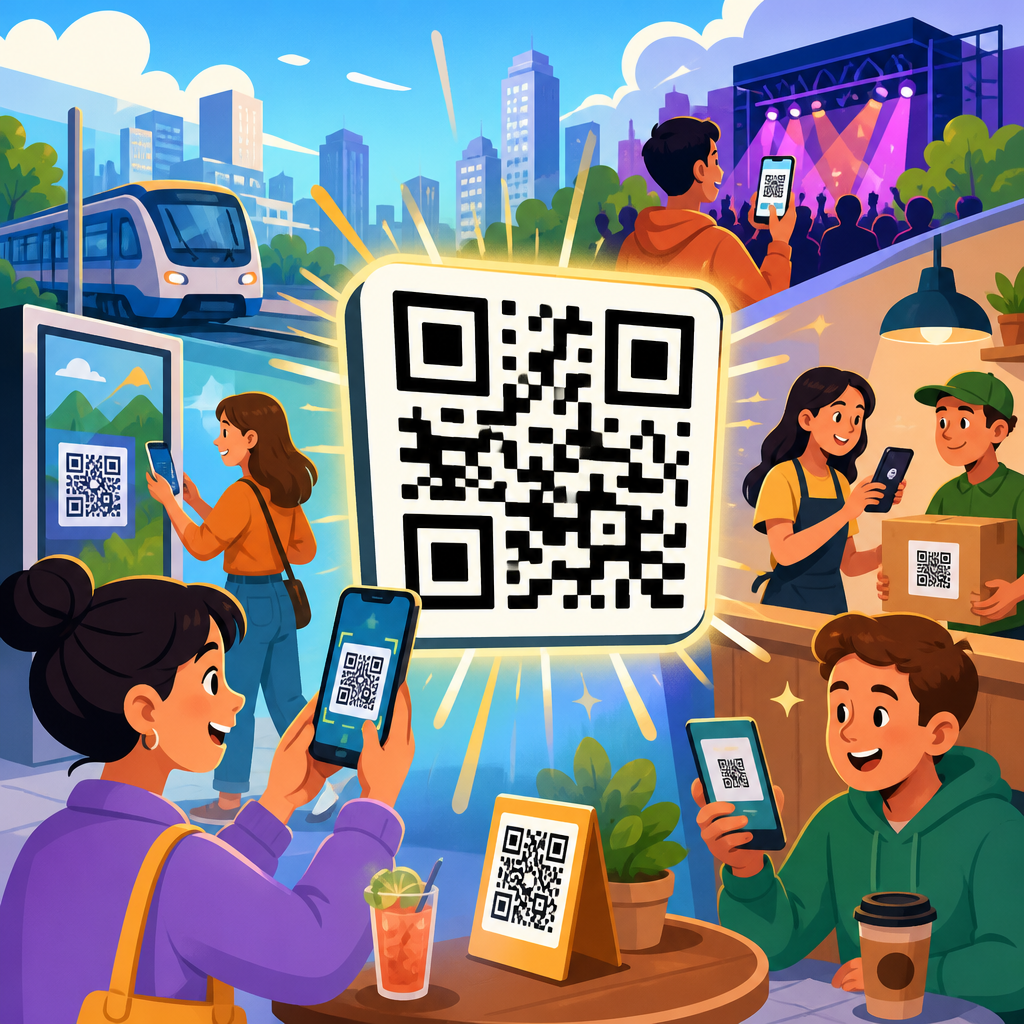
Recurring engagement is the next layer. A restaurant loyalty program can place table, receipt, and packaging QR codes that open point balances, personalized offers, and subscription coffee plan renewals. A coworking membership can use codes at room doors, kiosks, and events to handle access, attendance, and add-on purchases. A museum can embed QR codes in exhibits so members unlock premium audio content, creating a benefit nonmembers do not receive. These interactions matter because retention is driven by perceived ongoing value, not just initial sign-up. The more naturally a customer can discover and use benefits, the stronger the membership feels.
| Use case | How the QR code is used | Business benefit | Example |
|---|---|---|---|
| Acquisition | Links prospects to offer-specific signup pages | Higher conversion and better attribution | Gym poster promoting a free seven-day trial |
| Onboarding | Connects users to app download and account activation | Lower setup friction and fewer support tickets | Streaming service TV login screen |
| Access control | Verifies identity at entry points or kiosks | Faster check-in and reduced fraud | Coworking member entry gate |
| Billing support | Opens payment update or renewal page | Improved recovery of failed payments | Invoice insert for card expiration updates |
| Engagement | Unlocks rewards, tutorials, or member-only content | Stronger retention and benefit usage | Museum exhibit audio for members |
Industry examples that show adoption depth
Fitness is one of the clearest membership categories for QR code maturity. Large gym chains and boutique studios use codes for digital waivers, class booking, front-desk check-in, and locker access. The operational gain is not abstract. Check-in lines shrink, staff spend less time on repetitive tasks, and members can move from discovery to trial to recurring plan with fewer handoffs. I have seen clubs improve first-visit conversion simply by replacing paper forms with a scan-to-join flow that captured lead source and prompted app installation before the prospect left the building. The code becomes the bridge between location traffic and a persistent member record.
Media and entertainment subscriptions use QR codes differently but just as effectively. Streaming services regularly present QR codes on smart TV login screens because typing credentials with a remote is one of the worst friction points in the category. A scan opens a secure authorization page on the customer’s phone, confirms the device, and completes login in seconds. Publishers use QR codes in print magazines, newspapers, and even podcast sponsorship materials to move audiences into digital subscription funnels. Event memberships and season-ticket programs also rely on QR-based mobile ticketing, often integrating rotating codes or wallet passes to reduce screenshot sharing and improve security.
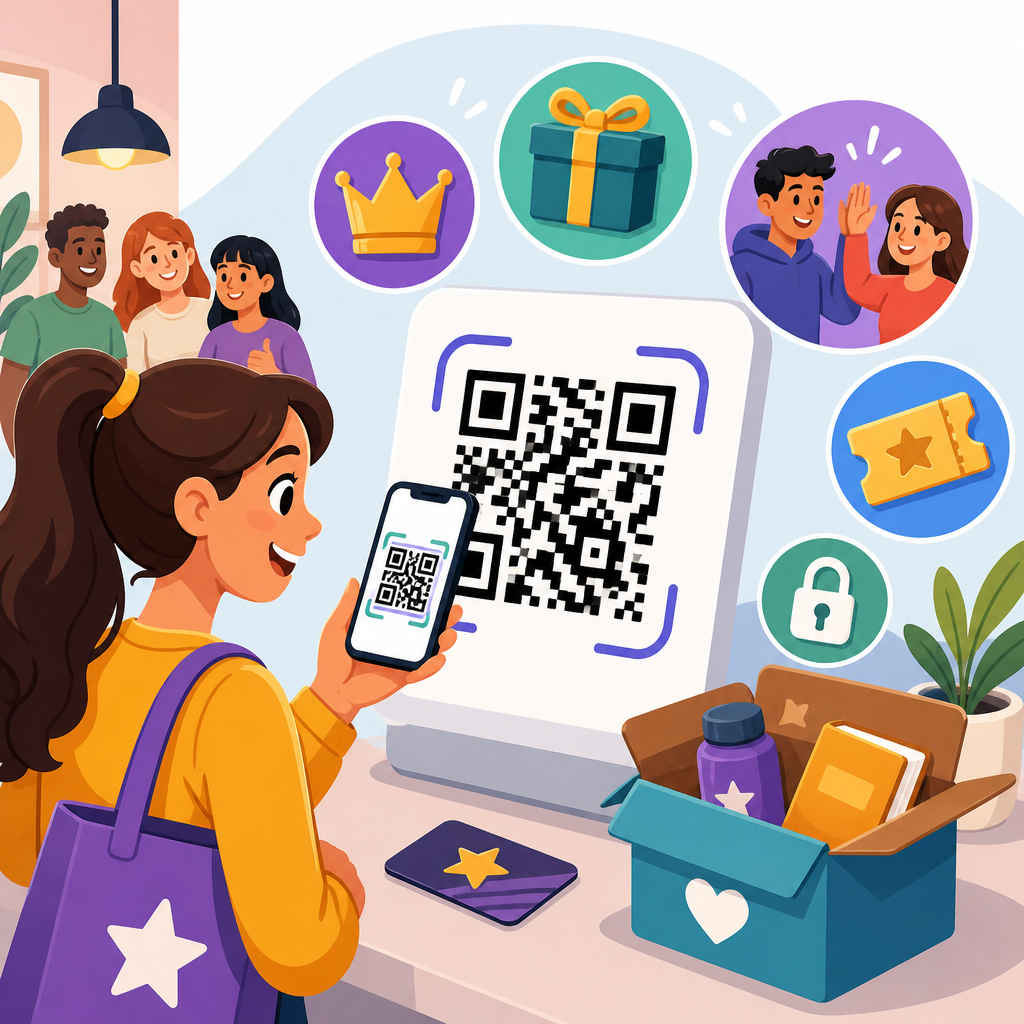
Retail memberships and food subscriptions show how QR codes support omnichannel behavior. Warehouse clubs, coffee subscriptions, meal kit services, and beauty boxes all use packaging and point-of-sale surfaces to drive account actions. A code on a shipment insert can prompt a customer to skip a delivery, add products, redeem loyalty points, or refer a friend. That matters because recurring revenue businesses live on small moments of convenience. If customers can manage their plan from the kitchen counter while unpacking a box, they are less likely to delay the task and later cancel out of frustration. In B2B memberships, trade associations and wholesale buyer clubs increasingly use QR codes for event registration, gated resources, and profile-based lead capture, turning offline interactions into attributable digital engagement.
Implementation best practices, limitations, and future direction
Effective QR code implementation starts with the destination, not the graphic. The landing experience must load quickly, match the promise near the code, and ask for the fewest possible steps. Dynamic QR codes are usually the right choice because they allow destination changes without reprinting assets and provide analytics such as scan time, device type, geography, and repeat use. Platforms like Bitly, QR Code Generator, Beaconstac, and enterprise campaign tools support these controls, while product teams often connect scans to analytics stacks such as Google Analytics 4, Mixpanel, Segment, or Adobe Analytics. For subscriptions, the most useful events to track are first scan, signup completion, app install, account activation, payment update, renewal, and member check-in frequency.
Security and trust must be designed in. Customers know malicious QR codes exist, so brands should use recognizable domains, clear callouts, and secure HTTPS destinations. For access control and membership verification, static codes are often insufficient because they can be copied. Time-limited tokens, app-generated rotating credentials, device binding, or wallet integration provide stronger protection. Accessibility matters too. Codes need sufficient contrast, quiet space, appropriate size, and placement that works under real lighting conditions. ISO and GS1 standards increasingly shape how QR codes carry product and transaction data, especially as 2D codes expand in retail. Businesses should test printed and digital scans across device types, distances, and connection speeds before full rollout.
There are also limits. A QR code does not fix a weak offer, poor onboarding copy, or a slow payment page. In some demographics, scan rates remain lower than marketers assume, especially when the call to action is vague. International adoption varies by payment culture, privacy expectations, and app ecosystem maturity. That is why the strongest programs treat QR codes as one access layer within a broader journey that also includes NFC, email links, SMS, wallet passes, and standard login methods. Looking ahead, the role of QR codes in subscription and membership models will keep growing as connected packaging, digital identity, and loyalty infrastructure mature globally. The practical takeaway is simple: audit every point where a customer hesitates, types unnecessarily, or cannot find the next step, then test whether a well-designed QR flow removes that friction. In recurring revenue, convenience compounds into retention.
Frequently Asked Questions
How are QR codes used in subscription and membership models?
QR codes play several roles across the full subscriber lifecycle, from acquisition to onboarding, access control, billing support, renewals, and retention. In practical terms, a business can place a QR code on product packaging, in-store signage, direct mail, digital invoices, membership cards, or event materials to connect people instantly to a subscription offer, member portal, mobile app, payment page, or personalized account experience. Instead of asking customers to type a long URL, remember login details, or search for the right page, the QR code creates a faster and more direct path into the system.
For example, a subscription company might use one QR code to start a free trial, another to authenticate a returning member at a physical location, and another to route existing customers to self-service billing tools where they can update payment methods, pause service, or upgrade plans. Gyms, coworking spaces, streaming services, software memberships, loyalty clubs, and recurring delivery brands all benefit from this kind of streamlined access. In many cases, the QR code functions as a bridge between offline touchpoints and digital infrastructure, making it easier to convert interest into enrollment and easier for current members to manage their relationship with the brand.
What makes QR codes especially valuable is that they are flexible. A static code might send all users to the same destination, while a dynamic QR code can be updated over time, tracked for engagement, and connected to specific campaigns or customer segments. That allows subscription businesses to personalize experiences, reduce friction, and gather operational insights without changing the printed code itself. As adoption has expanded globally, QR codes have become less of a novelty and more of a foundational interface for recurring customer relationships.
Why have QR codes become so important in modern membership experiences?
The rise of QR codes in membership and subscription models reflects a broader shift in customer expectations. People increasingly expect instant, mobile-first access to services, account tools, and physical or digital benefits. QR codes meet that expectation because they remove unnecessary steps. A member can scan once to check in, access a pass, confirm identity, redeem a benefit, or open a support flow without needing to download multiple files, search through email threads, or stand in line for assistance.
This matters because subscription businesses succeed or fail based on convenience, continuity, and retention. Every point of friction creates risk: missed renewals, abandoned signups, support volume, failed check-ins, and customer frustration. QR codes help reduce that friction by making critical actions easier at exactly the moment they are needed. A fitness member arriving at the front desk, a subscriber trying to restart service, or an attendee entering a member-only event benefits from the speed and clarity of a simple scan.
There is also an operational reason for their importance. QR codes can connect physical spaces, printed materials, apps, payment systems, and CRM or membership databases in a lightweight and scalable way. Businesses do not always need expensive hardware changes to improve access and workflow; often, a well-designed QR system can extend existing infrastructure quickly. Combined with the global normalization of smartphone scanning behavior, this makes QR codes an efficient way to improve both the customer experience and internal operations. In that sense, their growing importance is not just about convenience. It is about creating a more connected, measurable, and scalable subscription ecosystem.
What are the biggest benefits of using QR codes for subscriber onboarding and retention?
One of the biggest advantages is faster onboarding. When a new customer can scan a QR code to begin a trial, complete account setup, download the app, verify their plan, or activate benefits, the business removes barriers that often cause drop-off. This is especially important during the first few minutes or hours after signup, when intent is high but patience is limited. A strong onboarding flow supported by QR codes can make the difference between a curious prospect and a fully activated subscriber.
Retention benefits are just as significant. Subscribers stay longer when account management is easy, service access feels seamless, and support is available without unnecessary effort. QR codes can link directly to upgrade paths, renewal pages, loyalty rewards, troubleshooting tools, cancellation alternatives, or re-engagement offers. For instance, if a member receives a renewal notice with a QR code that opens a one-step payment confirmation page, the chance of successful renewal may be much higher than if they need to log in manually and navigate several menus.
QR codes also support more personalized retention strategies. A business can generate campaign-specific or user-specific codes tied to individual offers, locations, plans, or lifecycle stages. That makes it easier to track engagement, identify where users are dropping off, and test which member journeys produce better long-term results. Over time, those insights help businesses refine communications, reduce churn, and create more intuitive membership experiences. In short, QR codes improve onboarding by simplifying the first interaction and improve retention by making ongoing participation easier and more rewarding.
Are QR codes secure enough for payments, member authentication, and account access?
QR codes can be secure, but their safety depends on how they are implemented. The code itself is simply a method of encoding information; it is not automatically secure or insecure. Security comes from the destination, the authentication process, the payment workflow, and the controls surrounding the code’s use. When businesses use encrypted payment systems, authenticated member portals, expiring tokens, device-aware sessions, and secure HTTPS destinations, QR codes can support safe and reliable transactions and account interactions.
For payments, many businesses use QR codes to initiate transactions through trusted wallets, billing portals, or processor-hosted checkout pages. For authentication and access control, a QR code might represent a time-limited credential, a rotating token, or a session-linked identity check rather than exposing sensitive account information directly. This is especially important in gyms, clubs, events, and premium member environments where access needs to be fast but controlled. Dynamic QR codes are often preferable in these cases because they allow the business to update the destination, revoke access, monitor scans, and reduce the risk associated with static printed credentials.
That said, security best practices are essential. Businesses should avoid embedding unnecessary personal data in the code, use short-lived or server-validated tokens for sensitive actions, educate members to scan only official brand materials, and monitor for fraud or spoofed signage. Multi-factor authentication may also be appropriate for higher-risk actions such as changing billing details or accessing protected account settings. So yes, QR codes are absolutely viable for payments and member access, but they should be treated as one layer within a broader security architecture rather than as a standalone trust mechanism.
What should businesses consider before adding QR codes to a subscription or membership strategy?
The first consideration is the user journey. A QR code should not exist just because it is trendy; it should solve a clear customer problem or remove a specific point of friction. Businesses should decide whether the goal is faster signup, smoother check-in, easier billing updates, stronger retention, better event access, or improved self-service support. Once that objective is clear, the QR experience can be designed around a specific action, audience, and context. The best QR implementations feel obvious and useful, not decorative or confusing.
The second consideration is infrastructure. Businesses need to think about where the code leads, how the destination performs on mobile, how the action connects to subscription systems, and what data should be tracked. If a user scans a code to manage a membership but lands on a slow page, a generic homepage, or a non-mobile-optimized form, the experience breaks down quickly. Integration with CRM, billing, analytics, membership databases, and customer support tools can dramatically increase the value of QR usage because it turns scans into measurable business outcomes rather than isolated interactions.
Third, businesses should plan for governance, branding, and trust. QR codes should be clearly labeled so users understand what will happen when they scan. The landing page should match brand expectations and reassure the user that they are in the right place. Dynamic QR codes are often the better choice because they support edits, analytics, redirection, and campaign management without requiring reprints. Accessibility also matters; there should be an alternative path for users who cannot scan or prefer not to. Finally, businesses should review privacy and security requirements, especially if codes touch payments, account credentials, or personally identifiable information. When thoughtfully implemented, QR codes can become a powerful operational asset rather than just a marketing add-on.