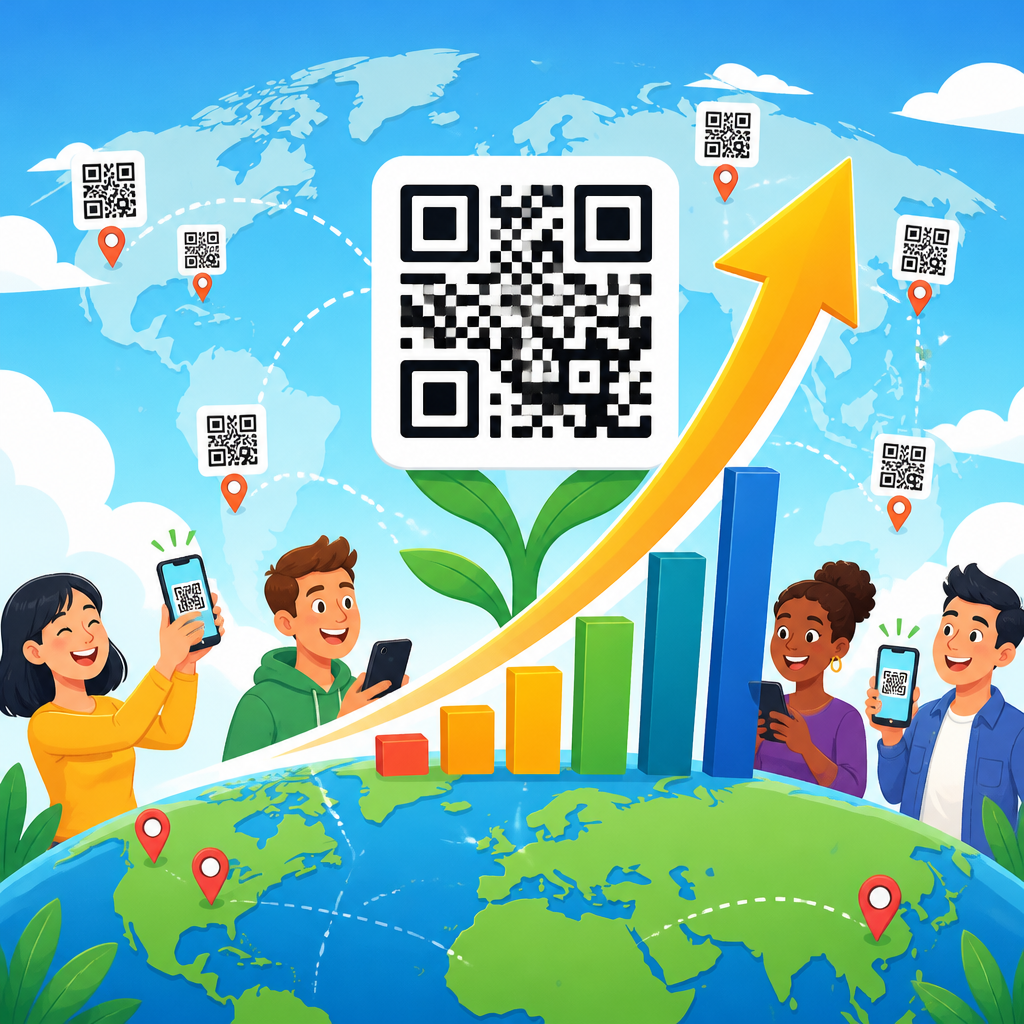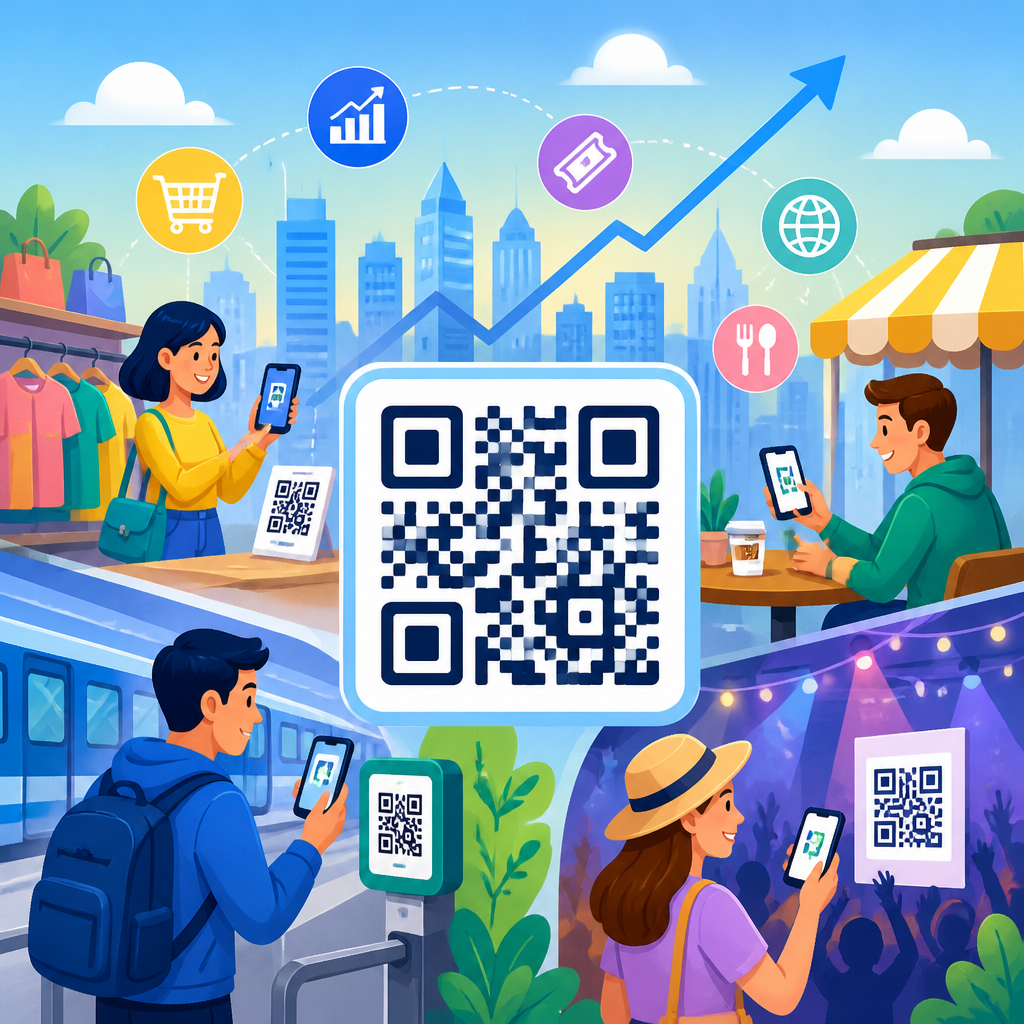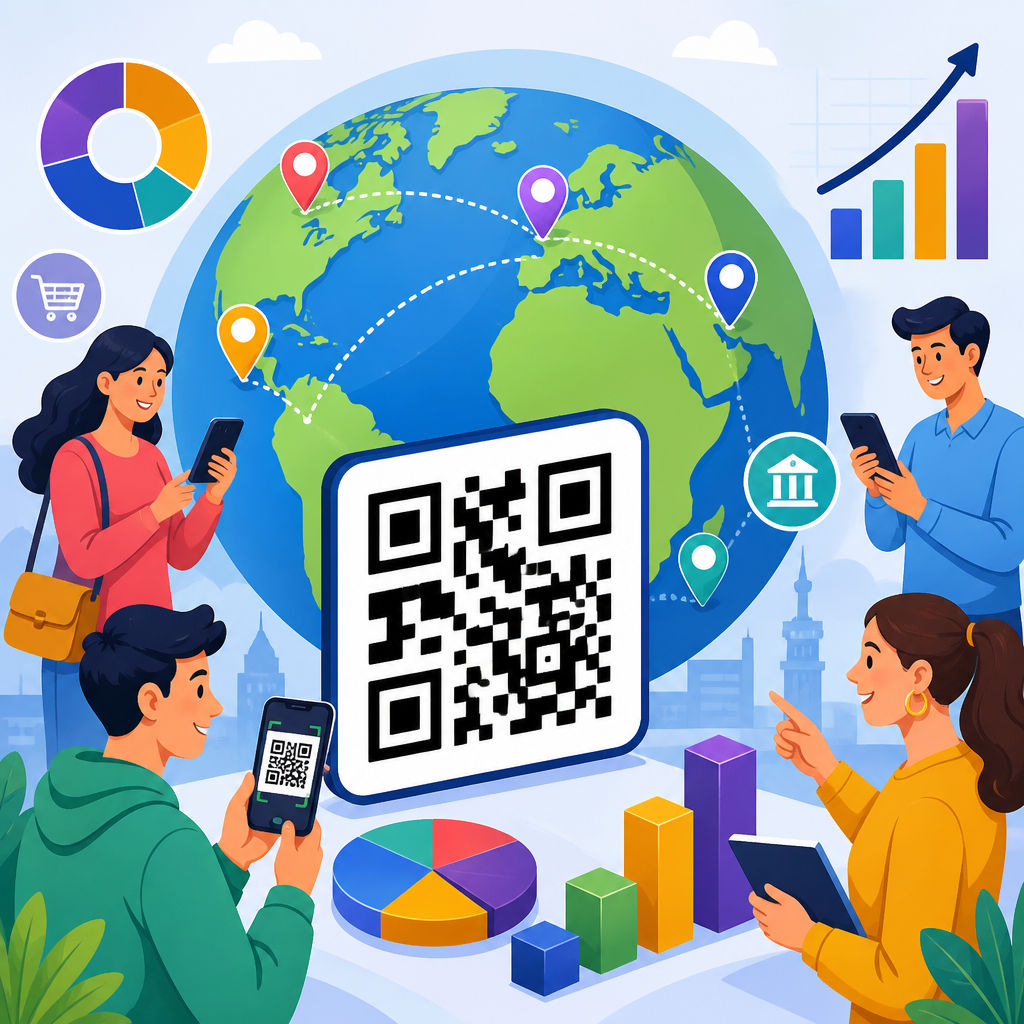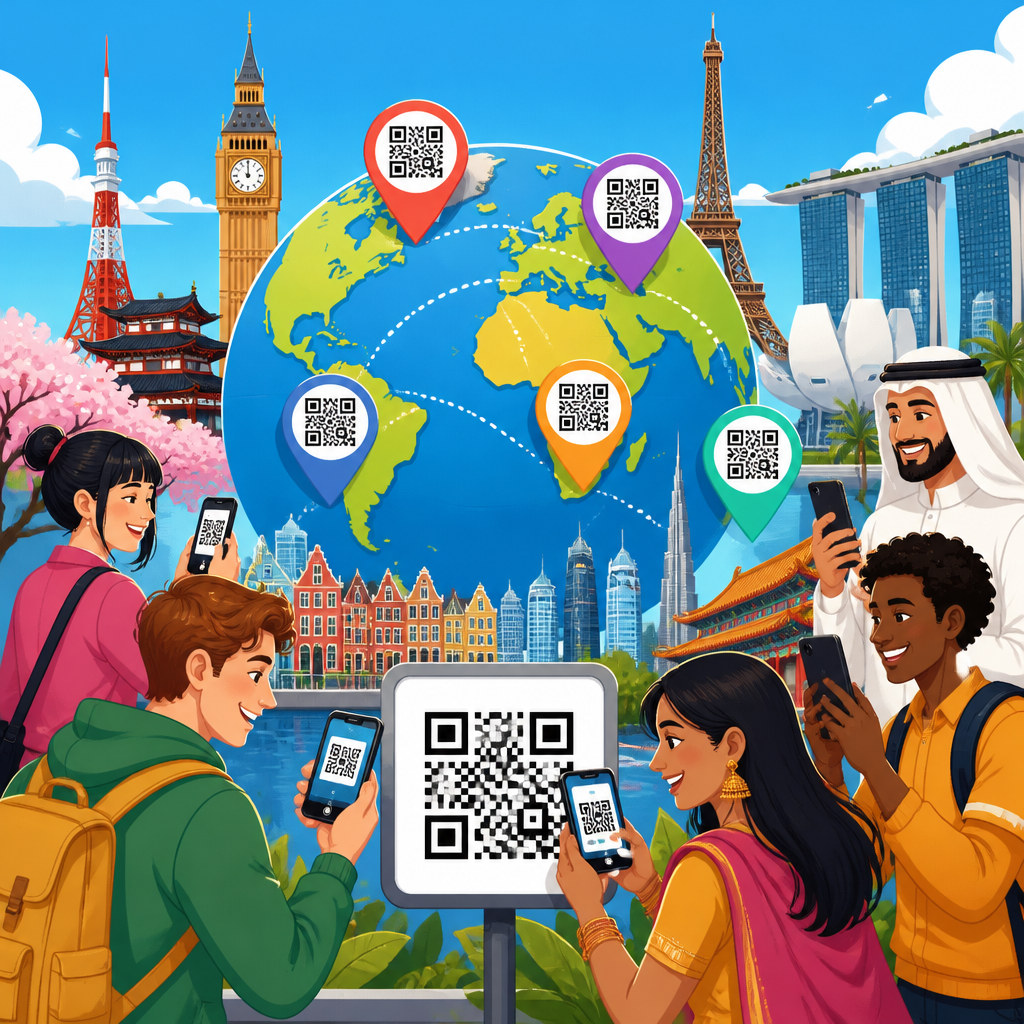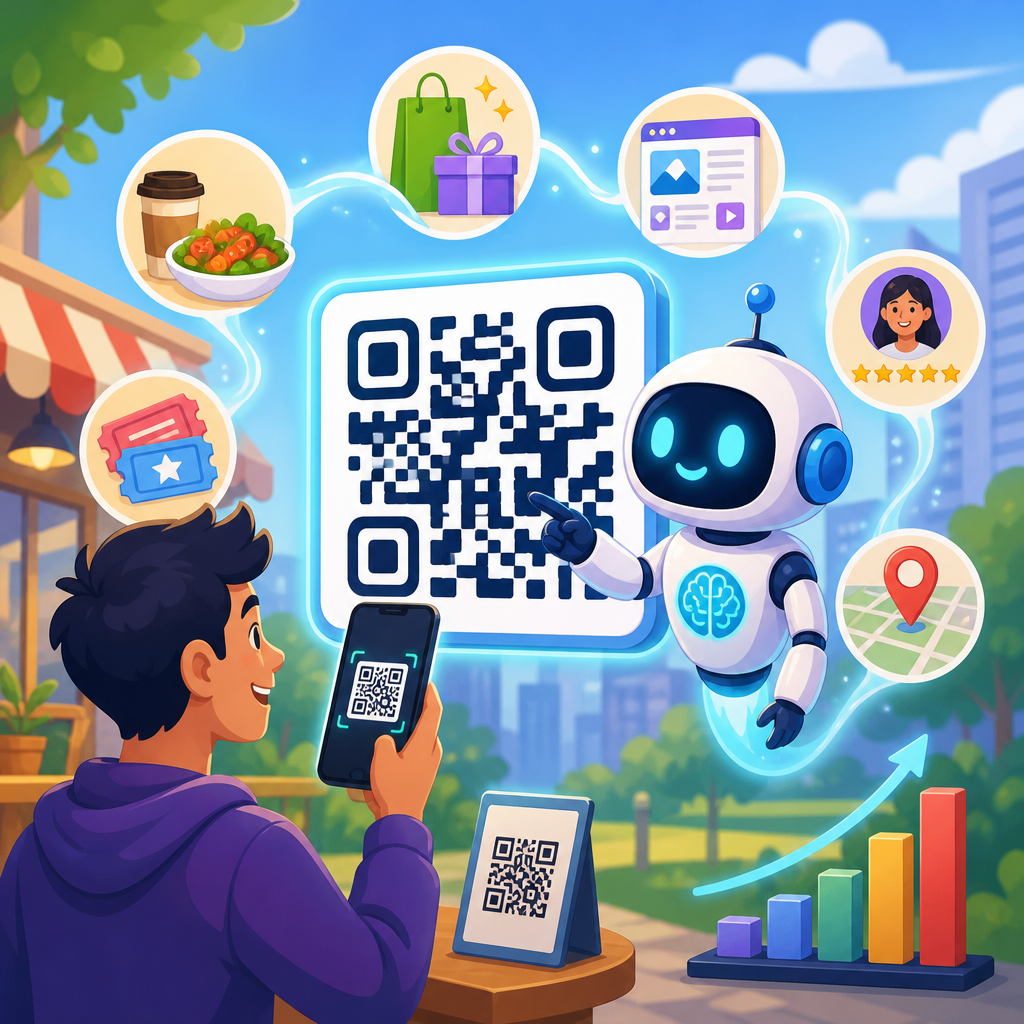
QR codes have evolved from simple machine-readable squares into adaptive gateways that connect physical moments to digital experiences, and artificial intelligence is accelerating that shift. In practical terms, a QR code is a two-dimensional barcode that stores data such as a URL, contact record, payment token, or product identifier, while AI refers to systems that recognize patterns, generate content, predict intent, and automate decisions from data. When these technologies work together, a static scan becomes a dynamic interaction shaped by context, behavior, language, and business goals.
I have worked on QR code campaigns for retail, events, packaging, and field service, and the biggest change over the last few years has been what happens after the scan. The code itself may look similar, but the destination, measurement layer, and personalization engine have become far more sophisticated. A restaurant can route first-time visitors to a menu in their preferred language, a manufacturer can detect abnormal scan activity that signals counterfeit goods, and a museum can use computer vision and recommendation models to extend a single scan into a curated learning path. AI is not replacing the QR code; it is making the code more useful, measurable, and responsive.
This matters because QR usage is now mainstream across payments, packaging, tickets, support, and omnichannel marketing. Consumers expect low-friction mobile interactions, and brands need better conversion rates from offline touchpoints. AI improves both sides. It can optimize landing pages, classify user intent, summarize complex information, answer common questions instantly, and detect anomalies that would be invisible in raw scan logs. For organizations building a broader QR Code Trends & Innovations strategy, AI is now a core capability rather than an experimental add-on. The key is understanding where it creates real value, what data it needs, and where human oversight remains essential.
What AI changes in the QR code journey
The traditional QR code flow is simple: a user scans, lands on a page, and either completes an action or leaves. AI expands that flow at every stage. Before the scan, machine learning can help determine the best placement, size, call to action, and design variant based on historical performance. At the moment of the scan, device type, time of day, approximate location, referral source, and prior engagement can be interpreted in real time. After the scan, AI systems can personalize content, score conversion likelihood, and trigger follow-up actions in a CRM or marketing automation platform.
In real deployments, these enhancements usually rely on dynamic QR codes rather than static ones. A dynamic code points to a redirect layer that can change the destination without reprinting the code. That redirect layer is where AI often operates. For example, a beverage brand can send cold-weather scanners to a hot-drink recipe page and summer scanners to a chilled-serve campaign, all through the same printed code. Retailers can connect dynamic codes to recommendation engines that surface complementary products, while B2B companies can route users toward a chatbot, a specification sheet, or a sales form depending on the account segment inferred from the scan context.
The result is a move from passive access to intelligent orchestration. A QR code no longer just opens content; it can initiate a decision tree. This is especially valuable in environments where user attention is limited. Packaging, in-store displays, direct mail, and out-of-home ads offer only seconds to create relevance. AI increases the odds that the first page, first answer, and next action fit the user’s needs quickly enough to keep them engaged.
Personalization after the scan
The most visible impact of AI is personalization. Instead of sending every scanner to one generic landing page, companies can tailor the experience using predictive models and rules informed by past behavior. A cosmetics brand might show different routines to new visitors, loyalty members, and shoppers who previously abandoned a cart. A travel company can detect the language setting of the device, infer local departure markets, and prioritize the most relevant destination offers. In healthcare and regulated industries, personalization can be limited to approved content blocks while still improving clarity and usability.
Recommendation systems are a major part of this shift. The same types of collaborative filtering and content-based recommendation methods used by ecommerce platforms can be connected to QR journeys. A shopper scanning a code on running shoes can receive care instructions, sizing guidance, and recommended socks or insoles. A visitor scanning a gallery placard can be shown related artists, audio commentary, or a child-friendly version of the exhibit notes. These are not gimmicks; they reduce friction, increase dwell time, and improve completion rates because they answer the next likely question instead of forcing users to search for it.
Generative AI adds another layer by adapting copy, summaries, and support responses in real time. I have seen product teams use it to condense dense manuals into scan-friendly explanations, create multilingual answers for packaging inserts, and produce contextual FAQs from a shared knowledge base. The best implementations keep strict content governance. High-risk claims, legal text, and medical guidance should come from approved sources, with generation constrained by retrieval systems and human-reviewed templates. Used carefully, AI makes QR destinations easier to understand without sacrificing accuracy.
Analytics, attribution, and continuous optimization
QR code programs often fail not because people do not scan, but because teams cannot explain what happened after the scan. AI strengthens the measurement layer by uncovering patterns in scan data and connecting offline touchpoints to digital outcomes. Basic metrics include scans, unique users, location, device type, bounce rate, and conversion rate. More advanced systems model sequence behavior, estimate purchase propensity, and identify which environmental factors correlate with stronger performance.
For marketers, attribution is especially important. If a code appears on packaging, point-of-sale signage, a catalog, and event booths, AI can help compare the downstream value of each placement. Multi-touch attribution models, propensity scoring, and uplift analysis provide a more accurate view than raw scan volume alone. A code on a package may generate fewer scans than a code on a poster, yet produce higher average order value because the customer is already in a buying context. AI helps reveal those distinctions and supports better budget allocation.
Optimization becomes faster when testing is built into the workflow. Teams can use AI-assisted experimentation to evaluate CTA wording, landing-page layout, incentive levels, and redirect logic. Heatmaps from tools such as Hotjar, event tracking in Google Analytics 4, and behavior analysis from Mixpanel or Amplitude can feed decisions about what to change next. The strongest programs combine machine-driven insight with disciplined testing. AI can suggest that scans from transit stations convert better before 9 a.m., but a human still decides whether to alter creative, offers, or staffing based on that signal.
| Use case | AI capability | Practical outcome |
|---|---|---|
| Retail packaging | Recommendations and audience segmentation | Shoppers see relevant bundles, care tips, and higher-converting offers |
| Events and tickets | Anomaly detection and support automation | Fraud signals are flagged early and attendees get instant guidance |
| Restaurant menus | Language adaptation and preference prediction | Guests reach readable menus and targeted upsells faster |
| Manufacturing | Counterfeit detection and knowledge retrieval | Suspicious scan patterns surface quickly and technicians find answers sooner |
| Healthcare information | Summarization with approved content controls | Patients receive simpler explanations while regulated text stays consistent |
Customer support, service, and conversational experiences
One of the strongest uses of AI-enhanced QR codes is support. When a customer scans a code on a device, package, receipt, or invoice, they are often looking for one of a small set of answers: setup instructions, troubleshooting, warranty details, reorder links, or live help. AI can classify that likely intent from the product identifier, account status, and behavior on the landing page, then present the shortest path to resolution. This is particularly effective in electronics, appliances, SaaS onboarding kits, and industrial equipment.
Conversational interfaces are central here. A QR code can open a chat experience grounded in product documentation, knowledge-base articles, and service history. Instead of browsing dozens of support pages, the user asks a direct question and receives a direct answer with citations to the underlying source material. In field service settings, technicians can scan a code attached to a machine and retrieve maintenance records, diagrams, safety procedures, and parts availability within seconds. When the assistant cannot resolve the issue confidently, the handoff to human support should include conversation history and asset metadata so the user does not need to repeat the problem.
This model also improves self-service economics. Contact center leaders measure containment rate, first-contact resolution, and average handling time. QR entry points powered by retrieval-based assistants can improve all three when the knowledge base is accurate and current. However, poor implementation creates frustration fast. If the code opens a generic chatbot with no product context, users abandon it. The best systems pair a precise identifier, such as serial number or SKU, with a constrained assistant that knows exactly which content corpus it can use.
Security, trust, and governance
As QR adoption rises, security becomes nonnegotiable. Fraudsters replace legitimate codes with malicious stickers, spoof branded destinations, and use QR phishing attacks to capture credentials or payments. AI helps defend against these threats through anomaly detection, image recognition, and pattern analysis. If a campaign usually sees scans from one region during store hours, a sudden burst from unfamiliar geographies at odd hours can trigger an alert. Computer vision can compare printed assets against approved templates to spot tampering in the field. Risk engines can score destinations, redirects, and user behavior before allowing sensitive actions.
Trust also depends on data governance. Personalization requires data, but not all data should be collected, stored, or used the same way. Organizations need clear consent flows, retention limits, access controls, and regional compliance practices aligned with frameworks such as GDPR and CCPA. In my experience, the cleanest approach is data minimization: collect only what improves the QR experience materially. For many campaigns, approximate location, device type, and prior session behavior are enough. Storing unnecessary personal data raises risk without improving outcomes.
Governance matters equally for generated content. If AI is summarizing instructions or answering questions, the source of truth must be controlled. Retrieval-augmented approaches, versioned documentation, approval workflows, and audit logs are essential in regulated or high-risk contexts. Confidence thresholds should determine when the system answers automatically and when it escalates to a human. A fast answer is valuable only if it is correct.
Implementation roadmap and future direction
Companies adopting QR Codes + AI should start with a narrow, measurable use case rather than a sprawling transformation plan. In most organizations, the best first projects sit where scan volume is high and user intent is clear: product packaging, support labels, menus, event signage, or printed collateral. Begin by defining the primary outcome, such as higher conversion, lower support volume, better lead capture, or stronger product authentication. Then build the stack around that objective: dynamic QR management, analytics, a content system, and an AI layer for recommendations, summarization, or support.
Operational readiness determines success more than novelty does. Teams need naming conventions, campaign governance, redirect logic, tracking standards, and documentation for who owns updates. On the technical side, common components include a QR platform, a customer data platform or CRM, analytics tooling, and an inference service or API for the AI functions. Testing should cover not only creative and conversion elements, but also link resilience, page speed, accessibility, and fallback paths when models fail or confidence is low. If a scan takes too long to load, no personalization strategy will save it.
Looking ahead, the direction is clear. QR experiences will become more multimodal, more contextual, and more tightly integrated with identity, payments, and product intelligence. A single scan may soon combine visual recognition, localized offers, conversational support, and secure verification in one step. As connected packaging, digital product passports, and smart retail environments expand, QR codes will remain the visible trigger while AI handles the invisible intelligence behind the interaction.
The core lesson is simple: the value of a QR code no longer ends at access. It lies in what the experience understands, adapts, and learns after the scan. Businesses that pair dynamic QR infrastructure with disciplined AI can create journeys that are more relevant for users and more accountable for teams. Start with one high-intent use case, instrument it properly, and improve it through measured iteration. That is how AI turns a familiar square into a better customer experience.
Frequently Asked Questions
1. How is AI changing the way QR codes work?
AI is transforming QR codes from static links into smarter, more responsive touchpoints. Traditionally, a QR code simply directed a user to a fixed destination such as a webpage, payment form, contact card, or product page. With AI layered into the experience, that destination can become adaptive. For example, AI can analyze device type, location, time of day, language preferences, purchase history, or behavioral signals to decide what content a person should see after scanning. That means two people can scan the same code and receive different, more relevant experiences based on context.
AI also improves what happens behind the scenes. It can detect scan patterns, identify which campaigns are driving the strongest engagement, predict which offers are most likely to convert, and automate updates to linked content without requiring a new printed code. In retail, hospitality, healthcare, packaging, and events, this creates a more personalized and efficient user journey. In short, AI changes QR codes from passive gateways into intelligent entry points that help brands deliver faster, more useful, and more measurable digital interactions.
2. What are some real-world examples of AI-enhanced QR code experiences?
There are many practical use cases where AI makes QR code interactions more valuable. In retail, a shopper can scan a product QR code and receive AI-generated recommendations, sizing guidance, usage tips, or complementary product suggestions based on browsing behavior and inventory conditions. On product packaging, AI can tailor post-scan experiences by region, customer segment, or season, showing different promotions, recipes, setup instructions, or sustainability information depending on who is scanning and where.
In restaurants and hospitality, QR menus can use AI to highlight popular dishes, recommend pairings, answer allergen-related questions, or support multilingual interactions in a more natural way. At events, a QR code on a badge or booth display can trigger AI-driven follow-up content, such as customized itineraries, session recommendations, or lead qualification flows. In healthcare, QR codes connected to AI systems can help guide patients to the right forms, educational materials, appointment instructions, or support pathways based on their needs. Even in customer support, scanning a QR code on a device can open an AI assistant trained on that product’s documentation, making troubleshooting faster and more accurate. These examples show that AI-enhanced QR codes are not just about access, but about relevance, personalization, and better outcomes.
3. What benefits do businesses gain by combining AI with QR codes?
Businesses benefit on several levels: customer experience, operational efficiency, analytics, and conversion performance. From a customer experience standpoint, AI helps make each scan more useful. Instead of sending everyone to the same landing page, businesses can deliver content that better matches intent, whether that means a product explainer, payment option, loyalty offer, support article, or localized promotion. This often reduces friction and increases engagement because the user gets to the right information more quickly.
Operationally, AI can automate decisions that would otherwise require manual campaign management. It can optimize destinations, test messaging variations, update content in real time, and identify when a QR campaign is underperforming. On the analytics side, AI can uncover patterns in scan behavior that are easy to miss in raw data, such as peak engagement windows, high-value user segments, or drop-off points in the post-scan journey. That insight helps teams improve future campaigns and allocate budget more effectively. Businesses also gain stronger opportunities for conversion because AI can personalize offers, predict intent, and support timely follow-up. Altogether, combining AI with QR codes turns a simple scan into a richer data-informed interaction that can improve both customer satisfaction and business results.
4. Are AI-powered QR code experiences safe and privacy-friendly?
They can be, but safety and privacy depend on how the system is designed and managed. A QR code itself is simply a storage and access mechanism, but the experience it launches may involve data collection, personalization, tracking, or automated decision-making. Responsible implementation starts with transparency. Users should understand what happens after they scan, what data is being collected, and how it will be used. Clear consent practices, secure destinations, and strong data governance are essential.
From a security standpoint, businesses should use trusted QR code management platforms, encrypted connections, verified landing pages, and monitoring tools that detect misuse or tampering. AI can actually strengthen protection by identifying suspicious scan activity, spotting fraud patterns, and flagging abnormal traffic or malicious redirects. From a privacy perspective, companies should collect only the data they genuinely need, anonymize where possible, and comply with relevant regulations such as GDPR or CCPA. The most effective AI-enhanced QR experiences strike a balance: they use intelligence to improve relevance and convenience without becoming invasive. When built thoughtfully, these systems can be both high-performing and respectful of user trust.
5. What does the future look like for AI and QR code experiences?
The future is likely to be more dynamic, conversational, and context-aware. QR codes will continue to serve as simple physical-to-digital entry points, but AI will make the destination increasingly personalized and interactive. Instead of landing on a standard webpage, users may be welcomed by AI assistants that answer questions, recommend actions, summarize information, or complete tasks such as bookings, purchases, registrations, or support requests in real time. This will make the scan experience feel less like opening a link and more like starting a guided digital interaction.
We are also likely to see tighter integration with augmented reality, smart packaging, connected devices, and omnichannel marketing systems. A scan could trigger product authentication, dynamic pricing, adaptive training content, instant translation, or predictive support based on device condition or usage history. For businesses, AI will make QR campaigns easier to optimize automatically, while for users, the experience will feel more seamless and useful. The core idea is that QR codes are no longer just symbols that store information; with AI, they become intelligent access points that connect physical objects and moments to digital experiences that can learn, adapt, and improve over time.