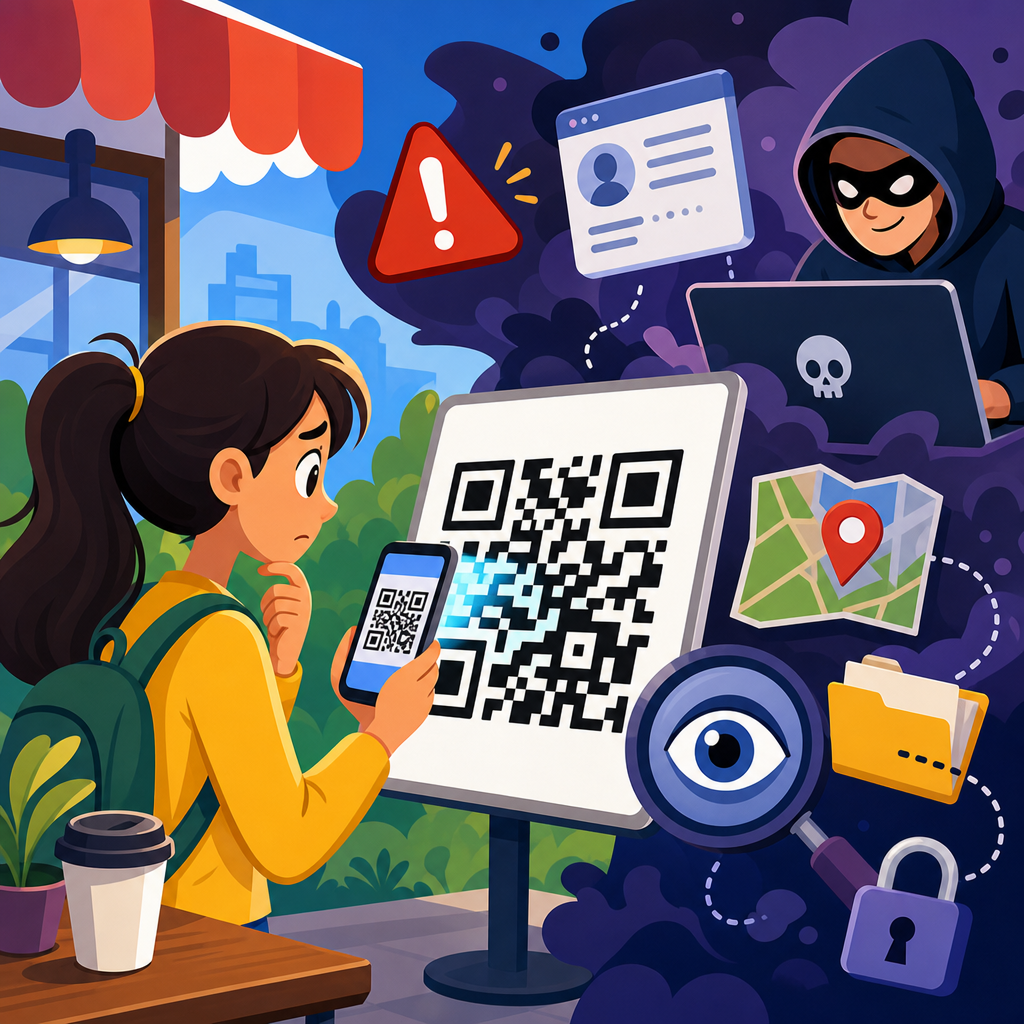
QR codes are convenient, cheap to print, and now embedded in everyday life, but they also create meaningful privacy risks that most people never see. A QR code, or Quick Response code, is a two-dimensional barcode that stores data such as a website address, payment request, Wi-Fi credentials, contact card, or app deep link. Privacy risk begins the moment a person scans because the code itself may be harmless while the destination silently collects device data, location signals, identifiers, and behavioral information. In practice, I have seen organizations treat QR campaigns as simple offline marketing tools, then discover they were actually running dense digital tracking systems with weak disclosure and poor retention controls. That matters because QR interactions bridge the physical and digital worlds: a poster in a store, a menu on a table, or a package label can trigger the same surveillance mechanisms found in ads, analytics scripts, and mobile attribution platforms.
Understanding QR code privacy risks requires separating security from privacy. Security asks whether the code or destination is malicious, altered, or fraudulent. Privacy asks what personal data is collected, whether that collection is necessary, who receives it, how long it is stored, and whether people had meaningful notice and choice. The two issues overlap, but they are not the same. A legitimate retailer can use a perfectly safe QR code that still gathers excessive data. A restaurant menu QR code can log IP address, timestamp, browser version, operating system, language setting, referral context, rough location, and click path before the customer even reads the menu. A product packaging code can connect scan events to loyalty IDs, purchase records, or household profiles. Once linked, seemingly minor scan data becomes personal data in a regulatory and practical sense.
This article explains the main data privacy concerns around QR codes, how tracking works behind the scenes, where legal and operational risks appear, and what organizations and users can do to reduce exposure. Because this page serves as a hub for QR code privacy, it covers the core concepts that sit underneath related issues like consent, analytics, dynamic QR platforms, payment scans, menu systems, and third-party sharing. The central point is simple: QR codes are not private by default. They are just delivery mechanisms. The privacy outcome depends on the destination, the intermediaries, the analytics stack, and the governance around the data generated by each scan.
How QR code data collection works in real life
When someone points a phone camera at a QR code and opens the result, several data flows can start at once. The scanning action may first pass through the phone’s camera app or browser. The destination may then load a short-link service, redirect through a campaign manager, and finally land on a website or app store page. Each step can create logs. Standard web server logs usually capture IP address, user agent, time, requested URL, and status code. Marketing platforms add campaign identifiers, unique scan IDs, cookies, mobile ad IDs where permitted, and event parameters for attribution. If the QR code is dynamic rather than static, the code often points to a managed redirect URL, allowing the platform owner to change destinations and monitor scans over time.
In field audits, the most common surprise is the number of third parties attached to a simple scan. A restaurant menu page might load Google Analytics 4, Meta Pixel, a consent tool, a tag manager, a font provider, a reservation widget, and a review plugin. Each request can transmit metadata. Even if direct identifiers like a name are absent, combinations of IP address, timestamp, venue location, and browsing behavior can make a user distinguishable. Under many privacy laws, personal data includes information that can identify a person directly or indirectly. That means scan telemetry is often governed data, not anonymous exhaust.
QR codes also collect more than websites alone because context matters. A code printed on a conference badge, prescription label, museum placard, parking meter, or utility bill carries built-in meaning. If a platform records that a scan came from a fertility clinic poster or debt collection notice, the context may reveal sensitive categories without needing the user to type anything. This is where organizations get into trouble: they focus on the technical payload of the QR code and ignore the inference value of where the code appears.
What personal data a QR code interaction can reveal
QR code interactions can expose multiple classes of data. The first is technical metadata: IP address, browser type, operating system, device model signals, language, screen size, and network information. The second is behavioral data: scan time, repeat visits, pages viewed, dwell time, taps, form submissions, and conversions. The third is location-related data. Exact GPS access is not automatic, but rough location can often be inferred from IP address or from the known placement of the code itself. If a code is unique to one bus shelter, exam room, or hotel room, the scan identifies presence there with high confidence.
The fourth class is linked identity. If the landing page asks for login, email signup, loyalty enrollment, appointment booking, payment, or document upload, the prior anonymous scan can become tied to a named profile. This is especially common in retail, events, healthcare intake, and property management. A fifth class is inferred data. For example, scanning a QR code on a diabetes brochure, legal aid flyer, or political campaign mailer can imply interests or circumstances that deserve heightened protection. In privacy reviews, inferred data is often underestimated because it is generated from context rather than explicitly volunteered.
| QR use case | Typical data collected | Main privacy concern |
|---|---|---|
| Restaurant menu | IP address, device details, visit time, menu clicks | Tracking diners without clear notice or retention limits |
| Retail packaging | Campaign ID, location inference, loyalty linkage | Connecting offline product scans to household profiles |
| Event badge or poster | Unique attendee ID, dwell patterns, lead capture | Monitoring movement and follow-up without meaningful consent |
| Healthcare form | Appointment data, contact details, sensitive context | Exposure of health-related information through vendors and redirects |
| Payment code | Transaction reference, account identifiers, timestamp | Financial data handling, fraud analytics, and third-party sharing |
Why dynamic QR codes raise bigger privacy questions
Static QR codes directly encode a fixed destination. Dynamic QR codes usually point to a controlled short URL managed by a service provider. That design is useful because teams can change the landing page without reprinting the code, run A/B tests, measure scan volume, and activate campaigns by geography or time. It is also the source of many privacy issues. The redirect layer becomes a centralized observation point for every scan. Providers can log device metadata, assign identifiers, enrich records with geolocation, and export events into customer data platforms.
Dynamic systems also expand the vendor chain. In a typical deployment, the brand uses a QR management platform, a link shortener, a tag manager, an analytics suite, and possibly a CRM or data clean room. Each integration increases governance complexity. The legal question is not just whether data is collected, but who determines the purposes, who acts as a processor or controller, what the contract permits, and whether cross-border transfers occur. I have seen organizations buy dynamic QR software for convenience, then realize months later that scan data was retained indefinitely on vendor dashboards with broad team access and no documented deletion schedule.
Another issue is purpose creep. A code initially created to open a PDF manual can later be redirected to a lead form, app download page, or personalized offer. If the original notice said nothing about profiling or retargeting, the later use may exceed what users reasonably expected. That gap between expectation and actual use is a recurring cause of complaints, especially when QR codes appear in semi-private contexts like classrooms, apartment buildings, workplaces, or patient communications.
Data privacy concerns in high-risk QR contexts
Some QR deployments deserve extra caution because the scan context is sensitive. Healthcare is the clearest example. A code on intake paperwork, lab instructions, or waiting room signage may route users through third-party booking tools, form services, or analytics tags. If those systems collect identifiable or inferable health information, the consequences are more serious than routine marketing telemetry. Similar concerns apply to insurance, finance, legal services, education, and government communications, where the fact that a person scanned a specific code may itself be sensitive.
Employment settings create a different but equally important issue: imbalance of power. If workers scan QR codes for attendance, training, safety reporting, or benefits enrollment, they may feel they cannot refuse tracking. Privacy compliance here depends on necessity, proportionality, transparency, and strict access controls. Event technology raises another problem. Organizers often print individualized QR codes on badges to speed check-in and lead capture. That can be efficient, but it also enables granular logs of where a person scanned, which booths they visited, and which follow-up messages they received. Without clear disclosure, attendees may not understand that a physical badge functions like a persistent identifier.
Public space QR codes can expose vulnerable groups. Codes on transit ads, shelter services, public health notices, or immigration resources are often scanned on personal devices under stressful conditions. Collecting extensive analytics in those moments may be legally permissible in some jurisdictions, but it can still be ethically weak. The more sensitive the context, the stronger the case for data minimization, short retention, and avoiding unnecessary third-party scripts.
Legal duties, consent, and transparency
Privacy obligations depend on jurisdiction, sector, and data type, but the baseline rule is consistent: if a QR code interaction leads to collection of personal data, organizations must be able to justify that processing. Under laws such as the GDPR in Europe and the CCPA and CPRA in California, companies need clear notices, valid legal bases where required, purpose limitation, retention discipline, and mechanisms for access or deletion requests. If cookies or similar technologies are used for analytics or advertising, additional consent requirements may apply depending on region. A printed code does not bypass digital privacy law just because the interaction begins offline.
Good notice must be timely and specific. In many cases, the best practice is to place a short disclosure near the code, such as explaining that scanning opens a third-party page and may collect analytics, followed by a link to the full privacy policy. For high-risk contexts, layered notice is essential. If the code is on a medical form or employment document, users should not have to hunt through a general website footer to understand what happens next. Transparency also includes naming key vendors, stating retention periods, and explaining whether scan data is used for personalization, measurement, fraud prevention, or resale.
Consent is not always required for every data point, but organizations should not stretch that fact into a justification for broad hidden tracking. Legitimate interest analyses, contractual necessity claims, and fraud exceptions must be documented and limited. Regulators increasingly look at practical expectations: what would a reasonable person think happens when scanning this code in this setting? If the answer differs sharply from actual practice, the deployment is risky even before a complaint arrives.
How to reduce QR code privacy risks
The most effective privacy control is minimization. Collect only what is needed for the immediate function of the scan and avoid defaulting to full marketing stacks. Use static codes when analytics are unnecessary. If dynamic codes are needed, configure platforms to truncate IP addresses where possible, disable unnecessary fingerprinting, and set short retention periods. Review every third-party script on the landing page, because the code is only the start of the data chain. In audits, removing nonessential tags often cuts exposure dramatically without harming the user experience.
Governance matters just as much as technology. Maintain an inventory of active QR codes, their destinations, purposes, owners, vendors, and retention settings. This sounds basic, but many organizations cannot answer where all deployed codes point after a year of campaigns, staff turnover, and agency changes. Broken inventory leads to broken notice and uncontrolled data flows. Contracts with QR platform vendors should address processing roles, security standards, subprocessor lists, deletion timelines, and incident reporting.
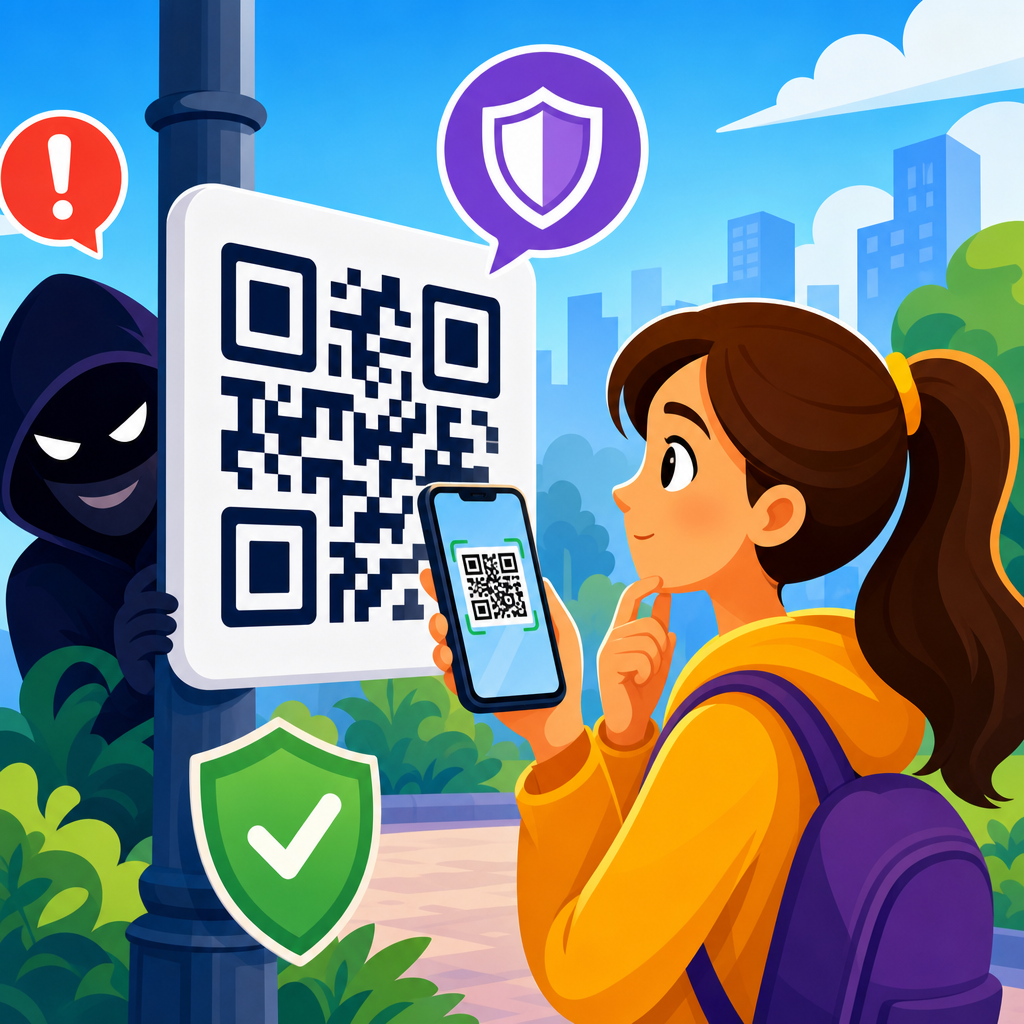
For users, the practical steps are straightforward. Preview links before opening them when the device allows it. Be cautious with codes in unexpected places, especially on stickers placed over existing materials. Use browser privacy protections, limit app permissions, and avoid submitting more information than necessary on mobile forms opened from scans. For organizations, the rule is equally clear: treat every QR scan as a data collection event, not just a convenience feature. Audit your current codes, trim tracking to the minimum, update disclosures, and make privacy part of every QR deployment decision.
Frequently Asked Questions
What privacy risks can a QR code create when I scan it?
A QR code can appear simple and harmless, but the privacy risk usually starts after the scan, not in the black-and-white pattern itself. Once scanned, the code may open a website, launch an app, trigger a payment page, join a Wi-Fi network, download a file, or pass information into another service. At that point, the destination can begin collecting data such as your IP address, approximate location, device type, operating system, browser details, language settings, time of access, referral information, and unique identifiers stored through cookies or mobile tracking technologies.
In many cases, the user sees only a short preview or is redirected so quickly that they never notice how many entities are involved. A single scan can send you through multiple tracking layers, including analytics providers, ad tech systems, link shorteners, and campaign measurement tools before you even arrive at the final page. That means the organization behind the QR code may learn not only that someone scanned it, but also where the scan happened, what device was used, whether the user returned later, and which actions they took afterward. For privacy-conscious users, the real concern is that QR codes often compress a complex chain of data collection into one effortless gesture.
Can a QR code track my location or identity?
Yes, a QR code can contribute to location and identity tracking, although usually indirectly. The code itself does not magically know who you are, but the destination it opens can infer or collect a great deal. Your IP address can reveal approximate geographic area, and if the QR code is placed in a specific store, table, poster, package, or event badge, the scan location may already be obvious from context. Businesses often generate unique QR codes for different physical placements, which allows them to know whether the scan came from a restaurant table, a product label, a direct mail flyer, a conference booth, or a billboard in a certain neighborhood.
Identity becomes easier to connect when the scan leads to a login page, a form, a payment flow, a loyalty program, or an app that already knows who you are. Even if you do not type your name immediately, the destination may correlate the scan with existing cookies, mobile ad IDs, account activity, or previous browsing sessions. Over time, that can turn an anonymous-looking scan into a detailed behavioral record. This is especially relevant in marketing, healthcare, events, and payments, where a QR interaction may link physical-world behavior with digital profiles. In short, a QR scan can be the bridge that ties your real-world presence to your online identity.
Are dynamic QR codes more of a privacy concern than static QR codes?
Generally, yes. A static QR code usually contains a fixed destination directly in the code, such as a website URL or contact card, and it does not inherently provide ongoing management features. A dynamic QR code, by contrast, often points first to an intermediary service that can redirect users to different destinations over time. That extra layer gives businesses flexibility for editing links, measuring engagement, running campaigns, and segmenting traffic, but it also creates more opportunities for data collection and tracking.
With dynamic QR codes, the operator may log every scan, including timestamp, approximate location, device category, operating system, and scan frequency. They may also compare performance across placements and audiences, or route users differently based on geography or device type. While these features are useful for analytics and marketing, they increase privacy exposure because more parties may be involved and more metadata can be stored. Dynamic codes are not automatically harmful, but they deserve more scrutiny because they are specifically designed to be measurable, adaptable, and centrally managed. From a privacy perspective, the convenience of dynamic QR systems often comes with a larger data footprint.
How can I tell whether a QR code is safe before I scan it?
You usually cannot know everything in advance, but you can reduce risk by treating QR codes the same way you would treat unknown links. First, consider the context. A code posted in a trustworthy and expected location, such as official product packaging or a verified business counter, is generally less risky than a random sticker placed over another sign. Tampered or malicious QR codes are a known problem because attackers can easily print a new code and place it on top of a legitimate one. If the code seems out of place, poorly labeled, rushed, or suspiciously urgent, that is a warning sign.
Second, use a scanner that shows the destination URL before opening it. Look closely at the domain name, not just the page title or branding. Watch for misspellings, odd subdomains, unfamiliar link shorteners, or domains that do not match the organization you expected. Be cautious with QR codes that immediately request logins, payments, app downloads, camera permissions, contacts access, or Wi-Fi connection approval. If possible, open the link in a browser with privacy protections enabled rather than allowing an app to handle it automatically. The goal is not to avoid QR codes entirely, but to insert a moment of verification before the scan turns into data sharing.
What are the best ways to protect my privacy when using QR codes?
The most effective approach is to combine awareness with a few practical controls. Start by previewing the link before opening it whenever your device allows that. Use a privacy-focused browser, limit third-party cookies, and avoid staying permanently logged into every service on your phone if you want to reduce easy identity correlation. Keep your phone and apps updated so that browser and system protections are current. If a QR code opens an app, review what permissions that app already has, because a scan may become more revealing when it is processed inside software that knows your account, contacts, or location history.
You should also be selective about what information you submit after scanning. If a page asks for personal details that are not necessary for the task, stop and reconsider. For payments, use trusted payment apps or manually typed addresses from official sources rather than blindly following a code in a public place. For Wi-Fi QR codes, think twice before joining unknown networks. Businesses and publishers can help users by clearly labeling where a code goes, why it is being used, and what data may be collected. Ultimately, QR code privacy is less about the symbol itself and more about the hidden digital ecosystem behind it. A little friction—checking the link, questioning the request, and limiting unnecessary permissions—goes a long way toward keeping convenience from becoming surveillance.