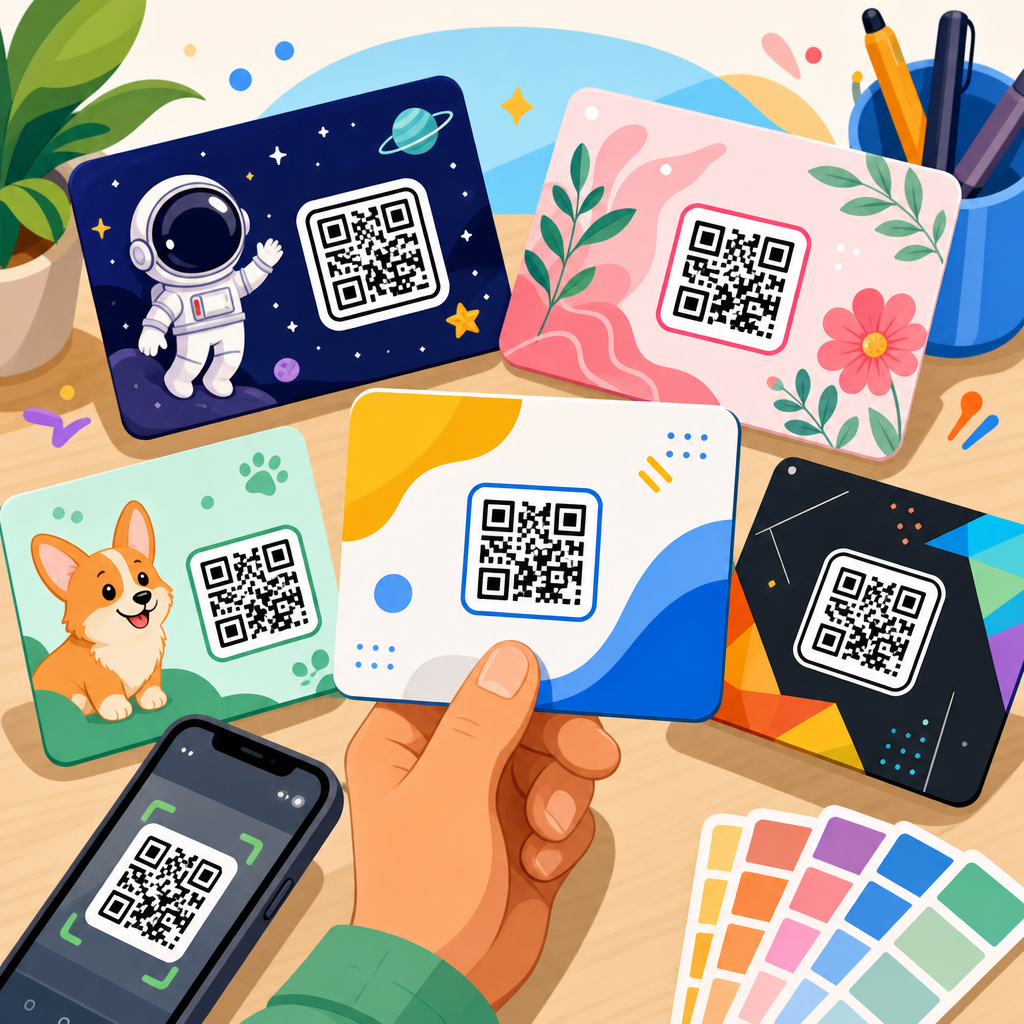
QR codes have moved from niche industrial labels to everyday infrastructure, appearing on restaurant menus, payment terminals, packaging, tickets, posters, and product manuals. A QR code, short for Quick Response code, is a two-dimensional barcode that stores data in a grid of black and white modules readable by smartphone cameras and dedicated scanners. Unlike a traditional one-dimensional barcode, which usually holds a short numeric identifier, a QR code can contain URLs, contact details, Wi-Fi credentials, text, app links, and other machine-readable instructions. In practical terms, that means a single printed square can bridge a physical object and a digital action in seconds.
This QR code FAQ is designed as a reference hub for anyone researching QR code basics, terminology, setup, scanning behavior, security, design, and performance. I have worked with QR code campaigns for product packaging, retail signage, event check-in, and field service documentation, and the same questions come up repeatedly: how QR codes work, whether they expire, how much data they can hold, what static and dynamic codes mean, why some codes fail to scan, and how to track results responsibly. Clear answers matter because QR codes are deceptively simple. A code that looks fine on screen can become unusable when printed too small, placed on a reflective surface, or overloaded with unnecessary data.
As a glossary and reference guide, this article defines the core concepts you need to understand before choosing a generator, template, tracking method, or campaign format. It also serves as the central page for broader QR code resources, templates, and tools by explaining the standards and best practices that tie those materials together. If you need a plain-language explanation, here it is: a QR code is only effective when the encoded content, the physical presentation, and the user experience all work together. A technically valid code is not always a useful code.
That distinction is why QR code knowledge matters for marketers, operations teams, designers, educators, and small business owners alike. Used well, QR codes reduce friction, connect offline audiences to digital content, and create measurable interaction points. Used poorly, they waste print budget, confuse users, and can even create security risks. The sections below answer the most common questions directly, define the terms you will encounter in QR code tools, and give you the context needed to make good implementation decisions.
What Is a QR Code and How Does It Work?
A QR code is a matrix barcode standardized under ISO/IEC 18004. It uses square modules arranged in a grid, along with structural elements that help a scanner locate and interpret the symbol. The three large squares in the corners are position detection patterns; they tell the scanner the code’s orientation. Timing patterns help the device determine module spacing. Alignment patterns improve readability, especially on larger versions. Format information stores details such as error correction level, and the data area holds the encoded payload.
When a phone camera scans a QR code, software identifies the symbol, corrects for angle or distortion, reads the module pattern, decodes the binary data, and then passes the result to the operating system. If the content is a URL, the phone prompts the user to open a webpage. If it is a vCard, the user may be offered a contact import. If it is a Wi-Fi payload, the device may offer to join a network. Modern iOS and Android camera apps support this natively, which is one major reason QR adoption accelerated after 2020.
In simple terms, a QR code works because the graphic is not decorative art; it is structured data with redundancy built in. That redundancy comes from Reed-Solomon error correction, which allows partial recovery even if part of the code is damaged or obscured. This is why a code can still scan with a logo in the middle or a torn edge, within limits. The scanner is not reading the image like a person reads text. It is reconstructing encoded data from a known geometric system.
Static vs Dynamic QR Codes: What Is the Difference?
A static QR code contains the final destination or data directly in the code itself. If you encode a website URL into a static code and then print it on ten thousand brochures, that destination cannot be changed later. Static codes are useful for permanent information such as product serial references, public contact cards, or canonical web pages that are unlikely to move. They are simple, often free to generate, and do not depend on a third-party redirect service after creation.
A dynamic QR code points to a short redirect URL managed by a platform. That redirect then sends the user to the current destination. Because the redirect target can be edited later, dynamic codes are more flexible for campaigns, packaging, restaurant menus, and any use case where destinations may change. They also enable scan analytics such as scan count, timestamp, device type, and approximate location, depending on the provider and privacy settings. In my projects, dynamic codes are the default for marketing and operations because they reduce reprint risk.
The tradeoff is dependency. A dynamic code works only as long as the redirect service remains active and properly configured. If the vendor account lapses, the domain changes, or the service shuts down, the code may fail even though the printed symbol is still physically intact. For that reason, organizations should review service terms, export options, link governance, and domain ownership before adopting dynamic QR codes at scale.
Common QR Code Terms You Should Know
Several terms appear across QR code generators, template libraries, and analytics tools. Version refers to the symbol size, from Version 1 at 21 by 21 modules up to Version 40 at 177 by 177 modules. As the version increases, data capacity increases, but so does visual complexity. Error correction level describes how much damage the code can tolerate: L, M, Q, and H represent roughly 7 percent, 15 percent, 25 percent, and 30 percent recovery capacity under standard conditions.
Quiet zone means the clear margin around the QR code. Without enough empty space, scanners may not distinguish the symbol from surrounding graphics. Payload is the actual encoded content, such as a URL or text string. Mask pattern is a mathematical pattern applied during encoding to optimize readability by reducing problematic visual arrangements. Module is a single square in the grid. Finder patterns are the three large corner squares. These terms matter because scan problems are often easier to solve when you know which structural element is failing.
Other common labels include URL QR code, PDF QR code, menu QR code, vCard QR code, SMS QR code, and app store QR code. Those names do not describe different barcode families; they usually describe different payload types or redirect behaviors built on the same QR standard. Micro QR and Frame QR are related variants used in some specialized contexts, but the standard square QR code remains the dominant format for general business use.
What Can a QR Code Link To?
A QR code can link to far more than a homepage. The most common destination is a URL that opens a landing page, product detail page, support article, video, coupon, or downloadable file. It can also encode a mailto link for starting an email, a tel link for placing a call, or a deep link that opens a mobile app if installed. For operational workflows, QR codes often point to asset records, maintenance logs, training checklists, or inventory forms in systems like Airtable, Notion, ServiceNow, or custom field apps.
For consumers, useful examples include product packaging that opens setup instructions, museum labels that launch audio guides, real estate signs that show listings, and printed handouts that connect to registration forms. For internal teams, I frequently recommend QR codes on equipment labels that open a controlled document page rather than a static PDF. That allows the instructions to stay current without replacing the physical label.
| QR code use case | Typical destination | Best fit |
|---|---|---|
| Restaurant menu | Mobile web menu URL | Dynamic code for updates |
| Business card | vCard or contact page | Static if details are stable |
| Product packaging | Setup guide or warranty page | Dynamic for long shelf life |
| Event check-in | Unique ticket validation endpoint | Dynamic with access control |
| Wi-Fi access | Network credentials payload | Static for local use |
The right destination depends on user intent. If the code appears on a poster seen from the street, the landing page must load quickly, display cleanly on mobile, and make the next action obvious. If the code is inside a manual, the destination should reduce support friction by answering the specific question the user likely has at that moment.
Why Do Some QR Codes Not Scan?
Most scan failures come from predictable design or production errors. The first is size. A dense code printed too small becomes difficult for cameras to resolve, especially at a distance. The second is low contrast. Dark modules on a light background work best; reversed light-on-dark treatments can work, but only if tested carefully. The third is insufficient quiet zone. If text, borders, or background patterns crowd the edges, scanners may not detect the symbol reliably.
Surface and placement matter too. Glossy materials create glare, curved bottles distort geometry, folds break module alignment, and low-light environments reduce camera accuracy. I have seen perfectly generated codes fail simply because they were installed behind reflective acrylic near a window. Another common issue is over-customization. Adding logos, gradients, rounded modules, or branded illustrations can be effective, but each change consumes readability margin. High error correction helps, yet it does not rescue every design.
The final category is destination failure rather than scan failure. The code scans, but the link is broken, slow, blocked by authentication, or not mobile friendly. Users interpret that as a bad QR code. Best practice is to test across multiple devices, camera apps, lighting conditions, print sizes, and network states before launch.
Are QR Codes Safe to Use?
QR codes themselves are not inherently dangerous, but they can be used to conceal malicious destinations. Because users cannot always see the full URL before opening it, attackers may place fraudulent QR stickers over legitimate ones or distribute fake codes in emails, flyers, or payment requests. This tactic is often called quishing, a form of phishing through QR codes. The risk is not in the barcode format; it is in the trust users place in the destination.
Good security practice starts with visible context. Branded materials, tamper-evident placement, and recognizable domains reduce uncertainty. If you manage public QR signage, inspect it periodically for sticker overlays or vandalism. Use HTTPS, keep redirects transparent, and avoid sending users to obscure domains when a branded domain is available. Payment flows should display merchant identity clearly before users authorize anything.
For users, the rule is simple: scan codes from trusted sources, verify the domain before entering credentials, and be cautious with unexpected login prompts or payment pages. For organizations, QR security belongs in the same governance framework as email links, landing pages, and printed communications.
How Should You Design and Track a High-Performing QR Code?
High-performing QR codes are engineered, not improvised. Start with the user goal: do you want a purchase, form submission, file download, app open, or simple information view? Then choose the shortest route to that outcome. Shorter URLs create less dense codes, which generally scan more easily. Use error correction appropriate to the design treatment, but do not treat it as a license to distort the symbol beyond recognition. Maintain strong contrast and a clear quiet zone.
In print, match code size to scan distance. A common field guideline is roughly one inch of code width for every ten inches of scanning distance, though this should always be validated with real devices. Include a call to action such as “Scan to view setup guide” so users know the benefit before scanning. Context consistently improves scan rate. A code without explanatory text often underperforms, even when it is technically perfect.
For tracking, dynamic QR codes combined with analytics tools provide the most flexibility. Add UTM parameters when sending users to web pages so platforms like Google Analytics 4 can attribute traffic accurately. If privacy rules apply, configure analytics to collect only what is necessary, disclose tracking appropriately, and avoid using QR interactions to gather more data than the user reasonably expects. In practice, the best QR code program is one that balances usability, measurement, governance, and long-term maintainability.
QR codes are most useful when you treat them as part of a complete user journey rather than as a standalone graphic. Understand the core terms, choose static or dynamic formats intentionally, match the destination to the context, protect users from misleading links, and test every production variable that affects scanning. That combination turns a simple square into a dependable bridge between offline attention and online action.
As the hub for glossary and reference guides within QR Code Resources, Templates and Tools, this page should anchor your next steps. Use it to evaluate generators, compare templates, review implementation standards, and brief teammates who need a shared baseline before launching campaigns or operational workflows. When the fundamentals are right, QR codes save time, reduce friction, and produce cleaner data.
If you are building or improving a QR code program, start by auditing your current codes against the basics in this guide: destination quality, scan reliability, security, analytics, and ownership. Then create a repeatable standard for design, testing, and maintenance so every future code performs as expected.
Frequently Asked Questions
What is a QR code, and how is it different from a regular barcode?
A QR code, or Quick Response code, is a two-dimensional barcode designed to store information in both horizontal and vertical directions. That structure allows it to hold far more data than a traditional one-dimensional barcode, which usually stores a short numeric or alphanumeric identifier in a series of vertical lines. In practical terms, a regular barcode often points to information in a retailer’s or manufacturer’s database, while a QR code can directly contain usable data such as a website URL, contact details, Wi-Fi login credentials, app links, event information, ticket IDs, or product instructions.
Another major difference is convenience. QR codes are built for fast scanning with smartphone cameras and dedicated readers, which is one reason they have become so common in daily life. You now see them on menus, payment terminals, posters, packaging, boarding passes, manuals, and marketing materials because they let people move quickly from a physical item to a digital action. They also include error correction, which means they can often still be scanned even if part of the code is smudged, scratched, or partially obscured. That combination of high data capacity, durability, and easy mobile scanning is what makes QR codes much more versatile than standard barcodes.
What kind of information can a QR code store?
QR codes can store a surprisingly wide range of data types, which is a big reason they are used across industries. The most common use is linking to a website or landing page, but that is only the beginning. A QR code can also contain plain text, phone numbers, email addresses, SMS prompts, calendar events, geographic coordinates, digital tickets, authentication tokens, product serial numbers, and vCard contact information. One especially practical use is Wi-Fi sharing: instead of manually typing a network name and password, a user can scan a QR code and connect instantly if their device supports it.
It is important to understand that the amount of data a QR code can hold depends on the type of content, the encoding method, and the error correction level used when it is generated. Shorter, cleaner data usually produces a simpler code that is easier to scan at a distance or in poor lighting. Longer strings of text or complex data create denser codes with smaller modules, which may require better print quality and closer scanning. In many real-world applications, the best practice is to store a short URL rather than packing large amounts of text directly into the code. That keeps the code more readable, easier to place on packaging or signage, and simpler to update through the destination page if needed.
Are QR codes safe to scan?
QR codes themselves are not inherently dangerous, but like any tool that directs you to digital content, they can be used safely or abused. A legitimate QR code might open a menu, launch a payment screen, verify a ticket, or connect you to a help page. A malicious one could send you to a fake website designed to steal login credentials, install unwanted software, or trick you into making a payment. The code’s appearance does not reveal whether the destination is trustworthy, so safety depends on where the code came from and what happens after you scan it.
The smartest approach is to treat QR codes the same way you treat links in email or text messages. Scan codes from trusted sources, especially when they appear on official packaging, business materials, invoices, or in-store signage. Before tapping through, check the preview URL if your phone displays one, and look closely at the domain name for misspellings or odd variations. Be cautious with stickers placed over existing signs, public posters, or codes in unfamiliar locations, since scammers sometimes replace real codes with fake ones. If a QR code leads to a login page, payment form, or app download, pause and verify that the website is legitimate. Used with normal digital caution, QR codes are generally safe and extremely useful, but they should never bypass common-sense security habits.
How do you scan a QR code with a smartphone?
On most modern smartphones, scanning a QR code is built directly into the camera app. Typically, you open the camera, point it steadily at the code, and wait a moment for the phone to recognize it. If the code is clear and well lit, a notification or link should appear automatically, allowing you to tap and open the content. On some devices, especially older models, you may need to enable QR scanning in camera settings or use a separate scanning app. Many mobile payment, banking, and messaging apps also include built-in QR scanners for specific uses such as paying bills, signing in, or adding contacts.
For the best results, hold the phone so the entire code is visible on screen, avoid glare, and keep the device steady. If scanning does not work, move slightly closer or farther away, improve the lighting, or clean the camera lens. Printed QR codes should have enough contrast and quiet space around them to be read reliably. If the code is damaged or placed on a curved surface, scanning can be harder, although built-in error correction often helps. In business settings, making QR codes easy to scan is essential, which is why size, placement, print clarity, and destination speed all matter just as much as the code itself.
Why have QR codes become so popular, and when should you use them?
QR codes became popular because they solve a simple but widespread problem: how to bridge the physical and digital worlds quickly. Instead of asking people to type a long URL, search for a product manually, enter Wi-Fi credentials, or download a menu, a QR code turns that step into a quick scan. That convenience has made them useful in hospitality, retail, transportation, education, healthcare, events, manufacturing, and marketing. Restaurants use them for menus, merchants use them for contactless payments, brands place them on packaging for product details, venues use them for ticketing and access control, and equipment makers include them in manuals so users can instantly view setup guides or troubleshooting instructions.
You should use a QR code when it genuinely reduces friction for the user. Good use cases include linking to menus, payment pages, support documents, product registration forms, app downloads, digital business cards, promotions, surveys, and instructional videos. The key is relevance and usability. A QR code should lead somewhere mobile-friendly, load quickly, and offer clear value immediately after the scan. It also helps to include a short call to action near the code, such as “Scan to pay,” “Scan for setup instructions,” or “Scan to download the guide,” so people know what to expect. When used thoughtfully, QR codes are not just a trend; they are efficient infrastructure for fast, low-friction access to information and services.