QR code marketing for local businesses works because it connects a physical moment to a digital action in seconds, without forcing customers to type a web address, search for a brand, or download a special app. A QR code is a scannable matrix barcode that opens a destination such as a website, menu, coupon, review form, video, payment page, event registration, loyalty signup, or map listing. For local companies, that bridge matters more than it does for national brands because most buying decisions happen close to the point of contact: at the storefront window, on a countertop sign, on packaging, in a direct mail piece, or at a community event. When I have implemented QR campaigns for retailers, restaurants, service firms, and clinics, the pattern has been consistent. Customers scan when the offer is clear, the destination loads fast, and the code appears exactly where intent is highest.
Local marketing has always depended on reducing friction. A neighborhood coffee shop wants a passerby to see today’s special and act immediately. A salon wants clients to rebook before leaving the chair. A home services company wants a door hanger to generate an estimate request without asking the homeowner to remember a phone number later. QR code marketing strategies support all of those goals because they compress the path from attention to conversion. That compression is measurable. Dynamic QR platforms can show scan volume, time of day, approximate location, device type, and destination performance. Combined with web analytics and call tracking, the business can finally tie an offline placement to an online outcome.
This topic matters now because consumer behavior has changed permanently. Smartphone cameras scan QR codes natively on iPhone and Android devices, restaurant menus normalized the behavior during the pandemic, and mobile payment adoption made scanning routine. The result is that local businesses no longer need to teach customers what a QR code is. They need to build smart campaigns around where, why, and when people scan. That requires more than printing a black square on a flyer. Strong QR code marketing strategies start with a clear objective, use destinations designed for mobile intent, apply tracking that survives offline placements, and test creative variables such as placement, call to action, incentive, and landing page format. This hub article explains the complete framework local businesses need to plan, launch, measure, and improve QR campaigns that drive foot traffic, leads, reviews, repeat visits, and revenue.
How QR Code Marketing Fits the Local Customer Journey
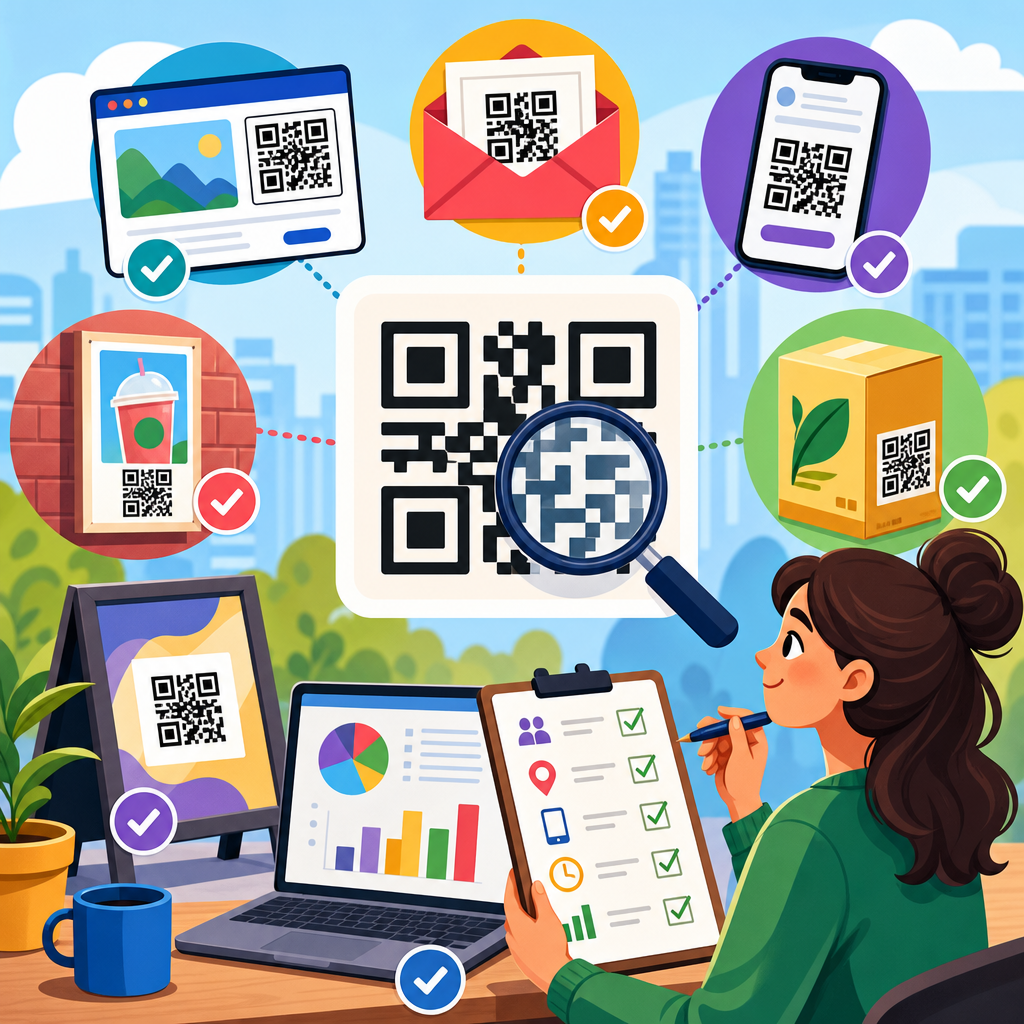
The simplest way to understand QR code marketing is to map it to the local customer journey: discovery, consideration, visit, purchase, loyalty, and advocacy. At discovery, a code on a street poster, vehicle wrap, or event banner can open a location page with directions and hours. At consideration, a code on a brochure or window cling can launch a product gallery, pricing page, or testimonial video. During the visit, tabletop codes can open menus, service upgrades, waitlists, or Wi-Fi signup forms. After purchase, packaging inserts and receipts can trigger warranty registration, referral offers, or review requests. For loyalty, codes on membership cards, bag stuffers, and SMS prompts can connect customers to rewards dashboards and seasonal offers.
Each stage requires a different destination because customer intent changes by context. A person scanning a code from a bus shelter ad is probably not ready to fill out a long form. They may want quick proof the business is nearby and relevant. A person scanning a code at checkout is much closer to action and may complete a feedback form, join a loyalty program, or claim a future discount. This is where many local campaigns fail. Businesses reuse one generic homepage URL for every code placement, then conclude that QR code marketing does not work. In practice, the mismatch is the problem, not the channel.
Intent also varies by business model. A restaurant benefits from menu, reservation, and review codes. A dental office gets more value from insurance information, appointment booking, and new patient forms. A gym may prioritize free trial signups, class schedules, and trainer bios. A real estate agent can use property flyer codes that open immersive listings, financing calculators, and showing requests. The code itself is not the strategy. The strategy is the alignment between placement, offer, audience, and destination.
Core QR Code Marketing Strategies That Drive Results
Effective QR code marketing strategies for local businesses usually fall into six categories: traffic generation, lead capture, conversion support, retention, reputation building, and attribution. Traffic generation campaigns use codes on signs, print ads, community sponsorship materials, and product packaging to send people to maps, offers, or location pages. Lead capture campaigns connect scans to quote requests, consultation booking, giveaway entries, and downloadable guides. Conversion support campaigns reduce hesitation by opening FAQs, installation demos, before-and-after galleries, financing details, or social proof. Retention campaigns make it easy to reorder, rebook, join loyalty programs, or receive SMS updates. Reputation campaigns ask satisfied customers for reviews at moments of peak satisfaction. Attribution campaigns identify which offline placements produce real business outcomes.
A practical example is a local HVAC company. Yard signs after completed jobs can include a code that opens a landing page offering seasonal maintenance reminders and an estimate request. Direct mail postcards can use a different dynamic code that drives to a limited-time tune-up offer. Technician leave-behind cards can include another code for Google reviews and referral credits. Because each code is distinct, the company can compare neighborhood sign scans, postcard scans, and post-service scans instead of guessing which tactic created calls.
Another example is a boutique retailer. A front-window code can promote new arrivals after hours, helping convert foot traffic when the store is closed. Fitting room signage can open styling videos and accessory bundles. Receipt inserts can offer loyalty signup with a first-repeat-purchase incentive. In-store event posters can collect RSVPs and email opt-ins. These are not disconnected uses. Together they form a system that increases customer data capture, repeat visits, and average order value.
Where Local Businesses Should Place QR Codes
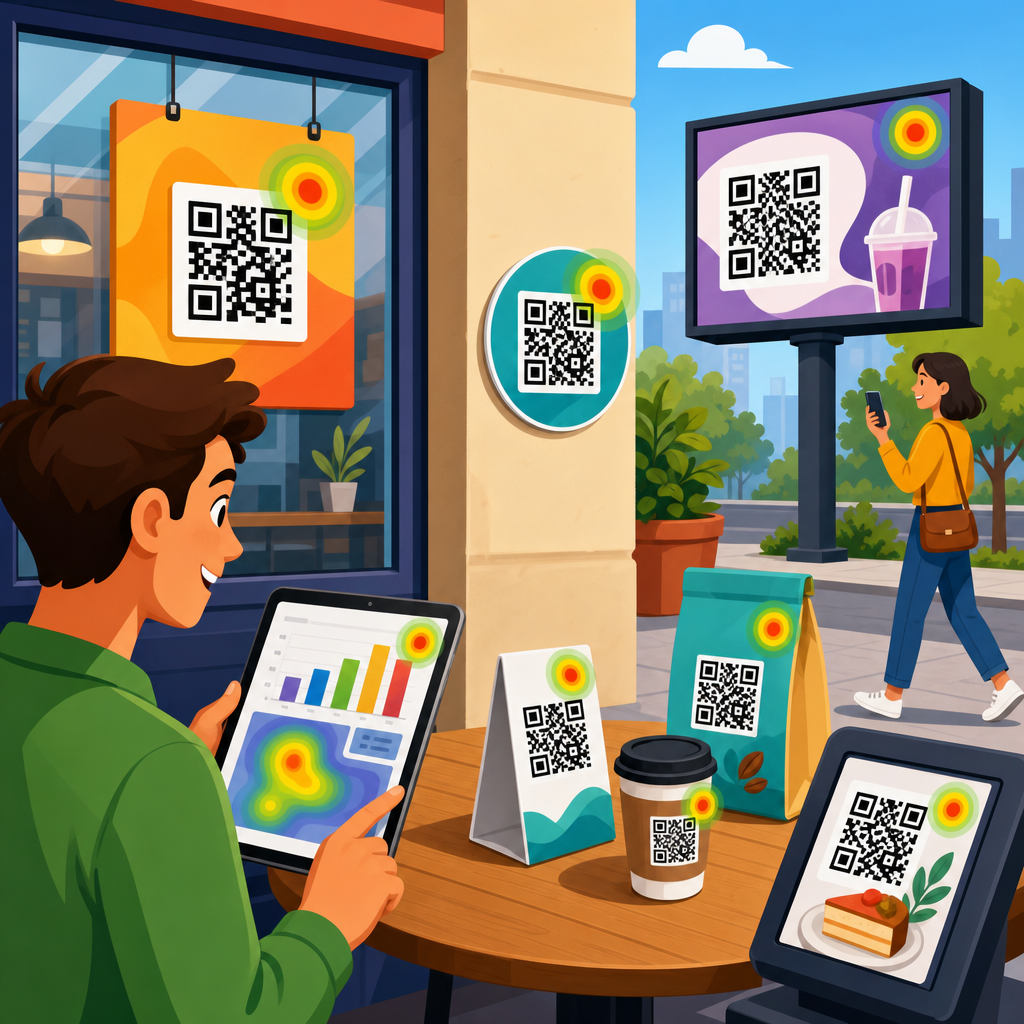
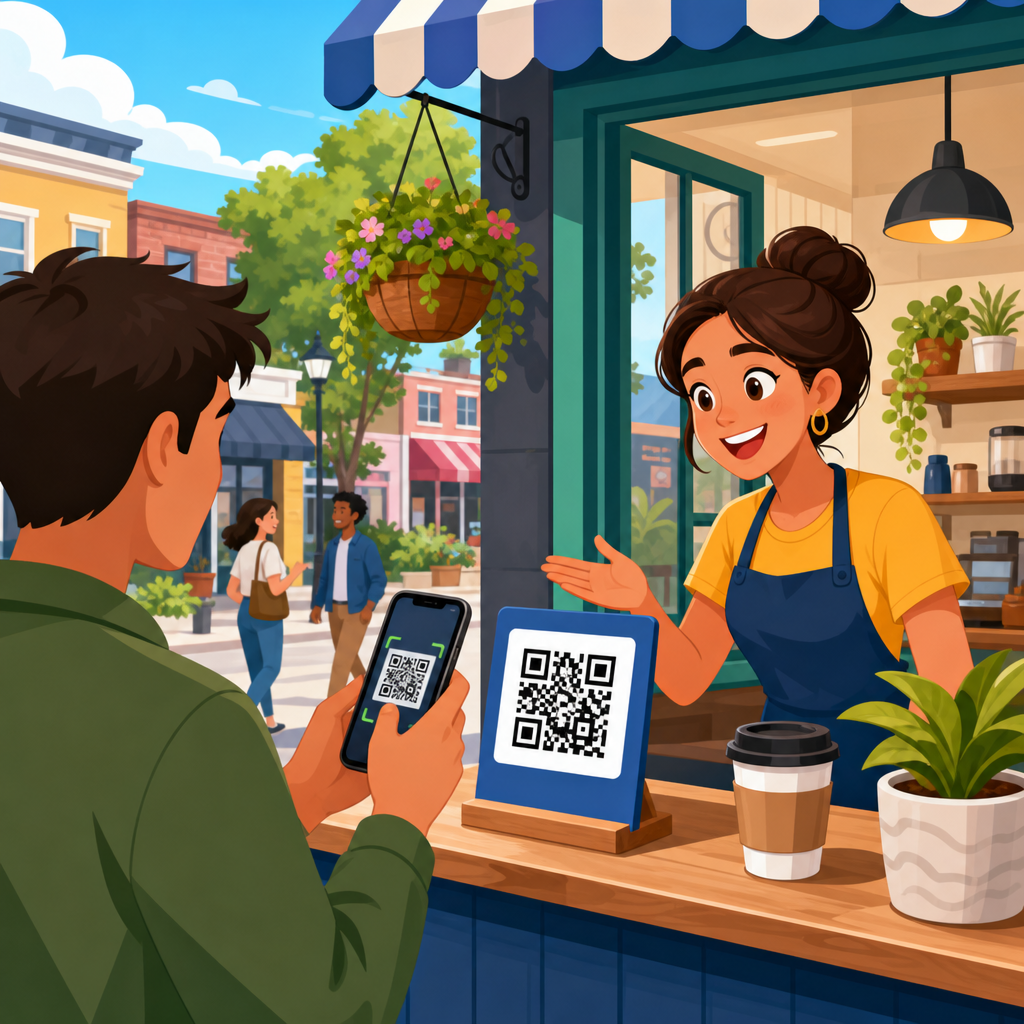
Placement determines performance more than design tweaks do. High-performing placements share three traits: visibility, context, and low scanning friction. Storefront windows work well because people stop, wait, and already know where they are. Counter cards perform when the next action is obvious, such as “Join rewards” or “Leave a review.” Packaging inserts perform because they reach customers after purchase, when trust is highest. Event booths work when staff actively point visitors to a code for giveaways, demos, or appointment scheduling.
Poor placements usually fail for physical reasons. Codes on moving vehicles are hard to scan safely. Codes placed too high on posters force awkward camera angles. Tiny codes on menus or shelf labels can be unreadable in dim lighting. Glossy surfaces create glare. Overly dense codes generated from long static URLs can break from a distance. I usually recommend testing actual scan distance in the real environment before printing at scale. As a rule, the farther the expected scan distance, the larger the code needs to be and the cleaner the surrounding design must remain.
Local businesses should also think in terms of owned, earned, and paid placements. Owned placements include store signage, receipts, packaging, business cards, invoices, and waiting room materials. Earned placements include community partner boards, local press inserts, influencer event kits, and user-generated posts that re-share a branded code. Paid placements include direct mail, local magazine ads, transit ads, geotargeted out-of-home, and sponsorship banners. The stronger the call to action, the more these channels reinforce one another.
Design, Destination, and Tracking Best Practices
A good QR code follows a simple promise: scan this and get something useful immediately. The call to action should state the benefit, not the mechanism. “Scan for 10% off today” outperforms “Scan here.” “See today’s lunch specials” outperforms “Open menu.” The landing page must match that promise exactly, load quickly on mobile, and avoid unnecessary navigation. For local businesses, the best destination pages are often short, focused pages with one primary action: call, book, get directions, claim offer, leave review, or join rewards.
Dynamic QR codes are usually the right choice because they let a business change the destination without reprinting the code and track performance by placement. Static codes have a place for permanent information such as Wi-Fi credentials or contact cards, but they are limiting for marketing because the destination cannot be updated. Tracking should include UTM parameters for analytics platforms, conversion events for forms or purchases, and, where relevant, call tracking numbers on landing pages. If the goal is store visits, pair scan data with coupon redemption, point-of-sale codes, appointment logs, or loyalty signups.
Branded design can improve trust, but it should never compromise readability. Use high contrast, preserve the quiet zone around the code, and test across phone models. Avoid placing codes over busy photography. If adding a logo in the center, keep error correction within safe limits and verify scans under real lighting conditions. The destination should also respect privacy expectations. If a form asks for phone or email information, explain the benefit and frequency of communication. That transparency improves completion rates and reduces unsubscribes later.
| Strategy Goal | Best Placement | Ideal Destination | Primary Metric |
|---|---|---|---|
| Drive foot traffic | Storefront window, local poster, direct mail | Map, hours, limited-time offer | Directions clicks, redeemed offer |
| Capture leads | Flyer, event booth, service invoice | Quote form, consultation booking | Form completions, booked appointments |
| Increase repeat visits | Receipt, packaging insert, countertop sign | Loyalty signup, reorder page | Signups, repeat purchases |
| Collect reviews | Checkout counter, thank-you card, follow-up card | Review request page | Review volume, average rating |
| Boost average order value | Menu, fitting room, waiting area | Upsell page, bundle recommendations | Add-on sales, basket size |
Industry-Specific Examples for Restaurants, Retail, Services, and Healthcare
Restaurants are often the easiest local case because customers already expect to scan. But the highest-value restaurant uses go beyond digital menus. A quick-service restaurant can place table tent codes promoting a limited-time combo and track redemptions by daypart. A café can use pastry case signage that opens mobile ordering for office pickup. A neighborhood bar can place restroom mirror codes for event calendars and loyalty enrollment. Review requests should appear after a positive service moment, not before food arrives. This timing matters.
Retail stores benefit from QR codes that add information sales associates cannot always deliver at scale. Codes near featured displays can open lookbooks, origin stories, care instructions, or color variants not stocked on the shelf. A garden center can attach codes to plant tables that open care guides by sunlight zone and watering frequency. A hardware store can link shelf tags to how-to videos. These uses reduce decision anxiety and can prevent returns because customers buy with clearer expectations.
Service businesses such as plumbers, roofers, cleaners, salons, and auto shops should focus on trust-building and rebooking. A salon mirror decal can open a personalized rebooking page. An auto repair shop can place a code on the invoice that shows maintenance history, recommended next service dates, and a referral reward. A cleaning company can use codes on door hangers that open before-and-after photo galleries and neighborhood-specific booking pages. For home services, local proof matters: nearby jobs, reviews from the same town, and financing or scheduling details.
Healthcare and wellness businesses need a more careful approach because compliance and patient privacy matter. Dental offices can use waiting room codes for intake forms, post-visit care instructions, and membership plan details. Physical therapy clinics can link printed exercise sheets to short demonstration videos. Med spas can place codes in consultation rooms for treatment FAQs, candidacy criteria, and aftercare. The destination should never expose private information without secure login, and review requests must respect platform and regulatory guidelines.
Measurement, Testing, and Common Mistakes
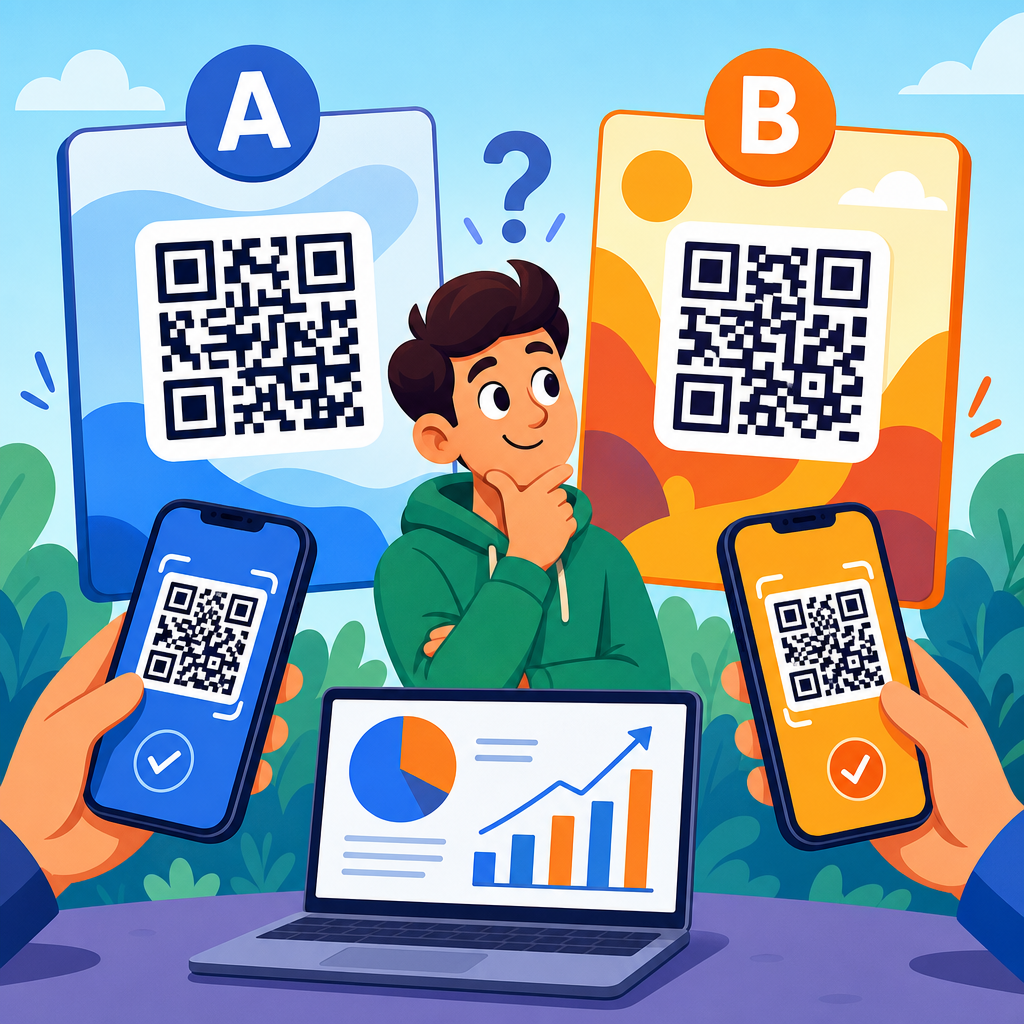
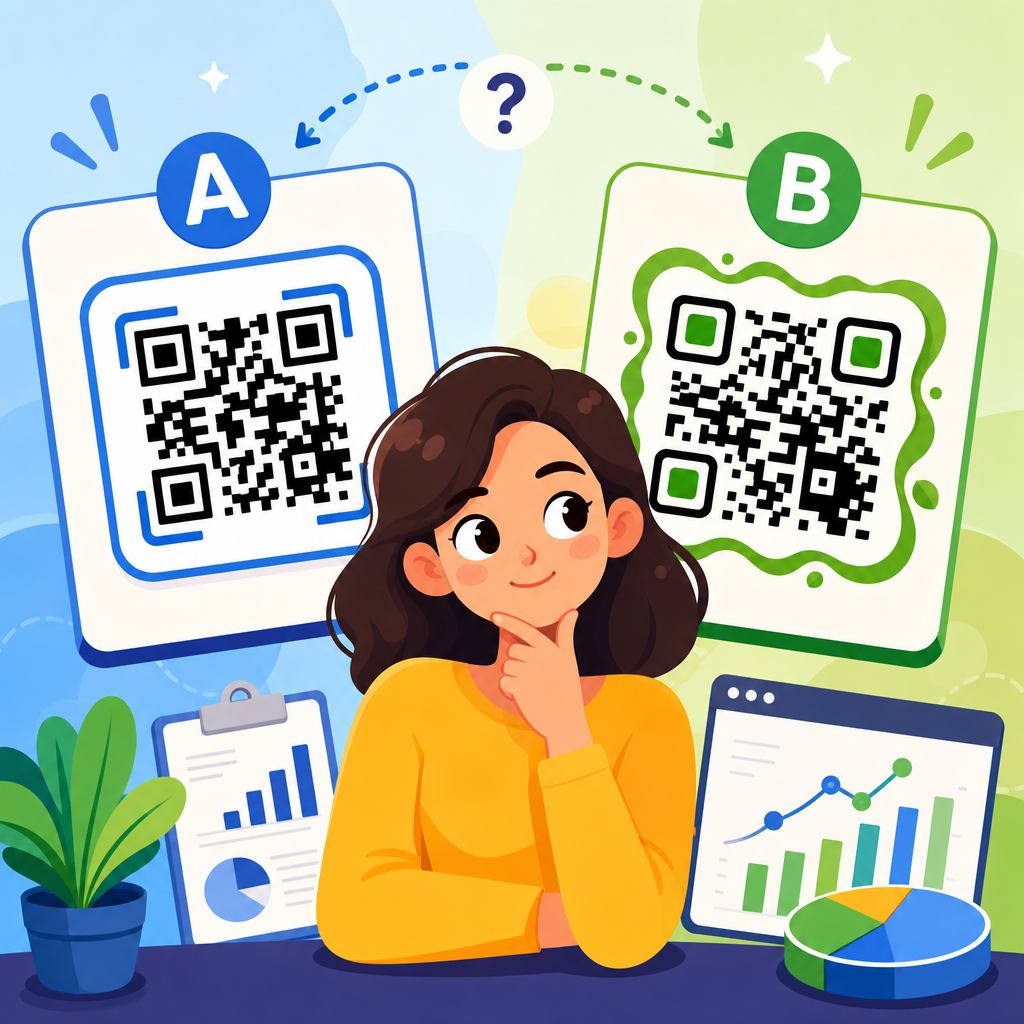
If a business cannot measure results, it cannot improve QR code marketing. Start with a hypothesis for each placement: who will scan, what they want, and what action defines success. Then create one code per placement, not one code per campaign theme. This allows real comparison. Review scan rate, landing page engagement, conversion rate, and downstream outcomes such as calls, booked jobs, purchases, or reviews. A code with fewer scans can still be the best performer if it reaches higher-intent customers and converts better.
Testing should be deliberate. Change one major variable at a time: offer, call to action, page format, placement height, code size, or incentive. For example, a florist may test “Order same-day pickup” against “See today’s arrangements.” A veterinary clinic may compare a review request card handed over at checkout with one attached to prescription pickup bags. Small sample sizes are common in local business marketing, so evaluate trends over several weeks rather than overreacting to one busy Saturday.
The most common mistakes are avoidable. Sending every scan to the homepage wastes intent. Printing static codes for seasonal promotions creates update problems. Using codes without a benefit statement lowers response. Failing to optimize mobile page speed increases abandonment. Ignoring staff training is another major error. If employees do not mention the code, explain the value, or present it at the right moment, performance suffers. I have seen review scans double simply because front-desk staff changed from “If you want, you can scan this” to “If we helped today, this takes ten seconds and really supports our local business.”
Building a Sustainable QR Code Marketing Program
The strongest local businesses do not treat QR codes as one-off tactics. They build an operational program. That means creating naming conventions for each code, maintaining a destination inventory, documenting design standards, and reviewing performance monthly. It also means linking QR usage to larger channels. Email can follow up after a scan-based signup. Paid social can retarget visitors who scanned from direct mail. In-store signage can promote SMS lists that later drive repeat traffic. When integrated this way, QR code marketing strategies become a durable conversion layer across physical and digital touchpoints.
For a sub-pillar hub within a broader QR Code Marketing & Strategy topic, this is the central idea to carry forward: local success comes from matching each scan opportunity to a clear business objective and a frictionless next step. Use different codes for different placements, design mobile-first landing pages, track outcomes beyond scans, and adapt by industry and customer journey stage. Start with one high-intent use case, such as reviews at checkout or offers on storefront signage, then expand into loyalty, lead capture, packaging, direct mail, and event marketing. The businesses that win are not the ones with the fanciest code designs. They are the ones that make scanning obviously useful.
QR code marketing for local businesses is valuable because it turns everyday physical touchpoints into measurable digital actions. When done well, it shortens the path to booking, buying, reviewing, and returning. Audit your current customer journey, identify the moments where people hesitate or need more information, and launch one trackable QR campaign this month.
Frequently Asked Questions
What is QR code marketing, and why is it especially effective for local businesses?
QR code marketing is the practice of placing scannable codes on physical or digital materials so customers can instantly reach a specific online destination with their phone camera. That destination might be a website, menu, coupon, booking page, review form, payment link, loyalty signup, map listing, event registration, or product video. For local businesses, this works particularly well because it removes friction at the exact moment someone is most interested. Instead of asking a customer to remember your business name, type a long web address, or search for your offer later, the QR code creates an immediate path from attention to action.
That speed matters in local commerce because many decisions happen in real time and close to the point of purchase. A person walking past a storefront, sitting at a restaurant table, browsing a flyer at a community event, or waiting in a service lobby is often ready to act right away. A QR code turns that physical moment into a measurable digital interaction in seconds. It helps a local company capture intent before it fades, which is much more valuable than hoping a customer will come back later and look you up.
Another reason QR code marketing is effective for local brands is versatility. A single code can guide customers to directions, limited-time offers, appointment scheduling, customer reviews, FAQs, or mobile payment options depending on the situation. This makes it useful across industries such as restaurants, salons, real estate, healthcare, retail, home services, fitness studios, and professional offices. When used well, QR codes improve convenience for customers while giving business owners a practical way to increase engagement, conversions, and foot traffic.
Where should a local business place QR codes to get the best results?
The best placement depends on when and where your customers are most likely to take action. High-performing locations usually share one trait: they put the code in front of people at a moment of clear intent. For example, storefront windows are ideal for after-hours browsing because they can send passersby to business hours, directions, product catalogs, booking pages, or special offers. In-store signage can guide shoppers to product details, loyalty programs, financing options, email signups, or customer reviews. Table tents and menus work well in restaurants because they connect directly to ordering, payment, specials, and feedback forms.
Printed materials are also strong candidates. Flyers, mailers, posters, brochures, receipts, product packaging, business cards, and event handouts all give customers an easy way to continue the interaction on their phones. Service-based businesses can add QR codes to invoices, estimate sheets, vehicle wraps, uniforms, thank-you cards, or job-site signage to collect reviews, encourage repeat bookings, or explain services in more detail. Even waiting areas can be productive placement zones, since customers often have time to scan while they sit.
Good placement is not just about visibility. It is also about context and clarity. A QR code performs better when the customer immediately understands what they will get by scanning it. A simple prompt such as “Scan to book an appointment,” “Scan for today’s specials,” or “Scan to leave a review” can significantly improve response rates. The destination should also match the environment. Someone standing outside your shop may want directions, hours, or a coupon, while someone who has already purchased may be more likely to scan for support, rewards, or a review request. The more tightly the code aligns with customer intent, the better the results tend to be.
What should a QR code link to for a local marketing campaign?
A QR code should link to the next most logical action for the customer, not just your homepage by default. While a homepage can work in some cases, a dedicated landing page or purpose-built destination usually converts better because it keeps the experience focused. For local businesses, effective destinations often include appointment booking pages, digital menus, limited-time coupons, event registration forms, Google Business Profile review prompts, contactless payment pages, map directions, loyalty program signups, and service-specific landing pages.
The best destination depends on the customer’s stage in the buying journey. If someone is discovering your business for the first time, a code might lead to a page with directions, business hours, testimonials, and a clear first-time offer. If the customer is already in your location, it may make more sense to send them to a menu, product guide, financing option, warranty registration, or upsell opportunity. If the goal is retention, the code could link to a review request, referral offer, reorder page, customer portal, or text-message signup form. Every destination should be mobile-friendly, quick to load, and easy to use without extra steps.
It is also smart to think strategically about measurement. Linking each QR code to a unique page or trackable URL helps you understand which signs, flyers, tables, or campaigns are actually generating scans and conversions. That data allows local businesses to improve placements, offers, and messaging over time. In other words, the destination should not only serve the customer; it should also help the business learn what is working. A successful QR code campaign balances convenience, relevance, and trackability.
How can a local business make sure customers actually scan its QR codes?
The most important factor is giving people a clear reason to scan. Customers are much more likely to engage when the value is obvious and immediate. That value could be a discount, a fast booking option, access to a menu, a loyalty reward, easier payment, directions, or exclusive information. If the code is presented without context, many people will ignore it. If it is paired with a specific benefit and a clear call to action, it becomes much more compelling. Language such as “Scan for 10% off,” “Scan to skip the line,” or “Scan to claim your free estimate” works far better than simply displaying a code by itself.
Design and usability also matter. The QR code should be large enough to scan easily, printed clearly, and placed where lighting and distance will not interfere. There should be enough contrast between the code and its background, and the destination should load quickly on mobile devices. Businesses should test every code on multiple phones before launching it publicly. It is also helpful to avoid sending people to pages with too many options. The smoother the path from scan to action, the better your conversion rate is likely to be.
Trust is another key element. Some users hesitate to scan codes if they are unsure where the link leads. You can reduce that friction by including your brand name, a short explanation, or visual cues around the code. For example, a salon might place a branded code next to “Scan to book your next appointment,” while a café might use “Scan to view our menu and pay at the table.” Customers feel more comfortable when the purpose is transparent. When businesses combine a strong offer, a simple next step, and a trustworthy presentation, QR code engagement usually improves significantly.
How do you measure the success of QR code marketing for a local business?
Success should be measured by more than scans alone. While scan volume is a useful starting point, the real question is what people do after scanning. Strong local business metrics often include bookings, coupon redemptions, calls, direction requests, review submissions, form completions, payment completions, email or SMS signups, and in-store purchases tied to a QR campaign. A code that gets fewer scans but produces more appointments or higher revenue is usually more valuable than one with lots of curiosity clicks and little action.
To measure effectively, businesses should create separate trackable links for different placements and campaigns. For example, the QR code on a storefront window should not use the exact same destination as the code on a direct mail postcard or a receipt. Separate tracking helps identify which customer touchpoints generate the best results. Analytics tools, URL parameters, landing page reports, coupon code redemptions, and call tracking can all help connect scans to actual business outcomes. This is one of the biggest advantages of QR marketing: it turns offline exposure into something far more measurable than traditional print marketing alone.
It is also important to evaluate results in context. A code designed to collect reviews should be judged by review quality and volume, not by sales. A code on a menu might be measured by order speed, average order value, or table turnover. A code on a service invoice may be judged by repeat bookings or referrals. By matching the metric to the campaign goal, local businesses can make smarter decisions about where to invest. Over time, testing different offers, placements, and landing pages can reveal which combinations produce the strongest return, making QR code marketing not just convenient, but highly optimizable.