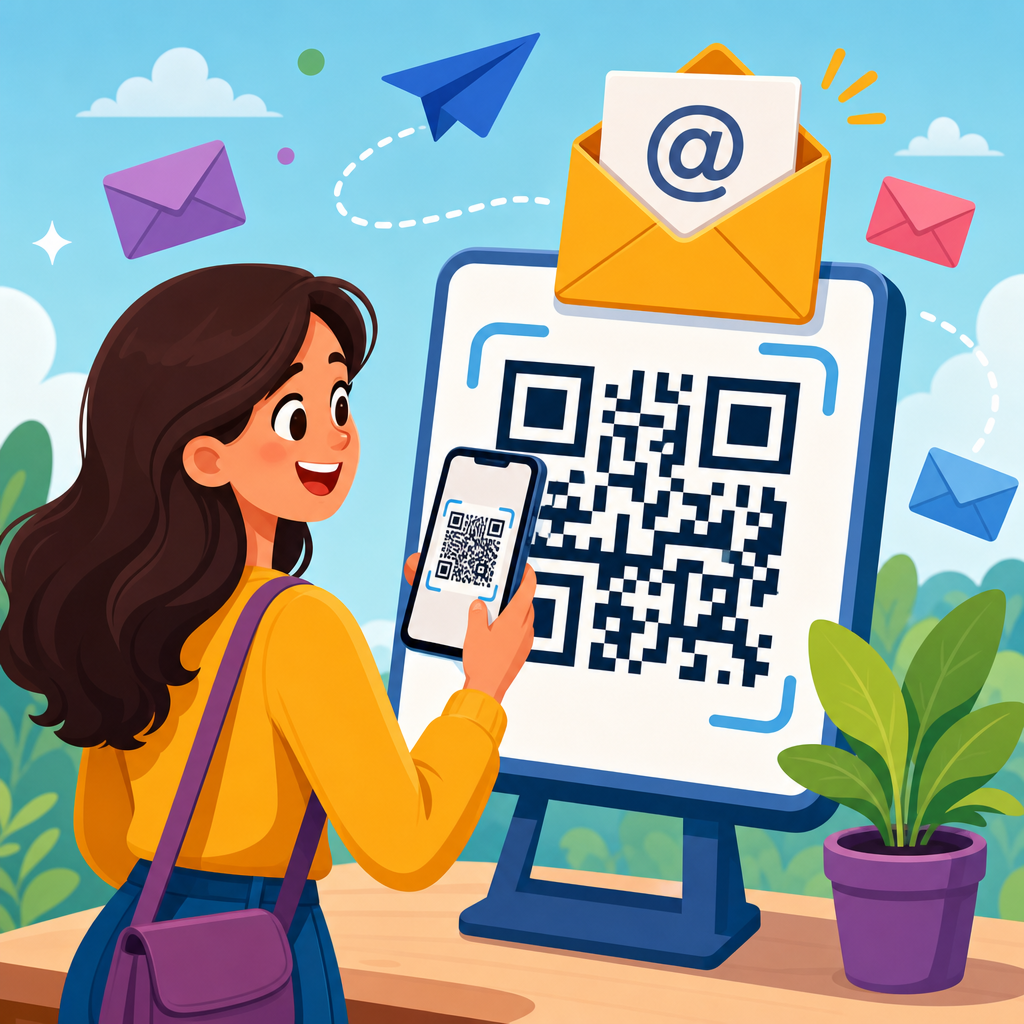
QR codes for email list building turn an offline moment into a measurable digital signup, which is why they have become a core tactic inside modern QR code marketing strategies. A QR code, or Quick Response code, is a scannable matrix barcode that opens a destination such as a landing page, form, coupon, app, or prefilled email when a smartphone camera reads it. Email list building is the process of collecting permission-based subscriber information, usually an email address plus basic segmentation data, so a brand can communicate directly without relying on social algorithms or paid retargeting. Put together, these tools create a short path from attention to action: a customer sees a package insert, poster, receipt, table tent, event badge, or direct mail piece, scans the code, and joins the list in seconds.
This matters because list growth usually stalls when signup friction is too high. I have seen excellent offers underperform simply because people had to type a long URL on mobile or search for the brand later. QR codes remove that delay. They also connect physical marketing with digital analytics, making it easier to attribute leads from in-store signage, trade shows, product packaging, print ads, and field activations. When set up correctly, they support consent capture, audience segmentation, first-party data collection, and lifecycle automation. For brands trying to reduce acquisition costs, strengthen retention, and build owned audiences, QR codes are not a gimmick. They are a practical conversion device that can sit at the center of a broader QR code marketing strategy.
How QR codes support email list growth across channels
The fastest answer is simple: QR codes increase signup volume by reducing the number of steps between interest and form completion. In practice, the best campaigns pair a code with a narrow value proposition. “Join our newsletter” is usually weak. “Scan for 15% off your first order,” “Get the conference deck,” “Register your product for warranty and tips,” or “Receive weekly menu specials” performs better because the benefit is immediate and concrete. The code becomes the bridge between intent and conversion.
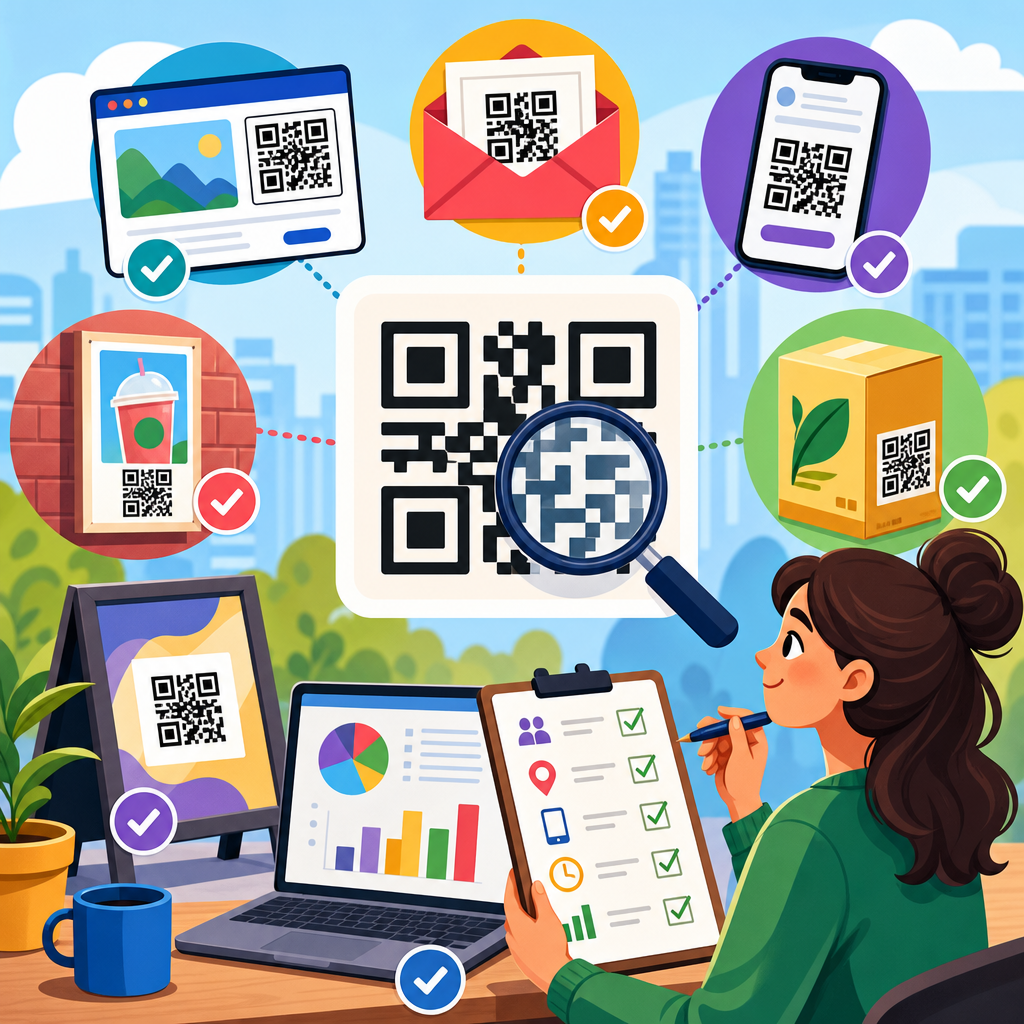
Different channels produce different subscriber quality. Packaging inserts often convert existing customers who are likely to engage with onboarding, replenishment reminders, and review requests. Event signage can generate high-volume top-of-funnel leads, but those contacts need tighter segmentation because interest levels vary. Restaurant table tents work well for VIP club enrollment, feedback collection, and birthday offers. Retail shelf talkers can capture shoppers comparing products in real time. Direct mail uses QR codes to shorten response cycles and improve attribution by campaign or household segment. In each case, the core strategy is the same: put the code where motivation already exists.
Static and dynamic QR codes serve different operational needs. A static code points permanently to one destination. A dynamic code routes through a short URL, allowing you to change the final landing page later, append UTM parameters, and track scans by time, device, or location depending on the platform. For list building, dynamic codes are usually the better choice because offers change, forms evolve, and attribution matters. Tools such as Bitly, Beaconstac, QR Code Generator Pro, and Flowcode are commonly used because they combine redirect management with analytics. If you are managing many placements, dynamic codes save reprint costs and make testing practical.
What makes a QR code email capture campaign convert
High-performing campaigns follow a predictable structure: audience, offer, destination, form, consent, and follow-up. Start with the audience. A first-time prospect at a street fair needs a different incentive than an existing buyer opening a shipped package. Match the offer to that context. Then send the scan to a mobile-first destination, not your homepage. A dedicated landing page should repeat the promise from the print asset, remove unnecessary navigation, and load quickly on cellular connections. Google’s Core Web Vitals still matter here because slow pages lose mobile users fast.
The form itself should ask for the minimum viable information. For many campaigns, email address and first name are enough. If segmentation is important, use one additional field such as product interest, store location, or industry. Every extra field lowers completion rates. I typically advise brands to collect less on the first interaction and enrich profiles later through preference centers, progressive profiling, or behavior data. Consent language must be explicit, especially if you send promotional email. In the United States, CAN-SPAM governs commercial email content, while in Europe GDPR requires a lawful basis and clear disclosure. If SMS is involved, separate consent is essential.
Confirmation and follow-up also affect conversion quality. Double opt-in can reduce raw subscriber count, but it improves deliverability and list hygiene. For giveaways and retail promotions, a single opt-in plus a strong welcome email may be appropriate if local regulations and risk tolerance allow it. The welcome sequence should deliver the promised asset immediately, set expectations for frequency, and introduce preference options. If someone scanned from packaging, the next emails might explain setup, care, refill cycles, and accessories. If they scanned at an event booth, the sequence should recap the conversation, provide a resource, and route high-intent leads to sales.
Best placements, incentives, and measurement frameworks
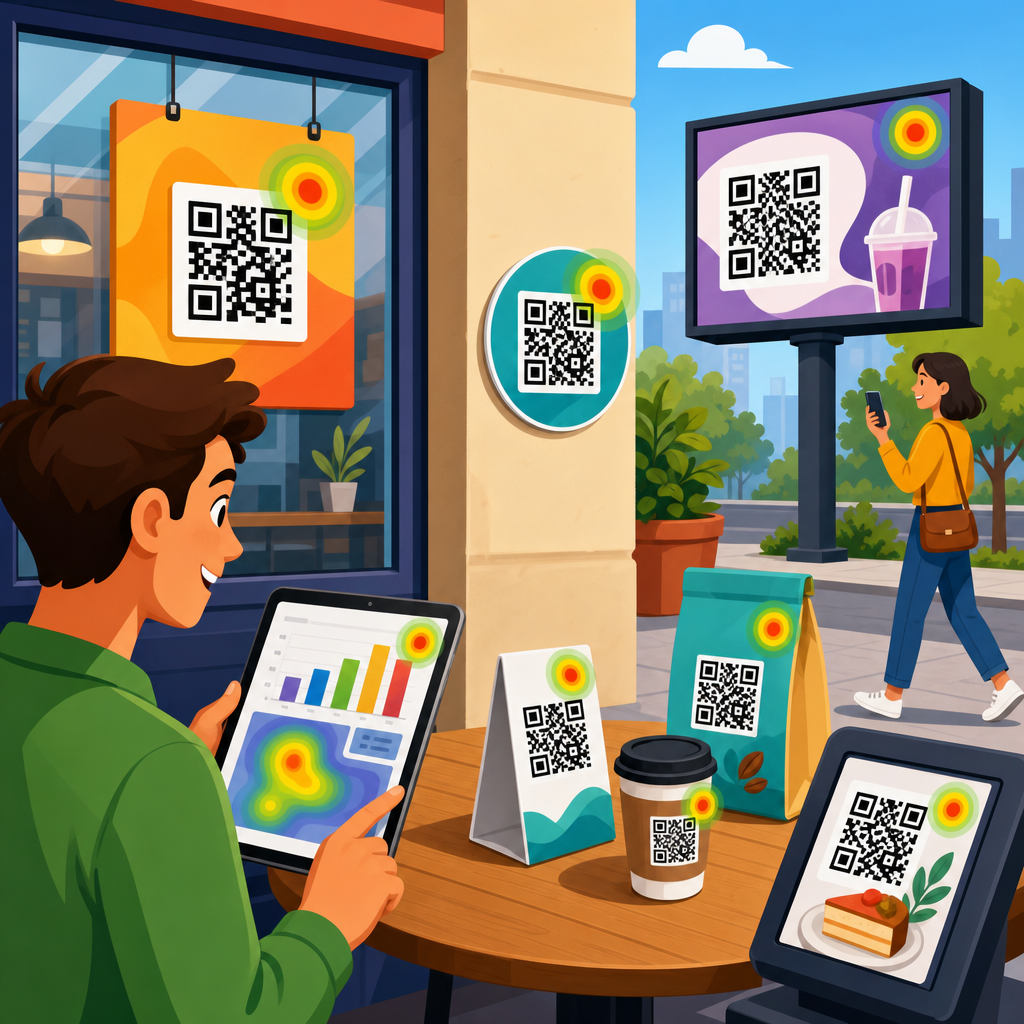
Placement determines whether the scan feels natural or forced. Effective placements share three traits: visibility, dwell time, and clear next action. A transit shelter ad may be visible, but commuters have little time to stop and complete a form. A cafe counter sign, hotel room tent card, or conference booth graphic offers more dwell time, making signup more realistic. Printed codes should have sufficient size and contrast; a practical minimum is around 0.8 by 0.8 inches for close-range scans, increasing with viewing distance. Quiet zone margins matter, and branded customization should never compromise error correction or readability.
Incentives should fit margin structure and brand position. Discounts drive fast action in ecommerce, but educational content, exclusive access, loyalty points, extended warranties, sweepstakes entry, or useful tools can work better in premium or service categories. Business-to-business campaigns often convert best with checklists, calculators, benchmark reports, or event materials rather than generic newsletters. One manufacturer I worked with increased booth lead capture by replacing “Subscribe for updates” with “Scan for the 2025 compliance checklist and product spec sheet.” The code captured fewer casual scans but more qualified contacts, which improved downstream email engagement and sales follow-up.
| Placement | Typical incentive | Primary metric | Common follow-up |
|---|---|---|---|
| Product packaging | Warranty registration, how-to guide, reorder discount | Scan-to-signup rate | Onboarding sequence |
| Retail signage | Instant coupon, buying guide, back-in-stock alerts | Leads per location | Promotional nurture |
| Events and trade shows | Slides, spec sheet, giveaway entry | Qualified leads captured | Sales and content sequence |
| Restaurants and hospitality | VIP club, birthday reward, feedback offer | Repeat visit enrollment | Loyalty emails |
| Direct mail | Personalized offer, appointment booking, catalog access | Response rate by segment | Triggered campaign |
Measurement should go beyond scan count. Scans tell you attention, not business value. Track scan-to-landing rate, landing-to-form completion rate, confirmed opt-ins, welcome email opens, click-through rate, unsubscribe rate, and revenue or pipeline generated per subscriber source. Use UTM parameters consistently and pass source data into your email service provider or CRM. Platforms such as Klaviyo, Mailchimp, HubSpot, ActiveCampaign, and Salesforce Marketing Cloud can store acquisition source and automate source-specific journeys. This is where QR code marketing strategies become durable: every placement becomes a testable acquisition channel, not just a one-off campaign.
Technical setup, compliance, and optimization for long-term results
A reliable setup starts with the destination page and the data layer. Build one landing page per major campaign or audience segment so message match stays tight. Add event tracking through Google Analytics 4 and, where relevant, platform analytics from your QR code provider. If your form is embedded, verify that form submits trigger correctly and that hidden fields capture campaign source, medium, placement, and creative. Test on both iPhone and Android under normal lighting and weaker connectivity. I regularly find campaigns that looked fine on desktop previews but failed because buttons were buried below the fold or autofill behaved inconsistently.
Email deliverability deserves equal attention. Sending incentives from a poorly configured domain can waste the leads you worked to collect. Set up SPF, DKIM, and DMARC, warm sending volumes when needed, and keep acquisition promises aligned with actual cadence. If the print asset promises weekly tips, do not start with daily promotional blasts. That mismatch creates complaints and rapid churn. Good list hygiene matters too. Remove hard bounces, monitor spam complaint rates, and suppress unengaged contacts according to your retention policy. Growing the list is valuable only if inbox placement and engagement remain healthy.
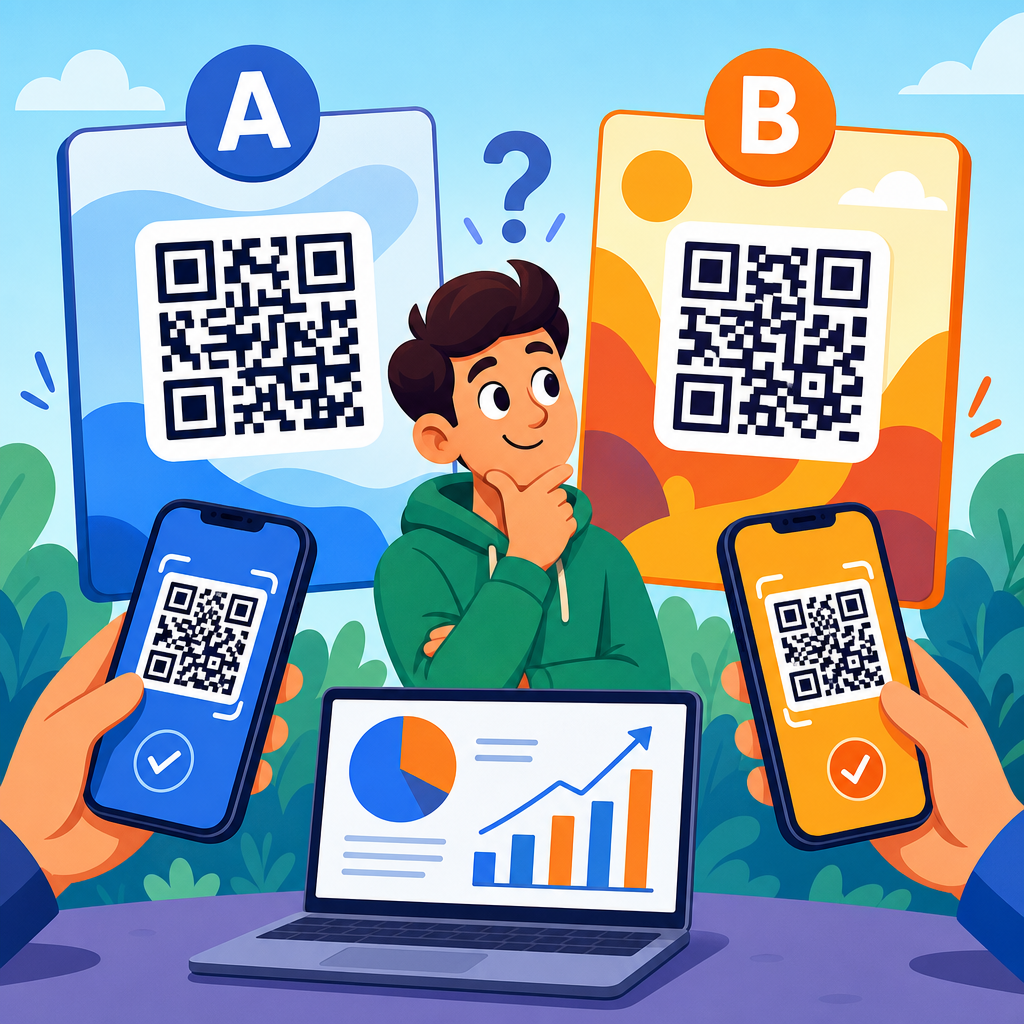
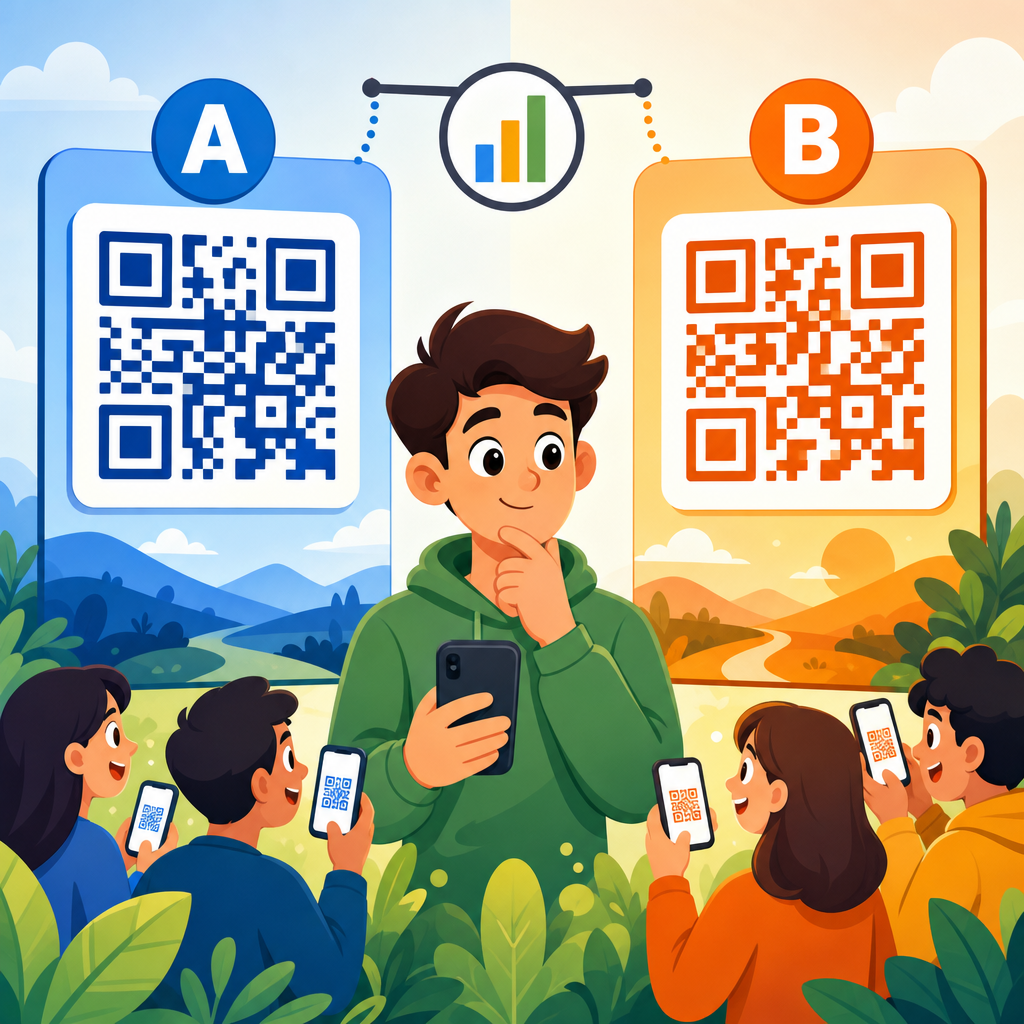
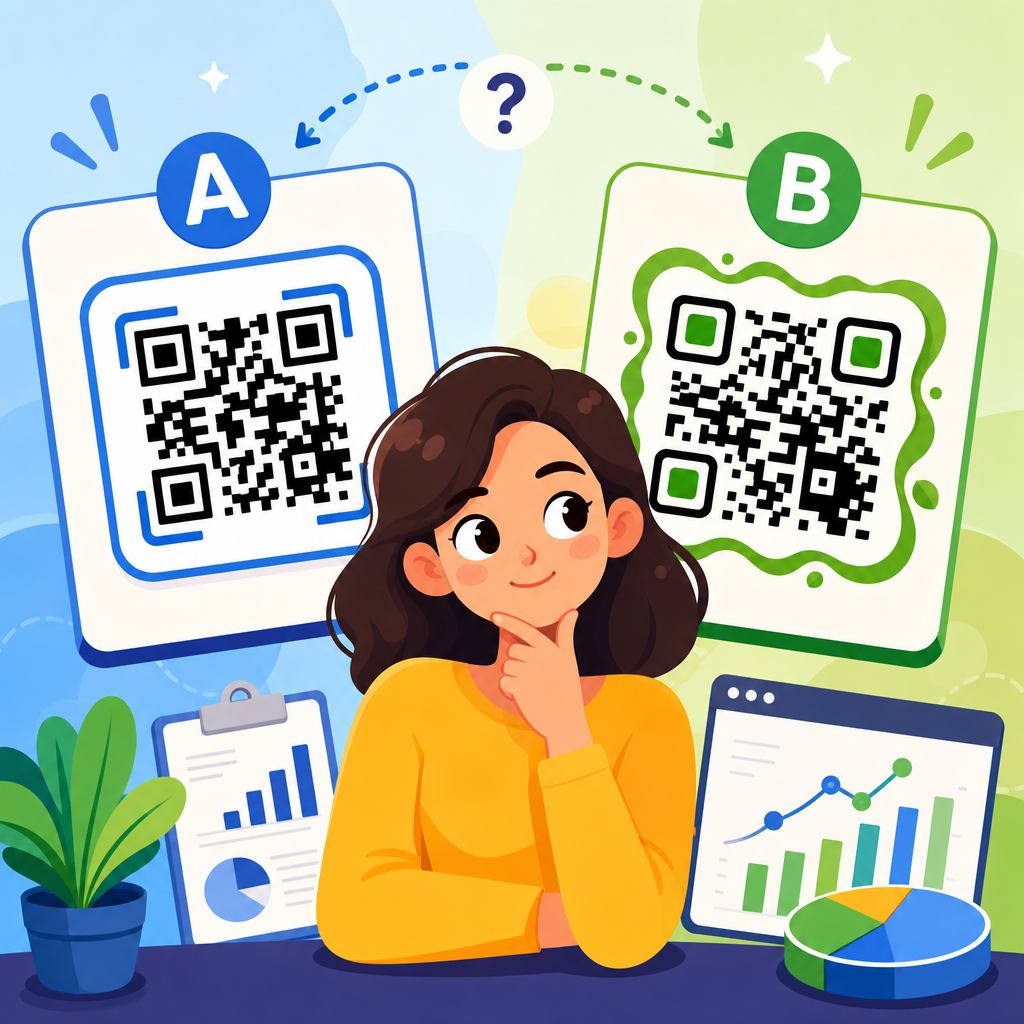
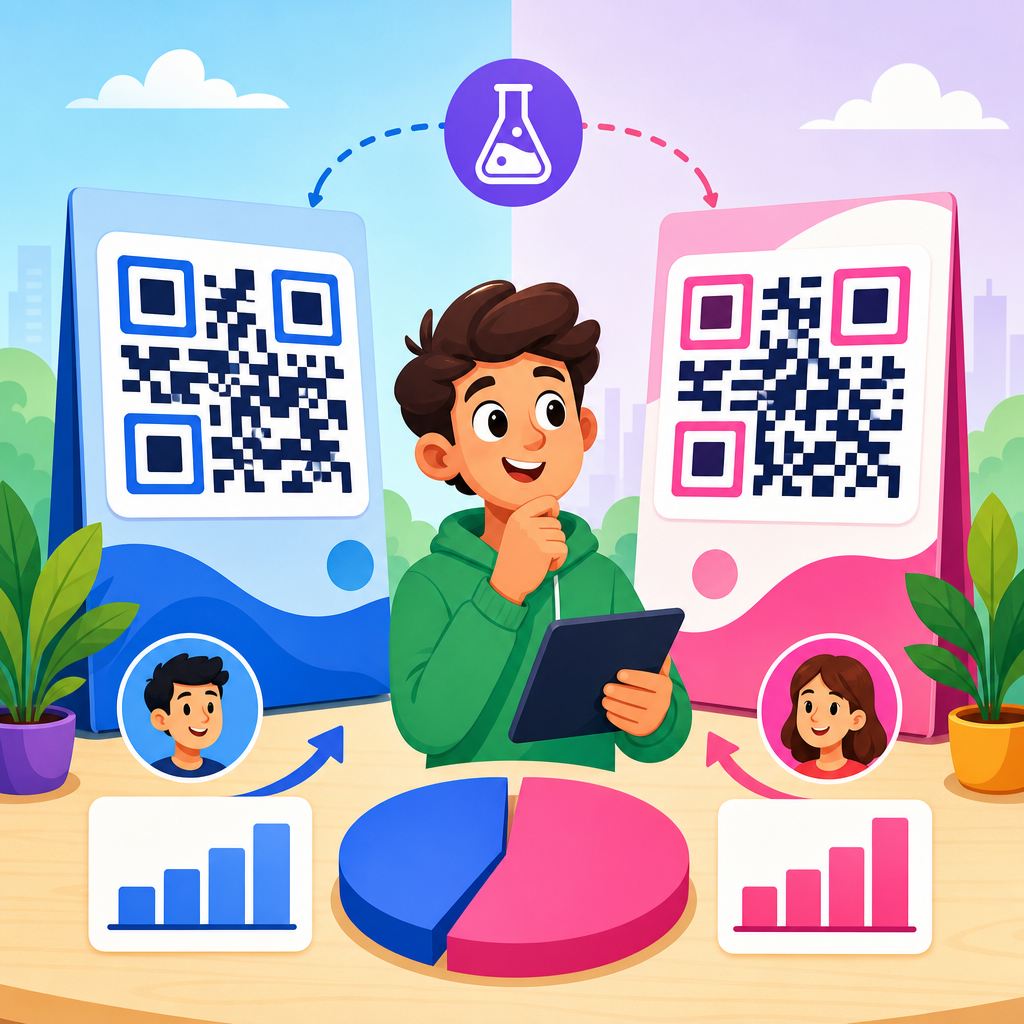
Optimization is continuous. A/B test the call to action printed next to the code, the incentive, the form length, and the destination format. Sometimes a short form on a landing page wins; sometimes a two-step flow with a benefit-first screen performs better. Test whether adding social proof, such as subscriber count or testimonial snippets, improves trust. Compare code placement at entrance versus point of sale, or front-of-package versus inside-box inserts. Use heatmaps or session recordings with tools like Hotjar or Microsoft Clarity to see where mobile users hesitate. Small improvements compound because physical impressions can be large and sustained over time.
As the hub for QR code marketing strategies, this topic also connects naturally to deeper tactics. Brands often branch from list building into QR codes for coupons, loyalty enrollment, product education, event lead capture, reviews, feedback, app downloads, and omnichannel attribution. Those are separate use cases, but the operating principles remain consistent: reduce friction, align the offer with context, measure the full journey, and respect user consent. When those elements are in place, QR codes become one of the most efficient ways to capture first-party email subscribers from offline attention.
QR codes for email list building work because they solve a real conversion problem: people are willing to respond in the moment, but only if the path is fast and the value is obvious. The strongest QR code marketing strategies start with context, not technology. Choose placements where people have time to scan, attach a clear benefit, send them to a dedicated mobile landing page, ask for minimal information, and follow with a source-aware welcome sequence. Use dynamic codes whenever possible so you can update destinations, track performance, and test offers without reprinting assets.
The practical benefits are significant. You can grow a permission-based audience from packaging, print, retail, events, hospitality, and direct mail; tie offline exposure to digital analytics; and improve customer retention through better onboarding and segmentation. The tradeoffs are manageable if you plan for them. Weak incentives, poor landing pages, vague consent language, and shallow measurement will limit results, while strong deliverability and disciplined testing will improve them. In my experience, teams that treat QR codes as an acquisition system rather than a decorative add-on consistently build larger, healthier lists.
If you want better performance from offline marketing, audit every touchpoint where a customer pauses, waits, opens, or compares. Add one well-designed QR code offer, track it carefully, and build from the data. That single step can turn overlooked physical impressions into an owned email audience you can reach again and again.
Frequently Asked Questions
How do QR codes help with email list building?
QR codes help with email list building by connecting an offline interaction directly to a digital signup experience. When someone scans a QR code on a poster, product package, receipt, table tent, event booth, direct mail piece, or in-store display, they can be taken immediately to a landing page or form where they can subscribe to your email list. This removes friction because the user does not need to manually type a web address, search for your brand, or remember to sign up later. In practical terms, that faster path often increases response rates and captures interest while it is still fresh.
They are especially valuable because they make offline marketing measurable. Instead of guessing whether a printed promotion generated subscribers, you can track scans, visits, form completions, device type, time of day, and even location data depending on your QR platform and analytics setup. That visibility turns a simple code into a performance tool. It also supports better segmentation, since you can send different QR codes to different audiences or campaigns and identify where new subscribers came from. For example, a code on product packaging might indicate buyer intent, while a code at a conference booth might signal interest in a specific service line. Used correctly, QR codes do not just grow your list; they improve the quality, attribution, and targeting of the subscribers you collect.
What should a QR code link to in order to get more email signups?
The best destination is usually a mobile-friendly landing page built specifically for one clear action: joining your email list. That page should load quickly, explain the value of subscribing in a few seconds, and include a short signup form with as few fields as possible. In most cases, asking only for an email address and perhaps a first name will outperform a longer form. If segmentation matters, you can collect one or two additional data points, such as product interest, location, or customer type, but every extra field creates more friction, so keep the balance in mind.
Your landing page should also answer the subscriber’s immediate question: “What do I get?” Strong offers include a discount, exclusive content, early access, loyalty perks, a giveaway entry, a useful checklist, or event-specific resources. The message should match the context of the scan. Someone scanning a QR code on packaging may respond well to reorder reminders, product tips, or warranty registration benefits, while someone scanning at a live event may expect slides, a demo, or a consultation offer. It is also important to include a clear privacy statement and consent language so the signup is permission-based and compliant with applicable email marketing regulations. If possible, use a thank-you page after submission to confirm the signup, deliver the promised incentive, and guide the subscriber to a next step such as following your brand, redeeming an offer, or browsing key products.
Where should businesses place QR codes to grow an email list effectively?
The strongest placements are the ones that capture attention at high-intent moments. In retail, effective locations include product packaging, shelf talkers, checkout counters, receipts, shopping bags, window signage, and in-store displays. In hospitality and food service, QR codes can be added to menus, table tents, takeout packaging, coffee sleeves, and guest welcome materials. At events, they work well on booth graphics, badges, presentation slides, handouts, and giveaway stations. Service businesses can place them on invoices, appointment reminder cards, brochures, vehicle wraps, and office signage. Direct mail, catalogs, postcards, and print ads are also strong candidates because they extend traditional media into a measurable email acquisition channel.
Placement alone is not enough; context and motivation matter just as much. A QR code should always be paired with a short call to action that tells people exactly why they should scan. “Join our email list” is acceptable, but a more specific message such as “Scan for 15% off your next order” or “Get exclusive weekly tips and subscriber-only offers” usually performs better. Visibility is also essential. Codes should be large enough to scan easily, printed with sufficient contrast, and positioned where users have enough time and physical space to act. For example, a code in a transit station may need simpler messaging than a code on a trade show handout. The most effective businesses test multiple placements and compare conversion rates rather than assuming all offline touchpoints will perform equally well.
What are the best practices for creating a high-converting QR code email signup campaign?
A high-converting campaign starts with a clear value exchange. People rarely subscribe just because a code exists; they subscribe because the offer is timely, relevant, and easy to claim. Start by defining the audience, the placement, and the incentive. Then create a dedicated mobile landing page that mirrors the exact promise shown next to the QR code. If the code says “Scan for a free guide,” the landing page should immediately present that guide offer, not a generic homepage. Message match is one of the biggest factors in conversion performance.
Design and usability also matter. Use dynamic QR codes when possible so you can update destinations without reprinting materials, add campaign tracking parameters, and monitor results over time. Test the code on multiple devices before launch, and make sure the page loads fast on mobile networks. Keep the form short, make the submit button obvious, and avoid distractions such as excessive navigation. Add trust signals like privacy language, a brief explanation of email frequency, and examples of what subscribers will receive. If your audience is broad, consider segmenting through separate QR codes or simple interest selections on the form. Finally, measure the full funnel: scans, landing page visits, form starts, completed signups, confirmation rates, and downstream email engagement. That data will help you improve both acquisition volume and subscriber quality.
How can you track and measure the success of QR codes for email list building?
Success should be measured beyond raw scan counts. Scans are useful, but the more important metrics are landing page conversion rate, number of new subscribers, cost per subscriber, source attribution, and the long-term value of the people acquired. A good setup typically includes a dynamic QR code platform, web analytics, tagged URLs such as UTM parameters, and email platform reporting. Together, these tools can show which physical placements generated scans, which scans turned into completed signups, and which subscribers later opened emails, clicked offers, or made purchases.
It is also helpful to compare different variables within your campaign. You can test one offer against another, compare packaging codes versus in-store signage, or measure whether a shorter form increases completions without hurting lead quality. If you use unique QR codes for each location, product line, event, or printed asset, attribution becomes much cleaner. Over time, this allows you to identify your highest-performing offline channels and invest accordingly. Do not forget compliance and list quality metrics either. Monitor confirmation rates if you use double opt-in, unsubscribe rates, spam complaints, and engagement over the first few campaigns. The goal is not simply to collect more email addresses, but to build a permission-based list of interested subscribers who are likely to respond, convert, and stay engaged.