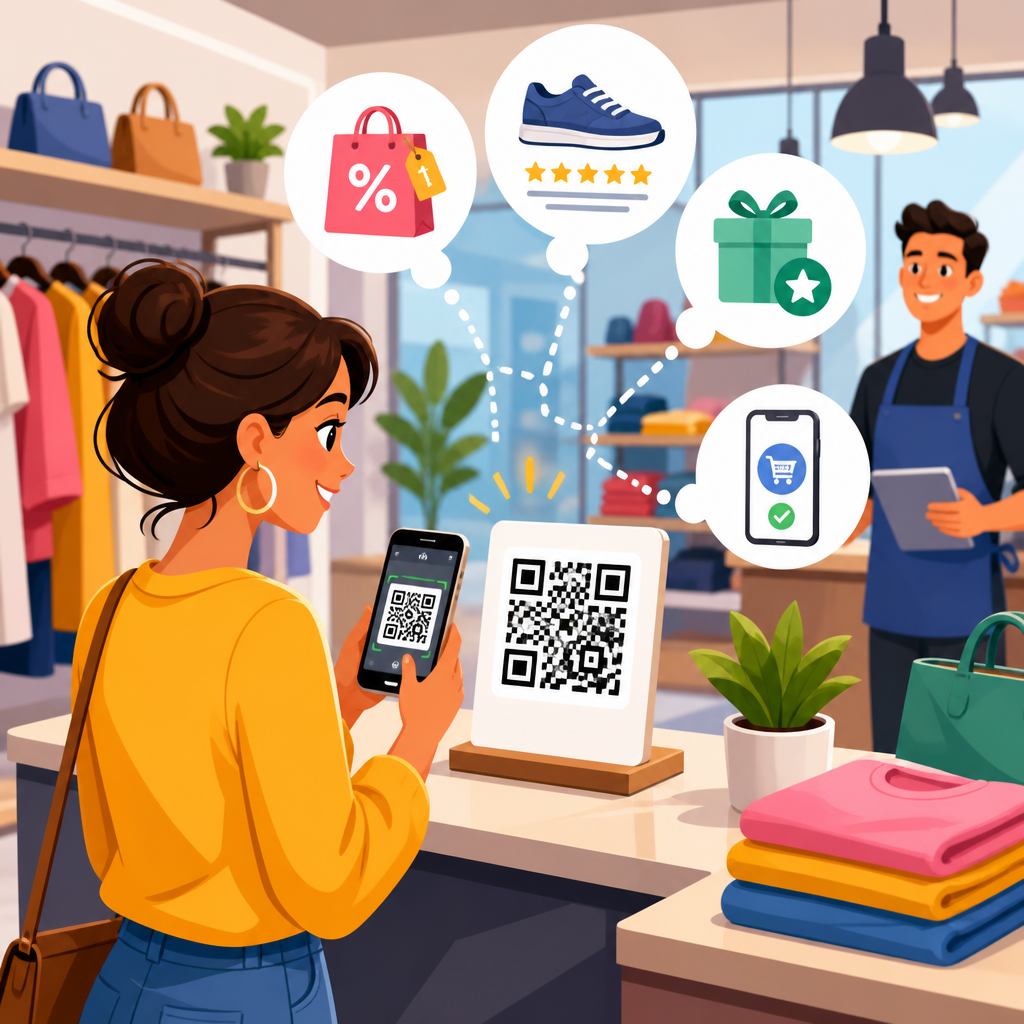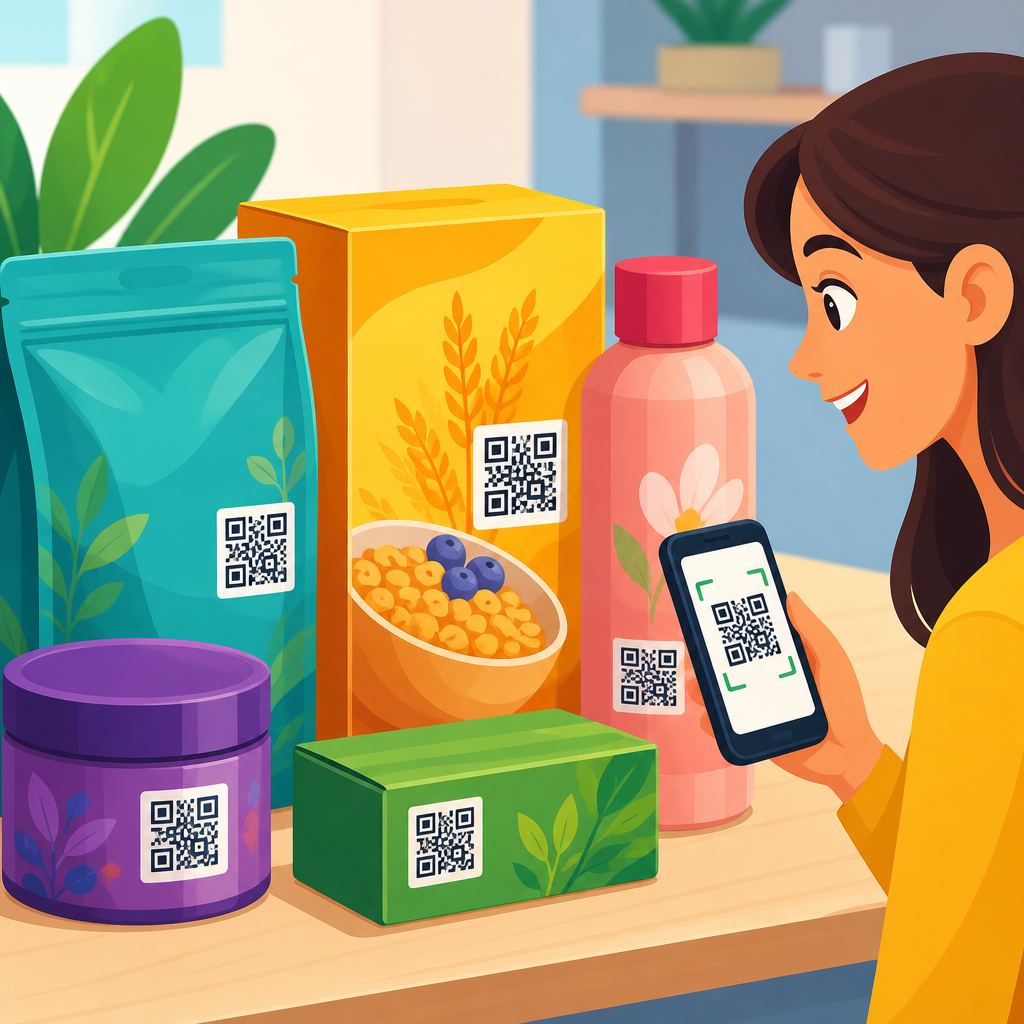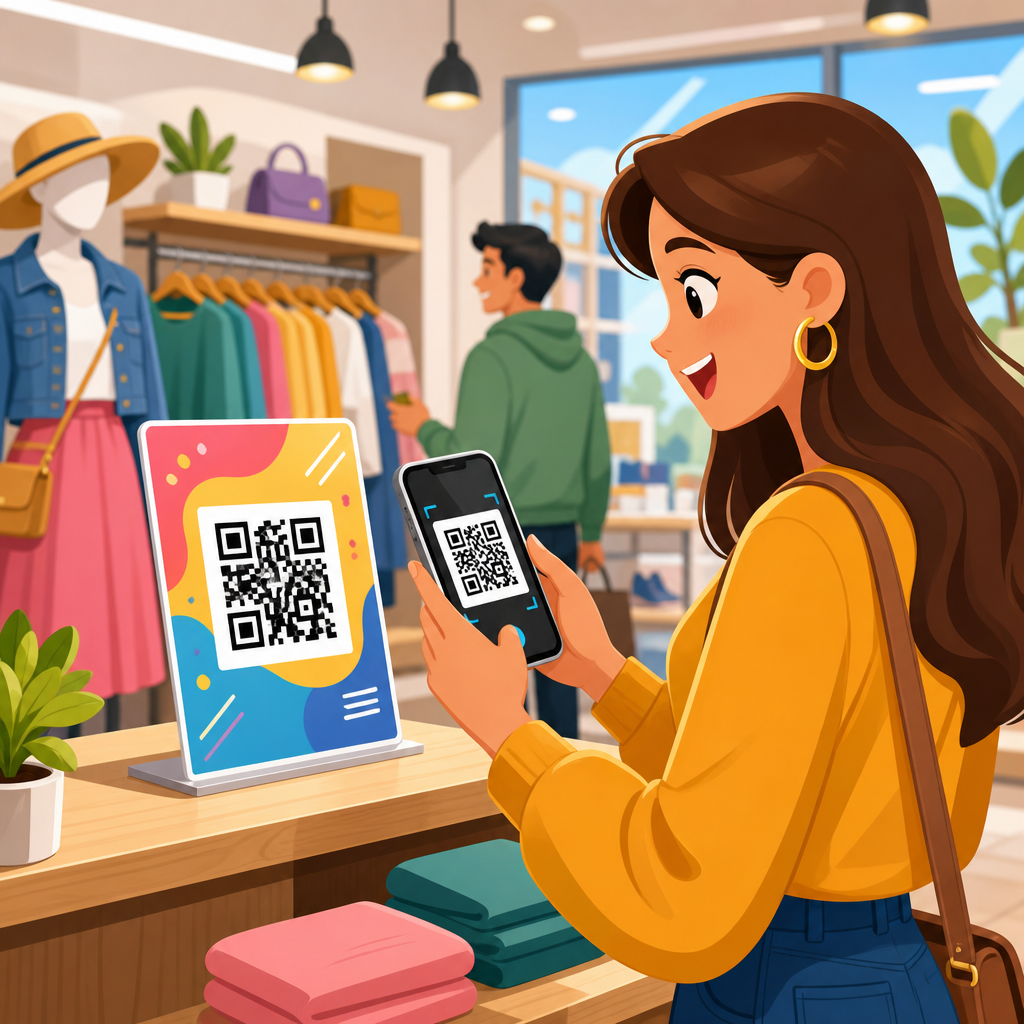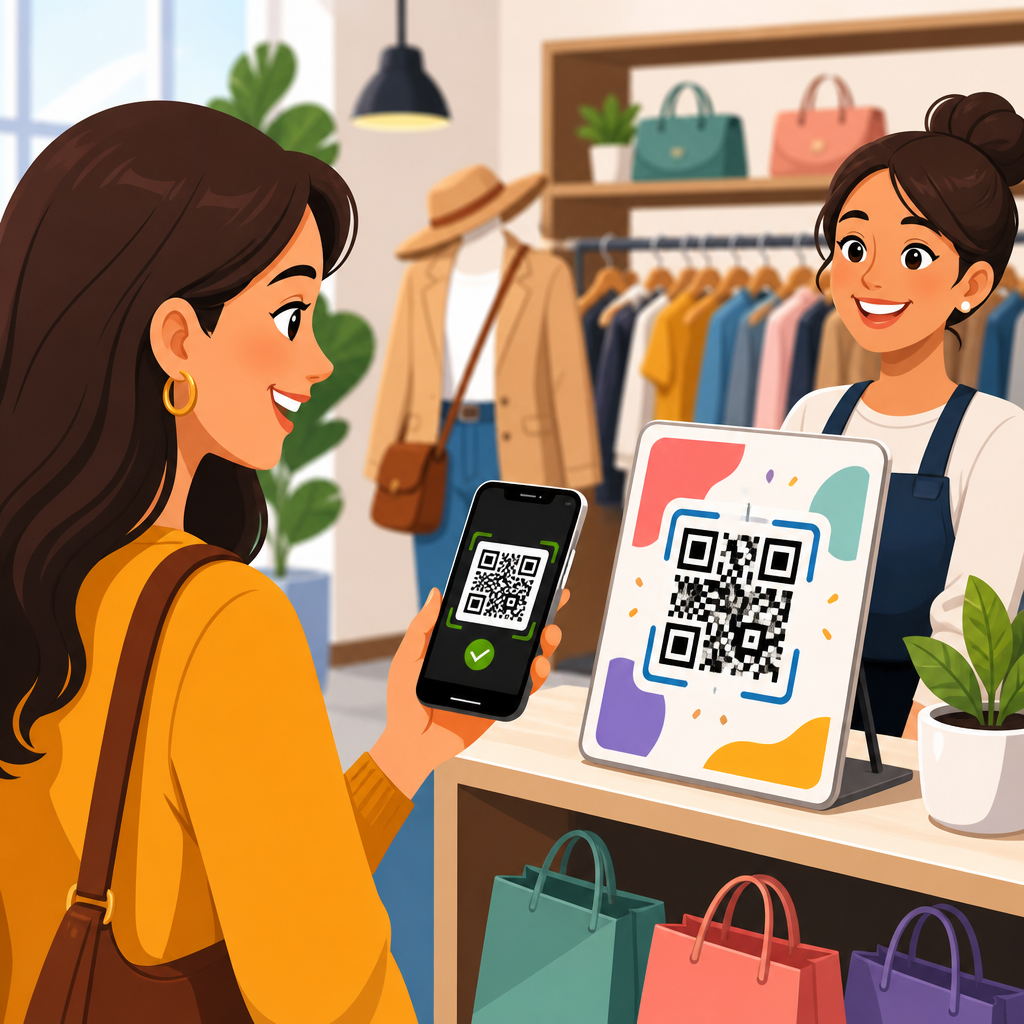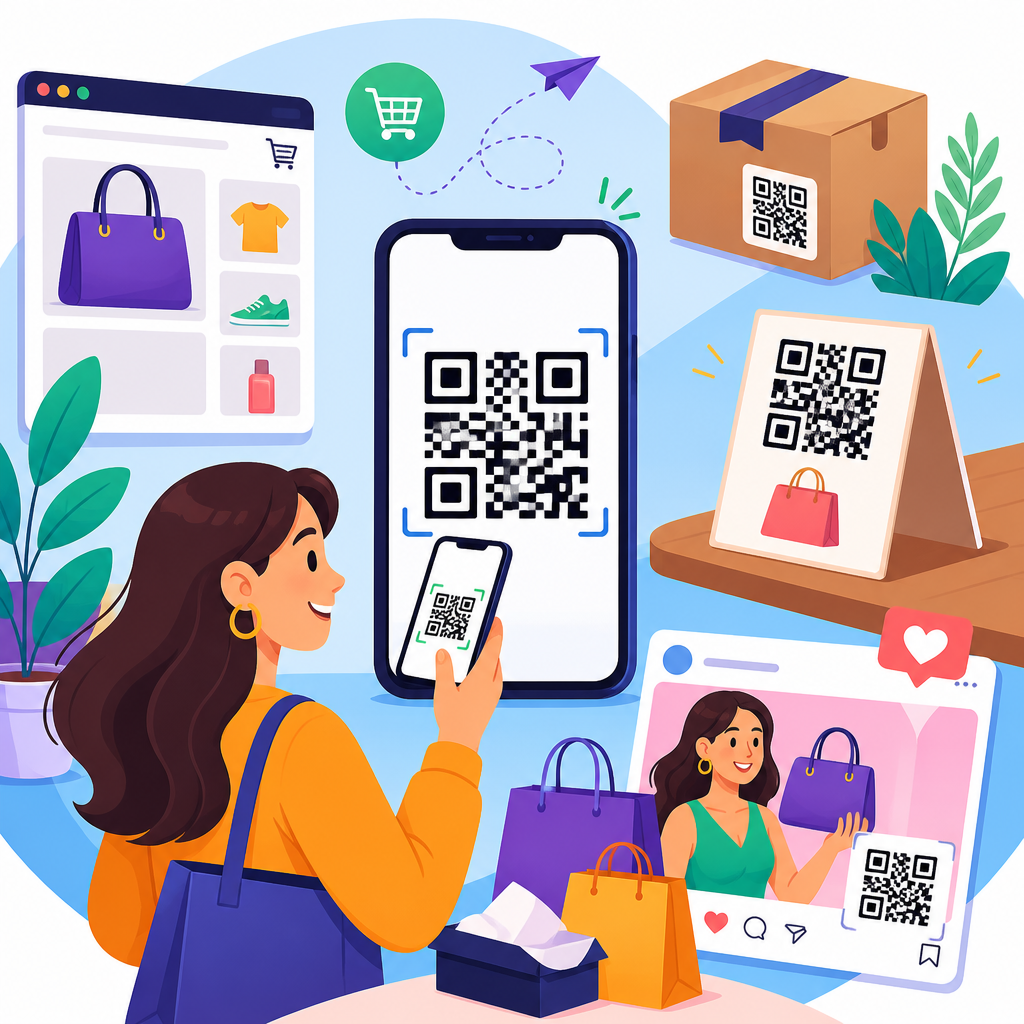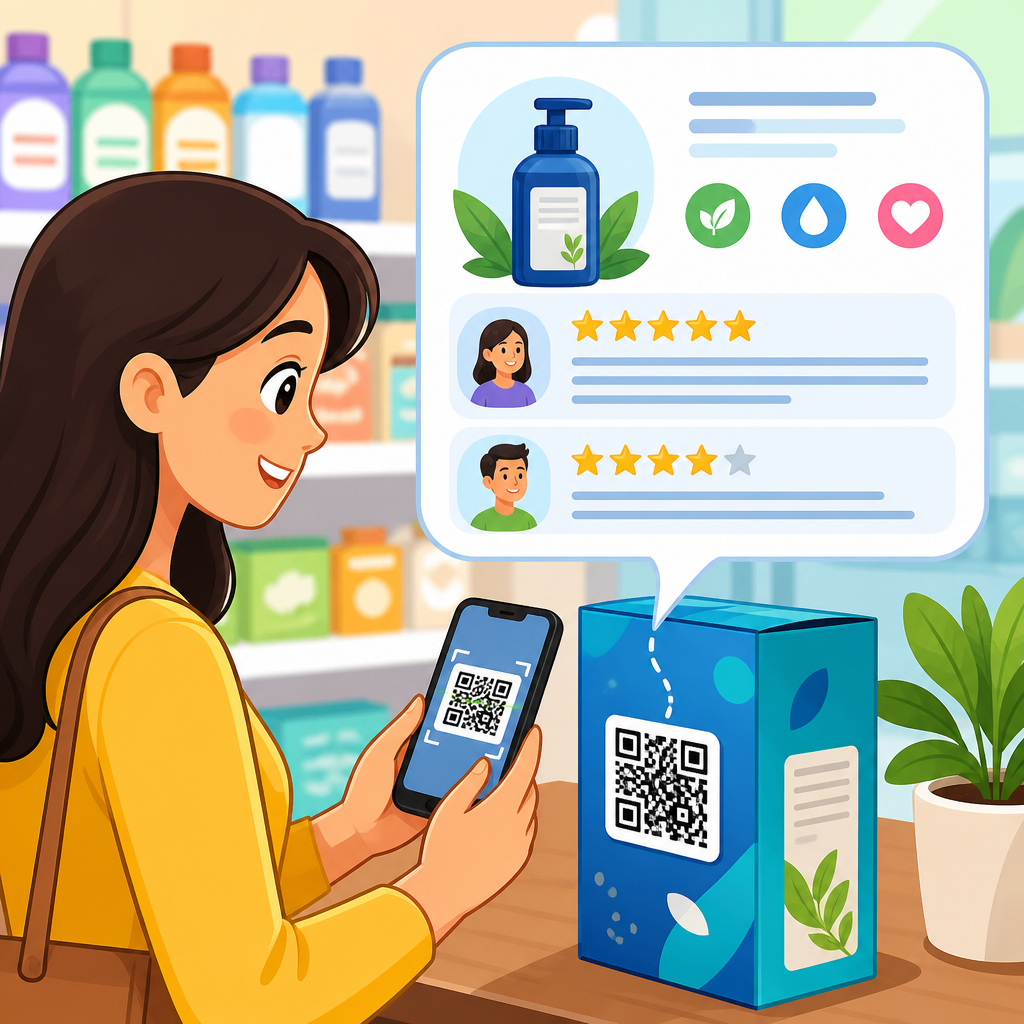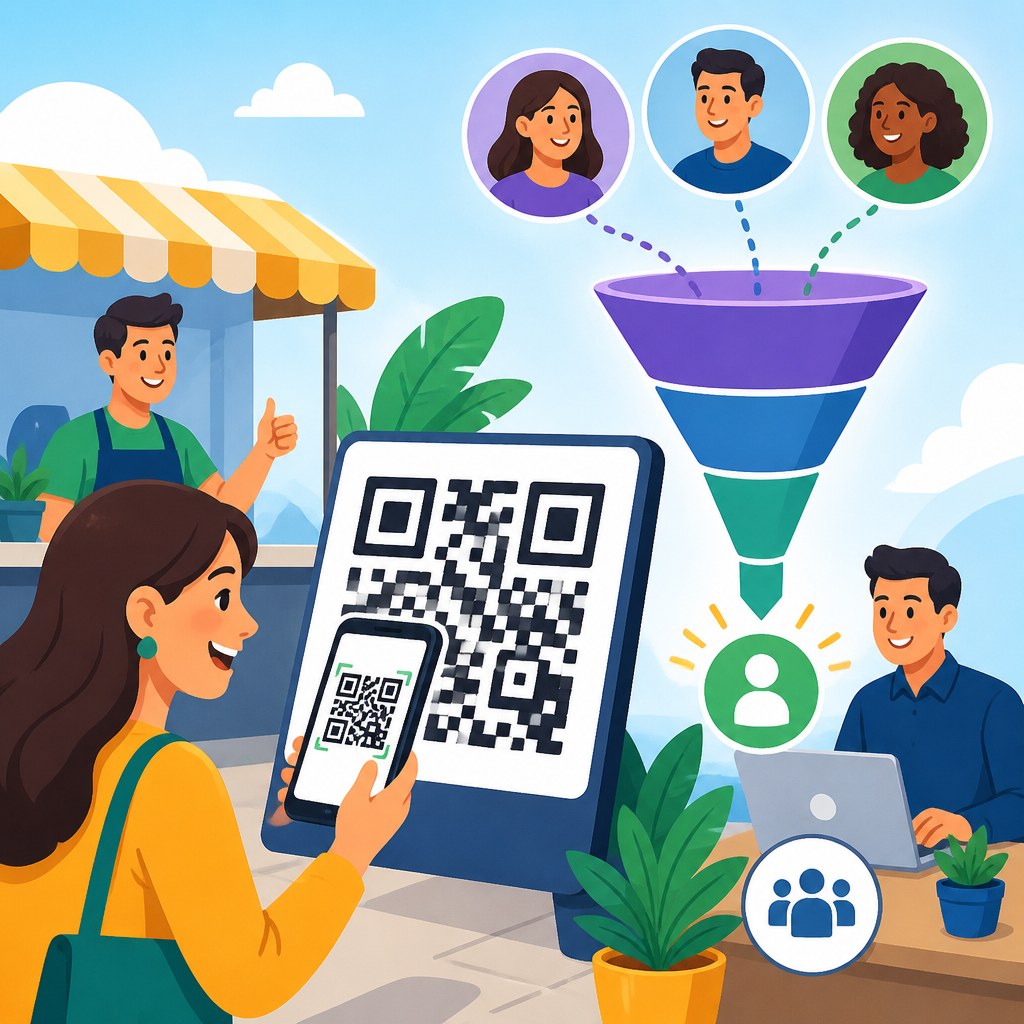
QR codes have become one of the most practical tools in modern marketing because they connect offline attention to online action in a single scan. In lead generation campaigns, that matters: every poster, package, event badge, direct mailer, storefront sign, and sales sheet can become a measurable conversion point. A QR code is a scannable matrix barcode that opens a destination such as a landing page, form, video, coupon, contact card, or app screen. Lead generation is the process of attracting potential customers and capturing enough information to continue the sales conversation. When these two ideas work together, marketers gain a fast, low-friction way to turn interest into identifiable demand.
I have used QR codes in trade show booths, retail displays, print ads, restaurant table tents, and field sales leave-behinds, and the lesson is consistent: the code itself does not generate leads. The offer, destination, placement, and follow-up do. Good campaigns remove friction at each step. A person notices a message, scans with a phone camera, lands on a mobile-optimized experience, receives immediate value, and shares contact details only after the reason is clear. Weak campaigns skip that discipline and send people to a generic homepage, which wastes intent and makes attribution harder.
This topic matters because consumer behavior has changed. Smartphone cameras now read QR codes natively on iPhone and Android devices, so no extra app is usually required. At the same time, buyers move fluidly between physical and digital channels. A prospect might see a QR code on product packaging, scan it in a store aisle, compare options on a landing page, submit a form for a sample, and later convert through email or a sales call. For marketers, that path creates trackable first-party data at a time when privacy restrictions and cookie loss are making older targeting methods less reliable.
Used correctly, QR codes support the full marketing and advertising funnel. They can capture newsletter subscribers, demo requests, quote requests, event registrations, loyalty sign-ups, catalog downloads, appointment bookings, and SMS opt-ins. They also fit naturally into an industry hub because the same principles apply across real estate flyers, healthcare waiting rooms, higher education brochures, automotive showrooms, CPG packaging, and B2B events. The mechanics are simple, but performance depends on strategy. The rest of this guide explains how to use QR codes for lead generation campaigns, what assets convert best, which metrics matter, and where marketers commonly lose results.
Start with a lead generation objective and a single conversion path
The first step is defining what counts as a lead in the specific campaign. That sounds obvious, but many teams launch QR codes without deciding whether success means an email subscriber, a booked consultation, a completed qualification form, a downloaded buyer guide, or a call request. Each objective requires a different landing page, message, and follow-up workflow. If the goal is top-of-funnel list growth, a short form and a useful content offer work well. If the goal is sales-ready demand, a booking page or quote form is more appropriate.
Every QR code should map to one primary conversion path. When I audit underperforming campaigns, the most common issue is too many choices after the scan. A print ad promises a free audit, but the landing page offers a blog, a webinar, product pages, and social links. Attention fragments, and completion rates fall. A better structure is one promise, one page, one action. For example, a gym poster might say, “Scan for a free 7-day pass,” then send users to a simple mobile form requesting first name, email, and preferred location. That path is direct, measurable, and easy to optimize.
The offer must also match user intent at the moment of scan. Someone scanning from a highway billboard has less time and context than someone scanning at a conference booth. A restaurant window QR code might invite users to join a loyalty program for a free appetizer, while a B2B brochure at an industry expo might offer a product comparison checklist or ROI calculator. Lead quality improves when the promised value aligns with the environment, the audience, and the stage of consideration.
Build landing pages that convert on mobile immediately
A QR code campaign succeeds or fails after the scan. Since scans occur on phones, the destination has to load quickly, render cleanly, and make the next step obvious above the fold. I recommend dedicated landing pages rather than sending users to a homepage. Dedicated pages preserve message match, simplify attribution, and increase conversion rates because they continue the exact promise made next to the code. If the sign says “Get the spring pricing guide,” the landing page headline should repeat that language, not force users to search through navigation.
Forms should be short at first contact. For most top-of-funnel offers, asking for name and email is enough; in some campaigns, email alone performs best. If qualification matters, progressive profiling in a CRM such as HubSpot, Salesforce Marketing Cloud, or Marketo lets you collect more data later without blocking the initial conversion. Use autofill-friendly fields, large buttons, legible type, and visible privacy language. If there is any delay, drop-off rises sharply. Google research on mobile landing experiences has repeatedly shown that speed and simplicity materially affect conversion behavior.
Trust signals belong on the page as well. Include concise benefit bullets, a real brand name, customer proof where relevant, and a note on what happens next. For example: “Submit this form and receive the guide instantly by email. We may follow up once to answer questions.” That sentence reduces uncertainty. For local service businesses, adding location details, operating hours, and a click-to-call option can lift response because users can validate legitimacy in seconds.
Thank-you pages are often overlooked, but they are valuable lead generation assets. After the form submission, confirm the next step, deliver the promised asset, and offer a secondary action such as booking a consultation, subscribing to SMS updates, or viewing a product demo. This is also the right place to fire analytics events and audience signals for later retargeting where policy permits.
Choose QR code formats, tracking methods, and creative placements carefully
Marketers generally choose between static and dynamic QR codes. Static codes point to a fixed destination and cannot be edited after printing. Dynamic codes use a short redirect URL so the destination can be changed later, and scan activity can be measured in a dashboard. For lead generation campaigns, dynamic QR codes are usually the better choice because they support testing, mid-campaign updates, and channel-level attribution. Platforms such as Bitly, QR Code Generator, Beaconstac, and Flowcode commonly provide dynamic routing, scan analytics, and design controls.
Design matters, but function matters more. The code should have strong contrast, sufficient quiet space around it, and a size appropriate for viewing distance. A practical rule is to increase the code size as distance grows; tiny codes on posters or trade show backdrops underperform because people cannot scan them quickly. Place the code where lighting is decent, angles are reasonable, and the surrounding copy explains exactly why someone should scan. “Scan to learn more” is weak. “Scan for a 10% first-order coupon” or “Scan to book a live demo” is specific and persuasive.
UTM parameters remain essential. Add source, medium, campaign, and content tags to the landing page URL so analytics platforms can separate scans from packaging, print ads, event signage, and direct mail. If multiple codes point to the same page, unique tags make comparison possible. For sales handouts or partner placements, I often create distinct QR variants by region, rep, or venue. That level of granularity helps answer operational questions, not just marketing ones: which store drove the most scans, which booth placement produced the highest lead rate, and which field team generated the strongest pipeline.
| Placement | Best Offer Type | Typical Friction Level | Primary Metric |
|---|---|---|---|
| Trade show booth | Demo booking, spec sheet, giveaway entry | Low if staff prompts the scan | Qualified leads per event |
| Retail packaging | Warranty registration, loyalty signup, coupon | Medium because users are shopping | Lead capture rate per unit sold |
| Direct mail postcard | Personalized offer, quote request, consultation | Low when message match is strong | Response rate by segment |
| Storefront or window sign | Appointment booking, menu, email signup | Low for local intent searches | Scans-to-bookings rate |
Creative placement should fit natural pauses in the customer journey. Waiting rooms, checkout areas, conference lines, transit shelters, tabletops, product shelves, and packaging inserts all offer dwell time. A QR code on a moving vehicle or in a place where scanning is physically awkward may generate attention but not conversions. Context is part of usability. Good campaigns respect how people actually behave.
Create offers that justify the scan and the form fill
The strongest QR code lead generation campaigns make the exchange obvious: the user gets immediate value, and the brand gets permission to continue the conversation. That value can be transactional, informational, or experiential. Transactional offers include coupons, rebates, and trial access. Informational offers include buying guides, case studies, comparison charts, and calculators. Experiential offers include event access, interactive product tours, and contests. The right choice depends on audience maturity and margin structure.
For B2C marketing and advertising, discounts often convert quickly, but they can attract low-intent leads if overused. A cosmetics brand might place a QR code on in-store displays offering a shade-matching guide plus 15% off a first online order. That can capture emails effectively because the utility is immediate and the discount reduces hesitation. In B2B, educational assets usually produce better fit. A software vendor at a logistics expo might offer a warehouse cost-reduction checklist and then route high-engagement leads into a sales sequence. The lead count may be smaller than a sweepstakes campaign, but quality is usually higher.
Messaging beside the code should answer four questions instantly: what is this, why should I scan, what do I get, and how long will it take. Clear examples include “Scan for a two-minute insurance quote,” “Scan to download the 2026 buyer’s guide,” or “Scan to enter and receive the webinar replay.” Time framing reduces perceived effort. Specificity improves intent. Generic curiosity does not sustain form completion nearly as well as a concrete promise.
In regulated sectors, keep compliance in view. Financial services, healthcare, alcohol, and promotions with legal terms may require disclosures, age gates, or consent language. That does not make QR lead generation ineffective; it means the landing experience must be designed with approval workflows, recordkeeping, and accessibility from the start.
Measure the right metrics and connect scans to pipeline
Scan volume alone is a vanity metric. It indicates interest, but not business impact. The more useful measurement chain is scans, unique visitors, landing page conversion rate, lead quality, cost per lead, meeting rate, opportunity rate, and revenue influenced. In CRM-connected campaigns, you can see whether a poster in one retail region created more sales-qualified leads than a postcard in another. That is where QR code campaigns become credible with leadership: not as novelty, but as accountable demand generation.
Use analytics in layers. Your QR platform can report raw scans by date, device, and sometimes geography. Web analytics such as Google Analytics 4 can measure sessions, engagement, events, and conversions tied to UTM tags. Your CRM records lifecycle progression. Together, these systems show where leakage occurs. If scans are high but form fills are low, the problem is likely the landing page or the offer. If form fills are high but opportunities are low, targeting or qualification needs work. If certain placements produce few scans, creative or visibility may be the issue rather than audience intent.
Testing should be continuous. A/B test the call to action next to the code, the destination headline, the form length, the incentive, and the follow-up timing. I have seen small copy changes produce meaningful lifts. “Scan for pricing” can underperform “Scan for your custom quote” because the latter suggests relevance. Likewise, sending an automated email within one minute of form submission usually outperforms delayed delivery because the prospect is still engaged. Speed to lead remains one of the strongest predictors of downstream conversion in many categories.
Attribution requires realism. A QR scan may introduce the lead, but the final sale could happen through branded search, direct traffic, or a sales rep. Multi-touch reporting is more honest than last-click reporting. For smaller businesses without advanced attribution, even a disciplined naming convention, unique landing pages, and CRM source fields can materially improve decision-making.
Avoid the mistakes that weaken QR code lead generation campaigns
Most failures come from basic execution errors. The first is poor message match: the code promises one thing, the landing page delivers another. The second is sending traffic to a homepage or app store listing with no clear next step. The third is overloading the form. Asking for phone, company size, budget, title, industry, and timeline before giving any value suppresses response unless the offer is extremely strong. The fourth is weak visibility: codes printed too small, placed too high, or surrounded by clutter. The fifth is failing to test on multiple devices before launch.
Another mistake is neglecting follow-up. If the campaign collects leads but nobody nurtures them, the code did its job and the process failed afterward. Build automated workflows before printing anything. A new lead should trigger an email, CRM assignment, suppression logic where appropriate, and alerting for high-intent actions such as demo requests. Sales teams also need context. If a lead came from a QR code on a product sell sheet at a regional expo, that should appear in the contact record so outreach can reference the original interest accurately.
Accessibility and privacy deserve attention too. Use readable typography around the code, avoid relying on color alone, and provide a short URL fallback where practical. On the data side, collect only what you need, state what happens to the information, and honor applicable consent standards. Trust is part of conversion. People scan more willingly when the brand appears competent and transparent.
For marketers building a broader content hub around marketing and advertising use cases, QR lead generation is the connective layer that links print, packaging, events, retail, and outdoor media to measurable digital outcomes. That is why it belongs at the center of the topic, not at the edge.
QR codes are effective for lead generation when they are treated as conversion infrastructure, not decorative technology. The formula is straightforward: define one campaign goal, offer clear value, send users to a fast mobile landing page, track every source precisely, and follow up quickly. Whether the placement is a direct mail piece, product package, event sign, sales brochure, or storefront display, the same principle applies. The scan is only the start; the destination and the nurture path determine revenue impact.
For marketing and advertising teams, the biggest benefit is measurability across offline channels that were historically difficult to attribute. A well-built QR code campaign captures first-party data, improves audience insight, and creates a repeatable bridge between attention and action. It also scales. Once the framework is in place, you can adapt it across industries, locations, and funnel stages without rebuilding your process from scratch.
If you are planning your next campaign, start with one high-intent use case, one strong offer, and one dedicated landing page. Launch, measure, refine, and expand from there. That disciplined approach turns QR codes into a reliable lead generation channel rather than a one-off tactic.
Frequently Asked Questions
1. How do QR codes help with lead generation campaigns?
QR codes help with lead generation by turning offline interest into immediate online action. Instead of asking someone to remember a URL, type it in later, or search for your brand, a QR code removes friction and sends them directly to a specific destination in seconds. That destination can be a lead capture form, product demo, booking page, coupon, webinar registration page, contact card, or landing page designed around a single offer. In practical terms, this means your posters, packaging, trade show signage, direct mail pieces, window displays, event badges, brochures, and sales sheets can all become measurable entry points into your lead funnel.
They are especially effective because they connect intent with convenience. If someone scans a code from a store display, event booth, or printed flyer, they are already showing interest at that exact moment. A well-built QR campaign takes advantage of that intent while it is fresh. Rather than creating another step in the customer journey, the scan becomes the step. This can increase conversion rates, improve attribution, and help marketers understand which physical placements are producing the best results. When paired with analytics, QR codes also make it easier to track scans, landing page visits, form completions, and downstream conversions, giving you clearer insight into campaign performance.
2. What should a QR code link to if the goal is to generate leads?
The best destination depends on the campaign objective, but in most lead generation campaigns, a QR code should link to a highly focused mobile-friendly landing page. That page should match the context in which the code was scanned and offer a clear reason to take the next step. For example, a QR code on product packaging might lead to a registration form for warranties or exclusive offers, while a code on an event banner might lead to a demo request form or downloadable resource. The key is relevance. The more closely the destination matches the user’s immediate interest, the more likely they are to convert.
Strong QR destinations usually include a concise headline, one clear offer, a short form, trust signals, and a prominent call to action. In many cases, the best-performing pages ask only for essential information such as name and email, especially early in the funnel. You can also use QR codes to link to coupon pages, lead magnets, appointment schedulers, case studies, videos, app download screens, or digital business cards, as long as each destination supports a lead capture or qualification goal. Avoid sending users to a generic homepage unless there is a very good reason. A generic page creates distraction and forces the visitor to navigate further, which increases drop-off. The most effective QR code campaigns guide people directly to the next logical step with minimal effort.
3. What makes a QR code lead generation campaign successful?
A successful QR code lead generation campaign combines strong placement, clear messaging, a compelling offer, and a seamless post-scan experience. Placement matters because people need both visibility and enough time or motivation to scan. Codes placed on event booths, countertop displays, menus, packaging inserts, direct mail, print ads, outdoor signage, and sales collateral can perform well when the surrounding context supports action. Messaging matters just as much. People are far more likely to scan when they understand exactly what they will get. A simple prompt such as “Scan to get a free quote,” “Scan for 10% off,” or “Scan to book a demo” generally outperforms a code shown with no explanation.
The experience after the scan is equally important. The landing page should load quickly, look good on mobile devices, and continue the promise made next to the code. If the code advertises a free guide, the page should make that guide immediately accessible in exchange for lead details. If it offers a consultation, the booking process should be simple and intuitive. Campaigns also tend to perform better when they include tracking parameters, dynamic QR codes, A/B-tested landing pages, and a follow-up workflow in your CRM or email platform. In other words, the scan itself is only the beginning. Real success comes from designing the full conversion path, from first impression to captured lead to ongoing nurture.
4. How can you track and measure the performance of QR code campaigns?
Tracking is one of the biggest advantages of using QR codes in lead generation. To measure performance accurately, marketers typically use dynamic QR codes, campaign-specific URLs, and analytics tools that record scan activity and user behavior after the scan. Dynamic codes are particularly useful because they allow you to update the destination without reprinting materials and often provide built-in reporting such as number of scans, time of scan, device type, and in some cases location data. You can also add UTM parameters to the destination URL so traffic from each QR placement appears clearly in analytics platforms like Google Analytics or your marketing automation dashboard.
Beyond scan volume, the most important metrics are conversion-focused. These include landing page conversion rate, form submissions, booked meetings, downloaded resources, email signups, coupon redemptions, and sales-qualified leads generated from each code. Comparing performance across placements can reveal where your offline assets are truly working. For example, you may find that direct mail generates fewer scans than event signage but converts at a higher rate, or that product packaging drives a large volume of top-of-funnel leads. To get the clearest picture, connect QR campaigns with your CRM so you can follow leads beyond the first interaction and measure pipeline impact, revenue contribution, and cost per lead. That level of attribution helps you optimize future campaigns with much more confidence.
5. What are the most common mistakes to avoid when using QR codes for lead generation?
One of the most common mistakes is asking people to scan without giving them a compelling reason. A QR code by itself is not a strategy. If there is no clear value exchange, many people will ignore it. Another major issue is sending scans to a generic homepage or a page that is not optimized for mobile devices. Since most scans happen on smartphones, a slow, cluttered, or hard-to-navigate page can ruin the opportunity immediately. Marketers also make the mistake of requesting too much information too early. Long forms can reduce conversions, especially when the user is engaging in a quick, spontaneous scan from a physical object or location.
Other avoidable problems include poor code placement, low visual contrast, tiny print size, and lack of testing. If the code is difficult to find, impossible to scan from a normal distance, or printed on reflective or curved surfaces without testing, performance will suffer. It is also a mistake to ignore context. A code on a fast-moving transit ad may need a different design and offer than one on a table tent or product insert. Finally, many businesses fail to follow up effectively after capturing the lead. Even a high-performing QR code campaign will underdeliver if leads are not routed into a timely email sequence, sales outreach process, or retargeting workflow. The strongest campaigns treat QR codes as part of a broader lead generation system, not as a one-off tactic.