A QR code for a video turns a phone camera into a direct path from the physical world to moving content, which is why marketers, teachers, event teams, product managers, and small businesses use it to connect people to demos, tutorials, testimonials, and launches in seconds. In practical terms, a video QR code is a scannable matrix barcode that opens a video destination such as YouTube, Vimeo, a cloud-hosted MP4, a landing page with embedded media, or a social post, and the best implementations are built with the same discipline used in any strong QR code creation workflow: clear destination strategy, reliable file hosting, mobile-first testing, error correction, print-safe sizing, and measurable analytics. I have created QR campaigns for packaging inserts, trade show booths, restaurant table tents, real estate signs, and onboarding documents, and the pattern is consistent: the code itself is easy to generate, but the result only performs well when the destination, design, placement, and tracking are handled deliberately. This article serves as a hub for how to create QR codes with a focus on video, explaining the exact steps, tool choices, technical standards, and common mistakes so you can publish a code that scans quickly, survives real-world printing, and leads viewers to content that actually gets watched.
What a video QR code is and when to use one
A video QR code does not usually contain the full video file inside the square pattern; instead, it stores a URL or a dynamic redirect that points to the video. That distinction matters because video files are too large for practical direct encoding, while a link-based QR code stays compact and scans more reliably. Use a direct video URL when you control hosting and want a simple path. Use a landing page when you need context, branding, subtitles, a lead form, or multiple calls to action. Use a dynamic QR code when you expect the destination to change, need scan analytics, or want campaign-level reporting by location, device, or date. In my projects, dynamic codes outperform static ones for ongoing campaigns because teams inevitably update a trailer, swap a webinar replay, or redirect viewers from a temporary launch video to an evergreen explainer. Static codes still have value when permanence, simplicity, and no subscription costs are the priority.
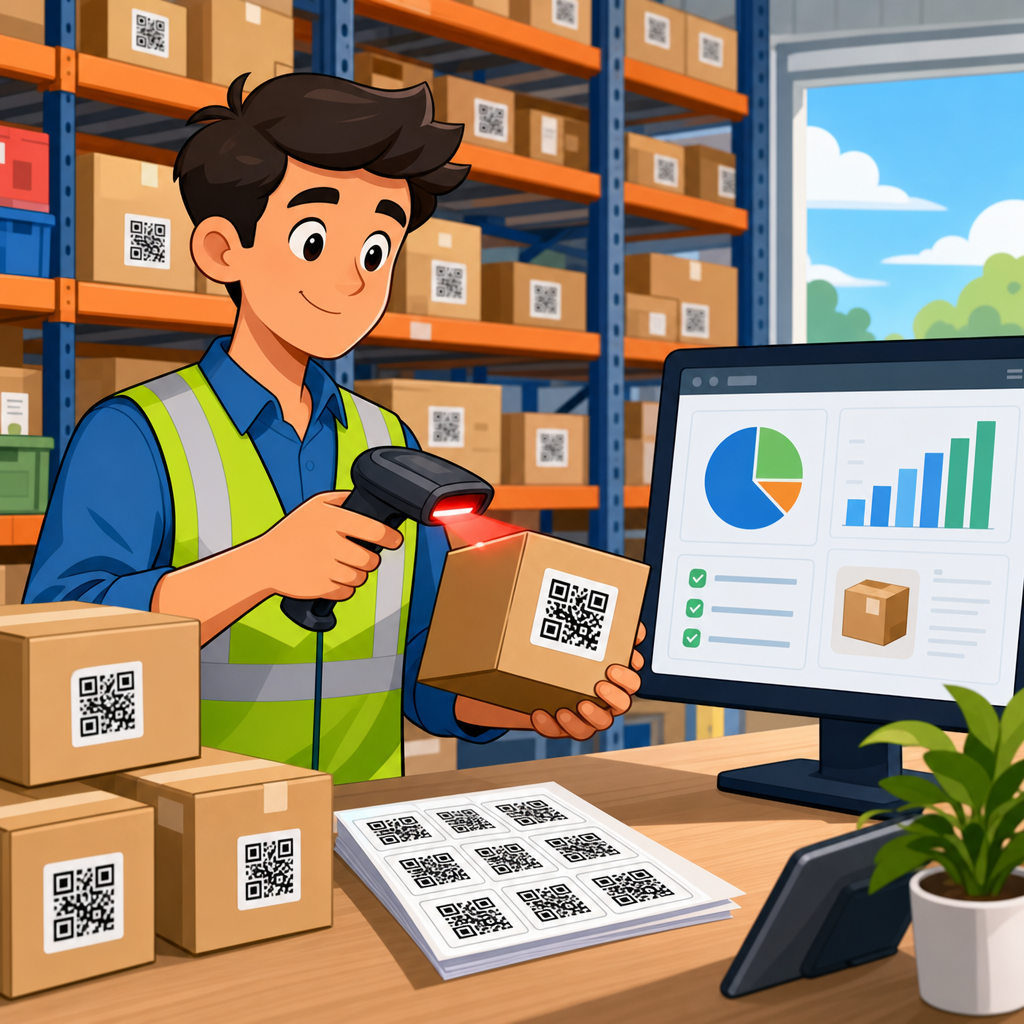
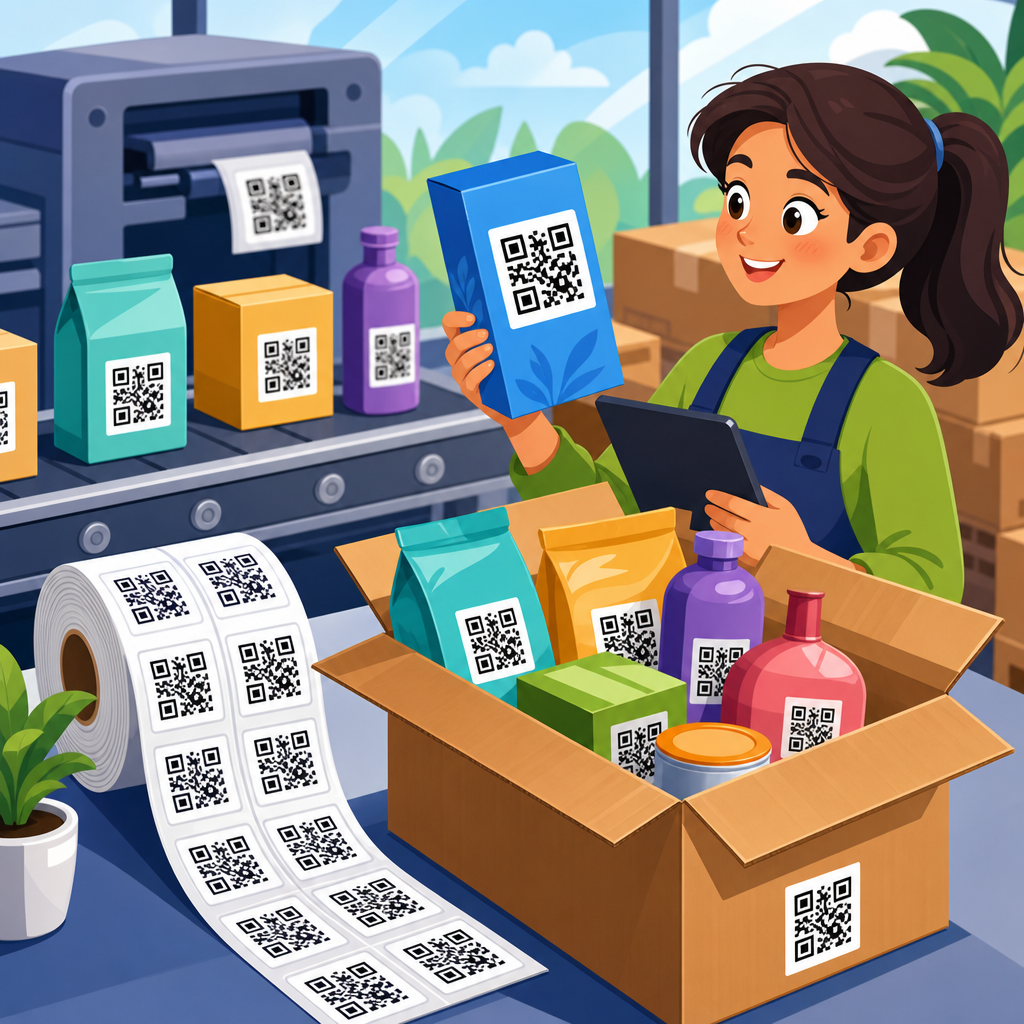
The strongest use cases are specific. A manufacturer can place a QR code on packaging that opens a two-minute setup video, reducing support tickets. A teacher can print a code on a worksheet that launches a recap lesson. A realtor can add one to a yard sign so buyers watch a property walkthrough. A restaurant can place one near a counter display linking to a chef story or limited-time menu promotion. At events, exhibitors often use large-format video QR codes to trigger product demos without requiring staff interaction. In each case, the scan succeeds because the user understands exactly what they will get. Labeling matters: “Watch the 45-second demo” will outperform a bare code because people need a reason to scan.
How to create a QR code for a video step by step
The basic process is straightforward. First, decide where the video will live. Reliable options include YouTube, Vimeo, Wistia, your own website, Dropbox shared links configured correctly, Google Drive links with open permissions, or a CDN-backed media page. Second, prepare the destination for mobile users. The page must load quickly, the player must be responsive, and the video should have a visible play button, captions, and a short title. Third, choose whether the QR code will be static or dynamic. Fourth, generate the code using a QR platform or design tool. Fifth, customize the design carefully without harming scan performance. Sixth, test it on multiple phones and in multiple lighting conditions. Seventh, deploy it in print or digital placements sized for scanning distance. Eighth, track scans and refine the destination if viewers drop off.
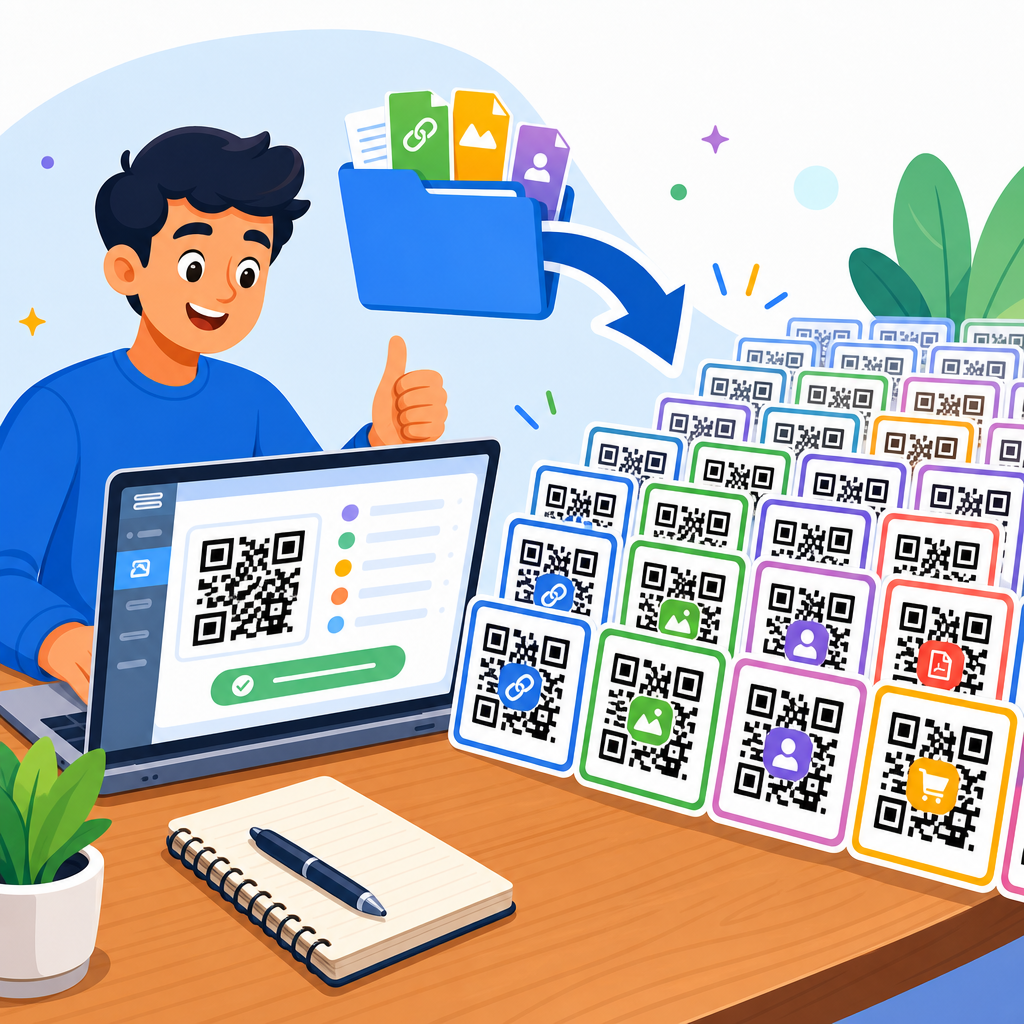
When I build these, I start by copying the final destination URL, not a draft link. Many scan failures come from expired file-sharing links, private video permissions, or redirects blocked by corporate networks. If the goal is public reach, a clean page on your own domain is usually the safest option because it gives you full control over branding, analytics, speed, and future edits. Then I shorten the path structure if needed, though reputable QR generators can encode long URLs. After that, I create the code with medium to high error correction, export it as SVG for print and PNG for digital use, and store a versioned asset folder so the production team never grabs the wrong file.
Choosing the right QR code generator and video destination
Not every QR code generator is equal. The best tools support dynamic redirects, scan analytics, editable destinations, high-resolution exports, color customization, bulk generation, and domain-level branding. Well-known options include QR Code Generator Pro, Bitly, Flowcode, Beaconstac, Uniqode, Canva, Adobe Express, and Shopify-integrated apps for ecommerce workflows. If you only need a basic static code, many free tools work fine, but they may limit export quality or add watermarks. For business use, I recommend checking whether the platform offers first-party analytics, UTM support, password protection, expiration controls, and GDPR-friendly data handling. Those details matter once a QR code appears on thousands of brochures, product labels, or posters.
The destination platform matters just as much as the generator. YouTube gives familiarity, strong streaming infrastructure, and built-in discovery, but it can show ads or suggested videos that distract from your goal. Vimeo offers a cleaner presentation and stronger player control. Wistia is excellent for business videos because of heatmaps, lead capture, and embedding options. A self-hosted landing page provides the most control over messaging and conversion design, especially if the video should sit beside a form, product specs, or booking button. If your broader site architecture includes related pages on QR code design, dynamic versus static codes, QR code tracking, and print guidelines, linking from this hub to those supporting resources reinforces topical authority and helps users navigate the full QR code creation process.
Static versus dynamic QR codes for video campaigns
The choice between static and dynamic is one of the most important decisions in QR code creation. A static QR code directly encodes the final URL. It is permanent, usually free, and cannot be edited after printing. A dynamic QR code encodes a short redirect URL managed by a platform. You can change the destination later without changing the printed code, and you can often see scan counts, approximate location, device type, and time-of-scan data. For a one-time classroom handout linking to a fixed YouTube clip, static is adequate. For product packaging, out-of-home ads, training manuals, retail displays, or event collateral, dynamic is the smarter choice because campaigns evolve and analytics inform future decisions.
| Option | Best for | Main advantage | Main limitation |
|---|---|---|---|
| Static QR code | Simple, permanent links | No ongoing platform dependency | Destination cannot be edited after printing |
| Dynamic QR code | Marketing, packaging, events, training | Editable destination with scan analytics | Usually requires a paid platform |
| Landing page destination | Conversions, context, multiple actions | Brand control and better measurement | Requires web page setup and maintenance |
| Direct video platform link | Fast deployment | Easy to launch quickly | Less control over distractions and next steps |
From experience, dynamic QR codes are worth the cost when a printed asset will remain in circulation for more than a few weeks. I have seen companies reprint entire batches of inserts because a static link pointed to an outdated campaign page. With a dynamic setup, that problem disappears. The tradeoff is governance: someone must maintain the account, renew the subscription, and document ownership. If the platform subscription lapses, the redirect may stop working. For enterprise teams, that means assigning clear ownership and keeping a redirect inventory in the same way you would manage domains or ad accounts.
Design, sizing, and testing rules that improve scan rates
Good QR code design is less about decoration and more about preserving machine readability. Start with sufficient contrast: dark code on a light background remains the safest standard. Avoid low-contrast combinations like pastel on white, metallic inks, or busy image backgrounds unless you test aggressively. Keep the quiet zone, the blank margin around the code, intact; removing it is a common reason for failed scans. Use vector files such as SVG, EPS, or PDF for print so the edges stay crisp at any size. Add a logo only if the generator compensates with proper error correction and the logo does not cover too much of the data area. Rounded modules and custom colors can work, but only after performance testing.
Size should match scanning distance. A practical rule is about 1 inch of code size for every 10 inches of scanning distance, though environment and camera quality affect this. On packaging or flyers viewed at arm’s length, 0.8 to 1.2 inches is often enough. On posters and store signage, 1.5 to 3 inches is safer. For billboards, codes may need to be very large, but billboards are usually poor candidates because people cannot safely scan while moving. Always include a plain-language instruction and benefit statement near the code, such as “Scan to watch the installation video.” I also recommend printing the short URL below the code as a fallback for users whose cameras do not scan easily or who prefer typing.
Testing should happen before and after production. Scan on iPhone and Android using native camera apps and at least one third-party scanner. Test in bright light, low light, glare, and different distances. Confirm that the page opens over mobile data, not just office Wi-Fi. Check redirect speed, cookie banners, autoplay behavior, subtitle visibility, and whether the destination respects privacy settings on social platforms. If the code is printed on curved packaging, test the actual package, not a flat proof. These small checks prevent expensive failures later.
Tracking performance and avoiding common mistakes
A video QR code should be measurable. At minimum, add UTM parameters so analytics platforms can distinguish scans from email, social, and paid traffic. If you use GA4, define events for page_view, video_start, video_progress, and conversion actions such as form_submit or add_to_cart. Platforms like Bitly, Wistia, HubSpot, and many QR management tools can add another layer of scan data. The most useful metrics are not just total scans but scan-to-play rate, completion rate, and downstream conversions. A code with 1,000 scans and weak watch time may be underperforming compared with one that drives fewer scans but better qualified viewers.
The most common mistakes are predictable. Teams link to a video that is private or region-restricted. They print a code too small, place it on reflective material, or distort it to fit a layout. They overdesign it with gradients and image backgrounds that look attractive in mockups but fail in stores. They send scanners to a generic homepage instead of a page built for that campaign. They forget captions, even though many users watch without sound. They omit a call to action, so the code sits unexplained on the page. They also fail to revisit the experience after launch. In practice, the best QR campaigns improve over time because teams watch analytics, test new thumbnails, shorten intros, and update destinations based on real scan behavior.
If you are building a broader resource center on QR code creation and tools, treat this article as the hub: use it to route readers to deeper guidance on dynamic QR codes, QR code design best practices, QR code analytics, free versus paid generators, and print specifications. Start with a clear video goal, host the content on a mobile-friendly destination, choose the right generator, preserve scan-safe design, test in real conditions, and measure what happens after the scan. That process creates QR codes that do more than open a link; they reliably deliver useful video experiences that educate, convert, and support customers. Before you publish your next flyer, label, sign, or insert, create one test code and scan it as if you were the customer. That simple habit catches most problems before your audience ever sees them.
Frequently Asked Questions
What is a QR code for a video, and how does it work?
A QR code for a video is a scannable code that sends someone directly to a video-related destination on their phone, tablet, or computer. When a user opens their camera app or a QR scanner and points it at the code, the device reads the embedded data—usually a URL—and prompts them to open a web page, video platform, or media file. In most cases, the QR code does not contain the entire video itself. Instead, it acts as a shortcut to the video’s online location, such as a YouTube link, Vimeo page, cloud-hosted MP4, product page with an embedded demo, event landing page, or even a social media post featuring the video.
This is what makes video QR codes so useful in real-world marketing, education, packaging, retail, and events. A printed flyer, poster, label, manual, sign, or business card can instantly connect someone to richer content without requiring them to type a long web address. For example, a restaurant might link to a chef introduction video, a teacher might link to a lesson recap, a product box might open an assembly tutorial, and an event team might use one to deliver a trailer or highlight reel. The best implementations are simple, mobile-friendly, and designed to reduce friction, turning a quick scan into immediate engagement.
How do you create a QR code for a video step by step?
Creating a QR code for a video is usually straightforward. First, decide where the video will live. Common options include YouTube, Vimeo, Google Drive, Dropbox, a website landing page, or a direct MP4 file hosted on your own server or a CDN. In many cases, a landing page with embedded video is the strongest choice because it gives you more control over branding, context, calls to action, lead capture, and analytics. Once the video is published and publicly accessible, copy the exact URL you want people to open after scanning.
Next, paste that URL into a QR code generator. At this stage, you can often choose between a static QR code and a dynamic QR code. A static code points permanently to one destination, while a dynamic code lets you change the underlying destination later without reprinting the code. After entering the link, customize the appearance if needed—such as adding your brand colors, logo, or frame text like “Scan to Watch.” Then generate the code and download it in a high-quality format, ideally SVG, EPS, or high-resolution PNG for print use.
Before you publish it anywhere, test the QR code thoroughly. Scan it on both iPhone and Android devices, try it under normal lighting conditions, and confirm that the video loads quickly on mobile networks. Also verify that the destination page is responsive, the video player works smoothly, and the content is appropriate for the context in which the QR code appears. A good workflow is: publish the video, copy the final URL, generate the QR code, test repeatedly, and then place it on print materials, packaging, signage, emails, or digital displays.
Should I use a direct video link, YouTube, or a landing page for my video QR code?
The right destination depends on your goal. If you want simplicity and broad compatibility, YouTube or Vimeo can be excellent options because they are fast, familiar, and optimized for mobile playback. These platforms are especially useful when your main objective is easy access, wide distribution, and minimal setup. They also handle hosting, bandwidth, and playback reliability well. However, they may show platform branding, suggested content, or distractions that pull attention away from your message.
A direct MP4 link can work in some situations, but it is not always the best user experience. Depending on the device, browser, and file size, direct video files may download slowly, open inconsistently, or lack the context users need. Large files can create friction, especially on mobile data connections. If you choose this route, make sure the file is optimized for mobile playback and hosted on a reliable server.
For many professional use cases, a dedicated landing page is the strongest option. A landing page lets you embed the video, add a headline, explain what viewers are about to watch, include a call to action, link to related resources, and measure engagement more effectively. It is also easier to update over time. For example, a product manager can swap in a new demo video, a teacher can add supporting documents, or a marketer can test different headlines without changing the printed QR code if using a dynamic setup. In short, use YouTube or Vimeo for convenience, a direct file only when necessary, and a landing page when you want the most control, branding, and conversion potential.
What is the difference between a static and dynamic video QR code?
A static video QR code contains a fixed destination that cannot be changed after the code is created. If the video URL changes, the QR code becomes outdated and may need to be replaced everywhere it appears. Static codes are often suitable for simple, one-time uses where the destination is permanent and unlikely to change. They are commonly used when cost needs to stay low and no advanced tracking or editing features are required.
A dynamic video QR code works differently. Instead of encoding the final destination directly, it points to a short redirect URL managed through a QR platform. That means you can update the destination later without changing the printed code. If you move your video from Vimeo to a landing page, replace an old product tutorial with a new one, or redirect people to a regional version of the content, you can do that behind the scenes while keeping the same QR code live in the field.
Dynamic QR codes are often the better choice for businesses, educators, product packaging, campaigns, and event materials because they offer flexibility and analytics. Many dynamic QR tools also provide scan data such as total scans, location trends, device types, and time-based performance. This makes it easier to evaluate whether posters, brochures, packaging, or in-store displays are actually driving engagement. If the video QR code will be used in any long-term, printed, or high-visibility setting, dynamic is usually the smarter and safer option.
What are the best practices to make sure a video QR code gets scanned and the video plays smoothly?
Effective video QR codes depend on both scannability and the quality of the destination experience. Start with the code itself. Use high contrast, adequate size, and plenty of white space around the code, known as the quiet zone. Avoid placing it on busy backgrounds, reflective surfaces, or curved packaging areas that can make scanning difficult. If the code will be printed, use a high-resolution file and test it at the exact final size. As a general rule, the farther away people will stand, the larger the code should be.
Context matters just as much. Give people a reason to scan by adding a clear instruction such as “Scan to Watch the Demo,” “See How It Works,” or “Watch the 30-Second Tutorial.” This small prompt can dramatically improve scan rates because users immediately understand the value. It also helps to mention what they will get and how long it will take. For example, “Scan to watch a 1-minute setup guide” sets expectations and lowers hesitation.
On the destination side, optimize the video experience for mobile users. Use a fast-loading page, compressed video files, responsive design, and a player that works across devices. Keep the first few seconds engaging, especially if the video supports marketing or product conversion goals. Avoid sending users to cluttered pages that bury the content below the fold. If the scan happens in the real world—on packaging, posters, trade show booths, classroom handouts, or point-of-sale displays—the transition from scan to playback should feel immediate and effortless.
Finally, test in realistic conditions. Scan the code in different lighting, from different distances, on multiple phone models, and over both Wi-Fi and cellular connections. Check that the page opens securely over HTTPS, the video is publicly accessible, and there are no unnecessary login barriers. The strongest video QR code campaigns combine a well-designed code, a compelling call to action, a mobile-optimized destination, and ongoing testing to ensure that every scan leads to a smooth, useful viewing experience.