Best QR code generators for marketing campaigns are not all built for the same job, and choosing the wrong platform can quietly damage tracking, brand consistency, and conversion rates. A QR code generator is the software that creates scannable codes linking users to a landing page, app store listing, PDF, coupon, video, Wi-Fi login, or other digital destination. For marketers, the important distinction is between static codes, which cannot be edited after printing, and dynamic codes, which redirect through a managed URL so the destination, analytics, and campaign controls can be updated later. That difference affects everything from offline attribution to crisis management when a promotion changes after brochures, packaging, posters, or retail displays are already live.
I have used QR platforms across product launches, trade show booths, direct mail drops, restaurant menus, and retail packaging, and the gap between a basic free generator and a campaign-ready system is larger than many teams expect. The best QR code generators for marketing campaigns support branded design without hurting scan reliability, provide analytics by device and location, integrate with UTM conventions and CRM workflows, and offer governance features such as folders, user roles, and export controls. They matter because QR adoption is now mainstream. Smartphone cameras scan natively, consumers are trained to use codes in stores and on print media, and brands increasingly depend on them to bridge offline attention with measurable digital action. This guide reviews the leading options, explains selection criteria, and serves as the hub for deeper QR code generator comparisons.
What makes a QR code generator good for marketing
A marketing-grade QR code generator must do more than produce a scannable square. It needs dynamic editing, dependable redirection, detailed analytics, and practical design controls. In real campaigns, teams often need to change a destination after launch because inventory runs out, legal copy changes, or a regional landing page performs better. Dynamic QR codes solve that problem by letting the marketer edit the underlying target without reprinting the code. That capability alone can save thousands in replacement costs for packaging, signage, or event materials.
Analytics are the second requirement. A useful platform reports scans over time, unique versus total scans, approximate location, device type, and operating system. The strongest tools also preserve UTM parameters, support custom domains, and integrate with Google Analytics 4, Bitly, Zapier, HubSpot, or Salesforce. Those connections turn a QR code from a novelty into an attribution asset. Design matters too, but within limits. You want custom colors, logos, frame text, and shape options that fit brand guidelines while still maintaining high contrast and error correction. Good generators preview print quality in PNG, SVG, EPS, or PDF formats and warn against design choices that reduce readability.
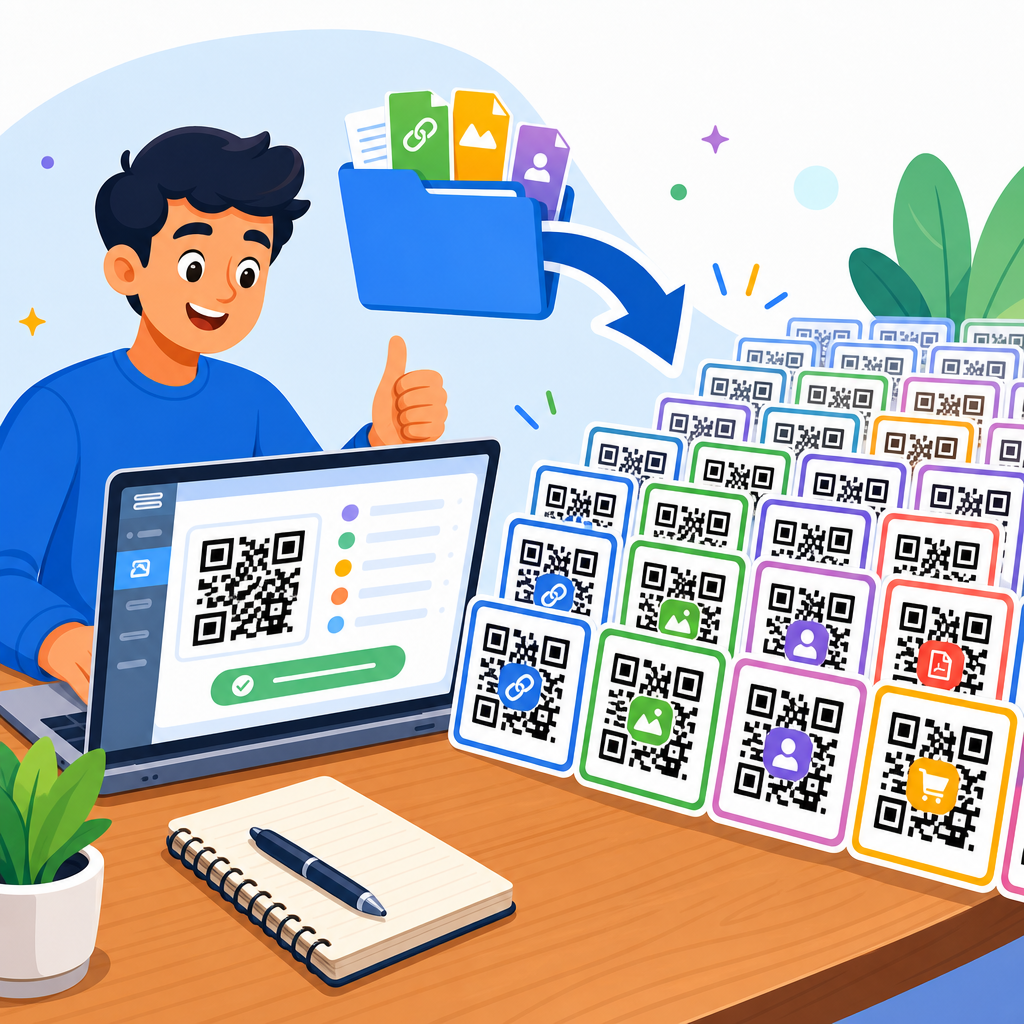
Governance is often overlooked until a campaign scales. If multiple teams create codes independently, you can end up with duplicate assets, inconsistent naming, and no record of which code is tied to which promotion. Better platforms provide shared workspaces, folders, naming conventions, API access, bulk creation, and role permissions. Those features are essential for retailers, franchise systems, agencies, and enterprise marketing operations.
Top QR code generators worth considering
The leading names in QR code generators each serve a different type of marketer. QR Code Generator Pro is widely known and easy for nontechnical teams to adopt. It offers dynamic codes, campaign analytics, branded templates, team features, and bulk creation, making it a common choice for midmarket organizations. Uniqode, formerly Beaconstac, stands out in enterprise settings because it combines strong security controls, API support, retargeting integrations, and solid fleet management for large code libraries. It is especially useful when many locations, products, or sales reps need unique codes under centralized oversight.
Bitly is not a pure QR-first platform, but it is valuable when short links and QR codes need to be managed together. Marketers already using Bitly for link governance often like its familiar reporting and branded domain support. QR Tiger is popular for flexible design, straightforward campaign creation, and a good balance of price and features. Scanova remains a strong contender for agencies and teams that need dynamic QR codes, editable campaigns, and practical reporting without enterprise complexity. Flowcode positions itself heavily around branded experiences and simple analytics, which can work well for creators, local businesses, and event campaigns.
Adobe Express, Canva, and browser-based free tools can generate basic QR codes quickly, but they usually fit one-off or low-risk needs rather than core campaign infrastructure. If you are printing ten thousand product inserts or tying codes to paid media, you want redirect controls, analytics ownership, and service stability. That is where dedicated QR code generators justify their subscription cost.
| Platform | Best for | Key strengths | Main limitation |
|---|---|---|---|
| Uniqode | Enterprise campaigns | Security, bulk management, API, analytics integrations | More features than small teams may need |
| QR Code Generator Pro | Midmarket marketing teams | Easy setup, dynamic codes, templates, team collaboration | Advanced governance is lighter than enterprise platforms |
| Bitly | Teams managing links and QR together | Branded links, recognizable reporting, domain control | QR customization depth is not always best in class |
| QR Tiger | Design-conscious campaigns | Custom styling, dynamic editing, solid value | Reporting depth varies by plan |
| Scanova | Agencies and multi-campaign users | Editable campaigns, manageable interface, batch use cases | Less ecosystem familiarity than larger brands |
| Flowcode | Events and creator-led promotions | Simple branded experiences, approachable analytics | May be limiting for complex attribution stacks |
How to compare QR code generators objectively
The cleanest way to compare QR code generators is to score them against the workflow your campaign actually needs. Start with destination flexibility. Can the platform create URL, PDF, vCard, app, SMS, social, review, coupon, and multi-link experiences, or only simple redirects? Next evaluate dynamic controls. You should be able to edit the target, schedule activations, pause a code, archive a campaign, and if possible set rules by geography or device. For regulated industries, audit trails and access controls are not optional.
Then review analytics quality. Some platforms count every scan but provide little context. Better products report unique users, repeat scans, timestamps, city or country, device category, and acquisition trends. The most useful systems retain parameter integrity so downstream analytics in GA4 or Adobe Analytics stay clean. If your team runs lifecycle programs, check whether scans can trigger automations through webhooks, Zapier, HubSpot, Klaviyo, or Salesforce. That makes QR campaigns measurable beyond the first click.
Finally test scan reliability under realistic conditions. Export the code at intended print size, place it on a curved package mockup or low-light display, and scan it with both iPhone and Android devices from different distances. I have seen heavily stylized codes pass an on-screen test and fail once printed on matte cardboard under store lighting. Reliability always outranks aesthetics. A plain code that scans instantly beats a beautiful one that loses half its audience.
Best choices by campaign type
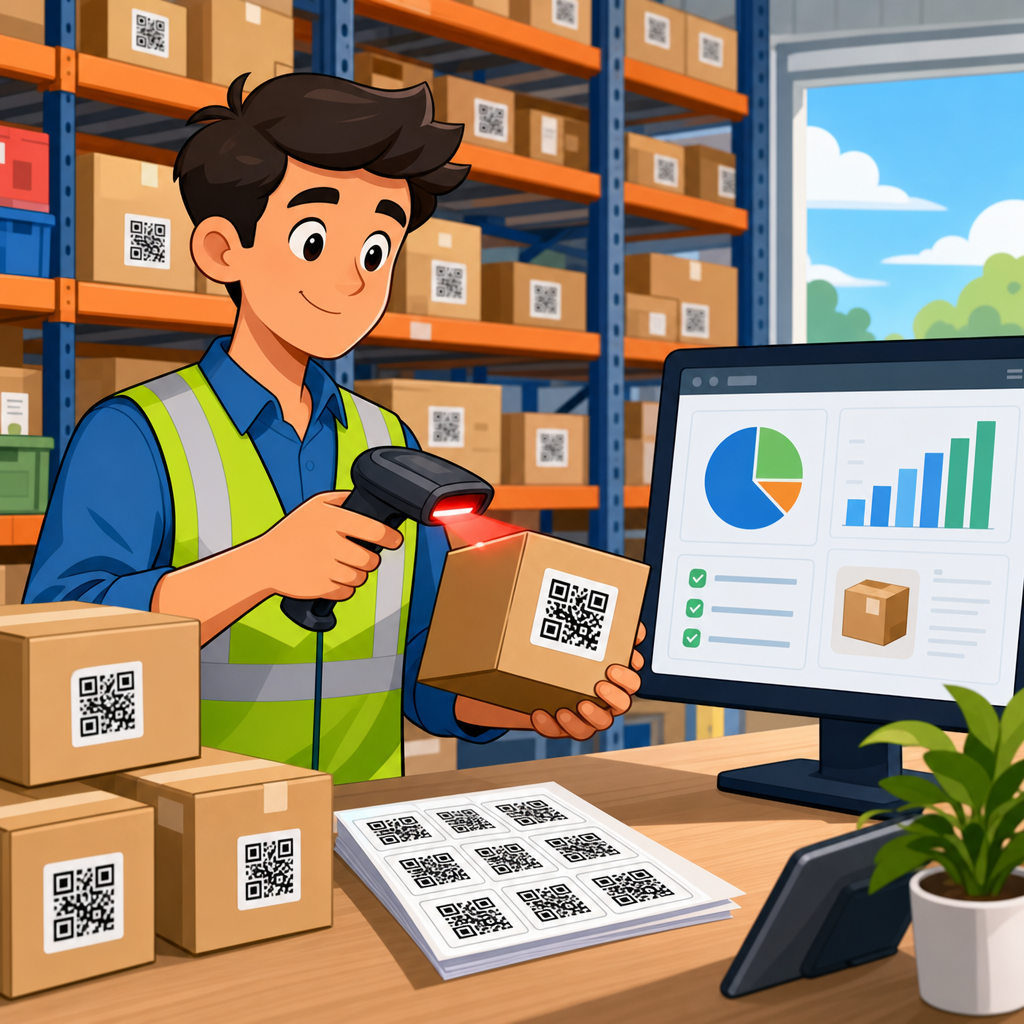
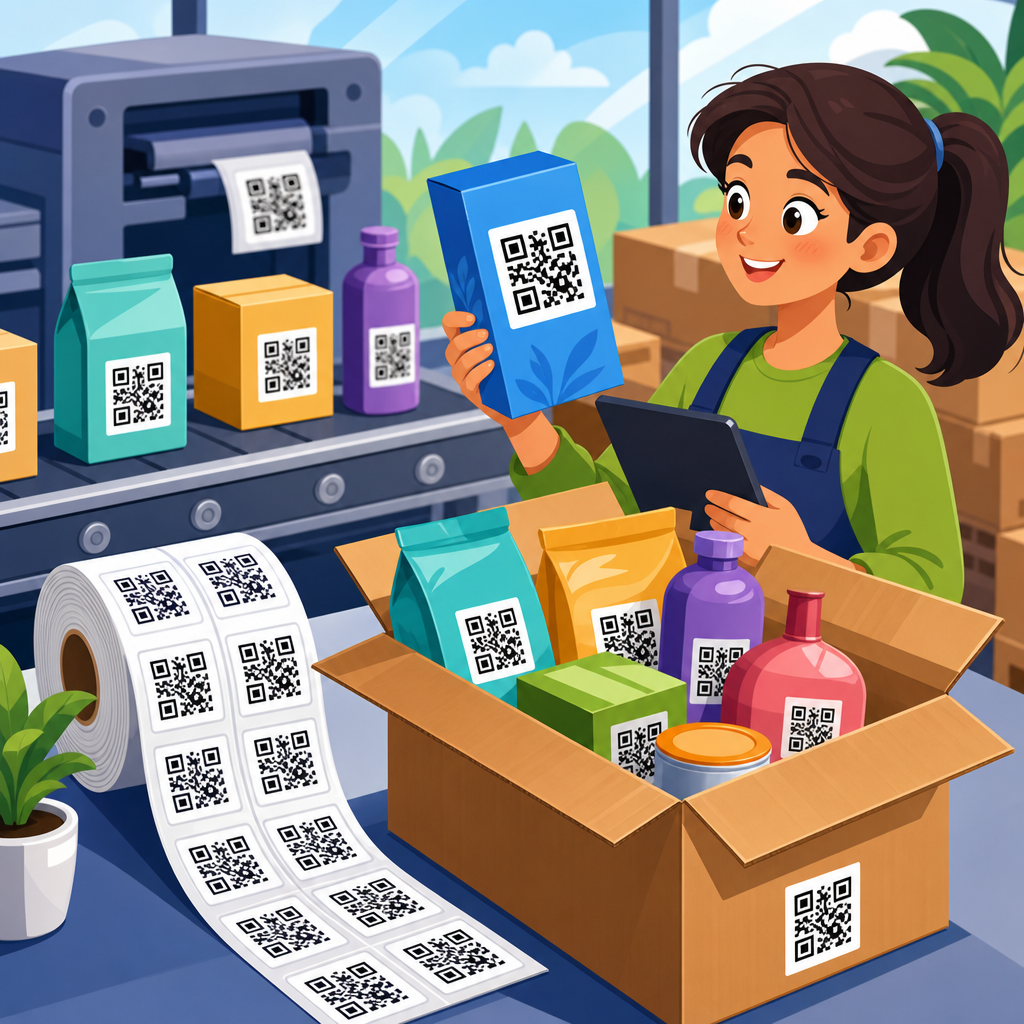
Different marketing campaigns demand different QR code capabilities. For product packaging, dynamic editing and long-term durability are critical because packaging cycles are expensive and destinations may change by season, market, or inventory status. Uniqode and QR Code Generator Pro are strong choices here because they support organized asset libraries and dynamic redirects at scale. For direct mail, analytics clarity matters most. You need to know whether scans happen by region, household segment, or offer variation, so platforms with dependable UTM handling and exportable reports become more valuable than flashy design controls.
For events and trade shows, speed and agility matter. Teams often need to swap lead forms, update booth schedules, or redirect from a registration page to a recap page once the event begins. Bitly, Flowcode, and Scanova can work well because they are fast to deploy and easy for field teams to manage. In restaurants, hospitality, and local business campaigns, menu updates, review generation, and Wi-Fi access are common use cases. Simpler tools may be enough, but dynamic management still protects against reprint costs when offerings change.
Retail and franchise systems introduce another layer: location-level variation. One national campaign may require hundreds of unique store codes routed to localized landing pages. That is where bulk creation, naming rules, CSV import, and analytics segmentation become decisive. Enterprise QR code generators win not because they look better, but because they prevent operational chaos.
Pricing, free plans, and hidden costs
Many marketers start with a free QR code generator, then realize the real cost appears later. Free tools commonly create static codes only, display the provider’s branding on the destination page, cap analytics, or disable editing after a trial period. A code printed on a flyer may still scan months later, but if it was tied to a temporary trial account or redirect service with limited retention, you can lose control over the destination. That is a serious brand risk.
Paid plans usually charge based on dynamic code volume, scan limits, number of users, analytics retention, or premium features such as custom domains and API access. The right question is not “What is the cheapest QR code generator?” but “What would failure cost if this code is on packaging, in stores, or across a mailed campaign?” Reprinting a single run of brochures can exceed a year of software fees. Subscription cost should be weighed against avoided waste, cleaner attribution, and reduced manual work.
Also factor in implementation overhead. If a platform lacks foldering, exports, bulk edits, or integrations, your team may compensate with spreadsheets and manual naming conventions. That labor does not show up on the software invoice, but it absolutely affects return on investment. In my experience, the best-value QR code generator is the one that lowers operational friction while preserving scan performance.
Common mistakes marketers make with QR codes
The most common mistake is sending every scan to a generic homepage. A QR code should resolve to a destination that matches the user’s context and intent. If someone scans a code from a cereal box, they should not have to hunt for the promoted recipe, coupon, or loyalty offer. The second mistake is poor placement. Codes that are too small, wrapped around tight curves, hidden in low-contrast areas, or placed where mobile service is weak underperform regardless of software quality.
Another frequent issue is overdesign. Marketers add logos, gradients, and stylized eyes until the code barely resembles a QR symbol. Error correction helps, but it is not magic. ISO/IEC 18004 provides the underlying standard, and practical readability still depends on contrast, quiet zone spacing, and module integrity. The safe rule is simple: test the final printed asset under real conditions before distribution. Use multiple phones, older devices, and varying lighting.
Teams also fail when they ignore governance. If no one owns naming, expiration dates, destination review, and analytics tagging, campaigns decay quickly. A good process includes a QR code inventory, naming conventions by channel and date, custom short domains where appropriate, and routine scan audits. The generator matters, but execution discipline matters just as much.
How this hub supports deeper QR code generator research
This page is the hub for QR code generators reviews and comparisons within the broader QR Code Creation & Tools topic, so its job is to help you narrow the field before diving into tool-specific guides. If you are evaluating enterprise governance, start with platforms such as Uniqode and compare API support, SSO options, and bulk management. If you care most about ease of use for small and mid-sized teams, review QR Code Generator Pro, Scanova, and QR Tiger side by side. If link management is already central to your stack, Bitly deserves separate consideration because QR workflows inherit its branded link strengths.
The smartest next step is to shortlist two or three tools, run the same test campaign in each, and compare setup time, export quality, analytics clarity, and scan reliability after print. Use one real landing page, one branded design, and one reporting framework so the differences are obvious. That hands-on comparison will tell you more than any feature grid alone.
The best QR code generator for marketing campaigns is the one that protects flexibility after launch, produces trustworthy analytics, and scales with your team’s workflow. Dynamic management, scan reliability, branded but readable design, and governance features are the essentials, not extras. For many organizations, dedicated platforms like Uniqode, QR Code Generator Pro, QR Tiger, Scanova, Bitly, and Flowcode will outperform free tools because they reduce reprint risk and improve attribution quality. Treat QR codes as campaign infrastructure rather than decorative shortcuts, and they become a measurable bridge between physical media and digital conversion. Use this hub to build your shortlist, then test the finalists in a live scenario before committing.
Frequently Asked Questions
What should marketers look for when choosing the best QR code generator for a campaign?
The best QR code generator for a marketing campaign should do much more than simply create a scannable image. Marketers should first confirm whether the platform offers dynamic QR codes, because dynamic codes allow the destination URL to be changed after the code has already been printed or published. That flexibility is essential for campaigns that may need updated landing pages, seasonal promotions, A/B testing, or corrections after launch. A generator that only supports static codes can create unnecessary risk, since any error or change may force a full reprint of packaging, signage, flyers, or other collateral.
Tracking and analytics are equally important. A strong marketing-focused QR code platform should provide scan data such as total scans, time of scan, device type, operating system, and geographic trends. Some tools also integrate with Google Analytics, CRMs, ad platforms, or marketing automation systems, which makes it much easier to connect QR performance with conversions and revenue. Without this reporting layer, marketers may know that scans happened, but not whether those scans turned into meaningful campaign outcomes.
Brand control is another major factor. Many businesses want QR codes that match campaign visuals through custom colors, logos, frames, and calls to action. The generator should support branded customization without making the code difficult to scan. It should also produce high-resolution file formats suitable for both print and digital use. Finally, marketers should evaluate ease of use, team collaboration, security, uptime, and pricing. The right tool is one that balances reliability, editability, analytics, and brand consistency so the QR code supports campaign performance instead of becoming a weak point.
What is the difference between static and dynamic QR codes, and which is better for marketing campaigns?
Static and dynamic QR codes may look similar to the user, but they function very differently behind the scenes. A static QR code directly stores the final destination information inside the code itself. That means once it is created and printed, the destination cannot be changed. If a marketer uses a static code for a product insert, event poster, or direct mail piece and later needs to update the landing page, fix a broken link, or swap in a new offer, the original code becomes permanently tied to the old destination. In many marketing settings, that lack of flexibility creates unnecessary waste and limits optimization.
Dynamic QR codes work differently. Instead of embedding the final destination directly, they point to a short redirect URL managed by the QR platform. This allows marketers to change the destination later without changing the printed code. That capability is especially valuable for long-running campaigns, multi-channel promotions, retail displays, restaurant materials, packaging, and any asset that may remain in circulation for months. Dynamic codes also usually unlock scan analytics, retargeting opportunities, and campaign segmentation features that static codes typically do not provide.
For most marketing campaigns, dynamic QR codes are the better choice because they support testing, tracking, and ongoing optimization. Static codes can still make sense for simple one-time uses where the destination will never change and advanced reporting is unnecessary. However, in professional marketing environments, dynamic codes are generally the safer and more strategic option. They reduce the cost of mistakes, protect printed investments, and give marketers the data needed to improve conversion rates over time.
How do QR code generators help with tracking campaign performance and ROI?
A good QR code generator can turn a simple scan into a measurable marketing data point. When a platform supports dynamic QR codes and built-in analytics, marketers can see how often a code was scanned, when scans occurred, where they came from geographically, and what types of devices users were using. This information helps teams understand which placements are actually generating engagement. For example, if the same campaign appears on product packaging, in-store signage, direct mail, and event materials, separate QR codes can reveal which channel drives the strongest response.
More advanced QR code platforms go beyond basic scan counts. They may allow UTM parameter tracking, integration with Google Analytics, CRM synchronization, and connection to conversion events on landing pages. That means marketers can analyze not only scans, but also what happened after the scan: form submissions, purchases, app downloads, coupon redemptions, or booked demos. This is where QR codes become especially powerful in performance marketing, because they bridge the gap between offline touchpoints and online attribution.
ROI measurement improves when each campaign asset uses its own QR code rather than sharing a single generic code across all materials. This creates cleaner attribution and makes testing easier. Marketers can compare scan-through performance by design, placement, audience segment, or call to action. Over time, these insights inform better creative decisions, smarter budget allocation, and more effective landing page experiences. In short, the right QR code generator does not just create codes; it gives marketers a practical way to measure engagement and tie offline interactions to business results.
Can branded QR codes improve conversion rates in marketing campaigns?
Branded QR codes can improve conversion rates when they are designed thoughtfully and used in the right context. Standard black-and-white QR codes are functional, but they often look generic and may not inspire much trust or attention. A branded QR code that uses company colors, includes a logo, and is framed with a clear call to action can feel more intentional and aligned with the rest of the campaign. That consistency matters because users are more likely to scan something that looks familiar, legitimate, and obviously connected to the brand they are already engaging with.
The strongest performance gains usually come not from decoration alone, but from clarity. A QR code placed next to messaging like “Scan for 20% off,” “Watch the demo,” or “Get the menu” gives users a reason to act immediately. Many QR code generators designed for marketers let teams add custom frames, short instructions, and visual styling that helps the code stand out in print ads, packaging, store displays, and mailers. This can increase visibility and reduce hesitation, especially for audiences who need a clear prompt before scanning.
That said, customization must never compromise scan reliability. Overdesigned QR codes with poor contrast, excessive logo size, or crowded patterns can fail in real-world conditions. The best QR code generators maintain error correction and scanability while still allowing brand-friendly styling. Marketers should always test branded codes across multiple devices, lighting conditions, and print sizes before launch. When done properly, branded QR codes can strengthen trust, improve recognition, and support higher engagement without sacrificing functionality.
Are free QR code generators good enough for professional marketing campaigns?
Free QR code generators can be useful for basic or temporary needs, but they are often not ideal for serious marketing campaigns. Many free tools only provide static QR codes, which means the destination cannot be changed after the code is created. That limitation may not seem important at first, but it can become expensive if a landing page changes, a campaign needs to be extended, or a tracking link was set up incorrectly. In print-based marketing especially, a static code can lock a brand into a decision long after the materials have been distributed.
Another concern is analytics. Some free generators provide little or no reporting, which makes it difficult to understand campaign performance. Others may place restrictions on scan volume, customization, file quality, or code management. In some cases, free tools are supported by ads, limited dashboards, or unclear long-term reliability. For marketers running campaigns at scale, depending on a platform with minimal support or uncertain uptime can create avoidable operational risk.
Paid QR code generators are usually a better fit for professional use because they offer dynamic editing, scan tracking, team access, branding controls, integrations, and stronger account management. They also tend to provide better export options for print production and more confidence that links will remain active over time. Free tools may be sufficient for a personal project, a one-time classroom flyer, or a simple static link with no reporting needs. But for marketing campaigns where brand consistency, attribution, and conversion performance matter, investing in a reliable QR code generator is usually the smarter choice.