Smart packaging trends using QR codes are reshaping how brands connect physical products to digital experiences, turning boxes, bottles, labels, and pouches into active communication channels instead of static containers. In practical terms, smart packaging uses printed technologies, connected identifiers, and scannable elements to add traceability, product information, authentication, and engagement after a product leaves the factory. QR codes sit at the center of this shift because they are inexpensive to print, easy for consumers to scan with a phone camera, and flexible enough to link to anything from ingredient records to loyalty programs. I have worked with retail, food, and personal care packaging teams on QR code deployments, and the pattern is consistent: companies start with a simple marketing use case, then realize the same code system can also support compliance, customer service, and supply chain visibility. That matters because packaging now carries more expectations than ever. Consumers want transparency, regulators want clearer disclosure, retailers want better data, and manufacturers want measurable return from every square inch of pack space. Smart packaging answers those pressures by making the package interactive. For brands building a long-term packaging strategy, QR codes are no longer an experimental add-on; they are becoming a core digital layer for product communication, post-purchase engagement, and operational intelligence across markets.
What smart packaging means in practice
Smart packaging is often used as a broad label, so it helps to separate the main categories. Active packaging changes the condition of the product, such as oxygen absorbers in food. Intelligent packaging senses, records, or communicates information about the product, environment, or usage. Connected packaging links the physical package to digital content, usually through QR codes, NFC tags, RFID, or serialized identifiers. In day-to-day commercial use, QR-driven connected packaging is the fastest growing branch because it avoids the cost and hardware constraints associated with chips or specialized readers. A printed dynamic QR code can direct one shopper to product tutorials, another to local language safety instructions, and a third to a recall notice, all without changing the artwork. That flexibility is why consumer packaged goods companies, pharmaceutical brands, wineries, and beauty labels increasingly treat the QR code as infrastructure rather than decoration.
When teams ask what problems smart packaging solves, the answer is usually fourfold. First, it expands available information beyond what fits on a label. Second, it creates a direct brand-owned channel after purchase, reducing dependence on retailers and marketplaces. Third, it supports track-and-trace by connecting a code to batch, lot, or serial data. Fourth, it improves measurement because every scan can reveal time, location, device type, and traffic source when configured correctly. GS1 standards have accelerated this movement by giving brands a structured path for using 2D codes in retail environments, especially as industry groups prepare for broader adoption of next-generation barcodes at point of sale. In other words, smart packaging is not a trend built only on novelty. It is tied to concrete operational and commercial needs.
Why QR codes dominate smart packaging innovation
QR codes dominate smart packaging trends because they balance cost, functionality, and scalability better than most alternatives. A brand can add a code to existing artwork with minimal printing changes, and nearly every modern smartphone can scan it without an app. That removes friction, which is the decisive factor in consumer adoption. NFC can feel smoother in some cases, but it costs more per unit and is less practical for low-margin products. RFID is excellent for logistics and inventory automation, yet shoppers do not interact with it directly. QR codes bridge both worlds: they can serve consumers at the shelf and support internal business processes when linked to serialization systems, warehouse databases, or product information management tools.
Another reason QR codes lead is that they support both static and dynamic deployments. A static code points permanently to one destination and works well for simple evergreen content. A dynamic code redirects through a management platform, allowing brands to update landing pages, localize content, run campaigns, or disable destinations without reprinting packaging. In my experience, dynamic codes are almost always the better choice for smart packaging because packaging inventory remains in market for months, sometimes years. If legal text changes, a recipe microsite is retired, or a recall occurs, the brand needs control after production. Platforms from QR Code Generator Pro, Scanova, Bitly, Uniqode, and enterprise product cloud systems make that possible. The code may look simple, but the strategic value comes from the data and governance behind it.
Core use cases brands are deploying now
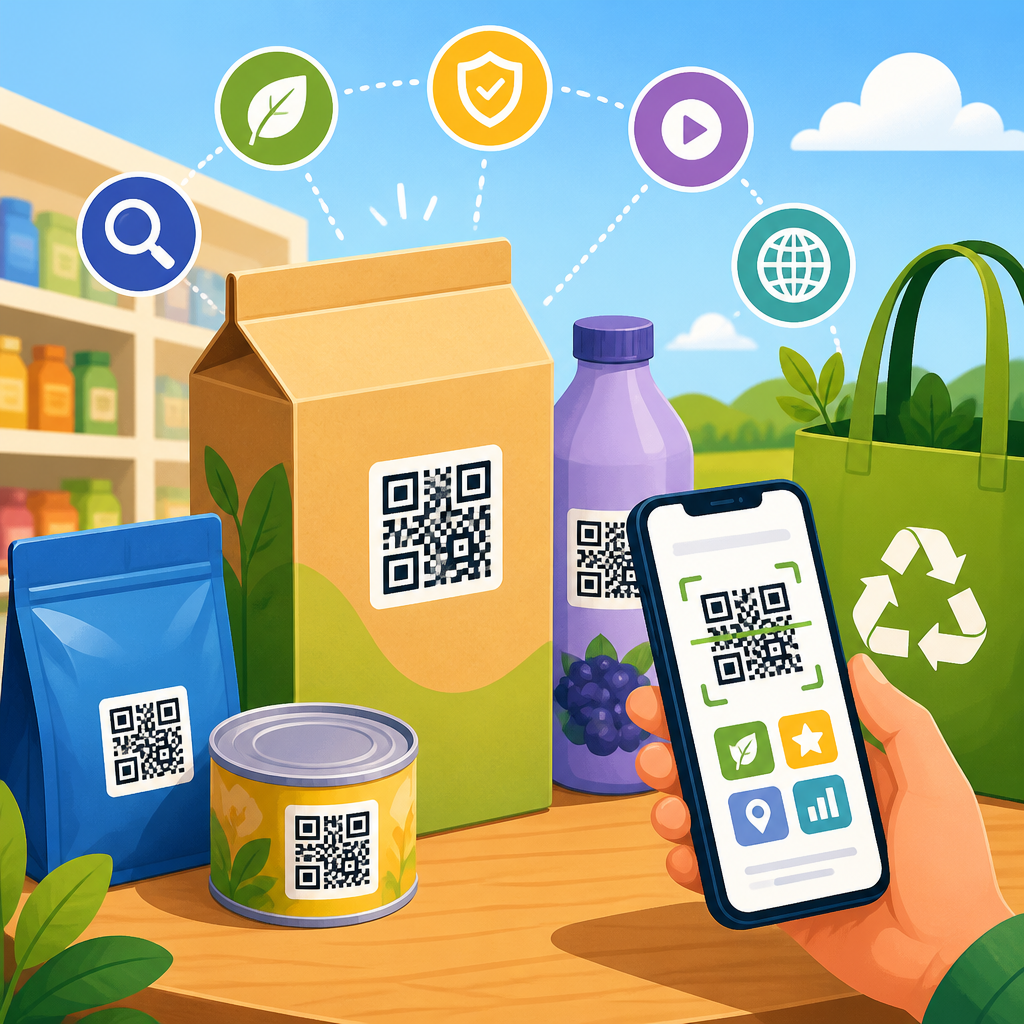
The most mature use case is extended product information. Food brands use QR codes to show ingredient sourcing, allergen details, nutrition explainers, certifications, and recycling instructions that would never fit clearly on-pack. Beauty and personal care brands link to application tutorials, shade matching guides, refill programs, and dermatologist FAQs. Alcohol brands use them for cocktail recipes, provenance stories, and region-specific responsible drinking notices. In electronics, the code often leads to setup videos, warranty registration, troubleshooting, and downloadable manuals, cutting print costs and reducing support calls.
Authentication is another major use case, especially for luxury goods, pharmaceuticals, infant formula, and high-risk consumables. A serialized QR code tied to a unique product record can help confirm whether an item is genuine and whether it has been previously activated. This is not foolproof on its own, because copied codes remain a risk, but paired with secure serialization, anomaly detection, and tamper-evident design, it significantly raises the barrier to counterfeiting. Consumer trust improves when people can verify a product instantly at the point of purchase or first use.
Sustainability communication is growing quickly as regulations and consumer expectations increase. QR codes can host Digital Product Passport-style information, material composition details, carbon data methodology, refill instructions, and local disposal guidance. This is especially useful for multinational brands because recycling rules differ by municipality and country. Instead of overloading the label with generic instructions, the code can deliver location-aware guidance. The package becomes a live source of disposal education rather than a one-time printed guess.
How industries are applying smart packaging differently
Different sectors use QR-enabled smart packaging in distinct ways because product risk, regulation, and purchase behavior vary widely. Food and beverage brands usually prioritize traceability, freshness information, recipe content, and loyalty engagement. A coffee roaster, for example, can connect a bag-level QR code to farm origin, roast date, brew instructions, and subscription offers. Pharmaceutical and medical device companies focus on safety information, verification, adverse event reporting, and compliance documentation, often integrating with Drug Supply Chain Security Act processes in the United States or FMD requirements in Europe. Cosmetics companies emphasize education and conversion through tutorials, regimen builders, influencer-led content, and proof of authenticity.
Apparel and footwear brands increasingly use QR codes as product identity markers. A scan can reveal material origin, care instructions, repair services, resale authentication, or a brand’s take-back program. This supports circular economy claims with actual product-level data. Wine and spirits producers use QR codes to communicate terroir, tasting notes, anti-counterfeit verification, and market-specific legal information. Industrial manufacturers use them on packaging for parts, chemicals, and components so buyers can pull safety data sheets, installation guides, and reorder links instantly. The common thread is clear: smart packaging works best when the digital experience reflects a real user need tied to that category, not when the code is added simply because competitors have one.
Implementation models, from basic campaigns to serialized ecosystems
Brands usually adopt smart packaging in stages. Stage one is campaign-led: a single QR code on limited packaging sends users to a promotional landing page. Stage two is service-led: the code becomes a standard pack element used for FAQs, manuals, rewards, or support. Stage three is system-led: each SKU, batch, or individual item is connected to a structured data record within enterprise systems. That third model is where smart packaging becomes transformative because packaging data starts feeding customer experience, quality assurance, and supply chain decision-making at once.
| Model | How it works | Typical tools | Main benefit |
|---|---|---|---|
| Static SKU code | One QR per product line linking to fixed content | Artwork file, basic QR platform | Low-cost launch |
| Dynamic campaign code | Redirectable QR with analytics and A/B testing | QR management platform, analytics suite | Content control after printing |
| Batch-level code | Code tied to lot, production date, or plant data | MES, ERP, traceability database | Recall and quality support |
| Unit-level serialized code | Unique QR for every item | Serialization software, cloud product records | Authentication and granular tracking |
Choosing the right model depends on margin, risk, production complexity, and channel strategy. A regional snack brand may only need dynamic SKU-level codes. A premium skincare line vulnerable to grey market diversion may justify unit serialization. I advise teams to start with the smallest model that produces measurable value, then build toward deeper integration once governance and scan behavior are understood.
Design, data, and landing page decisions that determine performance
The success of smart packaging does not depend on the code alone. Scan rate is shaped by placement, contrast, size, call-to-action wording, and what users expect to get. A code hidden near legal copy with no explanation underperforms. A code paired with a clear prompt such as “Scan for ingredients, how-to videos, and rewards” performs far better because it tells the shopper why the action matters. On curved surfaces, reflective films, or textured substrates, testing is essential. I have seen excellent campaigns fail because the code was technically valid but difficult to scan on chilled bottles under retail lighting.
Landing page quality is equally important. The destination must load quickly, respect locale, work on mobile, and answer the user’s immediate question before asking for registration. If a customer scans to check authenticity, do not force them through a long form first. If they scan for recycling instructions, put disposal guidance above campaign content. Good smart packaging journeys are progressive: first satisfy intent, then invite deeper engagement. Structured data, consent management, CRM integration, and analytics tagging should be built from the beginning so teams can connect scans to outcomes such as registrations, repeat purchases, or support deflection.
Compliance, privacy, and operational limits brands must address
Smart packaging creates real obligations. Any packaging-linked experience that collects personal data must comply with privacy rules such as GDPR, CCPA, and applicable consent requirements. Health claims, nutrition statements, and market-specific disclosures still need legal review even if they live off-pack. Accessibility matters as well. Content behind the QR code should be readable by screen readers, available in appropriate languages, and designed for low-bandwidth mobile conditions. Regulatory teams should treat the landing environment as an extension of the label, not a separate marketing playground.
Operationally, the hardest part is often governance. Who owns the code destination after launch: packaging, brand, e-commerce, IT, legal, or customer service? Broken links, expired domains, and outdated content erode trust fast. Serialization adds complexity around data storage, line printing validation, and integration with ERP, WMS, MES, and quality systems. There is also a basic behavioral limit: not every shopper will scan. Smart packaging should enhance the core package experience, not replace critical information that must remain visible without a phone. The strongest programs respect that balance and design for both scanners and non-scanners.
Where smart packaging trends using QR codes are heading next
The next phase of smart packaging trends using QR codes is convergence. Retail barcode modernization, sustainability disclosure, and direct-to-consumer engagement are moving toward the same 2D packaging layer. As more retailers support richer 2D codes at point of sale, one code may serve checkout, traceability, and consumer education together. AI-assisted product information will also increase the value of structured packaging data, because models can summarize ingredients, compare claims, or surface care instructions directly from linked product records. That makes data quality more important than graphic novelty.
Brands should also expect growth in personalized post-purchase experiences. Dynamic QR systems can adapt content based on market, season, prior scans, or product lifecycle stage. A supplement brand might first show usage instructions, then replenishment reminders weeks later. A home appliance brand might shift from setup guidance to maintenance videos over time. These are practical, measurable improvements, not gimmicks. The central lesson is simple: smart packaging succeeds when QR codes connect packaging to useful, well-governed information that reduces friction for customers and creates a durable digital layer for the business. If you are building your packaging roadmap, audit current label pain points, choose one high-value QR use case, and launch with clear metrics so the package starts working harder immediately.
Frequently Asked Questions
1. What makes QR codes such an important part of smart packaging today?
QR codes have become central to smart packaging because they give brands a simple, low-cost way to connect a physical package to a digital experience. Instead of treating packaging as something that only carries a logo, barcode, and required product details, companies can use a QR code to turn that same package into an interactive touchpoint. When a customer scans the code with a smartphone, the package can instantly deliver product instructions, sourcing information, videos, promotions, loyalty rewards, sustainability details, or authentication tools.
What makes this especially important today is that consumers increasingly expect transparency, convenience, and digital access. They want to know where a product came from, how to use it, whether it is genuine, and how to recycle or dispose of it responsibly. A printed QR code can answer all of those needs without forcing brands to overcrowd the label with tiny text. It also allows the content to change over time, which means the same package can support updated campaigns, regional messaging, recalls, compliance information, or seasonal offers.
From a business perspective, QR codes are attractive because they are widely understood, easy to scan, and highly scalable across boxes, bottles, labels, cartons, and flexible pouches. They can support serialization, batch-level traceability, and post-purchase engagement while requiring far less hardware complexity than many other connected packaging technologies. That combination of accessibility, flexibility, and measurable consumer interaction is exactly why QR codes sit at the center of current smart packaging trends.
2. How are brands using QR codes on packaging to improve customer engagement?
Brands are using QR codes to extend the customer relationship far beyond the retail shelf. Once scanned, a package can open the door to tutorials, recipes, setup guides, care instructions, ingredient stories, subscription options, personalized promotions, and feedback forms. In other words, the package becomes a direct communication channel that continues working after purchase. This is especially valuable in crowded markets where differentiation depends not just on the product itself, but on the quality of the overall customer experience.
One major trend is the use of dynamic QR codes that route consumers to different content based on timing, location, language, product line, or marketing goals. For example, a beverage brand might link a bottle to a summer campaign in one region and a loyalty program in another, without redesigning the printed artwork. A cosmetics brand may use QR-enabled packaging to provide skin-care routines, shade matching tools, and refill reminders. A food company might deliver preparation tips, allergen details, and farm-to-table sourcing information that builds trust while also increasing usage confidence.
QR codes also help brands gather first-party engagement insights in a privacy-conscious way. They can measure scan activity, identify which products generate the most digital interaction, and learn when and where customers are engaging with packaging. That data can inform packaging design, messaging strategy, and product development. When done well, QR code packaging does more than create a novelty moment; it supports education, retention, brand storytelling, and repeat purchase behavior through a channel consumers already know how to use.
3. Can QR codes on smart packaging help with traceability and product authentication?
Yes, and this is one of the most practical and high-value uses of QR-enabled smart packaging. Traceability allows brands, supply chain partners, regulators, and even end consumers to follow a product’s journey across manufacturing, distribution, and sale. By linking a QR code to batch data, production records, shipping milestones, or serialized item-level identifiers, companies can make supply chains more visible and responsive. This is especially important in industries such as food, pharmaceuticals, cosmetics, electronics, and premium goods, where product origin, handling conditions, and chain-of-custody information matter.
For authentication, QR codes can support anti-counterfeiting efforts by directing users to verification pages that confirm whether a specific item is legitimate. In more advanced implementations, each package carries a unique code rather than a shared one, allowing brands to detect duplicate scans, suspicious activity, or mismatches in distribution patterns. This helps protect consumers from fake goods and helps companies preserve brand integrity, revenue, and compliance. Authentication can also be paired with tamper indicators, secure printing, hidden digital markers, or cloud-based verification systems for stronger protection.
Another advantage is speed during recalls or quality investigations. If packaging is digitally linked to production and logistics data, brands can identify affected lots more accurately and communicate precise instructions to retailers and customers. Instead of relying only on broad recall announcements, they can guide a consumer who scans a package to product-specific information. That kind of responsiveness improves safety, reduces waste, and strengthens trust. In short, QR codes make smart packaging not only more interactive, but also more accountable and operationally useful.
4. What are the biggest smart packaging trends involving QR codes right now?
Several important trends are shaping how QR codes are being used in smart packaging. One of the biggest is the shift from static to dynamic digital experiences. Brands no longer want packaging that points to a single generic webpage forever. They want packaging that can support evolving campaigns, real-time information, multilingual content, and personalized journeys, all while using the same printed code. This makes QR-based packaging much more agile and relevant over the full life cycle of a product.
Another major trend is deeper integration with transparency and sustainability initiatives. Consumers are paying closer attention to product origin, ingredients, ethical sourcing, carbon impact, and recyclability. QR codes give brands room to present that information clearly without overloading the physical label. A scan can reveal recycling instructions by material type, explain refill programs, show supply chain certifications, or provide digital product passports that support circular economy goals. As regulations and consumer expectations continue to evolve, this trend is becoming increasingly significant.
There is also growing momentum around connected packaging analytics and first-party data. As third-party tracking becomes less dependable, brands are looking to packaging itself as a direct engagement channel. QR scans can reveal what products are being interacted with, which campaigns drive action, and when engagement happens in the post-purchase journey. In parallel, many companies are exploring serialization, anti-counterfeiting layers, and interoperability with systems such as inventory management, loyalty platforms, customer support tools, and regulatory databases. Altogether, the trend is moving toward packaging that is not just scannable, but intelligent, measurable, and strategically integrated into broader digital ecosystems.
5. What should brands consider before adding QR codes to product packaging?
Brands should begin by defining the business purpose of the QR code, because the most effective smart packaging programs are designed around a clear use case rather than a vague desire to be “interactive.” Some brands prioritize consumer education, others focus on authentication, traceability, regulatory access, loyalty enrollment, or sustainability communication. That objective affects everything from code placement and design to landing page structure and backend data requirements. A QR code that leads to weak, irrelevant, or poorly optimized content will not deliver meaningful results, no matter how well it is printed.
Usability is another critical factor. The code needs to be easy to find, easy to scan, and accompanied by a clear call to action that tells people why they should engage. Packaging designers should consider size, contrast, curvature, material finish, and environmental conditions such as condensation, abrasion, or crinkling on flexible packaging. The digital destination must also be mobile-friendly, fast-loading, and relevant to the product being scanned. If the experience feels generic or inconvenient, scan rates will suffer.
Brands should also think carefully about data governance, security, and long-term maintenance. Dynamic QR programs often require content management, analytics, redirection logic, and integration with internal systems. If unique or serialized codes are used, companies need reliable methods for generating, storing, and validating that data. It is also wise to plan for multilingual support, accessibility, privacy compliance, and future updates so that the packaging experience remains useful after launch. In many cases, the QR code is the most visible piece of a much larger smart packaging infrastructure. When the strategy, printing, digital experience, and operational systems are aligned, QR-enabled packaging can deliver real value for both brands and consumers.