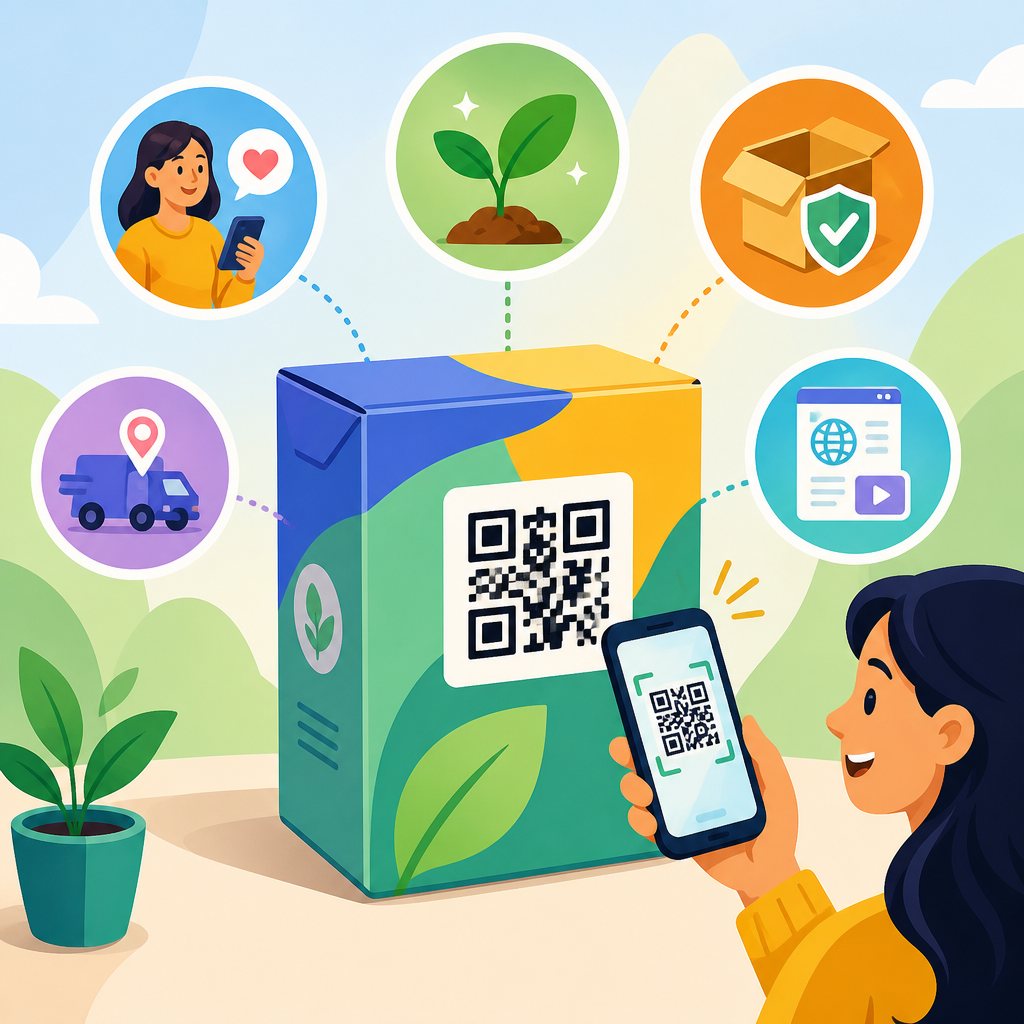
Smart packaging with QR codes turns a product label, box, pouch, or carton into a digital touchpoint that connects shoppers, brands, and supply-chain systems through a simple smartphone scan. In practice, a printed QR code can open ingredient details, usage instructions, recycling guidance, loyalty offers, authentication data, warranty registration, or dynamic product stories that change over time without changing the package itself. That combination of physical packaging and live digital content is what makes packaging “smart”: the pack is no longer just a container or compliance surface, but an interactive channel.
For brands, smart packaging matters because packaging is often the last owned media a company controls at the point of purchase and during product use. I have worked on packaging programs where a tiny printed code outperformed paid ads for post-purchase engagement because customers already had the product in hand and a reason to learn more. For consumers, the value is convenience and transparency. A scan can answer immediate questions: Is this product genuine? How do I use it? What allergens does it contain? Where should I recycle it? For operations teams, the same code infrastructure can support traceability, serialization, recall communication, and market-specific content delivery.
A QR code, short for Quick Response code, is a two-dimensional barcode that stores data in a grid of black and white modules. Unlike a traditional UPC barcode that usually identifies a product type at checkout, a QR code can point to a web address, encode plain text, trigger app actions, or connect to a cloud platform. Modern smartphones read QR codes natively through the camera, which is why adoption accelerated across retail, food, beauty, electronics, and pharmaceuticals. The technology is inexpensive to print, resilient when designed correctly, and flexible enough for both static and dynamic campaigns.
Smart packaging with QR codes sits at the intersection of consumer experience, compliance, and data strategy. It supports product education, anti-counterfeiting, omnichannel marketing, and sustainability messaging in one place. As regulations and consumer expectations rise, brands increasingly need packaging that can say more than space allows on a physical label. QR-enabled smart packaging solves that constraint by linking finite package real estate to nearly unlimited digital information.
How smart packaging with QR codes works
At a technical level, smart packaging starts with the printed symbol but depends on the system behind it. A brand generates either a static QR code, which always resolves to the same destination, or a dynamic QR code, which points to a short redirect URL managed through a platform. Dynamic codes are usually better for packaging because the destination can be updated after products are printed and distributed. If legal text, landing pages, promotions, or regional content need to change, the code on the package stays the same while the redirect rules change in the dashboard.
The user journey is straightforward. A shopper scans the code with a phone camera, taps the prompt, and lands on a mobile-optimized experience. That experience might be a product detail page, a digital product passport, a recipe page, a batch-specific traceability record, or an authentication workflow. On the backend, the system records scan data such as timestamp, device type, approximate location, language, and campaign source. When connected to enterprise systems like GS1 standards, CRM platforms, or product information management tools, each scan can trigger personalization and analytics that were impossible with conventional packaging alone.
Implementation quality matters. Codes must be sized correctly, placed on a scannable surface, and printed with sufficient contrast and quiet zone spacing. Curved bottles, metallic substrates, matte varnishes, and seams can reduce readability if not tested. I have seen teams approve beautiful artwork that failed under warehouse lighting or on crinkled pouches, which is why prepress verification and real-device testing are nonnegotiable. A smart package only becomes smart when the code scans quickly in the real world.
Core use cases across industries
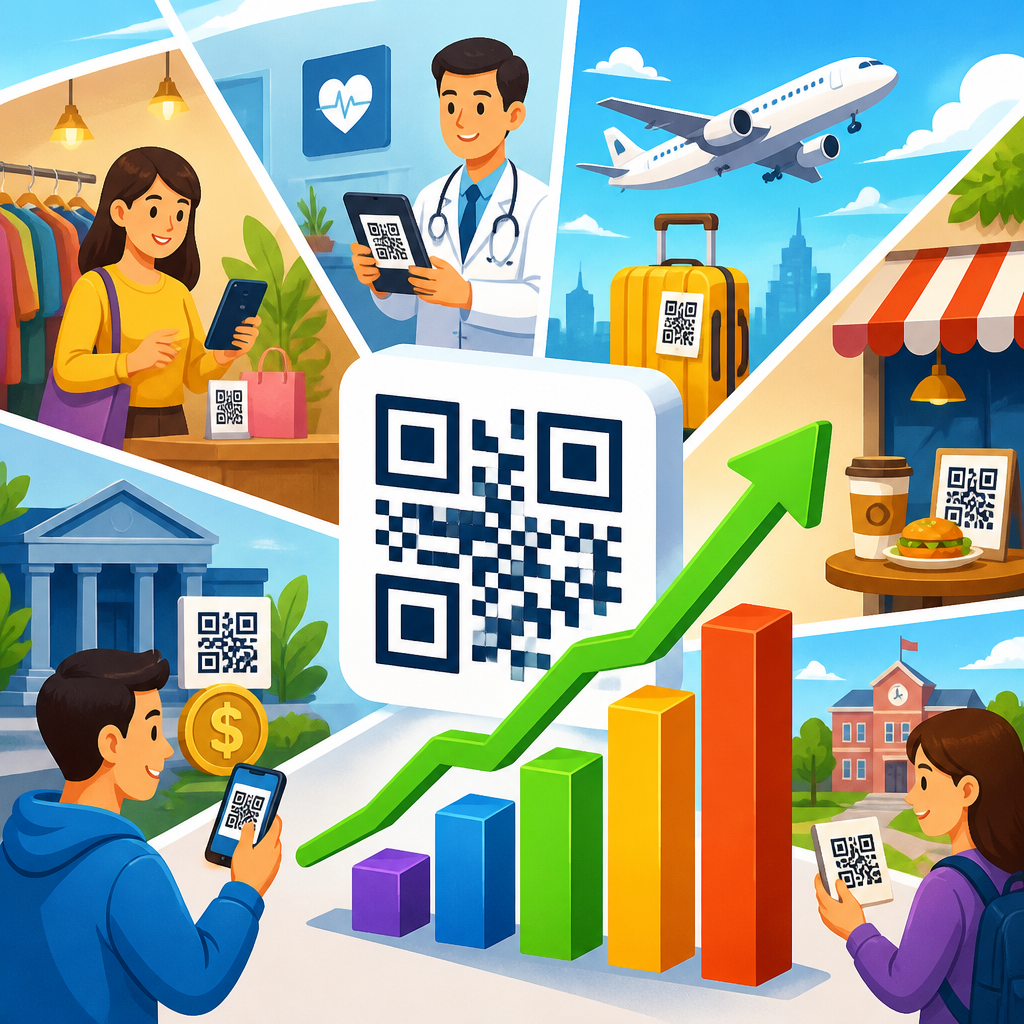
The most effective smart packaging programs solve a concrete user problem. In food and beverage, QR codes commonly deliver ingredient sourcing, nutrition details, allergen updates, recipes, and freshness or batch information. A coffee roaster, for example, can link each bag to farm origin stories, roast dates, brewing guides, and subscription offers. In beauty and personal care, codes often support tutorials, shade matching, refill instructions, and authenticity checks, especially in prestige categories where counterfeit risk is high.
Pharmaceutical and healthcare packaging uses QR codes for patient instructions, medication verification, adverse event reporting, and multilingual safety content. Electronics brands use them for setup guides, firmware support, warranty activation, and troubleshooting. Apparel and footwear companies apply QR-enabled hangtags or sewn labels to share care instructions, resale verification, materials transparency, and loyalty experiences. Consumer packaged goods brands frequently connect packaging to contests, memberships, or product education, turning one-time transactions into measurable customer relationships.
Industrial and B2B packaging uses are just as important. Components, chemicals, and equipment packaging can carry QR codes linked to safety data sheets, installation documentation, calibration records, or maintenance logs. In these environments, the code reduces support costs and improves compliance because technicians can retrieve the exact document set for the exact SKU or lot. The principle is the same in every category: smart packaging works best when the scan removes friction at the moment the customer needs information.
Benefits for brands, consumers, and operations teams
For brands, the first major benefit is direct engagement. Retail shelves and marketplaces often separate companies from end customers, but a QR code on packaging creates a direct digital bridge. That bridge can support email capture, loyalty enrollment, product registration, cross-sell recommendations, and service interactions. The second benefit is agility. A dynamic destination allows marketers and regulatory teams to update content by market, season, or inventory batch without scrapping printed stock. The third benefit is measurement. Scan analytics reveal which products drive engagement, where scans occur, and what content keeps people active.
Consumers benefit from clarity, convenience, and trust. A code can replace tiny text with readable mobile content, support accessibility through audio or translated instructions, and provide faster answers than searching manually. When a customer scans a QR code on a supplement bottle and sees ingredient origin, certifications, dosage guidance, and tamper information in one place, uncertainty drops. That experience is especially valuable for products that affect health, safety, or high-value purchases.
Operations teams gain traceability and control. Smart packaging can associate a package with a lot number, serial number, or shipment event, making recalls and quality investigations more precise. Instead of issuing broad blanket statements, a brand can direct affected customers to batch-specific guidance. Customer service teams also benefit because packaging scans can deflect repetitive support contacts by surfacing answers proactively. Over time, scan data becomes an input for packaging design, market planning, and content strategy.
Static vs dynamic QR codes on packaging
Static and dynamic QR codes can both work on packaging, but they serve different goals. A static code directly encodes the final destination or data. It is simple, permanent, and suitable when the content will never need to change, such as a durable standards document or a permanent homepage URL. Its limitation is inflexibility: if the destination changes, the code must be reprinted. That becomes expensive when products are already in distribution.
Dynamic codes route scans through a managed short URL, allowing the brand to update the destination later. They also enable analytics, device-based redirects, A/B testing, geolocation rules, and campaign segmentation. For example, the same package can send a French-language user to localized content while directing a U.S. user to a different compliance page. In nearly every packaging project I have managed, dynamic QR codes were the better long-term choice because packaging lifecycles rarely stay fixed. Regulatory updates, discontinued pages, seasonal promotions, and retailer partnerships all create reasons to change content after print.
| Criteria | Static QR code | Dynamic QR code |
|---|---|---|
| Destination changes after printing | No | Yes |
| Scan analytics | Limited or none | Built in |
| Best for | Permanent content | Packaging programs and campaigns |
| Cost over time | Low upfront, higher if reprints are needed | Platform fee, fewer reprint risks |
| Localization and rules | Not practical | Supported |
Design, print, and scanability best practices
A QR code on packaging must be easy to notice and effortless to scan. That starts with size. Very small codes may work in laboratory conditions but fail on store shelves or under poor lighting. Exact dimensions depend on scan distance and print method, but practical packaging teams validate with production proofs, not assumptions. High contrast, adequate quiet zone space, and distortion-free placement are essential. Black on white remains the most reliable combination, while reversed colors, glossy laminates, and patterned backgrounds should be tested carefully.
Placement also influences performance. Codes hidden under folds, on highly curved necks, or across package seams produce friction. The call to action matters just as much as the code itself. “Scan for ingredients and recycling” performs better than a bare symbol because people need a reason to engage. Landing pages must load quickly, match the promise on the package, and avoid requiring app downloads unless the value clearly justifies it.
Serialization adds another layer. A generic code sends everyone to the same destination, while unique item-level or batch-level codes unlock authentication, traceability, and individualized experiences. That is more complex because variable data printing, database management, and secure code generation are required, but the payoff can be substantial for premium goods, regulated products, and circular packaging systems.
Trust, compliance, and data considerations
Smart packaging creates responsibility as well as opportunity. If a code collects personal data, the experience must comply with privacy rules such as GDPR and CCPA where applicable. Consent language, cookie handling, retention policies, and vendor contracts matter. Packaging is also a compliance surface, so digital content cannot casually contradict on-pack claims, dosage instructions, or market-specific legal requirements. I advise teams to treat QR destinations as controlled product communications, not disposable campaign microsites.
Authentication programs need special care. Counterfeiters can copy visible QR codes unless the system includes serialization, anomaly detection, secure redirects, or additional overt and covert features. A code alone is not a security strategy. It is one layer in a broader product integrity framework. Accessibility is another trust factor. Mobile pages should support readable type, plain language, alt text where relevant, and multilingual options when products serve diverse markets.
Long-term governance is often overlooked. Packaging may remain in homes and supply chains for months or years, so linked pages must stay maintained. Broken links erode trust quickly. The strongest brands assign ownership across packaging, digital, legal, regulatory, and analytics teams and review scan experiences as part of normal product lifecycle management.
Where smart packaging is heading next
The next phase of smart packaging with QR codes is broader integration. Retailers, manufacturers, and standards bodies are moving toward richer product identification and more interoperable data. GS1 Digital Link is especially important because it can connect traditional product identifiers with web-based destinations, helping one code serve both commerce and consumer engagement use cases. That creates a path from simple marketing scans to standardized product information layers that can support checkout, traceability, and post-purchase service.
Sustainability is another major driver. Brands are using QR codes to explain materials, refill systems, disposal routes, and reuse incentives at the exact moment consumers handle the package. As digital product passports expand, packaging will increasingly link to persistent records about origin, composition, repair, and end-of-life pathways. Artificial intelligence will also shape the experience by personalizing landing pages, summarizing instructions, and routing customers to the most relevant answers based on product, geography, and scan context.
Smart packaging with QR codes is ultimately about making packaging useful after it leaves the printer. It gives brands a practical way to extend product information, improve trust, and gather actionable insight without adding physical clutter. If you are building a QR Code Trends and Innovations strategy, this is the smart packaging foundation to start with: define the customer question, design for reliable scans, choose dynamic infrastructure, govern the data, and measure what happens after every scan. Then expand from one package to a scalable connected packaging program.
Frequently Asked Questions
What is smart packaging with QR codes, and how does it work?
Smart packaging with QR codes is packaging that includes a scannable QR code to connect the physical product with digital information and services. Instead of a package being limited to whatever text and graphics fit on the label, box, pouch, or carton, the QR code acts as a bridge to live content that can be accessed instantly with a smartphone camera. When a shopper scans the code, it can open a mobile landing page, product details, care instructions, ingredient lists, recycling guidance, promotional offers, warranty forms, or brand storytelling content.
The key advantage is that the printed package stays the same while the digital experience behind the code can be updated at any time. A brand can change the destination content to reflect a seasonal campaign, revised compliance information, a new tutorial video, or region-specific messaging without redesigning and reprinting the entire package. In that sense, smart packaging makes packaging interactive, adaptable, and measurable. It transforms a traditionally static surface into a digital touchpoint that supports customer engagement, product transparency, and operational efficiency across the product lifecycle.
What information can a QR code on packaging provide to consumers?
A QR code on packaging can provide far more information than would ever fit neatly on a physical label. Common examples include ingredient and allergen details, nutritional facts, usage instructions, assembly or setup help, storage recommendations, recycling and disposal guidance, certification information, FAQs, and customer support links. For products in categories such as food, beauty, health, electronics, or home goods, this added layer of access can make the buying and ownership experience much easier and more informative.
Beyond basic product data, brands also use packaging QR codes to deliver dynamic and value-added content. A shopper might scan to see where a product was sourced, watch a demonstration video, register a warranty, join a loyalty program, verify authenticity, or unlock a personalized offer. Some brands even use QR codes to share changing content over time, such as updated recipes, sustainability milestones, refill instructions, or campaign-specific product stories. This flexibility is one of the biggest reasons smart packaging is gaining attention: it allows brands to keep information current, helpful, and relevant long after the product leaves the shelf.
Why are QR codes considered useful for brands and supply chains, not just shoppers?
QR codes create value well beyond consumer convenience because they can also support brand strategy and supply-chain visibility. For brands, every scan can become an opportunity to deepen engagement, measure interest, and guide the customer journey after purchase. Instead of losing contact once the item is sold, a brand can use packaging as an ongoing communication channel for tutorials, offers, cross-sell recommendations, product education, or feedback collection. That helps packaging function not only as a container, but also as a marketing, service, and retention tool.
From a supply-chain perspective, QR codes can support traceability, authentication, and more efficient information sharing. A code can link to batch details, origin records, logistics data, or verification systems that help detect counterfeit products and confirm product legitimacy. Internal teams, distributors, and retail partners may also use codes to access handling instructions, inventory data, or shipment-related information. In industries where transparency and compliance matter, smart packaging with QR codes can improve recordkeeping and help create a more connected flow of information from production to point of sale and beyond. That makes the technology appealing not only for customer experience, but also for operations, trust, and long-term brand protection.
Can QR code content on packaging be updated without changing the package design?
Yes, and that is one of the most important benefits of smart packaging with QR codes. If the code is connected to a managed digital destination rather than a fixed, unchangeable URL, the brand can update the content behind the code without altering the printed packaging itself. This means a company can keep the same package on shelves while refreshing the linked experience to reflect current promotions, new compliance language, revised product instructions, or localized messaging for different markets.
This flexibility saves time and can reduce the need for constant packaging redesigns when only the information needs to change. It also allows brands to treat packaging as a long-term digital access point rather than a one-time print asset. For example, a product launched with a basic information page can later link to expanded tutorials, loyalty rewards, refill reminders, or end-of-life recycling guidance. In practical terms, a single printed QR code can support multiple stages of the customer relationship, from product discovery to usage, support, and repurchase. That ability to evolve content after printing is a major reason QR-enabled packaging is often described as both scalable and future-ready.
Are QR codes on packaging secure and trustworthy for product authentication?
QR codes can play an important role in product authentication and trust, but their effectiveness depends on how they are implemented. When used properly, a packaging QR code can direct customers to an official brand-controlled verification page that confirms whether a product is genuine, provides manufacturing or batch information, and reassures buyers that they are interacting with an authentic item. This is especially valuable in industries where counterfeiting is a concern, such as cosmetics, pharmaceuticals, supplements, luxury goods, and electronics.
That said, a QR code by itself is not automatically a guarantee of security. Brands need to pair the code with secure digital infrastructure, clear user guidance, and ideally unique or trackable identifiers when authentication is a priority. Consumers are more likely to trust the experience when the landing page is clearly branded, professionally designed, and tied to official company channels. As part of a broader smart packaging strategy, QR codes can strengthen transparency, help combat fraud, and improve consumer confidence. The result is a more accountable packaging system where shoppers can quickly verify information rather than relying only on what is printed on the box.