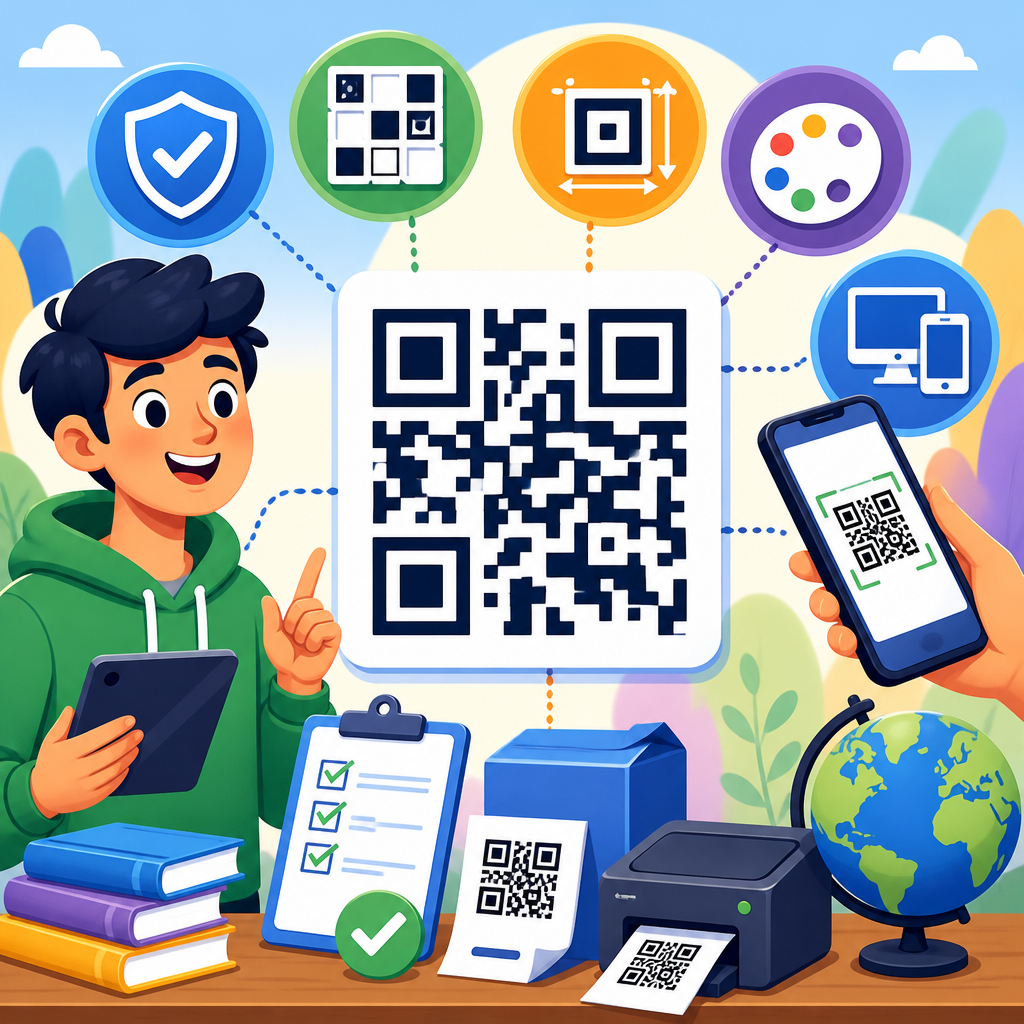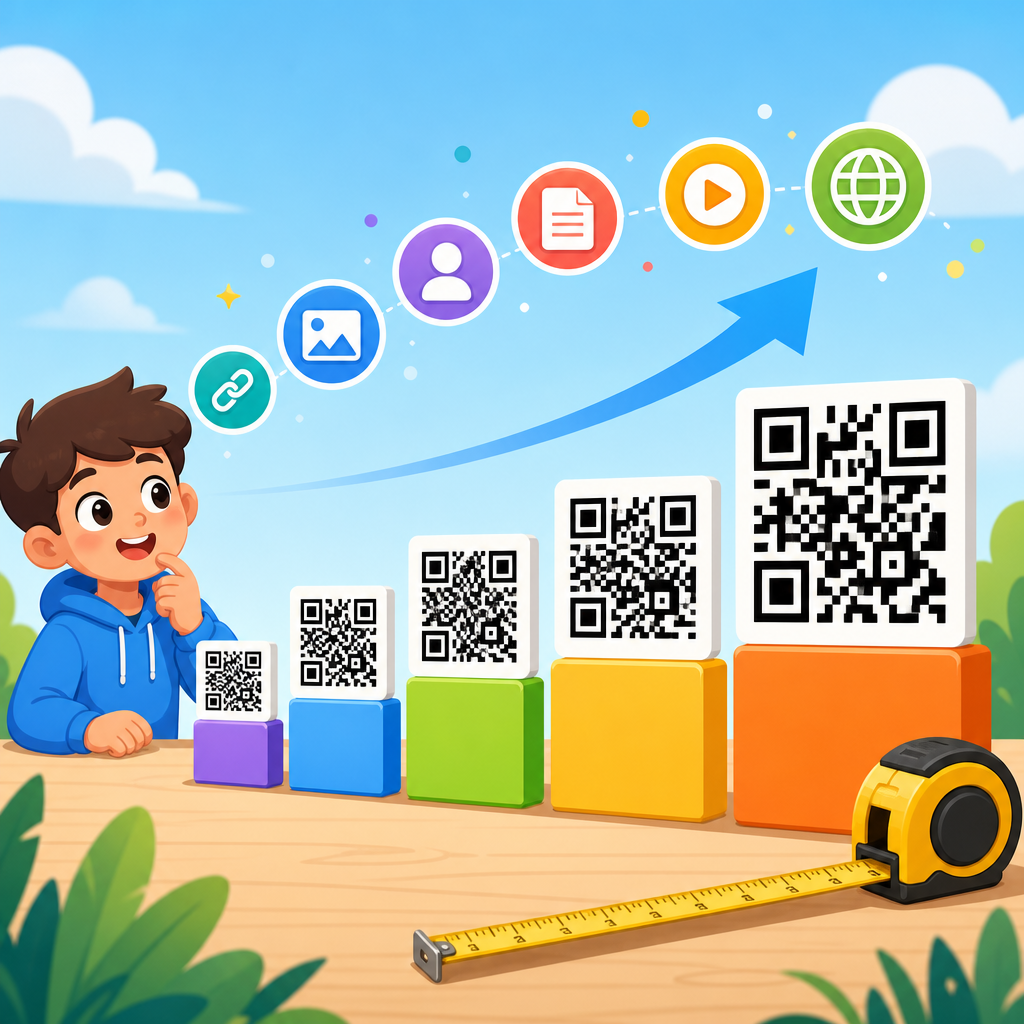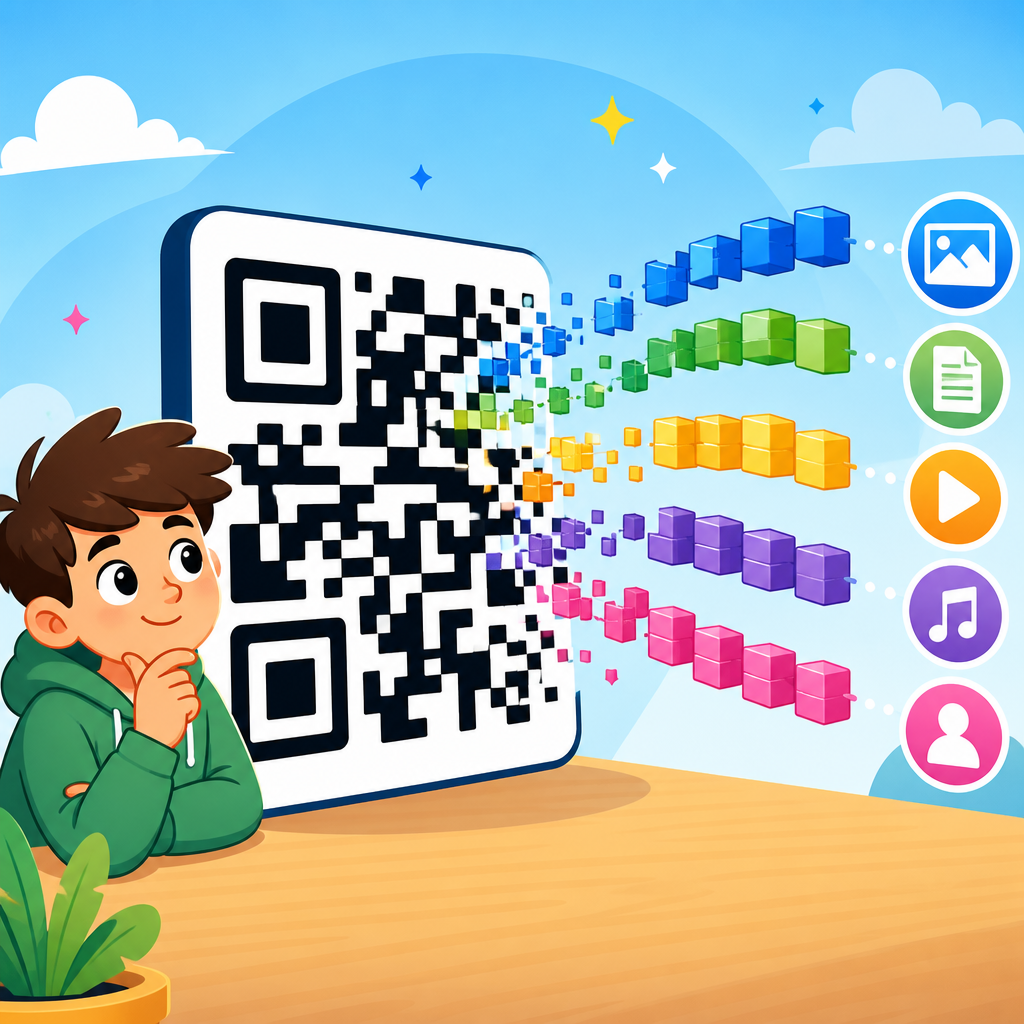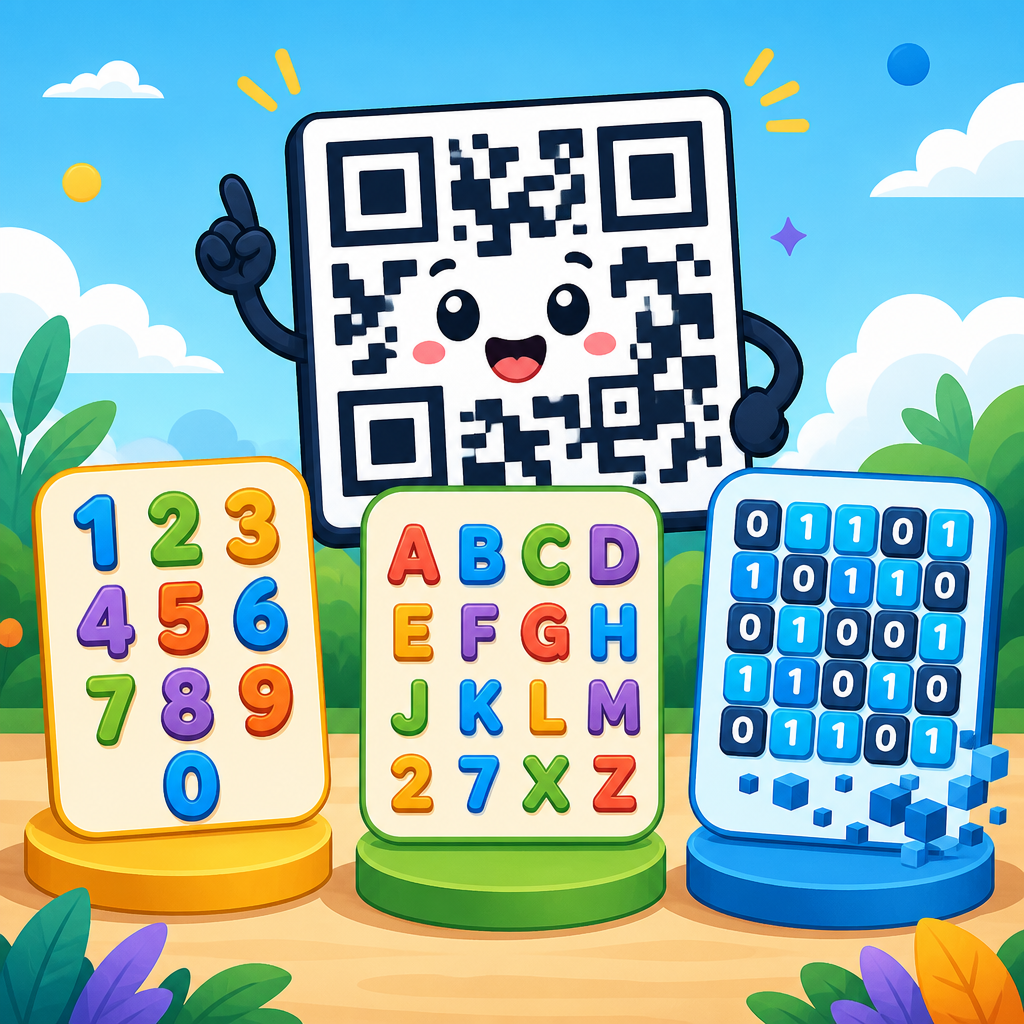
Choosing the best QR Code APIs for developers starts with understanding how these services fit into modern products, from payment flows and ticketing systems to device onboarding, inventory labels, and omnichannel marketing. A QR code API is a web-based interface that lets an application create, customize, track, validate, or decode QR codes programmatically. An SDK provides language-specific tools that simplify those same tasks inside mobile apps, backend services, or web applications. In practice, teams rarely need only generation. They usually need format control, error correction, analytics, security, download options, and dependable uptime.
I have implemented QR code services for event platforms, packaging workflows, and customer support tools, and the pattern is consistent: the right API reduces engineering time, while the wrong one creates brittle dependencies around image rendering, redirects, and scan reporting. This matters because QR codes sit at the last mile between software and the physical world. If the image is malformed, too dense, or blocked by poor contrast, the user cannot complete the journey. If the redirect layer is unreliable, campaigns lose attribution and operations lose traceability.
Developers evaluating QR Code APIs and SDKs should think beyond a demo endpoint. Core questions include: Does the service support static and dynamic QR codes? Which symbologies and output formats are available? Can it return PNG, SVG, EPS, or PDF? Does it expose scan analytics, expiration rules, password protection, geofencing, bulk generation, and webhooks? What are the rate limits, authentication methods, and data residency options? Is there a robust SDK for JavaScript, Python, PHP, Java, Swift, or Kotlin, or will the team work directly with REST calls?
This hub article covers the major categories of QR Code APIs for developers, explains which features matter in production, and compares common options in plain terms. It is designed as a foundation page for deeper work on QR code generation APIs, QR code reader SDKs, dynamic QR code platforms, analytics, and implementation patterns across web and mobile stacks.
What Developers Should Expect from a QR Code API
A production-grade QR code API should deliver predictable rendering, clear documentation, flexible payload support, and operational controls. At minimum, developers need the ability to encode URLs, plain text, contact data, Wi-Fi credentials, vCards, email actions, SMS payloads, and app deep links. Better platforms also support dynamic redirection, which means the printed or distributed code remains unchanged while the destination can be updated later. That single capability is often the dividing line between simple utilities and business-grade QR infrastructure.
Reliability is non-negotiable. QR codes appear on packaging, receipts, storefronts, event badges, and manuals, so a broken generation endpoint can halt fulfillment or force manual workarounds. Look for providers with strong documentation, versioned APIs, HTTPS everywhere, stable authentication, and explicit SLAs on paid plans. In my own deployments, SVG output has been especially valuable because it scales cleanly for print without the jagged edges common in low-resolution raster images. For labels and posters, vector export is a practical requirement, not a luxury.
Developers should also care about scan behavior after generation. Some APIs simply return an image. Others act as campaign platforms with redirect logic, analytics dashboards, UTM handling, A/B routing, and user segmentation. If the use case includes marketing measurement, support operations, or serialized product tracking, those management features save weeks of custom development.
Key Features That Separate Basic Tools from Platform-Ready Services
The best QR Code APIs for developers usually stand out in six areas: customization, dynamic behavior, analytics, security, scalability, and decoding support. Customization includes quiet zone control, foreground and background colors, embedded logos, frame text, dot styles, and size settings. These options are useful, but they must be constrained by scan safety. Excessive styling can reduce readability, especially on low-end Android cameras or in dim retail environments. Error correction levels matter here. Higher redundancy can preserve readability when a logo covers part of the symbol, but it also increases data density.
Dynamic behavior is crucial when destinations may change. A restaurant menu, a firmware download page, or a support article can move over time. Dynamic codes solve that without reprinting. Analytics become important once a code is distributed at scale. Teams may need timestamped scans, device type, operating system, approximate location, or campaign source data. Security features such as signed URLs, password-protected landing pages, expiration windows, and domain allowlists help reduce abuse.
Decoding support is another line item developers often overlook. If your application must scan QR codes inside a warehouse app, a field service tool, or a self-check-in kiosk, generation alone is insufficient. You need a reader SDK or a decoding API that handles camera input, low light, glare, motion blur, and damaged symbols. This is where computer vision maturity matters more than template cosmetics.
| Feature | Why It Matters | Best Fit Example |
|---|---|---|
| Dynamic redirects | Lets teams change destinations without reprinting codes | Restaurant menus, campaigns, support articles |
| SVG or EPS export | Maintains print quality at any size | Packaging, posters, product labels |
| Scan analytics | Measures performance and attribution | Retail promotions, events, direct mail |
| Reader SDK | Enables in-app scanning under real-world conditions | Warehousing, check-in, field service |
| Bulk generation | Creates large code batches efficiently | Serialized inventory, tickets, onboarding kits |
| Access controls | Reduces misuse and protects internal workflows | Private documentation, enterprise assets |
Types of QR Code APIs and SDKs
There are four broad categories in the QR Code APIs and SDKs market. First are simple generation APIs, such as QuickChart or goQR, which are useful for straightforward image generation with minimal setup. They are fast for prototypes, internal tools, and cases where analytics or management are unnecessary. Second are full dynamic QR code platforms, such as QR Code Generator API, Uniqode, Scanova, and Beaconstac. These products add dashboards, editable destinations, scan tracking, team permissions, and campaign management.
Third are barcode and scanning SDK vendors, including Scandit, Dynamsoft, Zebra, and Honeywell ecosystems, which focus on decoding performance across QR codes and other symbologies like Data Matrix, Code 128, and PDF417. These are the right fit when the application must read codes reliably with a device camera or dedicated scanner. Fourth are general barcode libraries such as ZXing, ZBar, and commercial toolkits like Aspose.BarCode or TEC-IT. These are often embedded directly into applications when teams prefer self-hosted generation or decoding rather than external API dependencies.
Understanding these categories prevents a common procurement mistake: selecting a marketing-oriented dynamic QR platform when the real need is an offline-capable mobile scanning SDK, or choosing a free image generator when the business needs editable redirects and audit trails.
Leading Options and Where They Fit Best
For lightweight generation, QuickChart is attractive because it exposes simple URL-based parameters and supports QR rendering alongside charts. It works well in serverless workflows, internal dashboards, and transactional document generation. goQR provides a similarly simple endpoint for basic QR images. These tools are easy to integrate but usually offer limited governance, analytics, or enterprise controls.
For dynamic QR management, Uniqode and Beaconstac are strong contenders. Both support editable QR codes, branded landing pages, bulk creation, and analytics. They are often used by marketing teams, packaging teams, and distributed operations that need nontechnical users to manage campaigns after developers complete the integration. Scanova and QR Code Generator also serve this segment, with strengths around campaign workflows and dashboard usability. The tradeoff is platform dependence: once thousands of printed codes resolve through a vendor’s redirect layer, migration requires planning.
For mobile and enterprise scanning, Scandit is widely respected for fast decoding, augmented reality overlays, and support across iOS, Android, web, and wearable workflows. Dynamsoft is another serious option with barcode SDKs optimized for difficult scanning conditions. If the application runs in logistics, healthcare, manufacturing, or retail, these vendors generally outperform generic open-source readers under glare, distance variation, and damaged labels.
Open-source libraries remain important. ZXing has been the default starting point for many Java and Android projects and has ports in several ecosystems. It is cost-effective and flexible, but teams should expect more tuning, more device-specific testing, and fewer turnkey analytics features than with commercial platforms.
How to Evaluate APIs for Real Production Work
Start with the payload and lifecycle. If a QR code only needs to store a short URL and never changes, a static generator may be enough. If the destination changes, if scans must be measured, or if codes are printed in bulk across many channels, choose a dynamic platform. Then test output quality. Generate the same code in PNG and SVG, print it at small and large sizes, scan it with older Android phones and recent iPhones, and evaluate performance under low light and reflective surfaces.
Authentication and rate limits deserve close review. REST APIs typically use API keys or bearer tokens. Confirm per-minute and per-day quotas, burst behavior, and retry guidance. For enterprise cases, ask about webhook signing, audit logs, SSO, role-based access control, and data processing terms. If scan analytics are part of the value proposition, verify what is actually captured and how bot traffic, privacy rules, and link prefetching affect counts.
Pricing structure also changes the decision. Some vendors charge by API call, others by active dynamic codes, scan volume, seats, or SDK license tier. In one packaging project I worked on, a low monthly base fee looked economical until scan overages made costs unpredictable. Modeling expected print volume and scan distribution up front prevents that surprise.
Implementation Patterns, Pitfalls, and Best Practices
The best implementation pattern is usually to keep the QR payload short and move complexity behind a controlled URL. Short payloads produce less dense symbols and improve scan reliability. Use HTTPS links on domains you control, and avoid chaining multiple redirects because each extra hop increases latency and the chance of failure. If branding matters, use logos sparingly, maintain generous contrast, and preserve a proper quiet zone around the code.
For batch use cases, build idempotent generation jobs and store metadata such as destination URL, campaign, creation timestamp, error correction level, format, and asset version. That record becomes essential when customer support needs to troubleshoot a failed scan months later. For scanning apps, test on the weakest target hardware, not just flagship devices. Real users scan through cracked screens, warehouse dust, fluorescent glare, and moving hands.
Accessibility matters too. A QR code should not be the only way to access important information. Pair it with a short human-readable URL or alternate path. For regulated industries, review whether the encoded content or analytics data introduces privacy or retention obligations.
Choosing the Best QR Code API for Your Stack
The best QR Code API for developers depends on the job. If you need quick, low-cost generation, a lightweight API or library may be perfect. If you need editable destinations, analytics, and team workflows, choose a dynamic QR platform. If you need in-app scanning with high accuracy, invest in a commercial reader SDK. For organizations that value full control, self-hosted libraries can reduce vendor lock-in, but they shift maintenance, observability, and testing onto your team.
As a hub within QR Code Technology and Development, this page should guide your next step: compare generation APIs, review reader SDK benchmarks, study dynamic QR code governance, and document implementation standards before rollout. The strongest teams treat QR codes as infrastructure, not decoration. They choose tools based on durability, measurement, and real scanning conditions. Define the use case, test across devices, and select the platform that fits your operational reality.
Frequently Asked Questions
What should developers look for when choosing a QR code API?
Developers should evaluate a QR code API based on much more than basic code generation. The best APIs support the full lifecycle of QR usage: creating static and dynamic QR codes, customizing colors and branding, setting error correction levels, generating high-resolution output formats, validating content before encoding, and decoding scanned codes when needed. If your product depends on analytics or campaign measurement, dynamic QR functionality is especially important because it allows you to update destinations without reprinting the code and often includes scan tracking, device data, and location insights.
Reliability and integration quality matter just as much as features. A strong API should offer predictable performance, clear authentication methods, solid documentation, SDKs for common languages, versioned endpoints, and well-defined rate limits. Security is another major factor, especially for payments, tickets, and identity workflows. Look for HTTPS-only transport, access controls, signed requests where appropriate, and compliance support if you handle regulated data. Finally, consider pricing, scalability, and support. A low-cost API may be fine for occasional use, but high-volume applications such as logistics labels, event check-ins, and retail packaging need an API that can handle bursts in traffic without slowing down or failing.
What is the difference between a QR code API and a QR code SDK?
A QR code API is a remote service your application communicates with over the web, usually through REST or similar HTTP-based requests. Your app sends content and configuration options to the provider, and the provider returns a generated QR code image, metadata, analytics, or decoded content. This model is useful when you want centralized management, cloud-based tracking, dynamic URL control, or the ability to update QR behavior after deployment. APIs are often easier to roll out across multiple platforms because the logic lives on the provider side rather than inside each application.
A QR code SDK, by contrast, is a developer toolkit installed directly into your mobile app, backend service, or web project. SDKs can make implementation faster by wrapping complex operations in native language methods and often help with scanning, camera access, offline decoding, or platform-specific optimizations. In practice, many teams use both together. For example, a mobile app may use an SDK to scan and decode locally, while a backend uses an API to create branded dynamic QR codes and collect analytics. The right choice depends on your architecture, but if you need cloud management and centralized updates, an API usually plays the bigger role.
Are dynamic QR codes better than static QR codes for most developer use cases?
In many modern applications, yes. A static QR code directly contains the final destination or payload, which makes it simple, cheap, and dependable for fixed content such as a Wi-Fi credential, a permanent URL, or a product identifier that will never change. However, once a static code is printed or published, its content generally cannot be changed. If a link breaks, a campaign ends, or a destination needs to be updated, you typically have to generate and distribute a new code.
Dynamic QR codes are usually more flexible because they point to a managed short link or redirect layer controlled by the QR platform. That means developers can change the destination later without replacing the visual code itself. This is a major advantage for marketing campaigns, digital menus, payment redirects, event tickets, device provisioning, and support workflows. Dynamic codes also commonly include analytics, A/B routing, expiration rules, geo-based redirects, and scan monitoring. The tradeoff is that they depend on the provider’s infrastructure, so uptime, latency, and security become more important. For most business and product teams that value adaptability and measurement, dynamic QR codes are the stronger long-term option.
How important are analytics and tracking features in a QR code API?
Analytics can be extremely important, depending on the use case. If QR codes are used in marketing, packaging, field operations, customer onboarding, or omnichannel retail, scan data can reveal whether the codes are actually performing as intended. Good QR code APIs often provide metrics such as total scans, unique scans, timestamps, device types, operating systems, approximate locations, and referrer patterns. This data helps teams measure campaign ROI, identify low-performing placements, and understand how users move between offline and digital experiences.
Analytics are also useful beyond marketing. In logistics or inventory systems, tracking can confirm that labels are being scanned in the right sequence. In ticketing or access control, event-based data can support fraud detection and capacity monitoring. In product support, QR scan patterns may show where users encounter setup friction. That said, analytics should be balanced with privacy and compliance. Developers should understand what user data is captured, how long it is retained, and whether the provider offers anonymization, consent support, or regional data controls. The best QR code API is not just the one that collects the most data, but the one that gives actionable insights in a secure and responsible way.
Can QR code APIs be used for payments, ticketing, onboarding, and inventory at scale?
Yes, and these are some of the most common production use cases. In payment flows, QR code APIs are used to encode payment links, wallet requests, account details, or transaction tokens that customers can scan at checkout. In ticketing, they help generate unique codes tied to reservations, validation systems, and time-based rules. For device onboarding, a QR code can encode setup credentials, activation URLs, pairing data, or provisioning instructions that reduce friction for users and support teams. In inventory and asset management, APIs make it easy to generate large batches of labels tied to SKUs, serial numbers, warehouse locations, or maintenance records.
To support these workflows at scale, the API must be built for automation and operational reliability. Batch generation, webhook support, idempotent requests, low-latency rendering, audit logs, expiration controls, and robust error handling all become important in real-world deployments. You also need to think about scan conditions: codes may be printed small, displayed on low-brightness screens, or scanned in poor lighting. That makes customization options such as margin control, resolution, contrast, and error correction highly practical rather than cosmetic. At enterprise scale, the best QR code API is one that fits cleanly into your system architecture, supports your security requirements, and remains dependable under heavy usage.