QR codes for influencer marketing turn offline attention into measurable digital action, giving brands a practical way to connect creator content, audience trust, and conversion data in one scan. A QR code is a two-dimensional barcode that opens a destination such as a landing page, coupon, product page, app download, video, or lead form when scanned with a smartphone camera. In influencer campaigns, that simple action solves a persistent attribution problem: followers may see a product in a Reel, podcast clip, event appearance, packaging insert, or out-of-home creative, but brands still need a reliable path from exposure to purchase. I have used QR codes across creator seeding, retail activations, and social video campaigns, and the strongest programs all share the same principle: make the next step instant, relevant, and trackable.
This matters because influencer marketing now spans far more than sponsored Instagram posts. Brands work with creators across TikTok, YouTube, Twitch, podcasts, newsletters, live shopping, events, and community platforms. Each channel creates different friction points. A viewer may watch on a TV, hear a podcast while commuting, or see a creator endorsement on product packaging in a store aisle. Typed URLs and promo codes still have value, but they depend on memory and manual entry. QR codes reduce friction by linking attention to action at the exact moment of intent. They also support campaign measurement through UTM parameters, first-party analytics, pixel events, coupon redemptions, CRM tagging, and location-based reporting.
As a hub topic within marketing and advertising, QR codes for influencer marketing sit at the intersection of brand strategy, performance measurement, creative production, and customer experience. Used well, they help brands answer essential questions: Which creator drove qualified traffic? Which content format converted best? Did an event appearance lift store visits or email sign-ups? Can a packaging collaboration move users into a loyalty program? The answer is yes, but only when the QR experience is designed around audience behavior, not novelty. The best campaigns match the scan destination to the creator’s message, the platform context, and the stage of the funnel, then test and refine based on actual data.
For marketers building a sub-pillar around marketing and advertising use cases, this topic also connects naturally to adjacent implementations such as QR codes for product packaging, retail displays, direct mail, event marketing, restaurant promotions, print ads, and omnichannel attribution. Influencer marketing is especially valuable because creators supply the trust layer. A QR code alone is just a mechanism; creator endorsement explains why someone should scan now. That combination of credibility and convenience is why QR codes have become a serious performance tool rather than a gimmick.
How QR Codes Fit the Influencer Marketing Funnel
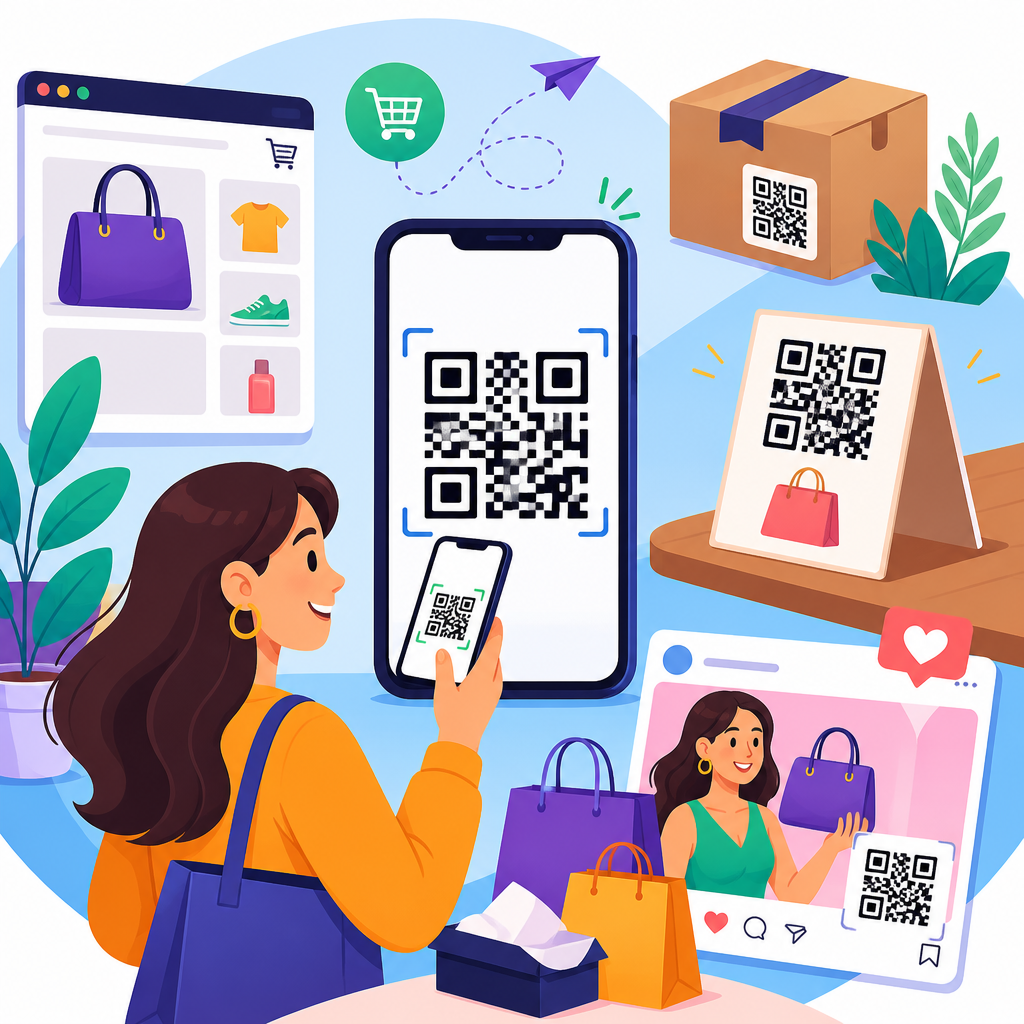
QR codes support every funnel stage, from awareness to retention, because they can route audiences to different experiences based on campaign goals. At the top of the funnel, a creator can place a code in a video overlay, event backdrop, livestream panel, or printed card to drive viewers to a brand story page, launch teaser, or waitlist. In the consideration stage, the destination may be a product comparison guide, tutorial, creator-curated landing page, or user-generated review gallery. For conversion, the scan should lead directly to a shoppable page with pre-applied discounts, limited-time bundles, or localized inventory. After purchase, the same tactic can move buyers into onboarding content, loyalty enrollment, referral programs, or community spaces.
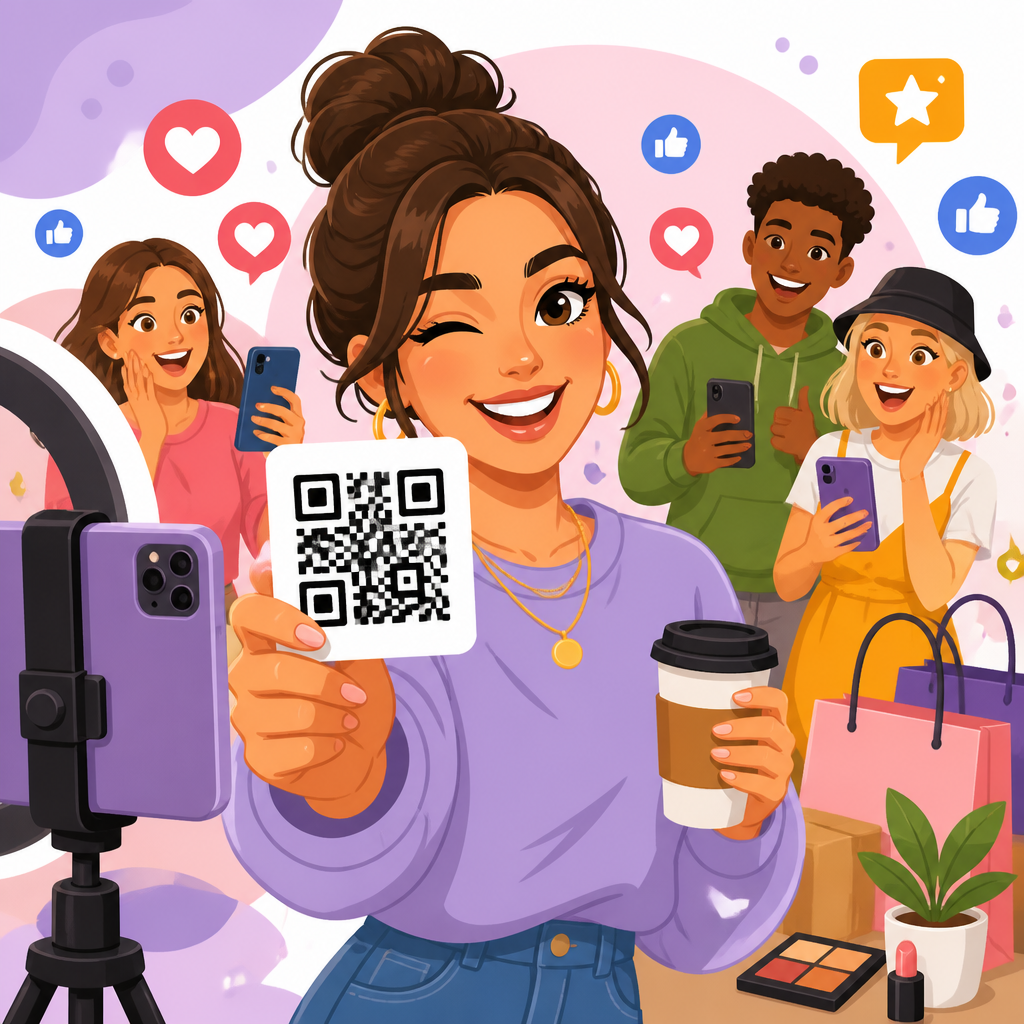
In practice, different influencer formats create different scanning behaviors. On YouTube, QR codes work well in sponsored integrations because viewers often watch on connected TVs and can scan without leaving the video. At live events, creators can direct audiences to a code on signage or merchandise to capture leads immediately. In podcasts, QR codes are effective when promoted through companion social posts, episode cover art, or event screens rather than the audio itself. For retail collaborations, codes on creator-branded displays bridge store traffic and digital attribution, especially when connected to mobile couponing or store locator pages. The key is to place the code where scanning is physically easy and contextually logical.
Audience intent determines landing page design. A beauty creator discussing skincare ingredients should not send followers to a generic homepage. A better destination is a mobile-first product page with the featured routine, ingredient education, before-and-after proof, and one clear purchase path. A fitness creator promoting supplements may need a compliance-reviewed page with claims language, subscription options, and FAQ content. A home décor creator highlighting a seasonal collection may perform better with a lookbook that links each room setup to product detail pages. Relevance between endorsement and destination lifts conversion because the user sees continuity rather than interruption.
Campaign Types, Channels, and Practical Use Cases
Brands can deploy QR codes in influencer marketing across four broad categories: content amplification, commerce activation, event engagement, and post-purchase retention. Content amplification includes creator videos, livestreams, interviews, and collaborative social posts where the code routes traffic to richer information. Commerce activation focuses on product pages, coupon offers, creator bundles, and app installs. Event engagement covers meet-and-greets, trade show booths, pop-ups, conferences, and campus activations where audiences scan signage or wearable badges. Post-purchase retention includes inserts in shipped products, creator thank-you cards, and packaging collaborations that lead to tutorials, community groups, warranty registration, or replenishment reminders.
A common real-world example is a creator-led product launch. A cosmetics brand might partner with five mid-tier beauty influencers, each receiving a unique dynamic QR code tied to a custom landing page. One creator emphasizes shade range, another highlights wear test results, and a third demonstrates a routine for mature skin. Even if all creators feature the same product, scan data reveals which audience angle produced higher add-to-cart rates and lower bounce rates. That insight improves both paid amplification and future creator selection. I have seen brands discover that educational creators with smaller audiences often outperform larger entertainment-first accounts when the landing page requires a more considered purchase.
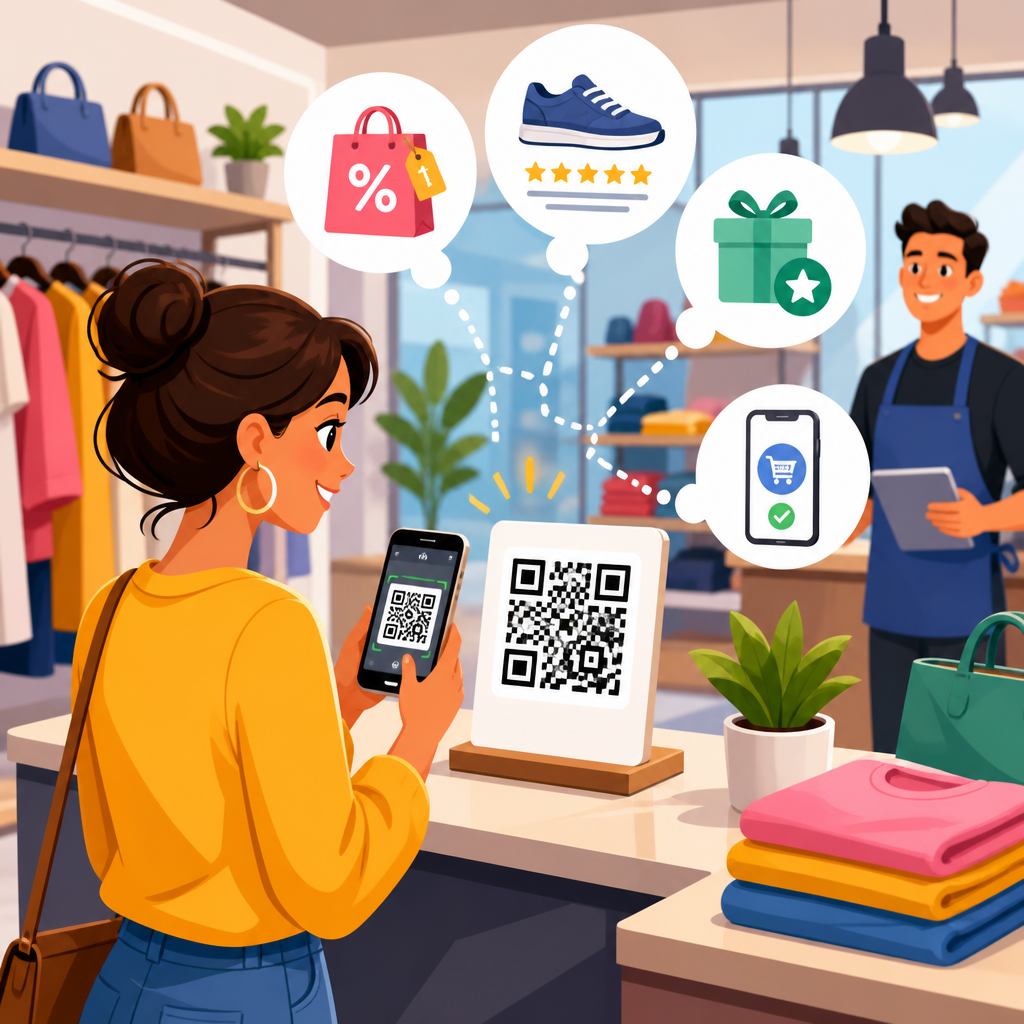
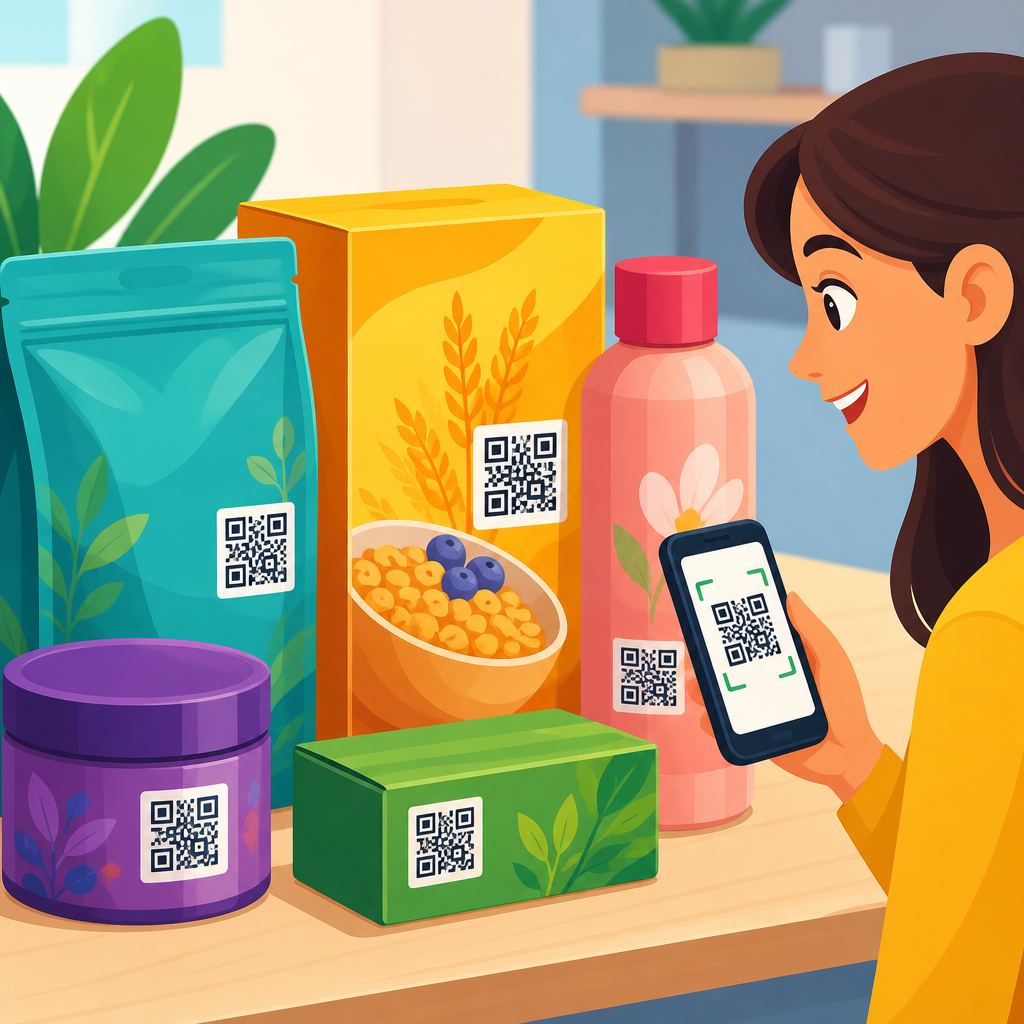
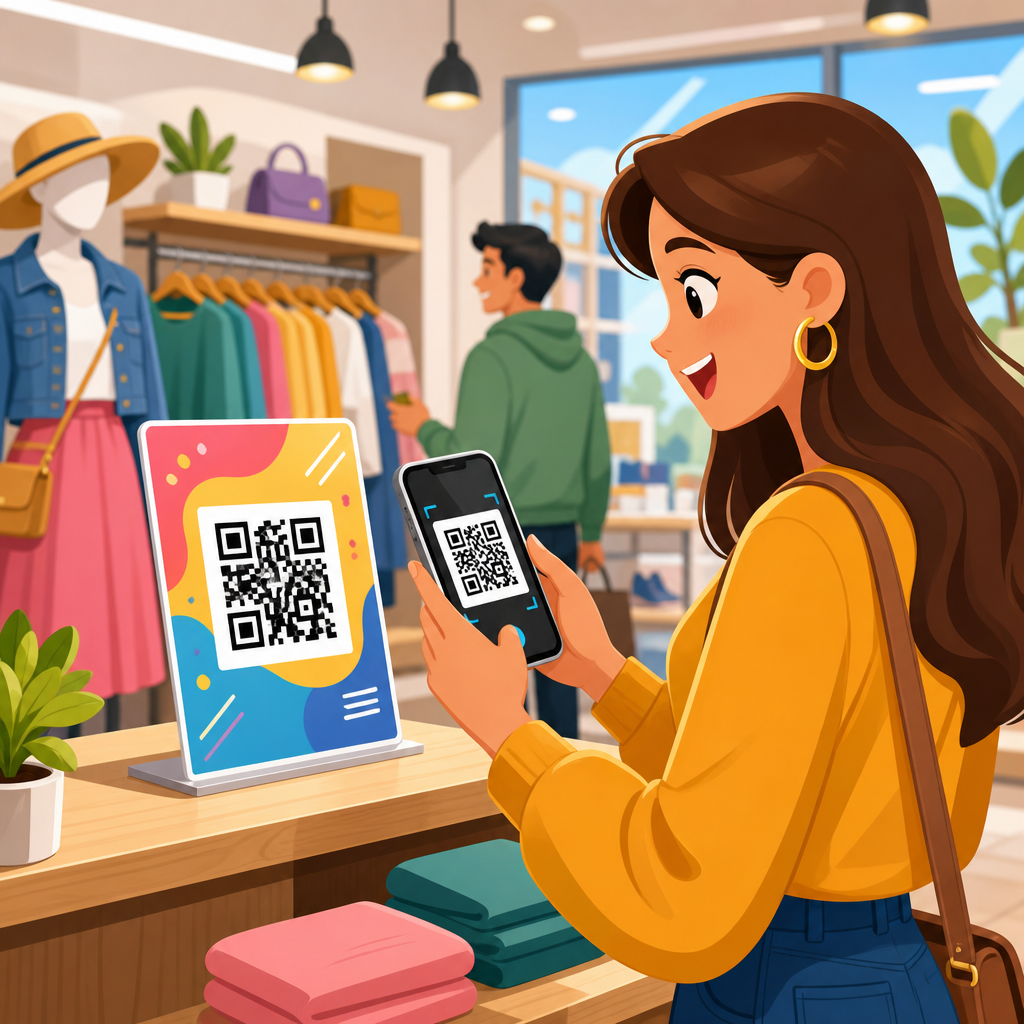
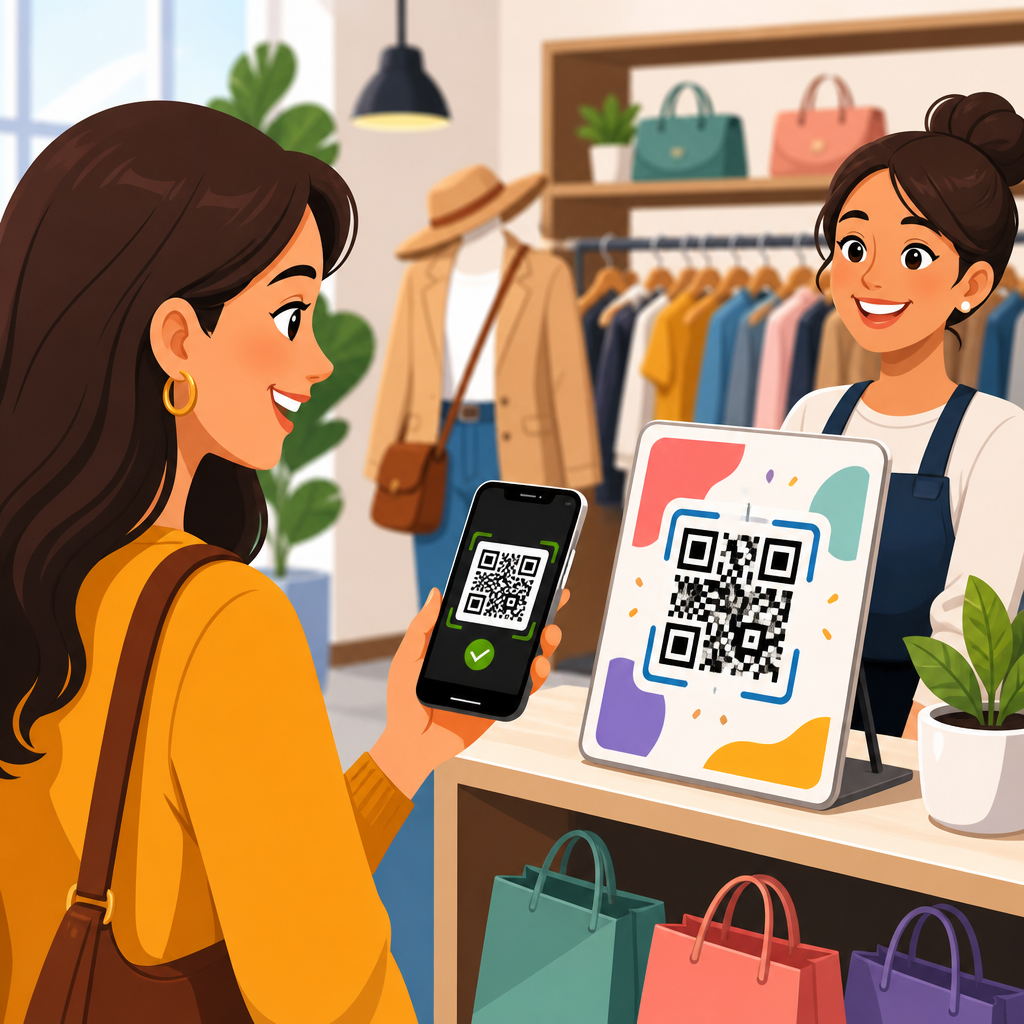
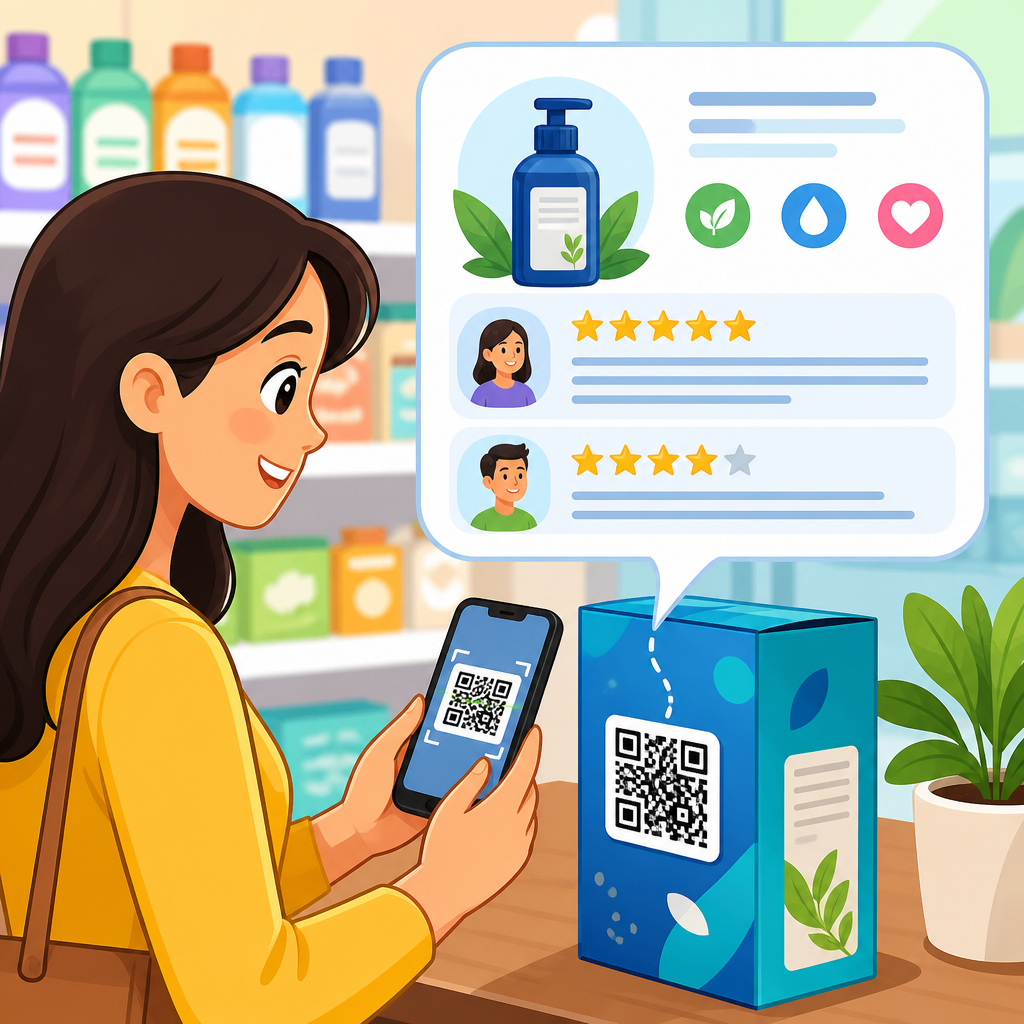
Another strong use case is creator participation in physical retail. A food brand can place shelf talkers with a creator’s image and QR code next to a featured product in supermarkets. The scan can open recipes, sourcing information, or a digital coupon redeemable through a retailer app. For apparel, fitting room signage can link to creator styling videos and localized stock availability. For consumer electronics, in-store displays can route to setup demos hosted by trusted tech creators. These executions matter because they connect influencer trust to in-person purchase moments, where consumers often want reassurance before spending.
| Use case | Best QR destination | Primary KPI | Common tools |
|---|---|---|---|
| YouTube sponsorship | Creator-specific landing page | Qualified sessions | GA4, UTM builder, Bitly |
| Retail display collaboration | Coupon or store locator | Redemptions | Retail media platform, POS data |
| Live event appearance | Lead form or SMS opt-in | Leads captured | HubSpot, Klaviyo, Zapier |
| Product packaging insert | Tutorial or loyalty page | Registrations | CRM, CDP, QR platform |
| Podcast companion post | Offer page with creator code | Conversions | Shopify, GA4, Meta pixel |
Measurement, Attribution, and Data Quality
The primary advantage of QR codes for influencer marketing is measurable attribution, but accuracy depends on campaign architecture. Every creator should receive a unique dynamic QR code, not a reused static asset. Dynamic codes allow destination changes without reprinting and make reporting cleaner by separating scans at the source. Each URL should include structured UTM parameters for source, medium, campaign, content, and creator identifier. In GA4, define conversions that reflect real business value, such as sign-up completion, purchase, add to cart, sample request, or store locator use. If ecommerce is involved, connect platform data from Shopify, WooCommerce, or Adobe Commerce to validate revenue, not just traffic.
Good measurement also requires understanding what a scan actually means. A scan is intent, not success. High scan volume with low engagement usually signals a mismatch between creator promise and landing page experience, poor page speed, weak mobile design, or an offer that was not compelling enough. Compare scans to sessions, sessions to engaged sessions, and engaged sessions to conversion events. Where possible, layer in first-party identifiers such as email capture, loyalty logins, or SMS opt-ins so performance can be tracked beyond a single visit. CRM integration helps answer a better question than “Which creator drove the most scans?” namely “Which creator drove the most profitable customers over time?”
Attribution is never perfect, especially in multi-touch journeys. Some users will watch a creator, scan later from a poster, then convert after a branded search. Others will share screenshots of a QR code in private messages. This is why QR reporting should be triangulated with platform analytics, post-purchase surveys, promo code use, and media mix analysis. Standards from analytics tools and privacy regulations also matter. Consent banners, pixel governance, and regional laws such as GDPR and CCPA influence what can be measured and how long data may be retained. Trust is strengthened when brands use QR codes transparently and avoid collecting unnecessary data.
Creative, Technical, and Compliance Best Practices
Effective QR code creative starts with scannability. Use sufficient contrast, adequate quiet zone spacing, and a tested size appropriate for the viewing distance. A code in a creator video may need a longer on-screen duration than a code on packaging, while a code on a trade show banner must remain scannable under uneven lighting and from several feet away. I recommend testing on both iPhone and Android camera apps before launch, along with common social platform exports, because compression can degrade legibility. Short destination URLs, reliable redirects, and fast mobile pages are equally important. The code only opens the door; the destination must complete the experience.
Branding should support recognition without undermining function. Many QR generators allow color changes and logo insertion, but aggressive customization can reduce scan rates. Keep the error correction level and logo size within tested limits. More important than decoration is the call to action around the code. “Scan for 10% off,” “Scan to watch the creator’s full tutorial,” and “Scan to claim your event sample” each set a clear expectation. Ambiguous prompts depress engagement. The landing page should continue the same message with consistent visuals, creator references, and one dominant next step. If users need to pinch, zoom, or hunt for the offer, performance drops immediately.
Compliance deserves special attention in influencer marketing. Sponsored relationships must be disclosed according to platform rules and advertising standards, including FTC guidance in the United States and ASA guidance in the United Kingdom. If a code leads to a lead form, spell out what users are signing up for. If minors may be in the audience, age-appropriate handling is essential, especially for alcohol, supplements, gambling, or regulated financial products. Accessibility matters too. Pair codes with readable text links where feasible, and never assume every user can scan. Strong campaigns plan for edge cases rather than treating them as exceptions.
Building a Sustainable Hub Strategy for Marketing and Advertising
As a hub page within QR code use cases by industry, this topic should guide readers toward specialized implementations while establishing the core principles that apply across marketing and advertising. The central idea is simple: QR codes perform best when they reduce friction, preserve message continuity, and improve measurement. From this hub, brands can branch into related subjects such as QR codes for retail promotions, direct mail response, trade show lead capture, restaurant table tents, product packaging education, outdoor advertising, and omnichannel customer journeys. Influencer marketing connects to all of them because creators increasingly appear in those environments, not only on social platforms.
The long-term advantage is operational, not just tactical. Once a team standardizes QR code governance, naming conventions, UTM taxonomy, landing page templates, and reporting dashboards, each new creator campaign becomes faster to launch and easier to evaluate. Marketing teams can compare performance across creators, formats, regions, and offers with confidence. Sales teams gain better visibility into retail or event impact. Ecommerce teams learn which creator narratives improve conversion. Customer retention teams can extend creator partnerships into onboarding and loyalty touchpoints. In other words, QR codes create a shared measurement layer that helps marketing and advertising work as one system rather than isolated channels.
QR codes for influencer marketing are most effective when they serve a clear customer need and a measurable business objective at the same time. Use them to make action effortless, tailor destinations to creator context, and track outcomes beyond vanity metrics. Start with one campaign architecture, test creator-specific landing pages, and measure the full path from scan to revenue or retention. Then expand into retail, events, packaging, and post-purchase programs as your reporting matures. Brands that treat QR codes as strategic infrastructure, not decorative add-ons, will get more value from every creator partnership. Audit your current influencer workflow, identify one high-friction step, and replace it with a well-designed QR experience.
Frequently Asked Questions
1. How do QR codes improve attribution in influencer marketing campaigns?
QR codes improve attribution by giving brands a direct, trackable bridge between influencer-driven attention and a measurable digital action. One of the biggest challenges in influencer marketing is that audiences often discover a product in one place and convert somewhere else. A follower may see a product in a creator’s Instagram Reel, hear it mentioned in a podcast, notice it again at a live event, and only later visit the brand’s site. That fragmented journey makes it difficult to know which touchpoint actually influenced the purchase. A dedicated QR code helps solve that problem because each scan can be tied to a specific creator, campaign, platform, placement, product, or offer.
When a brand assigns unique QR codes to individual influencers, it becomes much easier to identify performance differences across partnerships. Instead of relying only on likes, comments, reach, or generic traffic reports, marketers can measure scans, landing page visits, coupon redemptions, sign-ups, app installs, and purchases that stem from a specific code. This creates clearer visibility into what each creator is actually driving beyond awareness. Dynamic QR codes are especially useful because they allow marketers to update the destination URL without reprinting or redistributing the code, while still preserving scan data for reporting and optimization.
In practice, this means brands can compare creators more accurately, refine calls to action, and understand which audience segments are most likely to act. QR data also works well alongside UTM parameters, analytics dashboards, and conversion tracking tools, helping marketers connect top-of-funnel creator content with bottom-of-funnel outcomes. The result is a more accountable influencer campaign where offline attention, creator trust, and measurable conversion behavior are connected in one scan.
2. What are the best ways to use QR codes in influencer marketing content?
The best uses of QR codes in influencer marketing are the ones that feel natural to the audience and clearly communicate the value of scanning. A QR code should not be treated as a decorative add-on. It should support a specific campaign goal, such as driving traffic to a product page, unlocking a limited-time discount, collecting leads, downloading an app, watching extended video content, joining a giveaway, or visiting a creator-branded landing page. The more aligned the destination is with the influencer’s message and audience expectations, the more effective the code tends to be.
Influencers can use QR codes across a wide range of formats, including printed event signage, product packaging, in-store displays, trade show booths, podcast promos, livestream backgrounds, YouTube videos, digital lookbooks, direct mail inserts, and even merchandise. For example, a beauty creator can place a QR code on an event table card that leads to a curated skincare routine bundle. A fitness influencer can include a code in a gym poster that opens a trial membership or supplement offer. A podcast host can mention a visible or linked QR code tied to a sponsor-specific offer page. Each placement turns audience interest into immediate action without requiring users to manually search for the brand later.
To get the best results, brands should give viewers a reason to scan right away. Strong calls to action like “Scan for 15% off,” “Scan to shop the full routine,” or “Scan to get the exclusive drop” usually outperform generic directions. The landing page should also match the context of the influencer’s content so the user experience feels seamless. If a creator is promoting a single product, the QR code should not send users to a broad homepage where they have to search again. Simplicity, relevance, and speed are what make QR codes effective in creator campaigns.
3. Should brands use static or dynamic QR codes for influencer campaigns?
For most influencer marketing campaigns, dynamic QR codes are the better choice because they offer much more flexibility, better analytics, and easier campaign management. A static QR code sends users to one fixed destination that cannot be changed once the code has been published. That may be acceptable for simple, permanent use cases, but it creates limitations if a campaign evolves, a landing page changes, a promotion expires, or a brand wants to reroute traffic to a new offer. In fast-moving creator campaigns, those changes happen often, which is why dynamic codes are usually the more practical option.
Dynamic QR codes allow brands to edit the destination URL without changing the visible code itself. That means the same code can continue to appear on printed materials, video overlays, event assets, and creator posts while marketers update the backend destination as needed. This is especially valuable when working with multiple influencers, regional audiences, product launches, or time-sensitive promotions. If one landing page underperforms, the brand can quickly redirect scans to a more effective destination without disrupting the campaign.
Another major advantage of dynamic QR codes is tracking. They typically provide scan data such as total scans, time of scan, location, device type, and sometimes operating system, depending on the platform being used. When paired with campaign naming conventions, UTMs, and conversion analytics, that data can help brands understand which creators, placements, and offers are delivering results. Static codes still have a place for permanent destinations with no need for analytics or updates, but for serious influencer marketing measurement and optimization, dynamic QR codes are usually the stronger long-term solution.
4. What should a QR code landing page include to maximize conversions from influencer traffic?
A high-converting QR code landing page should be fast, mobile-friendly, highly relevant to the influencer’s content, and designed to reduce friction at every step. Since most scans happen on smartphones, the page needs to load quickly and present the most important information immediately. Visitors should not have to pinch, zoom, hunt through menus, or guess what to do next. The message on the landing page should match the promise made by the influencer and the call to action attached to the QR code. If the creator invited users to scan for a discount, exclusive collection, tutorial, or free trial, that exact value should appear prominently at the top of the page.
Strong landing pages often include a clear headline, product imagery, creator-aligned messaging, concise benefit-driven copy, social proof, and one obvious next step. Depending on campaign goals, that next step may be “Shop now,” “Claim your offer,” “Download the app,” “Sign up,” or “Watch the full demo.” If the campaign is creator-specific, adding the influencer’s name, curated picks, testimonial, or visual branding can increase trust and continuity. This reinforces the feeling that the audience has landed in a destination made specifically for them rather than a generic sales page.
It is also important to minimize distractions. Too many links, pop-ups, or unrelated products can lower conversion rates. If the campaign includes a promo code, it should be automatically applied when possible. If lead capture is the goal, the form should ask only for the information that is truly necessary. Brands should also track performance through analytics tools so they can test variations in headline, offer, page layout, and CTA placement. Ultimately, the best QR landing pages respect the user’s momentum: they make it easy to act immediately while interest is still high.
5. How can brands measure whether QR codes are actually working in influencer marketing?
Brands can measure QR code performance by looking beyond raw scan volume and evaluating the full funnel from scan to conversion. A high number of scans is a useful sign of audience interest, but it does not automatically mean the campaign is successful. To understand whether QR codes are really working, marketers need to track what happens after the scan. That includes metrics such as landing page visits, bounce rate, time on page, add-to-cart actions, coupon use, form submissions, app downloads, purchases, and revenue generated. These metrics show whether the code is not only attracting attention, but also moving people toward meaningful business outcomes.
The most reliable approach is to create unique QR codes for each influencer, campaign, channel, and sometimes even each placement. For example, a brand might use one code for a creator’s in-person event banner, another for their YouTube sponsorship, and another for product packaging inserts. This level of granularity helps marketers identify where engagement is strongest and which audience touchpoints drive the highest-quality traffic. By combining QR code analytics with UTMs, ecommerce tracking, CRM data, and platform reporting, brands can build a more complete picture of performance.
It is also important to evaluate qualitative factors and context. If scan volume is low, the issue may be visibility, placement, weak CTA language, poor design contrast, or a destination that does not match audience intent. If scans are high but conversions are low, the landing page or offer may need improvement. Brands should also compare performance across creators, creative formats, and incentives to see what drives the best results. Over time, QR code data can reveal which influencers generate not just awareness, but real action and revenue. That insight helps marketers allocate budget more confidently and build smarter influencer partnerships in future campaigns.