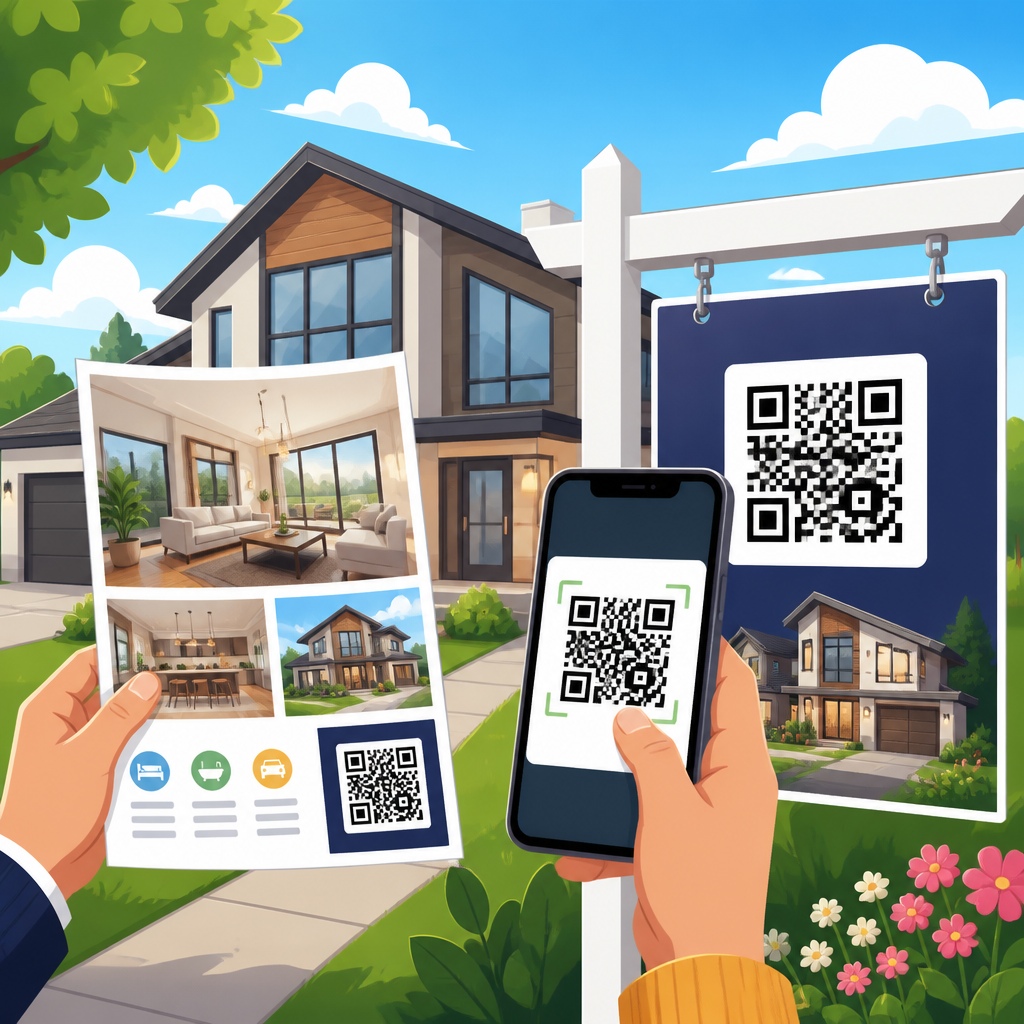
QR codes for property brochures and signage have become a practical bridge between physical real estate marketing and the digital information buyers expect instantly. In real estate, a QR code is a scannable two-dimensional barcode that sends a prospect to a landing page, virtual tour, property gallery, application form, map, or agent contact method without typing a long web address. I have implemented these codes on listing flyers, window cards, open house boards, development hoardings, and direct mail campaigns, and the results are consistent: when the destination page is relevant and mobile friendly, scan rates rise and lead quality improves. This matters because property decisions are research heavy, time sensitive, and often made while people are standing outside a home, driving through a neighborhood, or comparing listings at an open house. A brochure alone cannot answer every question, but a well-placed QR code can connect printed material to pricing updates, floor plans, school information, video walkthroughs, and booking tools in seconds.
For a real estate business, the value is not novelty. The value is measurable intent. Someone who scans a code on a for-sale sign is expressing stronger interest than someone who casually sees an ad online. That action creates an opportunity to capture first-party data, attribute offline marketing performance, and shorten the path from interest to inquiry. Used correctly, QR codes also reduce friction for renters who want to start an application, investors who want an information memorandum, and sellers who want a valuation request from a farming postcard. Used poorly, they send traffic to generic homepages, broken links, or PDFs that are unreadable on phones. This hub article explains how to use QR codes across real estate brochures and signage, what destinations convert best, how to track performance, what compliance and design issues matter, and where this tactic fits within a broader property marketing system.
How QR codes fit into real estate marketing
Real estate marketing works across moments, not just channels. A buyer might first notice a yard sign, later pick up a brochure from a box, then scan a QR code while waiting in the car, and finally submit an inquiry that evening after reviewing the floor plan. The QR code connects those moments. In agency practice, I treat it as a response mechanism similar to a call tracking number, but with richer content options and better analytics. Instead of asking prospects to remember an address or search later, the code moves them directly into a curated digital experience tied to a specific property, building, neighborhood, or campaign.
The strongest use cases are property brochures, signboards, open house materials, leasing posters, window displays, and direct mail. On a brochure, the code can open an optimized listing page with price, specifications, downloadable disclosures, and a booking calendar. On signage, it can provide after-hours access to details when the office is closed. For multi-unit developments, separate codes can route buyers to availability by unit type, such as one-bedroom, two-bedroom, or penthouse inventory. For commercial real estate, a code can send tenants to a brochure microsite with floor plates, NNN terms, and demographic data. These examples work because the destination matches the user’s immediate question.
There is also a strategic reason this format remains effective. Print and outdoor media are persistent in local property marketing. Boards, brochures, and window cards still influence walk-by and drive-by traffic in ways digital ads cannot replace. QR codes upgrade those assets rather than competing with them. They let agencies retain the local visibility of physical marketing while adding speed, interactivity, and attribution that paper alone lacks.
Best destinations for brochure and signage QR codes
The most common mistake is sending every scan to the homepage. A homepage forces users to search again, which wastes intent. Every QR code should point to a dedicated mobile landing page aligned with the asset on which it appears. For a single-property brochure, that means the property detail page. For a development sign, it may mean a project microsite with current availability and a lead form. For a rental poster, it should go directly to viewing times or an application flow. Directness improves conversion because it reduces decision fatigue and keeps the user in context.
In residential sales, the best-performing destinations usually include hero images, key facts, floor plans, price guidance, map location, school catchment notes where relevant, and a clear next action such as book a viewing, call the agent, or request documents. Video tours often increase engagement, especially for relocation buyers who cannot inspect immediately. In luxury listings, private gallery pages and appointment requests outperform generic inquiry forms because discretion matters. In rentals, speed matters more than storytelling, so one-tap contact, prequalification, and application links are critical.
For property brochures, downloadable assets still matter, but they should support the page rather than replace it. A PDF brochure can be offered as a secondary option after the page explains the basics in a mobile-readable format. On signage, location-aware destinations can be powerful. If someone scans outside the property, showing nearby transit, retail, parks, and commute times can help convert curiosity into a serious inquiry. Tools such as Google Maps, Matterport, Calendly, and CRM-connected landing pages from platforms like HubSpot or Salesforce integrate cleanly into these journeys when configured correctly.
Design rules that increase scan rates and trust
Good QR code performance starts with print design, contrast, size, placement, and a clear call to action. In field campaigns, I use a minimum printed size that reflects viewing distance rather than a one-size-fits-all rule. A code on a brochure held in the hand can be smaller than a code on a window display viewed from the sidewalk. High contrast remains nonnegotiable: dark code on a light background scans most reliably. Excessive styling, low contrast brand colors, or logos that cover too much of the pattern reduce readability.
Placement should match natural reading behavior. On brochures, the code belongs near the property summary or next to a direct prompt such as “See price, tour, and floor plan.” On signs, it should sit where pedestrians can approach safely and where glare from laminate or acrylic will not interfere with phone cameras. If a board is intended for drive-by traffic, the code is often less useful than a short memorable URL, because scanning from a moving car is unrealistic and unsafe. That is an important tradeoff many marketers ignore.
Trust signals matter just as much as scannability. People hesitate to scan unknown codes because they cannot preview the destination. Adding plain text that states the benefit and the destination type increases confidence. Examples include “Scan to view 3D tour,” “Scan for current asking price,” or “Scan to book a private viewing.” Branded landing pages with secure HTTPS connections, fast load times, and consistent agency identity further reduce abandonment. If the page takes too long or looks inconsistent with the sign, users often leave before converting.
What to include on the destination page
The destination page should answer the first five buyer or renter questions immediately: What is the property, where is it, how much is it, what does it look like, and what should I do next. Above the fold, include the address or area, status, price or price guidance when legally appropriate, headline photos, and a prominent action button. Below that, add floor plans, room counts, lot size, energy information where required, tenure or lease terms, fees, and inspection times. If disclosures apply, make them easy to access without burying the lead form under dense legal text.
For neighborhood pages linked from development signage, include transport links, schools, amenities, and commute context. Buyers often scan because they are physically present and want reassurance about the surrounding area as much as the building itself. For commercial assets, practical specifications matter: available square footage, ceiling heights, loading access, parking ratios, zoning, and fit-out details. In multifamily leasing, include virtual tours, pet policies, application criteria, and current specials. The page should feel complete enough to answer immediate questions but focused enough to drive one next action.
Speed is part of content quality. Compress images, use responsive layouts, and avoid heavy scripts that slow mobile performance. Core Web Vitals are not only a search issue; they directly affect conversion from scans. A prospect standing outside a property will not wait through a bloated page load. Fast pages preserve intent, especially in low-signal areas or older devices.
Tracking, attribution, and lead management
One reason QR codes deserve a central place in real estate marketing is that they make offline media measurable. Static print once made attribution difficult. With dynamic QR codes and campaign tagging, agencies can track scans by property, placement, date, and campaign source. A brochure in a display stand, a sign rider at the curb, and a postcard mailed to a farm area can each use distinct codes leading to tailored landing pages. That setup reveals which assets produce scans, inquiries, booked tours, and closed deals.
In practice, the stack usually includes a dynamic QR platform, UTM parameters for analytics, and CRM integration for lead capture. Google Analytics 4 can track page sessions and conversion events, while a CRM records inquiry source and follow-up status. Call tracking software can be added when the landing page includes click-to-call. The objective is not vanity metrics. Raw scan counts matter less than qualified actions such as viewing bookings, application starts, brochure downloads, and seller valuation requests.
| Placement | Best landing page | Primary metric | Common mistake |
|---|---|---|---|
| Property brochure | Single listing page with photos, floor plan, and inquiry form | Viewing requests | Linking to a generic PDF only |
| For-sale sign | Mobile listing page with map and click-to-call | Qualified inquiries | Using a code too small to scan outdoors |
| Open house sign-in sheet | Registration or feedback form | Lead capture rate | Asking for too many fields |
| Rental poster | Availability and application page | Application starts | Showing outdated inventory |
| Development hoarding | Project microsite with unit types and appointment booking | Appointments booked | Sending traffic to the agency homepage |
Lead management should reflect urgency. A sign scan often represents high-intent local interest, so response time needs to be fast. Automated confirmations, instant SMS follow-up, and routing rules inside the CRM help prevent leakage. I have seen agencies improve contact rates simply by sending an immediate text with the property link, agent name, and available viewing times after a form submission. The code created the lead, but the workflow converted it.
Use cases across residential, rental, and commercial real estate
Residential sales are the most visible use case, but the tactic extends further. In suburban neighborhoods, a yard sign QR code can surface updated price guidance, drone footage, disclosures, and nearby comparable sales. At open houses, brochure QR codes can capture attendees who decline paper forms yet will register on their phones. For new developments, display suite signage can let visitors compare unit stacks, finish palettes, and deposit structures without waiting for a sales representative.
In rentals, QR codes solve a speed problem. Prospects want to know availability now, not tomorrow. A code on a building banner can open live inventory, self-tour scheduling, or screening criteria. Property managers also use them on printed move-in packs, amenity posters, and maintenance notices, though brochure and signage applications remain the core acquisition channel. Because leasing cycles are shorter than sales cycles, freshness of inventory data is critical. Dynamic destinations are essential here.
Commercial real estate benefits from depth of information. Office, retail, and industrial prospects often need floor plans, site plans, zoning context, permitted uses, and traffic counts before they engage. A QR code on a site board can deliver all of that, plus broker contact details and a confidentiality request flow. Investors scanning an offering memorandum postcard may want rent roll summaries, cap rate guidance, and tenant mix details. The principle is the same across sectors: connect a physical marketing asset to the exact digital information required to advance the decision.
Compliance, privacy, and operational pitfalls
Real estate marketing carries legal and operational responsibilities. Pricing displays, fair housing requirements, disclosure rules, brokerage identification, accessibility expectations, and privacy obligations vary by market, but they all affect QR-driven campaigns. If the code leads to a page with outdated pricing, missing disclaimers, or inaccessible documents, the convenience of the technology becomes a liability. Every destination should be reviewed under the same compliance standard as any listing page or advertisement.
Privacy also deserves attention. If the destination includes forms, be transparent about how contact information will be used. Consent language for SMS or email follow-up must be clear. Avoid collecting more data than necessary at the first touch. In most cases, name, email, phone, and inquiry intent are enough. Long forms suppress conversion, especially on mobile. If deeper qualification is needed, gather it later after initial interest is confirmed.
Operationally, the biggest pitfall is neglect. Codes stay in the field after brochures are reprinted, prices change, or listings close. Dynamic QR codes reduce risk because the destination can be updated without replacing the printed asset. They also allow expired listings to redirect to similar active properties or a neighborhood page instead of a dead end. A quarterly audit of all live codes, landing pages, and redirects is a simple discipline that protects performance and reputation.
Building a real estate QR code strategy that scales
A scalable strategy starts with standards. Define naming conventions for campaigns, template landing pages by asset type, CRM source rules, and design specifications for print. Decide when to use one property-specific code versus one code for a building or office. Train agents to explain the value plainly, not just say “scan here.” Then test. Compare brochure placements, CTA wording, landing page layouts, and response workflows. Small adjustments often produce measurable gains.
As the hub page for real estate within broader industry use cases, this topic connects to deeper articles on open houses, rental applications, development marketing, agent recruiting, direct mail, and commercial leasing. The central principle remains constant: QR codes work when they remove friction, answer immediate questions, and route prospects to a mobile experience designed for one clear action. Start with your highest-intent assets, especially property brochures and signage, track outcomes rigorously, and refine the journey based on real behavior. When executed with accurate data, thoughtful design, and strong follow-up, QR codes turn static real estate materials into accountable lead generation tools. Audit your current brochures and signs, choose one high-value listing or project, and launch a measured QR campaign this month.
Frequently Asked Questions
What are QR codes used for on property brochures and signage?
QR codes on property brochures and signage are used to connect offline marketing materials directly to online property information in a fast, convenient way. Instead of asking a buyer or tenant to type a long URL, search for a listing manually, or call for basic details, the code takes them straight to the next step with a quick scan from their phone. In real estate, that destination might be a full property landing page, a virtual tour, a photo gallery, a floor plan, a map, a booking form for viewings, mortgage information, an application page, or an agent contact screen.
They are especially useful because they turn static materials into interactive lead-generation tools. A printed flyer can suddenly provide access to videos, neighborhood guides, downloadable brochures, and up-to-date pricing. A signboard outside a property can help after-hours drive-by prospects engage immediately, even when the office is closed. Window cards can capture foot traffic in high streets or town centers by directing people to live listings. Development hoardings can showcase availability, specifications, and registration forms for new-build projects. In short, QR codes make property marketing more responsive, more measurable, and more aligned with how people now expect to browse homes on mobile devices.
What should a property brochure or real estate sign QR code link to?
The best destination depends on the stage of the buyer journey and the type of marketing material being used. For most individual listings, the strongest option is a dedicated mobile-friendly landing page for that property. That page should include key photos, headline features, price or rent, location information, floor plans, a short description, and a clear next action such as booking a viewing or contacting the agent. If the property has strong visual appeal, linking to a virtual tour or video walkthrough can increase engagement and help qualify serious interest.
On brochures, a QR code can also link to supplementary content that would be difficult to fit on the printed page, such as energy information, downloadable documents, financing guidance, or a full gallery. On signage, the code often performs best when it reduces friction as much as possible. That means linking directly to a page where someone can tap to call, send a message, request details, or save the listing. For development sites, the code may point to an availability schedule, a brochure download, or a registration form for launch updates. The key principle is relevance: the destination should match the promise implied by the placement, load quickly on mobile, and make it easy for the user to take the next action without hunting for information.
How do QR codes improve real estate lead generation and buyer engagement?
QR codes improve lead generation by reducing the number of steps between initial interest and meaningful action. In property marketing, every extra step creates drop-off. If a prospect has to remember an address, search online later, or enter a long website manually, many simply will not follow through. A QR code removes that friction and captures interest in the moment, whether the person is standing outside the property, browsing a printed brochure at home, or passing a sales board on foot or in a car park.
They also improve engagement because they support richer experiences than print alone can offer. Someone scanning from a brochure can instantly watch a video walkthrough, view additional images, compare floor plans, explore local amenities, and submit an inquiry form. That deeper interaction helps prospects self-qualify and often leads to better conversations when they do speak with an agent. From a marketing perspective, QR codes can also provide useful data when paired with trackable links. Agents and developers can measure how many scans a brochure receives, which signs generate the most interest, what times people are engaging, and which destinations convert best. That insight can inform future campaigns, improve listing presentation, and help allocate budget more effectively across print and outdoor marketing channels.
What are the best practices for using QR codes on property brochures, window cards, and signs?
The most important best practice is to make the QR code easy to scan and worth scanning. That starts with clear placement, adequate size, strong contrast, and enough empty space around the code so phone cameras can read it quickly. On property brochures, the code should sit near a compelling call to action such as “View full gallery,” “Take the virtual tour,” or “Book a viewing.” On signage, it should be placed at a height and angle that is practical for pedestrians and safe for people who stop nearby. If the sign is intended to be scanned from a distance, the code must be large enough to work in real-world conditions.
Equally important is the mobile experience after the scan. The destination page should load fast, display properly on smartphones, and present the most important information immediately. Avoid sending users to a generic homepage where they must search again for the property. Use dynamic QR codes where possible so the linked destination can be updated without reprinting materials. This is especially valuable if a listing changes status, price, or campaign content. It is also smart to include a short fallback URL near the code for people who prefer not to scan or whose devices have difficulty. Finally, test every code before printing and again in the actual environment where it will be used, including different lighting conditions, surfaces, and viewing distances.
Are QR codes on real estate marketing materials still effective, and do people actually scan them?
Yes, when they are implemented properly, QR codes remain highly effective in real estate marketing. Smartphone adoption and familiarity with scanning behavior have made them much more mainstream than in the past. Buyers and renters now expect quick digital access to property details, especially when they are viewing a brochure on the move or noticing a sign outside a home, apartment building, or development site. A well-positioned QR code meets that expectation by delivering immediate information without delay or effort.
Effectiveness, however, depends on execution. People are far more likely to scan when the benefit is obvious and immediate. A vague code with no explanation will underperform, while a code paired with a clear reason to act, such as “See inside,” “Check availability,” “Download floor plans,” or “Arrange a viewing,” tends to produce better results. It also helps if the landing page is tailored to the specific property or campaign rather than generic. In practice, QR codes are most successful when they are treated as part of a broader user journey: attractive print design draws attention, the QR code captures intent, and the digital page converts that interest into an inquiry, booking, or application. Used this way, they are not just effective—they are one of the simplest ways to make traditional property brochures and signage work harder in a digital-first market.