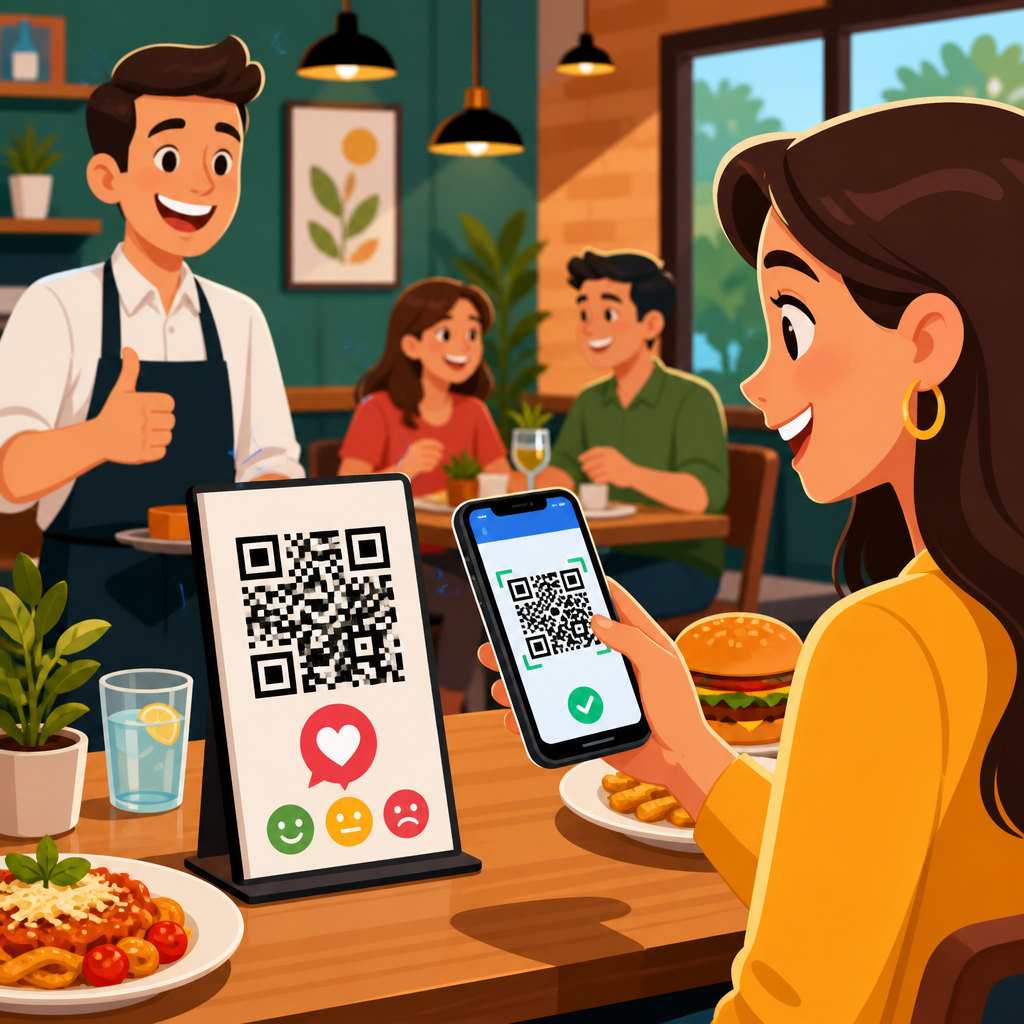
QR codes for restaurant reviews and feedback have become one of the simplest ways for hospitality brands to capture guest sentiment, increase public ratings, and fix service problems before they become reputation problems. In practical terms, a restaurant QR code is a scannable link placed on tables, receipts, packaging, menus, windows, loyalty cards, or hotel-room collateral that sends guests to a review form, a feedback survey, a ratings page, or a service recovery workflow. For restaurants, cafés, bars, food trucks, ghost kitchens, hotels, resorts, and multi-location hospitality groups, this matters because guest attention is brief, staff time is limited, and the moment of satisfaction often disappears within minutes of payment or departure.
I have implemented these systems for independent restaurants and regional chains, and the pattern is consistent: when feedback is easy, fast, and timed correctly, response volume rises sharply. A card with a short URL gets some traction, but a QR code placed where the guest already reaches for a phone removes friction. That matters because online reviews influence discovery, conversion, and trust. Google Business Profile ratings affect local pack visibility, TripAdvisor reviews shape travel choices, and first-party feedback helps operators spot recurring issues in speed of service, food temperature, cleanliness, order accuracy, and staff interactions. In hospitality, small operational details create outsized brand effects.
This hub article explains how to use QR codes for restaurant reviews and feedback across the full Restaurants & Hospitality landscape. It covers placement strategy, platform selection, guest experience design, staff training, analytics, compliance, and the differences between quick-service, full-service, delivery-first, and lodging environments. It also serves as a central guide to related use cases such as QR code menus, contactless ordering, loyalty enrollment, Wi-Fi access, event promotions, and post-stay hotel surveys. The core idea is straightforward: use QR codes to meet guests at the exact point where feedback is easiest to give, then route that feedback to the right destination for review growth and operational improvement.
At a strategic level, review QR codes support two goals at once. First, they generate more high-intent responses from real guests. Second, they create a measurable signal loop between guest sentiment and operating decisions. A well-designed program does not just ask, “Would you leave us a review?” It asks the right question at the right time, separates public review requests from private issue reporting, and tracks outcomes by location, shift, channel, and campaign. That is why QR codes for restaurant reviews and feedback are now a core hospitality tool rather than a novelty.
How QR codes fit into the restaurant and hospitality guest journey
The most effective review and feedback programs are mapped to the guest journey, not bolted on as an afterthought. In quick-service restaurants, the ideal scan moment is often after food delivery to the table, at tray return, or on the receipt immediately after purchase. In full-service dining, timing usually works best after entrées have landed correctly or at payment when the emotional peak of the meal is still fresh. For hotels, the journey is longer, so QR codes can appear at check-in, in-room directories, elevators, spa areas, breakfast spaces, and post-stay emails that mirror the same destination page.
Different moments support different intents. A tabletop QR code can route a happy diner to Google reviews, while a receipt QR code can send all guests to a short first-party survey with branching logic. I typically advise operators to separate “public review generation” from “private issue capture.” If every unhappy guest is pushed directly to a public review page, preventable service failures become permanent reputation damage. A better flow asks for a simple rating first. Guests selecting four or five stars can be invited to post publicly, while lower ratings trigger a private form and management alert. This is not about suppressing criticism; it is about resolving problems quickly and learning from them.
Hospitality businesses also need to think by format. A food truck may rely on packaging stickers because customers leave immediately. A bar may place codes on coasters and menu backs. A hotel restaurant can use check presenters and reservation follow-up emails. A resort may connect separate codes to dining, housekeeping, concierge, and spa experiences, each with a tagged URL for analytics. The guest journey determines not only where the QR code appears, but what question it asks and what action follows the scan.
Best placements for review and feedback QR codes
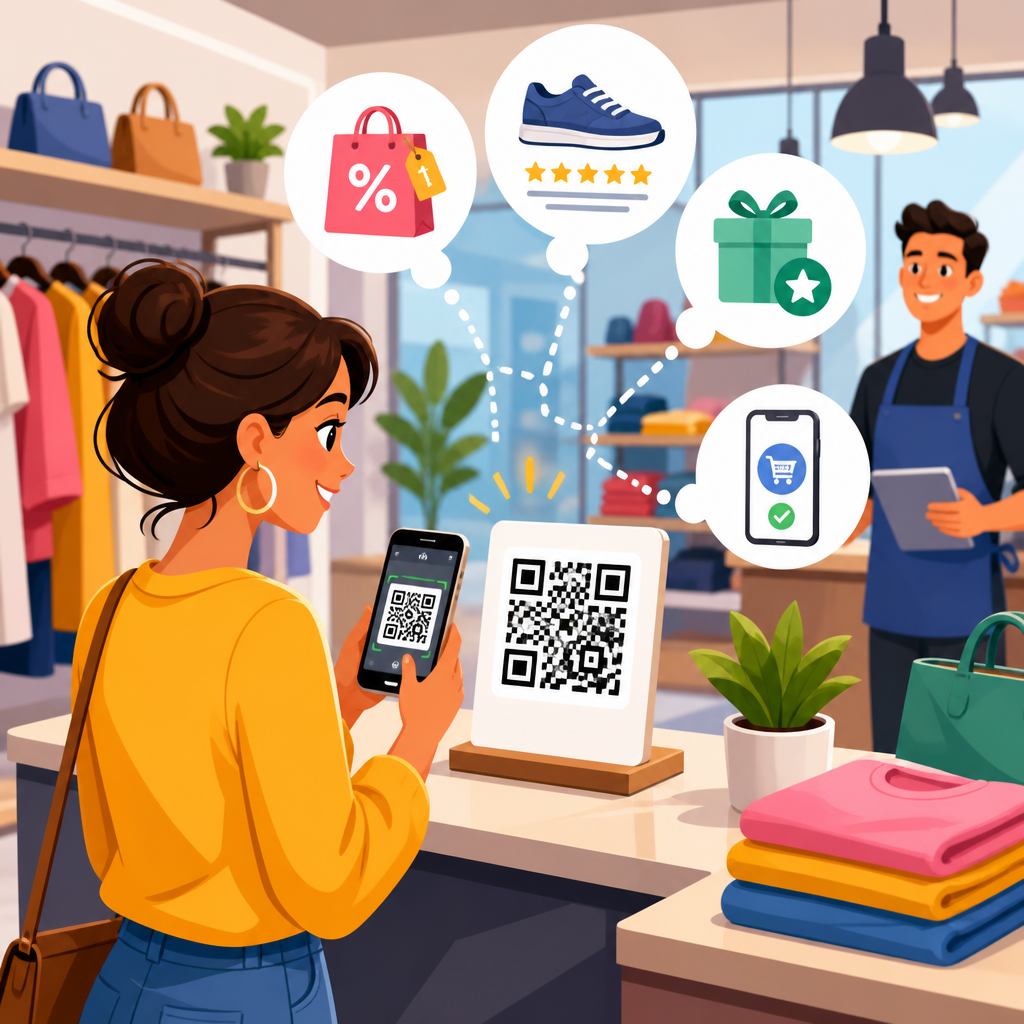
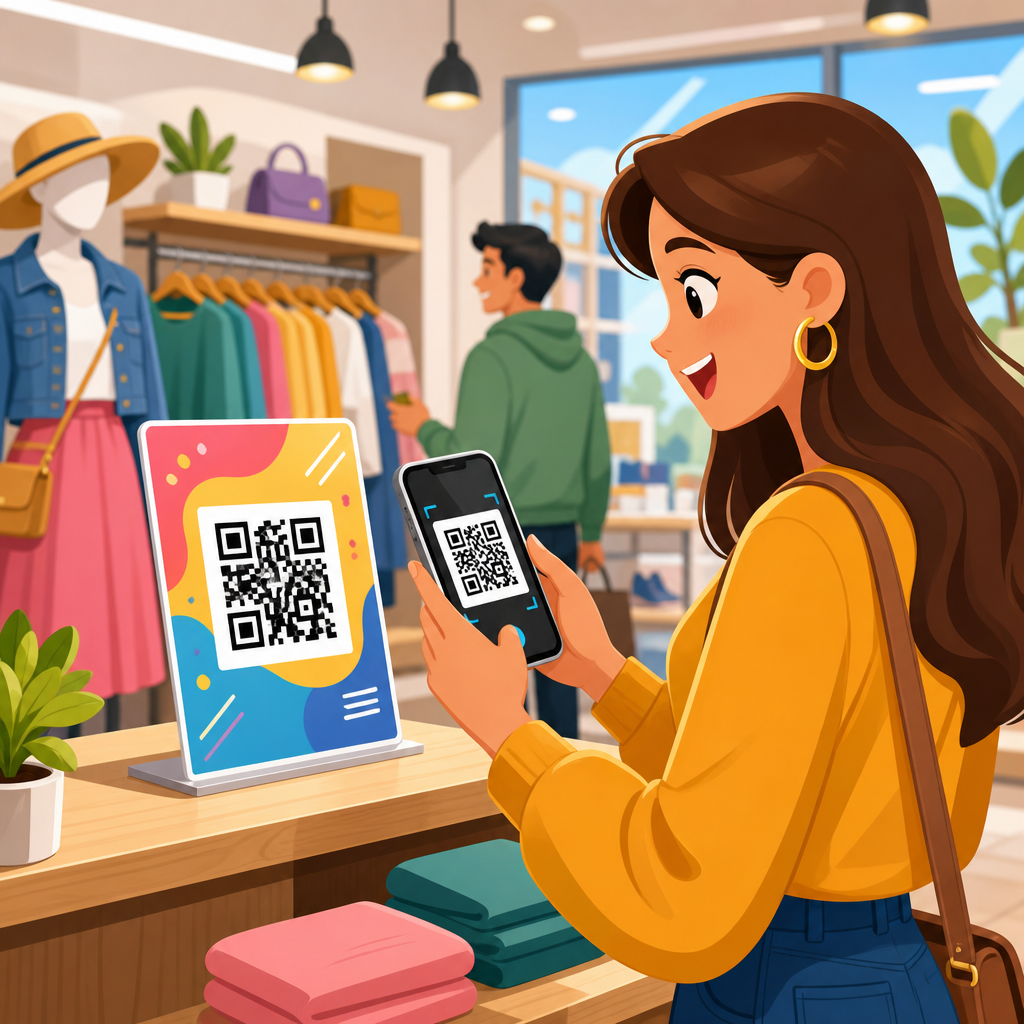
Placement determines scan rate more than design alone. The best locations are visible, contextually relevant, and tied to a natural pause in the experience. In restaurants, that usually means table tents, menu inserts, check presenters, printed receipts, takeaway bags, cup sleeves, napkin dispensers, window decals near exits, and loyalty program cards. In hotels and hospitality venues, effective placements include room key wallets, bedside cards, in-room compendiums, front desk signage, conference packets, shuttle cards, pool towels, and post-event invoices. The code should appear where the guest has one free hand, a phone nearby, and a clear reason to engage.
The accompanying message matters as much as the location. “Scan to review us” is serviceable, but direct benefit language performs better. Examples include “Loved your meal? Tell other guests in 20 seconds,” “Had an issue? Let our manager know now,” or “Rate your stay and help us improve room service.” Specific copy sets expectations and filters intent. I have seen scan rates improve simply by replacing generic prompts with action-oriented text and by adding a subtle incentive such as “No app needed” or “Takes less than a minute.” The code must also be large enough to scan easily in dim dining rooms and printed with strong contrast.
| Placement | Best for | Main advantage | Key caution |
|---|---|---|---|
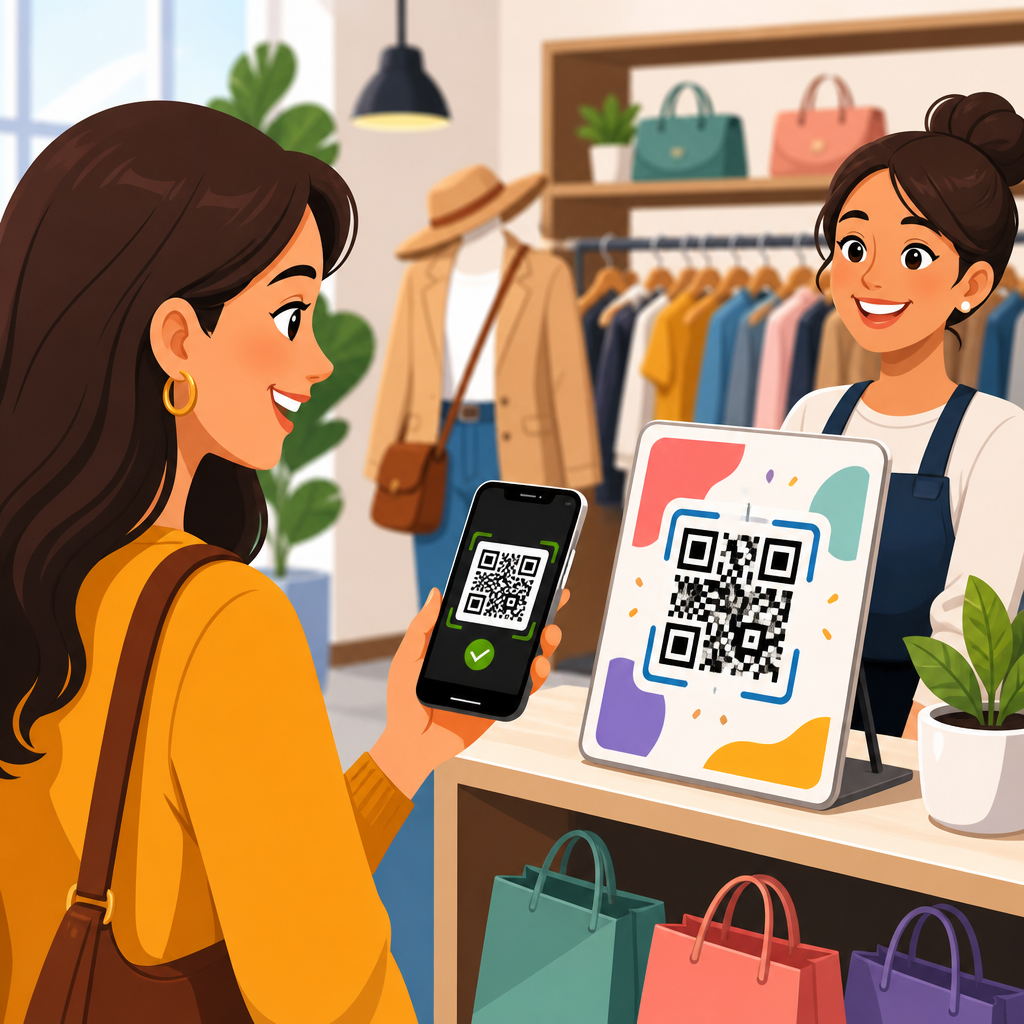
| Check presenter | Full-service restaurants | Captures feedback at payment | Do not interrupt server tip moment |
| Receipt | Quick-service and takeout | Low-cost, easy to scale | Receipts are often discarded quickly |
| Table tent | Casual dining and cafés | High visibility during dwell time | Avoid clutter with promos and menu items |
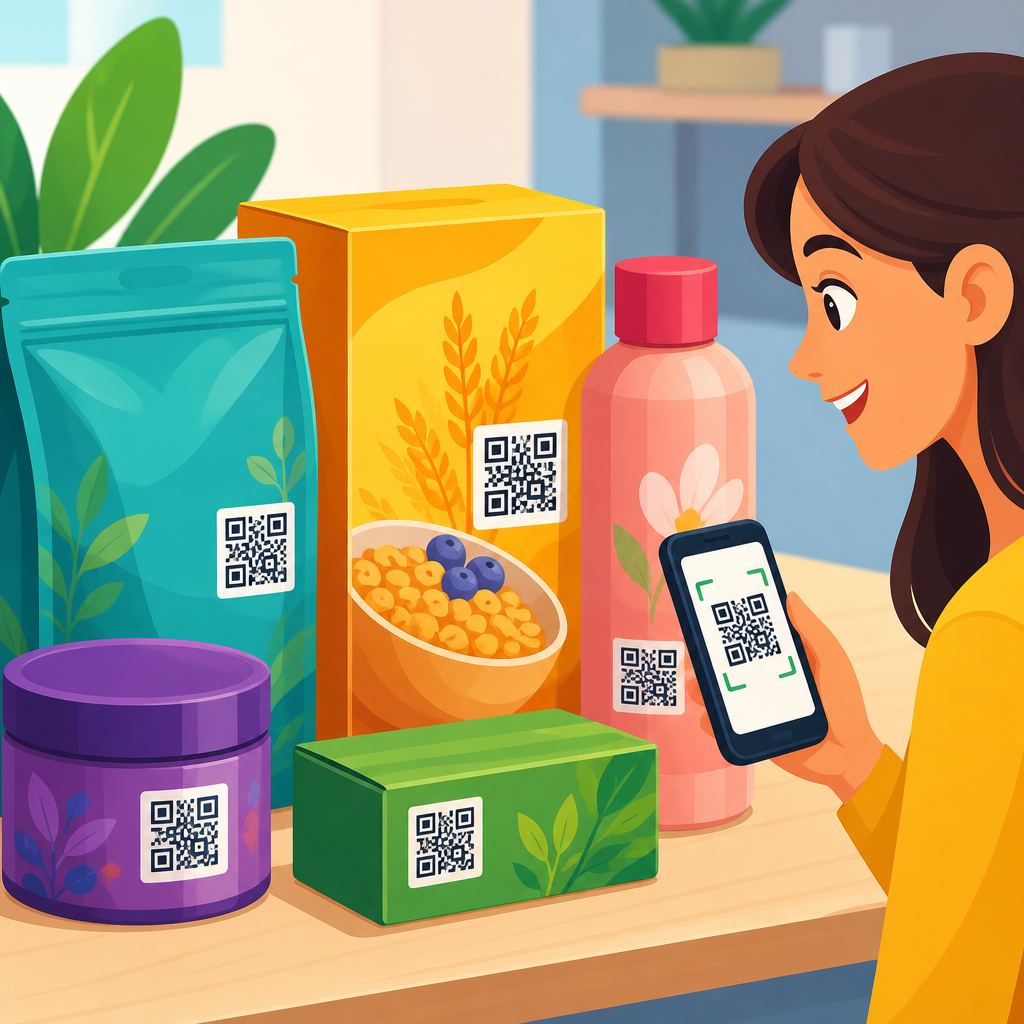
| Packaging sticker | Delivery, ghost kitchens, food trucks | Reaches off-premise guests | Must survive heat, grease, and moisture |
| Room card or key wallet | Hotels and resorts | Fits longer guest journey | Message should match stage of stay |
Operators should test one placement at a time. If a café adds codes to the menu, receipt, and table all at once, it becomes difficult to know which touchpoint drives engagement. Dynamic QR codes with UTM parameters or platform-specific tags solve this problem. They let teams compare scan volume, completion rate, review conversion, and average rating by placement, shift, and location. That level of measurement turns a printed square into a reliable operating channel.
Choosing destinations: Google, TripAdvisor, Yelp, first-party forms, and PMS-connected surveys
The destination behind the QR code should match customer behavior and business goals. For most restaurants, Google Business Profile is the highest-priority public review destination because it influences map rankings, branded search results, and click-through decisions. Travelers and destination diners often rely heavily on TripAdvisor, especially in tourist districts, hotels, and attractions-linked venues. Yelp still matters in selected markets, particularly for urban dining categories in the United States. For hotel groups, direct survey systems tied to a property management system or CRM can capture richer operational data than public review sites alone.
In practice, I recommend a layered approach. Use one QR code path for first-party feedback and another for public review encouragement, or use a single landing page that asks one qualifying question before routing guests. A simple “How was your experience today?” page can branch to Google, TripAdvisor, or a private form depending on the score and venue type. This structure keeps the experience short while giving management better control over issue handling. It also reduces dependence on any single review platform, which is important because platform policies and visibility rules change over time.
Named tools in this space include Google review link generators, reputation platforms such as Birdeye, Podium, and ReviewTrackers, survey tools like Typeform, Jotform, and SurveyMonkey, and hospitality systems integrated with PMS or POS workflows. The right stack depends on scale. An independent bistro may only need a dynamic QR code and a mobile-friendly form. A hotel group with multiple departments may need role-based alerting, property-level dashboards, and CRM sync so complaints about housekeeping, maintenance, or breakfast service route to the correct team. Technology should simplify the feedback loop, not create another reporting burden.
Designing a feedback flow that guests actually complete
Completion rate depends on speed, clarity, and mobile usability. Most guests will not answer twelve questions after dinner. The winning pattern is a short first screen, a clear promise of time, and as few taps as possible. Start with one question, such as an overall rating, then reveal one or two follow-ups based on the answer. If the guest had a great experience, ask what stood out: food quality, friendly staff, atmosphere, speed, or value. If the experience was poor, ask what went wrong and whether the guest wants a manager to follow up. This gives operators actionable data without burdening the guest.
Forms should load quickly on mobile networks, use large tap targets, and avoid pinch-and-zoom fields. Ask only for information that serves a real purpose. Name and email are useful if a recovery follow-up is likely, but they should not be mandatory for every response. Open-text fields are valuable because they reveal themes that star ratings cannot, yet they should be optional and framed carefully: “What could we have improved today?” works better than a blank comment box. For multilingual hospitality environments, language selection should appear immediately, especially in tourist destinations and airport-adjacent properties.
One detail many operators miss is emotional framing. Guests do not want to feel trapped in a marketing funnel. They want to be heard. A page that thanks them, explains why the feedback matters, and shows that responses go to the local team will outperform a generic corporate survey. When restaurants personalize the flow by mentioning the location, shift, or service type, completion rates and comment quality tend to improve. The experience should feel like a direct conversation with the venue, not a disconnected data collection exercise.
Operational benefits beyond reviews: service recovery, training, and location benchmarking
Public ratings matter, but first-party feedback creates the operational value that justifies the program. QR code surveys reveal friction points while the details are still fresh. If three guests on the same Friday night mention long ticket times or undercooked fries, the manager can investigate the line, staffing levels, expo process, or fryer calibration before the next rush. In hotels, rapid feedback can surface elevator delays, housekeeping misses, HVAC complaints, or breakfast shortages before checkout. Fast visibility shortens the distance between guest experience and corrective action.
These systems also support staff coaching. Rather than relying on occasional mystery shopping or anecdotal complaints, operators can review structured comments by shift, daypart, and service station. A bar manager might discover that cocktail satisfaction is high but table greeting times are slow after 8 p.m. A hotel GM may find that front desk ratings are strong while maintenance response lags on weekends. Those patterns lead to better scheduling, standard operating procedure updates, and more focused training. Feedback becomes a management input, not just a marketing metric.
For multi-location brands, QR codes create a consistent measurement framework. When every site uses the same rating prompt and tagging structure, headquarters can compare stores fairly. One location may generate fewer public reviews but stronger private satisfaction scores, indicating a need for better review prompting rather than poor service. Another may show strong ratings with low scan volume, suggesting a placement issue. Benchmarking only works when the collection method is standardized. That is why dynamic code governance, naming conventions, and dashboard discipline matter so much in hospitality rollouts.
Compliance, platform rules, and common mistakes to avoid
Restaurants and hospitality teams need to follow both privacy expectations and review platform rules. The safest standard is transparency: tell guests where the code leads, what data is collected, and whether a manager may follow up. If personal information is captured, store it securely and limit access. Operators with guests from multiple jurisdictions should review applicable privacy requirements, especially around consent, retention, and marketing follow-up. If the survey connects to SMS or email campaigns, opt-in language must be clear and documented.
Review gating deserves special attention. Many platforms prohibit selectively soliciting only positive reviews for public posting. The practical way to stay compliant is to invite honest feedback from all guests while using private channels for service recovery and process improvement. Do not offer rewards in exchange for positive reviews, do not pressure guests at the table, and do not let staff coach customers on exactly what to post. Authenticity produces more durable reputation gains than any shortcut. Searchers, platforms, and managers can all spot unnatural review patterns over time.
Other common mistakes are tactical. Static QR codes limit flexibility because the destination cannot be changed later. Poor print contrast makes codes fail under restaurant lighting. Landing pages that are not mobile optimized kill conversions. Staff who do not understand the goal may treat the code as decoration and never mention it. I have also seen brands direct every guest to a generic homepage instead of a purpose-built review or survey page, wasting the intent behind the scan. The rule is simple: one clear action, one fast path, one measurable outcome.
Building a Restaurants & Hospitality QR code hub strategy
As a sub-pillar under QR Code Use Cases by Industry, this topic works best when positioned as a hub that connects review and feedback use cases to adjacent hospitality workflows. Readers exploring this page are often comparing several implementations at once: QR code menus, contactless payment, order-at-table systems, reservation confirmation flows, loyalty sign-up, event catering inquiries, guest Wi-Fi access, room service ordering, digital concierge services, and post-stay surveys. Review QR codes sit at the center because they translate completed experiences into measurable sentiment and new demand.
A strong hub strategy organizes content by venue type and intent. For example, create supporting pages for QR codes in quick-service restaurants, fine dining, bars and breweries, hotel dining, resorts, cafés, food trucks, delivery packaging, ghost kitchens, and event venues. Then link to articles on technical implementation, dynamic versus static codes, design best practices, analytics tagging, and reputation management. This structure helps readers navigate the Restaurants & Hospitality category while sending strong relevance signals across the broader industry cluster.
The practical benefit for operators is clarity. Instead of seeing QR codes as a single tactic, they can evaluate where each use case fits in the guest journey. Reviews and feedback usually deliver the fastest insight because they capture what happened and what to improve next. From there, businesses can expand into transactional and loyalty-oriented applications. Start with one high-value use case, measure results, refine the experience, and then extend the system across the rest of the hospitality touchpoints.
QR codes for restaurant reviews and feedback work because they reduce friction at the exact moment guest sentiment is most actionable. When placed thoughtfully, linked to the right destination, and supported by a short mobile-first flow, they increase response volume, improve review generation, and give operators better visibility into service quality. Restaurants gain stronger local reputation signals, hotels capture more timely stay feedback, and multi-location brands get cleaner benchmarking across venues and dayparts.
The most important takeaway is that success depends on system design, not on the code itself. Placement, wording, routing logic, staff training, analytics, and compliance determine whether a scan becomes a five-star review, a useful complaint, or a missed opportunity. Businesses that separate public review requests from private recovery workflows generally learn faster and protect reputation more effectively. Those that measure performance by placement and channel can keep improving instead of guessing.
If you manage a restaurant, hotel, bar, café, or hospitality group, start with one guest touchpoint and one clear outcome. Launch a dynamic QR code tied to a mobile-friendly survey or review page, monitor scans and completions for two weeks, and adjust based on real behavior. Then expand the program across the rest of your Restaurants & Hospitality journey. Done well, a small printed code becomes a durable engine for better reviews, stronger operations, and better guest experiences.
Frequently Asked Questions
1. How do QR codes help restaurants collect more reviews and better guest feedback?
QR codes remove friction from the review and feedback process, which is one of the biggest reasons they work so well in restaurants. Instead of asking guests to remember a website, search for your business later, or type in a long URL, a simple scan takes them directly to the exact action you want them to complete. That might be a Google review page, a short satisfaction survey, a private complaint form, or a post-dining feedback workflow. The easier the process is, the more likely guests are to respond while the experience is still fresh.
They also help restaurants capture feedback at the right moment. A guest who has just finished a great meal is much more likely to leave a positive public review if they can do it in seconds from the table, receipt, takeout bag, or menu. At the same time, a guest who had an issue can be guided into a private service recovery form instead of going straight to a public review platform. That gives the restaurant a chance to resolve problems quickly, improve the guest experience, and protect its online reputation.
From an operations standpoint, QR codes create a more consistent review-generation system. Staff no longer need to verbally explain where to leave feedback, and marketing teams can place the same call to action across dine-in, delivery, takeout, catering, and hotel or resort dining environments. The result is typically more response volume, faster insights into service issues, and a stronger stream of recent customer reviews that supports local SEO, trust, and conversion.
2. Where should a restaurant place QR codes for reviews and feedback?
The best placement depends on the guest journey, but high-performing locations are usually the ones guests naturally interact with before, during, or immediately after the meal. Common placements include table tents, check presenters, printed receipts, takeout packaging, menus, window signage, loyalty cards, and countertop displays near the register or pickup area. For restaurants inside hotels, resorts, or mixed-use hospitality spaces, QR codes can also be placed on in-room collateral, welcome materials, or post-stay dining follow-up assets.
Good placement is not just about visibility; it is about timing and intent. A table QR code can encourage immediate in-the-moment feedback while the team still has time to fix a problem. A receipt QR code works well for guests who prefer to respond privately after leaving. Packaging inserts are especially effective for takeout and delivery orders, where the customer never had a table-side experience but still has an opinion about food quality, speed, and accuracy. If you are trying to increase public reviews, place the code where satisfied guests are most likely to scan after a positive interaction, such as at the end of the meal or during payment.
It is also important to pair the QR code with clear copy. Guests should know exactly what will happen when they scan. Simple prompts like “Loved your meal? Leave us a quick review” or “Tell us how we did in 30 seconds” perform better than a code with no explanation. The call to action should match the context, be easy to read, and feel helpful rather than pushy. Thoughtful placement and messaging often make the difference between a QR code that gets ignored and one that becomes a reliable feedback channel.
3. Should restaurants send guests to a public review site or to a private feedback form first?
In most cases, restaurants benefit from using both, but in a structured way. Public review platforms such as Google, TripAdvisor, Yelp, or Facebook are valuable for reputation, local search visibility, and social proof. If a guest had a great experience, sending them directly to a review page can help increase review volume and improve overall ratings. Fresh, authentic public reviews are especially important for attracting new diners who compare restaurants online before deciding where to book, order, or visit.
Private feedback forms serve a different but equally important purpose. They give guests a low-pressure way to report problems like slow service, incorrect orders, cleanliness concerns, or billing issues directly to the restaurant. That allows management to identify recurring problems, coach staff, adjust processes, and follow up with unhappy guests before a small issue becomes a damaging public complaint. For many hospitality brands, private feedback is where the most actionable insight comes from.
The smartest approach is usually a workflow-based system. For example, a QR code can open a short rating screen first. Guests who indicate a strong experience can be invited to leave a public review, while guests who indicate dissatisfaction can be directed to a private service recovery form. This approach helps protect the guest relationship, increases the likelihood of positive public reviews, and gives operators a more complete picture of the customer experience. The goal is not to hide criticism; it is to route feedback responsibly so issues can be resolved quickly and transparently.
4. What should a restaurant feedback or review QR code page include?
A strong destination page should be simple, mobile-friendly, fast to load, and designed around one clear action. Since most guests will scan on their phones, the experience should avoid clutter, small text, or too many decision points. At minimum, the page should clearly identify the restaurant, explain what the guest is being asked to do, and make the next step obvious. If the goal is a public review, link directly to the review platform whenever possible. If the goal is feedback collection, keep the form short enough that guests can complete it in under a minute or two.
The most effective forms usually ask a few focused questions rather than trying to conduct a full research survey. Useful fields might include overall satisfaction, food quality, service, cleanliness, speed, order accuracy, staff friendliness, and optional comments. Some restaurants also ask whether the guest dined in, ordered takeout, or used delivery, since those experiences can differ significantly. If service recovery is part of the workflow, offer an optional contact field so management can follow up personally. However, avoid making too many fields mandatory, because every extra step reduces completion rates.
Brand trust also matters. The landing page should reflect the restaurant’s branding and reassure guests that their feedback is welcome and useful. A short message such as “Your feedback helps us improve” can increase participation. If you use incentives, be careful to follow the policies of public review platforms, since many prohibit rewarding guests specifically for positive reviews. Overall, the best QR code page is one that respects the guest’s time, captures actionable insight, and supports a smooth path to either reputation building or issue resolution.
5. How can restaurants measure whether their QR code review and feedback strategy is working?
Success should be measured across both reputation outcomes and operational outcomes. On the reputation side, restaurants should track scan volume, review completion rates, number of new public reviews, average star rating, review recency, and changes in local search visibility over time. If a QR code campaign is working, you should generally see a steadier flow of fresh reviews rather than long gaps between them. Recent reviews signal activity and relevance to potential diners, and they often support stronger performance in map listings and branded search results.
On the operations side, feedback data can reveal whether the restaurant is actually improving the guest experience. Useful metrics include survey completion rates, satisfaction scores by location or shift, frequency of recurring complaints, time to response, issue resolution rates, and trends tied to service categories like food temperature, wait time, or staff attentiveness. If the same complaint appears repeatedly, the QR code system is doing more than collecting opinions; it is surfacing patterns that management can act on. That makes it a practical operations tool, not just a marketing asset.
Restaurants should also compare performance by placement and channel. A code on receipts may perform differently from one on tables, packaging, or loyalty materials. Dine-in guests may respond differently than delivery customers. Using trackable or dynamic QR codes can help identify which touchpoints drive the most scans and highest-quality responses. Over time, the best strategy is to test placements, refine messaging, and review the data regularly. When managed well, QR codes for restaurant reviews and feedback become a repeatable system for increasing ratings, capturing guest sentiment, and solving service problems before they escalate into reputation problems.