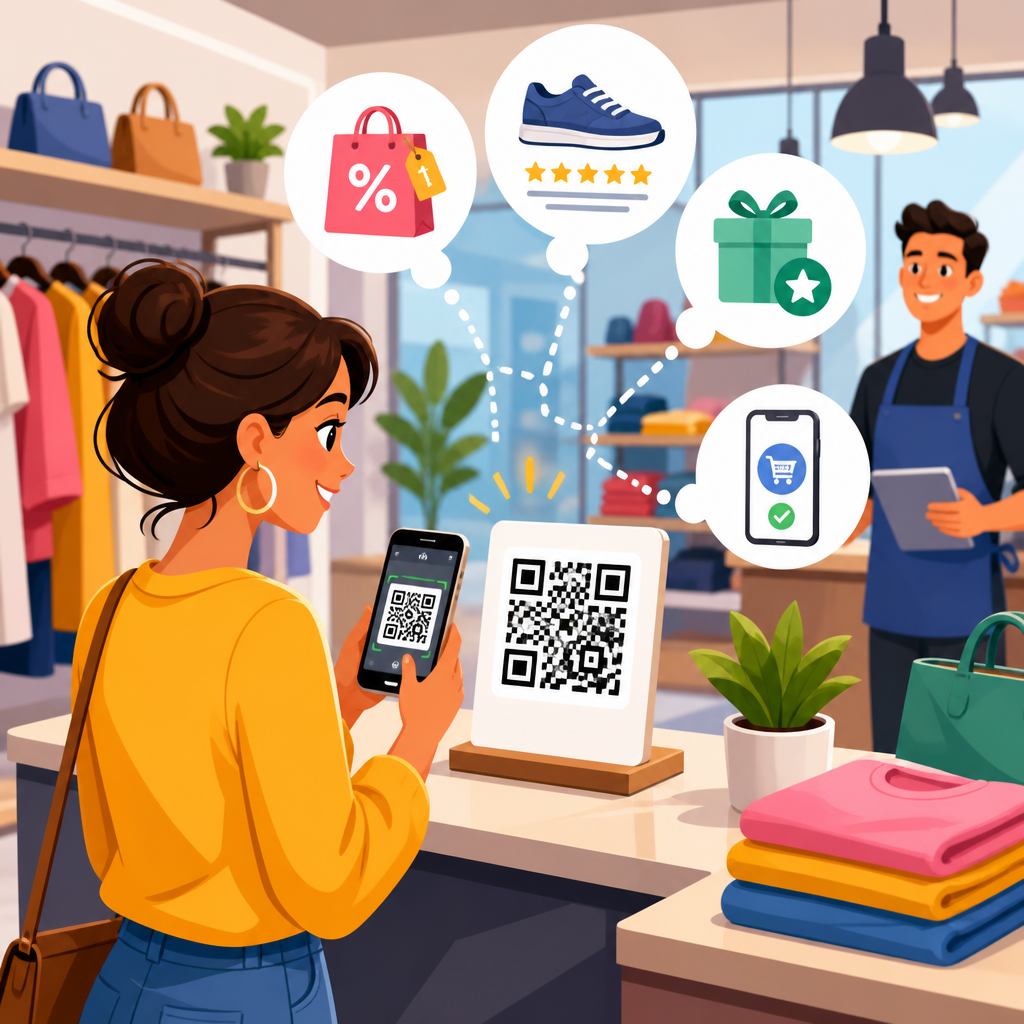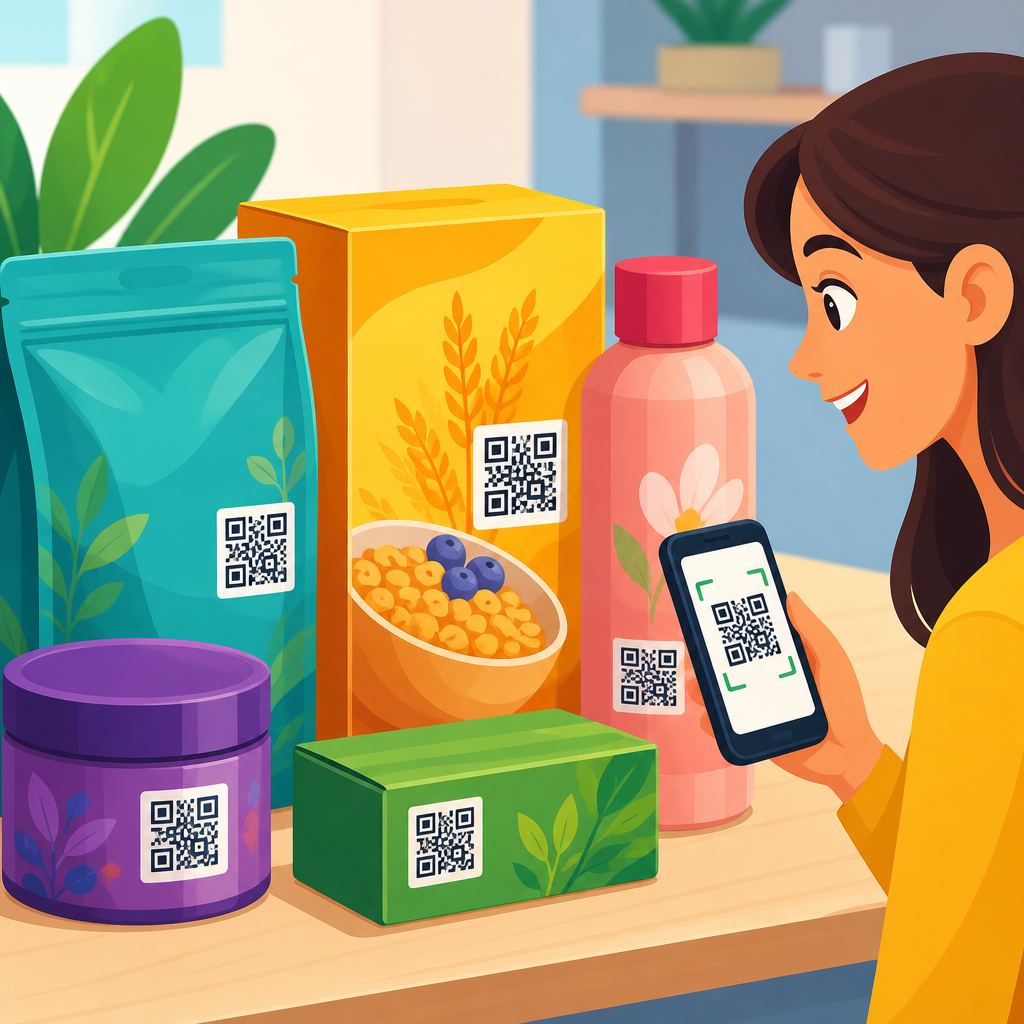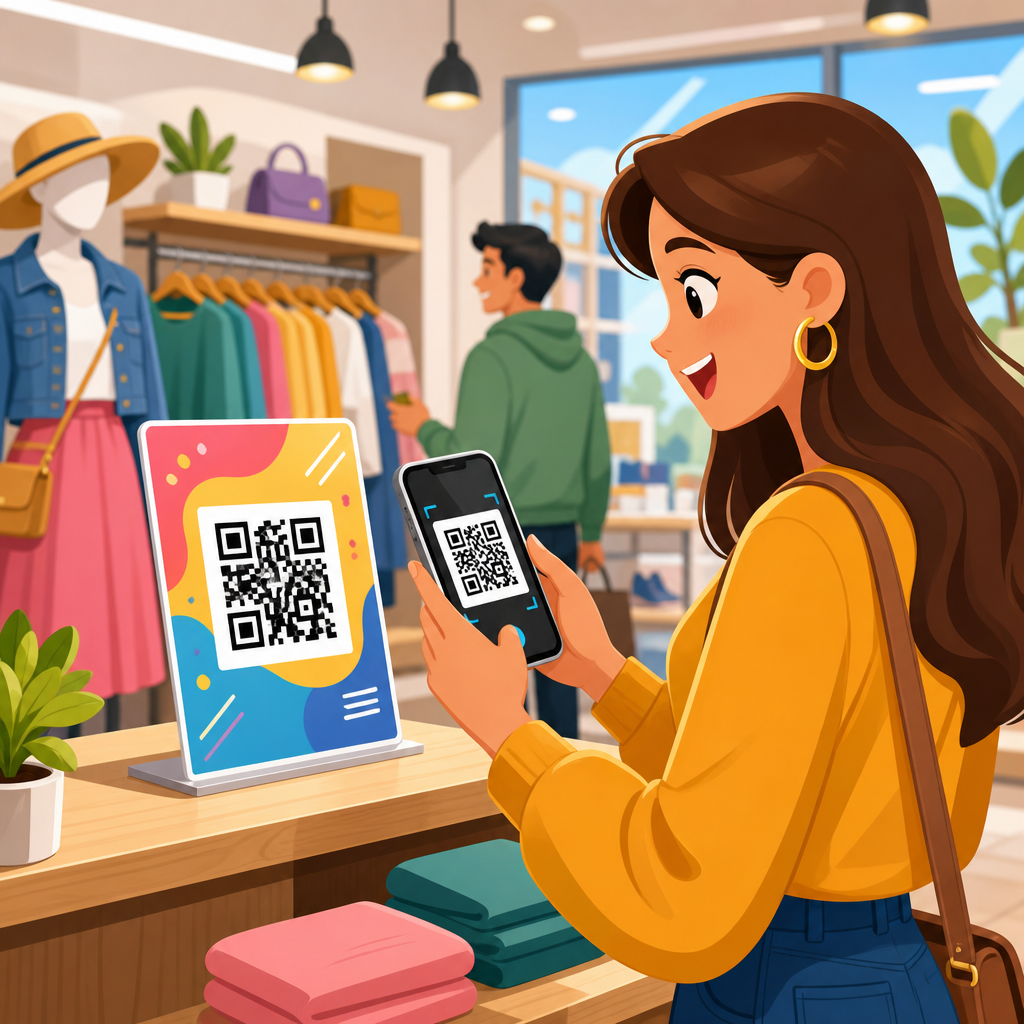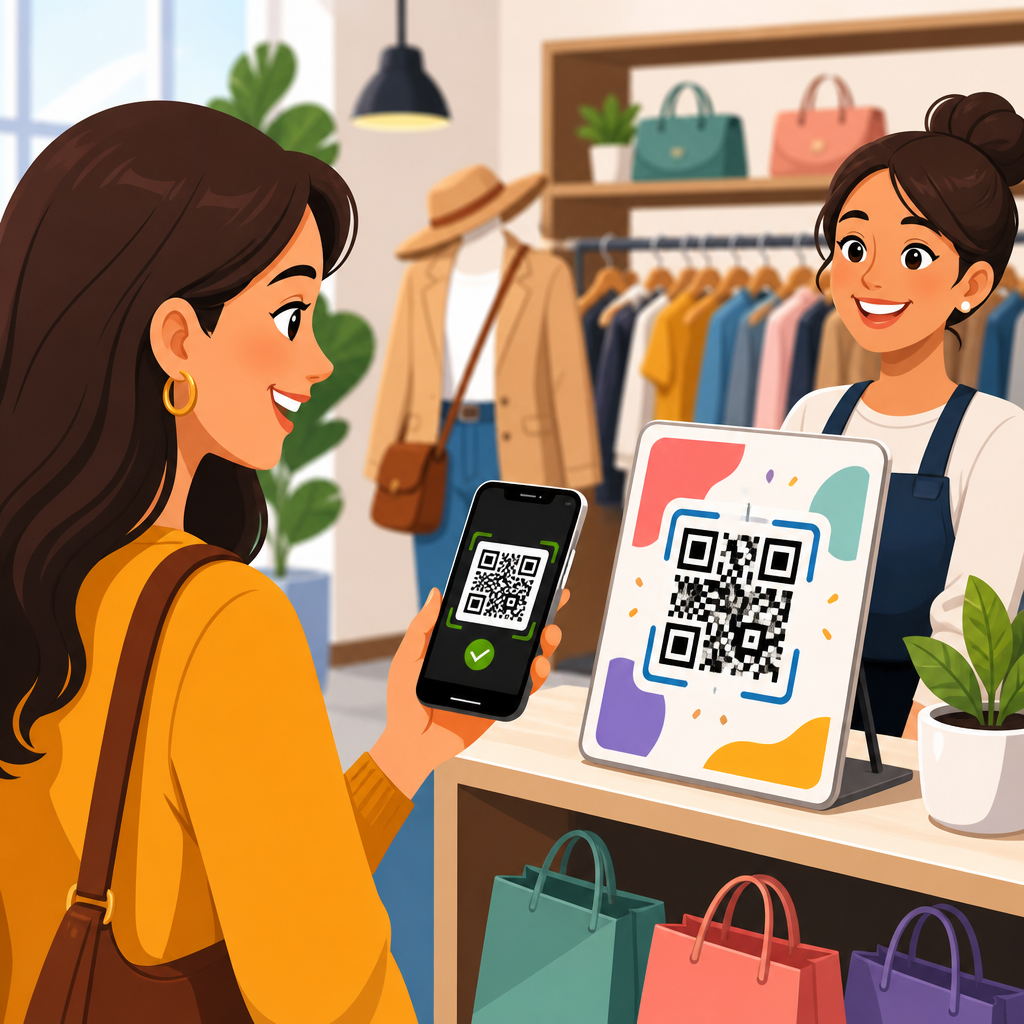
QR codes have become one of the most practical tools for loyalty programs in retail because they connect physical stores, ecommerce journeys, and customer data with almost no friction. In simple terms, a QR code is a scannable two-dimensional barcode that opens content, captures actions, or identifies a customer when scanned with a smartphone camera. A retail loyalty program is a structured system that rewards repeat purchases, referrals, visits, or engagement with points, discounts, exclusive access, or personalized offers. When these two tools are combined, retailers can replace plastic cards, shorten enrollment, track behavior across channels, and make rewards easier to earn and redeem.
I have worked with store operators that initially used printed punch cards and email-only promotions, and the common problem was always the same: too much effort for staff, too little convenience for shoppers, and weak data for the business. QR codes solve that gap well because they can link a shopper directly to sign-up forms, digital wallets, app downloads, product education, post-purchase surveys, and offer pages. They also work on packaging, shelf talkers, receipts, window displays, and checkout screens, which makes them unusually flexible for retail and ecommerce environments.
This matters because customer acquisition costs remain high while repeat customers typically spend more and convert faster. According to widely cited commerce benchmarks from Shopify and Bain-informed loyalty research, returning customers often generate a disproportionate share of profit because they buy more frequently and require less persuasion than first-time buyers. For a retailer, the goal is not merely handing out discounts. The goal is building a measurable retention system that increases customer lifetime value, raises average order frequency, and gives shoppers a reason to return without adding checkout friction. QR-driven loyalty programs are effective when they are easy to join, obvious to use, and tied to rewards customers actually value.
Retail and ecommerce brands also need a hub strategy rather than one isolated tactic. This article covers the full retail and ecommerce picture: where QR codes fit in the loyalty journey, how to set up campaigns, what technology stack to use, what metrics matter, and which mistakes reduce results. If you manage stores, sell online, or run omnichannel promotions, this guide will give you a practical framework for using QR codes in loyalty programs with clarity and control.
Why QR codes work so well in retail loyalty programs
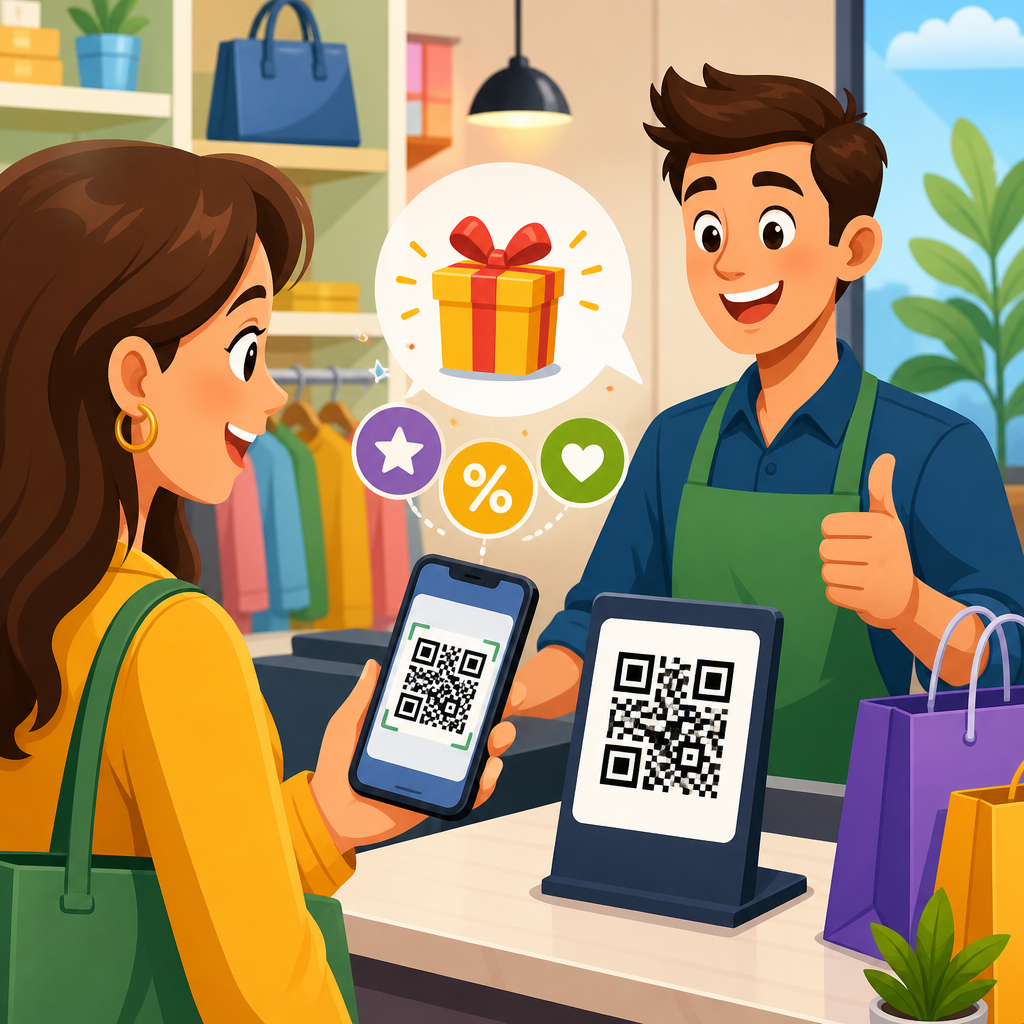
QR codes work in loyalty programs because they remove steps between customer intent and customer action. In retail, every extra click or form field lowers participation. A shopper standing in line will not hunt for a website, create a password, and search for a rewards page unless the value is obvious. A QR code collapses that process. Scan, land on the right page, join, and continue shopping. In stores, I have seen sign-up rates improve simply by placing a code at the register with a direct incentive such as “Join now, get 10% off today.” The code eliminates typing errors and makes the entry point clear.
They are also strong for omnichannel attribution. A single customer may discover a brand on Instagram, browse products online, buy in store, and reorder through email later. With dynamic QR codes, retailers can create unique destinations and tracking parameters by location, campaign, product category, or season. That means a code on a fitting-room mirror can be measured separately from a code on a shipped package insert. Dynamic platforms such as Bitly, QR Code Generator, Beaconstac, and Flowcode allow retailers to update destination URLs without changing the printed code, which is critical for long-running loyalty materials.
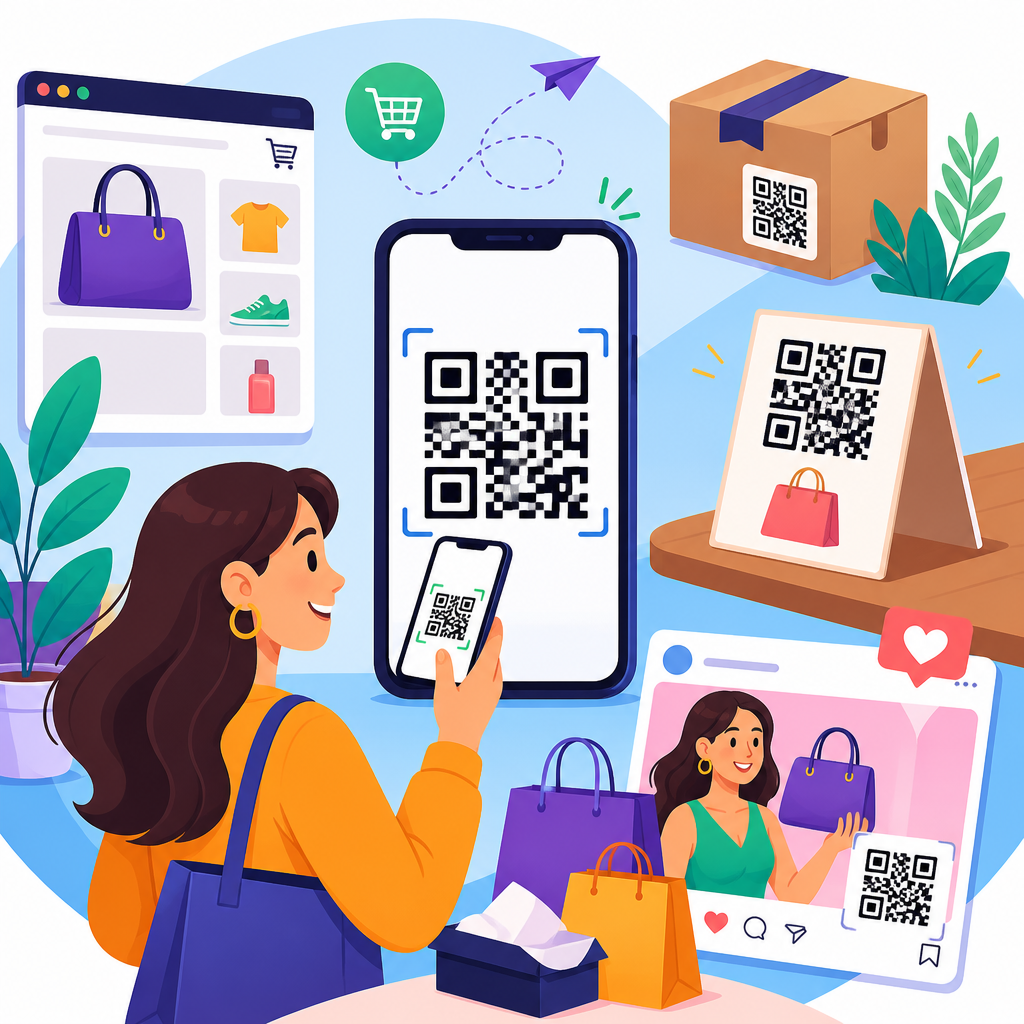
Another advantage is compatibility. Most modern smartphones scan QR codes from the native camera, so customers do not need a special device. The operational burden is also low. Staff can present a code on a point-of-sale screen, print it on receipts, or place it on in-store signage. For ecommerce, brands can add codes to order confirmation inserts, packing slips, product manuals, and retargeting postcards. This creates a continuous loyalty loop before, during, and after purchase.
Security and trust still matter. Customers should know what the code does before they scan it. The landing page should use a secure domain, mobile-first design, and clear branding. Retailers also need transparent consent language if data will be used for email, SMS, or behavioral personalization. A QR code is only as effective as the experience it leads to. If the code opens a slow, confusing, or irrelevant page, adoption drops fast.
Where to place QR codes across the retail and ecommerce customer journey
The best placements are the moments when a customer already has attention, context, and a reason to act. In physical retail, high-performing spots include storefront windows, entrance displays, shelf tags, fitting rooms, checkout counters, printed receipts, and packaging. A window code can promote “Join rewards before you enter.” A shelf code can offer bonus points on a featured category. A fitting-room code can unlock style recommendations tied to loyalty enrollment. At checkout, a cashier can invite the shopper to scan and save a reward to Apple Wallet or Google Wallet for immediate redemption on the next visit.
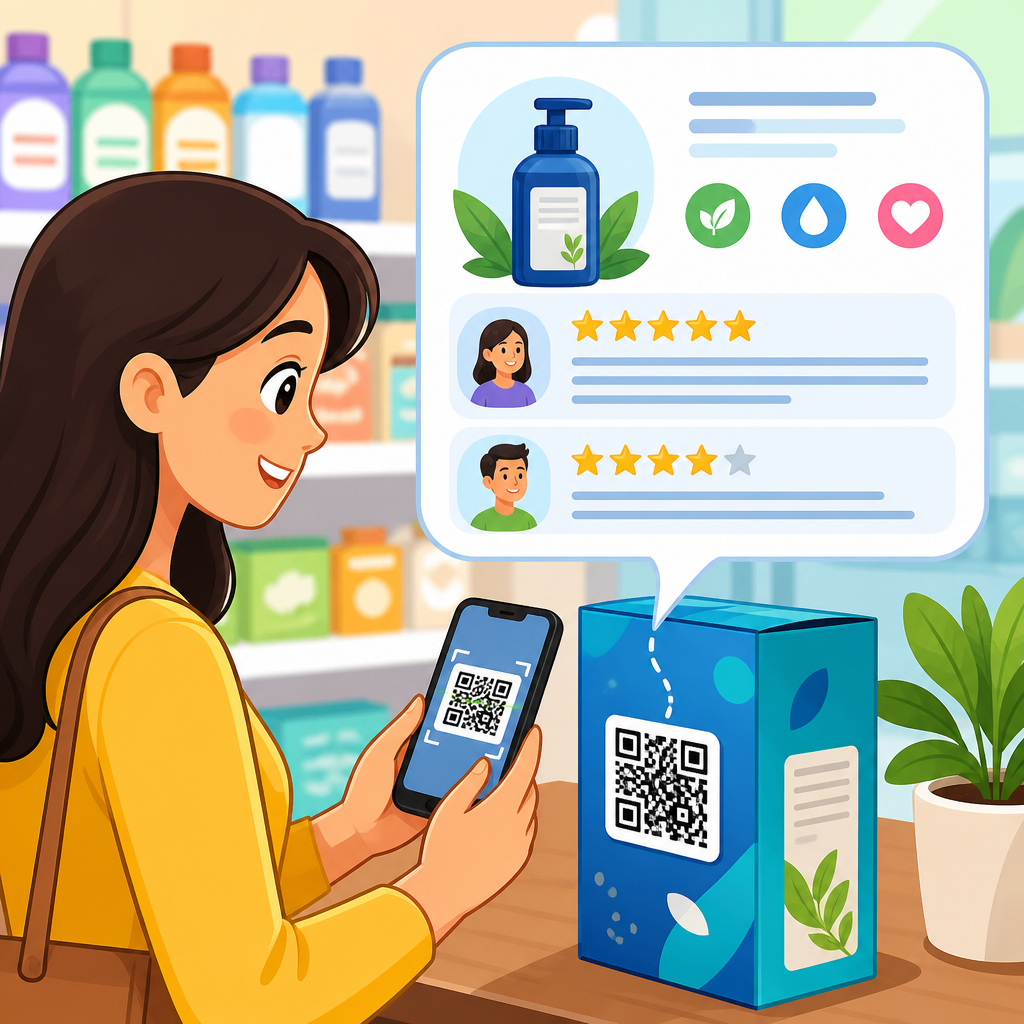
In ecommerce, the loyalty opportunity starts before the box arrives. Add QR codes to direct mail, catalogues, and event materials to capture sign-ups. After purchase, include a code in the parcel that leads to reward activation, review requests, referral offers, or reorder reminders. For consumable goods, packaging can link to replenishment subscriptions and points for repeat orders. For higher-consideration products, manuals and thank-you cards can lead to warranty registration bundled with loyalty enrollment, creating a data-rich post-purchase touchpoint.
Retailers should map placements to intent. A first-time visitor needs a simple enrollment offer. A repeat shopper may respond better to tier status, birthday rewards, or early access. A lapsed customer might need a reactivation incentive. Because codes are inexpensive to produce, retailers can segment creative by location and audience far more easily than with static print promotions.
| Placement | Primary Goal | Best Offer Type | Key Metric |
|---|---|---|---|
| Store window | Pre-visit enrollment | Welcome discount | Scan-to-sign-up rate |
| Checkout counter | Immediate capture | Points on current purchase | Enrollments per 100 transactions |
| Receipt | Post-purchase activation | Bonus points for account creation | Activation rate |
| Package insert | Repeat purchase and referrals | Referral credits | Repeat order rate |
| Product packaging | Replenishment and education | Reorder bonus | Subscription conversion |
One practical lesson from implementation: avoid placing the same generic code everywhere. Distinct codes by touchpoint make analysis possible. If every scan goes to the same page without campaign tagging, you lose the ability to see which moments actually drive loyalty behavior.
How to design a QR code loyalty program that customers will actually use
The strongest programs are simple at the front end and structured behind the scenes. Customers should understand three things immediately: what they get, how they earn, and how they redeem. If the explanation takes a paragraph on a sign, it is probably too complex. Effective retail loyalty mechanics usually fall into a few models: points per dollar spent, visit-based rewards, tiered status, referral rewards, and behavior-based bonuses such as reviews, profile completion, or social sharing. QR codes are the bridge that gets customers into those mechanics quickly.
Start with a clear value exchange. For enrollment, immediate rewards outperform vague future promises. “Scan to join and get 15% off today” is easier to act on than “Become a member for exclusive benefits.” Then keep the sign-up form short. In many deployments, asking only for mobile number or email first improves conversion; additional preferences can be collected later through progressive profiling. The landing page should be mobile optimized, load quickly, and present a single action. Distractions lower completion.
Redemption should also be friction-light. If customers need to remember a long member ID or open multiple screens, staff adoption suffers and lines slow down. Better options include wallet passes, one-tap barcodes inside an app, phone-number lookup at the point of sale, or unique QR member IDs. Platforms such as Square Loyalty, Shopify apps like Smile.io and Yotpo, Lightspeed, Klaviyo, and Toast for relevant retail-adjacent use cases can connect enrollment, messaging, and reward logic. The ideal setup syncs in-store and online activity so points earned in one channel appear in the other quickly.
Program economics matter as much as convenience. A retailer should calculate expected reward liability, redemption rates, gross margin by category, and the behavior the reward is meant to change. For example, offering double points on private-label products may be smarter than blanket discounts on low-margin brands. Likewise, a beauty retailer may reward consultation bookings, while a grocery store may reward basket frequency. QR codes do not create loyalty by themselves; they accelerate access to a well-designed system.
Technology, tracking, and integration essentials
A QR code loyalty program needs more than a graphic. It needs a measurable path from scan to customer record to transaction. At minimum, retailers should use dynamic QR codes, UTM parameters, a mobile landing page, a customer data capture method, and a connection to POS or ecommerce systems. Dynamic codes let you update destinations, pause campaigns, and measure scans by device, time, and sometimes location. UTM tagging helps separate scans by source in Google Analytics 4 or similar analytics tools, though privacy settings and app environments can limit visibility. The code should resolve to a first-party domain whenever possible because branded links tend to increase trust.
On the backend, loyalty data should flow into a CRM, email platform, or customer data platform so follow-up is immediate. If a shopper scans in store and joins, they should receive a welcome message within minutes, not days later after a manual export. Integrations with Shopify, WooCommerce, Magento, BigCommerce, or retail POS systems such as Square, Clover, Lightspeed, and Vend-based environments determine how seamless the experience feels. In projects I have seen succeed, the implementation team tested every edge case: weak store Wi-Fi, duplicate profiles, coupon stacking, staff overrides, and delayed syncs between online and offline records.
Privacy compliance cannot be treated as a footnote. If the code collects phone numbers for SMS, retailers must obtain proper consent and store opt-in records according to applicable regulations such as TCPA in the United States or GDPR standards for relevant audiences. If minors may scan in family-oriented retail settings, additional care is required. Clear disclosures, accessible privacy policies, and preference management build trust and reduce complaints.
Measurement should focus on business outcomes, not vanity scans alone. Core metrics include scan rate, enrollment conversion rate, first redemption rate, repeat purchase rate, time to second purchase, average order value for members versus non-members, and churn or inactivity rates by segment. If a code generates many scans but few sign-ups, the issue is likely the landing page or incentive. If sign-ups are high but redemptions are weak, the reward structure or staff explanation may be failing.
Retail examples, common mistakes, and how to improve results over time
Different retail formats use QR loyalty tactics differently. A fashion retailer may place codes in fitting rooms that unlock points for trying curated looks or saving favorites to a digital wishlist. A grocery chain can print personalized QR offers on receipts tied to purchase history, encouraging return visits within seven days. A home goods store can add codes to price tags for design inspiration and member-only bundles. Ecommerce brands often use package inserts with “scan to earn points for your review” or “scan to start your refill plan” prompts. The unifying idea is relevance: the code should answer the next customer question at that exact moment.
The most common mistakes are easy to avoid. First, codes are often too small, poorly contrasted, or placed where lighting makes scanning difficult. Follow practical design standards: strong contrast, enough quiet space, and test from expected scan distance. Second, many retailers send users to a generic homepage rather than a dedicated page. That wastes intent. Third, some programs ask for too much information too early. Every extra field lowers conversion. Fourth, staff are frequently undertrained. If associates cannot explain the reward in one sentence, usage drops. Finally, brands sometimes over-discount and train customers to wait for deals instead of building genuine loyalty value through convenience, recognition, and relevant perks.
Continuous improvement comes from testing. Compare welcome offers by location, message framing, and placement. Test whether “join and save today” beats “earn points on every purchase.” Evaluate if package-insert codes drive better second-order rates than receipt codes. Review member cohorts monthly to see whether QR-acquired customers behave differently from email-acquired or paid-social-acquired customers. In several retail rollouts, the biggest gains came not from changing the QR code itself but from refining the landing page headline, reducing fields, and training cashiers to mention one immediate benefit consistently.
For retail and ecommerce brands building out broader QR code use cases by industry, loyalty programs are one of the highest-impact starting points because they connect customer experience, retention, and measurable revenue. The key takeaways are straightforward: place codes where customer intent is highest, offer immediate value, keep enrollment and redemption simple, integrate data with your commerce systems, and measure outcomes that reflect repeat buying behavior. QR codes are not a gimmick in retail; they are a low-friction interface between shoppers and the loyalty experience you want them to adopt.
If you want better retention from your retail or ecommerce operation, audit your current loyalty journey and identify three places where a QR code can remove friction this month. Start with one store zone, one package insert, or one checkout flow, track the results carefully, and expand what proves profitable. Done well, a QR code loyalty program turns routine transactions into repeat relationships.
Frequently Asked Questions
How do QR codes work in a retail loyalty program?
QR codes act as a simple bridge between the in-store shopping experience, online touchpoints, and your loyalty platform. When a customer scans a QR code with their smartphone camera, the code can direct them to a sign-up page, identify their member profile, unlock a reward, apply points after a purchase, or trigger a special promotion. In a retail loyalty program, this means you can use QR codes at the register, on receipts, product packaging, shelf displays, window signage, or even in post-purchase emails to make participation fast and intuitive.
For example, a new customer might scan a QR code near checkout to join your rewards program in seconds. An existing member could scan a personalized code from their app to earn points during a transaction. You can also place codes on promotional materials to encourage repeat visits, referrals, product reviews, or event participation. Because the scan is immediate and familiar to most smartphone users, QR codes reduce friction that often causes customers to abandon sign-up or ignore program benefits. The result is a loyalty experience that feels convenient, modern, and connected across channels.
What are the best ways retailers can use QR codes to increase loyalty sign-ups and repeat purchases?
The most effective strategy is to place QR codes at moments where customer intent is already high. Checkout counters, fitting rooms, product displays, receipts, shopping bags, and email campaigns are all strong placements because they catch customers when they are actively engaged with your brand. A QR code that leads directly to a loyalty enrollment page with a clear incentive, such as a welcome discount, bonus points, or early access to a promotion, can significantly improve sign-up rates.
To drive repeat purchases, retailers can use QR codes to create ongoing reasons to come back. A post-purchase receipt code might invite customers to scan for points, a future discount, or a personalized recommendation. Packaging codes can unlock tutorials, care instructions, or product registration while also awarding loyalty credit. In-store signage can promote limited-time member offers and encourage repeat visits. You can also use QR codes to support referrals by giving members a scannable code to share with friends. The key is to connect each scan to a specific value exchange. Customers are much more likely to participate when they immediately understand what they gain, whether that is savings, convenience, exclusivity, or faster access to rewards.
Are static or dynamic QR codes better for retail loyalty programs?
Dynamic QR codes are usually the better choice for retail loyalty programs because they offer flexibility, trackability, and easier long-term management. A static QR code sends users to one fixed destination and cannot be edited after it is created. That can work for very basic campaigns, but it becomes limiting if you want to update offers, change landing pages, test messaging, or track performance in detail. In a loyalty environment, where promotions and customer journeys often change, static codes are rarely the most scalable option.
Dynamic QR codes allow you to change the destination without reprinting the code, which is especially useful for in-store signage, packaging, and printed promotional materials. They also make it easier to measure scan data, such as time, location, device type, and campaign performance, depending on your platform. This helps retailers understand which placements, offers, and customer actions are generating the best results. Dynamic codes also support more advanced use cases, such as personalized member experiences, segmented campaigns, and multi-location management. For most retailers that want to optimize acquisition, retention, and reporting, dynamic QR codes provide much more control and strategic value.
What should retailers track to measure the success of QR code loyalty campaigns?
Retailers should measure both scan activity and downstream business outcomes. Scan volume is a useful starting point because it shows whether placement and visibility are working, but by itself it does not tell the full story. You also want to track conversion metrics such as loyalty sign-ups, completed purchases, repeat visits, reward redemptions, referral participation, and average order value among customers who engaged through QR codes. These metrics show whether scans are leading to meaningful customer behavior rather than just curiosity.
It is also important to compare campaign performance across channels and locations. For example, you may find that QR codes on receipts generate more repeat purchases than codes on shelf signage, or that one store location has a much higher scan-to-enrollment rate than another. Monitoring customer retention, purchase frequency, and lifetime value can reveal whether QR-based loyalty touchpoints are strengthening long-term relationships. If possible, connect QR campaign data to your CRM, ecommerce platform, and point-of-sale system so you can follow the customer journey more accurately. The strongest retail loyalty programs treat QR codes not as isolated marketing tools, but as measurable entry points into a larger retention strategy.
What are the most important best practices for using QR codes in retail loyalty programs?
The first best practice is to make the purpose of the QR code obvious. Customers should never have to guess why they should scan. Add a clear call to action such as “Join our rewards program,” “Scan to earn points,” or “Unlock your member discount.” Pair that message with a visible benefit so the value is immediate. The second best practice is to send customers to a mobile-friendly destination. Since most scans happen on smartphones, the landing page or loyalty experience must load quickly, display clearly, and require as few steps as possible.
Beyond usability, retailers should focus on consistency, trust, and testing. Use QR codes in places where customers naturally pause, such as checkout areas, receipts, product packaging, and promotional displays. Make sure the code is large enough to scan easily and positioned in good lighting with enough surrounding space. If the code is part of a loyalty sign-up or points workflow, keep forms short and avoid unnecessary barriers. You should also explain how customer data will be used, especially if the scan leads to profile creation or behavior tracking. Finally, test different placements, offers, and messages to see what produces the highest enrollment and repeat engagement. The best QR code loyalty programs are not just technically functional; they are intentionally designed to feel easy, rewarding, and worth repeating.