Choosing the best QR code generator for a small business depends on one practical question: do you need a simple static code once, or an editable, trackable, branded system you will manage over time? A QR code generator is the software that creates the scannable square code linking customers to a website, menu, payment page, app, file, review form, or contact card. Static QR codes point to a fixed destination and usually work forever once printed. Dynamic QR codes use a short redirect URL, which lets you change the destination later and often adds analytics such as scans, location, device type, and campaign timing.
For small businesses, that distinction matters because QR codes now sit at the center of common customer journeys: restaurant menus, appointment booking, product packaging, Wi-Fi access, digital business cards, review requests, event check-ins, and in-store promotions. I have set up QR code campaigns for retailers, clinics, local service companies, and hospitality brands, and the same pattern appears every time. Owners start by asking for the cheapest tool, then quickly realize that print permanence, brand consistency, security, and measurable performance are more important than saving a few dollars a month. The wrong platform can lock useful features behind expensive tiers, add branding you cannot remove, or even deactivate dynamic codes if a subscription lapses.
This hub article reviews what small businesses should evaluate in QR code generators, compares the major types of tools, and explains which option is best for different use cases. The goal is not to crown a universal winner, because there is none. The right choice depends on budget, technical comfort, scan volume, design needs, and whether the code is tied to a short campaign or a long-lived asset like signage, packaging, or menus. If you want a short answer, the best QR code generator for most small businesses is the one that offers reliable dynamic codes, transparent pricing, editable destinations, strong scan analytics, custom branding, and clear ownership of your codes after publication.
What Small Businesses Should Look for in a QR Code Generator
The first requirement is reliability. A QR code is only useful if it scans consistently across different phones, lighting conditions, print sizes, and materials. Good generators follow ISO/IEC 18004 standards, preserve sufficient quiet zone around the code, and allow error correction levels suitable for logos or design customization. In practice, I avoid tools that push visual styling so far that readability suffers. Rounded modules, gradients, and overdesigned frames may look attractive on a sales page, but they can reduce scan rates on low-end Android cameras or glossy printed surfaces.
The second requirement is control. Small businesses often print QR codes on menus, flyers, vehicle wraps, table tents, receipts, and product labels. Once printed, replacing them is expensive. Dynamic editing protects that investment because you can change the destination URL without changing the visible code. A restaurant can switch from a PDF menu to an ordering page. A contractor can redirect a yard sign from a seasonal offer to a financing page. A salon can move from one booking platform to another. If a generator only provides static codes, every meaningful change requires reprinting.
The third requirement is analytics that answer real business questions. Vanity metrics are not enough. Useful platforms show total scans, unique scans, scan timestamps, approximate location, device type, and campaign-level performance. Some also support UTM parameters so QR traffic appears cleanly inside Google Analytics 4. For a small business, this lets you compare in-store signage against direct mail, packaging inserts against window decals, or event handouts against social bios. If a tool says it offers analytics, check whether analytics apply only to dynamic codes, whether data retention is limited, and whether exports are available on lower plans.
The fourth requirement is branding and trust. Customers are more likely to scan a code that clearly belongs to a legitimate business. The best platforms let you add a logo, set brand colors safely, use a custom short domain, and include a call-to-action frame such as “Scan to book” or “Scan for menu.” Custom domains matter more than many owners realize. When users preview a QR redirect, seeing your brand domain inspires more confidence than a generic short link. This is especially important in industries where scam awareness is high, such as finance, healthcare, and property services.
Static vs Dynamic QR Codes: Which Type Is Better?
For small businesses, dynamic QR codes are usually better because they are editable and measurable. Static QR codes are better only when the destination will never change and you want a one-time, no-subscription asset. A static code directly encodes the final URL or data. That makes it simple and often free, but there is no safety net. If the page URL changes, the code breaks. If you want tracking, password protection, scheduled campaigns, or A/B destination testing, static cannot do it.
Dynamic codes work by sending the scan through a managed redirect. That extra step creates flexibility. You can update the target page, pause the code, add campaign tags, or monitor performance. For businesses using printed materials over many months, that flexibility usually outweighs the modest recurring cost. The most common mistake I see is using a free static QR code generator for a business card, storefront sign, or menu board, then rebuilding everything when the website changes. Paying a small monthly fee at the start would have saved money.
| Feature | Static QR Code | Dynamic QR Code |
|---|---|---|
| Destination can be changed later | No | Yes |
| Scan analytics | Usually no | Usually yes |
| Best for long-term printed materials | Only if URL is permanent | Yes |
| Works without subscription risk | Yes | Depends on provider terms |
| Typical cost | Free or one-time | Monthly or annual |
| Use cases | Wi-Fi, plain URL, simple contact link | Menus, campaigns, packaging, reviews |
The subscription risk is the key tradeoff. Some providers deactivate dynamic codes when the account expires, while others keep existing codes live with limited editing. Read the fine print. If you are printing 10,000 labels or placing a code on a storefront window, platform stability and account terms matter as much as features. For permanent assets, I recommend choosing an established provider with a clear policy on code continuity, export options, and support.
Best QR Code Generator Categories for Small Business Use
Most small businesses do not need every advanced feature, but they do need the right category of tool. Broadly, there are four categories. First are free basic generators such as QRCode Monkey and similar browser tools. These are useful for quick static QR codes, offer decent design flexibility, and can be perfectly adequate for simple use cases like linking to a homepage or PDF that will not change. Their weakness is ongoing management. You typically do not get editable links, centralized dashboards, or business-grade reporting.
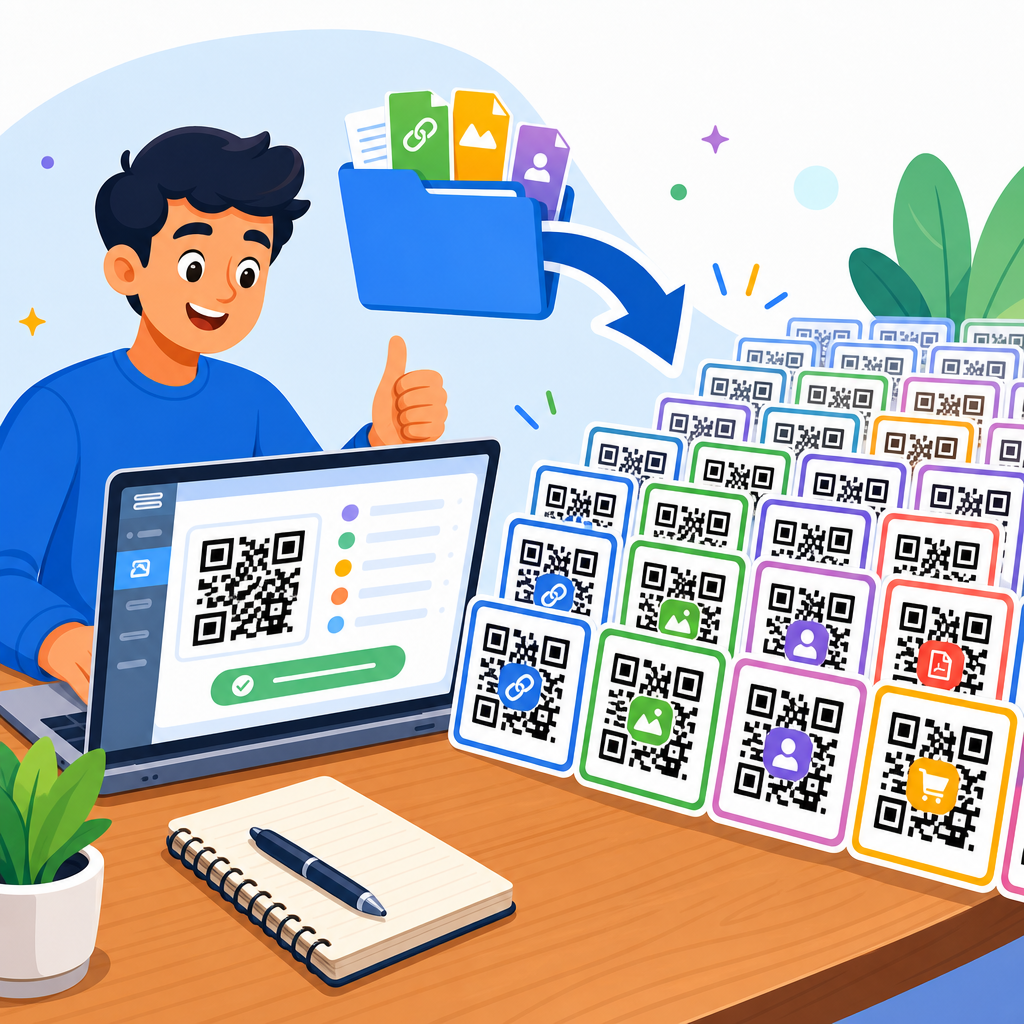
Second are dedicated QR marketing platforms such as QR TIGER, Uniqode, Flowcode, and Scanova. These are designed for businesses running campaigns, managing multiple codes, and tracking results. They often include dynamic editing, folders, team access, custom domains, bulk generation, forms, and downloadable formats like PNG, SVG, EPS, and PDF. In my experience, this category is the best fit for most small businesses that rely on printed materials or want measurable customer actions.
Third are all-in-one link and landing page platforms that include QR functionality. Bitly is the clearest example because it combines branded short links, redirects, and QR creation. This can work well if your business already uses short links heavily and wants QR codes integrated into the same workflow. However, some of these platforms are stronger at link management than QR-specific design or scan reporting.
Fourth are software ecosystems with built-in QR generation, including Canva, Adobe Express, Google Chrome’s page QR feature, and certain CRM or restaurant menu systems. These are convenient, especially when a business owner is already creating print materials in Canva or managing customer campaigns in a larger platform. Convenience is the advantage; depth is the limitation. Built-in generators often create static codes and lack the lifecycle tools that become essential once QR becomes part of operations rather than a one-off design element.
How Leading QR Code Generators Compare in Real Use
QRCode Monkey remains one of the better-known options for free static code creation. It is popular because it supports logos, color customization, and high-resolution export. For a solo operator needing a basic website or vCard code, it is easy to recommend. The limitation is obvious: it is not a full campaign platform. If you need editable destinations, scan tracking, or centralized management across multiple locations, you will outgrow it quickly.
QR TIGER is frequently a strong choice for small businesses because it balances usability, dynamic features, bulk creation, and pricing better than many competitors. It supports dynamic URL codes, file codes, menu links, social profiles, app links, and custom landing pages. I have used similar platforms for franchises and multi-location service brands where one dashboard controls many active codes. That central visibility saves time. Before choosing it, verify the current plan limits on scans, users, and downloadable formats, because these details can change.
Uniqode, formerly Beaconstac, is one of the more enterprise-ready options, but it also suits serious small businesses that care about security, integrations, and scale. It is particularly strong when a company wants branded experiences, strong analytics, and operational control. Healthcare, real estate, and field service businesses often appreciate a more structured platform because codes may connect to forms, documents, or location-specific assets. The tradeoff is price. Some small businesses will find it more platform than they need.
Flowcode is known for polished design and accessible marketing workflows. It can be a good fit for creators, events, hospitality, and retail promotions where visual presentation matters and the business wants straightforward reporting. Bitly works best when link management is already central to the marketing stack. Scanova sits in the middle with solid business features and a broad set of QR use cases. Canva is excellent for convenience and design workflow but should be treated cautiously for permanent business-critical codes unless paired with a proper dynamic redirect system.
Best Choice by Business Scenario
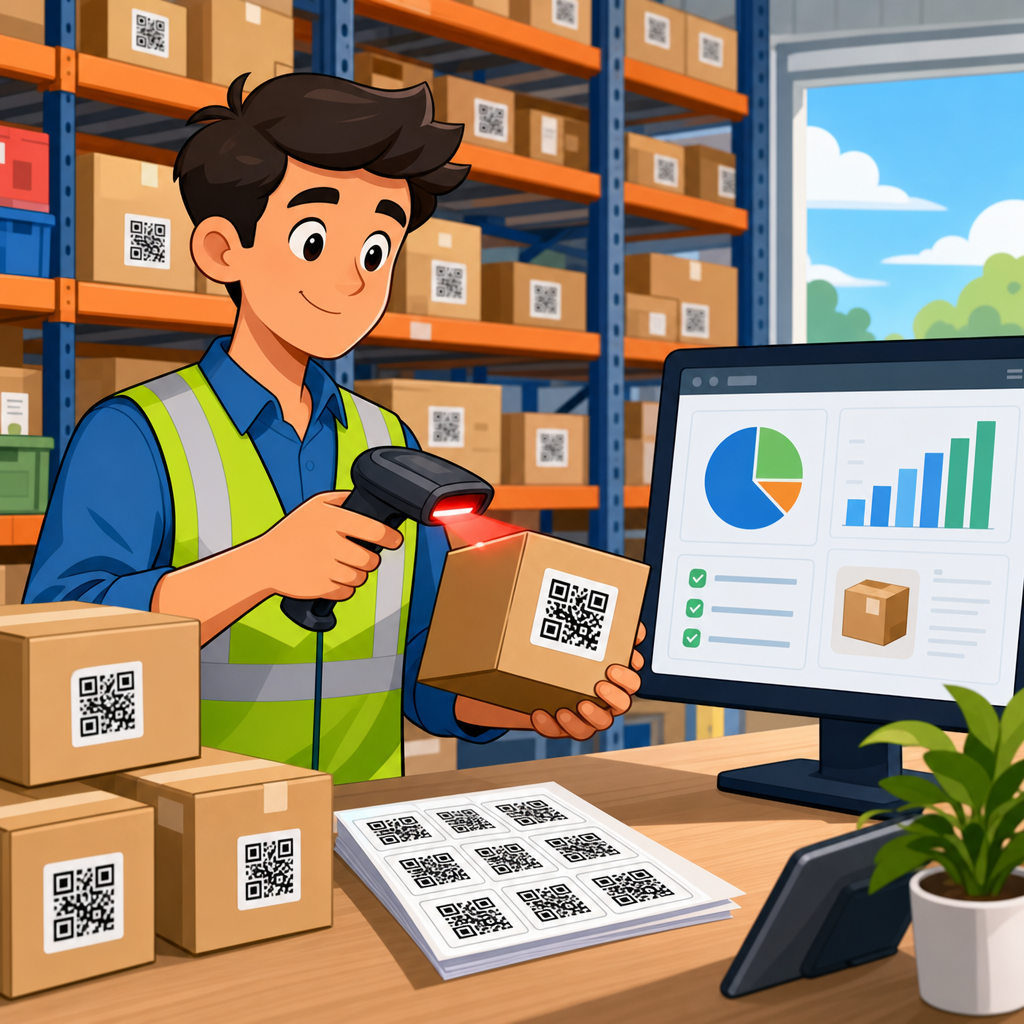
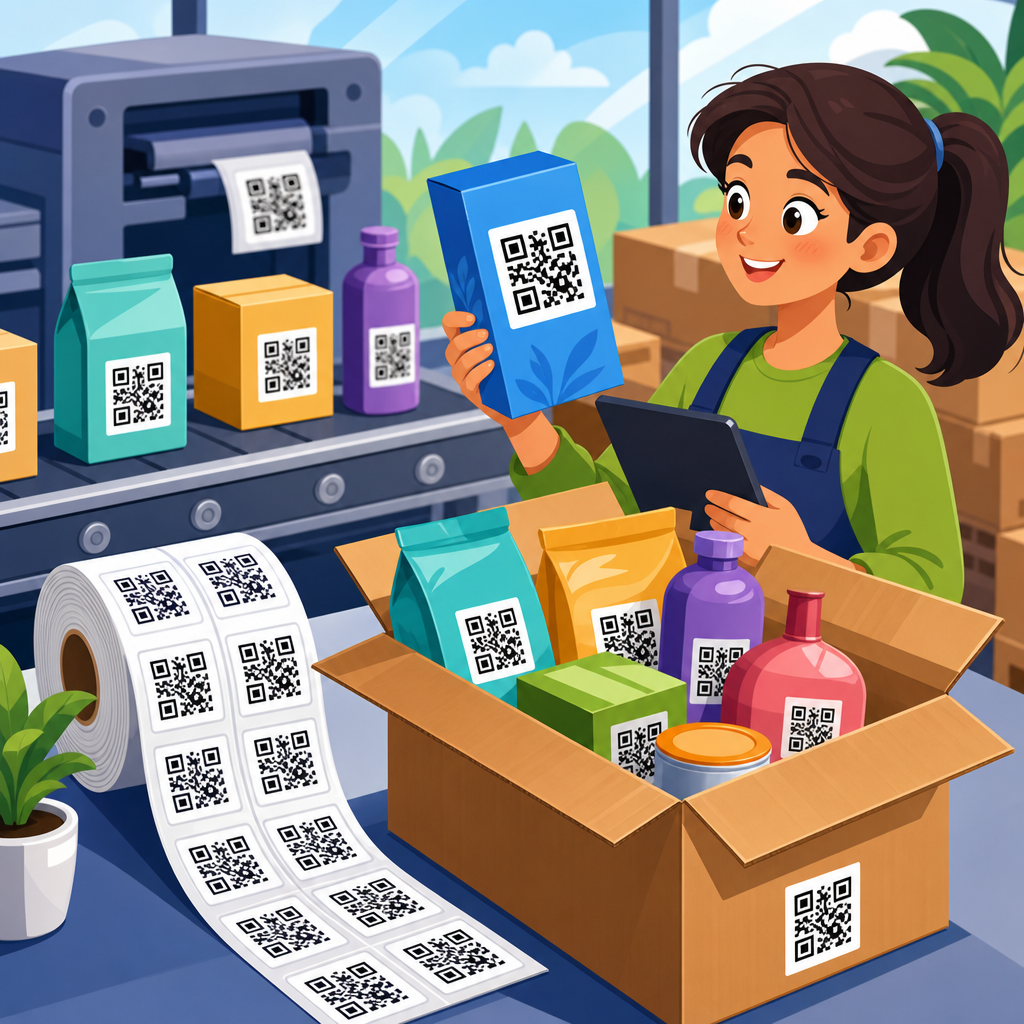
If you run a restaurant, cafe, or food truck, the best QR code generator is usually a dynamic platform with editable menu links and scan analytics. Menus change, seasonal items rotate, and ordering providers switch. Dynamic control prevents expensive reprints. If you operate a retail store, prioritize product-level or campaign-level tracking, especially for shelf talkers, packaging inserts, and window promotions. A tool with folders, labels, and custom domains will keep campaigns manageable.
For service businesses such as plumbers, salons, dentists, and consultants, the best generator is one that can route users to booking pages, review requests, contact forms, and digital business cards. Here, trust is critical. A branded destination and custom short URL improve conversion. For real estate agents, dynamic codes are essential because listings change constantly. Yard signs, brochures, and open-house materials should never depend on static property URLs that expire.
If your business only needs a QR code on a business card linking to a stable homepage, a reputable static generator may be enough. If you are printing packaging, signage, or menus, choose a dynamic platform from the start. The cost difference is minor compared with the cost of replacing printed assets or losing attribution data.
Pricing, Security, and Common Mistakes
Small business pricing usually ranges from free for static tools to roughly $5 to $40 per month for entry-level dynamic plans, with higher tiers for teams, white labeling, or large scan volumes. Annual billing often lowers the effective monthly cost. Do not compare price alone. Compare scan allowances, number of dynamic codes, analytics depth, custom domains, user seats, bulk generation, and whether exported files remain usable if you cancel. A cheap plan with severe limits can become expensive once your campaigns grow.
Security deserves equal attention. QR codes can hide destinations, so customers are cautious. Reputable generators support HTTPS destinations, branded short links, account controls, and stable redirects. Test every code on iPhone and Android, in bright and dim light, at final print size, and on the actual material. Matte paper generally scans more reliably than glossy laminated surfaces. Maintain strong contrast, preserve the quiet zone, and avoid shrinking a code below practical scanning size. As a rule, codes scanned from arm’s length should usually print at least around 2 x 2 centimeters, and larger for window signs or posters.
The most common mistakes are using static codes for changing pages, over-customizing design until readability drops, failing to add UTM parameters, printing without multi-device testing, and choosing a provider without reviewing code ownership terms. The best QR code generator for small businesses is not the flashiest one. It is the one that keeps your codes scannable, editable, measurable, and trustworthy over time.
Final Verdict: Which QR Code Generator Is Best for Small Businesses?
For most small businesses, the best QR code generator is a dedicated dynamic platform rather than a free static tool or a design app add-on. Dynamic generators give you the capabilities that matter in day-to-day operations: editable destinations, analytics, better campaign management, and stronger branding. If you need a quick, permanent code for a stable URL, a quality static generator can be enough. But if the code will live on menus, packaging, signage, mailers, or any asset you cannot easily replace, dynamic is the safer and usually cheaper long-term decision.
A practical shortlist looks like this: choose QR TIGER or Scanova for balanced small business features and pricing, choose Uniqode if you want a more robust business platform with stronger controls, choose Bitly if QR codes are part of a broader link management workflow, and choose QRCode Monkey only for simple static use cases. Canva is helpful for design workflow, but it should not be your only QR strategy for critical campaigns.
The best next step is simple: list your use cases, decide whether each code must be editable, and test two or three generators before printing anything at scale. Start with one live campaign, measure scans and conversions, then standardize on the platform that gives your business the best mix of reliability, control, and value.
Frequently Asked Questions
Which QR code generator is best for a small business?
The best QR code generator for a small business is not always the one with the most features; it is the one that matches how you actually plan to use QR codes. If you only need a one-time code that sends people to a homepage, PDF, Wi-Fi login, or digital menu that will not change, a simple static QR code generator may be enough. Static codes are usually inexpensive or free, and once printed, they continue to work as long as the destination URL stays live. That makes them practical for businesses with straightforward needs and limited marketing complexity.
However, if your business plans to update links, run promotions, track scans, use branded landing pages, collect analytics, or manage multiple codes across locations, a dynamic QR code platform is usually the better choice. Dynamic generators let you edit the destination after printing, which is especially useful for restaurants changing menus, retailers rotating offers, salons updating booking links, or service businesses testing different landing pages. The strongest options for small businesses typically include editable links, scan reporting, custom branding, downloadable print formats, and an easy dashboard. In other words, the best generator depends on whether you need a basic code once or a managed system you can optimize over time.
What is the difference between static and dynamic QR codes, and which one should a small business choose?
Static and dynamic QR codes serve different business needs. A static QR code stores the final destination directly in the code itself. That means if the code links to a website, menu, PDF, or contact card, that destination is fixed once the code is created. Static QR codes are often ideal for simple, permanent uses such as directing customers to a homepage, displaying a contact card on business cards, or linking to a long-term informational page. They are easy to generate, often free, and generally reliable as long as the linked content remains available.
Dynamic QR codes work differently. Instead of embedding the final destination, they point to a short redirect URL controlled through the QR code platform. This allows you to change the destination later without reprinting the code. For a small business, that flexibility can be extremely valuable. You can update a seasonal promotion, switch from one ordering platform to another, revise a review request page, or send users to different campaigns over time while keeping the same printed code on signs, packaging, flyers, or tables. Dynamic codes also commonly include scan analytics such as total scans, time, location, and device data, which can help measure campaign performance and customer engagement.
As a rule, choose a static QR code if the destination is permanent and you do not need reporting or ongoing management. Choose a dynamic QR code if you want editability, tracking, branding, testing, or any room to evolve. For many small businesses, dynamic codes offer better long-term value because they reduce the risk of having to reprint materials when something changes.
Are free QR code generators good enough for small businesses?
Free QR code generators can absolutely be good enough for some small businesses, but only in specific situations. If you need a basic static code for a permanent webpage, downloadable menu, payment link, or contact page, a reputable free generator may do the job well. This is especially true for businesses just getting started, businesses with very limited budgets, or owners who only need one or two codes and do not expect to update them later. In those cases, paying for a more advanced platform may not provide enough additional value to justify the cost.
That said, free tools often come with limitations that matter more as your business grows. Many free generators do not offer dynamic editing, scan analytics, team access, campaign organization, custom domains, advanced branding, or reliable support. Some free services also blur the line between truly free static codes and trial-based dynamic codes, which can create confusion later if a code stops being editable or requires a subscription to keep premium features active. For a small business, that can become a problem if QR codes are printed on menus, posters, packaging, or in-store signage and need to stay dependable.
The safest approach is to use a free generator only if you understand exactly what you are getting: whether the code is static or dynamic, whether it will keep working indefinitely, whether the platform adds branding, and whether the output quality is suitable for print. If QR codes are part of your ongoing marketing, customer experience, or lead generation, a paid dynamic platform is often the smarter investment because it gives you control, flexibility, and measurable performance data.
What features should a small business look for in a QR code generator?
A small business should start with the essentials: reliability, ease of use, and the ability to create codes that scan consistently in real-world conditions. Beyond that, the most valuable feature is usually dynamic editing. Being able to change a destination after printing saves money and prevents wasted materials. This matters if you ever update your menu, change your booking page, swap payment processors, run limited-time offers, or redirect users to a new product or service page.
Analytics are another major feature to prioritize. Even basic scan data can help you understand whether people are interacting with your code, which locations perform best, and which campaigns deserve more budget. Branding tools are also helpful, especially for customer-facing uses. Features like custom colors, frames, logos, and short calls to action can improve trust and increase scan rates when used carefully. A good platform should also offer high-resolution downloads such as PNG, SVG, EPS, or PDF so the code stays sharp across business cards, window decals, posters, table tents, product labels, and packaging.
Other useful features include bulk generation for multiple locations or products, folder organization, team access, password protection for files, custom domains, and landing page builders for businesses that do not want to create separate web pages for every campaign. For regulated industries or customer-sensitive use cases, security and data handling policies also matter. Ultimately, the best feature set depends on how central QR codes are to your operations, but for most small businesses, the winning combination is editable links, clear analytics, strong print quality, and an interface simple enough to manage without technical help.
How can a small business tell if a QR code generator is reliable before choosing one?
The easiest way to judge reliability is to think beyond the code creation step and evaluate the full lifecycle of the QR code. A trustworthy generator should clearly explain whether codes are static or dynamic, what happens after a trial ends, whether dynamic codes require an active subscription, and whether your codes will continue working as expected over time. Transparency matters. If a platform is vague about pricing, code ownership, scan limits, or feature restrictions, that is a warning sign for a business planning to print codes on physical materials.
It is also smart to test the platform yourself. Create a sample code, scan it on multiple devices, print it at small and medium sizes, and see how easily it reads under normal lighting. Check whether the dashboard is intuitive, whether downloaded files are suitable for professional printing, and whether you can update destinations smoothly if the code is dynamic. If analytics are included, review whether the reporting is easy to understand and actionable. Look for customer support options, product documentation, and evidence that the company serves business users rather than only casual personal use.
Finally, consider long-term business practicality. A reliable QR code generator should let you manage codes efficiently, avoid broken customer experiences, and reduce the risk of reprinting expensive materials. For a small business, dependability is not just about whether a QR code scans today; it is about whether the platform remains useful, editable, and easy to manage months from now when your offers, URLs, and marketing priorities change.