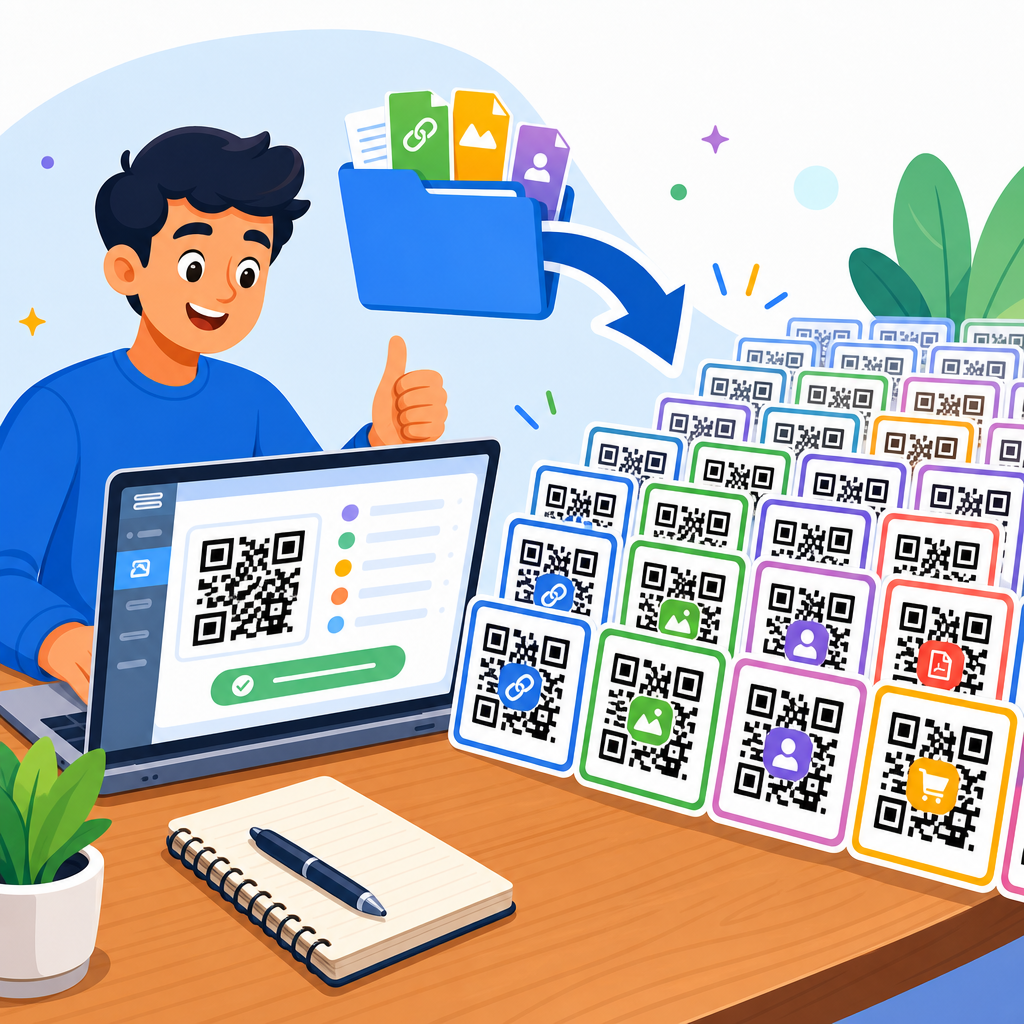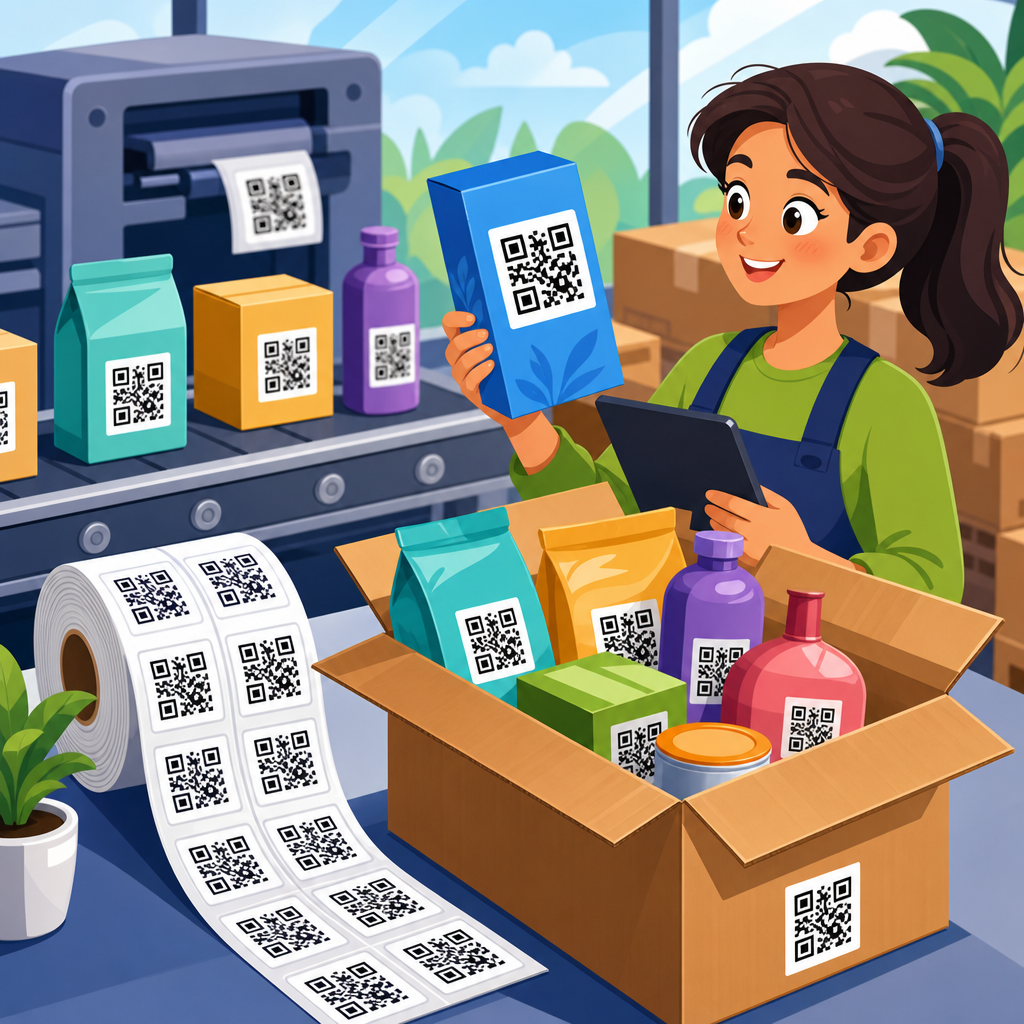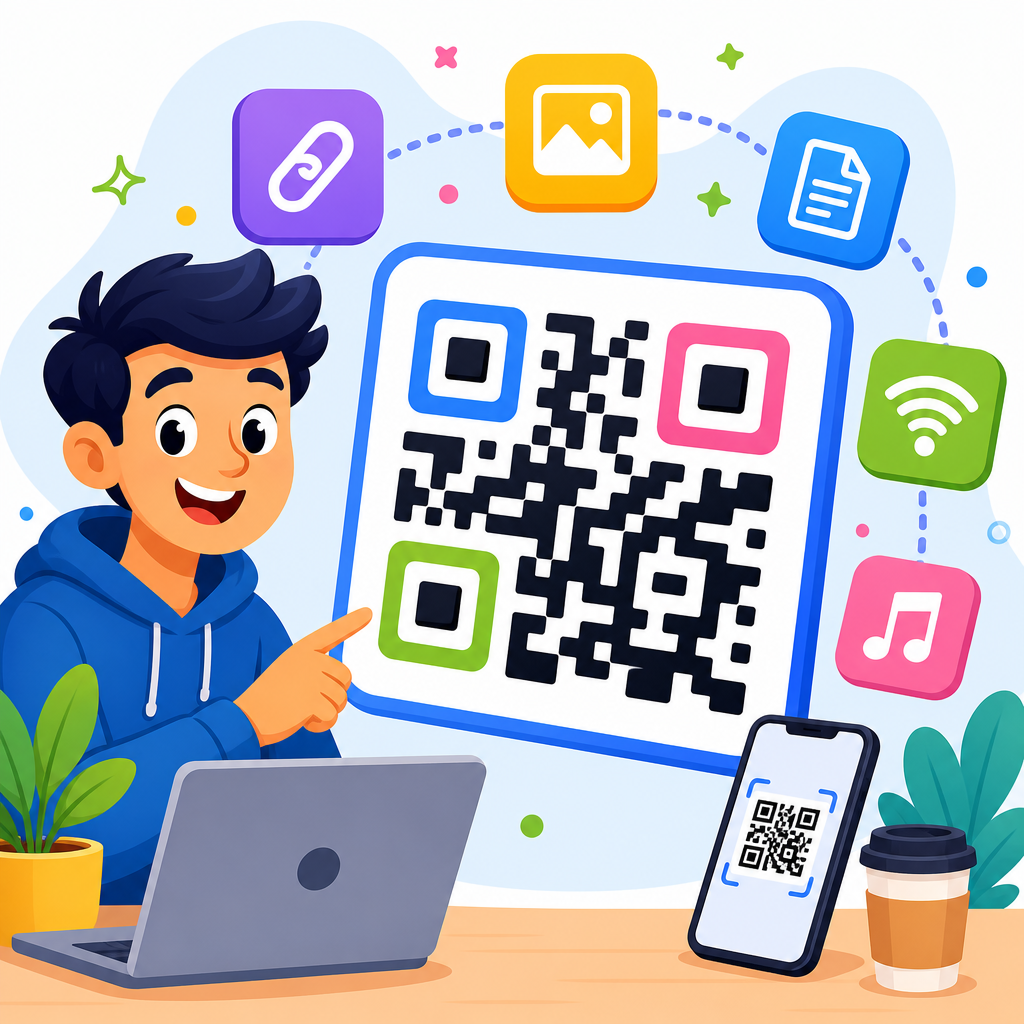
Free QR code generators are everywhere in 2026, but the best tools do more than turn a URL into a scannable square. They balance ease of use, output quality, privacy, editing options, file formats, and clear limits on what “free” really means. For businesses, creators, schools, nonprofits, and local shops, choosing the right QR code generator matters because a poor tool can lock you into paid plans, inject branding, reduce scan reliability, or remove your code after a trial period. A strong free option gives you dependable static codes, readable exports, and enough design control to match your use case without compromising performance.
In practice, a QR code generator is software that encodes data such as website links, contact cards, Wi-Fi credentials, PDF downloads, app links, or menu pages into a matrix barcode readable by smartphone cameras. The key distinction is between static and dynamic QR codes. Static codes store the destination directly in the pattern and usually remain free forever, but they cannot be edited after printing. Dynamic codes point to a short redirect URL managed by the provider, which allows editing, analytics, expiration rules, and campaign controls, but often sits behind subscriptions. I have tested many of these tools for marketing pages, event signage, packaging mockups, and restaurant handouts, and the same lesson keeps coming up: the best free QR code generator depends on whether you need permanence, branding, tracking, or collaboration.
This hub article covers the leading free QR code generators in 2026, how they compare, which users they suit best, and what pitfalls to avoid. It is designed to answer common search questions directly: Which QR code generator is really free? Are free dynamic QR codes reliable? What file format should you download? Can you add a logo safely? By the end, you will know which tools deserve a place in your workflow and which are better treated as limited trials.
What makes a free QR code generator worth using in 2026
The best free QR code generators share five traits. First, they create standards-compliant codes that scan quickly under real conditions, not just on a bright laptop screen. Second, they let you export in practical formats, ideally PNG for fast sharing and SVG or PDF for print. Third, they are transparent about whether a code is static or dynamic and whether editing later will cost money. Fourth, they avoid forced watermarks, landing-page ads, or expiration traps. Fifth, they provide enough customization to support branding while preserving error correction and contrast.
Scan reliability is the nonnegotiable factor. ISO/IEC 18004 defines the QR Code symbology standard, but generators vary in how safely they apply styling. Rounded modules, gradient fills, inverted colors, and oversized logos can all hurt readability if implemented poorly. In my tests, simple black-on-white codes at medium error correction consistently perform best across iPhone and Android camera apps, especially on matte printed materials and under indoor lighting. Design features are useful, yet they should always come after function.
Another important issue is destination control. If a free generator creates only static codes, that can be ideal for permanent assets like Wi-Fi cards, personal portfolio links, or classroom handouts. If you need to change the destination after printing, dynamic QR codes are more suitable, but the “free” tier must be checked carefully. Some tools offer unlimited creation but restrict scans, analytics, download resolution, or active campaigns. Others let you create a dynamic code free, then require payment to keep it live beyond a trial.
Best free QR code generators at a glance
Several tools stand out in 2026 because they are either genuinely free for core static QR code creation or offer a fair free tier with clear tradeoffs. QRCode Monkey remains a top recommendation for users who want high customization and strong print-ready exports without surprise paywalls for static codes. Canva works well for marketers and small teams already creating flyers, menus, and social graphics in one place. Adobe Express is useful for quick branded assets, especially for users inside Adobe’s ecosystem. Flowcode offers polished templates and strong mobile marketing orientation, though advanced dynamic features quickly move toward paid plans. QR TIGER, Beaconstac, and Uniqode are stronger when dynamic management matters, but their free tiers function more as test environments than forever-free solutions.
| Tool | Best for | Free static QR codes | Dynamic options on free tier | Notable strength |
|---|---|---|---|---|
| QRCode Monkey | Customization and print exports | Yes | No meaningful free editing layer | High-quality SVG, logo support, clean workflow |
| Canva | Designers and social content teams | Yes | Limited, workflow-dependent | Built into design projects and brand kits |
| Adobe Express | Fast branded asset creation | Yes | Generally limited | Simple generation inside a creative suite |
| Flowcode | Campaign-style QR use | Yes | Yes, but constrained | Marketing-friendly interface and templates |
| QR TIGER | Testing dynamic campaigns | Yes | Yes, trial-style | Broad QR types and analytics features |
| Beaconstac/Uniqode | Enterprise evaluation | Usually limited emphasis | Yes, trial-oriented | Governance, analytics, and team controls |
If you want a direct answer, QRCode Monkey is the best all-around free QR code generator for most users who need static codes. Canva is the best option if design workflow matters more than advanced QR settings. Flowcode is attractive for short-term promotional use, while enterprise-oriented platforms are best viewed as premium products with a free test layer rather than fully free generators.
Detailed reviews of the leading tools
QRCode Monkey earns its reputation because it solves the core problem well. You can create URL, vCard, text, email, SMS, Wi-Fi, and social QR codes with straightforward controls for colors, body shape, eye shape, and embedded logos. It exports PNG, SVG, PDF, and EPS, which matters for professional printing. I have used it for event posters and product inserts where vector output prevented blurry edges at larger sizes. The interface encourages customization, but it still keeps contrast strong enough for dependable scanning if you do not push styling too far.
Canva’s QR code generator is more limited as a pure encoding tool, yet it is powerful in context. If you are already designing a menu, rack card, presentation slide, or Instagram story, adding a QR code inside the same workspace is efficient. Brand teams benefit from fonts, color palettes, layout controls, and asset libraries. The tradeoff is that Canva is not the best place for advanced QR management, analytics, or technical export decisions. It is a design-first solution, not a campaign-control platform.
Adobe Express follows a similar pattern. It works well for users who want quick branded materials without leaving a familiar Adobe environment. In small business settings, I have seen it reduce handoff friction because one person can create the QR code, place it into a flyer, and export final artwork without switching tools. However, if your priority is deep QR code customization or post-launch editing, dedicated generators are stronger.
Flowcode is appealing because it packages QR generation in a more marketing-centric way. It is often chosen for restaurant tables, gym posters, real estate signs, and creator campaigns. The interface makes it easy to think in terms of destinations and performance, not just code output. That said, users should read the fine print. Free access can be sufficient for testing, but durable analytics and broader dynamic control usually require payment.
QR TIGER offers a wide range of QR content types, including app stores, files, menus, and social links, and it is often one of the first tools people find when they need dynamic functionality. For agencies or growing businesses, it can be a good bridge between a simple free generator and a full campaign platform. But it is not the top recommendation for people who simply want a forever-free static code with no account friction. For that, simpler tools remain better.
How to choose the right generator for your use case
The best free QR code generator depends on what happens after the code is created. For print materials that will stay unchanged, choose a static generator with vector export. Examples include business cards, classroom worksheets, church bulletins, museum labels, and product packaging prototypes. In those cases, QRCode Monkey or a similar static-first tool is usually enough. Download SVG or PDF for anything going to a professional printer, and test with multiple phones before final production.
For marketing campaigns, dynamic QR codes are worth considering because they let you update the destination and measure scans. A restaurant can redirect from a seasonal menu to a holiday menu without reprinting table tents. A realtor can change a property page when a listing sells. An event team can switch from registration to agenda to post-event survey using the same printed sign. These are strong use cases for Flowcode, QR TIGER, or other managed platforms, even if the free tier is only temporary.
For creators and solo businesses, workflow often matters more than feature depth. If you already use Canva to make posters, lead magnets, and social posts, the time saved by working in one platform can outweigh the benefits of a more technical generator. If you work with designers or printers, though, export quality becomes the deciding factor, and vector-capable tools should move to the front of the list.
Privacy also deserves attention. Some free dynamic providers route scans through their own redirect domains and collect analytics by default. That is not automatically bad, but organizations in healthcare, education, government, or regulated industries should review data handling carefully. A static QR code pointing directly to your own domain is often the cleaner option when compliance or public trust is important.
Common mistakes that make free QR codes fail
The most common failure is choosing a dynamic code without understanding the ongoing dependency on the provider. If the account lapses, limits are reached, or the service changes terms, printed materials can break. I have seen this happen with temporary event signage that stayed in use long after the campaign ended. A static code would have been safer.
The second mistake is overdesign. A logo can be useful, and custom eye shapes can look polished, but too many visual effects reduce scannability. Low contrast combinations such as pale gray on beige, complex gradients, or transparent backgrounds are frequent problems. Keep a quiet zone around the code, avoid stretching it, and test from realistic distances. For tabletop displays, test at arm’s length. For posters, test from several feet away. For packaging, test on curved surfaces if the label wraps around a container.
The third mistake is downloading the wrong format. PNG is fine for digital use and quick office printing, but SVG, EPS, or PDF is safer for high-resolution print jobs. Raster images can soften edges when scaled, especially after being placed into other design software. The fourth mistake is linking to unstable destinations such as temporary cloud-share URLs, unpublished pages, or social profiles that may change. Your QR code is only as reliable as the destination behind it.
Finally, users often forget accessibility. A QR code should not be the only path to critical information. Add a short URL below it, especially on posters, receipts, packaging, or public notices. This helps users with older devices, camera issues, or accessibility needs and also provides a fallback when lighting or connectivity is poor.
Best practices for getting better results from free tools
Use a direct, trustworthy destination URL whenever possible, preferably on your own domain. Keep the landing page mobile-friendly, fast, and specific to the context of the scan. If a code appears on a restaurant table, link directly to the menu, not the homepage. If it appears on packaging, send users to setup instructions or product registration, not a broad catalog. Relevance improves user experience and measurable results.
Choose error correction thoughtfully. Higher error correction can help when adding a logo or when codes may be scratched or partially obscured, but it also makes the pattern denser. For most everyday uses, medium settings are a sensible balance. Maintain strong contrast, preserve the quiet zone, and size the code according to scan distance. A common rule is around one inch of code width for every ten inches of scanning distance, though real-world testing is still essential.
Create a simple testing routine. Scan on iPhone and Android, in bright and dim light, using both native camera apps and common third-party scanners. Print a draft at actual size before committing to a production run. Check behavior on cellular data, not just office Wi-Fi. These steps take minutes and prevent expensive mistakes.
As a hub within the broader QR Code Creation & Tools topic, this page should guide readers to deeper articles on dynamic vs static QR codes, QR code design best practices, QR code tracking, menu QR codes, vCard QR codes, and print sizing. Start with the generator that matches your use case, then refine your implementation with those supporting guides. In 2026, the smartest approach is simple: use genuinely free static tools for permanent needs, use managed platforms when editing and analytics justify the cost, and never sacrifice scan reliability for decoration. Pick one tool, test it in the real world, and build from there.
Frequently Asked Questions
What should I look for in a truly free QR code generator in 2026?
A truly free QR code generator in 2026 should offer more than basic code creation. The best options let you create static QR codes without forcing signups, subscriptions, watermarks, or expiration dates. That matters because some platforms advertise themselves as free, but only allow limited scans, place their branding on the code, or disable the QR code entirely after a trial period. A reliable free tool should be upfront about what is included, whether the code is static or dynamic, and whether there are any limits on usage, downloads, or edits.
You should also evaluate output quality and file format options. High-resolution PNG files may be enough for digital use, but SVG or PDF exports are better for print materials because they scale cleanly without becoming blurry. Good free QR code generators also provide customization options like color changes, frame styles, and logo support, but they should do so without hurting scan reliability. If a tool allows too much styling without warning you about contrast and quiet-zone requirements, the final code may look attractive but perform poorly in real-world scanning conditions.
Privacy is another major factor. Many people use QR codes for business pages, event registrations, menus, payment links, or educational resources, so it is worth checking whether the generator stores your data, tracks scans, or requires account creation. In short, the best free QR code generators in 2026 are transparent, easy to use, dependable across devices, and honest about the boundaries of the free plan.
Are static or dynamic QR codes better for free users?
For most free users, static QR codes are the better and safer choice. A static QR code directly stores the final destination, such as a website URL, text snippet, phone number, Wi-Fi login, or email address. Once created, it usually works indefinitely because it does not depend on the QR generator’s platform staying active. That makes static codes ideal for flyers, classroom materials, nonprofit campaigns, business cards, product packaging, posters, and signs where long-term reliability matters.
Dynamic QR codes can be useful because they allow you to change the destination later, track scans, set campaigns, or manage analytics. However, many free QR code generators treat dynamic codes as a limited-time feature. A code may work during a trial and then stop redirecting unless you upgrade to a paid plan. In some cases, free dynamic QR codes also come with branding, redirect through the provider’s domain, or restrict the number of scans. That can create real problems if the code has already been printed on marketing materials or shared widely.
If you know the final destination will not change, a static QR code is usually the smartest free option. If you do need editability, make sure the provider clearly states whether dynamic QR codes remain active permanently on the free tier, what analytics are included, and whether scan limits apply. In 2026, the biggest mistake users make is assuming all QR codes are permanent, when in reality many “free” dynamic tools are only temporarily free.
Can free QR code generators be trusted for business, school, or nonprofit use?
Yes, many free QR code generators can absolutely be trusted for business, school, or nonprofit use, but only if you choose carefully. Trust comes down to reliability, transparency, and technical quality. A trustworthy generator produces codes that scan consistently across iPhones, Android devices, tablets, and older camera apps. It should also offer enough resolution for the intended use, whether that is a digital newsletter, a classroom handout, a storefront window, or a large event banner. If the platform has hidden restrictions or generates low-quality files, even a free tool can become expensive in wasted print costs and missed engagement.
For organizations, the biggest concerns are permanence and control. Before using any generator at scale, confirm whether the QR code will remain active indefinitely, whether the provider reserves the right to deactivate inactive codes, and whether there is any dependency on a hosted redirect service. Schools and nonprofits often need simple, stable access to forms, calendars, donation pages, and educational resources, so static QR codes from reputable tools are often the best fit. Businesses may want more customization, but should be cautious about generators that overpromise “free forever” while hiding usage caps.
It is also wise to test every code before publishing. Scan it under different lighting conditions, from different distances, and on multiple devices. Print a sample if the final code will appear in physical materials. A free QR code generator can be perfectly suitable for professional use, but the best results come from using tools that are clear about their limits and from treating QR deployment as part of a quality-control process, not just a quick design step.
Do customization features like colors and logos make QR codes harder to scan?
They can, if used poorly. In 2026, many free QR code generators include design options such as custom colors, rounded modules, branded frames, gradients, and embedded logos. These features can make a QR code look more polished and on-brand, which is valuable for businesses, creators, and organizations that want a consistent visual identity. However, every design change affects readability. If contrast is too low, the code is too dense, the logo covers too much of the center, or the quiet zone around the edges is reduced, scan performance can drop quickly.
The safest approach is to treat customization as secondary to function. Dark code elements on a light background still work best. Avoid pale colors, busy backgrounds, and heavy gradients unless the tool specifically validates scan reliability. Logos should be small and placed with enough error correction to compensate, but not so large that they interfere with core data patterns. Rounded shapes and decorative styles can work, but they should be tested carefully, especially if the code will be printed at small sizes or viewed in low light.
The best free QR code generators strike a balance by offering customization with sensible guardrails. They may warn you when your color choices are too low-contrast or preserve the required margin automatically. If a tool lets you create highly stylized QR codes without any validation, you should be cautious. A QR code that matches your brand but fails to scan consistently is ultimately worse than a simple black-and-white code that works every time.
Which file format is best when downloading a free QR code?
The best file format depends on where the QR code will be used. For most digital needs, PNG is the most practical choice because it is widely supported, easy to share, and works well on websites, social media graphics, slide decks, and email campaigns. A high-resolution PNG is usually enough for common on-screen applications. However, if you plan to print the QR code on posters, menus, brochures, stickers, packaging, or signage, vector formats like SVG or PDF are usually better because they scale without losing sharpness.
This is an important point when comparing free QR code generators, because some tools only offer low-resolution raster downloads on the free plan and reserve SVG or PDF exports for paid users. That limitation can affect print quality significantly. A blurry or pixelated code may still look acceptable on a screen but scan poorly when enlarged or reproduced in professional printing. If you expect to reuse the same QR code in multiple sizes, a vector format gives you much more flexibility and preserves quality across every use case.
It is also smart to consider workflow compatibility. Designers often prefer SVG because it can be edited in design software, while teams producing office documents may find PDF easier to place into print-ready layouts. For everyday users, PNG remains the easiest starting point. The key is to choose a free QR code generator that offers the right download format for your intended use, rather than discovering too late that the “free” version limits you to a file type that does not fit your project.