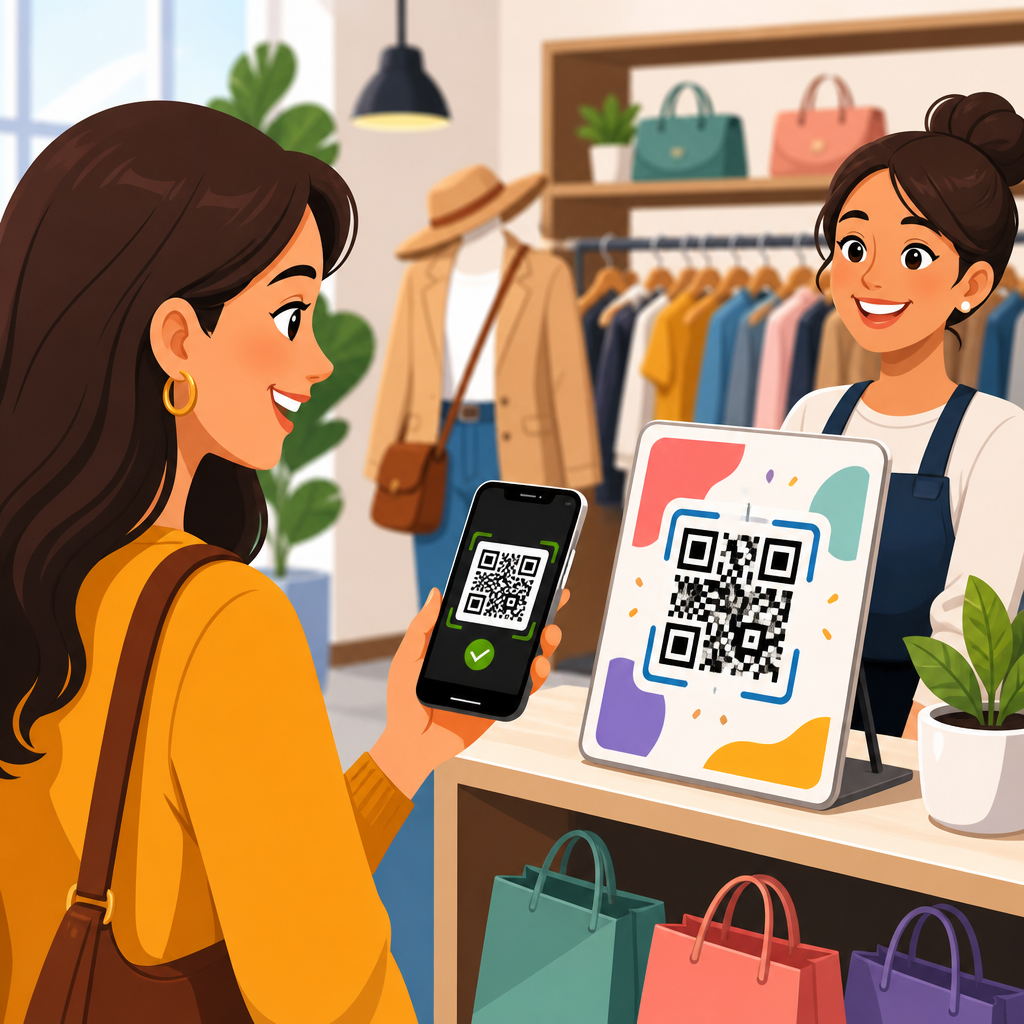
QR codes for digital event tickets have become the operational backbone of modern events, replacing printable stubs with scannable credentials that move faster, reduce fraud, and connect admission data to the rest of the attendee journey. In events and ticketing, a digital ticket is a unique, machine-readable credential delivered to a phone wallet, app, email, or PDF, while a QR code is the two-dimensional barcode that stores the token a scanner validates at entry. I have helped deploy these systems for conferences, concerts, trade shows, and private venues, and the pattern is consistent: when the code design, validation logic, and onsite process are handled correctly, lines shrink, staff errors drop, and organizers gain cleaner attendance records. This matters because ticketing is no longer just about admission. It affects revenue protection, staffing, security, sponsor reporting, and post-event marketing. A broken gate process can damage the entire event experience within minutes, while a reliable QR code ticketing flow can admit thousands of people with minimal friction. The technology also scales. A neighborhood fundraiser can send simple QR tickets by email, while a stadium can validate rotating or encrypted codes against live databases across multiple entrances. As cashless operations, mobile check-in, and hybrid events become standard, organizers need a clear understanding of how QR ticketing works, where it performs best, and what risks must be managed. This hub article explains the core system, major use cases, implementation choices, security controls, attendee experience considerations, and the metrics that determine whether a QR code ticketing program is actually successful.
How QR Codes Power Digital Event Ticketing
At a practical level, QR codes for digital event tickets work by linking each ticket holder to a unique identifier that a scanner can read in less than a second. That identifier may be static data embedded directly in the code, but in professional ticketing it is more often a token that points to a record in a ticketing platform such as Eventbrite, Ticketmaster, Universe, Humanitix, or a custom registration system. When the attendee presents the code, the scanning device checks whether the credential is valid, whether it has already been redeemed, and whether any access rules apply, such as VIP entry, session permissions, age restrictions, or timed admission windows. The confirmation can happen online through an API call or offline through cached validation lists synced to handheld scanners before doors open.
The reason QR codes dominate over older one-dimensional barcodes in many event settings is capacity and resilience. A QR code can store more data in a smaller space and remains scannable even if partially damaged, thanks to built-in error correction. That helps when tickets are displayed on cracked phone screens, wrinkled printouts, or low-brightness devices in direct sun. In live operations, the scanning environment matters as much as the code itself. Entry speed depends on screen brightness, scanner quality, internet stability, and whether staff are trained to keep attendees moving rather than troubleshooting each scan one by one. I have seen venues blame the code format when the real issue was poor lane design or underpowered consumer phones acting as scanners.
Most event ticket QR systems follow the same workflow: ticket purchase, code generation, delivery, pre-event reminders, gate validation, exception handling, and attendance reporting. The best platforms keep these stages connected. If a guest transfers a ticket, upgrades to a premium pass, or cancels, the QR code status updates centrally so gate staff are not relying on outdated spreadsheets. This integration is why digital ticketing now sits at the center of event operations rather than on the edge of it.
Where QR Ticketing Delivers the Most Value Across Events
QR codes are effective across nearly every event category, but the operational benefits vary by format. For concerts and sports, the biggest gain is throughput at scale. High-volume venues need to admit large crowds safely within narrow windows, often while enforcing seating assignments and anti-scalping controls. Here, mobile QR tickets reduce paper handling and allow organizers to issue last-minute changes instantly. For conferences and trade shows, the value extends beyond entry. A single credential can control access to keynote halls, workshops, networking lounges, meal functions, and exhibitor lead capture. Organizers can measure actual attendance by session instead of relying on rough headcounts.
Festivals use QR ticketing to support multiday access, camping permissions, parking, and wristband pickup. In these environments, the code often serves as the first checkpoint before an RFID wristband is issued for ongoing access and payments. Community events, museums, theaters, and charity galas benefit from simpler deployments: low printing costs, easier guest list management, and fewer disputes at the door. Even schools and universities now use QR-based tickets for commencement ceremonies, student performances, and athletics because they can control guest allotments and reduce counterfeit admissions shared on social media.
Hybrid and virtual events also use the same principle. The QR code may not open a gate, but it can verify in-person attendance for badge pickup while linking to online session access for the same registrant. This is especially useful when sponsors want accurate cross-channel engagement data. The broad lesson is straightforward: QR codes are not just a replacement for paper tickets. They are a unifying identity layer for events with multiple spaces, schedules, and stakeholders.
Choosing the Right Ticketing Architecture and Access Rules
Not every QR code ticketing setup should be built the same way. The correct architecture depends on event size, risk tolerance, connectivity, and the complexity of admission rules. Small events can use straightforward unique QR tickets delivered by email and scanned with a mobile app. Medium and large events usually need stronger controls, including real-time redemption checks, transfer management, role-based access, and device synchronization across multiple gates. If a venue has inconsistent connectivity, offline mode is not optional. Scanners must cache active ticket lists and sync redemptions carefully to avoid duplicate entry when devices reconnect.
Access logic deserves equal attention. A general admission concert, a seated theater performance, and a four-day business conference all require different validation rules. Good systems support ticket classes, zones, add-ons, timed windows, and entitlement bundles. For example, a sponsor pass may include early entry, lounge access, and one workshop, while a standard pass includes only the expo hall. Encoding all of that directly in the QR image is possible but often less secure and harder to change; storing a token that resolves against the live record is more flexible. Dynamic QR codes also make revocation easier if a chargeback occurs or a ticket is resold through an authorized marketplace.
| Event type | Recommended QR ticket setup | Why it works |
|---|---|---|
| Small local event | Email-delivered unique QR codes with app-based scanning | Low cost, easy setup, minimal staffing |
| Conference or trade show | QR credential tied to registration platform and session permissions | Supports multi-area access, reporting, badge pickup |
| Concert or stadium event | Dynamic QR codes with real-time validation and transfer controls | Reduces fraud, improves gate throughput, handles resale |
| Festival | QR code for initial validation plus wristband issuance | Speeds first entry and supports multiday operations |
| VIP or high-security event | Encrypted or rotating QR code linked to ID checks | Prevents screenshots, supports tighter identity control |
Organizers should also decide whether the QR ticket itself is the final credential or a bridge to another format such as a badge or wristband. In my experience, single-day events often succeed with direct QR admission, while multiday events usually run smoother when the code is redeemed once and converted into a durable onsite credential.
Security, Fraud Prevention, and Redemption Control
The strongest argument for QR codes in ticketing is not convenience alone. It is control. Fraud in events typically appears as duplicated screenshots, counterfeit PDFs, unauthorized resale, chargeback abuse, and repeated use of a valid credential. A basic static QR code without server-side validation can stop almost none of these problems. A properly designed system can stop most of them. The essential control is unique redemption status. Each scan must return a clear result: valid and unused, already redeemed, invalid, refunded, transferred, or restricted. Staff need those messages in plain language, not vague error codes, because entry decisions happen in seconds under pressure.
For higher-risk events, rotating or time-refreshing QR codes add another layer. Airlines and major ticketing companies have popularized this approach because a screenshot of a rotating code becomes useless quickly. Tokenization also limits what can be extracted if the code image is copied, since the sensitive data remains in the backend. Additional protections include account authentication, device binding within an official app, geofenced activation, and linking admission to a name or photo ID for VIP and credentialed access. None of these measures is free. More security can create more friction, so organizers should match controls to risk. A small fundraiser does not need the same system as a sold-out arena show with active scalping markets.
Redemption control must continue after the first scan. Re-entry rules, lane overrides, exception approvals, and audit logs matter. If a guest exits for smoking or returns with a companion, staff need a governed way to handle that request. The best platforms record who overrode a scan, on which device, and why. That audit trail protects both revenue and staff accountability, especially at venues with outsourced security teams.
Attendee Experience, Accessibility, and Onsite Operations
A QR code ticketing system succeeds only when attendees can use it easily in real conditions. Delivery format matters more than many teams expect. Some guests prefer a wallet pass, others rely on an email attachment, and some still print their ticket. Supporting all three reduces support queues. Pre-event messaging should instruct attendees to download tickets in advance, raise screen brightness, transfer extra tickets before arrival, and know which entrance matches their ticket type. These simple prompts noticeably reduce gate friction.
Accessibility is equally important. Not every attendee has a modern smartphone, stable data access, or the dexterity to navigate an app quickly in a crowd. A reliable QR ticket program always includes fallback options such as printed tickets, will-call lookup, manual search by name, and staff with authority to resolve edge cases. Screen-reader-friendly delivery emails, high-contrast wallet passes, and multilingual instructions also improve usability. Venues should test scanner performance against older devices and cracked screens, not just current flagship phones under office lighting.
Onsite operations often determine whether the technology feels smooth or chaotic. Entry lanes should be wide enough for scanning without forcing attendees to stop and search bags at the same spot. Staff should be assigned clear roles: greeters to prepare guests, scanners to validate codes, and troubleshooters for exceptions. I have repeatedly seen one extra “line prep” staff member outperform expensive technology upgrades because they keep screens ready before guests reach the scanner. For large events, queue analytics, staggered arrival windows, and separate lanes for VIP, staff, accessibility, and bag-free entry can cut average admission times dramatically. The code is only one part of the flow; the process around it creates the experience attendees remember.
Measurement, Integrations, and the Broader Event Data Strategy
One of the biggest long-term benefits of QR codes for digital event tickets is the data they generate. A paper ticket can prove sale volume. A scanned digital credential can prove attendance, arrival time, entry point, session participation, and no-show rates. That data improves staffing plans, sponsor reporting, food and beverage forecasting, and future marketing. For example, if check-in logs show that 40 percent of attendees arrive in the final thirty minutes before a keynote, organizers can redesign staffing and pre-show programming to spread arrivals. If workshop scans reveal underused sessions, the agenda can be adjusted next year based on evidence rather than intuition.
Integrations make this data useful. Ticketing platforms should connect with CRM systems, email tools, marketing automation, analytics dashboards, and where relevant, access control, badge printing, RFID, and payment systems. A conference might link registration data from Cvent to onsite badge printing, then push attendance records into Salesforce for sales follow-up. A performing arts venue may connect QR scans to a patron database to identify subscription renewal patterns. A festival may match gate entries against parking and camping purchases to improve site planning. Clean data structure matters here. Ticket class names, timestamps, venue zones, and scan statuses need consistent definitions or reporting becomes misleading.
Success metrics should be explicit before launch. Useful benchmarks include scan success rate, average time per entry, duplicate scan rate, exception volume, no-show percentage, app download rate when relevant, and support tickets related to access. Teams should also review qualitative signals such as attendee complaints, gate staff feedback, and scanner battery performance. The most mature event operators treat ticketing as a measured system, not a one-time setup. If you are building an events and ticketing content hub, map these topics into related pages on scanner hardware, dynamic QR codes, QR code security, mobile wallet delivery, attendee check-in workflows, and event analytics. Start with your current event flow, identify the highest-friction checkpoint, and design your QR ticketing process to solve that problem first.
Frequently Asked Questions
How do QR codes for digital event tickets actually work at the gate?
At a practical level, a QR code on a digital event ticket acts as a machine-readable credential that links a guest to a valid ticket record in the event’s ticketing system. When the attendee presents the ticket on a phone wallet, event app, email, or PDF, the scanner reads the QR code and extracts the encoded token. That token is then checked against the event database or validation list to confirm that the ticket is authentic, belongs to the correct event, matches the right date or session, and has not already been used, refunded, voided, or transferred improperly. If everything checks out, the system approves entry in seconds and records the scan so the same credential cannot be reused at another gate.
This is why QR-based ticketing is so effective operationally. Instead of relying on visual inspection or manually tearing paper stubs, staff can validate tickets quickly and consistently with a simple scan. That speeds up ingress, reduces human error, and gives organizers real-time visibility into attendance patterns. Teams can see how many guests have entered, which entrances are busiest, and whether VIP, general admission, or reserved seating groups are arriving as expected. In well-designed deployments, scanners can also work in offline mode and sync later, which is important for venues with weak connectivity. In short, the QR code is not just an image on a screen; it is the access key that ties admission, security, reporting, and attendee flow into one coordinated system.
Are QR code tickets more secure than printed tickets?
In most cases, yes. QR code tickets are generally more secure than traditional printed tickets because they are easier to validate against live system data and harder to exploit at scale. A printed ticket can be copied, photographed, or altered, and unless staff have a reliable way to check it against a central record, fraud can slip through. By contrast, a QR code ticket is usually tied to a unique token in the ticketing platform. When it is scanned, the system can instantly verify whether that specific credential is legitimate and whether it has already been redeemed. That one-time validation is one of the biggest reasons digital ticketing has become standard at modern events.
That said, security depends on how the ticketing program is configured. The strongest implementations use uniquely generated codes, real-time scan validation, transfer controls, refund and cancellation synchronization, and permissions that limit who can issue or override credentials. Some platforms also rotate or refresh the displayed QR code, which makes screenshots less useful for unauthorized reuse. Others connect tickets to named accounts, device authentication, or wallet passes that update automatically if a ticket changes status. Event operators can add another layer of protection through trained staff, controlled entry lanes, and clear exception handling for duplicates, failed scans, or suspicious behavior. So while no ticketing method is completely fraud-proof, QR codes give organizers significantly better tools to prevent counterfeit entry and detect problems quickly.
What are the biggest operational benefits of using QR codes for digital event tickets?
The biggest advantage is speed. QR codes allow staff to process attendees much faster than manual ticket checks, which reduces lines, congestion, and frustration at the entrance. Faster scanning matters not only for guest satisfaction but also for staffing efficiency and venue safety. When thousands of people arrive in a short window, every second saved per scan adds up. A well-run QR ticketing workflow helps events open gates smoothly, keep queues moving, and avoid the ripple effects that long delays can cause across security, concessions, and program start times.
Beyond speed, QR code tickets improve accuracy and visibility. Every scan creates a digital record, which means organizers can track attendance in real time, monitor no-show rates, measure entry volume by gate, and reconcile admissions against tickets sold. That data supports better staffing decisions, stronger reporting, and more informed planning for future events. QR-based systems can also connect admission to the broader attendee journey, such as parking access, VIP check-in, session control, cashless experiences, loyalty activations, or post-event engagement. Because the ticket is digital, updates can often be pushed without reprinting anything, and customer support teams have more flexible tools for reissuing, transferring, or correcting credentials. Taken together, these benefits make QR codes much more than a replacement for paper—they become a central part of event operations and audience intelligence.
Do QR code event tickets work without internet access?
They can, but it depends on the ticketing system and scanning setup. Many professional event platforms support offline or low-connectivity scanning, which is essential for festivals, stadiums, temporary venues, and older buildings where cellular service may be unreliable. In an offline workflow, scanning devices typically download a secure validation list or encrypted ticket set before gates open. Staff can then scan tickets locally, and the device records admissions until it reconnects and syncs with the main system. This allows the event to continue operating even if the network drops or connectivity is inconsistent.
However, offline capability comes with planning considerations. Organizers need to make sure devices are properly synced before the event, battery life is managed, and teams understand how duplicate prevention works across multiple entrances. For example, if two disconnected devices are validating from separate local lists, there may be temporary limitations in how quickly each device knows a ticket was just used elsewhere. Strong platforms address this with sync intervals, lane design, device controls, and clear operating procedures. It is also important to distinguish between attendee access and staff validation: a guest can usually display a QR code from a screenshot, mobile wallet, or saved PDF without needing live internet on their phone, but the venue’s ability to validate that code may still depend on scanner configuration. The best practice is to choose a system that supports offline scanning and to test it thoroughly before show day.
What should event organizers do to create a reliable and attendee-friendly QR code ticketing experience?
Start with the attendee experience and work backward through operations. A reliable QR code ticketing program begins with clear delivery, easy retrieval, and simple instructions. Guests should receive their digital tickets promptly through channels they actually use, such as email, mobile wallet, or an event app, and the message should explain exactly how to present the QR code at entry. Encourage attendees to save the ticket in advance, increase screen brightness before scanning, and transfer tickets ahead of arrival if someone else will be using them. Small communication details like these can significantly reduce gate friction.
On the operational side, organizers should select scanning hardware and software that match the size and complexity of the event, train staff on both standard check-in and exception handling, and establish procedures for duplicates, damaged screens, dead phone batteries, lost tickets, and VIP or staff credentials. It is wise to test every part of the workflow before the event: ticket issuance, wallet delivery, scanner performance, offline behavior, synchronization, and reporting. Signage at entry points should direct guests clearly, and staffing plans should reflect expected arrival peaks. Security and fraud controls should also be built in from the beginning, including unique credential generation, real-time status updates, controlled transfers, and access permissions for back-of-house teams. When organizers treat QR ticketing as a complete operational system rather than just a barcode on a screen, they create faster entry, better data quality, stronger fraud protection, and a noticeably smoother attendee journey from arrival to admission.