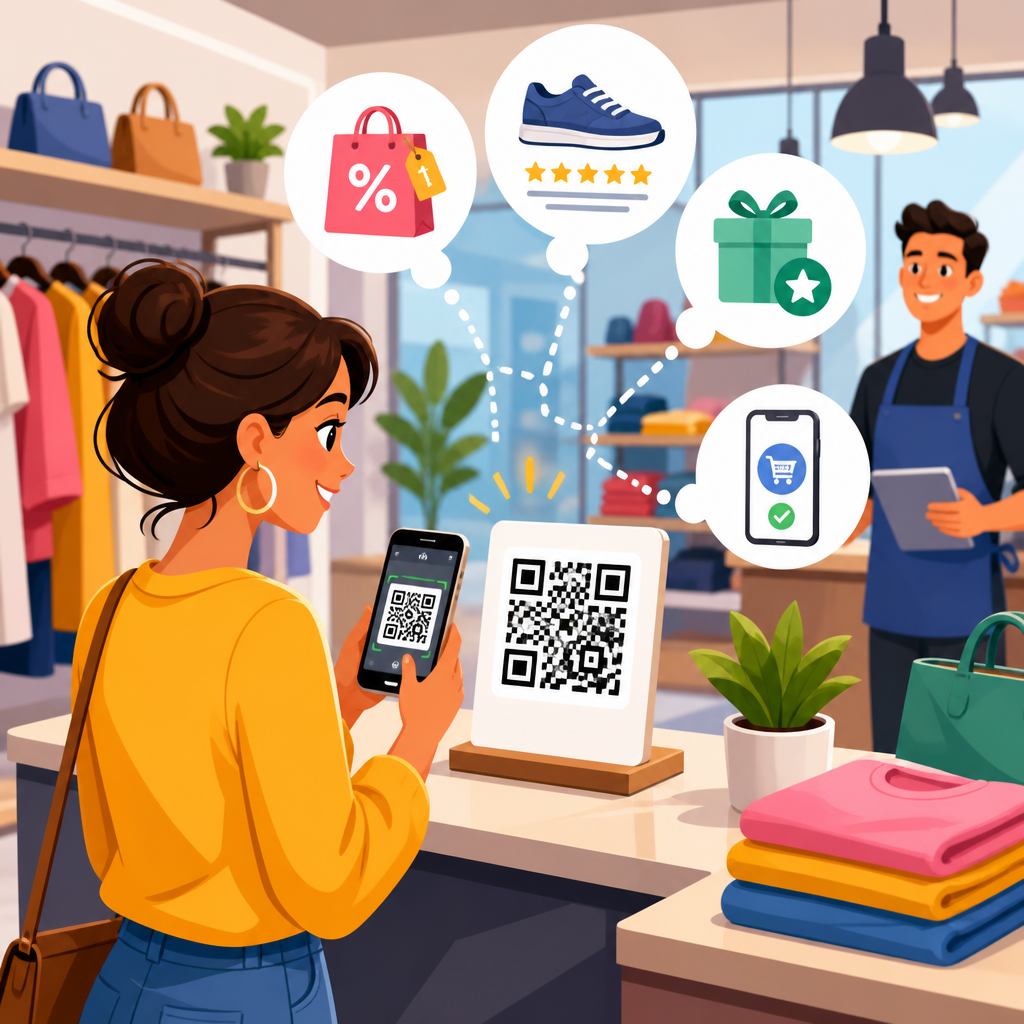
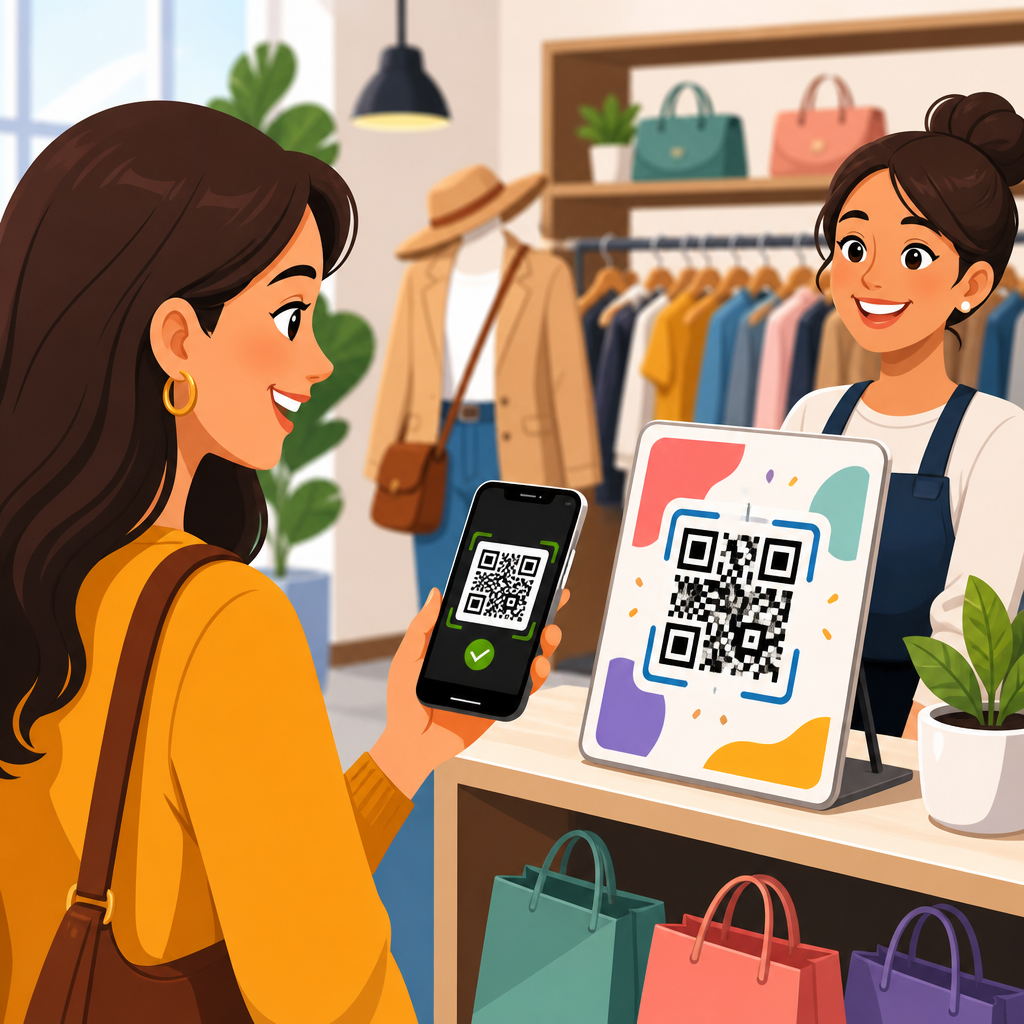
QR codes have become a standard tool for event check-ins because they let organizers verify tickets quickly, reduce lines, and connect entry data to the rest of the event operation. In events and ticketing, a QR code is a machine-readable square barcode that stores a unique identifier, usually linked to a registration record, payment status, attendee profile, or access permission. When scanned at the venue, that identifier confirms whether the guest should be admitted, what sessions they can attend, and whether the code has already been used. I have implemented QR-based entry systems for conferences, trade shows, fundraisers, and private corporate events, and the pattern is consistent: when setup is done well, check-in becomes faster, staff workloads drop, and reporting improves immediately.
This matters because entry is the first operational test of any event. A strong keynote, polished expo hall, or premium hospitality program cannot offset a chaotic front door. Long queues create frustration, raise staffing costs, and compress attendee time inside the venue. Manual guest list searches are slower and more error-prone than digital validation, especially when names are duplicated, spellings vary, or groups arrive together. QR codes solve a practical problem by turning each ticket or registration into a scannable credential. They also support contactless workflows, which became especially important during the pandemic and remain valuable for high-throughput venues where speed and hygiene both matter.
For this events and ticketing hub, the key idea is that QR codes are not only admission tools. They are the operational link between registration, ticketing, security, access control, analytics, and post-event follow-up. A concert promoter may use them to stop duplicate entry. A nonprofit gala may use them to distinguish VIP tables from general admission. A conference team may embed them in mobile wallets and connect scans to continuing education records, badge printing, and session attendance. Understanding how QR codes are used for event check-ins means understanding the entire attendee journey, from purchase confirmation to venue entry to attendance reporting.
How QR code event check-ins work in practice
The workflow is straightforward, but the details determine whether it succeeds under pressure. First, an attendee registers or buys a ticket through a platform such as Eventbrite, Cvent, Bizzabo, Ticket Tailor, Splash, Universe, or a custom ticketing stack. The system generates a unique identifier and encodes it into a QR code. That code is then delivered by email, stored in a mobile app, added to Apple Wallet or Google Wallet, or printed on a confirmation page or badge. At the venue, staff use scanning hardware or smartphone apps to read the code and validate it against the event database.
Validation usually checks four things at once: whether the ticket exists, whether it is active, whether it matches the date or access level being scanned, and whether it has already been redeemed. If all conditions pass, the system records the timestamp and often the gate location or staff device ID. If something fails, the scanner can display a reason such as invalid ticket, canceled registration, wrong entrance, unpaid order, or duplicate use. That immediate feedback is why QR code event check-ins are superior to visual inspection alone. A screenshot may look convincing to a staff member, but the database can still reject it.
Most organizers choose dynamic verification rather than relying on information stored only inside the image. In practical terms, the QR code often contains a token or registration ID, while the business logic lives on the server. That design improves security, supports real-time status changes, and allows reissued tickets without rebuilding the entire workflow. It also means event teams can revoke access if a chargeback occurs, upgrade a pass category minutes before arrival, or permit re-entry according to venue policy.
Where QR codes fit in the events and ticketing ecosystem
Within events and ticketing, check-in is the hub use case because it touches every adjacent process. Registration teams need the code tied to payment and attendee data. Marketing teams need attendance signals to measure no-show rates and campaign performance. Operations teams need lane design, staffing plans, and scanner reliability. Security teams need clear fraud rules and escalation paths. Sponsors and exhibitors may need session-level analytics, while finance teams need accurate counts for reconciliation and invoicing. QR codes sit in the middle of all of that because they create a common digital credential.
Different event formats use the same underlying model in different ways. At a music festival, the code may activate a wristband on first entry and then hand off to RFID for concessions and re-entry. At a trade show, the code may trigger onsite badge printing and later be scanned at breakout rooms. At a theater or sports venue, the QR code is often the primary ticket and must integrate with turnstiles, seat inventory, and anti-resale rules. At a university commencement or donor event, guest management features matter more, including companion tickets, staggered arrival windows, and hospitality zones.
Because this page serves as a hub, it helps to think of event QR code use cases in layers: admission, identity, permissions, tracking, and engagement. Admission gets people through the door. Identity ties the ticket to the registrant or guest. Permissions decide which spaces or sessions are allowed. Tracking records attendance with timestamps and locations. Engagement extends the same infrastructure to surveys, lead retrieval, networking, and post-event content access. Once organizers understand those layers, they can map QR codes across the full events and ticketing program instead of treating check-in as a standalone task.
Benefits of QR codes for event organizers and attendees
The biggest benefit is speed. In live operations, scanning a code is much faster than searching a spreadsheet or alphabetized list, especially during arrival surges. A well-optimized lane with trained staff can process attendees in seconds. That throughput lowers queue length, improves first impressions, and reduces the number of temporary workers needed at peak check-in. Speed also improves downstream timing. Sessions start closer to schedule, exhibitors see traffic earlier, and catering counts align more closely with actual arrivals.
Accuracy is the second major benefit. QR systems reduce duplicate entries, spelling errors, and admission of guests with unpaid or canceled registrations. They also create cleaner attendance records. For organizers, that means better reporting on show rates, arrival patterns, room capacity, and staffing effectiveness. For sponsors and education providers, scan records can support lead attribution or certificate compliance. In regulated contexts, such as healthcare education or secure corporate meetings, an auditable check-in log is not optional; it is part of the event’s compliance posture.
Attendees benefit too. They do not need to wait while staff search manually for a name variation or missing email. They can present the code from a phone screen, digital wallet, printed pass, or badge. If an event app is integrated properly, the same credential can support room access, session tracking, and networking activation. That convenience matters because people judge event quality through small moments. A seamless QR check-in communicates that the organizer is competent, prepared, and respectful of attendee time.
| Event type | Typical QR check-in use | Operational goal |
|---|---|---|
| Conference | Entrance validation, badge printing, session scans | Track attendance and manage access by pass type |
| Concert | Ticket validation at gates | Stop fraud and move crowds quickly |
| Trade show | Expo entry plus lead retrieval links | Measure traffic and support exhibitor ROI |
| Fundraiser gala | Guest check-in, table assignment, VIP access | Improve hospitality and reduce front-desk confusion |
| Sports event | Turnstile scan tied to seat inventory | Control entry volume and prevent duplicate admission |
Implementation choices: ticket delivery, scanning hardware, and software
Organizers usually start by deciding how attendees will receive their codes. Email attachments are common and easy, but wallet passes often produce a smoother arrival experience because brightness, sizing, and retrieval are better on lock screens than inside crowded inboxes. Printed confirmations are still important for older audiences, school events, and venues with unreliable cellular service. In my experience, the safest approach is redundancy: send the code by email, make it accessible in an event app or wallet, and allow lookup by name as a fallback.
Next comes scanner selection. Small events can use smartphone-based apps with the device camera. Mid-size conferences often use dedicated scanning apps on managed phones or tablets, paired with badge printers. High-volume venues may deploy handheld laser imagers, fixed readers, or integrated turnstiles. The main choice is not just scan speed; it is reliability under real conditions. Bright sunlight, cracked screens, wrinkled printouts, and weak Wi-Fi all affect performance. For that reason, many professional teams insist on offline mode, local caching of valid attendee records, and battery plans that cover full doors-open windows plus overruns.
Software integration matters just as much as hardware. The check-in tool should sync with the registration system, customer relationship platform, email automation, and reporting dashboards. If badge printing is required, print templates must pull the correct fields instantly and handle exceptions, such as changed pronouns, credentials, dietary icons, or access flags. Good systems also support role-based permissions so front-desk volunteers cannot view financial data, while supervisors can override issues when necessary. A QR code is simple on the surface, but successful event check-ins depend on disciplined systems design behind it.
Security, fraud prevention, and privacy considerations
Any article about QR codes for event check-ins should answer the obvious question: are they secure? The short answer is yes, when implemented properly. The code itself is not the security control; the verification process is. If the scanner only checks whether a graphic looks presentable, fraud is easy. If the scanner validates a unique token against current records and marks it redeemed in real time, fraud drops sharply. Better systems also rotate wallet pass images, use signed payloads or encrypted identifiers, and limit what personally identifiable information appears in the code or on the screen.
Duplicate screenshots are one of the most common concerns. Real-time redemption solves much of the problem because the first successful scan changes the ticket status immediately. If a second person attempts to use the same image, the device flags it as already used. For high-risk events, organizers can add identity checks, photo matching, seat verification, or one-time refresh tokens. The exact control level should match the event profile. A free community fair does not need the same safeguards as a sold-out arena show or executive summit.
Privacy and compliance deserve equal attention. Under laws such as GDPR and CCPA, organizers should collect only the data they need, disclose how attendance information will be used, and protect stored records appropriately. That means secure APIs, controlled user permissions, retention rules, and vendor due diligence. It also means planning for edge cases: What happens if an attendee requests deletion? Can a sponsor see named attendance or only aggregated counts? Are minors involved? Responsible QR check-in design balances convenience with data governance, and mature event teams treat that balance as part of operational quality, not a legal afterthought.
Common challenges and how experienced teams solve them
The most common challenge is connectivity failure at exactly the wrong time. Venue Wi-Fi can be overloaded, and cellular reception may drop near concrete entrances or underground halls. The practical fix is offline-capable scanning with periodic synchronization, backed by preloaded attendee lists on each device. I also recommend separate operational networks for check-in and guest internet when possible. Another issue is bottleneck design. Even the best software cannot overcome poor lane layout, bad signage, or a single mixed line for VIPs, speakers, exhibitors, and general attendees. Segmented queues and pre-event communication reduce confusion dramatically.
A second challenge is bad source data. If registration fields are inconsistent, duplicate records exist, or ticket transfers are unmanaged, check-in staff become frontline customer support. The solution starts before event day: normalize fields, lock required data, confirm payment states, test ticket transfer logic, and run exception reports. For large events, create a dedicated help desk separate from scan lanes so problem cases do not slow everyone else. That one operational choice can cut perceived wait times significantly because standard check-ins keep moving while edge cases are resolved by senior staff.
Training is the third overlooked factor. Volunteers need scripts for duplicate scans, lost tickets, accessibility needs, and VIP escalations. Supervisors need authority to override when warranted and a clear audit trail when they do. Every event also needs a manual fallback plan for power loss or device failure, whether that means printed alphabetized lists, cached CSV files, or emergency badge stock. QR codes make event check-ins easier, but they do not eliminate operational discipline. The best results come when technology, process, staffing, and contingency planning are treated as one system.
QR codes are used for event check-ins because they turn a fragile, manual front-door process into a fast, verifiable, data-rich workflow. They help organizers admit the right people, prevent duplicate use, segment access by ticket type, and capture attendance information that improves reporting across the entire events and ticketing program. They also improve the attendee experience by shortening lines and making entry easier from a phone, wallet pass, printout, or badge. For conferences, concerts, sports, trade shows, fundraisers, and private events, that combination of speed, control, and visibility is why QR-based entry has become the default standard.
The most effective implementations share the same traits: reliable ticket delivery, scanners suited to the venue, real-time or offline-capable validation, thoughtful lane design, and clear privacy and security controls. Teams that succeed do not treat QR codes as a novelty. They integrate them with registration, access control, analytics, and customer support. They plan for exceptions, train staff, test devices in real conditions, and maintain fallback procedures. That is what separates a smooth check-in operation from one that fails under peak demand.
If you are building out your events and ticketing strategy under a broader QR code program, start with check-in because it is the operational hub that influences every other attendee touchpoint. Audit your current registration flow, define your access rules, test your scanning environment, and map the data you need after the event ends. Then expand into badges, session tracking, lead capture, and post-event engagement using the same credential framework. Done well, QR codes do more than open the door; they give your event team a stronger system from first registration to final attendance report.
Frequently Asked Questions
How do QR codes work for event check-ins?
QR codes work as a fast, reliable way to connect each attendee to a registration record at the point of entry. When someone registers for an event, the ticketing or event management system typically generates a unique identifier tied to that person’s order, payment status, attendee profile, ticket type, and any access permissions. That identifier is then embedded into a QR code and delivered on a digital ticket, confirmation email, event app, or printable badge. At check-in, staff use a scanner, smartphone, tablet, or dedicated entry device to read the code. The system instantly checks the identifier against the event database and confirms whether the ticket is valid, already used, canceled, unpaid, or assigned to a specific access level.
This process is valuable because it removes much of the friction associated with manual check-in. Instead of searching for names on printed guest lists or verifying paper tickets by hand, organizers can admit attendees in seconds. The scan can also trigger real-time actions behind the scenes, such as marking the guest as arrived, printing a badge, updating attendance counts, notifying staff, or unlocking access to certain sessions or VIP areas. In larger events, that speed and accuracy can have a major impact on line management, staffing efficiency, and the overall guest experience.
Why are QR codes considered better than manual event check-in methods?
QR codes are generally preferred over manual check-in because they improve speed, accuracy, and operational visibility all at once. With a manual process, staff often need to search attendee names, cross-check payment or registration details, and sometimes deal with spelling variations, duplicate entries, or outdated lists. That slows down entry and increases the chance of admitting the wrong person or turning away a valid guest by mistake. QR scanning simplifies all of that by connecting the person at the gate directly to a unique record in the system. One quick scan can confirm identity, ticket validity, access permissions, and arrival status in a matter of seconds.
Beyond faster entry, QR-based check-in gives event teams much better data. Organizers can see how many people have arrived, when peak entry times occur, which ticket categories are checking in, and whether certain sessions or zones are filling up. That kind of live visibility is difficult to achieve with paper lists or fully manual workflows. QR codes also help reduce fraud by making it easier to detect duplicate scans, invalid tickets, or previously used entries. For events of almost any size, the result is shorter lines, fewer administrative bottlenecks, better reporting, and a more professional check-in experience for attendees.
What information can a QR code be linked to during an event check-in?
In event check-in systems, a QR code usually does not need to display all attendee information directly inside the code itself. More commonly, it stores a unique identifier that points to a record in the event platform. That record can include a wide range of useful details, such as the attendee’s name, registration confirmation, payment status, ticket tier, company, contact information, meal preferences, accessibility notes, session selections, and whether they have permission to enter VIP lounges, workshops, or restricted areas. This makes QR codes highly flexible, since one scan can surface everything staff need to know without requiring a long manual lookup process.
That linked data is especially important for more complex events. For example, a general admission guest may only be allowed into the main venue, while a sponsor, speaker, or premium pass holder may have access to backstage zones, networking receptions, or private sessions. A scan can instantly tell the system what that person is entitled to attend. It can also be used to support badge printing, lead retrieval, attendance tracking, or follow-up reporting after the event. In practical terms, the QR code acts as a gateway to the broader event operation, not just a simple yes-or-no ticket validation tool.
Can QR codes help prevent ticket fraud or duplicate entry at events?
Yes, QR codes can play an important role in reducing ticket fraud and duplicate entry, especially when they are connected to a live event management system. Because each code is tied to a unique registration or ticket record, the scanner can immediately determine whether that ticket is valid and whether it has already been used. If someone tries to enter using a copied screenshot, a forwarded ticket, or a duplicated printout, the system can flag the code as already scanned or invalid. This gives entry staff a much clearer basis for making admission decisions than they would have with a visual ticket inspection alone.
That said, QR codes are most effective when they are part of a well-designed check-in process rather than treated as a standalone security feature. Organizers often combine them with name matching, ID checks for certain ticket types, timed entry rules, access-level permissions, and real-time synchronization across scanning devices. For multi-entrance venues, this is especially important because a code used at one gate should immediately update across the system so it cannot be reused at another. While no system is entirely immune to misuse, QR-based check-in gives organizers a far stronger, faster, and more trackable method for preventing common forms of ticket abuse.
What should event organizers consider when using QR codes for check-ins?
Event organizers should think beyond simply generating a QR code and focus on the full check-in workflow. The first priority is making sure every attendee receives a scannable code in a convenient format, such as email, mobile wallet, event app, or printable ticket. Organizers should also choose scanning tools that work reliably at the venue and integrate with the registration or ticketing platform in real time. If internet connectivity may be inconsistent, offline scanning capability can be extremely important. Staffing and lane design matter too, since even a strong QR system can be slowed down by poor entrance layout, inadequate signage, or not enough trained check-in personnel.
It is also important to plan for exceptions and edge cases. Some attendees will arrive with dim phone screens, cracked displays, dead batteries, or difficulty locating their confirmation emails. Others may need on-site registration, ticket transfers, upgrades, or accessibility support. A good QR check-in strategy includes manual lookup options, help desks, duplicate badge policies, and procedures for resolving invalid scans without creating confusion at the entrance. Finally, organizers should think about how check-in data will be used after entry. Attendance analytics, session capacity management, sponsor reporting, and post-event follow-up can all be improved when QR-based check-in is set up carefully from the start.