QR codes in pharmacies have moved far beyond simple marketing links, becoming practical tools for safer dispensing, faster service, stronger patient education, and better coordination across the broader healthcare system. A QR code, or quick response code, is a two-dimensional barcode that stores data readable by a smartphone camera, pharmacy scanner, kiosk, or clinical device. In a pharmacy setting, that data can point to medication guides, refill workflows, digital coupons, authentication records, vaccination forms, inventory details, telehealth support, adherence reminders, or multilingual instructions. Because pharmacies sit at the intersection of retail, clinical care, logistics, and regulation, small process improvements create outsized gains. I have seen a single well-placed code on a prescription bag cut repetitive counseling questions, lower front-counter congestion, and increase enrollment in refill reminders within weeks.
This matters because pharmacies manage high volumes, strict documentation, protected health information, and patients who often need quick answers under stress. A code can bridge the physical and digital experience without requiring a patient to download an app or remember a long web address. That is especially useful in healthcare, where clarity and speed affect adherence, safety, and trust. Community pharmacies, hospital outpatient pharmacies, mail-order operations, specialty pharmacies, and long-term care providers all face similar challenges: verifying products, educating patients, reducing wait times, and keeping staff focused on high-value clinical work. QR codes help solve these problems when they are tied to secure workflows, accessible content, and measurable operational goals. For organizations building a healthcare content hub, pharmacies are a natural anchor because they connect medication access, patient communication, vaccination services, and care continuity in one place.
When people ask how pharmacies use QR codes, the best answer is simple: they use them to connect a package, label, shelf tag, poster, text message, or receipt to timely digital information that improves the patient journey. The strongest programs are not built around novelty. They are built around clear use cases, such as medication instructions, prescription pickup, digital payments, loyalty offers, adverse event reporting, manufacturer verification, and insurance-friendly documentation. In healthcare, a QR code should never be treated as decoration. It should reduce friction, support compliance, and make an action easier for the patient or safer for the pharmacist. This article explains the main pharmacy QR code use cases, the benefits behind them, the implementation standards that matter, and how these tactics fit into a wider healthcare strategy.
Medication information, adherence, and patient education
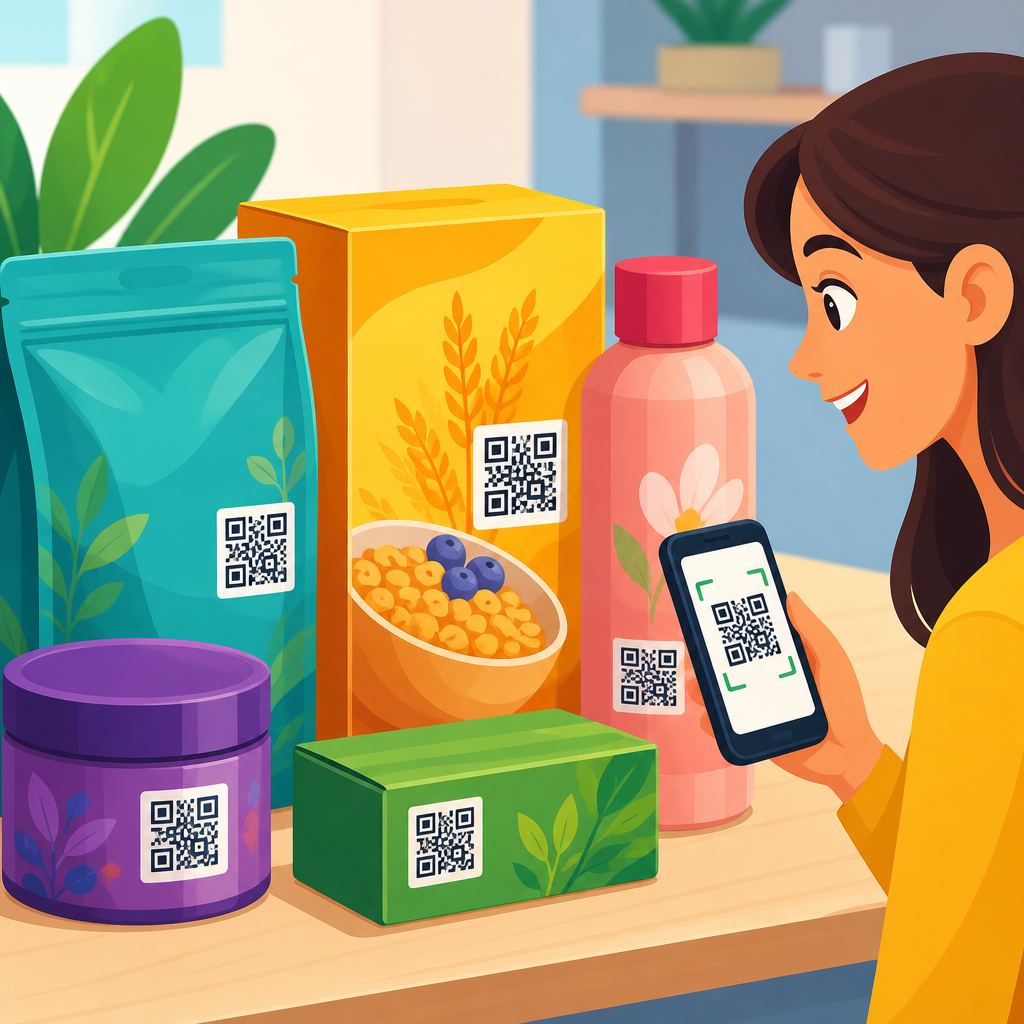
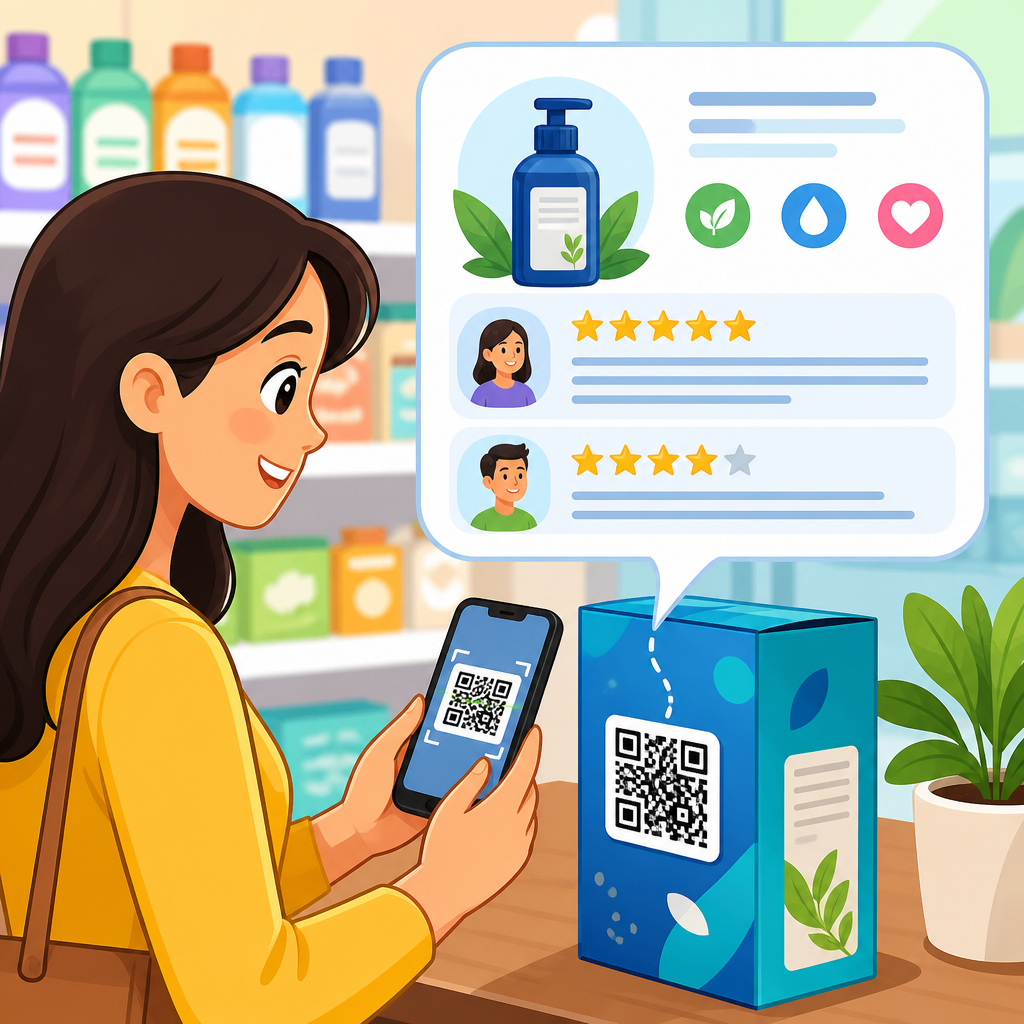
The most immediate pharmacy use case is linking patients to medication information that is clearer and more flexible than what fits on a printed label. Prescription labels are constrained by space, font size, and legal formatting. A QR code can open dosing videos, side effect summaries, storage guidance, contraindication alerts, refill instructions, and plain-language answers to common questions. In practice, this is especially valuable for inhalers, injectables, eye drops, pediatric dosing, taper schedules, and specialty medications that require handling steps. Pharmacists can also direct patients to multilingual education pages, which improves understanding for households that might otherwise rely on incomplete verbal translation. In my experience, patients are much more likely to review a one-minute instruction page on their phone than keep a folded insert they may never read.
QR codes also support adherence programs. A code on the bag, label, or after-visit printout can enroll a patient in refill reminders, synchronization services, pill reminder tools, or caregiver notifications. Pharmacies that provide medication therapy management can use codes to connect patients to follow-up questionnaires before a consult. For chronic conditions such as hypertension, diabetes, asthma, and high cholesterol, that small link helps move the pharmacy relationship from one-time dispensing toward ongoing care management. The key is to land the scan on a task-specific page rather than a generic homepage. If a patient scans a code after picking up metformin, the destination should answer metformin questions, not force five more clicks. That directness improves completion rates and reduces unnecessary calls to the counter.
Prescription pickup, payments, and front-of-store efficiency
Another major benefit of QR codes in pharmacies is speed at pickup. Pharmacies can place dynamic QR codes in SMS messages, email notifications, or app alerts so a patient arrives with a scannable identifier tied to the ready prescription. At the counter, staff scan the code, pull the order, confirm identity, and complete payment faster than searching by name and date of birth alone. Some pharmacies extend this to curbside pickup, locker systems, or express lanes for maintenance medications. In high-volume environments, shaving even thirty seconds off each pickup matters. During vaccine season or evening rush periods, that reduction can help prevent lines from spilling into retail aisles and pulling pharmacists away from verification or counseling.
Payment workflows benefit as well. QR codes can support contactless payment, invoice retrieval, flexible spending account documentation, or digital receipts. For independent pharmacies competing with chains, convenience is not a cosmetic issue; it affects loyalty and prescription transfer rates. Patients remember how easy it was to complete a transaction, especially when they are managing multiple family prescriptions. A code can also guide patients to pre-visit forms for immunizations, medication history updates, and consent signatures, reducing clipboard handoffs and duplicate data entry. This becomes more important in healthcare because every unnecessary step introduces waiting, confusion, or privacy risk. Well-designed pickup and payment flows create a smoother experience while preserving identity verification and pharmacist oversight.
Authentication, traceability, and anti-counterfeit protection
Pharmacies also use QR codes to strengthen product authenticity and traceability. Counterfeit and diverted medicines remain a global risk, particularly in high-demand categories, expensive specialty products, and online commerce. A scannable code can link to batch information, expiration data, manufacturer records, and chain-of-custody details. In the United States, the Drug Supply Chain Security Act has pushed trading partners toward more robust electronic product tracing, while globally many manufacturers rely on serialized packaging and 2D codes to support verification. For pharmacies, this is not just a wholesaler issue. Frontline staff need fast ways to check suspicious stock, investigate recalls, and reassure patients that a medicine came through authorized channels.
Traceability also improves recall management. If a manufacturer issues a recall for a specific lot, pharmacies can use encoded product data to identify affected inventory and, when systems allow, match that inventory to dispensing records for targeted outreach. That is far more effective than broad public notices that leave patients guessing whether they are affected. Authentication matters for over-the-counter products too. Vitamins, infant formula, nicotine replacement products, and premium wellness items are frequent targets for fraud in some markets. A QR code that confirms source, lot, and freshness can support trust at the shelf. The caveat is that verification only works if the underlying data are maintained accurately and protected against spoofed destinations, so pharmacies should use secure, monitored platforms rather than static public links for critical product records.
Operational workflows across the healthcare ecosystem
Within healthcare operations, pharmacy QR codes improve inventory accuracy, internal routing, and coordination with clinical services. Hospital pharmacies use scannable codes during receiving, compounding, cart fill, and unit-dose distribution. Ambulatory and specialty pharmacies use them for prior authorization packets, cold-chain handling instructions, and care team communication. Community pharmacies can place internal QR codes on shelves, bins, and will-call bags to speed stock checks and exception handling. The value is not the code itself; it is the standardized data connection behind it. When every scan points to the same authoritative record, staff spend less time reconciling handwritten notes, outdated printouts, or disconnected spreadsheets.
This hub-page view of healthcare is important because pharmacy use cases overlap with adjacent care settings. A vaccine consent code touches primary care records. A discharge medication code affects hospital readmission risk. A specialty drug education code supports oncology, rheumatology, or gastroenterology treatment plans. A durable medical equipment pickup code may connect with home health. Pharmacies should therefore design QR journeys that fit a broader healthcare architecture, including electronic health records, patient portals, and secure messaging tools. Recognized platforms and standards matter here, including HL7 FHIR for data exchange, GS1 identifiers for supply chain consistency, and NCPDP workflows in pharmacy transactions. The more these systems align, the more useful each scan becomes.
| Use case | Where the QR code appears | Main benefit | Healthcare example |
|---|---|---|---|
| Medication instructions | Prescription label or bag | Better understanding and adherence | Video showing insulin pen setup and dosing steps |
| Express pickup | SMS or email notification | Shorter counter time | Patient scans ready-for-pickup code at curbside window |
| Product verification | Manufacturer packaging | Anti-counterfeit protection | Staff confirms lot and serial data for a specialty injectable |
| Vaccination intake | Poster, kiosk, or appointment link | Fewer forms at check-in | Patient completes flu shot consent before arrival |
| Recall response | Internal inventory system | Faster identification of affected stock | Pharmacy isolates one recalled lot within minutes |
Marketing, loyalty, and digital engagement without losing trust
Pharmacies are also retail businesses, so QR codes often appear in promotions, endcaps, receipts, and direct mail. Used well, they connect shoppers to seasonal campaigns, health screenings, supplements, vaccinations, and pharmacist consultations. A poster for travel health can lead to vaccine recommendations and an appointment scheduler. A shelf tag near blood pressure monitors can explain reimbursement eligibility or teach proper cuff sizing. A receipt code can invite patients to join a loyalty program or review a private-label product. These are legitimate growth tactics, but healthcare trust sets a higher bar than ordinary retail. Promotional codes should never obscure clinical information, create confusion between advice and advertising, or route patients to pages that collect unnecessary personal data.
The best pharmacy marketing with QR codes is service-led. It solves a problem first and sells second. For example, I have seen strong results from codes that offer a medication cost check, synchronize family refills, or connect a patient to a live pharmacist chat for nonurgent questions. Those interactions build retention because they reduce effort. Independent pharmacies can use dynamic codes to localize campaigns by neighborhood, language, or care need. Chains can test which store signage drives immunization bookings or adherence enrollments. Measurement is straightforward when each code has a unique destination and event tracking. Still, pharmacies should judge success using more than scan volume. The real indicators are completed refills, booked services, lower abandonment, and safer medication use.
Implementation standards, privacy, and accessibility
Successful pharmacy QR code programs depend on governance as much as design. Start with a specific workflow, define the intended action, and map the data involved. If protected health information is exposed, the destination must be secured appropriately, with authentication, encrypted transport, role-based access, and vendor controls that fit HIPAA obligations in the United States. Not every code needs to identify a patient directly. In many cases, a tokenized link that expires after use is safer than embedding personal details. Pharmacies should also monitor for broken links, redirect abuse, and counterfeit stickers placed over legitimate codes. Staff training matters because a secure system can still fail if someone prints outdated materials or sends the wrong code template.
Accessibility is equally important. Patients should not be forced into a digital-only path for essential care. Every QR code in a pharmacy should be paired with a clear text alternative, human assistance, and readable instructions. Landing pages should support large text, screen readers, multiple languages, and low-bandwidth connections. For older adults or patients with limited digital confidence, the pharmacist or technician may need to demonstrate the scan once, then offer a printed backup. That extra attention is worthwhile because adoption often rises quickly after the first successful use. To build a strong healthcare hub around this topic, cover related pages for hospitals, clinics, medical devices, patient education, and pharmaceutical packaging. Then link them naturally so readers can move from pharmacy-specific tactics to wider healthcare QR code strategy and implementation guidance.
QR codes in pharmacies deliver value when they are attached to meaningful healthcare tasks: educating patients, speeding pickup, verifying products, supporting recalls, and connecting pharmacy services to the wider care journey. Their advantage is practical simplicity. A patient scans once and gets the exact next step, whether that means understanding an inhaler, finishing a vaccine form, paying quickly, or confirming a product is authentic. For pharmacy teams, that same scan can reduce repetitive questions, shorten lines, improve traceability, and free staff for counseling and clinical work. These benefits are strongest when codes are dynamic, destinations are task-specific, and performance is measured against real operational outcomes rather than novelty metrics.
Healthcare organizations should also recognize the limits. QR codes do not fix weak content, fragmented systems, or poor privacy practices. They work best inside disciplined workflows built on secure data, clear ownership, and accessible design. In pharmacies especially, the patient experience must remain simple and trustworthy. That means no dead links, no vague calls to action, no hidden data collection, and no replacing essential human guidance with automation. When pharmacies respect those principles, QR codes become low-friction connectors between physical medication encounters and digital support that patients actually use.
If you are building a healthcare QR code strategy, start with pharmacy because the use cases are concrete, measurable, and closely tied to patient outcomes. Audit your current pickup, counseling, vaccination, refill, and verification processes, identify the moments with the most friction, and deploy codes where one scan can remove one problem. Then expand across the rest of healthcare with the same standard: clear purpose, secure data, accessible design, and outcomes you can prove.
Frequently Asked Questions
How are QR codes used in pharmacies today?
QR codes in pharmacies now support far more than basic promotions or website links. They are used across dispensing, patient support, medication education, inventory workflows, authentication, and communication. A code printed on a prescription label, medication handout, shelf tag, receipt, kiosk screen, or package insert can direct a patient or staff member to highly specific information without requiring manual searches or additional paperwork. In practical terms, that may include refill portals, dosage instructions, side effect guidance, multilingual counseling content, vaccine consent forms, manufacturer medication guides, or secure telepharmacy access.
Pharmacies also use QR codes behind the counter and throughout operations. Staff can scan codes to verify products, access internal procedures, update stock records, confirm lot information, or connect dispensing systems with broader clinical or supply-chain tools. Some pharmacies place QR codes on signage for waitlist management, curbside pickup check-in, appointment scheduling, or digital loyalty offers. Others use them to support medication synchronization programs or adherence initiatives by linking patients to reminders and educational resources.
The biggest shift is that QR codes have become workflow tools, not just marketing assets. Because they can be read by smartphones, scanners, kiosks, and clinical devices, they help bridge physical pharmacy touchpoints with digital systems. That makes service faster, reduces friction for patients, and gives pharmacies a flexible way to deliver information exactly when and where it is needed.
What benefits do QR codes offer for patient safety and dispensing accuracy?
Patient safety is one of the strongest use cases for QR codes in pharmacies. When used correctly, QR codes can reduce the likelihood of confusion by connecting a medication package, prescription label, or point-of-dispensing workflow to the correct digital record or instructional content. Instead of relying only on printed text, a scan can quickly surface dosing directions, warnings, contraindications, allergy alerts, storage requirements, administration techniques, and manufacturer-provided safety documents. That is especially helpful for complex therapies, specialty medications, injectables, pediatric dosing, or medications with look-alike or sound-alike risks.
QR codes can also improve dispensing accuracy by helping staff confirm they are working with the right product, patient, and instructions at the right stage of the process. In environments where speed matters, a scannable code can support validation steps without creating as much manual burden. For example, a pharmacy team member may scan a product to retrieve lot numbers, expiration data, or package-specific information before final verification. In some systems, QR-based workflows can also support audit trails, making it easier to document when information was accessed or when a process step was completed.
For patients, the safety advantage continues after they leave the counter. A QR code on packaging or paperwork can provide immediate access to plain-language education, videos showing proper use, translated instructions, or reminders about interactions and missed doses. That helps reduce misunderstandings that often occur once the patient is at home. While QR codes do not replace pharmacist counseling or clinical judgment, they reinforce key information and make safe medication use more accessible and consistent.
Can QR codes improve the patient experience and pharmacy efficiency at the same time?
Yes, and that dual benefit is one of the main reasons pharmacies continue adopting them. From the patient’s perspective, QR codes remove friction. A quick scan can launch refill requests, appointment booking, mobile payments, vaccine forms, curbside pickup check-in, loyalty rewards, or medication education without requiring the patient to navigate a full website or wait for printed materials. That creates a smoother, faster experience, especially for people who want self-service options on their own time.
From the pharmacy’s perspective, those same scans can reduce repetitive tasks and free staff for higher-value interactions. When patients can self-initiate routine actions such as refills, form completion, or digital consent, the number of manual handoffs often declines. QR codes can also help standardize how information is delivered, which means fewer inconsistencies and fewer interruptions caused by patients searching for the right link or document. In busy retail, outpatient, hospital, or long-term care pharmacy settings, even small workflow improvements can have a meaningful operational impact.
Efficiency gains also show up in communication and queue management. Pharmacies can use QR codes for digital check-in, service line routing, prescription status access, or follow-up enrollment. Instead of relying entirely on staff to explain each next step verbally, a scan can guide patients through the process in a structured way. The result is not just faster service, but often a more satisfying one: patients feel informed and in control, while pharmacy teams spend more time on counseling, clinical support, and exception handling rather than routine administrative repetition.
How do QR codes support medication education, adherence, and broader healthcare coordination?
QR codes are particularly valuable when pharmacies need to deliver timely, context-specific education. Medication instructions can be difficult to absorb during a brief counter interaction, especially when a patient is managing multiple prescriptions or starting a new therapy. A QR code gives the pharmacy a durable way to extend counseling beyond the moment of pickup. By scanning a code later, patients can revisit instructions, watch demonstration videos, review side effects, learn what to do if they miss a dose, and access materials in their preferred language or reading level.
That continued access can improve adherence. When patients have an easy route to refill tools, reminder enrollment, synchronization programs, or disease-state education, they are more likely to stay engaged with therapy. QR codes can also be tied to follow-up workflows such as adherence check-ins, patient support programs, or specialty pharmacy onboarding. For chronic conditions where long-term consistency matters, reducing barriers to education and action can make a measurable difference.
Beyond the individual patient, QR codes can improve coordination across the healthcare system by linking pharmacy activity with connected digital resources. Depending on the setting and system design, a code may route to discharge instructions, care transition materials, manufacturer support information, or secure platforms that support communication among patients, pharmacists, prescribers, and care teams. This does not mean a QR code replaces interoperability infrastructure, but it can serve as a practical access point into the right information at the right time. In that role, QR codes help pharmacies function as more connected participants in continuity of care rather than isolated dispensing sites.
Are there any privacy, security, or implementation considerations pharmacies should keep in mind with QR codes?
Absolutely. While QR codes are simple to scan, their use in pharmacy settings should be planned carefully. Privacy is a major consideration because pharmacies routinely handle protected health information and other sensitive data. In most cases, it is safer for a QR code to point to a secure system or tokenized resource rather than storing sensitive personal information directly in the code itself. Access controls, authentication requirements, session management, and encrypted connections all matter when QR codes are used for refill access, patient records, payment functions, or clinical documents.
Security and trust are also important from the patient side. Pharmacies should clearly label where a QR code leads, use recognizable domains, and avoid confusing or cluttered placement that could increase misuse or scanning errors. If a code appears on packaging or printed materials, tamper resistance and source verification may be relevant, particularly in cases involving product authentication or anti-counterfeiting efforts. Staff should be trained to understand which codes are intended for patients, which are operational, and how to troubleshoot when scans fail or route incorrectly.
Implementation quality matters just as much as the technology itself. Pharmacies should make sure QR-linked content is mobile friendly, accessible, accurate, updated, and easy to understand. It is also important not to assume every patient will want or be able to scan a code, so QR workflows should complement, not replace, pharmacist counseling and non-digital alternatives. When deployed thoughtfully, QR codes can be highly effective. When deployed poorly, they can create confusion, accessibility gaps, or trust concerns. The best pharmacy use cases are the ones that combine convenience with clear governance, secure design, and a strong patient-centered experience.