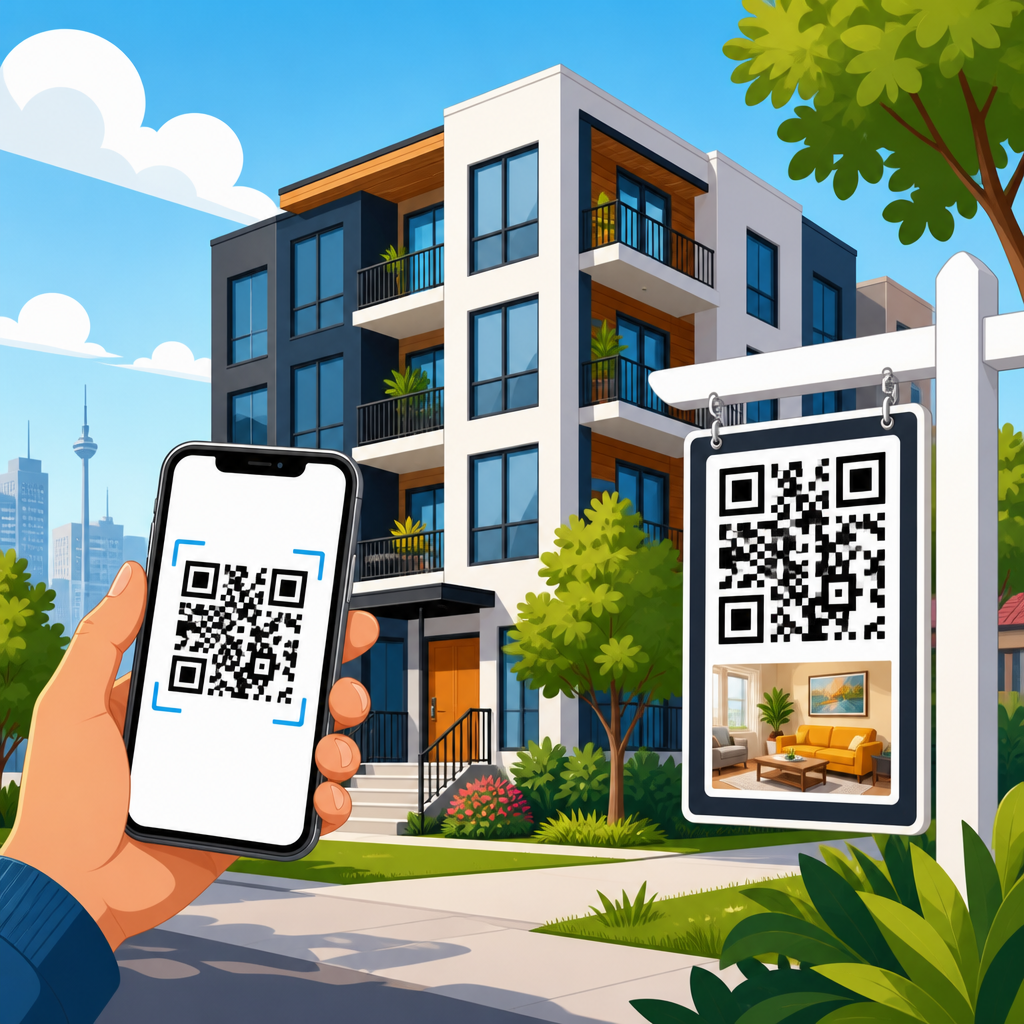
QR codes for rental property listings have moved from a novelty on window signs to a practical conversion tool for modern real estate marketing. In rental real estate, a QR code is a scannable two-dimensional barcode that sends a prospective tenant to a digital destination such as a listing page, virtual tour, application form, map, video walkthrough, or property manager contact card. I have used them across multifamily lease-ups, single-family portfolios, and neighborhood signage campaigns, and the difference is straightforward: when a passerby can scan and act in seconds, fewer prospects drop off. That matters because renter attention is brief, vacancy days are expensive, and every added step between interest and inquiry reduces response rates.
For property owners, leasing agents, brokers, and management companies, the appeal is not just convenience. QR codes create a bridge between offline exposure and measurable online behavior. A yard sign on a busy street can become a source of analytics. A flyer in a coffee shop can open a mobile-optimized listing with current rent, pet policy, unit photos, and showing availability. A lobby poster can direct residents to referral incentives for open units. Because rental demand often starts on a phone, the path from seeing the property to viewing details must be immediate. A typed URL is friction. A QR code is direct access.
This article serves as a complete real estate hub for rental listing QR code strategy. It explains where QR codes fit in the leasing funnel, which destinations convert best, how to track performance, what design choices improve scan rates, and where common compliance and user-experience mistakes occur. It also connects the broader real estate use cases that sit under this topic, including signage, brochures, open houses, apartment communities, self-guided tours, tenant communications, and property management workflows. If you want one practical framework for using QR codes in rental property listings without wasting signage space or tenant leads, start here.
How QR Codes Fit Into the Rental Listing Funnel
QR codes work best when they match renter intent at a specific stage of the leasing journey. At the top of the funnel, they capture casual interest from people walking or driving by a property, reading a print ad, or seeing a brochure at a local business. In this stage, the destination should answer the first questions clearly: rent range, unit type, location, photos, and whether availability is current. Mid-funnel, the code can lead to richer content such as a 3D tour, neighborhood guide, amenity page, or FAQ about parking, application fees, and move-in costs. At the bottom of the funnel, the destination should support a decisive action, usually scheduling a tour, starting an application, or calling the leasing office.
In practice, most rental teams fail when they send every scan to a generic homepage. That forces the prospect to search again, which defeats the reason for scanning. A code on a yard sign for a duplex should open the exact listing for that duplex, not a portfolio overview. A code on a multifamily banner should open a mobile page for available floor plans and pricing, not a desktop-heavy corporate site. I have seen scan-through rates improve simply by replacing brand-level landing pages with unit-specific pages that load fast and show the next action above the fold.
The strongest leasing funnels also treat QR codes as source-specific assets. A sign rider, window cling, directional sign, brochure, and direct mail postcard should not all use the same destination if the context differs. Someone standing outside the property needs a map, tour times, and immediate contact options. Someone reading a brochure at a relocation fair may need school district information, commute times, and policy details. Matching the QR code destination to the prospect’s context produces better-qualified leads and more accurate attribution.
Best Destinations for Rental Property Listing QR Codes
The destination behind the code determines whether the scan becomes a lead. For most rental property listings, the highest-performing destination is a mobile-optimized property page with current availability, rent, bedroom and bathroom count, square footage, pet policy, parking details, security deposit or fee disclosure, and a visible schedule-tour button. If the listing is on Zillow Rentals, Apartments.com, Rent., Zumper, or a local MLS-powered platform, the page still needs to be current. Stale availability undermines trust quickly.
Virtual tours are especially effective for apartments and single-family rentals where prospects screen options after hours. Matterport tours, video walkthroughs hosted on YouTube or Vimeo, and simple phone-shot guided tours can all work if the media is clear and recent. The right choice depends on inventory value and leasing velocity. For class A multifamily, a polished 3D tour often justifies itself by reducing unqualified tours. For small landlords with one or two units, a concise video plus strong photos is usually enough. The principle is the same: reduce uncertainty before the inquiry.
Application forms can also be strong destinations, but only when the prospect has enough context. Sending cold traffic directly to a long rental application often depresses conversion because renters still need pricing, qualification criteria, and showing details. A better structure is a listing page that includes “Apply Now” after the basics are covered. Other effective destinations include a prefilled text message to the leasing office, a vCard contact download for the property manager, a Google Maps pin, or a dedicated self-scheduling page through Calendly, AppFolio, Buildium, Yardi, or a brokerage CRM.
| Placement | Best QR Destination | Why It Works |
|---|---|---|
| Yard sign | Mobile listing page | Answers rent, availability, and contact questions instantly |
| Window poster | Video or 3D tour | Engages passersby when the unit cannot be viewed immediately |
| Brochure or flyer | Property details plus neighborhood guide | Supports research-heavy renters comparing options |
| Directional sign | Map and tour scheduler | Helps prospects arrive and take the next step fast |
| Open house handout | Application page | Captures high-intent visitors before they move on |
Where to Use QR Codes Across Real Estate Marketing
Rental property listings are the core use case, but real estate teams get the most value when they extend QR codes across the full marketing system. On-site signage is the obvious first layer: yard signs, A-frames, hanging banners, window decals, rider panels, and monument signs. These placements capture local foot and vehicle traffic and often generate the fastest scans. In urban neighborhoods with walkability, window signage for street-level units can produce steady inquiry volume, especially when the call to action is specific, such as “Scan for today’s rent specials.”
Print collateral is the second layer. Flyers, brochures, postcards, leasing packets, apartment ILS leave-behinds, and relocation materials all benefit from scannable paths to updated information. This is particularly important because printed pricing goes stale quickly. A brochure can remain useful if the QR code links to live availability rather than locked-in rent figures. For broker cooperation, agents can include codes on one-sheets that open co-broke instructions, showing requirements, or shared media folders.
Operational uses matter too. At open houses or property tours, QR codes can collect visitor registration, ID verification instructions, follow-up consent, or maintenance standards for occupied rental turnovers. In apartment communities, codes in common areas can promote available units to existing residents for referrals. For self-guided tours, the code can trigger identity verification and access instructions through platforms such as Rently. For property management, codes can route owners or prospects to FAQ pages, policy documents, utility setup guides, and digital welcome packets. As a real estate hub topic, these adjacent use cases strengthen the listing strategy because they keep messaging and data collection consistent from first impression to signed lease.
Design and Placement Rules That Improve Scan Rate
A QR code only works if people notice it, trust it, and can scan it easily. The first rule is contrast: dark code, light background, no visual clutter. The second is size. On print pieces handled at arm’s length, roughly 0.8 inches square may be enough, but signs viewed from farther away need materially larger codes. For outdoor signage, I prefer testing from the actual viewing distance rather than relying on generic formulas. The third rule is quiet space, meaning clear margin around the code so phone cameras can detect it cleanly.
Call-to-action language matters as much as the code itself. “Scan for details” is weaker than “Scan for price, photos, and tour times.” Specificity increases trust because renters know what they will get. Branding should also be present but not overpowering. A small logo, property name, or recognizable management brand near the code reassures the user that the destination is legitimate. Dynamic QR codes are usually the better choice because they let you change the destination without reprinting the asset, a major advantage when units lease or promotions expire.
There are also avoidable mistakes. Do not place codes where glare, curved surfaces, tinted glass, or poor lighting interfere with scanning. Do not send scans to PDF files that are unreadable on mobile. Do not use tiny codes on highway-facing signs and expect drivers to engage safely. And do not rely on one code design across every format. A brochure, bus shelter ad, yard sign, and elevator poster have different constraints. Good QR code deployment is not about adding a square to marketing material; it is about engineering a low-friction renter action.
Tracking Performance and Measuring Leasing ROI
The measurable advantage of QR codes over many offline tactics is attribution. When set up correctly, each code can identify where the lead came from, which property or unit generated interest, and what action followed. The standard method is a unique destination URL for each placement with UTM parameters for source, medium, campaign, content, and sometimes property ID. Analytics platforms such as Google Analytics 4, Adobe Analytics, HubSpot, or a leasing CRM can then separate scans from a sidewalk sign versus a brochure rack or direct mail drop.
For leasing teams, the most useful metrics are not just scans. Track landing-page engagement, tap-to-call events, tour bookings, applications started, applications completed, approved applicants, and signed leases. Vacancy reduction is the business outcome that matters. If a sign receives many scans but few qualified leads, the issue may be the destination page, pricing mismatch, or poor property fit for the audience. If scans are low, the issue is often placement, CTA wording, code size, or visibility. This is why A/B testing is practical even in physical marketing. You can compare two sign riders with different CTAs or two postcard versions driving to different landing pages.
One lesson from field campaigns is that clean data requires operational discipline. Naming conventions must be consistent across properties. Redirects should be monitored. Landing pages should remain live after print distribution begins. Leasing staff should know how to ask, “Did you scan the sign or flyer?” so anecdotal feedback supports analytics. When QR code tracking is connected to property management software or CRM records, teams can calculate cost per lead, cost per tour, and cost per lease by placement type. That turns signage from a branding expense into a measurable acquisition channel.
Compliance, Accessibility, and User Trust in Real Estate QR Campaigns
Rental marketing sits inside legal and ethical boundaries, so QR codes must support compliant communication. Fair housing principles still apply regardless of format. The landing page should avoid discriminatory language and should present qualification criteria consistently. If a QR code leads to a pre-screening form, the questions asked must align with applicable federal, state, and local rules. In jurisdictions with disclosure requirements around fees, deposits, broker relationships, or application criteria, the destination page should surface that information clearly rather than hiding it behind multiple clicks.
Accessibility is another practical issue. Not every renter can or wants to scan a code, so printed materials should still include a short URL, phone number, or text option. Mobile landing pages need readable font sizes, fast load times, alt text on critical images where relevant, and a simple navigation path. Trust also depends on transparency. Prospects are rightly cautious about scanning unknown codes, especially in public. Clear branding, plain-language CTAs, HTTPS-secured destinations, and recognizable domains improve confidence. If you use SMS opt-in, follow TCPA rules and disclose consent terms appropriately.
The best real estate teams treat QR codes as an enhancement, not a replacement for fundamentals. Accurate listings, responsive follow-up, current photos, consistent pricing, and clear policy disclosure still drive leasing results. When those basics are in place, QR codes make the path easier, faster, and more measurable. Audit your current rental listings, identify every offline touchpoint, and assign each one a purpose-built QR destination. Then test, track, and refine. Done well, QR codes for rental property listings turn physical attention into qualified digital demand, helping properties lease faster with less friction for both renters and leasing teams.
Frequently Asked Questions
What are QR codes for rental property listings, and how do they work in practice?
QR codes for rental property listings are scannable two-dimensional barcodes that instantly connect a prospective renter to digital information about a property. When someone scans the code with a smartphone camera, it can open a listing page, virtual tour, photo gallery, map, video walkthrough, online application, contact form, or even a saved contact card for the leasing agent or property manager. In practice, this removes friction from the renter journey. Instead of asking people to remember a web address, search for a listing later, or call during business hours, the QR code takes them directly to the next step while interest is at its highest.
For rental marketing, that immediacy matters. A person walking past a yard sign, touring a neighborhood, or seeing a flyer in a coffee shop can scan and act right away. In multifamily lease-ups, QR codes often help route traffic to floor plans, pricing, and availability. In single-family rental portfolios, they can direct prospects to a unit-specific page with photos, lease terms, pet policies, and showing instructions. On window signs and neighborhood signage, they are especially effective because they turn offline visibility into measurable online engagement. Used well, a QR code is not just a convenience feature. It is a conversion tool that helps capture interest, shorten response time, and move renters further into the leasing funnel.
Where should QR codes be placed on rental property marketing materials for the best results?
The best placement depends on where prospects are most likely to encounter the property, but the strongest results usually come from putting QR codes anywhere a renter may pause, notice the listing, and want immediate information. Common high-performing placements include yard signs, window signs, directional signs, brochure boxes, leasing office posters, print flyers, postcards, open house materials, and “for rent” sheets posted in common areas or local businesses. For multifamily properties, QR codes also work well in elevator lobbies, model unit displays, and community event signage. For scattered-site or single-family rentals, neighborhood signs and drive-by visibility are especially important because prospects often discover homes while actively exploring an area.
Placement should always consider usability. The code needs to be large enough to scan easily, printed with strong contrast, and positioned where glare, folds, or visual clutter will not interfere. It should also be accompanied by a short call to action such as “Scan for pricing,” “Scan for virtual tour,” or “Scan to apply.” That message tells people exactly what they will get and increases scan rates. In my experience, the most effective placements are the ones that match user intent. Someone standing in front of a property likely wants photos, availability, and a way to schedule a tour. Someone seeing a postcard may respond better to neighborhood highlights and an easy path to contact the property manager. The QR code works best when the destination aligns with the moment and the marketing context.
What should a rental listing QR code link to in order to generate more leads and applications?
A rental listing QR code should link to the most useful next step for the prospect, not just a generic homepage. In most cases, the best destination is a mobile-friendly property-specific landing page with current photos, pricing, availability, unit details, amenities, application requirements, and a clear contact or tour request option. If the goal is to move renters deeper into consideration, a virtual tour or video walkthrough can be highly effective because it helps qualify interest before an in-person showing. If the unit is in high demand and speed matters, linking directly to an application page can reduce drop-off and help secure serious leads more quickly.
The right destination often depends on the campaign. For example, a QR code on a neighborhood sign may perform best when it opens a concise page with the property overview, map, and “schedule a showing” button. A code on a leasing brochure may be better used for an interactive floor plan selector. A code used in a lease-up campaign may route visitors to a page featuring specials, availability updates, and lead capture forms. Whatever the destination, the landing experience should be fast, simple, and optimized for phones. It should also match the promise made on the sign or flyer. If the call to action says “Scan for virtual tour,” the user should land directly on the tour, not on a general search page. Relevance and speed are what turn scans into qualified leads.
Are QR codes effective for rental property listings, and how can property managers measure their performance?
Yes, QR codes can be very effective for rental property listings when they are tied to a strong offer, a clear call to action, and a mobile-friendly destination. Their biggest advantage is that they reduce the number of steps between interest and action. A renter who sees a sign in person is often in a high-intent moment. If the next step is easy, such as scanning a code to view the listing or request a tour, conversion rates can improve compared with requiring the prospect to manually search for the property later. QR codes are also useful because they help bridge offline marketing and digital analytics, which has historically been a challenge in real estate advertising.
Performance can be measured by using trackable links, campaign-specific landing pages, and analytics tools that show scans, clicks, time on page, form submissions, tour requests, and applications. Dynamic QR codes are particularly valuable because they let you update the destination without reprinting the code and often provide scan data such as location, device type, and time of engagement. Property managers can compare results across sign locations, flyer versions, neighborhoods, or campaign types to see which placements generate the most qualified traffic. A good reporting setup does more than count scans. It should track the full funnel from scan to lead to lease, so you can evaluate whether the QR code is attracting serious renters and contributing to occupancy goals.
What are the most important best practices and mistakes to avoid when using QR codes for rental listings?
The most important best practices are clarity, relevance, mobile optimization, and maintenance. Start with a high-quality QR code that is easy to scan, and pair it with a specific instruction so prospects know why they should use it. Link to a page designed for mobile visitors, since most scans happen on smartphones. Keep the landing page focused, fast-loading, and directly related to the listing. Include key details like rent, bedroom and bathroom count, availability, photos, pet policy, fees, and a clear way to contact management or schedule a showing. If possible, use dynamic QR codes so you can update expired links, redirect to a new unit, or swap destinations based on leasing progress without replacing printed materials.
The biggest mistakes are sending users to a generic homepage, using a code that is too small or poorly printed, failing to test scans across different devices, and letting the linked listing become outdated. Another common issue is placing the code where it is physically awkward to scan, such as behind reflective glass, too high on a sign, or in low-contrast designs. It is also a mistake to treat QR codes as a gimmick rather than part of a renter conversion strategy. They should support a real user need: getting information quickly, seeing the property, requesting a tour, or applying. When property managers approach QR codes with that practical mindset, they become much more than a novelty on a sign. They become a reliable tool for capturing renter interest and turning offline impressions into measurable leasing activity.