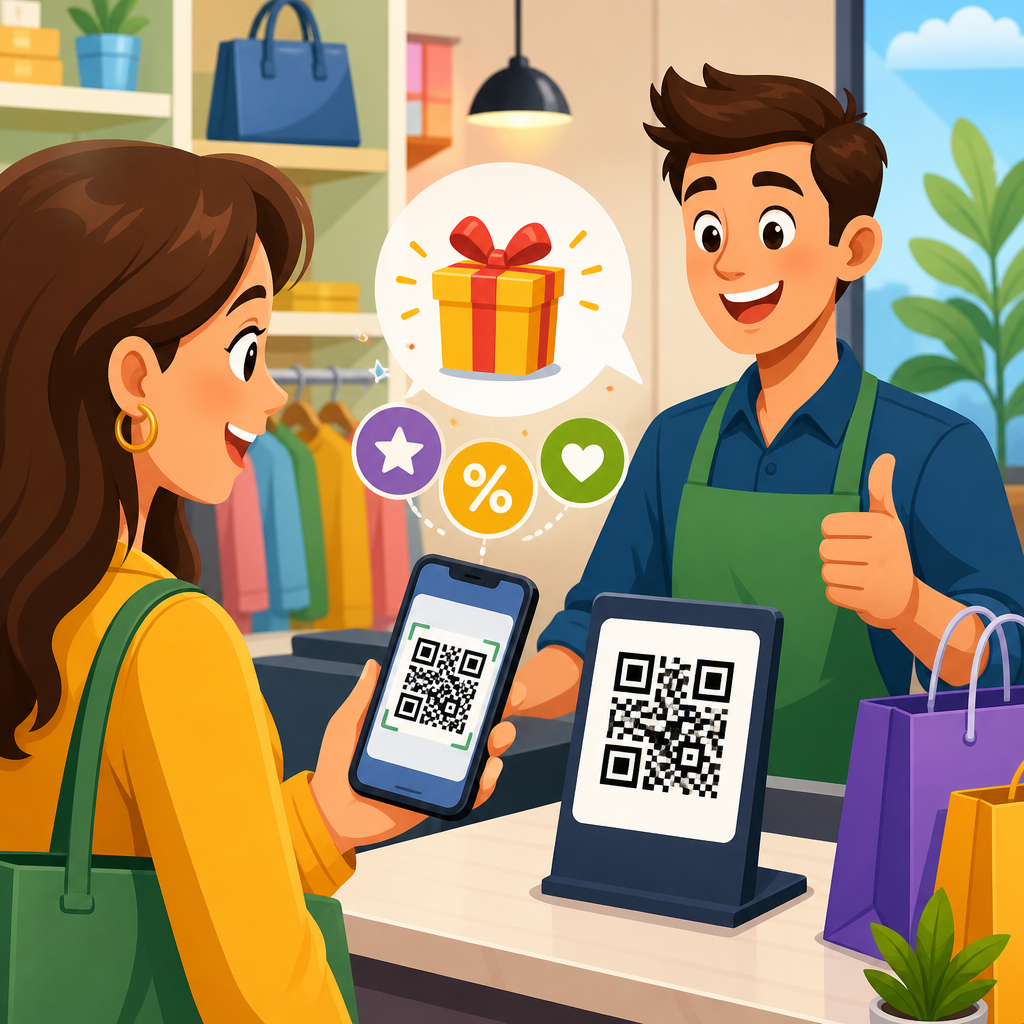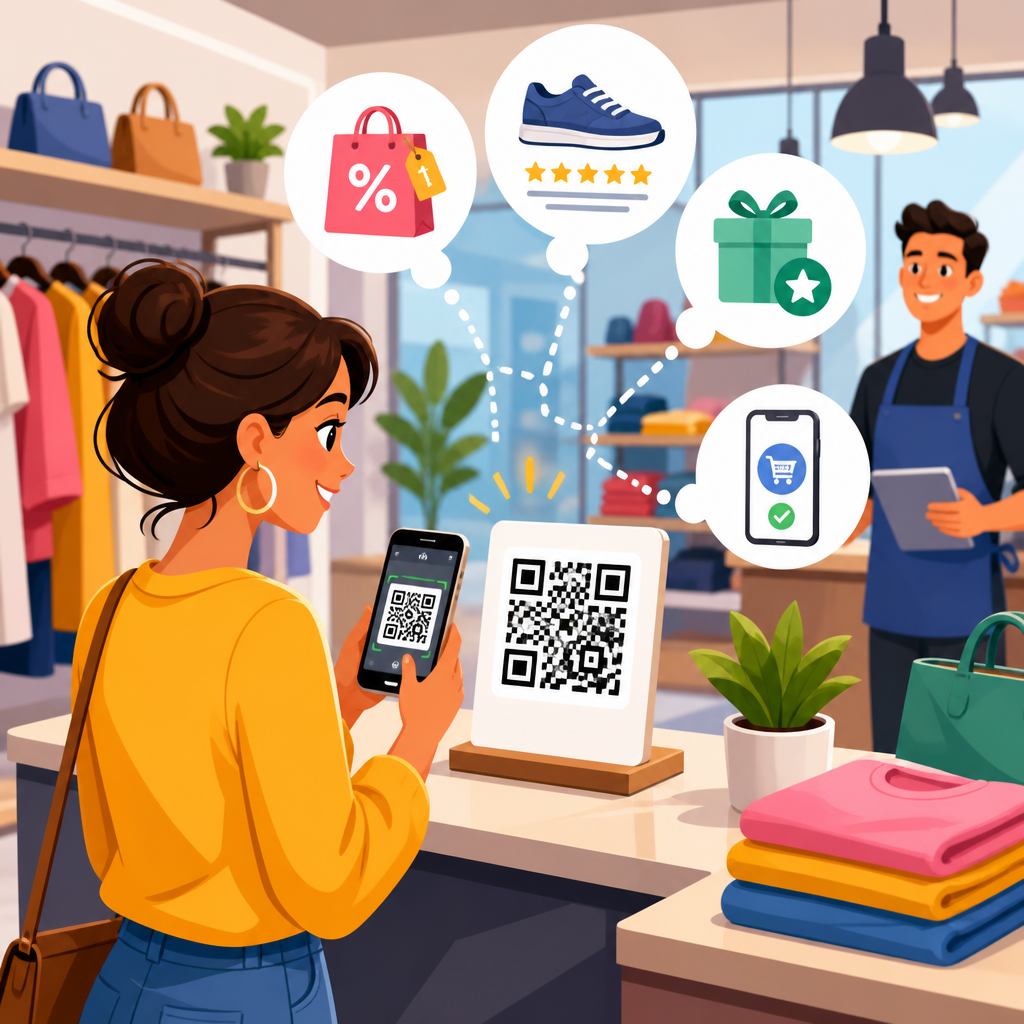
Retail stores use QR codes to increase sales by shortening the path from shopper interest to action. A customer sees a product, scans a code with a phone, and immediately reaches useful content such as product details, reviews, coupons, loyalty rewards, checkout links, or personalized recommendations. In retail and e-commerce, that small square pattern works as a bridge between physical shelves and digital buying journeys, which is why QR code retail strategy has become a core part of modern merchandising rather than a novelty.
A QR code, or quick response code, is a two-dimensional barcode that stores a destination such as a URL, payment request, app deep link, PDF, video, or contact record. Unlike traditional barcodes, QR codes are designed for consumer scanning with smartphone cameras. Most current iPhone and Android devices recognize them natively, removing the need for separate scanner apps in many cases. That low friction matters in stores, where every extra step reduces response rates and weakens sales lift.
Retailers care about QR codes because they improve conversion at multiple points in the funnel. They can attract attention in windows, educate shoppers on the sales floor, support assisted selling, recover abandoned carts, and continue engagement after purchase. I have seen stores get the best results when they stop treating QR codes as generic links and instead assign each code one clear commercial job: capture a lead, trigger a discount, explain a premium feature, or speed up payment. When the purpose is precise, the scan rate and revenue impact are easier to measure.
This retail and e-commerce hub explains how stores use QR codes across the customer journey, what types of campaigns work best, how to measure performance, and where the limitations are. It also frames the subtopics that typically branch into deeper articles, including product packaging, in-store signage, omnichannel commerce, loyalty programs, digital payments, post-purchase engagement, and inventory-aware promotions. For retailers building a QR code strategy, the opportunity is simple: remove friction, add context, and make buying easier wherever the customer is standing.
In-store product discovery and smarter merchandising
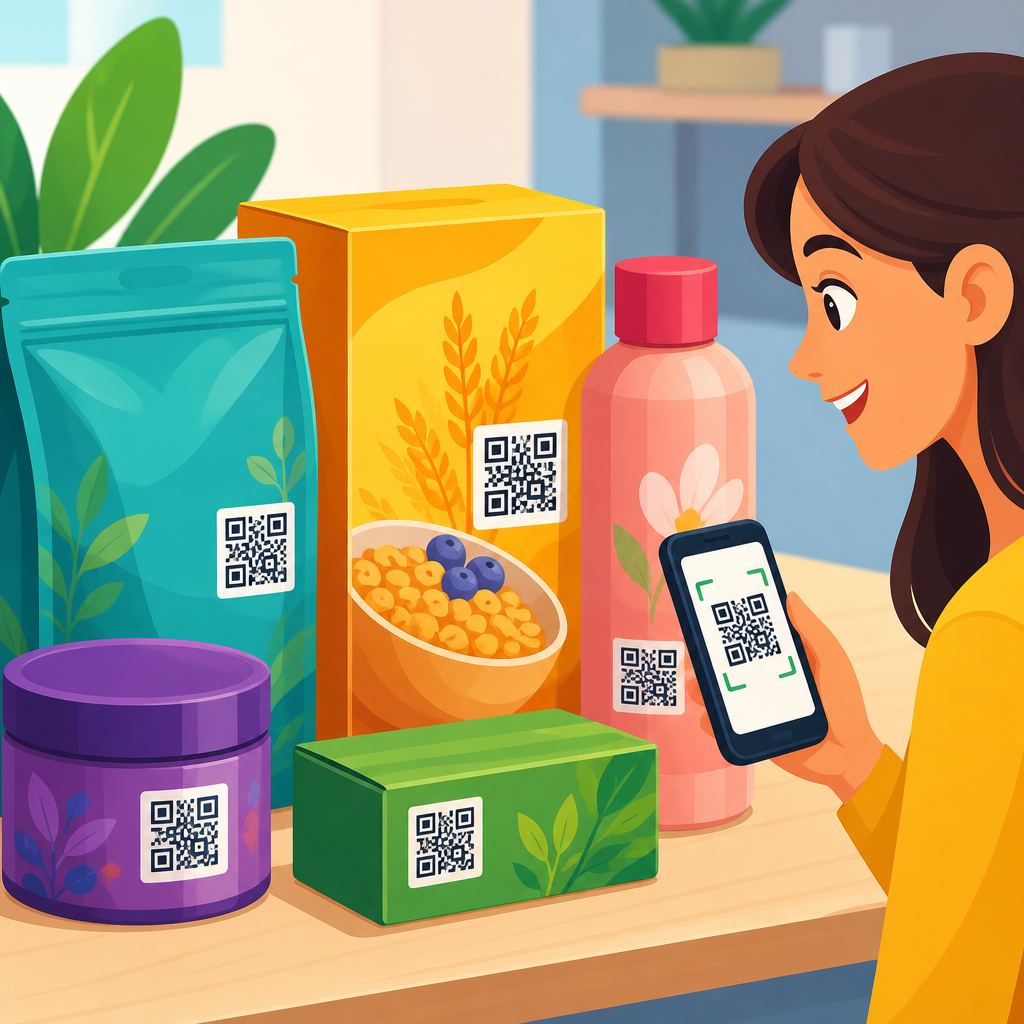
One of the strongest retail QR code use cases is product discovery. Shelf labels and display signs have limited space, especially in categories with technical specifications, ingredient transparency, styling options, or regulatory disclosures. A code beside the product can open a mobile landing page with expanded details, comparison charts, FAQs, care instructions, or demonstration videos. That extra context helps customers buy with confidence, particularly in cosmetics, electronics, home improvement, furniture, and specialty foods.
In practice, better merchandising is not about linking every product to its homepage. Stores increase sales when QR destinations answer the exact question a shopper has in that aisle. In apparel, the code might open size guidance, available colors, and real-customer photos. In beauty, it might show shade matching and ingredient claims. In consumer electronics, it can surface compatibility information and side-by-side comparisons with adjacent models. The more specific the information, the more likely it reduces hesitation and keeps the sale in the store instead of pushing the customer to search a marketplace competitor.
Retailers also use dynamic QR codes on endcaps and seasonal displays. Dynamic codes allow the destination to be changed without reprinting the sign, which is valuable for rotating promotions, local inventory, and campaign testing. A holiday gift display can point to one curated bundle in early December, then switch to clearance pricing after the peak window. This flexibility saves print costs and preserves placement while allowing merchandising teams to react quickly to inventory levels and margin goals.
Another high-performing approach is linking in-store scans to “endless aisle” inventory. If a size, color, or variant is out of stock on the shelf, a QR code can send shoppers directly to the online product page with that variation preselected. Instead of losing the customer, the store captures the sale through e-commerce fulfillment, ship-to-home, or buy online, pick up in store. For chain retailers, that is often the difference between a stockout-driven lost sale and an omnichannel conversion.
Promotions, coupons, and loyalty programs that convert
QR codes are especially effective for retail promotions because they compress discovery, offer redemption, and tracking into one action. A customer can scan a poster, receive a time-sensitive discount, and redeem it online or at the register in minutes. This works in storefront windows, shopping bags, receipts, shelf talkers, and local print ads. The best campaigns make the value obvious before the scan. “Scan for 15% off today” consistently outperforms vague prompts such as “Learn more.”
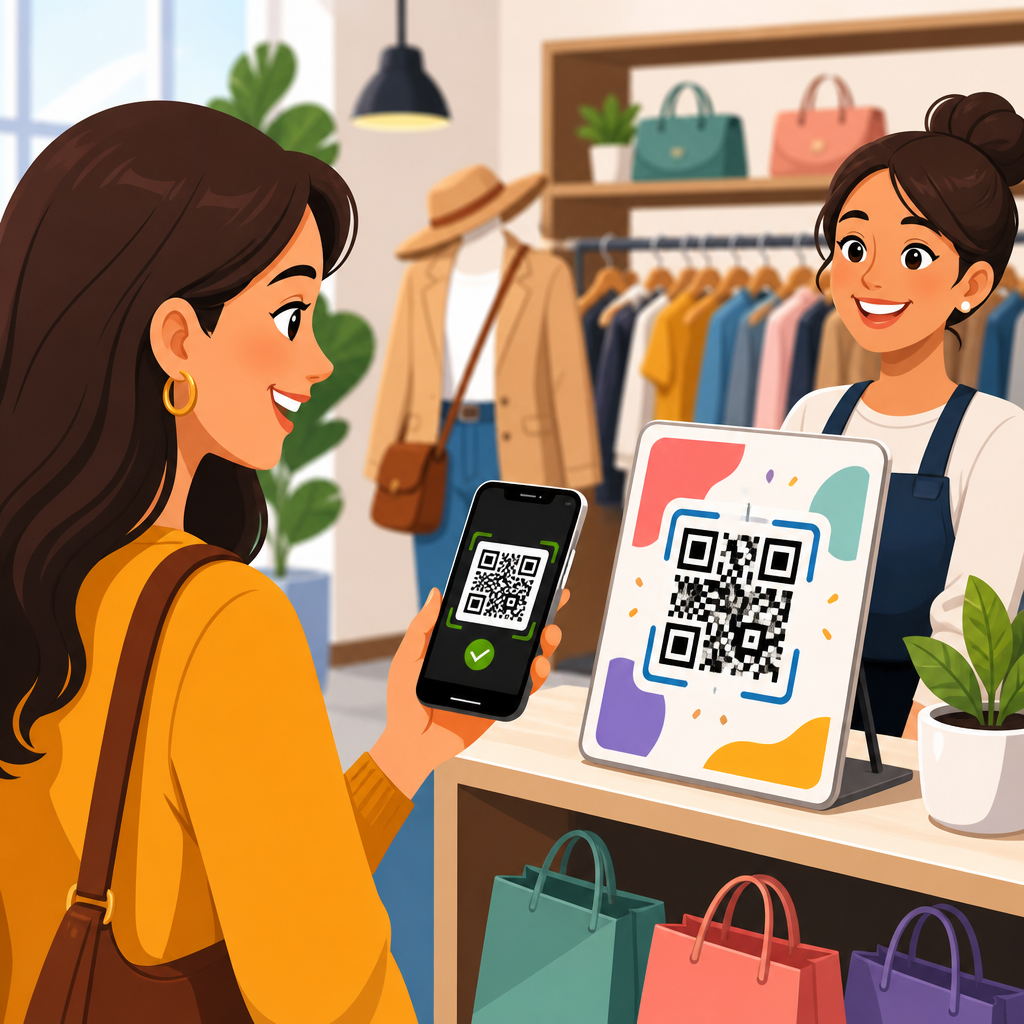
Loyalty enrollment is another major sales driver. Many retailers lose sign-ups because associates must verbally explain the program or customers must type data at a kiosk. A QR code on the counter or receipt can open a simplified mobile form, auto-apply a welcome discount, and attach the sign-up source to a store location or campaign. Once the customer joins, the same mechanism can deliver points balances, member-only pricing, and personalized product recommendations. Retailers then use first-party data from those interactions to refine segmentation and repeat-purchase timing.
Codes also support coupon distribution with better control than paper vouchers. Retailers can set expiration dates, unique identifiers, scan limits, and destination rules. They can route new customers to an introductory offer while returning customers see loyalty upsells. In franchise or multi-location environments, location-specific QR codes help attribute redemptions and compare store performance. This matters because discounting only improves profit when the retailer can distinguish true incremental sales from purchases that would have happened anyway.
For e-commerce-connected promotions, QR codes can carry UTM parameters or equivalent campaign tags into analytics systems such as Google Analytics 4, Adobe Analytics, or commerce-platform reporting. That turns a print sign into a measurable acquisition source. When used correctly, teams can see scans, sessions, add-to-cart rates, coupon redemptions, revenue per visitor, and assisted conversions. Measurement is what moves QR from a creative tactic to a reliable performance channel.
| Retail QR code use case | Primary sales goal | Best placement | Key metric |
|---|---|---|---|
| Product details page | Increase conversion on considered purchases | Shelf tags, display stands | Scan-to-purchase rate |
| Instant coupon | Lift same-visit sales | Windows, aisle signage, receipts | Redemption rate |
| Loyalty signup | Grow repeat purchases | Checkout counter, packaging | Enrollment rate |
| Endless aisle link | Recover out-of-stock demand | Empty shelf notices, fitting rooms | Recovered revenue |
| Mobile payment | Reduce checkout friction | POS, self-checkout, pop-up stores | Checkout completion rate |
| Review request | Build social proof for future sales | Receipts, inserts, post-purchase email | Review submission rate |
Bridging physical retail and e-commerce journeys
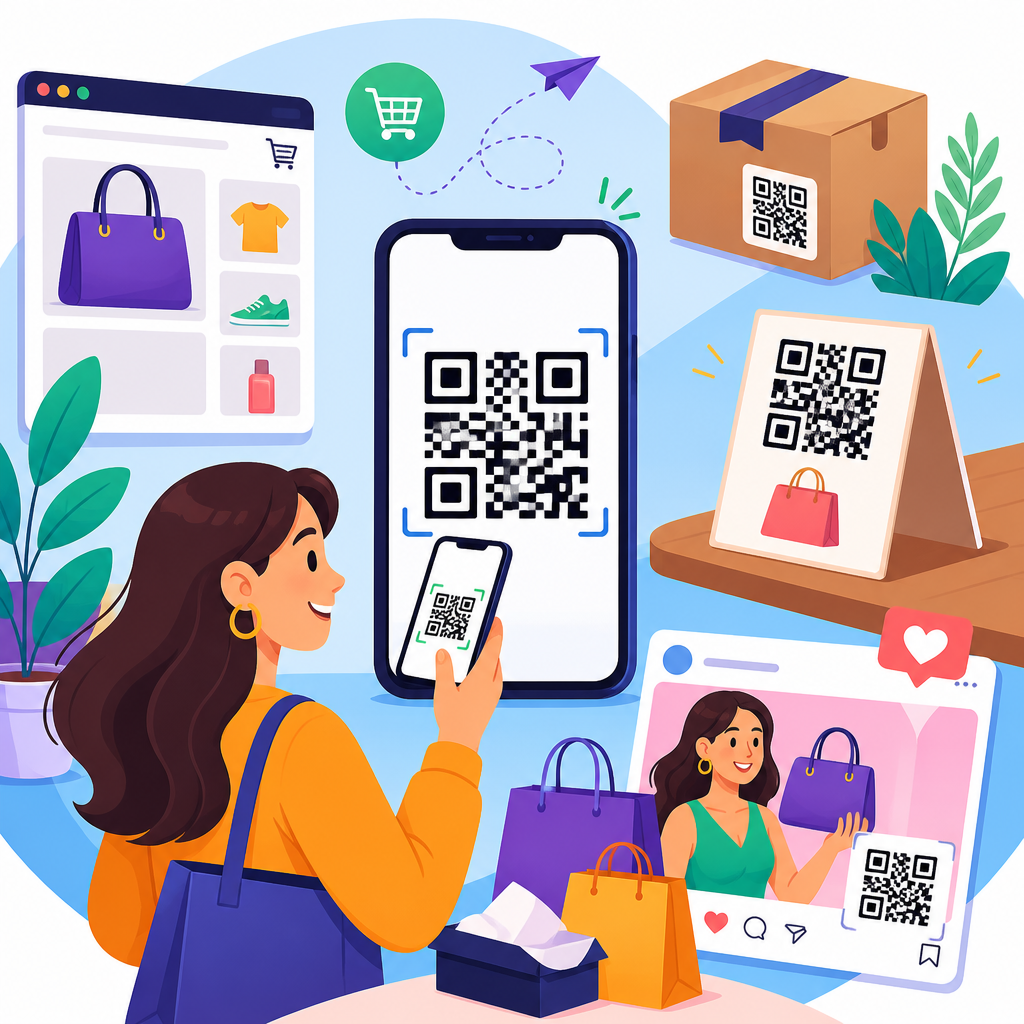
The most important strategic role of QR codes in retail and e-commerce is connecting channels. Shoppers rarely follow a neat path anymore. They browse in store, compare on mobile, save items for later, and complete purchases wherever it is easiest. QR codes support that reality by carrying intent from a shelf or display directly into the digital environment without forcing a new search. That reduces leakage to competitors and preserves product context.
Common omnichannel flows include scan to add to cart, scan to save to wishlist, scan to check nearby inventory, and scan to book store pickup. In furniture and home decor, customers often scan a room display, review dimensions and financing options on mobile, then complete the order later at home. In fashion, a fitting-room code can suggest matching items, alternate sizes, or online exclusives. In grocery, a code near a featured ingredient can open recipes and one-click basket building for the retailer’s app. Each flow increases basket size by making cross-sell opportunities timely and relevant.
From an operational standpoint, deep linking improves these experiences. Instead of sending every scan to a generic mobile website, retailers can route app users directly into the correct product page inside the app while sending nonusers to a mobile web fallback. Platforms such as Shopify, Salesforce Commerce Cloud, Adobe Commerce, and custom headless storefronts can support this with the right linking structure. The result is fewer drop-offs and stronger continuity between marketing, merchandising, and checkout.
Store teams benefit too. Associates can use QR codes during assisted selling to share a basket, send product options to a customer’s phone, or complete payment without holding inventory at the register. That is useful in luxury retail, showrooms, and small-footprint stores where not every item is physically stocked. Instead of ending the conversation with “you can find it online,” the associate creates a direct, trackable path to purchase while the customer’s intent is still high.
Payments, self-service, and checkout speed
QR codes increase sales not only by persuading customers, but also by removing checkout friction. Long lines, clumsy payment hardware, and stalled self-checkout flows cost retailers real revenue, especially during peak periods. QR-based payments let customers use mobile wallets, bank apps, or retailer apps to pay quickly. In some markets this behavior is standard, and in others it is growing through app-based order-ahead, table service, and self-serve experiences.
For retailers, the value is broader than payment acceptance. A code at self-checkout can authenticate a basket, apply loyalty identification, and trigger digital receipts without requiring card swipes or manual entry. Pop-up shops, market stalls, and temporary event retail especially benefit because QR payments reduce hardware needs and shorten setup time. Smaller merchants often start here because the implementation is simpler than building a full connected in-store content system.
There are tradeoffs. Payment flows must be visibly trustworthy, fast on mobile networks, and compliant with payment security requirements. Staff need to recognize the legitimate code and help customers avoid confusion with malicious sticker swaps or fake signs. Good governance includes tamper checks, short destination domains owned by the retailer, and clear on-screen confirmation pages. When security and usability are handled well, QR-based checkout supports more completed transactions with less waiting.
Post-purchase engagement, reviews, and repeat revenue
The sale is not the end of the QR journey. Post-purchase QR codes on packaging, receipts, inserts, and email can increase repeat revenue by turning one transaction into ongoing engagement. Retailers use them to request product reviews, offer setup guidance, recommend replenishment schedules, and promote complementary items. This matters because reviews improve conversion for future shoppers, while useful support content reduces returns and customer service costs.
Consider consumables, beauty, pet products, or home cleaning supplies. A code on the package can lead to how-to content and then invite the customer to subscribe for regular delivery. In electronics, a quick-start guide accessed by QR can reduce frustration, then surface accessories such as cases, chargers, or warranties. In apparel, a care guide can link to styling suggestions and a loyalty invitation. These are practical, revenue-linked interactions, not vanity scans.
Retailers should sequence these experiences thoughtfully. A customer who just unboxed a product usually needs support before being asked for a review. A customer nearing the expected repurchase window may respond better to a replenishment reminder than a generic promotion. When QR campaigns align with product lifecycle timing, they feel useful instead of intrusive, and repeat purchase rates improve accordingly.
Implementation best practices, metrics, and common mistakes
Effective QR code retail execution depends on basics that are often overlooked. The call to action must explain the benefit. The code must be large enough to scan from the expected distance, with sufficient contrast and quiet space around it. The landing page must load quickly, match the promise on the sign, and work cleanly on mobile. If the scan leads to a homepage, a PDF that is hard to read, or a page asking the user to search again, the campaign will underperform.
Measurement should cover both engagement and commercial outcomes. At minimum, retailers should track scans, unique visitors, bounce rate, add-to-cart rate, conversion rate, average order value, redemption rate, and revenue per scan. Store-level analysis is essential for chains because placement, staffing, and local audience behavior vary. A code near the fitting room may outperform one at the entrance simply because customer intent is stronger later in the journey.
Testing matters. I recommend varying one element at a time: the offer, the placement, the destination, or the creative prompt. Retailers often discover that a small wording change such as “Scan to see your size in stock” beats broader messaging because it answers a concrete shopper question. They also learn that too many codes in one area dilute attention. One purposeful code usually performs better than several competing choices.
Common mistakes include using static codes when campaign flexibility is needed, failing to tag analytics properly, sending users to nonmobile experiences, and ignoring staff training. The strongest programs treat QR as part of merchandising, CRM, and omnichannel operations, not a standalone graphic. When retailers connect the code to a clear customer need and a measurable business objective, QR codes reliably increase sales across retail and e-commerce.
QR codes help retail stores increase sales because they make shopping easier at the exact moment a customer is ready to act. They enrich product discovery, deliver targeted promotions, connect stores to e-commerce inventory, speed up checkout, and create profitable post-purchase touchpoints. Used well, they do not distract from the store experience; they remove friction from it.
For a Retail & E-commerce hub, the core lesson is that QR codes work best when each use case is mapped to a specific stage of the customer journey. A shelf code should answer buying questions. A checkout code should simplify payment or loyalty enrollment. A packaging code should support the customer first, then encourage reviews or replenishment. This structured approach turns scans into measurable revenue rather than passive engagement.
The retailers seeing the strongest results are the ones that treat QR codes as an operational channel with clear goals, disciplined measurement, and ongoing testing. They build mobile landing pages for intent, use dynamic codes for flexibility, train staff, and connect scan data to commerce and CRM systems. That creates a practical bridge between physical retail and digital commerce without adding complexity for the shopper.
If you are building out QR Code Use Cases by Industry, use this page as the strategic starting point for Retail & E-commerce, then expand into focused guides on in-store signage, product packaging, loyalty, payments, and omnichannel fulfillment. Start with one high-intent use case, measure scan-to-sale performance, and scale what proves profitable.
Frequently Asked Questions
How do QR codes help retail stores increase sales?
QR codes help retail stores increase sales by reducing friction between a shopper’s interest and the next buying step. Instead of asking customers to search online for product information, coupons, reviews, or availability, a store can place a QR code directly on a shelf tag, product display, package, or sign. When scanned, the code can instantly open a landing page with product details, customer ratings, comparison charts, how-to videos, limited-time offers, or a direct checkout option. That speed matters because it keeps customers engaged at the exact moment they are considering a purchase.
They also improve conversion by connecting physical retail with digital tools that influence decisions. For example, a QR code can unlock a discount, enroll a shopper in a loyalty program, suggest related products, or provide personalized recommendations based on location or campaign. In many cases, QR codes support impulse purchases because they make it easier to act immediately rather than “look it up later.” For retailers, that means stronger engagement, better in-store experiences, more measurable customer journeys, and more opportunities to turn browsing into revenue.
What types of retail content should a QR code link to?
The most effective QR code destinations are the ones that answer customer questions or remove hesitation right away. In retail, that often includes product specifications, sizing guides, ingredient lists, setup instructions, care details, FAQs, and customer reviews. These content types are especially useful for products that benefit from more context, such as electronics, beauty items, apparel, home goods, and specialty food products. If the goal is to improve confidence and reduce abandonment, QR codes should lead to content that helps shoppers make faster, more informed decisions.
QR codes can also be used for stronger sales activation by linking to coupons, bundle offers, loyalty rewards, “buy now” pages, subscription sign-ups, back-in-stock alerts, or product recommendation quizzes. Some retailers use them to connect shoppers to video demonstrations, influencer content, store maps, appointment booking, or digital catalogs. The key is relevance. A QR code works best when the destination matches the shopper’s mindset in that exact moment. On a shelf, shoppers may want comparisons and reviews. At checkout, they may respond better to rewards enrollment or bounce-back offers. Matching placement and content is what turns QR code retail strategy into actual sales growth.
Where should retail stores place QR codes for the best results?
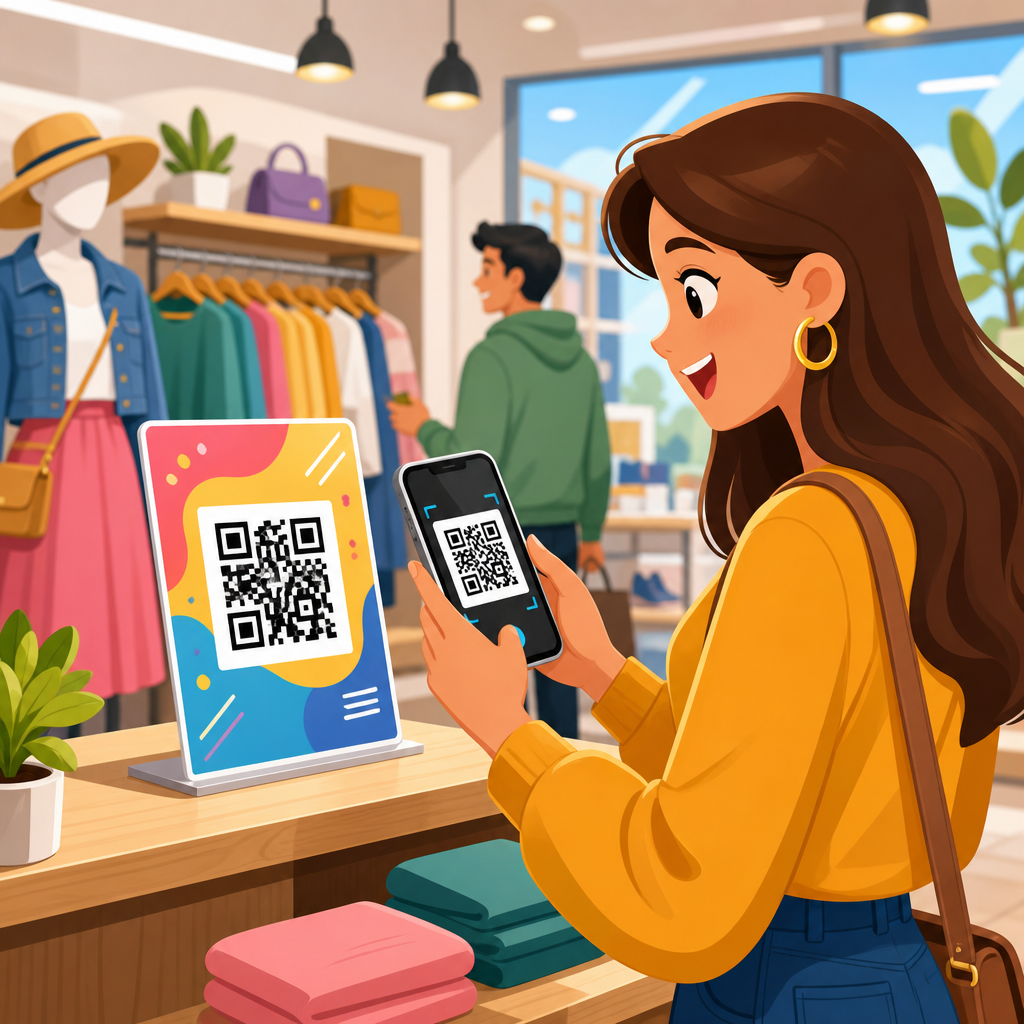
Placement has a major impact on scan rate and sales performance. High-performing locations usually include shelf labels, product packaging, endcaps, window displays, fitting rooms, checkout counters, printed receipts, shopping bags, and point-of-purchase signage. These are all moments where the customer is already paying attention and may need one more piece of information or one more incentive to buy. A QR code placed near a featured product can guide shoppers to demonstrations or reviews, while a code at checkout can encourage loyalty sign-up, app downloads, or post-purchase promotions.
Retailers should also think strategically about customer intent in each location. In-store display QR codes are ideal for education and comparison. Codes in fitting rooms can support style recommendations, alternative sizes, or online ordering if inventory is limited. Window display QR codes can capture interest even after store hours by linking directly to product pages or store locators. For best results, codes should be clearly visible, easy to scan, supported by a short call to action, and tested in real store conditions. A code without context often gets ignored, but a code paired with a clear benefit like “Scan for 15% off” or “See reviews and sizes” gives shoppers a compelling reason to engage.
Are QR codes effective for both in-store retail and e-commerce sales?
Yes, QR codes can be highly effective for both in-store retail and e-commerce because they connect offline attention with online action. In a physical store, they help shoppers move from product discovery to purchase by offering instant access to information, promotions, and digital checkout options. This is especially valuable when customers want more details before buying or when the store wants to offer an “endless aisle” experience by linking to additional colors, sizes, or out-of-stock items online. In that way, QR codes help retailers save sales that might otherwise be lost due to limited shelf space or inventory constraints.
For e-commerce, QR codes can support customer acquisition and retention in creative ways. They can be printed on packaging, inserts, direct mail pieces, catalogs, and store signage to drive repeat purchases, product registration, referrals, and review collection. A customer who buys in-store can be pushed into the online ecosystem, while an online customer can be guided back into stores for events, pickups, or exclusive offers. This cross-channel flexibility is one of the biggest advantages of QR code marketing in retail. It allows brands to create a more connected buying journey, where every interaction can lead to another sale, stronger customer data, and better long-term engagement.
What are the best practices for using QR codes in a retail marketing strategy?
The best retail QR code strategies begin with a clear purpose. Every code should support a specific business goal, such as increasing product conversions, collecting first-party data, growing loyalty membership, promoting a limited-time offer, or driving online orders from store traffic. Once the goal is defined, the experience after the scan needs to be fast, mobile-friendly, and directly relevant to the shopper. Sending customers to a generic homepage is usually a missed opportunity. A better approach is to use dedicated landing pages that match the exact product, promotion, or in-store location tied to the QR code.
Retailers should also focus on usability and measurement. Codes need to be large enough to scan easily, placed in well-lit areas, and accompanied by concise instructions or a value-driven call to action. Dynamic QR codes are especially useful because they allow brands to update destinations without reprinting materials and track performance data such as scan volume, time, location, and campaign response. That data can reveal which displays, products, and offers generate the most engagement. Finally, retailers should test continuously. Small adjustments to placement, messaging, design, or destination content can significantly improve results. When executed well, QR codes are not just a convenience feature—they become a measurable sales tool that strengthens the entire retail customer journey.