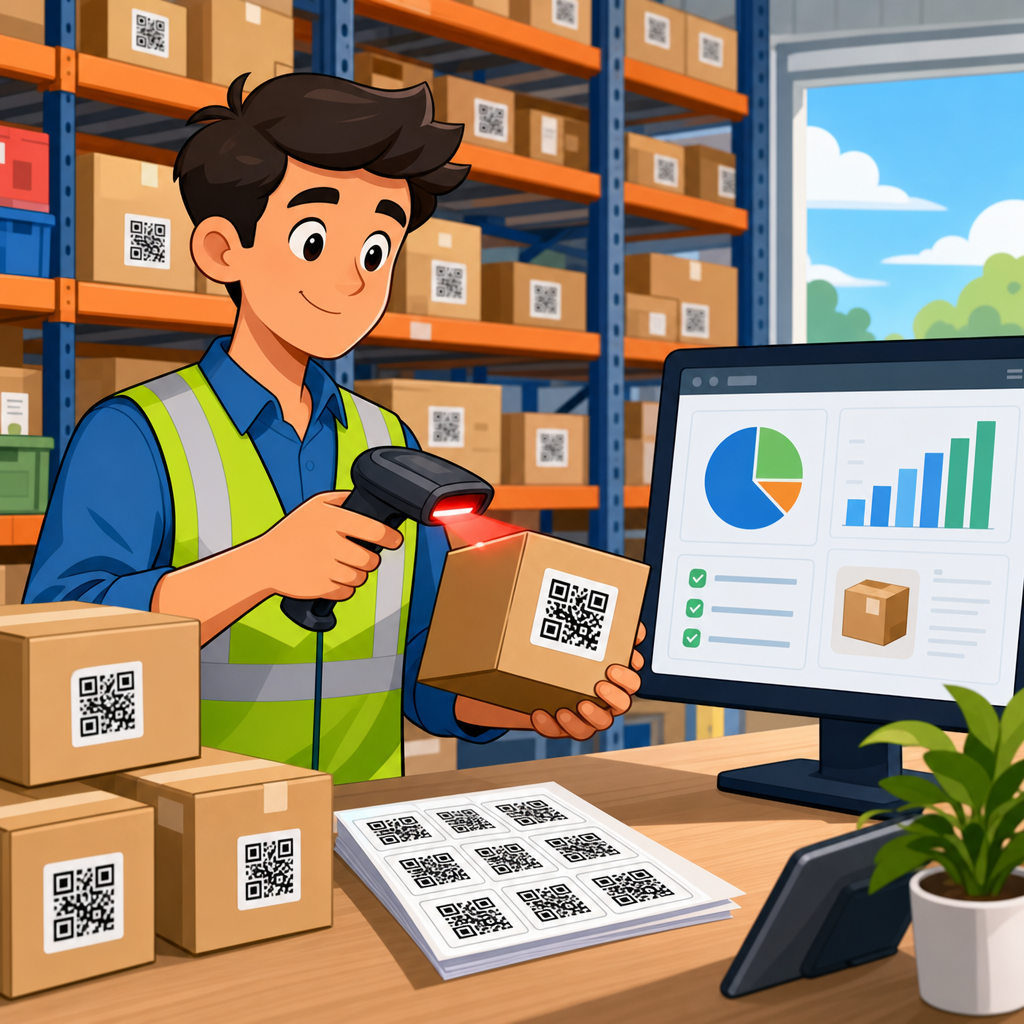
Dynamic QR codes have become one of the most practical tools in modern marketing because they turn a static printed square into a flexible, measurable, and updateable customer touchpoint. A QR code, or Quick Response code, is a two-dimensional barcode that a smartphone camera can scan to open a webpage, download a file, save contact details, join Wi-Fi, launch an app, or trigger another digital action. The key distinction matters: static QR codes store the final destination directly in the code, while dynamic QR codes store a short redirect URL that points to a managed destination. That one architectural difference changes how marketers plan campaigns, track results, and adapt creative after launch.
I have used both types across retail displays, event signage, direct mail, product packaging, restaurant menus, and field sales materials, and the pattern is consistent. Static codes are fine when nothing will change and measurement is unimportant. Dynamic QR codes are better when a campaign has a budget, a deadline, multiple channels, or any need for analytics. If a poster sends traffic to the wrong page, if a product launch date moves, or if a regional team needs different landing pages, dynamic codes let you fix the destination without reprinting the asset. That saves money, protects timelines, and keeps campaigns live.
For marketers, the value is not just convenience. Dynamic QR codes support attribution, experimentation, localization, and lifecycle management. They connect offline media to digital analytics in a way that is simple for customers and useful for teams. Because smartphone scanning is now built into iOS and Android camera apps, friction is low. A customer sees a code on a shelf talker, scans it, and lands exactly where the brand wants. Behind the scenes, the marketing team can review scan counts, timestamps, approximate location data, device types, and conversion behavior in tools such as Google Analytics 4, Adobe Analytics, HubSpot, or Salesforce campaigns. That is why dynamic QR codes now sit at the center of omnichannel marketing programs rather than at the edge of them.
This article explains what dynamic QR codes are, why they matter for marketing, where they outperform static codes, how to use them responsibly, and what to evaluate when choosing a QR code platform. It also serves as the hub for the broader Dynamic QR Codes topic within QR Code Creation and Tools, so the goal is not a narrow definition but a working framework. By the end, you should know when dynamic QR codes are the right choice, how they improve campaign performance, and what operational details separate a useful deployment from a messy one.
What Makes a QR Code Dynamic
A dynamic QR code works through indirection. Instead of encoding the final landing page into the symbol, it encodes a short URL managed by a QR platform. When a user scans the code, the platform logs the scan and forwards the visitor to the current destination. Because the redirect target lives in software rather than in print, marketers can edit it later. That is the defining feature, and it creates several secondary benefits: scan analytics, link rotation, A/B testing, password protection, expiration rules, retargeting pixels on landing pages, and bulk management across many assets.
In practical terms, this means a single printed code can support an evolving campaign. A cosmetics brand can place one QR code on in-store displays, direct customers to a launch page in week one, switch to influencer tutorial content in week three, and later route traffic to a seasonal bundle offer. The physical display stays the same. The digital experience changes as the campaign matures. Teams that manage packaging especially benefit from this model because packaging often remains in circulation for months, sometimes years, after printing.
Dynamic codes also reduce risk. During product rollouts, legal copy, pricing pages, or inventory availability often change at the last minute. With static codes, those changes can invalidate the destination and force reprints. With dynamic codes, the team updates the redirect and preserves the printed asset. This is one of the clearest reasons to use dynamic QR codes for marketing: they treat print as durable and destination logic as adaptable.
Why Dynamic QR Codes Improve Marketing Performance
The strongest business case for dynamic QR codes is performance visibility. Offline channels have always been harder to measure than email, search, or paid social. A flyer may generate awareness, but proving response can be difficult. Dynamic QR codes close that gap by assigning a trackable interaction to a specific asset, placement, audience, or moment. If you generate separate codes for a trade show booth, a postcard, a store window, and a product insert, you can see which touchpoint drove the most scans and which produced the best downstream conversions.
Measurement enables optimization. When marketers know that a shelf display in one retailer drives scans but not purchases, while a package insert drives fewer scans but higher order value, they can adjust landing pages, incentives, and placement strategy. I have seen direct mail campaigns improve simply by changing the destination from a general homepage to a mobile-first page with one clear offer and shortened form fields. The QR code itself did not change. The dynamic routing and analytics made the improvement possible.
Dynamic QR codes also support segmentation. A national campaign can route users by geography, language, time of day, or device type. A restaurant chain can send scans from one city to a local menu and another city to a different menu with local pricing. A B2B manufacturer can route European visitors to CE compliance documentation and North American visitors to UL-related resources. These details matter because relevance drives completion. The less work customers do after scanning, the higher the conversion rate.
Another performance advantage is testability. Marketers routinely test email subject lines and ad creatives, but many still treat printed QR campaigns as fixed. Dynamic codes make testing possible even after materials are distributed. You can compare two landing pages, rotate promotions, or update calls to action by source. In mature programs, QR management becomes part of the same optimization discipline used for paid media and lifecycle marketing.
Best Marketing Use Cases for Dynamic QR Codes
Dynamic QR codes are especially effective in campaigns that combine physical exposure with digital follow-through. Product packaging is a leading example. A code on the box can link to setup guides, warranty registration, product authentication, tutorials, accessory recommendations, or loyalty enrollment. Because packaging outlives campaign windows, the ability to change the destination later is critical. A brand may start with an onboarding video, then shift to upsell offers once the product is established.
Retail signage is another strong use case. Window posters, endcap displays, shelf talkers, and countertop stands can all drive shoppers to reviews, coupons, sizing tools, or live inventory pages. In stores, bandwidth and attention are limited, so direct paths matter. A dynamic code can be tuned by location and season without replacing every printed piece. For quick-service restaurants and hospitality brands, table tents and lobby signage often use dynamic codes for menus, feedback forms, app downloads, and promotions.
Events and field marketing teams rely on dynamic QR codes because event details change constantly. Booth graphics can route to lead capture forms, product demos, calendar booking pages, or gated white papers. If one offer underperforms, the team can change the destination during the event. Sales teams also use dynamic codes in leave-behind materials, proposal folders, and showroom displays to connect prospects with tailored assets. In direct mail, dynamic codes make attribution far clearer than vanity URLs because users do not need to type anything.
| Use case | Primary goal | Why dynamic matters | Typical destination |
|---|---|---|---|
| Product packaging | Onboarding and retention | Packaging remains in market long after print | Setup guide, registration, accessory page |
| Retail signage | In-store conversion | Offers and inventory change by location | Coupon, product page, store inventory |
| Events and trade shows | Lead capture | Offers can be changed during the event | Form, meeting scheduler, demo video |
| Direct mail | Response attribution | Each mail segment can use a unique code | Personalized landing page, offer page |
| Menus and hospitality | Service efficiency | Menu items and pricing need rapid updates | Digital menu, ordering page, feedback form |
Analytics, Attribution, and Optimization
When people ask why use dynamic QR codes for marketing, the short answer is that they make offline media measurable. Good QR platforms report total scans, unique scans, scan time, device operating system, and approximate location based on IP. Better implementations also pass UTM parameters into analytics platforms so teams can connect scans to sessions, conversions, revenue, and assisted paths. In Google Analytics 4, for example, a QR landing page can be tagged with source, medium, campaign, and content values that identify the exact asset. That makes QR data actionable rather than anecdotal.
The analytics, however, are only as useful as the campaign structure. Each placement should have its own code if the goal is comparison. A single code reused across posters, packaging, and brochures hides performance differences. Naming conventions matter too. I recommend consistent labels for market, channel, asset type, audience, and date, then syncing those labels with CRM and reporting systems. Teams using HubSpot or Salesforce can map QR-driven form fills to campaign records, which helps sales and marketing evaluate lead quality rather than scan volume alone.
Optimization usually happens in three layers. First, improve the scan rate with better placement, contrast, sizing, and calls to action. Second, improve the click-to-conversion rate with mobile-first landing pages, faster load times, and fewer distractions. Third, improve the business outcome with stronger offers, personalization, or better follow-up sequences. Dynamic QR codes contribute most to layers two and three because they let teams iterate after distribution. That flexibility is valuable, but it does not excuse weak execution. A code that leads to a slow, generic homepage wastes intent.
Design, User Experience, and Trust
The most successful dynamic QR campaigns are built around user intent, not novelty. People scan when the payoff is obvious: save time, get a discount, access details, or complete a task immediately. That means the surrounding design matters as much as the code. A clear call to action such as “Scan for sizing help,” “Scan to book a demo,” or “Scan for today’s menu” outperforms a bare code with no context. In my experience, response increases when the value proposition is specific and immediate.
Technical design standards also matter. The code should have adequate quiet space, high contrast, and enough size for the expected scanning distance. Industry guidance varies by context, but a common rule is roughly one inch of code size for every ten inches of scanning distance. Print finishes can interfere with readability; glossy laminates and curved surfaces often create problems. Error correction helps, but it is not a substitute for good production. Before launch, test on multiple iPhone and Android devices under realistic lighting conditions.
Trust is equally important. Users are more willing to scan when the brand is recognizable and the destination is credible. Branded short domains, secure HTTPS landing pages, and familiar visual identity reduce hesitation. Some marketers over-customize QR code designs with excessive logos, gradients, or altered finder patterns, which can break readability. Branding should support usability, not compete with it. A dynamic QR code is successful when the customer barely notices the technology because the path feels simple and dependable.
How to Choose a Dynamic QR Code Platform
Not all QR platforms are equal, and choosing the wrong provider can create operational risk. Start with reliability. Because every scan passes through the provider’s redirect infrastructure, uptime and speed are essential. Next, review analytics depth, bulk generation, foldering, API access, user permissions, custom domains, and export options. Large organizations usually need role-based access so local teams can manage assets without exposing account-wide settings. Agencies often need bulk creation and templates for campaign scale.
Security and governance deserve more attention than they usually get. Ask how the platform handles data retention, access logs, password policies, and account ownership. If the person who created hundreds of codes leaves the company, can the business retain control easily? Also confirm what happens if the subscription lapses. Some providers disable redirects when billing stops, which can break live assets in the field. For packaging and long-lived signage, that is unacceptable unless procurement has a clear renewal process.
Popular tools in this space include Bitly for link management, though dedicated QR platforms often offer stronger design controls and scan analytics. Enterprises may also integrate redirects through their own domains and marketing stacks for tighter governance. The right choice depends on volume, reporting needs, and lifespan of the materials. As a rule, if codes will appear on permanent assets, choose a platform and domain strategy you can maintain for years, not just for a quarter.
Common Mistakes and Final Recommendations
The biggest mistake in QR marketing is using a dynamic code to send people to a destination that is not mobile-ready. The second is failing to separate codes by channel, which destroys attribution. Other frequent errors include tiny code sizes, weak calls to action, overdesigned symbols that scan poorly, and linking to homepages instead of task-specific landing pages. Teams also forget governance: no inventory of live codes, no owner assigned, and no plan for platform renewals. Those issues become expensive when codes are printed on packaging, manuals, or store fixtures.
The best way to use dynamic QR codes is simple. Start with a clear user need, create one code per asset or segment, tag every destination consistently, and connect reporting to your analytics and CRM systems. Test the full experience on real devices, not just the code. Then monitor performance and adjust routing based on what customers actually do. Dynamic QR codes are not a gimmick or a replacement for sound marketing fundamentals. They are an operational advantage that makes offline campaigns adaptable, measurable, and easier to improve over time.
For brands investing in packaging, signage, events, direct mail, or in-person sales enablement, dynamic QR codes deliver a rare combination of flexibility and accountability. They let you change what matters after launch without wasting printed materials, and they reveal which touchpoints create real business results. If you are building out your QR Code Creation and Tools strategy, make dynamic QR codes the default for any campaign that may evolve, needs tracking, or must scale across locations and teams. Audit your current QR usage, identify static codes on changeable assets, and upgrade the ones that should be working harder.
Frequently Asked Questions
What is a dynamic QR code, and how is it different from a static QR code?
A dynamic QR code is a QR code that points to a short redirect URL rather than permanently storing the final destination inside the code itself. That difference makes it far more useful for marketing. With a static QR code, the landing page, file, or action is fixed at the time the code is created. If the destination changes later, the printed code becomes outdated and usually has to be replaced. A dynamic QR code avoids that problem because you can update the destination behind the code at any time without changing the printed image customers scan.
In practical terms, that means a business can place one QR code on packaging, flyers, posters, menus, direct mail, signage, or product labels and continue adjusting the campaign after those materials are already in circulation. You can swap a seasonal landing page for a new promotion, change a broken link, redirect users to a regional offer, or send traffic to a different page based on campaign goals. For marketers, this flexibility is a major advantage because it extends the life of printed assets and reduces waste.
Dynamic QR codes also offer tracking and analytics, which static codes generally do not. Because scans pass through a managed redirect, marketers can measure activity such as scan volume, time of scan, device type, and sometimes approximate location depending on the platform being used. This turns the QR code from a simple access tool into a measurable marketing channel. In short, static QR codes are fixed and limited, while dynamic QR codes are editable, trackable, and much better suited for ongoing campaigns.
Why are dynamic QR codes especially valuable for marketing campaigns?
Dynamic QR codes are especially valuable in marketing because they combine convenience for the customer with control and visibility for the marketer. From the customer’s perspective, scanning a code is fast and frictionless. It removes the need to type long URLs, search for a brand online, or manually enter contact information. From the marketer’s perspective, that quick scan can lead users directly into a well-designed conversion path, whether that means viewing a product page, claiming an offer, registering for an event, downloading an app, joining an email list, or making a purchase.
The real strength of dynamic QR codes is that they make offline marketing more agile. Traditional print advertising is often expensive to revise once it has been distributed. Dynamic QR codes solve that issue by allowing teams to update campaign destinations in real time. A business can test multiple landing pages, refresh creative offers, fix mistakes, or align messaging with inventory and seasonality without reprinting materials. That flexibility is a significant advantage in fast-moving campaigns where timing matters.
They also improve measurement. Marketers often struggle to connect offline touchpoints with digital performance data. Dynamic QR codes help bridge that gap by showing how many people scanned, when they scanned, and how different placements performed. A brand can compare scans from in-store signage versus direct mail, event banners versus product packaging, or magazine ads versus window displays. That level of insight helps teams understand return on investment, optimize spending, and make smarter decisions about future campaign strategy.
Another reason they matter is consistency across channels. A single QR code can appear in multiple physical locations while still being tied to one controlled digital experience. Marketers can maintain brand continuity, direct traffic into tracked funnels, and adjust messaging over time without losing momentum. In modern marketing, where flexibility, speed, and measurable results are critical, dynamic QR codes offer a practical way to make physical media more interactive and accountable.
Can you change the destination of a dynamic QR code after it has been printed?
Yes, and that is one of the main reasons businesses choose dynamic QR codes in the first place. Once a dynamic QR code has been printed on marketing materials, packaging, signage, brochures, labels, or displays, you can still update where it sends users. The visible QR code image remains the same, but the destination behind it can be changed through the QR code management platform. This means the code can continue working even as your campaign evolves.
That capability is extremely useful in real-world marketing. If a landing page URL changes, a promotion ends, a product goes out of stock, or a business wants to shift traffic to a newer offer, there is no need to scrap existing printed material. Instead, the marketer simply edits the redirect target. This can save substantial time and production costs, especially for campaigns that span multiple locations or use large print runs. It also reduces the risk of dead links and outdated user experiences, which can hurt trust and conversions.
Updating the destination also supports better campaign optimization. A business might start by sending scanners to a general homepage, then switch to a dedicated product page, then later direct users to a limited-time offer based on what performs best. Some companies use this flexibility for localization, sending users in different regions to different pages, or for event marketing, where the same code may point to registration before an event and to follow-up content after it ends.
In short, the ability to change a destination after printing is what makes dynamic QR codes so practical for long-term and multi-phase campaigns. It turns a printed code into a reusable marketing asset instead of a one-time link.
What kind of analytics can dynamic QR codes provide?
Dynamic QR codes can provide valuable analytics that help marketers understand engagement and campaign performance much more clearly than static print alone. While the exact reporting features depend on the platform, most dynamic QR code systems can track the number of scans, the dates and times those scans occurred, the devices used, and in some cases general location data such as city or region. Some platforms also show operating system data, browser data, and trends over time.
These insights matter because they give context to customer behavior. For example, if a retail poster receives more scans during evening hours, that may influence ad scheduling or staffing decisions. If product packaging gets strong scan activity after purchase, the business may decide to use QR codes more aggressively for onboarding, reviews, loyalty programs, or cross-sell offers. If one store location consistently outperforms another, marketers can investigate differences in placement, design, visibility, or audience intent.
Dynamic QR code analytics also support campaign attribution. Instead of guessing whether a flyer, display stand, mailer, or window decal drove interest, marketers can measure scans from each asset or placement. This is particularly helpful in omnichannel marketing, where physical and digital interactions overlap. Teams can pair QR scan data with website analytics, conversion tracking, CRM records, or UTM parameters to see what happens after the scan and which offline touchpoints are contributing to leads and sales.
Just as importantly, analytics allow for ongoing improvement. If scan rates are low, marketers can test a stronger call to action, better placement, improved design contrast, or a more compelling destination page. If scans are high but conversions are weak, the issue may be the landing page rather than the code itself. That feedback loop is what makes dynamic QR codes so effective: they do not just connect customers to content, they generate data that helps marketers optimize the full experience.
What are the best ways to use dynamic QR codes successfully in a marketing strategy?
The best way to use dynamic QR codes successfully is to treat them as part of a larger customer journey rather than as a standalone graphic. A QR code should always have a clear purpose. Before creating one, define what action you want the user to take after scanning. That might be redeeming an offer, watching a demo, booking an appointment, downloading a guide, leaving a review, following a social channel, or making a purchase. The more specific the goal, the easier it is to design an effective campaign around it.
Placement and messaging are critical. A QR code should be easy to see, easy to scan, and paired with a clear call to action that tells people why they should use it. Phrases like “Scan for 20% off,” “Scan to see the menu,” or “Scan to book your free consultation” perform far better than placing a code with no explanation. The destination should also match the context. A code on product packaging might lead to setup instructions or warranty registration, while a code on an event sign might lead to registration or event details.
It is also important to optimize the landing experience for mobile devices, since most scans happen on smartphones. The page should load quickly, display properly on smaller screens, and make the next step obvious. If users scan a code and land on a slow, confusing, or irrelevant page, the marketing opportunity is lost. Dynamic QR codes give you the flexibility to update that experience, so marketers should actively test and improve it over time.
Finally, use the tracking features to refine performance. Monitor scan rates, compare placements, test different offers, and update destinations as needed. You can run A/B-style experiments by using different dynamic codes across campaign materials or changing destinations over time based on results. When used thoughtfully, dynamic QR codes help connect physical marketing with digital action, reduce friction, improve measurement, and make campaigns more adaptable. That combination is exactly why they have become such a powerful tool in modern marketing.